Overview: Unlocking the Power of Your Tools
Power tools are the backbone of any DIY project, transforming complex tasks into manageable ones. Whether you're a seasoned DIY enthusiast or just starting, understanding how to select, use, and maintain tools like power washers is key to success. This Ultimate Guide to Power Tools dives deep into their world, offering practical tips, troubleshooting advice, and maintenance tricks to keep your equipment running smoothly.
Why Power Tools Matter
Power tools save time, effort, and often money compared to manual tools. They’re designed for efficiency, allowing you to cut, drill, sand, or clean with precision. Among these, power washers stand out for their ability to blast away dirt and grime from surfaces like decks, driveways, and siding. But with great power comes the need for proper care and know-how. Choosing the right tool and maintaining it can make or break your project.
The first step in mastering power tools is understanding their types. Drills, saws, sanders, and power washers each serve unique purposes. For instance, a power washer uses high-pressure water to clean surfaces, making it ideal for outdoor tasks. According to a study by the Home Improvement Research Institute, over 60% of DIYers own at least one power tool, with power washers being a top choice for homeowners tackling exterior cleaning.
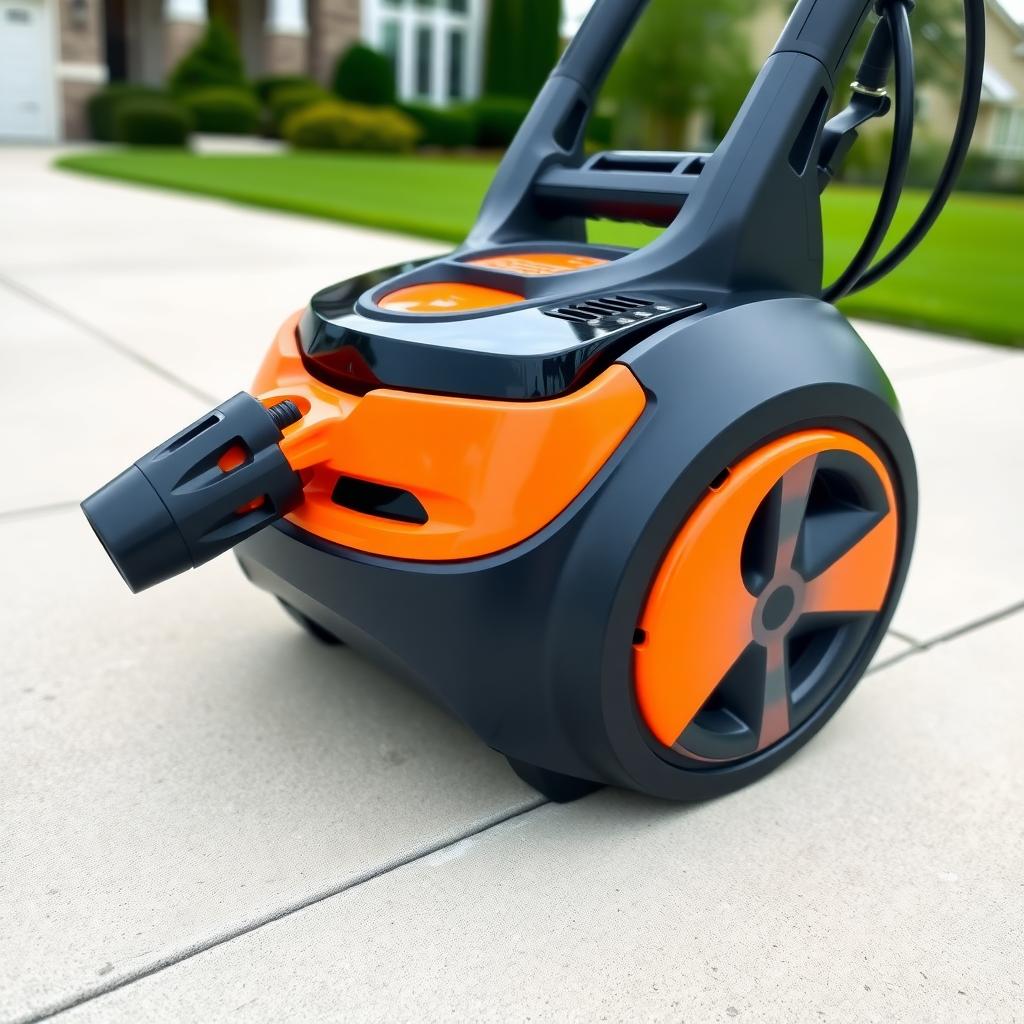
Choosing the Right Power Washer
Selecting a power washer depends on your needs. Electric models are lightweight, quieter, and perfect for small to medium tasks like cleaning patios or vehicles. Gas-powered washers, on the other hand, deliver higher pressure for heavy-duty jobs like stripping paint or cleaning large driveways. When shopping, check the PSI (pounds per square inch) and GPM (gallons per minute). A PSI of 1,300–2,000 is ideal for home use, while higher ratings suit professional tasks, as noted by Consumer Reports.
Consider your budget and storage space too. Electric models are often more affordable and easier to store, while gas models require more maintenance but offer unmatched power. Before buying, think about the surfaces you’ll clean. Delicate materials like wood need lower pressure to avoid damage, while concrete can handle higher settings.
DIY Maintenance Tricks for Power Washers
Keeping your power washer in top shape is crucial for longevity. Regular maintenance prevents costly repairs and ensures consistent performance. Here are some DIY maintenance tricks for power washers I’ve learned from years of tackling home projects:
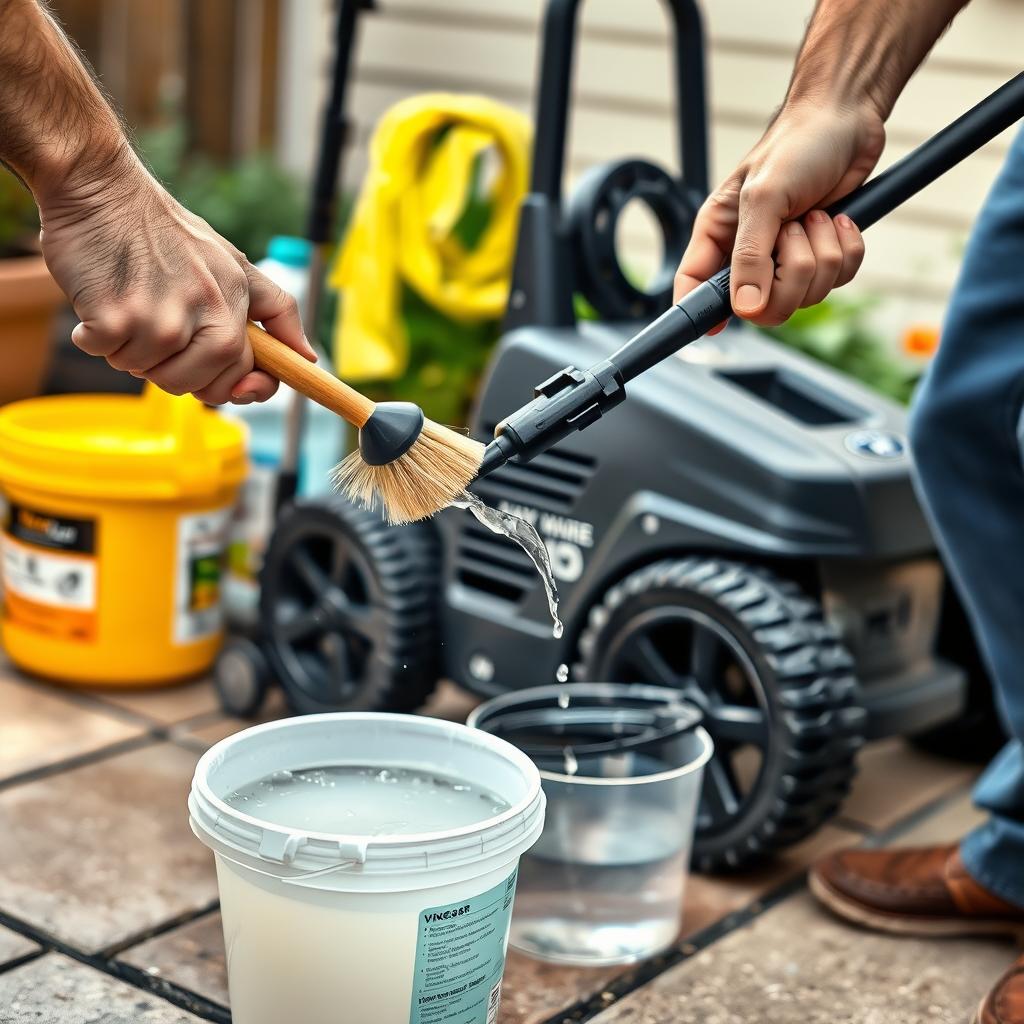
- Flush the System: After each use, run clean water through the pump to remove detergent or debris. This prevents clogs and corrosion.
- Check the Oil: For gas-powered models, check the oil level before each use. Low oil can damage the pump, as outlined in Oregon State University’s equipment maintenance guide.
- Inspect Hoses and Nozzles: Look for cracks or leaks in hoses and ensure nozzles are free of blockages. A clogged nozzle can reduce pressure and strain the pump.
- Winterize Your Washer: Before storing for winter, drain all water and add pump antifreeze to prevent freezing damage.
These steps are simple but effective. I once neglected to flush my power washer after using detergent, and the pump clogged, costing me hours of cleanup. Now, I make it a habit to flush the system after every job, saving me from future headaches.
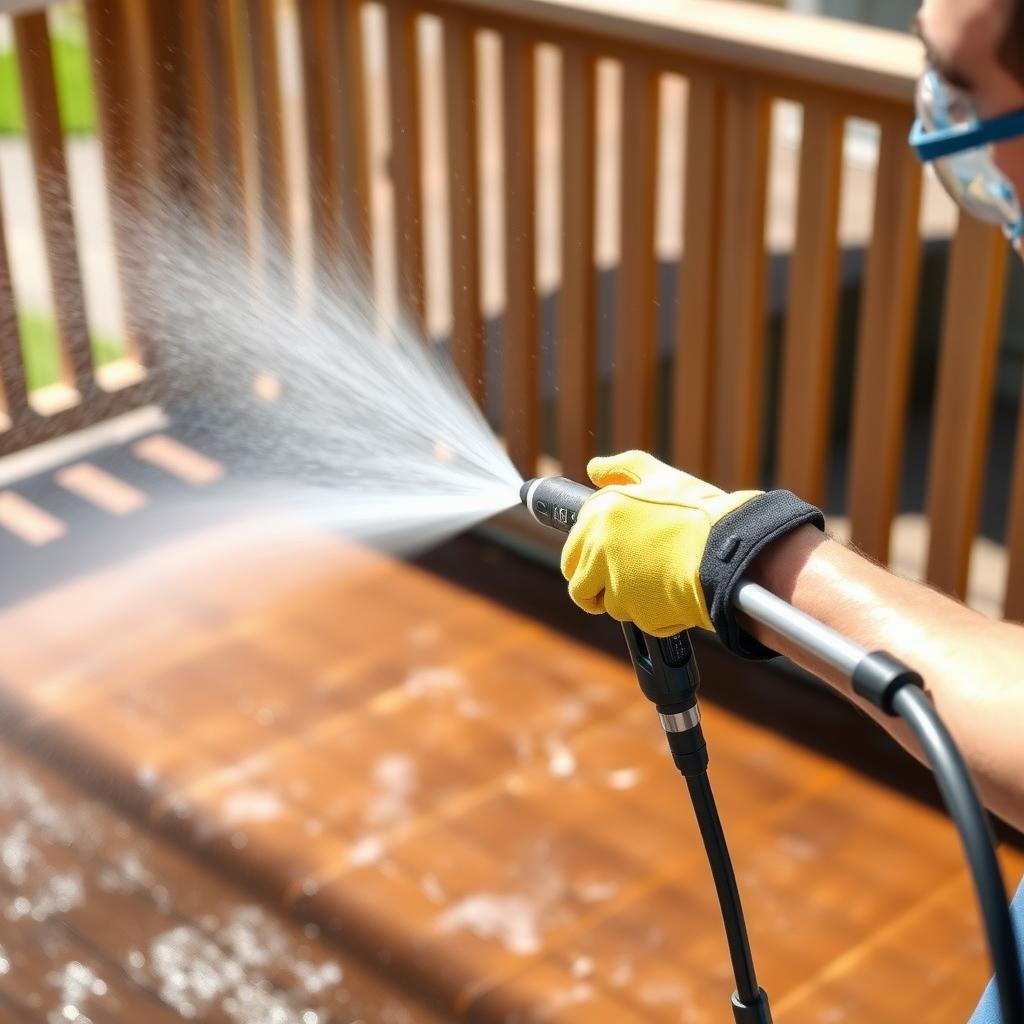
Power Washer Troubleshooting and Repair
Even with regular maintenance, issues can arise. Knowing how to troubleshoot your power washer can save you time and money. Here are common problems and their fixes, based on my own experiences and insights from Popular Mechanics:
| Issue | Possible Cause | Solution |
|---|---|---|
| Low pressure | Clogged nozzle or hose | Clean or replace the nozzle; check hose for kinks |
| No water flow | Pump failure or airlock | Prime the pump or check for leaks |
| Engine won’t start (gas models) | Old fuel or spark plug issue | Replace fuel; inspect or replace spark plug |
| Leaking water | Worn seals or loose connections | Tighten connections or replace seals |
If your washer loses pressure, start by checking the nozzle. I once spent an hour troubleshooting only to find a tiny pebble stuck in the tip. A quick clean fixed it instantly. For more complex issues like pump failure, consult a professional, but most problems are manageable with basic tools and patience.
Safety is critical when troubleshooting. Always disconnect the power or fuel source before inspecting parts. Wear gloves and safety glasses, especially when dealing with high-pressure components. These precautions have saved me from potential injuries during repairs.
Maximizing Your Power Tool Experience
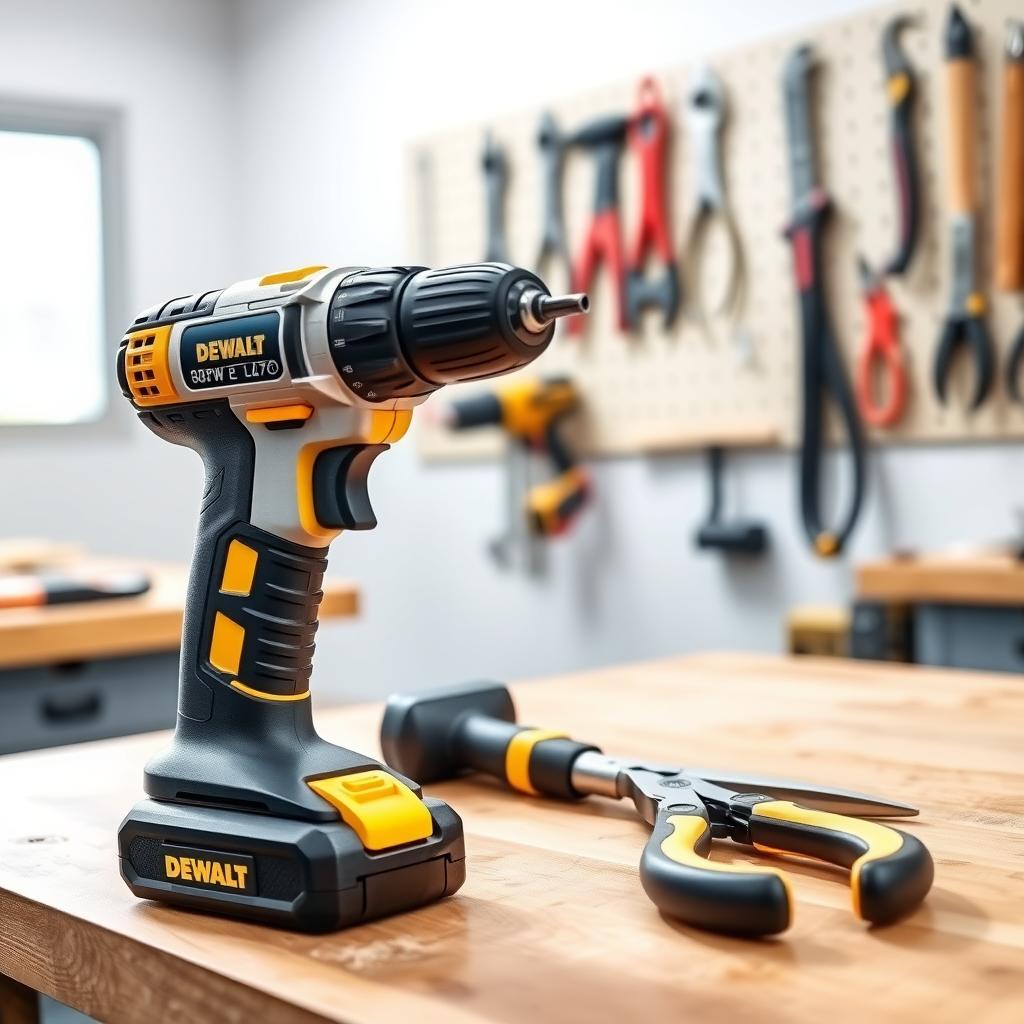
Beyond power washers, other power tools like drills, circular saws, and sanders can elevate your DIY game. Each tool has its own learning curve, but the principles of maintenance and safety apply across the board. For example, always store tools in a dry, secure place to prevent rust or damage. Regularly inspect cords, blades, and batteries for wear. A well-maintained tool is not only safer but also performs better.
When using power tools, plan your project carefully. Measure twice, cut once, as the old saying goes. I’ve learned this the hard way after miscutting wood with a circular saw due to rushed measurements. Also, invest in quality accessories like sharp blades or high-pressure nozzles. They make a noticeable difference in performance.
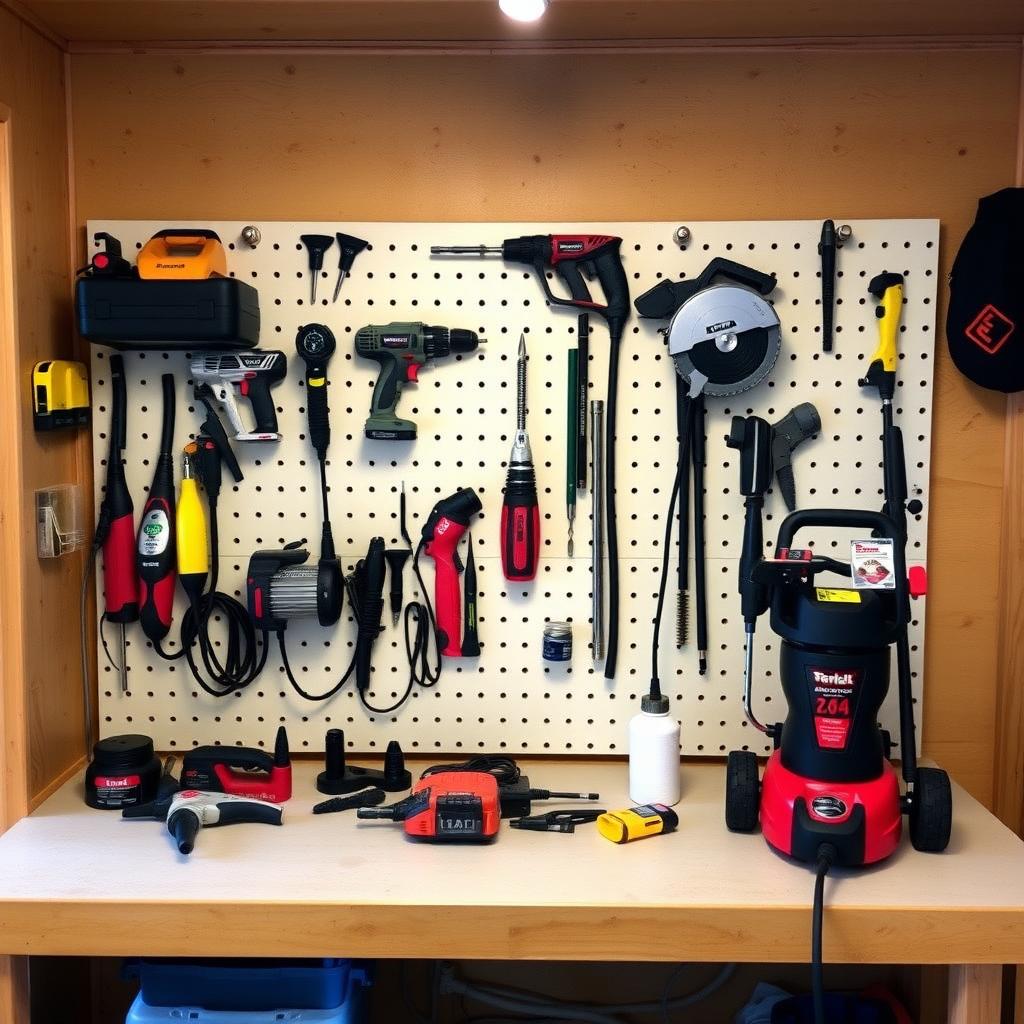
Tips for Beginners
If you’re new to power tools, start small. Practice with an electric power washer or a cordless drill before tackling heavy-duty gas models or complex saws. Read the manual—yes, it’s tedious, but it’s packed with model-specific tips. Join online DIY communities or watch tutorials to build confidence. I started with a basic power washer for my driveway and gradually moved to more advanced tools as I gained experience.
Summary: Empowering Your DIY Journey
Power tools, especially power washers, are game-changers for DIY projects. By choosing the right tool, maintaining it with DIY maintenance tricks for power washers, and mastering power washer troubleshooting and repair, you can tackle any task with ease. This Ultimate Guide to Power Tools provides the foundation to work smarter, not harder. Keep learning, stay safe, and enjoy the satisfaction of a job well done.
Related The Ultimate Guide to Power Tools:
- Advanced Power Tool Maintenance Techniques: The Ultimate Guide
- Essential Wrenches for Automotive Repair: Your Toolkit Guide
- How Order Boosts Your Workshop Efficiency: The Ultimate Guide
- How to Choose the Right Paint for Your Project: A Comprehensive Guide
- How Ergonomics is Changing the Construction Industry
- How to Maintain and Store Wrenches for Long-Lasting Performance
- Top 10 Ergonomic Tools Every Workshop Needs for Comfort and Efficiency
- Tips for DIY Plumbing Success: Master Your Home Repairs
- Top Screwdriver Safety Tips You Can’t Ignore
- The Best Tablesaws with User-Friendly Features for Every Workshop
- How to Choose the Right Tools for Your Job: A Practical Guide
- How to Paint a Room Like a Pro: A Step-by-Step Guide