Overview: Keeping Your Wrenches in Top Condition
Wrenches are essential workman tools, whether you're a DIY enthusiast or a professional mechanic. Knowing how to maintain and store wrenches properly ensures they last for years, saving you time and money. This guide shares practical tips to keep your wrenches in peak condition.
Why Proper Wrench Maintenance Matters
Wrenches are the backbone of any toolkit. From tightening bolts to assembling furniture, these tools handle tough jobs. But without proper care, they can rust, wear out, or become hard to use. Maintaining your wrenches keeps them functional and safe, while proper storage prevents loss or damage. I've learned this the hard way after leaving a favorite wrench in a damp toolbox, only to find it rusted a month later. Let's dive into how to avoid these mistakes.
Cleaning Your Wrenches: The Foundation of Maintenance
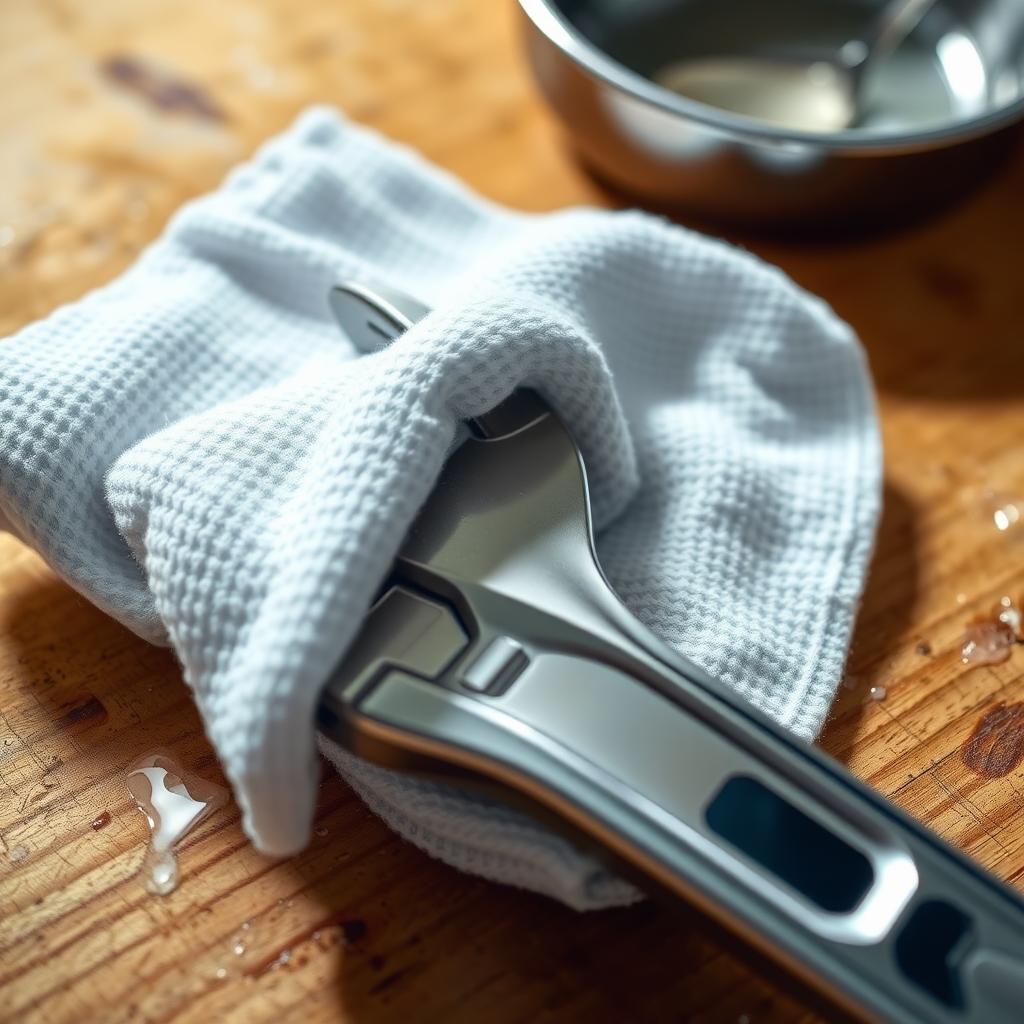
Dirt, grease, and grime can build up on wrenches, especially after heavy use. Cleaning them regularly is the first step to maintenance. Start by wiping down each wrench with a dry cloth to remove surface dirt. For stubborn grease, use a mild degreaser or soapy water. Avoid harsh chemicals that could damage the finish. Dry thoroughly to prevent rust—moisture is the enemy of metal tools.
For example, after working on my car, I noticed my combination wrench was coated in oil. A quick soak in warm, soapy water and a scrub with a soft brush got it sparkling clean. According to Purdue University's Agricultural Safety Program, clean tools are less likely to slip during use, reducing injury risks.
Preventing Rust: Protect Your Investment
Rust is a wrench’s worst enemy, especially for chrome-plated or steel tools. To prevent it, always store wrenches in a dry environment. After cleaning, apply a thin layer of light machine oil or a rust-preventive spray to the metal surfaces. I keep a small bottle of WD-40 in my workshop for this purpose. Wipe off excess oil to avoid attracting dust.
If rust appears, don’t panic. Light rust can be removed with fine steel wool or a wire brush. For stubborn spots, soak the wrench in white vinegar for a few hours, then scrub gently. The University of Missouri Extension recommends this method for restoring rusted tools effectively.
Organizing Your Wrenches for Easy Access
Disorganized tools waste time and increase wear. A good organization system makes it easy to find the right wrench and keeps them protected. Here are some popular options:
- Wrench Racks: These hold wrenches by size, making them easy to grab. I use a metal rack for my metric and SAE combination wrenches.
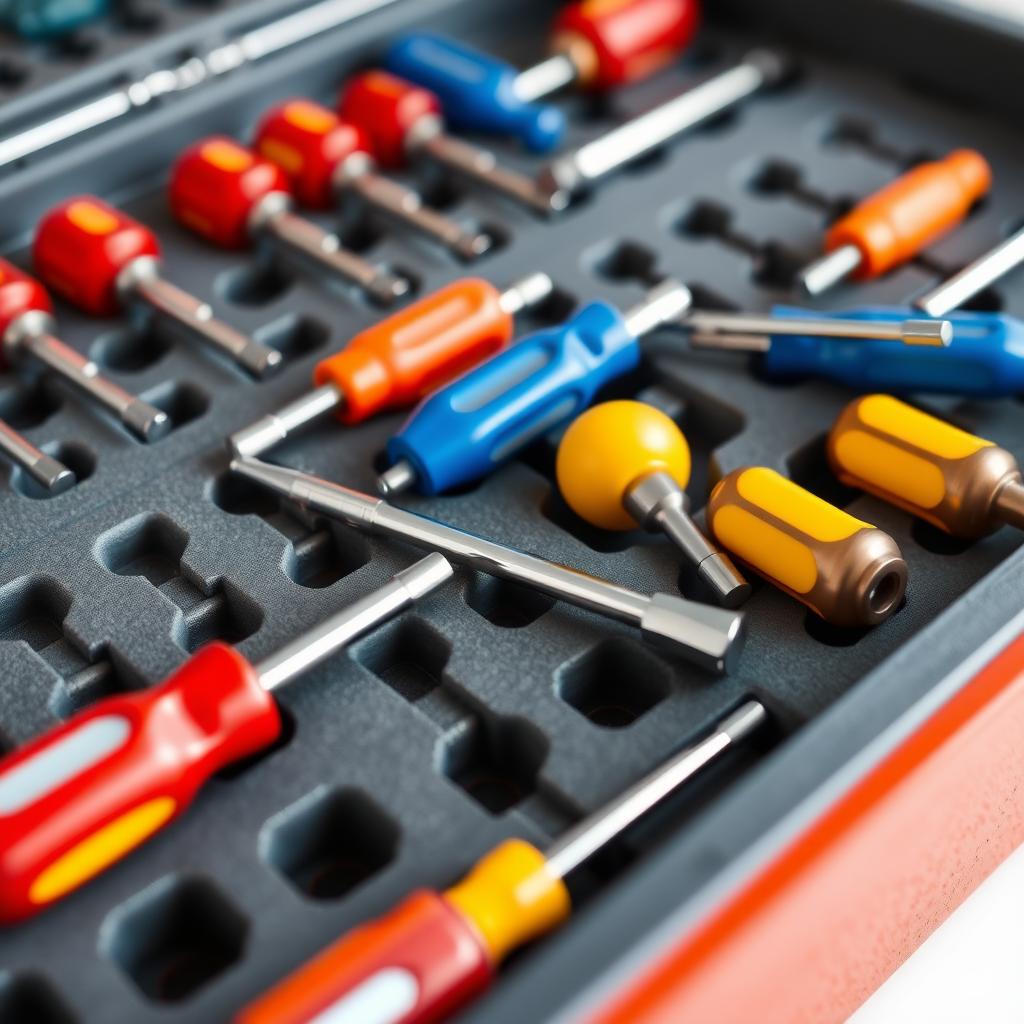
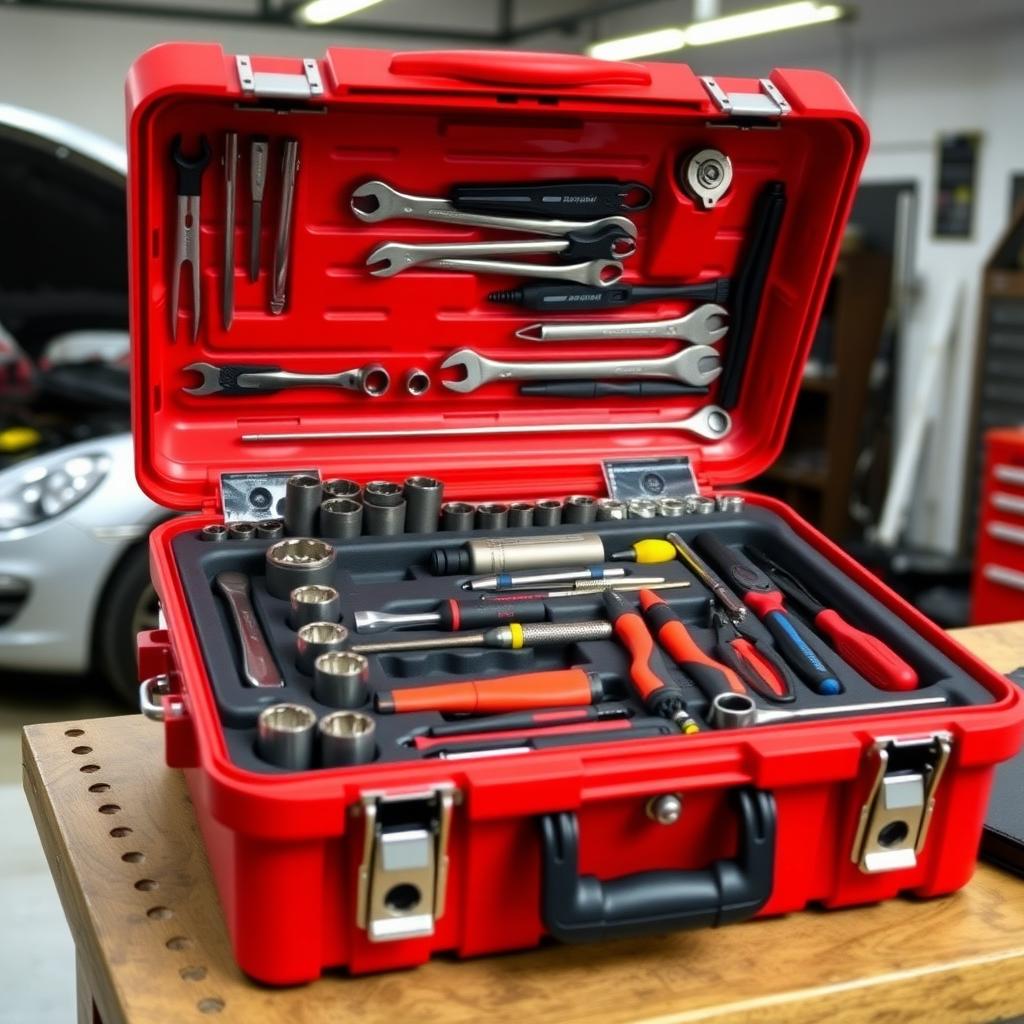
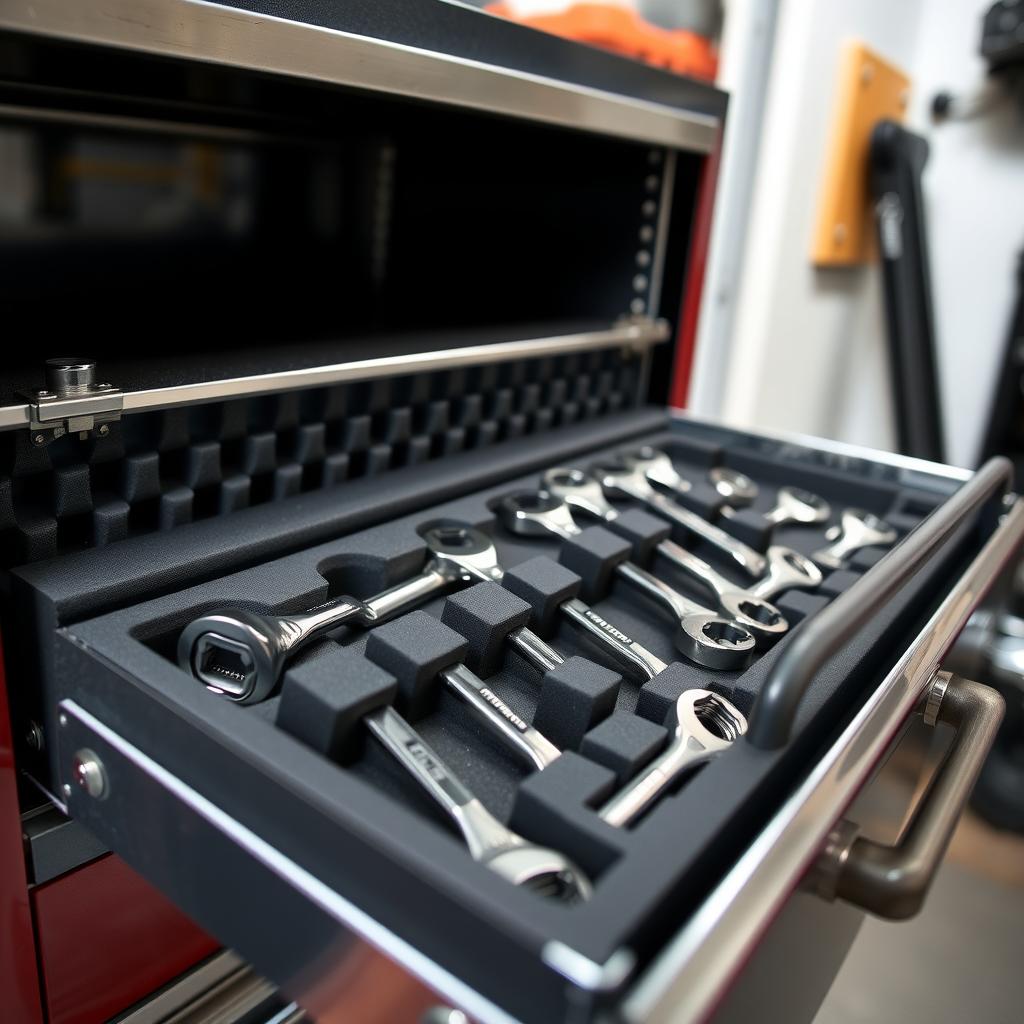
- Toolbox Drawers with Foam Inserts: Custom foam cutouts keep wrenches secure and prevent scratches.
- Wall-Mounted Holders: Great for workshops with limited space.
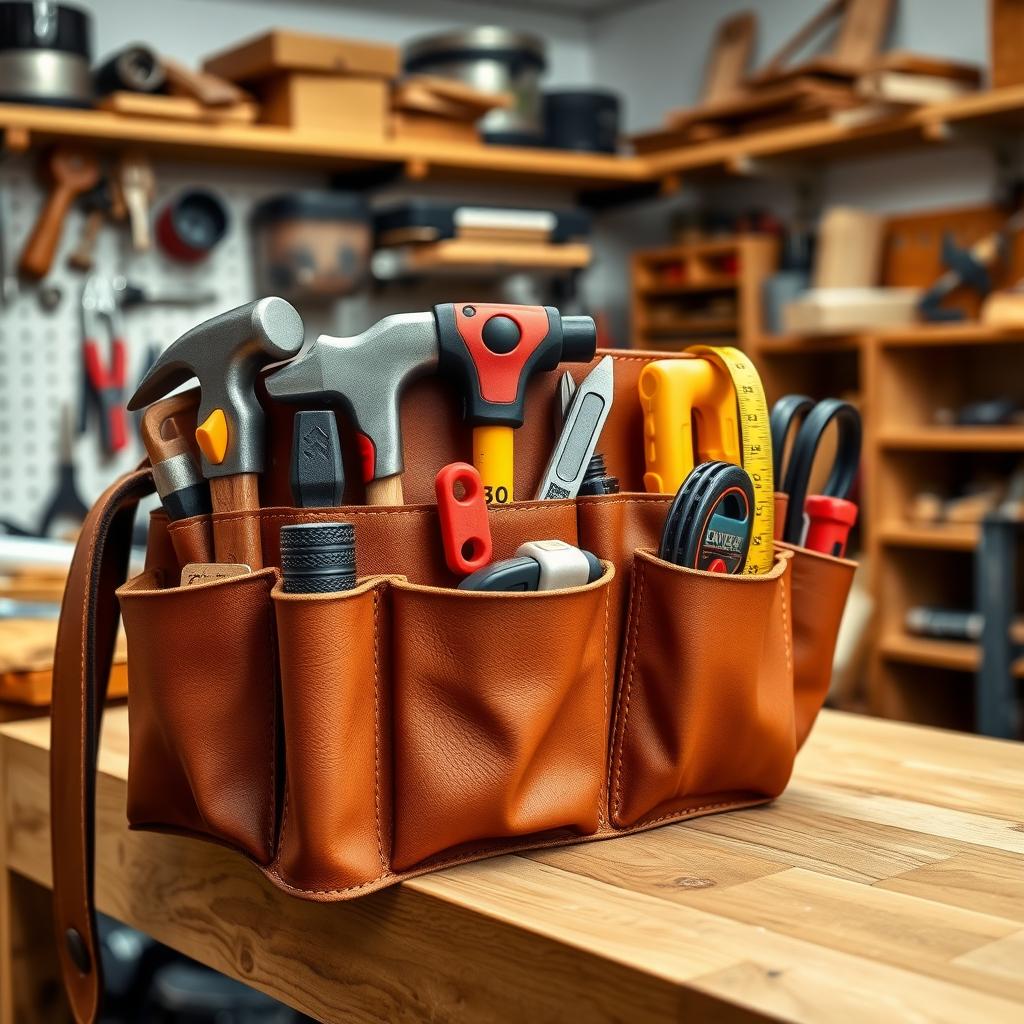
- Portable Tool Bags: Ideal for mobile mechanics, but ensure wrenches are secured to avoid banging together.
Choose a system that fits your workspace and habits. I prefer a foam-lined drawer because it keeps my tools dust-free and organized by size.
Storing Wrenches: Best Practices for Longevity
Proper storage is critical for how to maintain and store wrenches. Here’s a step-by-step guide to ensure your tools stay in great shape:
- Choose a Dry Location: Avoid damp basements or garages prone to humidity. A climate-controlled workshop is ideal.
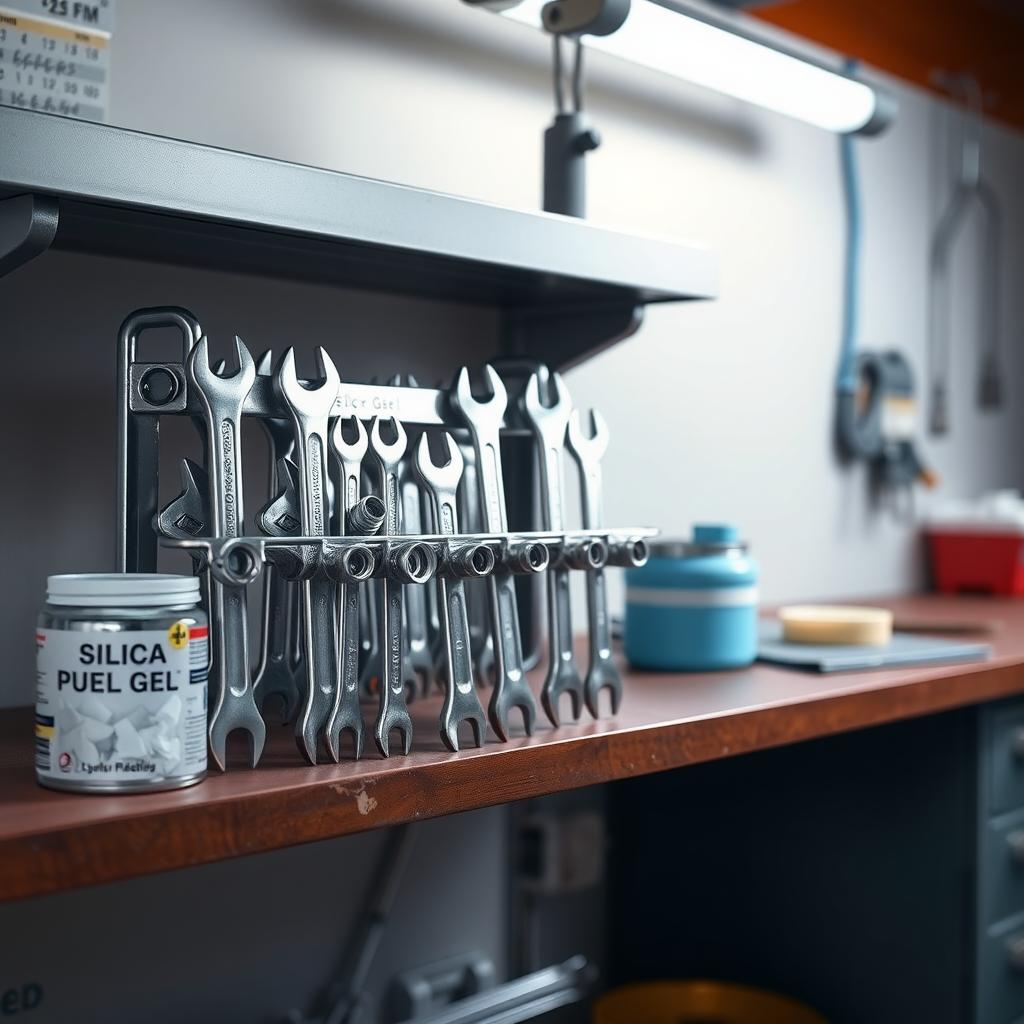
- Use Silica Gel Packs: Place these in your toolbox to absorb moisture.
- Avoid Overcrowding: Cramming wrenches together can cause scratches or damage. Give each tool its own space.
- Label Your Storage: Label racks or drawers by wrench type or size for quick access.
- Check Periodically: Every few months, inspect your wrenches for rust or wear, especially if stored in a humid area.
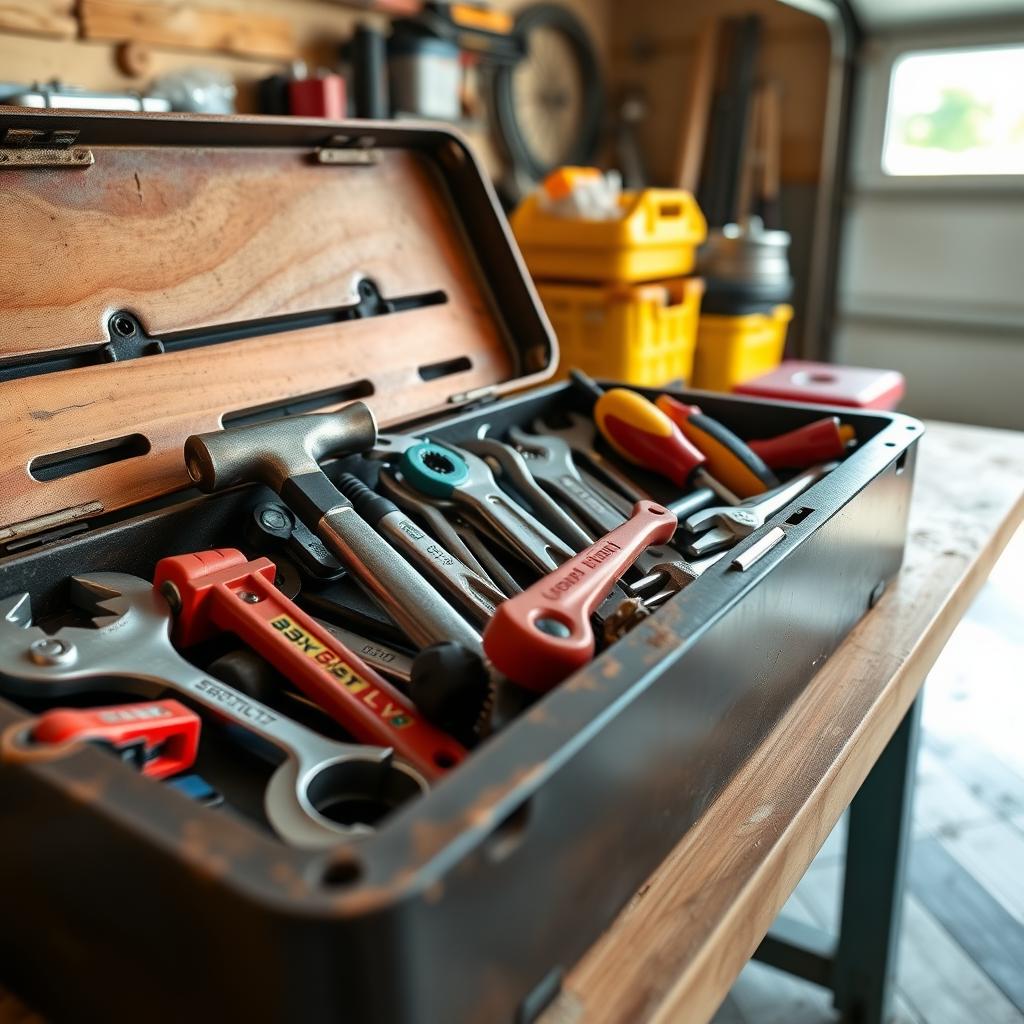
I once stored my wrenches in a garage without climate control, and within a year, several had rust spots. Now, I use a toolbox with silica gel packs, and my tools stay pristine.
Types of Wrenches and Specific Care Tips
Different wrenches require tailored care. Here’s a quick breakdown:
| Wrench Type | Maintenance Tips |
|---|---|
| Combination Wrench | Clean jaws and check for wear; avoid using as a hammer. |
| Adjustable Wrench | Lubricate the adjustment mechanism monthly to keep it smooth. |
| Socket Wrench | Clean sockets and ratchet mechanism; store in a case to prevent loss. |
| Torque Wrench | Store at its lowest setting to maintain calibration, as advised by MIT's Mechanical Engineering Department. |
For torque wrenches, improper storage can lead to inaccurate readings, which I learned after over-tightening a bolt on a project. Always follow manufacturer guidelines for specialty tools.
Common Mistakes to Avoid
Even seasoned DIYers make mistakes. Here are pitfalls to watch out for:
- Using Wrenches Incorrectly: Don’t use a wrench as a pry bar or hammer—it damages the jaws.
- Ignoring Rust: Small rust spots can spread if not addressed early.
- Poor Storage Choices: Leaving wrenches loose in a bag or box leads to scratches and loss.
- Skipping Cleaning: Grease buildup attracts dirt, making wrenches slippery and unsafe.
I once used an adjustable wrench to pry open a stuck lid, bending the jaw slightly. It was a costly lesson in using tools for their intended purpose.
Tools and Supplies for Wrench Maintenance
To maintain your wrenches, keep these supplies handy:
- Microfiber Cloths: For cleaning without scratching.
- Mild Degreaser or Dish Soap: For removing grease.
- Light Machine Oil or WD-40: For rust prevention.
- Fine Steel Wool or Wire Brush: For rust removal.
- Silica Gel Packs: For moisture control in storage.
These items are affordable and widely available. I keep a small maintenance kit in my workshop, which saves time when cleaning tools.
When to Replace a Wrench
No wrench lasts forever. Replace a wrench if you notice:
- Cracks or bends in the metal.
- Worn or rounded jaws that slip on bolts.
- Rust that can’t be removed without compromising the tool’s integrity.
I recently retired an old adjustable wrench after the jaw became too loose to grip properly. Investing in quality replacements from reputable brands ensures durability.
Summary: Keep Your Wrenches Ready for Any Job
Maintaining and storing wrenches doesn’t take much time, but it makes a big difference. Clean regularly, protect against rust, and store thoughtfully to keep your workman tools ready for action. With these tips, your wrenches will serve you well for years, whether you’re tackling a home project or professional job.
Related how to maintain and store wrenches:
- Top 10 Ergonomic Tools Every Workshop Needs for Comfort and Efficiency
- Tips for DIY Plumbing Success: Master Your Home Repairs
- Top Screwdriver Safety Tips You Can’t Ignore
- The Best Tablesaws with User-Friendly Features for Every Workshop
- How to Choose the Right Tools for Your Job: A Practical Guide
- How to Paint a Room Like a Pro: A Step-by-Step Guide
- The Importance of Quality Tools in Construction: Building a Solid Foundation
- Beginner’s Guide to Car Repair Tools: Your Toolkit Essentials
- The Pomodoro Technique: Boosting Productivity Through Structured Work Sessions
- How to Maintain Your Tools for Longevity: A Comprehensive Guide
- Exploring Types of Wrenches for Different Jobs: A Workman’s Guide
- Top 10 DIY Projects for Beginners to Kickstart Your Creative Journey