Overview
The Pomodoro Technique: Boosting Productivity Through Structured Work Sessions is a time management method that transforms how you work. By breaking tasks into 25-minute focused intervals followed by short breaks, it enhances focus, reduces fatigue, and maximizes efficiency. This article explores its benefits, implementation, and tools to help you thrive.
What Is the Pomodoro Technique?
Imagine sitting down to work, only to feel overwhelmed by a mountain of tasks. Your mind wanders, notifications ping, and hours slip away. I’ve been there, struggling to focus during busy workdays. Then I discovered the Pomodoro Technique, a simple yet powerful method developed by Francesco Cirillo in the late 1980s. Named after the tomato-shaped kitchen timer he used (pomodoro means 'tomato' in Italian), this technique breaks work into 25-minute sessions, called pomodoros, followed by 5-minute breaks. After four pomodoros, you take a longer 15-30 minute break.
The beauty of this method lies in its simplicity. It’s not about working harder but working smarter. By focusing intensely for short bursts, you train your brain to stay on task and avoid burnout. Research from the University of Illinois shows that brief breaks can significantly improve cognitive performance, making the Pomodoro Technique a science-backed approach to productivity.

Why Does the Pomodoro Technique Work?
The Pomodoro Technique taps into how our brains function. Our attention spans typically wane after 25-30 minutes of intense focus, according to cognitive psychology studies. The technique aligns with this natural rhythm, allowing you to work at peak performance without mental exhaustion. Here’s why it’s so effective:
- Combats Procrastination: Starting a task feels less daunting when you commit to just 25 minutes. I used to dread writing reports, but breaking them into pomodoros made them manageable.
- Enhances Focus: By dedicating each pomodoro to one task, you minimize distractions. Silencing my phone during these sessions doubled my output.
- Reduces Mental Fatigue: Short breaks recharge your brain, preventing burnout. A study by the National Institutes of Health highlights how rest intervals improve sustained attention.
- Boosts Motivation: Completing a pomodoro feels like a small win, fueling your drive to keep going.
For me, the technique turned chaotic workdays into structured, productive sessions. It’s like giving your brain a clear roadmap to follow.
How to Implement the Pomodoro Technique
Getting started with the Pomodoro Technique is straightforward. Here’s a step-by-step guide to make it work for you:
- Choose a Task: Pick one specific task, like writing an email or studying a chapter. Be clear about what you want to achieve.
- Set a Timer: Use a timer (a phone app, kitchen timer, or computer tool) for 25 minutes.
- Work Focused: Dive into the task without distractions. If interruptions arise, note them for later.
- Take a Short Break: After the timer rings, take a 5-minute break. Stretch, hydrate, or step away from your desk.
- Repeat and Rest: After four pomodoros, take a 15-30 minute break to recharge fully.
I started with a basic kitchen timer, but soon found digital tools more convenient. The key is consistency—stick to the intervals to build a rhythm.
Best Apps for Staying Focused
To make the Pomodoro Technique even more effective, consider using apps designed to streamline your sessions. Here are some of the best apps for staying focused:
| App Name | Features | Platform |
|---|---|---|
| Focus Booster | Tracks pomodoros, generates productivity reports, syncs across devices | iOS, Android, Web |
| TomatoTimer | Simple online timer, customizable intervals, distraction-free | Web |
| Forest | Gamifies focus by growing virtual trees, blocks distracting apps | iOS, Android |
I’ve used Forest, and its playful approach kept me motivated. Watching a virtual tree grow during a pomodoro felt surprisingly rewarding. These apps integrate seamlessly with the technique, helping you stay on track and analyze your productivity over time.

Top Tools for Reducing Workplace Fatigue
The Pomodoro Technique isn’t just about focus—it’s also one of the top tools for reducing workplace fatigue. By building in regular breaks, it prevents the mental strain that comes from long, uninterrupted work sessions. Here are other tools that complement the technique to keep you energized:
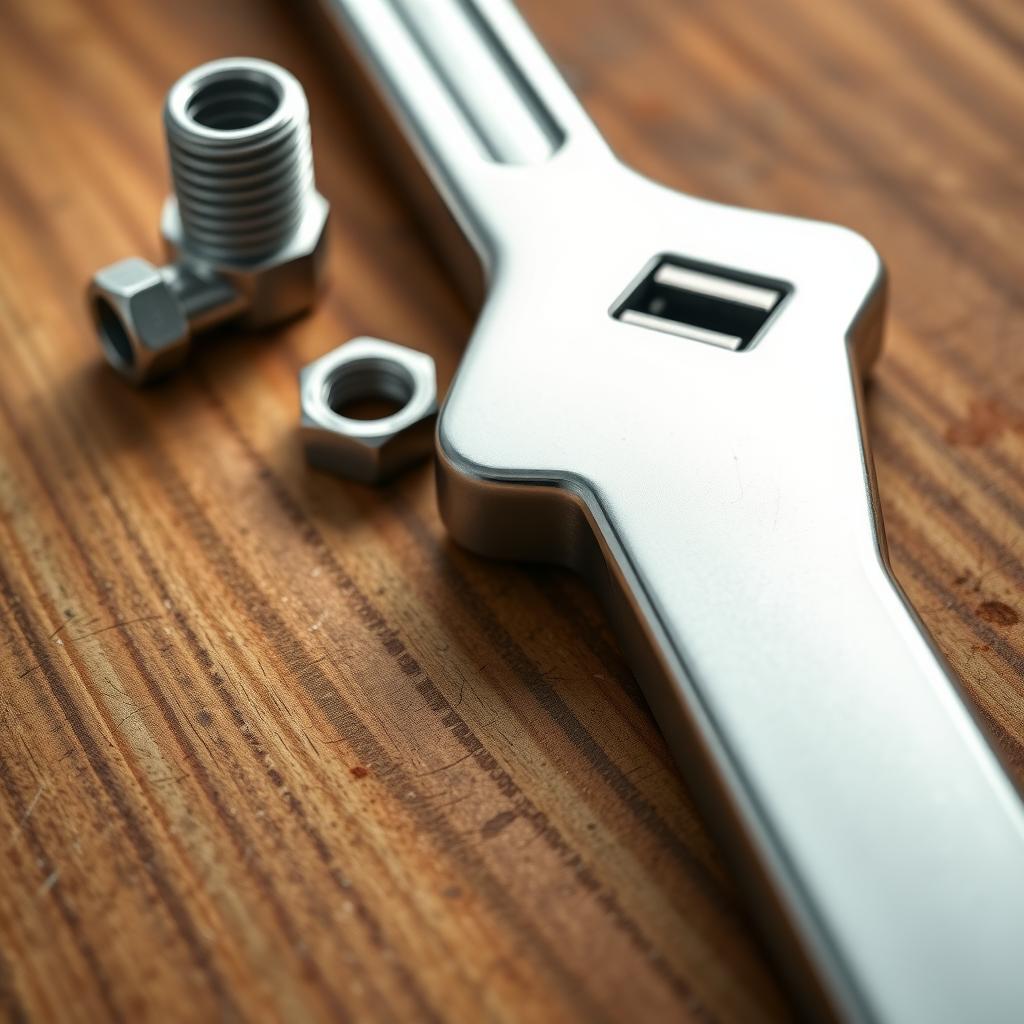
- Ergonomic Wrenches for Reducing Hand Strain: If your work involves physical tasks, tools like ergonomic wrenches can reduce physical fatigue. These wrenches, designed with comfortable grips, minimize hand strain during repetitive tasks. Brands like GearWrench offer models that prioritize user comfort.
- Adjustable Standing Desks: Alternating between sitting and standing during breaks can boost energy. I switched to a standing desk and noticed less fatigue by the end of the day.
- Blue Light Blocking Glasses: These reduce eye strain from screens, especially during long pomodoro sessions.
Combining these tools with the Pomodoro Technique creates a holistic approach to productivity and well-being. For example, during a 5-minute break, I stretch or adjust my desk height to refresh both body and mind.
Customizing the Pomodoro Technique
One size doesn’t fit all, and the Pomodoro Technique is flexible. While 25-minute sessions work for many, you can adjust intervals to suit your needs. For creative tasks like writing, I sometimes use 45-minute pomodoros with 10-minute breaks to maintain flow. For lighter tasks, like answering emails, 20-minute sessions keep me sharp.
Here are tips to tailor the technique: - Experiment with Intervals: Try 30-minute pomodoros if 25 feels too short, or 15-minute sprints for quick tasks. - Plan Ahead: List tasks and estimate pomodoros needed. This helped me budget time for a big project last month. - Handle Interruptions: If someone interrupts, politely defer them to your break. Cirillo suggests the 'inform, negotiate, call back' strategy. - Track Progress: Use a notebook or app to log completed pomodoros. Reviewing my log showed me I was most productive in the mornings.
This flexibility makes the technique adaptable for students, professionals, or even manual workers using tools like ergonomic wrenches.

Overcoming Challenges
The Pomodoro Technique isn’t perfect. Interruptions, underestimating task time, or feeling restricted by the timer can be hurdles. Here’s how to tackle them:
- Interruptions: Set clear boundaries during pomodoros. I put my phone on 'Do Not Disturb' and inform colleagues I’m in a focus session.
- Task Estimation: Overestimate pomodoros for complex tasks. I initially underestimated a report, but adding extra pomodoros saved me stress.
- Feeling Restricted: If the timer feels rigid, extend intervals for creative work. A friend in design uses 50-minute pomodoros to stay in the zone.
These tweaks helped me make the technique a daily habit, boosting my output without feeling overwhelmed.
My Experience with the Pomodoro Technique
When I first tried the Pomodoro Technique, I was skeptical. Could a simple timer really change my workday? But after a week, I was hooked. I used it to tackle a backlog of emails, dedicating one pomodoro per day to clear them. The sense of accomplishment after each session kept me motivated. I also noticed less fatigue, thanks to regular breaks. Pairing the technique with tools like an adjustable desk and ergonomic wrenches for occasional DIY tasks made my workdays feel balanced and productive.
The technique isn’t a magic fix, but it’s a game-changer if you commit. It taught me to respect my focus and rest, creating a sustainable work rhythm.
Summary
The Pomodoro Technique: Boosting Productivity Through Structured Work Sessions is a proven method to enhance focus, reduce workplace fatigue, and manage time effectively. By breaking work into timed intervals with breaks, it aligns with your brain’s natural rhythms. Tools like the best apps for staying focused and ergonomic wrenches for reducing hand strain complement its benefits. Start with one pomodoro today, experiment with intervals, and watch your productivity soar.
Related The Pomodoro Technique: Boosting Productivity Through Structured Work Sessions:
- How to Maintain Your Tools for Longevity: A Comprehensive Guide
- Exploring Types of Wrenches for Different Jobs: A Workman’s Guide
- Top 10 DIY Projects for Beginners to Kickstart Your Creative Journey
- The Art of Metalwork: Techniques and Tips for Beginners
- Mastering the Art of Woodworking with Power Tools: A Comprehensive Guide
- Must-Have Wrenches for Every Toolbox: Your Ultimate Guide
- How to Choose Ergonomic Tools for Your Workshop
- Top DIY Projects for Your Cordless Drill: Unleash Your Creativity
- The Ultimate Guide to Table Saw Safety
- How to Use Wrenches Safely: A Comprehensive Guide for Beginners and Pros
- Safety Best Practices for Electricians: A Comprehensive Guide
- Essential Tools for DIY Beginners: Start Right