Overview
Starting your DIY journey can feel overwhelming, but having the right tools makes all the difference. This guide, Essential Tools for DIY Beginners: Start Right, walks you through the must-have equipment, safety gear, and practical tips to tackle home repairs with confidence. Whether you're fixing a leaky faucet or building a shelf, these insights will set you up for success.
Why the Right Tools Matter
When I started my first DIY project—a wobbly bookshelf that needed fixing—I quickly learned that using a butter knife as a screwdriver wasn’t going to cut it. The wrong tools waste time, damage materials, and can even lead to injuries. Investing in quality tools tailored to your projects saves frustration and ensures professional results. Let’s dive into the essentials every beginner needs.
Must-Have Tools for DIY Beginners
Every DIYer needs a core set of tools. These are versatile, beginner-friendly, and cover most home repair tasks. Here’s a breakdown of the essentials:
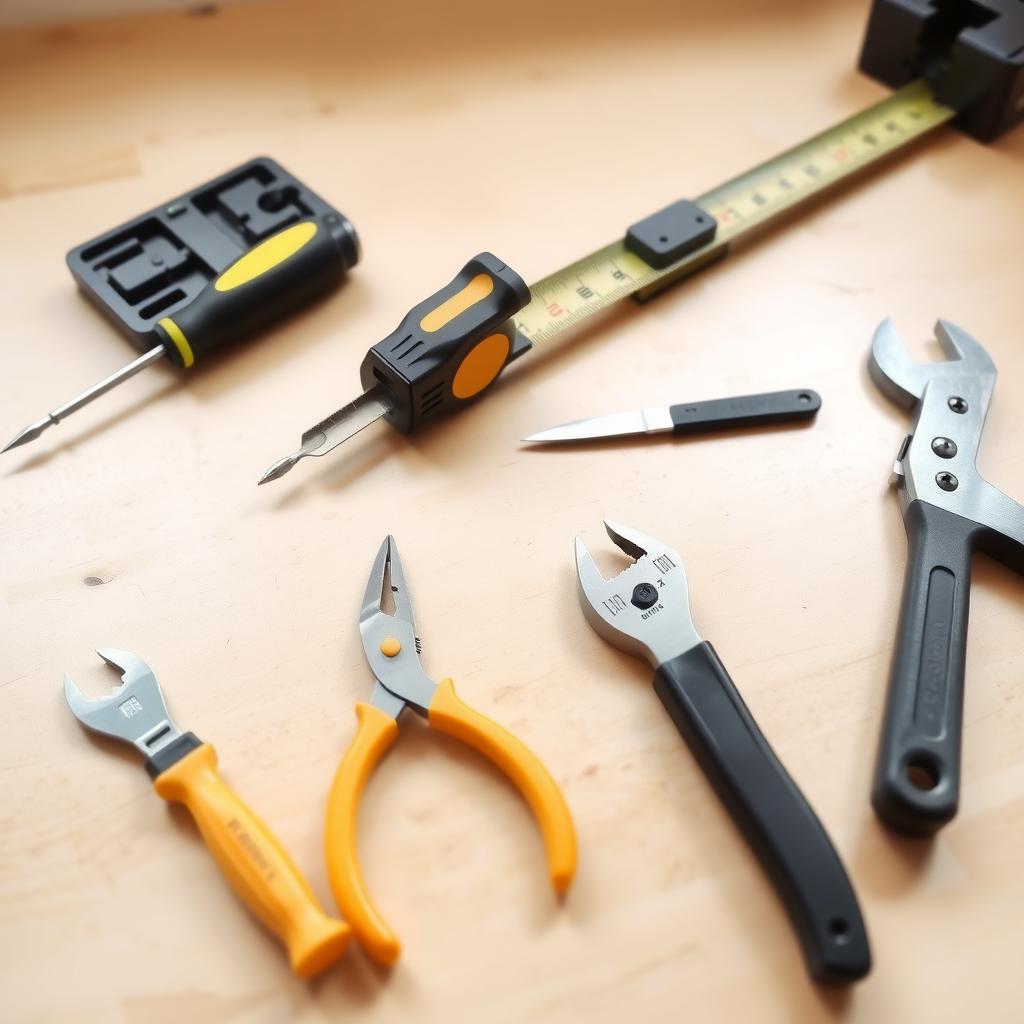
- Screwdriver Set: A mix of flathead and Phillips screwdrivers handles most screws you’ll encounter. Look for magnetic tips for easier handling.
- Tape Measure: A 25-foot tape measure is perfect for measuring spaces accurately. Retractable models with a lock feature are user-friendly.
- Utility Knife: Great for cutting drywall, trimming carpet, or opening packages. Choose one with replaceable blades.
- Level: A 2-foot level ensures shelves and frames are straight. Laser levels are a bonus for precision.
- Pliers: Needle-nose and slip-joint pliers are versatile for gripping, bending, and cutting wires.
- Adjustable Wrench: This tool adjusts to fit various bolt sizes, making it a must for plumbing or furniture assembly.
A Guide to Basic DIY Home Repair Tools
Beyond the basics, some tools are game-changers for specific home repairs. For example, a cordless power drill is a lifesaver for drilling holes or driving screws into wood or drywall. Look for one with variable speeds and a clutch for control. A stud finder is another gem—it locates wall studs for secure mounting of shelves or TVs. I once hung a heavy mirror without one, and let’s just say the wall wasn’t happy. According to The Family Handyman, a stud finder can prevent costly mistakes by ensuring you anchor into solid wood, not just drywall.
Types of Hammers for Different Projects
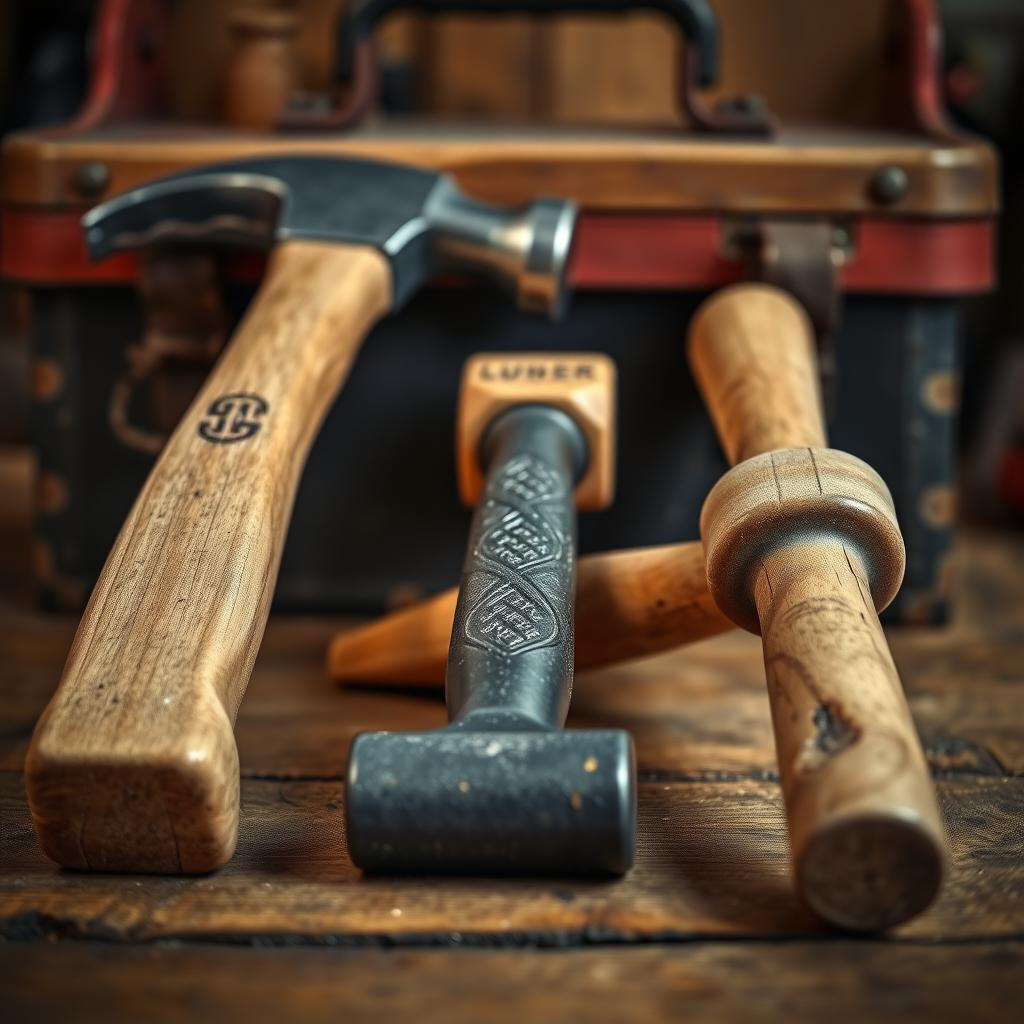
Hammers are a DIY staple, but not all are created equal. Choosing the right hammer depends on your project. Here’s a quick guide to the types of hammers for different projects:
| Hammer Type | Best For | Key Features |
|---|---|---|
| Claw Hammer | General carpentry, nail removal | Curved claw for pulling nails, 16-20 oz weight |
| Ball Peen Hammer | Metalwork, shaping | Rounded end for riveting, sturdy handle |
| Sledge Hammer | Demolition, driving stakes | Heavy (2-10 lbs), long handle for leverage |
| Rubber Mallet | Furniture assembly, tile setting | Soft head prevents surface damage |
I’ve used a claw hammer for everything from hanging picture frames to prying apart old furniture. For delicate tasks like assembling IKEA shelves, a rubber mallet is my go-to—it won’t dent surfaces. The University of Missouri Extension emphasizes selecting hammers based on task-specific needs to avoid material damage.
Must-Have Safety Gear for DIY Projects
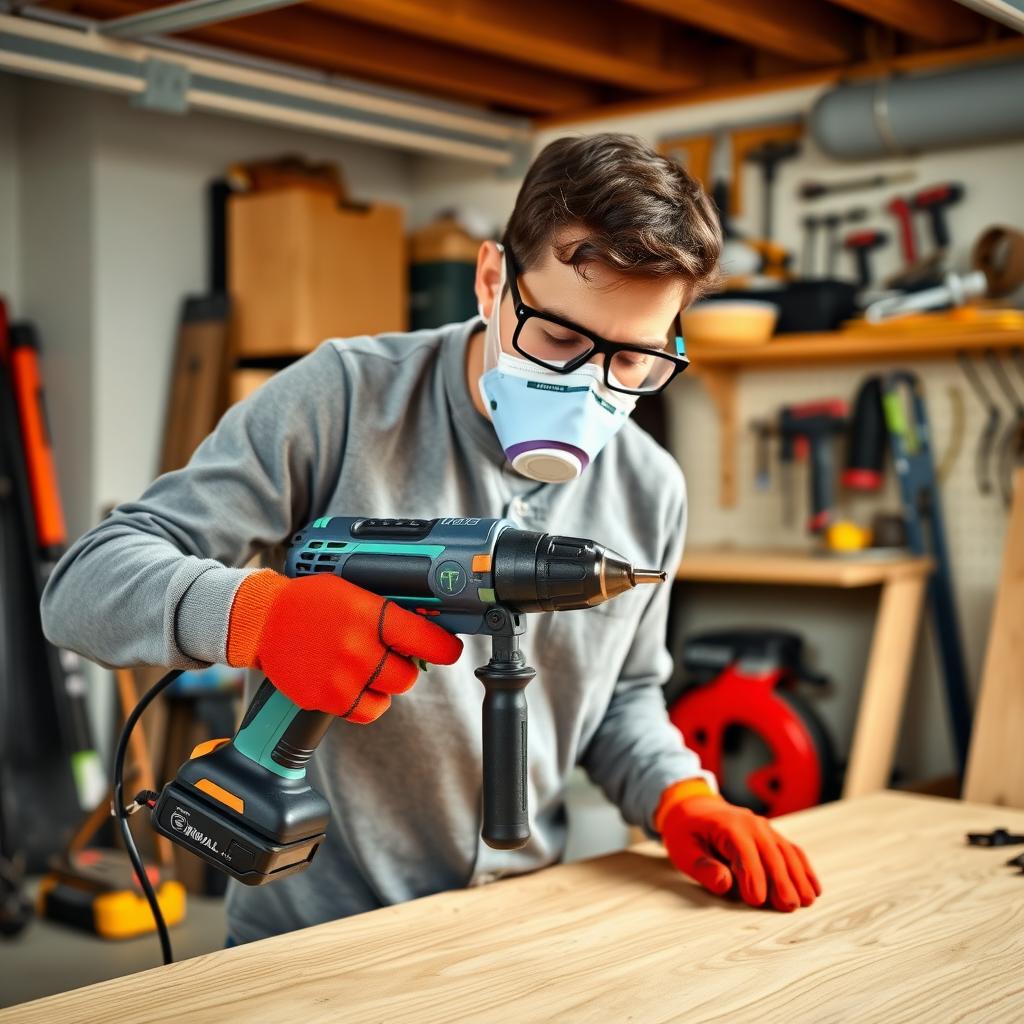
Safety comes first. I learned this the hard way when a splinter from a wooden plank sent me to urgent care. Proper gear protects you and boosts confidence. Here’s what you need:
- Safety Glasses: Protect your eyes from dust, debris, or flying particles. ANSI-rated glasses are a solid choice.
- Work Gloves: Durable gloves prevent cuts, blisters, and splinters. Leather or synthetic options work well.
- Dust Mask or Respirator: Essential for sanding or working with chemicals. A N95 mask is sufficient for most tasks.
- Ear Protection: Earplugs or earmuffs are crucial when using loud tools like power saws.
- Steel-Toe Boots: These protect your feet from heavy objects. I dropped a brick on my foot once—never again without boots.
The Occupational Safety and Health Administration (OSHA) recommends personal protective equipment (PPE) for all DIY tasks to reduce injury risks.
Building Your Tool Collection on a Budget
Quality tools don’t have to break the bank. Start with a basic kit and add specialized tools as you take on new projects. Thrift stores, garage sales, or online marketplaces often have gently used tools at a fraction of the cost. I scored a barely-used cordless drill for half the retail price at a local flea market. Check tools for wear and ensure they’re from reputable brands. Consumer Reports suggests prioritizing durability over flashy features for long-term value.
Practical Tips for DIY Success
Here are some lessons I’ve learned from trial and error:
- Start Small: Tackle simple projects like patching drywall or assembling furniture before moving to complex tasks.
- Organize Your Tools: A toolbox or pegboard keeps everything accessible. I wasted hours searching for a misplaced screwdriver once.
- Read Manuals: Power tools come with instructions for a reason. They often include safety tips and maintenance advice.
- Practice Patience: Rushing leads to mistakes. Take your time to measure twice and cut once.
- Learn from Others: YouTube tutorials and DIY forums are goldmines for troubleshooting and inspiration.
These habits build confidence and skills over time. My first project was a crooked shelf, but with practice, I’ve built custom furniture that gets compliments.
Summary
Starting your DIY journey with the right tools and safety gear sets you up for success. From versatile screwdrivers to task-specific hammers, a well-chosen toolkit makes projects easier and safer. Prioritize quality, stay safe, and don’t be afraid to start small. With practice, you’ll turn ideas into reality.
Related Essential Tools for DIY Beginners: Start Right:
- Top 10 DIY Projects for Beginners to Build Confidence
- How to Choose the Right Socket Set for Your Needs
- The Ultimate Guide to Tool Belts with Built-In Storage for Workmen
- Innovative Construction Tools for Efficiency
- Essential Guide to Tool Storage Solutions and Maintenance Tips
- The Ultimate Guide to Automotive Mechanic Tools
- Safety First: Best Practices for Using Tools
- Maintenance Tips for Keeping Your Tools in Top Condition
- Essential Workman Tools for Every Project
- Essential Workman Tools for Every Job
- Safety Essentials for Working with Hand Tools
- Hand Tools Maintenance Tips: Keep Your Workman Tools in Top Shape