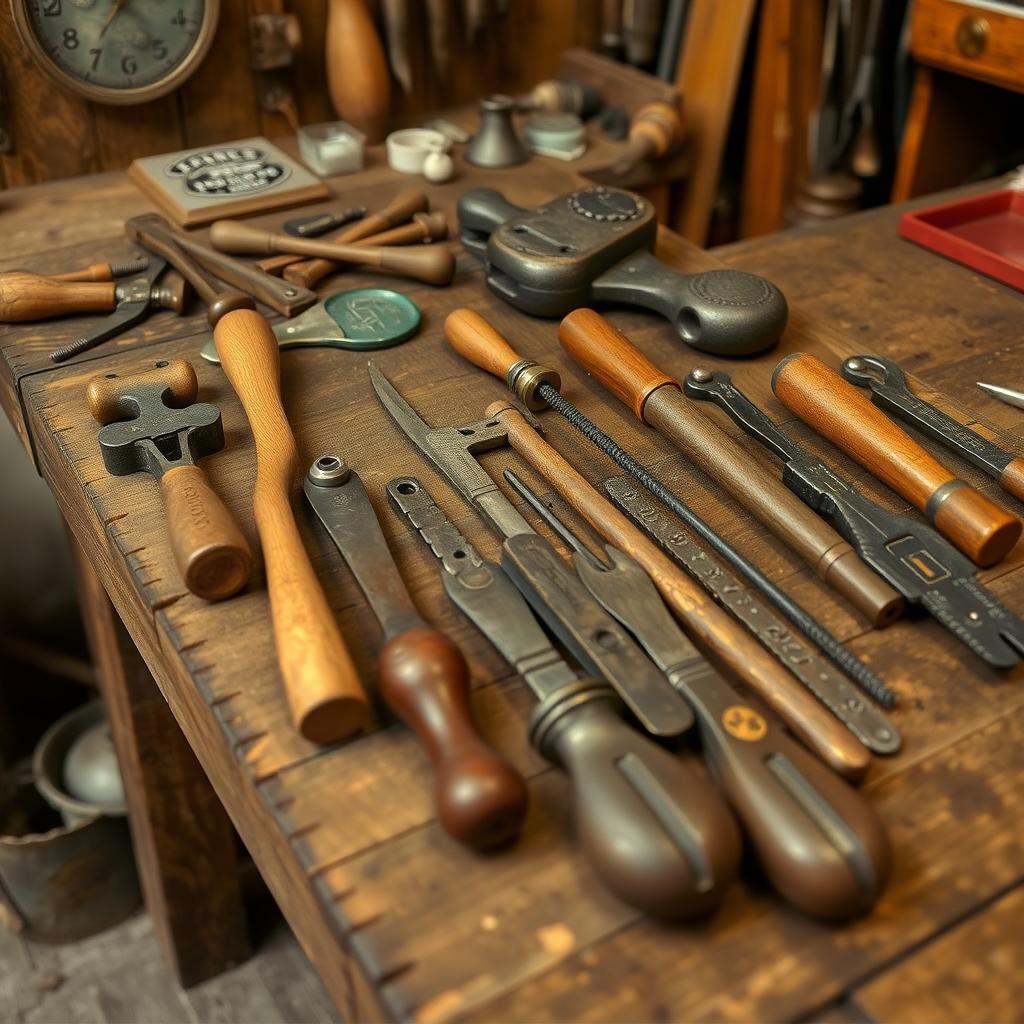
Proper tool storage is essential for maintaining the longevity and safety of your hand tools. In this article, we'll explore various tool storage solutions, safety essentials, maintenance tips, and DIY projects for beginners. Whether you're a seasoned professional or just starting out, these insights will help you keep your tools in top condition.
Storing your tools correctly is crucial for several reasons. First, it helps prevent damage to the tools themselves. When tools are left out or stored improperly, they can become rusty, dull, or broken. This not only shortens their lifespan but also makes them less effective and potentially dangerous to use.
Second, proper storage enhances safety. Tools that are not stored correctly can pose hazards, such as tripping over them or having them fall and cause injury. By keeping your tools organized and in their designated places, you reduce the risk of accidents.
Third, organized tool storage saves time and increases efficiency. When you know exactly where each tool is, you can quickly find what you need without wasting time searching. This is especially important in professional settings where time is money.
Finally, proper storage can save you money in the long run. By taking care of your tools and preventing damage, you won't have to replace them as frequently. This is particularly important for high-quality, expensive tools.
To illustrate the importance of proper tool storage, consider this example: A carpenter who keeps their chisels in a dedicated chisel roll will have sharp, well-maintained tools that are ready to use at a moment’s notice. In contrast, a carpenter who throws their chisels into a toolbox with other tools may find them dull, chipped, or even broken when they need them.
There are numerous tool storage solutions available, each with its advantages and disadvantages. Here are some of the most common types:
-
Toolboxes: These are portable containers that can hold a variety of tools. They come in different sizes and materials, from small plastic boxes to large metal chests with multiple drawers.
-
Tool Chests: Larger than toolboxes, tool chests are often stationary and provide more storage space. They typically have multiple drawers and compartments for organizing tools.
-
Tool Cabinets: Similar to tool chests but usually taller and with more storage capacity. They are ideal for workshops or garages where space is not an issue.
-
Pegboards: A pegboard is a board with holes that can hold hooks for hanging tools. This is a great way to keep tools visible and easily accessible.
-
Tool Belts: For professionals who need to carry tools with them, tool belts are a convenient option. They allow you to keep essential tools within reach while working.
-
Tool Rolls: These are fabric or leather rolls with pockets for storing individual tools. They are compact and portable, making them ideal for specific tool sets like chisels or wrenches.
-
Wall-Mounted Racks: These are racks that can be mounted on the wall to hold tools like hammers, screwdrivers, and pliers. They save floor space and keep tools organized.
When choosing a tool storage solution, consider factors such as the number and types of tools you have, the available space, and your budget. It's also important to think about how you use your tools. For example, if you frequently work on projects away from your workshop, a portable toolbox or tool belt might be more suitable.
Another popular tool storage solution is the tool cart. Tool carts are mobile units with wheels that allow you to move your tools around your workspace easily. They often have multiple drawers and a flat top surface that can be used as a workbench. Tool carts are ideal for professionals who need to transport their tools to different job sites or for hobbyists who have limited space in their workshops.
For those who prefer a more customized approach, modular storage systems are an excellent option. These systems consist of interchangeable components like shelves, drawers, and cabinets that can be configured to fit your specific needs. Modular storage systems are highly versatile and can be expanded as your tool collection grows.
If you have a large number of small tools or accessories, consider using parts organizers. These are containers with multiple compartments or drawers that can hold items like screws, nails, drill bits, and small hand tools. Parts organizers help keep your workspace tidy and make it easy to find what you need quickly.
Safety should always be a top priority when working with hand tools. Here are some essential safety tips:
-
Wear Appropriate Personal Protective Equipment (PPE): This includes safety glasses to protect your eyes from flying debris, gloves to protect your hands, and sturdy footwear to protect your feet.
-
Use Tools for Their Intended Purpose: Each tool is designed for specific tasks. Using a tool for something it's not meant for can lead to accidents and damage to the tool.
-
Keep Tools Sharp and Well-Maintained: Dull tools can be more dangerous than sharp ones because they require more force to use, increasing the risk of slipping and causing injury.
-
Work in a Well-Lit Area: Good lighting helps you see what you're doing and reduces the risk of mistakes.
-
Keep Your Work Area Clean and Organized: A cluttered workspace can lead to accidents. Make sure to clean up after each task and keep your tools organized.
-
Use Tools with Care: Always be mindful of where your hands and fingers are in relation to the tool. Never rush a job, and take your time to ensure accuracy and safety.
-
Store Tools Properly: After use, return tools to their designated storage places. This prevents them from becoming hazards and keeps them in good condition.
For more detailed safety guidelines, you can refer to the Occupational Safety and Health Administration (OSHA) website, which provides comprehensive information on hand tool safety.
Proper maintenance is key to extending the life of your hand tools. Here are some tips:
-
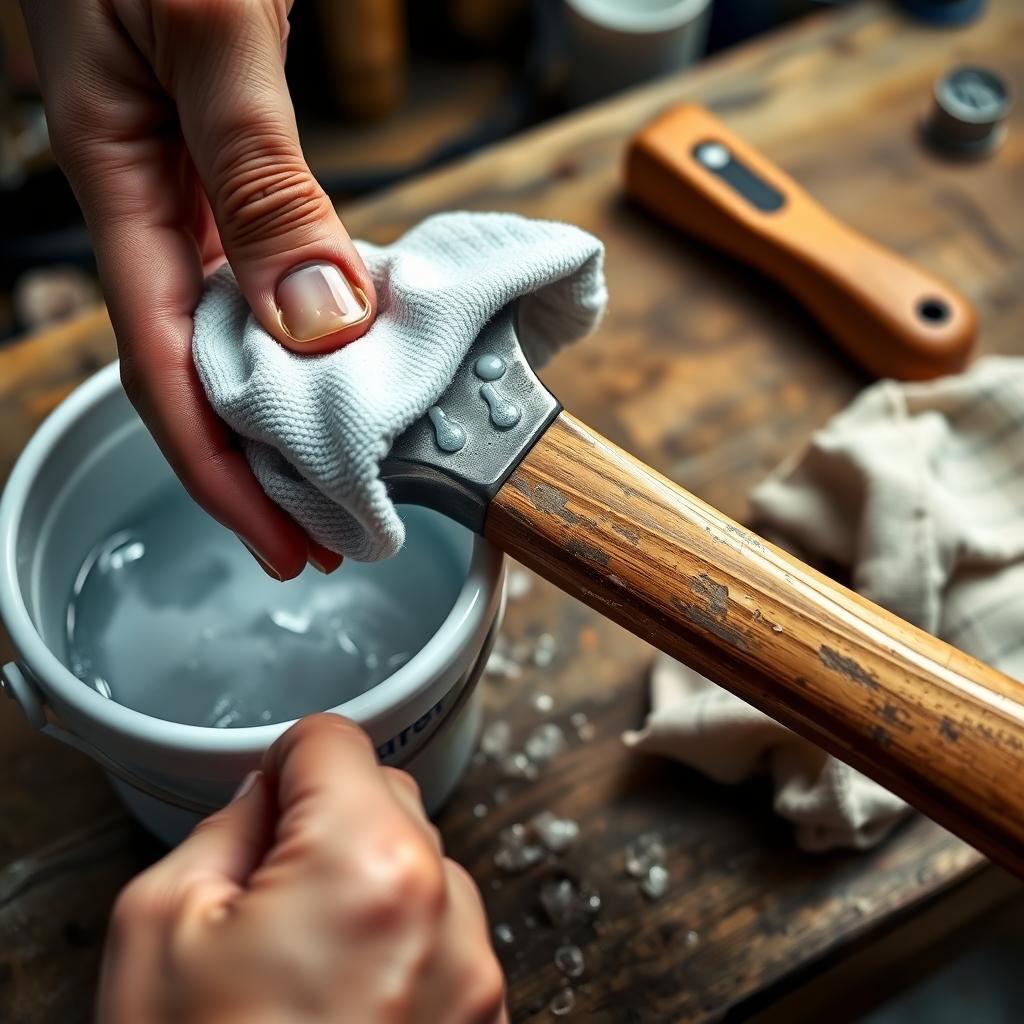
Clean Tools After Each Use: Remove dirt, grease, and debris from your tools. For metal tools, you can use a rag or brush, and for wooden handles, a damp cloth.
-
Lubricate Moving Parts: Tools with moving parts, like pliers or wrenches, should be lubricated regularly to prevent rust and ensure smooth operation. Use a light machine oil or silicone spray.
-
Sharpen Cutting Tools: Keep cutting tools like chisels, knives, and saws sharp. A sharp tool is safer and more efficient. You can use sharpening stones or files for this purpose.
-
Store Tools in a Dry Place: Moisture can cause rust and corrosion. Store your tools in a dry environment, and consider using silica gel packs or a dehumidifier in your storage area.
-
Inspect Tools Regularly: Check your tools for signs of wear or damage. Replace or repair any tools that are broken or malfunctioning.
-
Use Tools Correctly: Avoid using excessive force or using tools for tasks they're not designed for. This can cause unnecessary wear and tear.
-
Protect Wooden Handles: If your tools have wooden handles, apply a coat of linseed oil or varnish to protect them from moisture and cracking.
For more in-depth maintenance tips, you can visit the Fine Woodworking website, which offers expert advice on tool care.
Another important aspect of tool maintenance is preventing corrosion. In addition to storing tools in a dry place, you can apply a thin coat of oil or wax to metal surfaces to create a barrier against moisture. For tools that are particularly prone to rust, such as those used in humid environments, consider using a rust inhibitor spray.
It's also crucial to handle tools properly during use. Avoid using tools in ways that could cause stress or damage, such as using a screwdriver as a pry bar or a hammer as a chisel. Using tools correctly not only prevents damage but also ensures your safety.
Regularly checking and tightening loose parts is another maintenance task. Over time, screws and bolts on tools can become loose, affecting their performance and safety. Make it a habit to inspect your tools for any loose components and tighten them as needed.
If you're new to tool maintenance, here are some simple DIY projects to get you started:
-
Cleaning and Oiling a Pair of Pliers: Start by wiping the pliers with a rag to remove dirt and grease. Then, apply a few drops of light machine oil to the pivot point and work the pliers back and forth to distribute the oil.
-
Sharpening a Screwdriver: Use a file to sharpen the tip of a flathead screwdriver. Hold the file at a slight angle and file in one direction until the tip is sharp.
-
Removing Rust from a Tool: If a tool has light rust, you can remove it with fine-grit sandpaper or a wire brush. For heavier rust, you might need to use a rust remover solution.
-
Replacing a Hammer Handle: If a hammer handle is broken, you can replace it with a new one. Remove the old handle, insert the new one, and secure it with wedges or epoxy.
-
Organizing a Toolbox: Take all the tools out of your toolbox, clean the box, and then organize the tools by type or frequency of use. You can use dividers or trays to keep everything in place.
These projects are straightforward and don't require advanced skills or tools. They are a great way to practice maintenance and get comfortable with caring for your tools.
Here are some additional tips to keep your hand tools in top condition:
- Avoid Dropping Tools: Dropping tools can cause them to break or become misaligned. Always handle tools with care.
- Use a Tool Mat: When working on a project, use a tool mat or a soft surface to place your tools on. This prevents them from getting scratched or damaged.
- Label Your Tools: If you have multiple people using the same tools, consider labeling them with your name or initials. This helps prevent loss and ensures accountability.
- Keep a Maintenance Log: Record when you perform maintenance tasks on your tools. This helps you keep track of when tools need attention and ensures regular upkeep.
- Invest in Quality Tools: While high-quality tools may be more expensive upfront, they often last longer and perform better than cheaper alternatives.
For more maintenance tips, you can check out the Popular Mechanics website, which offers a wealth of information on tool care and maintenance.
Proper tool storage and maintenance are essential for ensuring the longevity and safety of your hand tools. By choosing the right storage solutions, following safety essentials, and performing regular maintenance, you can keep your tools in excellent condition. Whether you're a beginner or an experienced professional, these tips and insights will help you get the most out of your tools.
Related Tool Storage Solutions:
- The Ultimate Guide to Automotive Mechanic Tools
- Safety First: Best Practices for Using Tools
- Maintenance Tips for Keeping Your Tools in Top Condition
- Essential Workman Tools for Every Project
- Essential Workman Tools for Every Job
- Safety Essentials for Working with Hand Tools
- Hand Tools Maintenance Tips: Keep Your Workman Tools in Top Shape
- Time Management Strategies for Mechanics and Tradespeople
- Understanding Battery Lifespan: Tips and Tricks
- The History of Power Tools: From Hand Tools to Smart Innovations
- Innovative Electrical Tools for 2023
- Top Workman Tools for Vehicle Repairs