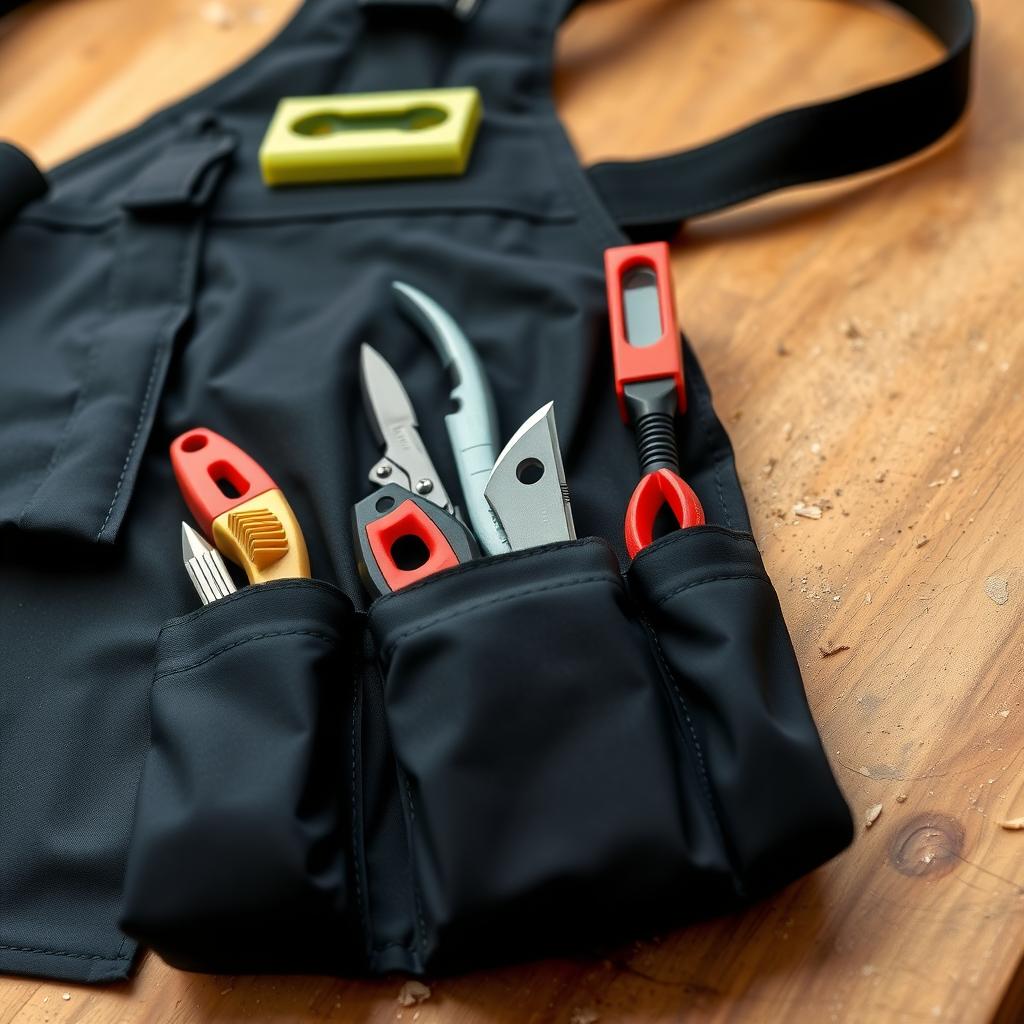
Overview
Metalwork is a fascinating craft that blends creativity with technical skill. From shaping jewelry to crafting functional tools, The Art of Metalwork: Techniques and Tips for Beginners introduces you to a world where raw metal transforms into stunning creations. This guide covers essential techniques, tools, and tips to help you start your metalworking journey with confidence.
Why Metalwork Appeals to Beginners
Metalwork captures the imagination because it’s both practical and artistic. You can create anything from delicate earrings to sturdy gates. As a beginner, the process feels rewarding because you see tangible results quickly. Plus, working with metal teaches patience and precision—skills that carry over into other hobbies or even daily life.
I remember my first project: a simple copper pendant. The moment I shaped it with a hammer, I was hooked. There’s something satisfying about turning a cold, hard material into something beautiful. If you’re new, don’t worry about perfection. Start small, and let your skills grow with each piece.
Essential Techniques for Beginners
Mastering The Art of Metalwork: Techniques and Tips for Beginners starts with understanding core techniques. Here are the foundational skills every beginner should learn:
Cutting
Cutting metal is often your first step. Use a jeweler’s saw for precise cuts on thin sheets or a hacksaw for thicker pieces. Keep your cuts steady and follow a marked line. Pro tip: Apply beeswax to the blade to reduce friction.
Filing and Smoothing
After cutting, edges can be rough. Use metal files to smooth them. Start with a coarse file, then move to a finer one for a polished finish. Hold the file at a 45-degree angle and work in one direction for best results.
Shaping
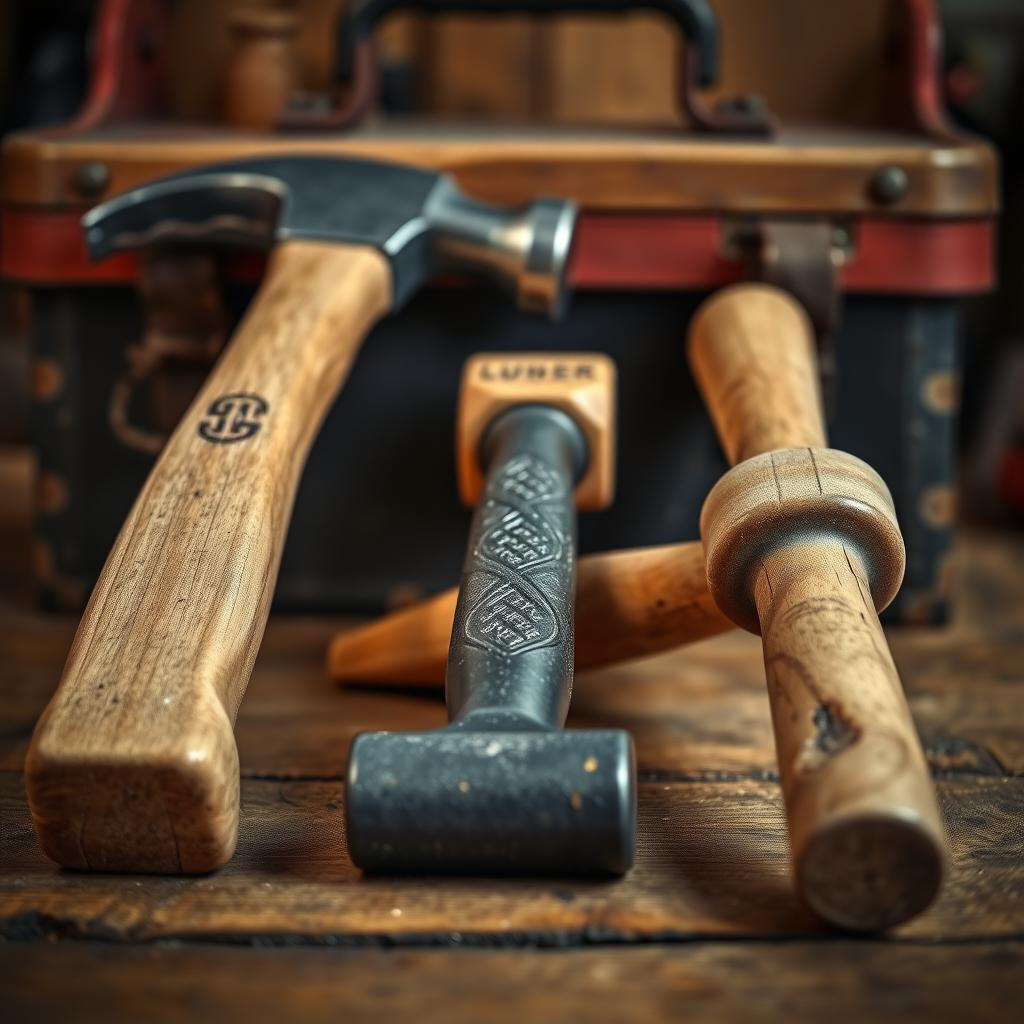
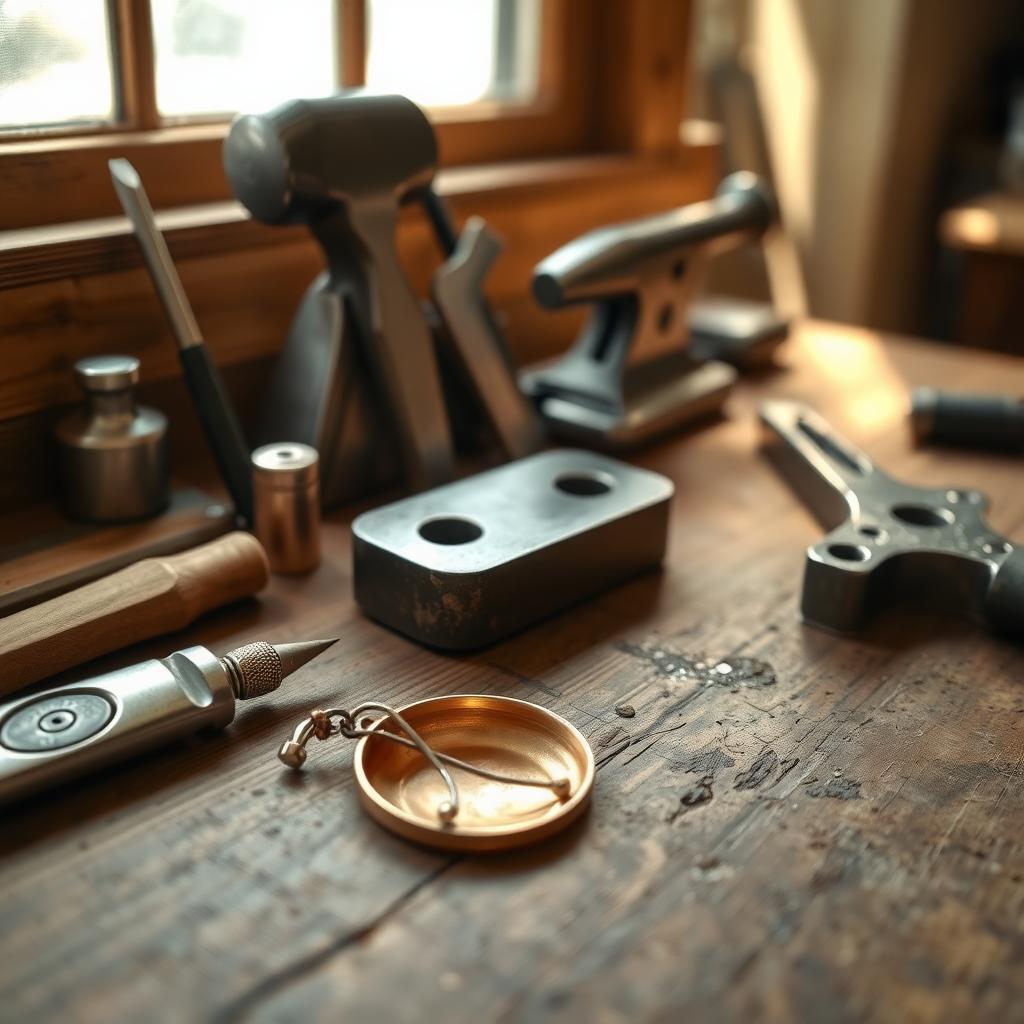
Shaping involves bending or forming metal. A ball-peen hammer and anvil are your go-to tools here. For example, to create a curve, place the metal on the anvil and tap gently with the hammer’s rounded end. Practice on scrap metal first to get a feel for the force needed.
Soldering
Soldering joins metal pieces together. Use a butane torch and lead-free solder for safety. Clean the metal thoroughly, apply flux, and heat evenly to create a strong bond. This technique is key for jewelry or intricate designs.
Finishing
Polishing brings out the shine. Use sandpaper (start at 400 grit, move to 800) or a polishing cloth for a mirror-like finish. For extra sparkle, try a rotary tool with a polishing attachment.
Must-Have Specialized Workman Tools for Metalwork
Investing in the right tools is crucial. Quality specialized workman tools for metalwork make projects easier and safer. Here’s a table of essential tools and their uses:
| Tool | Purpose | Beginner Tip |
|---|---|---|
| Ball-Peen Hammer | Shaping and texturing metal | Choose a lightweight hammer for control. |
| Jeweler’s Saw | Cutting precise shapes | Use a #2/0 blade for thin metals. |
| Metal Files | Smoothing rough edges | Keep a set of coarse and fine files. |
| Butane Torch | Soldering metal pieces | Practice on scrap to master heat control. |
| Anvil | Supporting metal during shaping | A small bench anvil works for beginners. |
| Pliers (Round-Nose, Flat-Nose) | Bending and holding metal | Get a set with comfortable grips. |
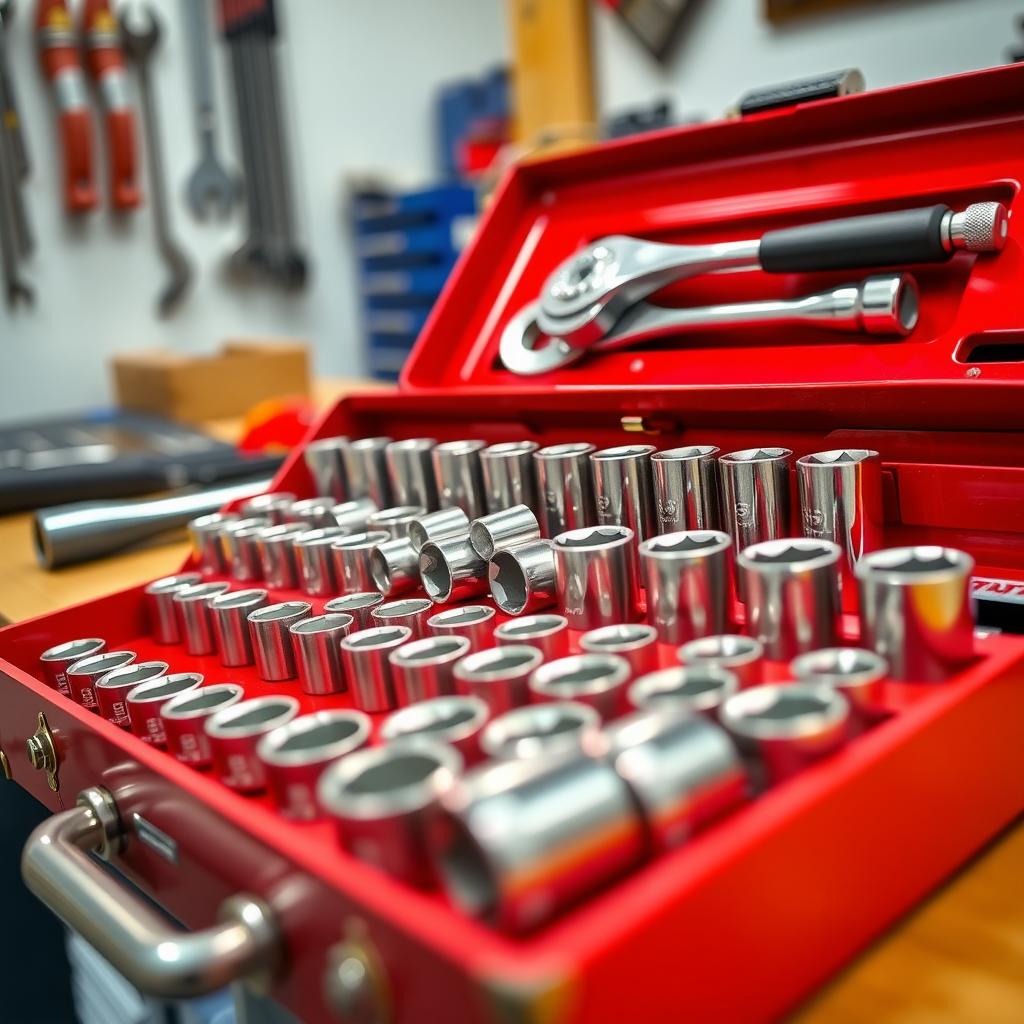
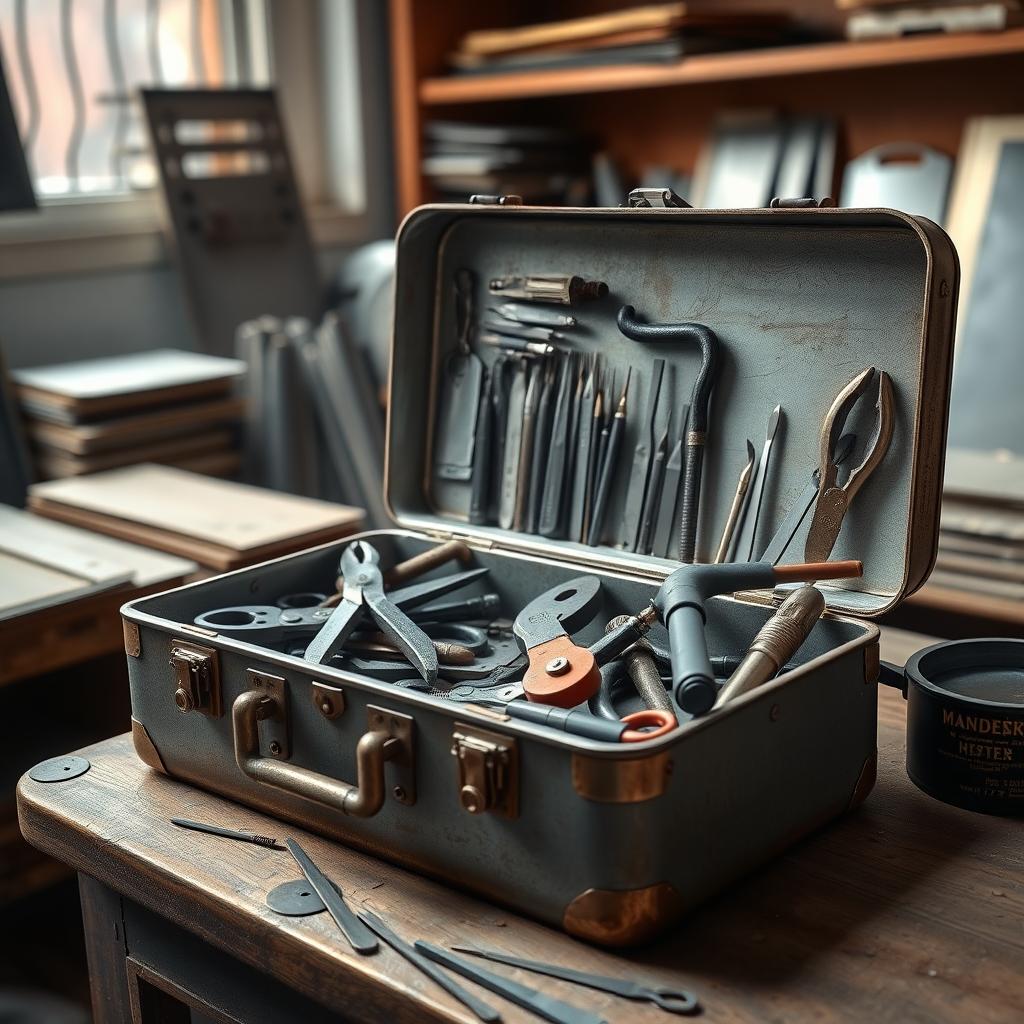
Store these in a sturdy toolbox to keep them organized and protected. I learned the hard way—scattered tools lead to frustration. A compact, multi-compartment toolbox keeps everything accessible and safe.
Tips for Success in Metalwork
Starting metalwork can feel overwhelming, but these tips will set you up for success:
- Start with Soft Metals: Copper and brass are forgiving and easier to work with than steel. They’re also affordable for practice projects.
- Safety First: Always wear safety glasses and gloves. Metal shards and heat can be dangerous. A well-ventilated workspace is a must when soldering.
- Practice Patience: My first few projects were messy—uneven cuts, weak solder joints. That’s normal. Each mistake teaches you something new.
- Learn from Others: Watch tutorials or join a local metalworking class. Sites like The Crucible offer beginner workshops.
- Keep a Sketchbook: Sketch your designs before starting. It helps you visualize and plan your cuts and shapes.
One of my favorite moments was when I finally soldered a clean joint after hours of practice. It felt like a small victory, and it pushed me to keep going.
Choosing the Right Toolbox
A good toolbox is more than storage—it’s your partner in keeping projects organized. Look for one with multiple compartments to separate small tools like pliers from larger ones like hammers. Metal or heavy-duty plastic toolboxes are durable and protect your workman tools from damage. I prefer a portable toolbox with a handle for easy transport to workshops or classes.
When I started, I used a cheap plastic box, and tools kept getting tangled. Upgrading to a metal toolbox with dividers saved me time and hassle. Check out options at hardware stores or online retailers like Home Depot for budget-friendly choices.
Common Mistakes to Avoid
Beginners often hit a few roadblocks. Here’s how to sidestep them:
- Overheating When Soldering: Too much heat can ruin your project. Use a low flame and heat gradually.
- Skipping Safety Gear: I once got a metal splinter in my hand—painful lesson. Always wear gloves and goggles.
- Rushing the Process: Take your time with each step, especially filing and polishing. Rushed work looks sloppy.
- Buying Cheap Tools: Low-quality workman tools break easily and frustrate you. Invest in mid-range tools to start.
Mistakes are part of learning. My first pendant was lopsided, but it taught me to measure twice and cut once.
Summary
The Art of Metalwork: Techniques and Tips for Beginners opens the door to a rewarding craft. By mastering cutting, shaping, soldering, and polishing, and using the right specialized workman tools for metalwork, you’ll create pieces you’re proud of. Start small, stay safe, and keep practicing. With time, your skills will shine as brightly as your finished projects.
Related The Art of Metalwork: Techniques and Tips for Beginners:
- Metalwork Safety Tips for Beginners - Craftsy
- Mastering the Art of Woodworking with Power Tools: A Comprehensive Guide
- Must-Have Wrenches for Every Toolbox: Your Ultimate Guide
- How to Choose Ergonomic Tools for Your Workshop
- Top DIY Projects for Your Cordless Drill: Unleash Your Creativity
- The Ultimate Guide to Table Saw Safety
- How to Use Wrenches Safely: A Comprehensive Guide for Beginners and Pros
- Safety Best Practices for Electricians: A Comprehensive Guide
- Essential Tools for DIY Beginners: Start Right
- How to Choose the Right Socket Set for Your Needs
- The Ultimate Guide to Tool Belts with Built-In Storage for Workmen
- Innovative Construction Tools for Efficiency