Overview
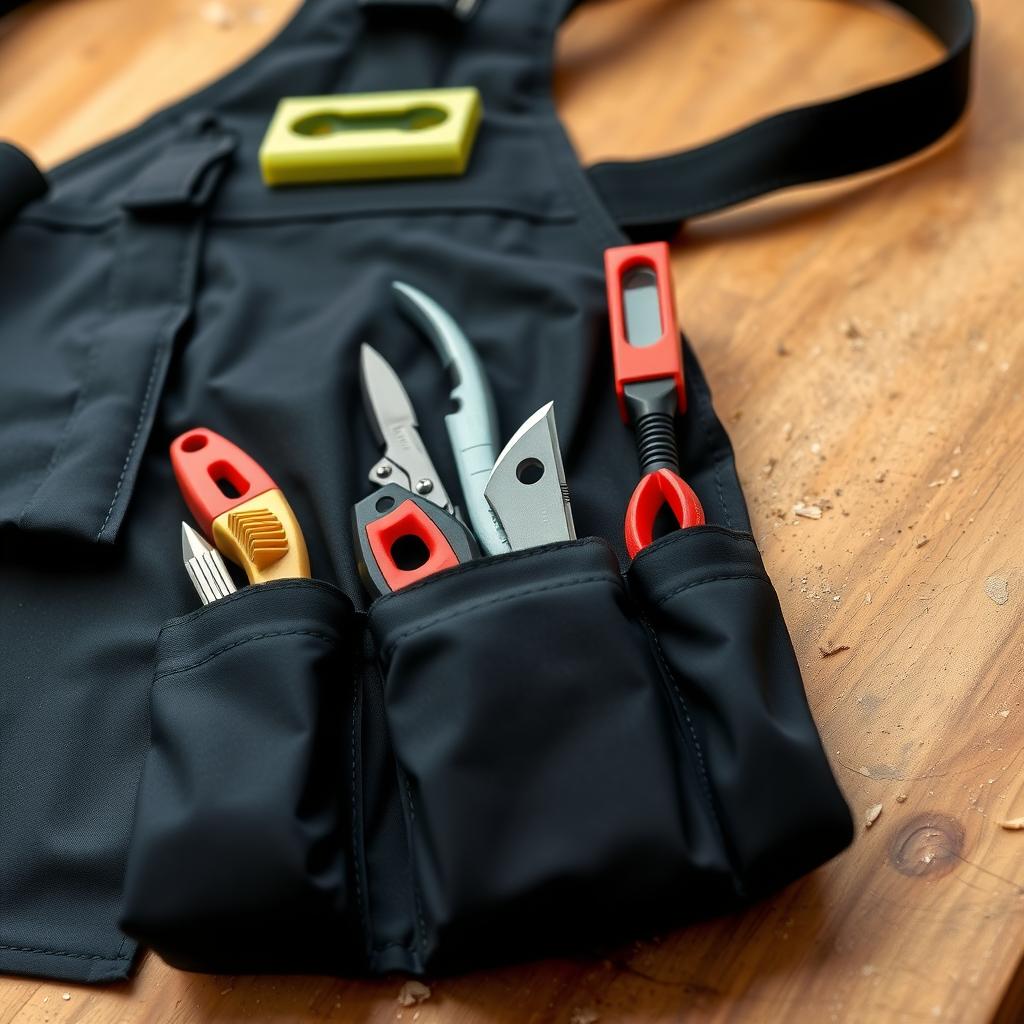
Choosing the right tools for your workshop isn’t just about getting the job done—it’s about working smarter and protecting your body. Ergonomic tools are designed to reduce strain, improve efficiency, and make long hours in the workshop more comfortable. This guide will walk you through how to choose ergonomic tools for your workshop, diving into the science of ergonomic design and sharing practical tips to help you select the best cutting tools and workman tools.
Why Ergonomics Matters in Your Workshop
When I first started woodworking, I grabbed whatever tools were cheapest. Big mistake. After a few hours of sanding or cutting, my hands ached, and my back screamed. That’s when I learned the value of ergonomic design. Ergonomics is about fitting tools to the human body, not the other way around. It’s not just a buzzword—it’s a game-changer for anyone spending hours with workman tools.
Poorly designed tools can lead to repetitive strain injuries like carpal tunnel syndrome or tendonitis. According to the Occupational Safety and Health Administration (OSHA), ergonomic tools can reduce workplace injuries by up to 50%. That’s huge for hobbyists and professionals alike. Ergonomic tools align with your body’s natural movements, reducing fatigue and boosting productivity.
The Science Behind Ergonomic Design
Ergonomic design isn’t just about slapping a cushy grip on a hammer. It’s rooted in science—biomechanics, to be exact. This field studies how your body moves and interacts with tools. The science behind ergonomic design focuses on three key principles:
- Neutral Posture: Tools should let you work with your wrists, elbows, and shoulders in a natural, relaxed position.
- Reduced Force: Ergonomic tools require less grip strength, minimizing muscle strain.
- Vibration Control: Tools like power drills or sanders should dampen vibrations to protect your hands and arms.
For example, a well-designed ergonomic screwdriver has a contoured handle that fits your hand’s natural curve, reducing the force needed to turn it. Studies from the National Institute for Occupational Safety and Health (NIOSH) show that tools designed with these principles can cut fatigue by 30% or more. That means you can work longer without feeling like you’ve run a marathon.
Key Features to Look for in Ergonomic Tools
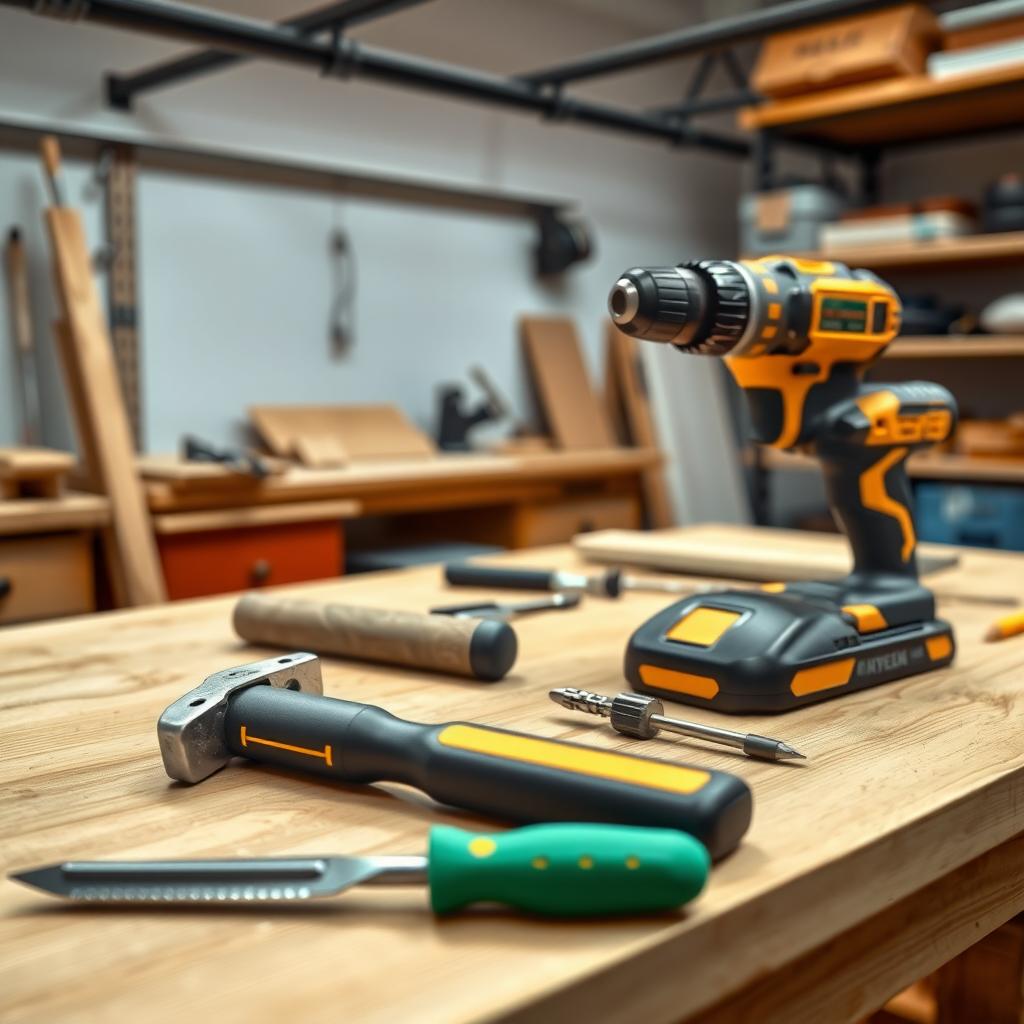
When shopping for modern workman tools with ergonomic design, it’s easy to get overwhelmed by options. Here’s a breakdown of what to prioritize:
| Feature | Why It Matters |
|---|---|
| Contoured Grips | Fits your hand’s natural shape, reducing strain. Look for soft, non-slip materials like rubber. |
| Lightweight Design | Heavier tools tire you out faster. Aim for tools under 2 pounds for hand-held use. |
| Adjustable Handles | Allows customization for different hand sizes or tasks. |
| Vibration Dampening | Essential for power tools to prevent hand-arm vibration syndrome. |
| Balanced Weight Distribution | Keeps the tool stable, reducing wrist strain during use. |
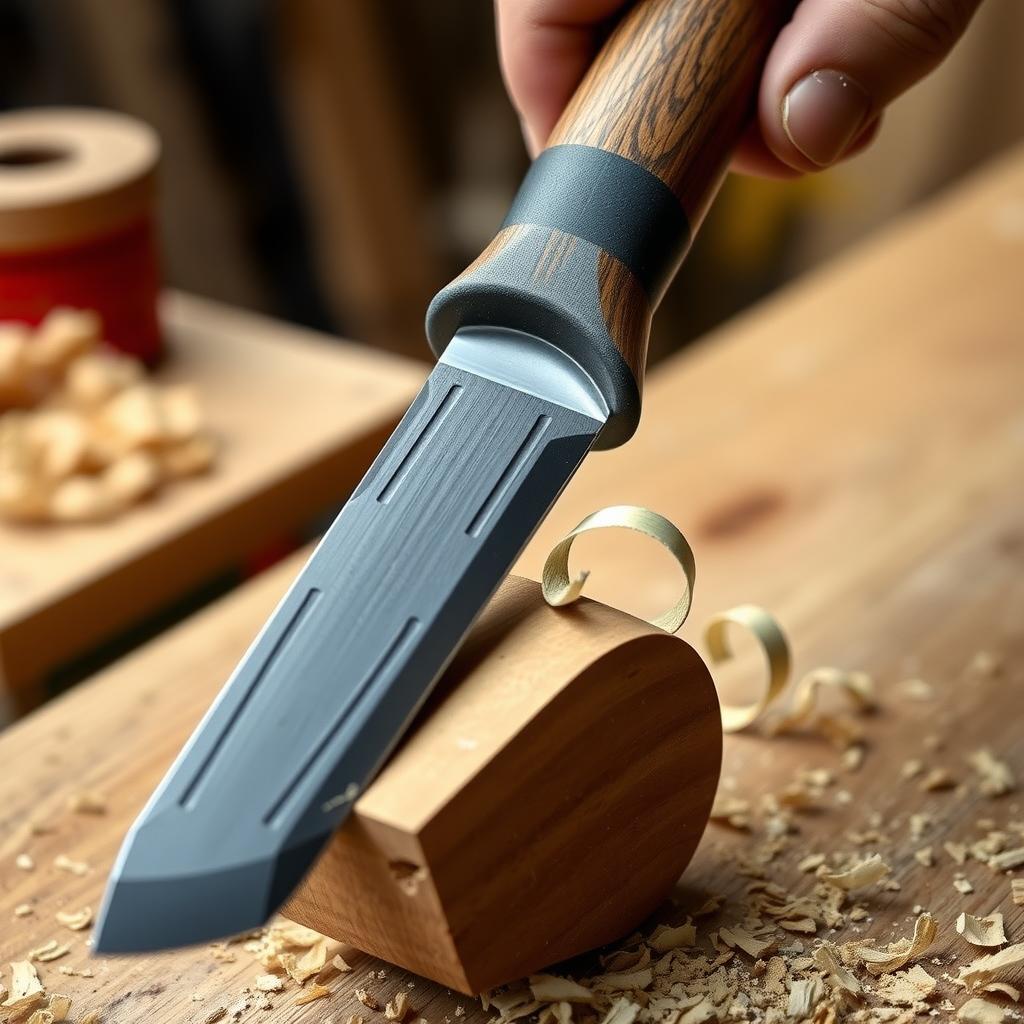
For cutting tools like saws or chisels, pay extra attention to blade alignment and handle angles. A poorly angled handle forces your wrist to twist unnaturally, which can lead to discomfort over time.
Choosing the Right Ergonomic Cutting Tools
Cutting tools are the backbone of any workshop, but they’re also some of the most physically demanding to use. Whether you’re slicing through wood, metal, or drywall, here’s how to pick ergonomic options:
- Hand Saws: Look for saws with angled handles that keep your wrist straight. A lightweight frame (under 1.5 pounds) makes long cuts easier.
- Utility Knives: Choose models with retractable blades and cushioned grips. Some even have adjustable tension to reduce cutting effort.
- Chisels: Opt for chisels with rounded, padded handles to absorb impact. Brands like Stanley and Irwin often incorporate these features.
I once spent hours chiseling dovetails with a cheap, hard-handled chisel. My hand was numb by the end. Switching to an ergonomic chisel with a soft-grip handle was like night and day—it felt like an extension of my hand.
Power Tools: Ergonomic Features to Prioritize
Power tools like drills, sanders, and grinders can wreak havoc on your body if they’re not designed with ergonomics in mind. Here’s what to check for:
- Low Vibration: Look for tools with built-in vibration dampening, like Bosch’s Vibration Control technology.
- Ergonomic Triggers: Triggers should be easy to reach and press without straining your fingers.
- Lightweight Models: Cordless tools are often lighter, but check the battery weight—some can tip the scales.
For example, I upgraded to a cordless drill with a rubberized grip and low-vibration motor. It’s a bit pricier, but my hands don’t tingle after drilling a dozen holes anymore. Check out resources like the CDC’s guide on hand-arm vibration for more on why this matters.
Testing Tools Before You Buy
You wouldn’t buy a car without a test drive, right? Same goes for tools. Whenever possible, hold the tool in your hand before buying. Here’s a quick checklist for testing:
- Grip Comfort: Does the handle feel natural? Is it too thick or thin for your hand?
- Weight: Can you hold it for 10 minutes without fatigue?
- Balance: Does the tool feel front- or back-heavy?
- Ease of Use: Are buttons and triggers easy to access?
If you’re shopping online, read reviews from users with similar hand sizes or work habits. Sites like Fine Woodworking often have detailed tool reviews that highlight ergonomic features.
Budget vs. Premium Ergonomic Tools
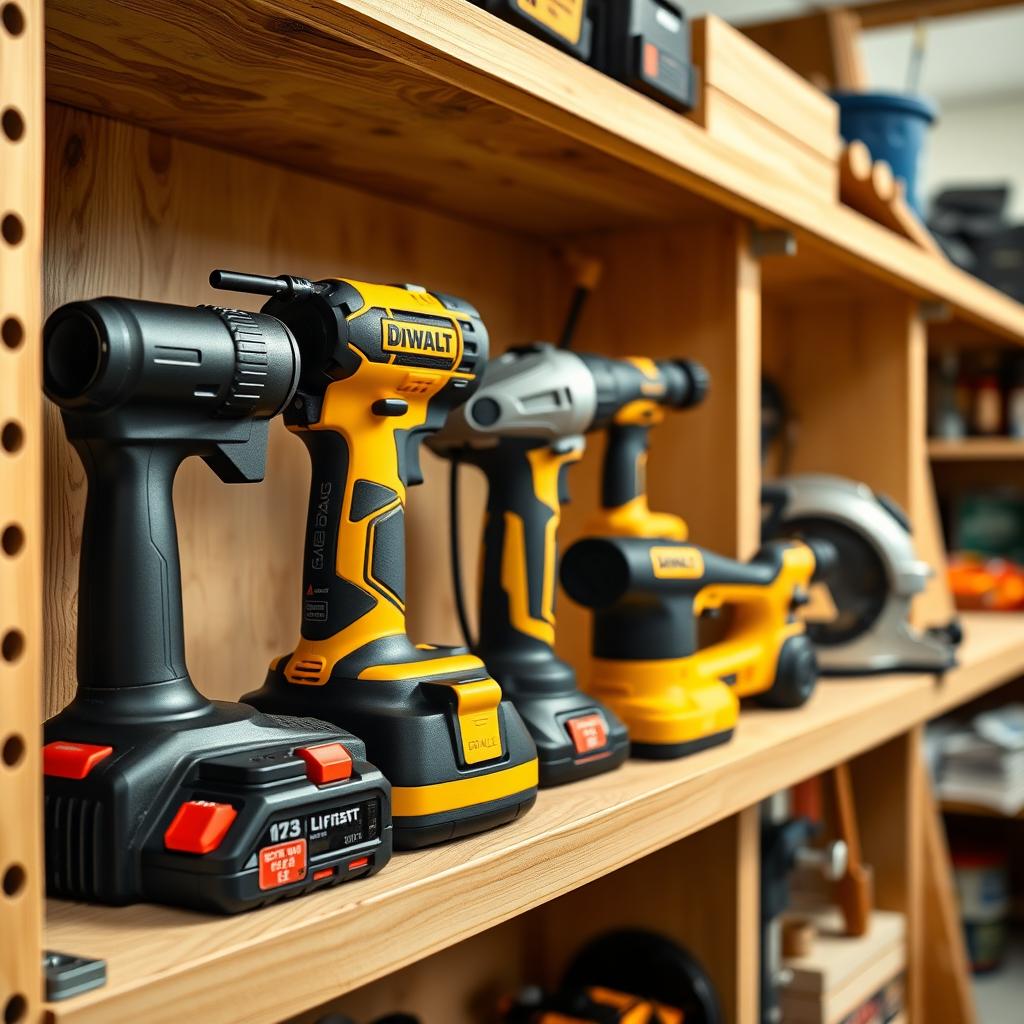
Ergonomic tools can range from $10 screwdrivers to $300 power drills. Is it worth splurging? In my experience, yes—but only to a point. Budget brands like Craftsman offer solid ergonomic features for casual hobbyists. For daily use, premium brands like DeWalt or Milwaukee often justify their price with better durability and advanced features like vibration control.
Here’s a quick comparison:
| Tool Type | Budget Option | Premium Option |
|---|---|---|
| Screwdriver | Craftsman ($10-$20) | Wera ($20-$40) |
| Cordless Drill | Ryobi ($50-$100) | DeWalt ($150-$300) |
| Hand Saw | Stanley ($15-$30) | Bahco ($30-$60) |
Invest in tools you use daily, but don’t overspend on specialty tools you’ll rarely touch.
Maintaining Your Ergonomic Tools
Even the best tools lose their edge if neglected. Keep your ergonomic tools in top shape with these tips:
- Clean Grips: Wipe rubberized grips with mild soap to prevent slippage.
- Sharpen Blades: Dull cutting tools force you to grip harder, negating ergonomic benefits.
- Store Properly: Use racks or cases to avoid damage to handles or blades.
I learned this the hard way when my favorite ergonomic chisel’s handle cracked after being tossed in a toolbox. A little care goes a long way.
Summary
Choosing ergonomic tools for your workshop is about more than comfort—it’s about protecting your health and boosting efficiency. By understanding the science behind ergonomic design, prioritizing key features like contoured grips and low vibration, and testing tools before buying, you can build a workspace that feels good and works better. Whether you’re picking cutting tools or modern workman tools with ergonomic design, invest in quality where it counts and maintain your tools to keep them performing at their best.
Related How to Choose Ergonomic Tools for Your Workshop:
- Top DIY Projects for Your Cordless Drill: Unleash Your Creativity
- The Ultimate Guide to Table Saw Safety
- How to Use Wrenches Safely: A Comprehensive Guide for Beginners and Pros
- Safety Best Practices for Electricians: A Comprehensive Guide
- Essential Tools for DIY Beginners: Start Right
- How to Choose the Right Socket Set for Your Needs
- The Ultimate Guide to Tool Belts with Built-In Storage for Workmen
- Innovative Construction Tools for Efficiency
- Essential Guide to Tool Storage Solutions and Maintenance Tips
- The Ultimate Guide to Automotive Mechanic Tools
- Safety First: Best Practices for Using Tools
- Maintenance Tips for Keeping Your Tools in Top Condition