Overview
Woodworking is a rewarding craft that blends creativity with skill. Mastering the Art of Woodworking with Power Tools opens up endless possibilities for creating furniture, decor, and more. This guide dives into the essentials, offering beginners and seasoned craftsmen alike the knowledge to wield power tools effectively and safely.
Why Power Tools Transform Woodworking
Power tools make woodworking faster, more precise, and less physically demanding than traditional hand tools. They allow you to tackle complex projects with ease, from cutting perfect angles to drilling clean holes. But with great power comes responsibility—understanding your tools is key to unlocking their potential and staying safe.
For beginners, the array of tools can feel overwhelming. Don’t worry! This Beginner’s Guide to Power Tools: Drills, Saws, and More breaks it down into manageable steps. Let’s explore the must-have tools, how to use them, and tips to elevate your craft.
Essential Tools for Every Handyman
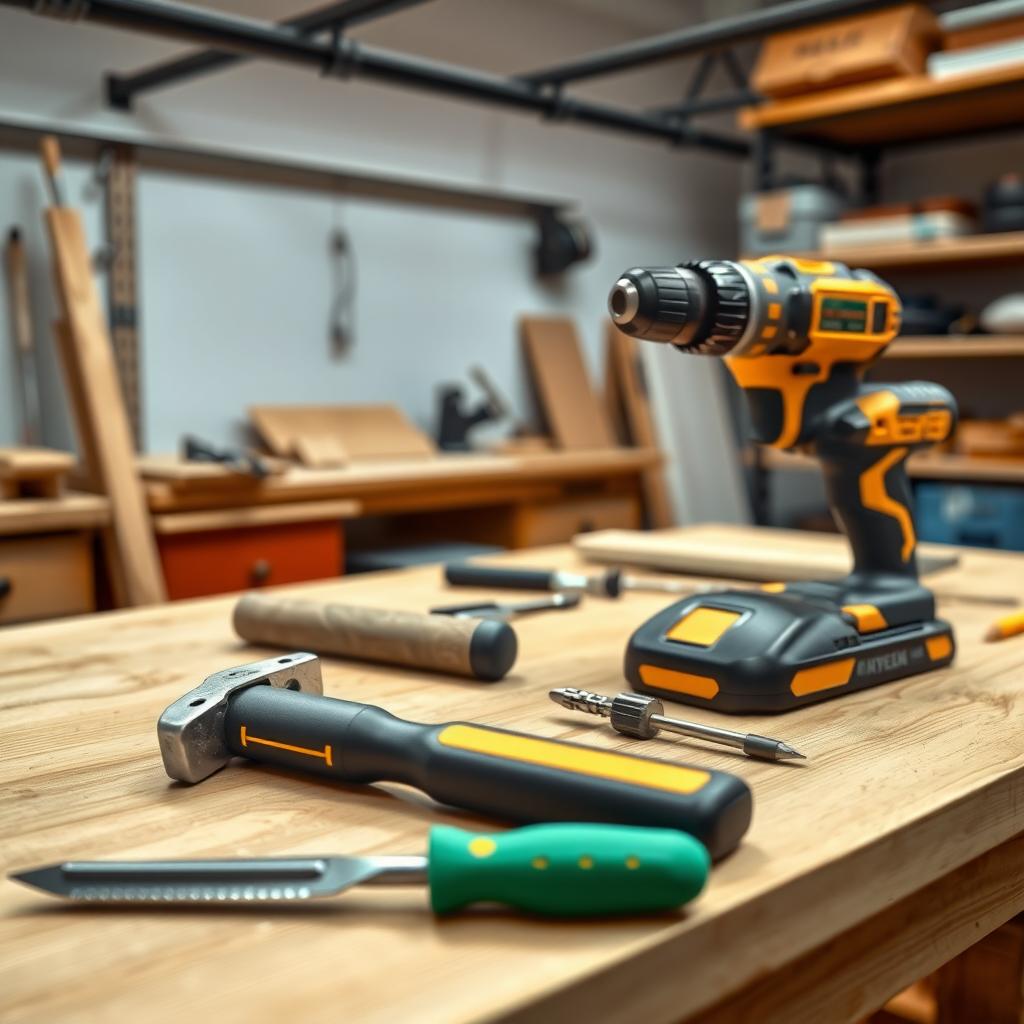
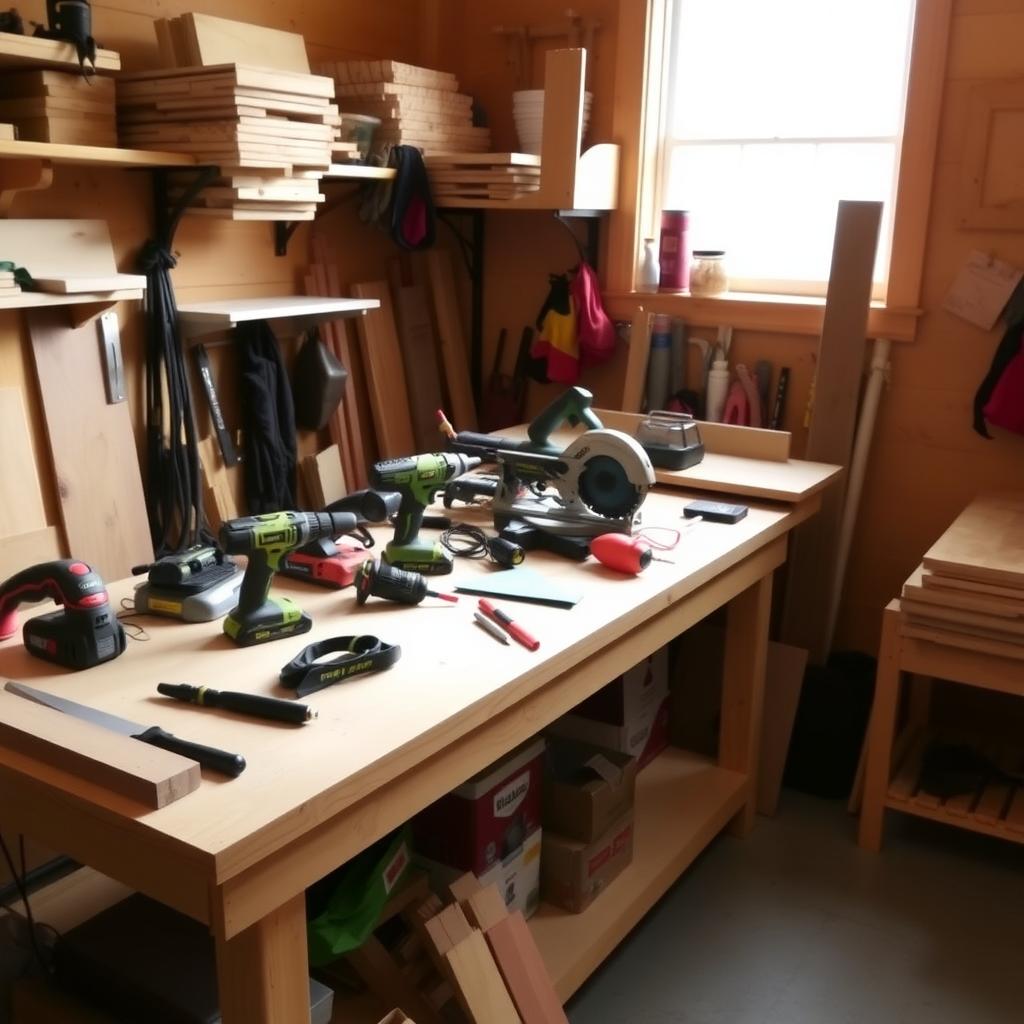
Every woodworker needs a reliable set of tools. Here’s a breakdown of the essential tools for every handyman focusing on power tools that make woodworking efficient and fun:
- Cordless Drill: A versatile tool for drilling holes and driving screws. Look for one with adjustable speed settings for better control. According to Purdue University’s Wood Research Laboratory, a cordless drill with at least 18 volts is ideal for most woodworking tasks.
- Circular Saw: Perfect for straight cuts on large wood pieces. It’s a go-to for cutting plywood or framing lumber.
- Jigsaw: Great for curved or intricate cuts, like patterns for decorative pieces.
- Random Orbital Sander: Smooths surfaces quickly, giving your projects a professional finish.
- Power Router: Shapes edges and creates joints, adding finesse to furniture or cabinetry.
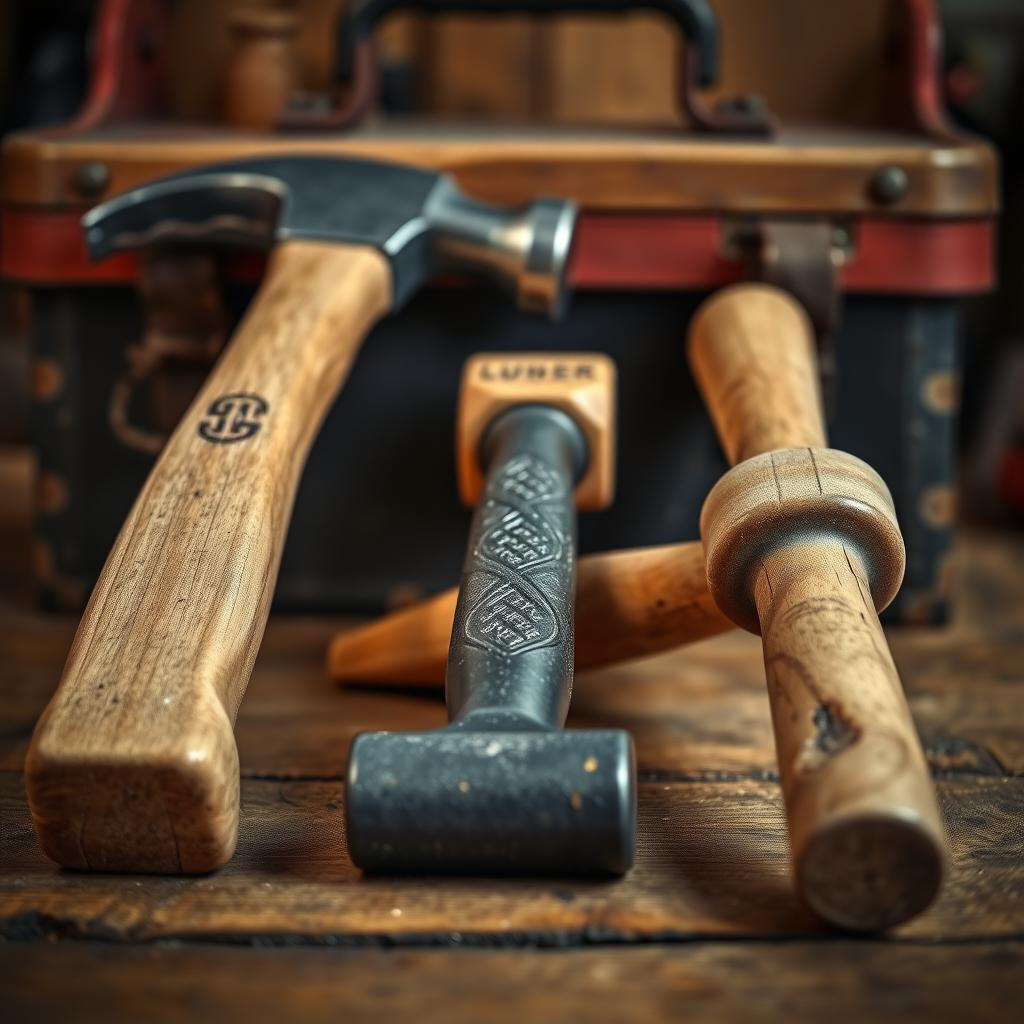
These tools form the backbone of any woodworking setup. While hammers and other workman tools like chisels have their place, power tools save time and effort.
Getting Started with Power Tools
Choosing the Right Tools
Start with a cordless drill and a circular saw—two of the most versatile tools. Invest in quality brands known for durability, like DeWalt or Bosch. Check out Fine Woodworking’s tool reviews for expert recommendations on models that balance power and affordability.
Safety First
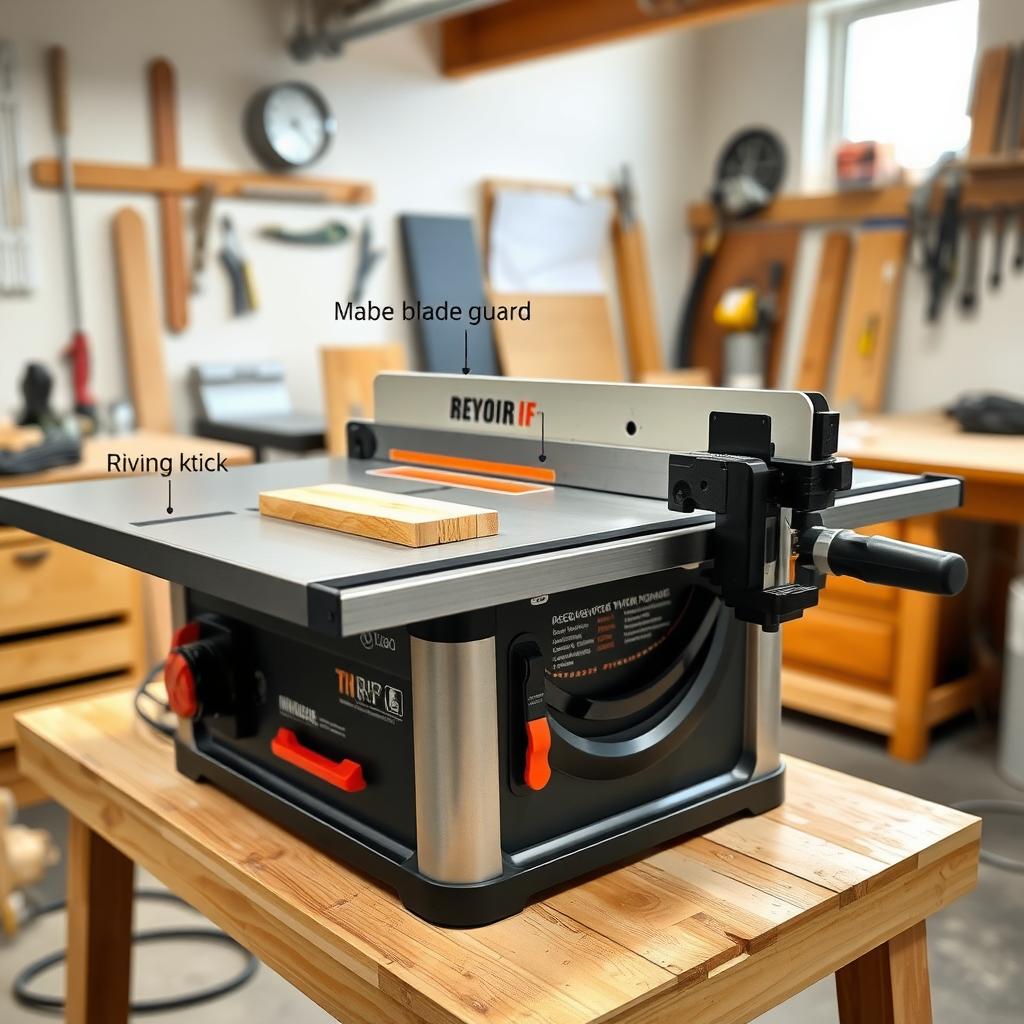
Power tools can be dangerous if mishandled. Always wear safety goggles, gloves, and ear protection. Keep your workspace clear of clutter, and never rush a cut. The Occupational Safety and Health Administration (OSHA) emphasizes securing workpieces and using tools with safety guards to prevent accidents.
Practice Makes Perfect
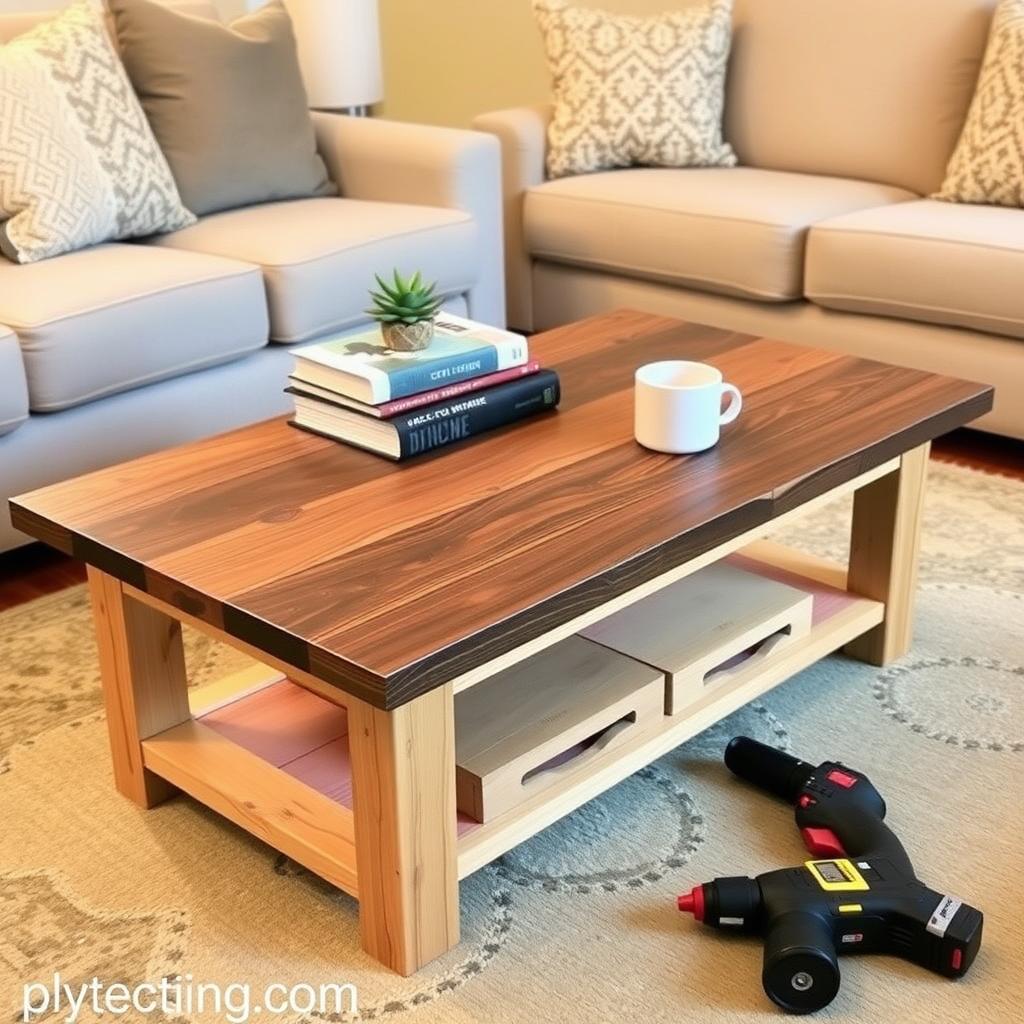
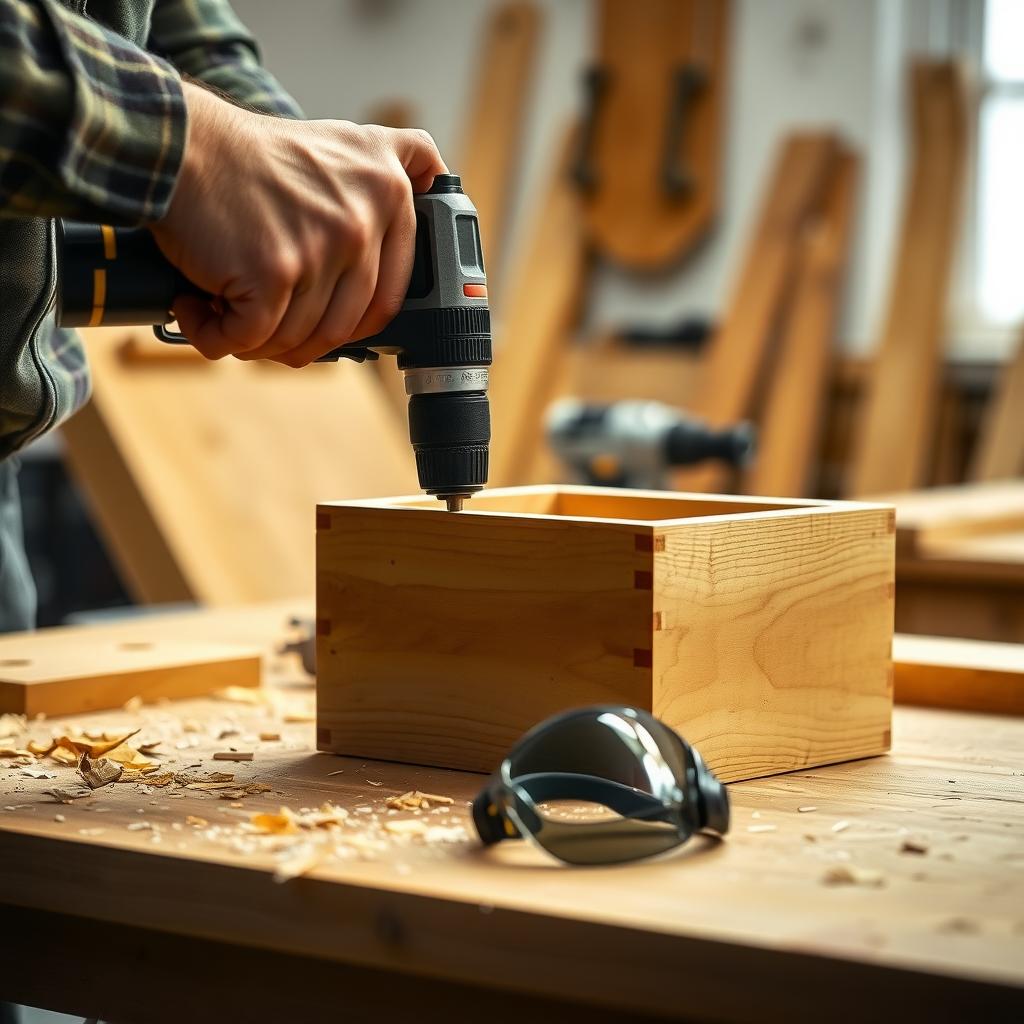
Begin with simple projects like a wooden box or a small shelf. These let you practice drilling, cutting, and sanding without overwhelming complexity. As you gain confidence, try projects like a coffee table or a birdhouse. Each project builds skills and familiarity with your tools.
Mastering Key Techniques
Drilling with Precision
A cordless drill is your best friend for joining wood pieces. Use the right drill bit for the material—wood bits for softwoods, masonry bits for hardwoods. Mark your drilling spot with a pencil, and drill slowly to avoid splintering. For deeper holes, pull the bit out periodically to clear debris.
Cutting with Confidence
Circular saws excel at straight cuts, but setup is critical. Use a straightedge guide to keep cuts true. For jigsaws, let the blade do the work—don’t force it through the wood. Practice on scrap wood to get a feel for each saw’s speed and handling.
Sanding for a Smooth Finish
A random orbital sander saves hours compared to hand sanding. Start with coarse sandpaper (80-grit) to remove rough spots, then progress to finer grits (120-220) for a polished look. Always sand with the grain to avoid scratches.
Building Your First Project
Let’s walk through a simple project: a wooden wall shelf. You’ll need:
| Material/Tool | Quantity | Purpose |
|---|---|---|
| Plywood (1/2 inch) | 2 pieces (12x24 inches) | Shelf and backboard |
| Cordless Drill | 1 | Drilling holes and driving screws |
| Circular Saw | 1 | Cutting plywood to size |
| Sandpaper (80, 120, 220 grit) | 1 set | Smoothing surfaces |
| Wood Screws | 8 | Joining pieces |
Steps: 1. Cut the plywood to size using a circular saw. 2. Sand all surfaces with progressively finer grits. 3. Drill pilot holes for screws to prevent splitting. 4. Assemble the shelf by screwing the pieces together. 5. Finish with paint or stain for a professional look.
This project teaches cutting, drilling, and finishing basics while creating something functional.

Common Mistakes to Avoid
- Skipping Safety Gear: Always prioritize protection. One slip can cause serious injury.
- Using Dull Blades: Dull saw blades tear wood instead of cutting cleanly. Replace or sharpen them regularly.
- Ignoring Measurements: Measure twice, cut once. Precision saves materials and time.
- Rushing the Process: Take your time to ensure quality. Rushed work leads to mistakes.
The Woodworkers Guild of America offers tutorials on avoiding these pitfalls, with videos that demonstrate proper techniques.
Maintaining Your Power Tools
Keep your tools in top shape to ensure longevity. Clean blades and bits after each use to remove sawdust and resin. Store tools in a dry, organized space to prevent rust. Regularly check cords and batteries for wear, especially on cordless models. A well-maintained tool performs better and lasts longer.
Growing Your Skills
As you gain experience, experiment with advanced tools like routers or table saws. Join local woodworking clubs or online forums to learn from others. Practice new techniques on scrap wood before applying them to projects. The more you build, the more confident you’ll become.
Summary
Mastering the Art of Woodworking with Power Tools is about starting small, prioritizing safety, and practicing consistently. From drills to saws, these essential tools for every handyman empower you to create beautiful, functional pieces. With patience and the right techniques, you’ll turn raw wood into works of art. Keep learning, stay safe, and enjoy the process!
Related Mastering the Art of Woodworking with Power Tools:
- Beginner’s Guide to Woodworking Projects: Your Step-by-Step Roadmap to Success
- Must-Have Wrenches for Every Toolbox: Your Ultimate Guide
- How to Choose Ergonomic Tools for Your Workshop
- Top DIY Projects for Your Cordless Drill: Unleash Your Creativity
- The Ultimate Guide to Table Saw Safety
- How to Use Wrenches Safely: A Comprehensive Guide for Beginners and Pros
- Safety Best Practices for Electricians: A Comprehensive Guide
- Essential Tools for DIY Beginners: Start Right
- How to Choose the Right Socket Set for Your Needs
- The Ultimate Guide to Tool Belts with Built-In Storage for Workmen
- Innovative Construction Tools for Efficiency
- Essential Guide to Tool Storage Solutions and Maintenance Tips