Overview
Screwdrivers are essential workman tools, but improper use can lead to injuries or damaged tools. Whether you're a DIY enthusiast or a seasoned professional, following Top Screwdriver Safety Tips You Can’t Ignore ensures safe and efficient work. This guide shares practical advice, personal experiences, and expert tips to keep you safe and your tools in top shape.
Why Screwdriver Safety Matters
Screwdrivers seem simple, but they can cause serious harm if mishandled. From slipped blades to worn-out tips, accidents happen when you least expect them. I’ve seen a friend slice their hand open when a screwdriver slipped off a stubborn screw. That moment taught me that safety isn’t just about technique—it’s about preparation and respect for the tool. According to the U.S. Consumer Product Safety Commission, thousands of hand-tool-related injuries occur annually, many involving screwdrivers. Let’s dive into actionable tips to keep you safe.
1. Choose the Right Screwdriver for the Job
Using the wrong screwdriver is a recipe for trouble. A mismatched tip—like a Phillips head on a flathead screw—can strip the screw or cause the tool to slip. Always match the screwdriver to the screw type and size. For example, a #2 Phillips is ideal for most household screws, while a #0 is better for small electronics. Check the screw head before starting, and keep a variety of screwdrivers in your toolkit to avoid improvisation.
2. Inspect Your Tools Before Use
A damaged screwdriver can ruin your project or cause injury. Before starting, check for worn or bent tips, cracked handles, or loose shafts. I once used a screwdriver with a chipped tip, thinking it was no big deal—until it slipped and scratched a wooden surface. Regular inspections, part of Tool Maintenance: Tips for Longevity, can prevent such mishaps. The Occupational Safety and Health Administration (OSHA) recommends inspecting hand tools regularly to ensure they’re in good condition.
3. Maintain a Firm Grip
A loose grip increases the risk of slipping. Hold the screwdriver firmly with your dominant hand, using your other hand to stabilize the workpiece if needed. Avoid greasy or wet hands, as they reduce control. I learned this the hard way when a screwdriver slipped from my sweaty hand during a summer project, narrowly missing my foot. Use gloves with good grip for extra control, especially on tough screws.
4. Keep Your Work Area Clear
A cluttered workspace invites accidents. Clear away debris, tools, or loose screws before starting. Ensure good lighting so you can see the screw head clearly. I always set up a small tray for screws and bits to keep things tidy. A clean workspace not only improves safety but also boosts efficiency, letting you focus on the task at hand.
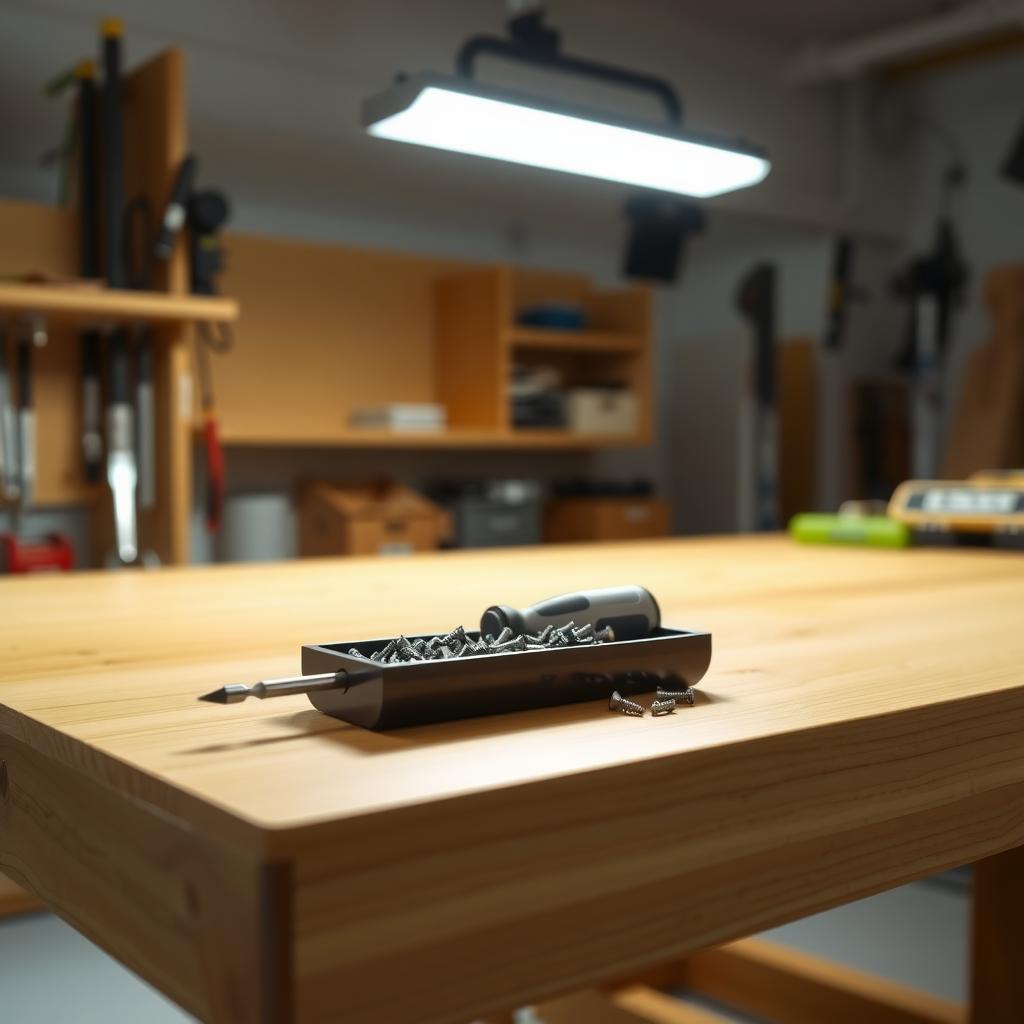
5. Avoid Using Screwdrivers as Pry Bars
Screwdrivers aren’t designed for prying or chiseling. Using them for anything other than driving screws can bend the shaft or snap the tip, sending shards flying. I once saw a colleague try to pry open a paint can with a screwdriver, only to damage the tool and spill paint everywhere. Stick to the tool’s intended purpose to stay safe and preserve its lifespan.
6. Store Screwdrivers Properly
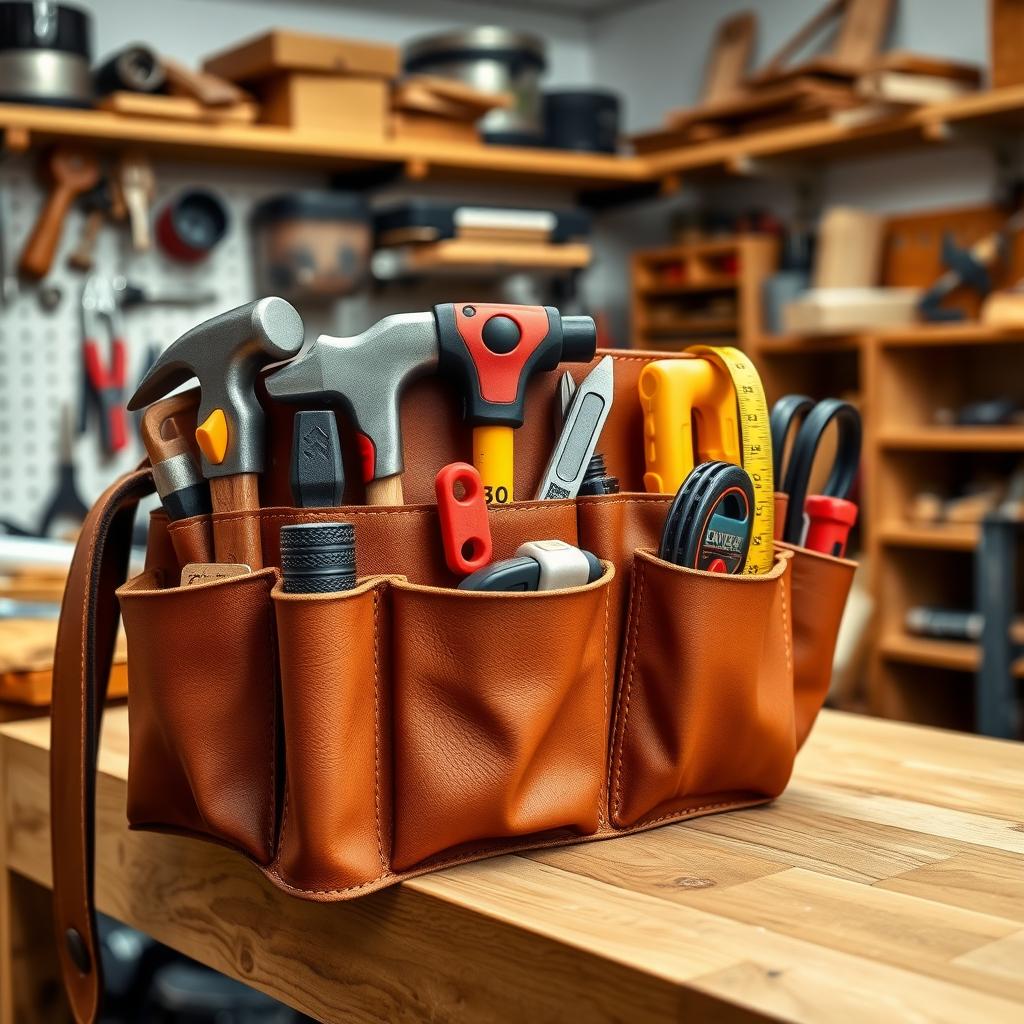
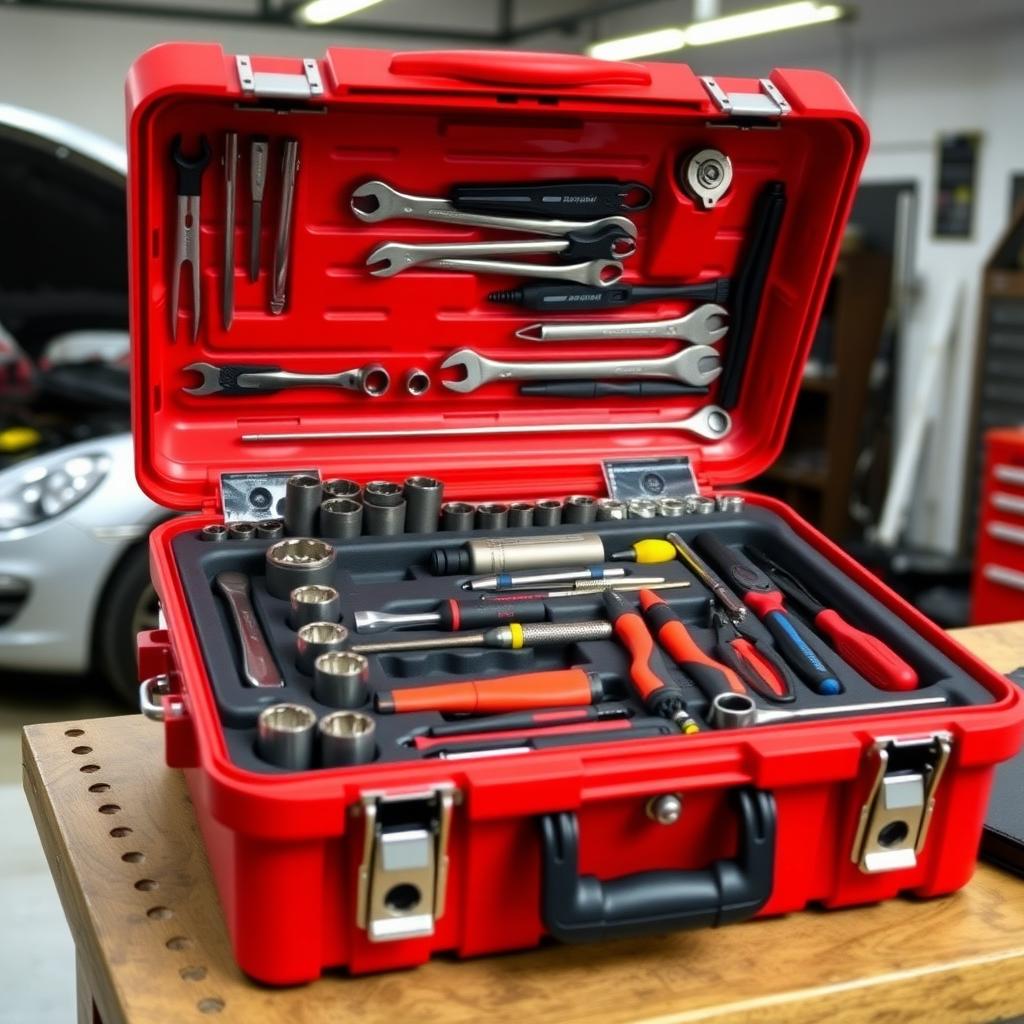
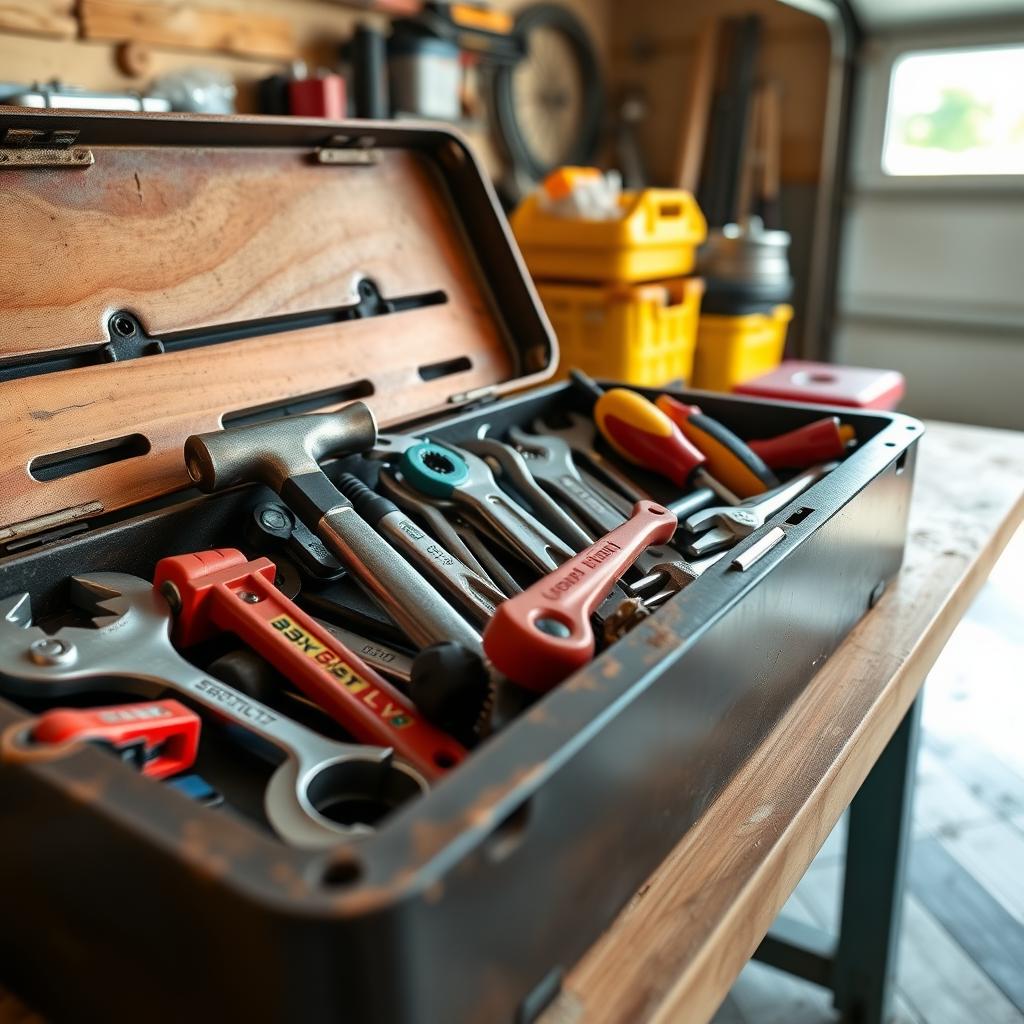
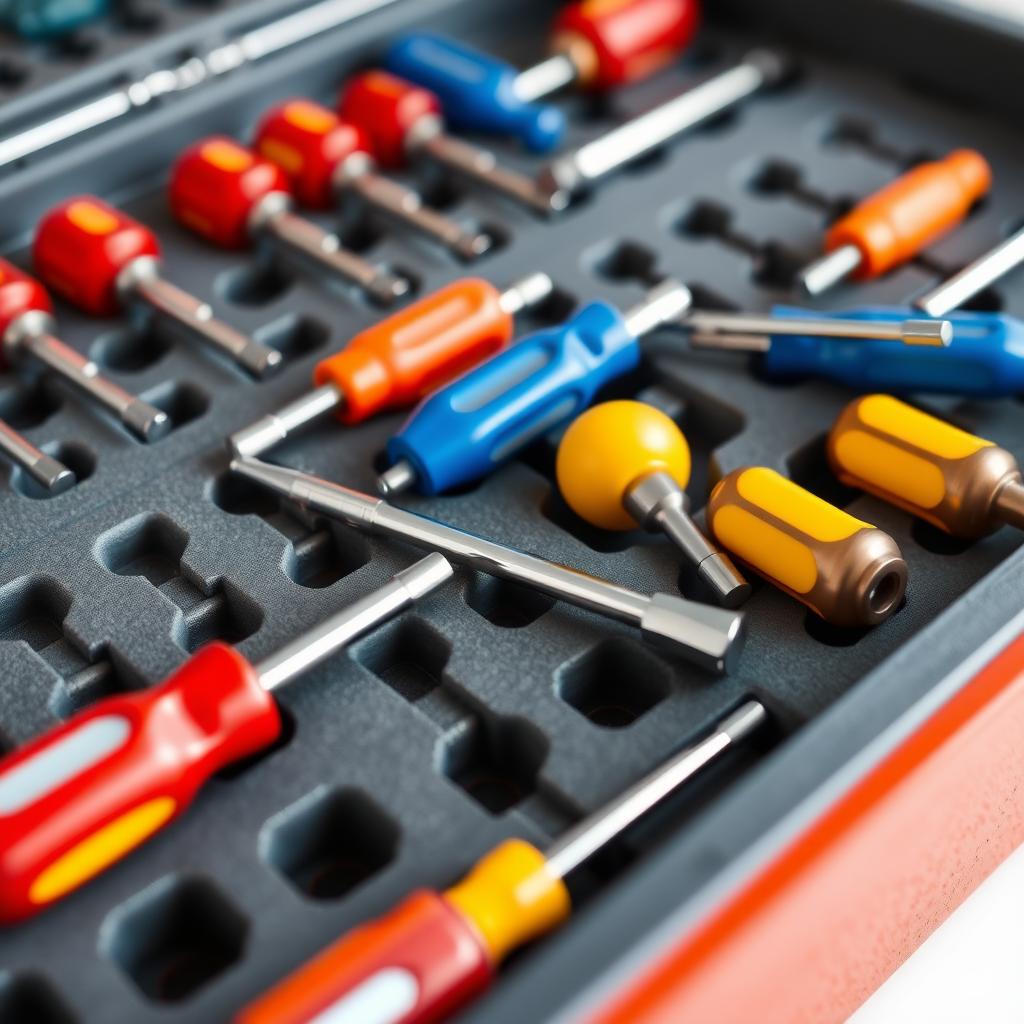
Proper storage is a key part of Tool Maintenance: Tips for Longevity. Store screwdrivers in a toolbox, rack, or foam organizer to protect their tips and prevent accidents. Avoid tossing them loosely in a drawer where they can get damaged or cause injury when you reach in. I use a dedicated toolbox with foam inserts, which keeps my screwdrivers organized and ready for use.
7. Use Screwdrivers Away from Electrical Sources
Never use a standard screwdriver near live electrical components. Even a small shock can cause you to lose control, leading to injury. For electrical work, use insulated screwdrivers designed for the job. The National Institute for Occupational Safety and Health (NIOSH) emphasizes using insulated tools to prevent electrical injuries. Always double-check that power is off before working near wiring.
8. Apply Steady, Controlled Pressure
Pushing too hard or at an awkward angle can cause the screwdriver to slip. Apply steady, even pressure directly in line with the screw. If a screw is stuck, use a penetrating oil or tap the screw lightly to loosen it rather than forcing the tool. This technique saved me countless times when working on old furniture with stubborn screws.
9. Educate Yourself on Tool Maintenance
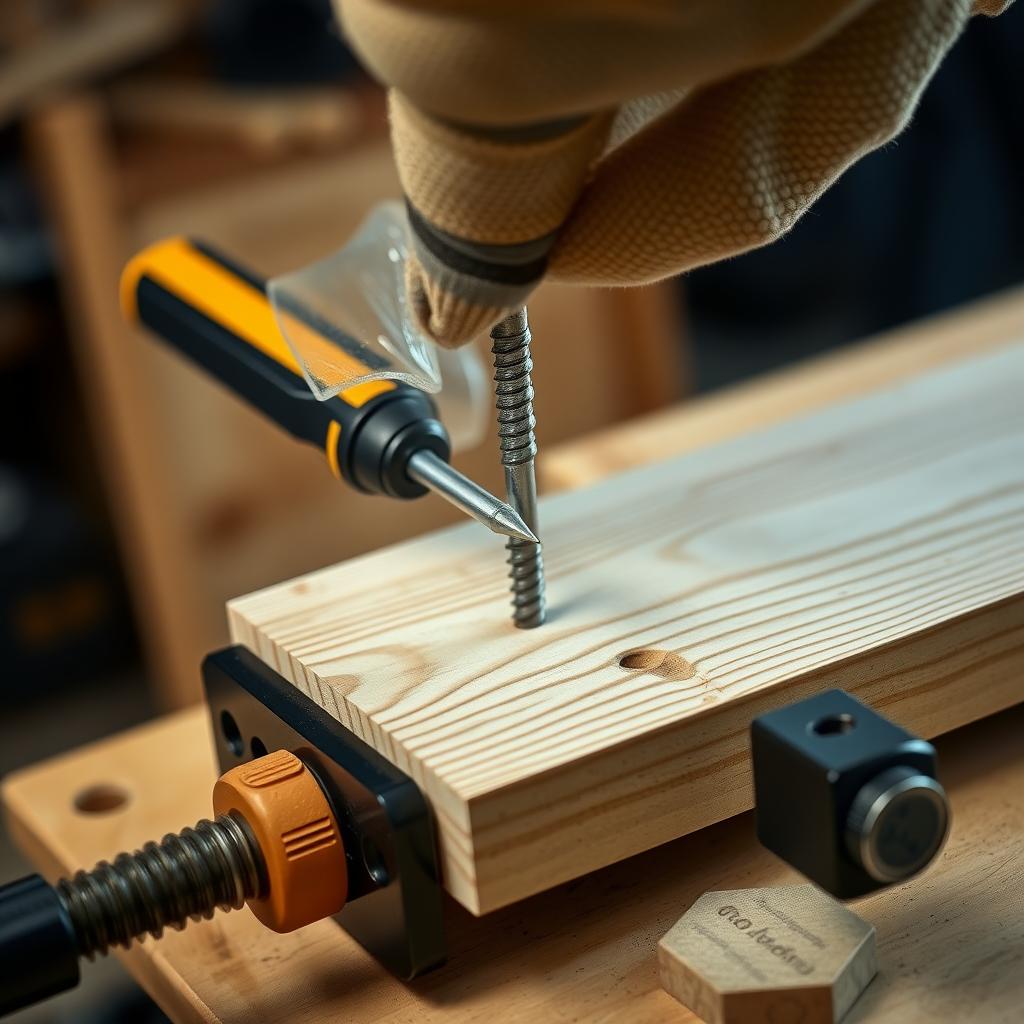
Regular maintenance extends the life of your screwdrivers. Clean the tips after use to remove debris, and store them in a dry place to prevent rust. If a tip is worn, replace the screwdriver or use a replaceable-bit model. I make it a habit to wipe down my tools after every project, which keeps them in great condition for years.
| Maintenance Task | Frequency | Benefit |
|---|---|---|
| Clean tips | After each use | Prevents debris buildup |
| Inspect for wear | Monthly | Ensures safe operation |
| Store properly | Always | Protects tips and handles |
| Replace worn tools | As needed | Maintains efficiency |
10. Train Others in Your Workspace
If you work with others, share these screwdriver safety tips. A team is only as safe as its least cautious member. I once worked on a group project where a novice ignored basic safety, leading to a minor injury. Take time to demonstrate proper techniques and encourage questions to build a culture of safety.
Personal Insights
Over years of using screwdrivers for home repairs and professional projects, I’ve learned that safety starts with respect for the tool. Simple habits—like checking the tip, clearing the workspace, and using the right tool—make all the difference. These tips aren’t just about avoiding injuries; they’re about working smarter and preserving your workman tools for the long haul.
Summary
Following these Top Screwdriver Safety Tips You Can’t Ignore ensures you work safely and efficiently. From choosing the right tool to proper storage and maintenance, these practices protect you and your screwdrivers. Stay vigilant, keep your workspace tidy, and always prioritize safety to make every project a success.
Related Top Screwdriver Safety Tips You Can’t Ignore:
- The Best Tablesaws with User-Friendly Features for Every Workshop
- How to Choose the Right Tools for Your Job: A Practical Guide
- How to Paint a Room Like a Pro: A Step-by-Step Guide
- The Importance of Quality Tools in Construction: Building a Solid Foundation
- Beginner’s Guide to Car Repair Tools: Your Toolkit Essentials
- The Pomodoro Technique: Boosting Productivity Through Structured Work Sessions
- How to Maintain Your Tools for Longevity: A Comprehensive Guide
- Exploring Types of Wrenches for Different Jobs: A Workman’s Guide
- Top 10 DIY Projects for Beginners to Kickstart Your Creative Journey
- The Art of Metalwork: Techniques and Tips for Beginners
- Mastering the Art of Woodworking with Power Tools: A Comprehensive Guide
- Must-Have Wrenches for Every Toolbox: Your Ultimate Guide