Overview
In construction, the difference between a job well done and a costly mistake often comes down to the tools you use. Quality tools improve efficiency, ensure safety, and deliver better results. This article explores The Importance of Quality Tools in Construction, offers A Beginner’s Guide to Essential Construction Tools, and provides practical tips for selecting tools like hammers and wrench sets.
Why Quality Tools Matter in Construction
When I started in construction, I made the rookie mistake of buying cheap tools to save money. My first hammer bent after a week, and my bargain-bin wrench stripped bolts faster than I could curse. That taught me a lesson: quality tools aren’t just nice to have—they’re essential. High-quality tools last longer, perform better, and keep you safe on the job.
Low-quality tools wear out quickly, leading to frequent replacements and downtime. They can also cause accidents. A dull blade or a flimsy ladder isn’t just inefficient—it’s dangerous. According to the Occupational Safety and Health Administration (OSHA), tool-related injuries account for thousands of construction accidents annually. Investing in reliable tools reduces these risks and boosts productivity.
A Beginner’s Guide to Essential Construction Tools
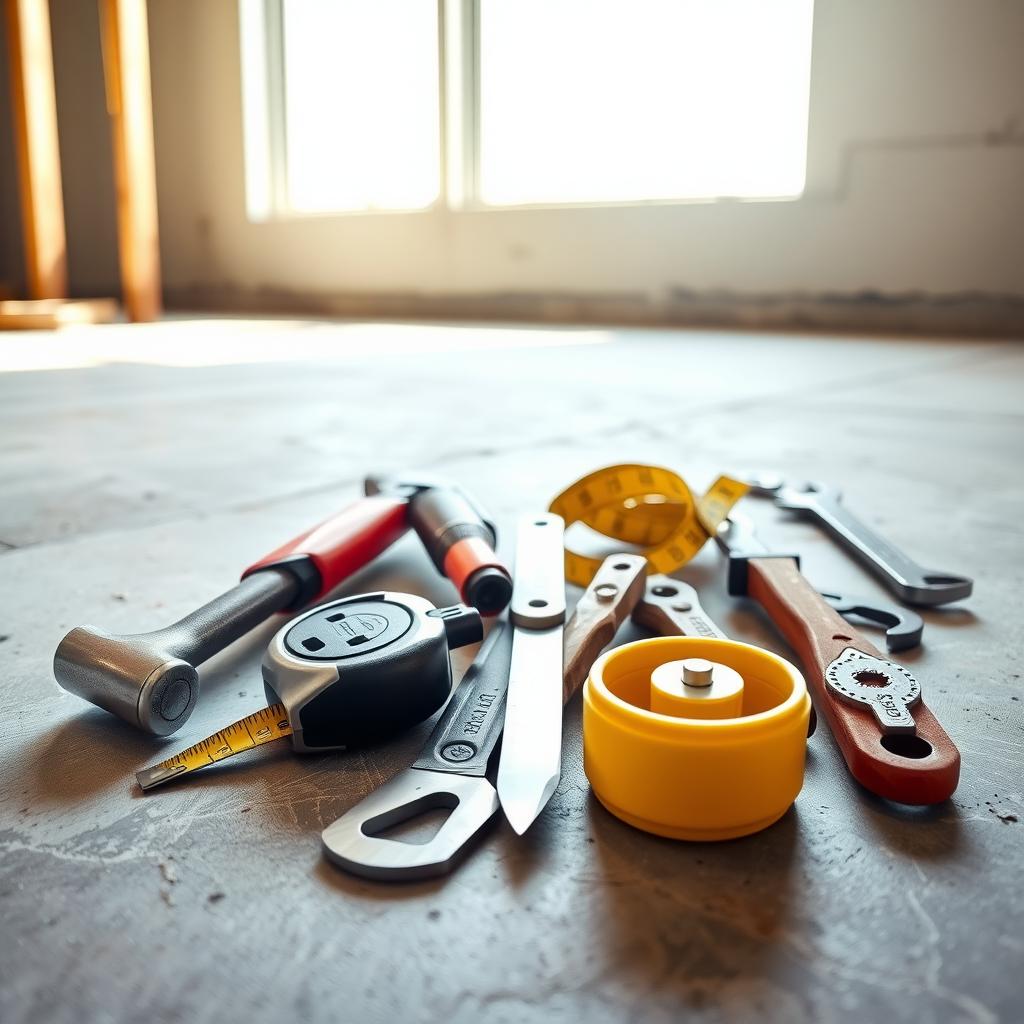
If you’re new to construction, building a tool kit can feel overwhelming. Where do you start? What’s worth the investment? Here’s a breakdown of must-have tools for beginners, based on my experience and industry standards:
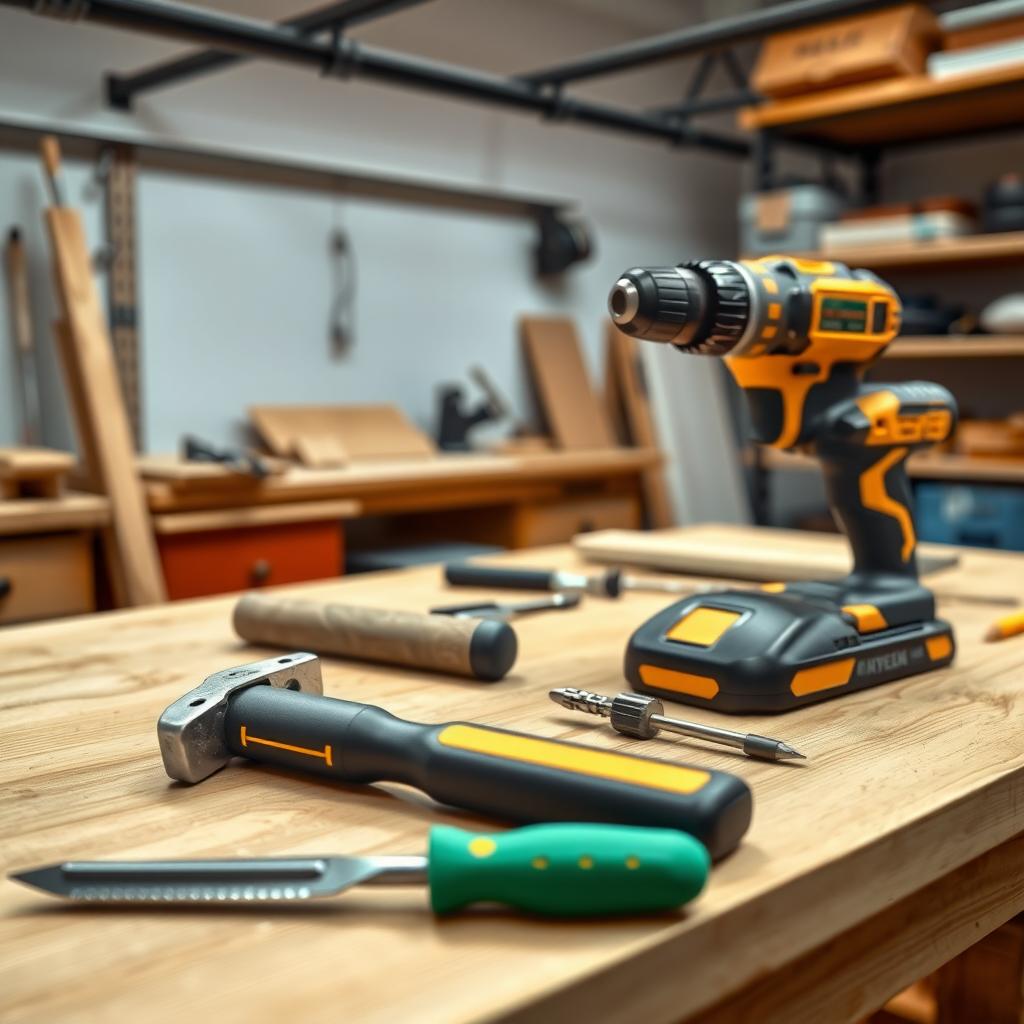
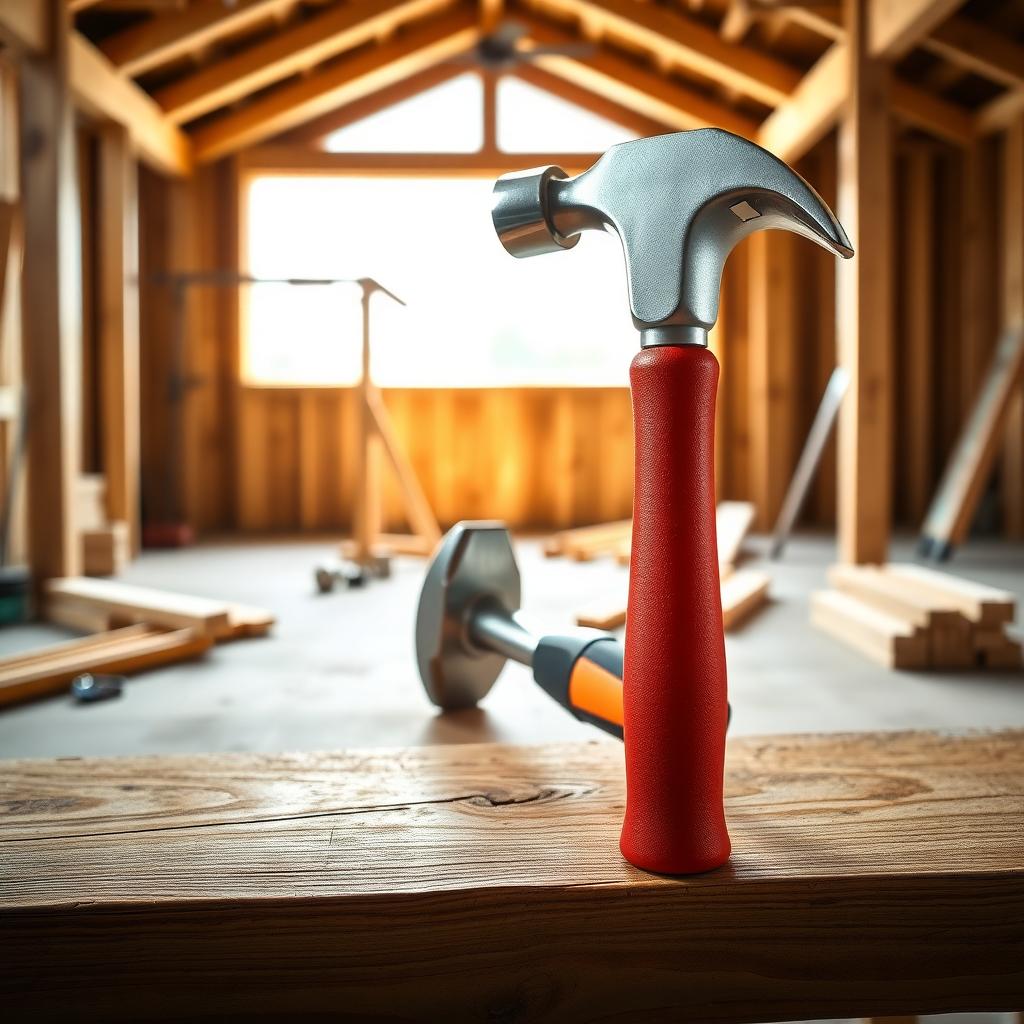
- Hammer: A versatile tool for driving nails and light demolition. Look for a 16-20 oz hammer with a comfortable grip.
- Tape Measure: A 25-foot tape measure is ideal for most jobs. Choose one with a locking mechanism and clear markings.
- Utility Knife: Perfect for cutting drywall, roofing materials, and more. Opt for one with replaceable blades.
- Screwdrivers: A set with both flathead and Phillips heads covers most tasks.
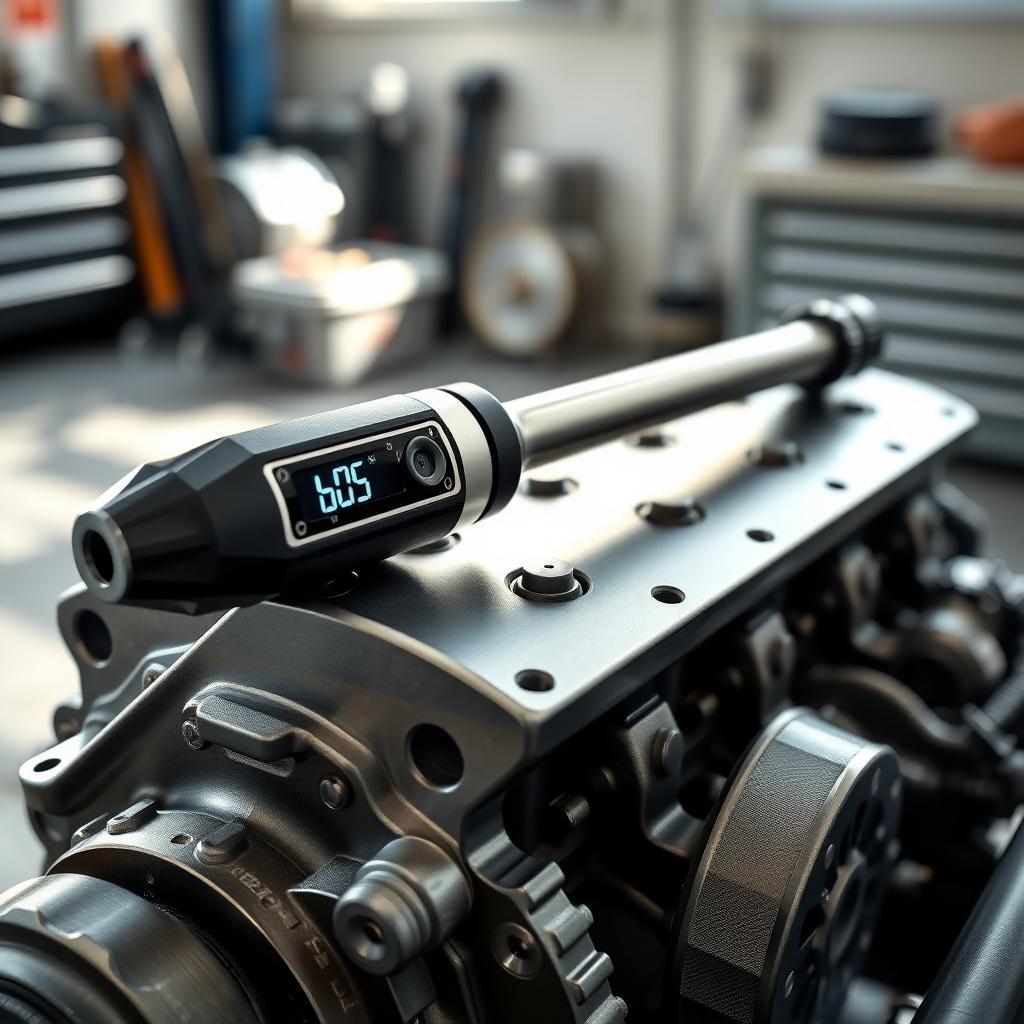
- Wrench Set: Adjustable wrenches and socket sets are crucial for tightening bolts and nuts.
- Level: A 2-foot level ensures your work is straight and true.
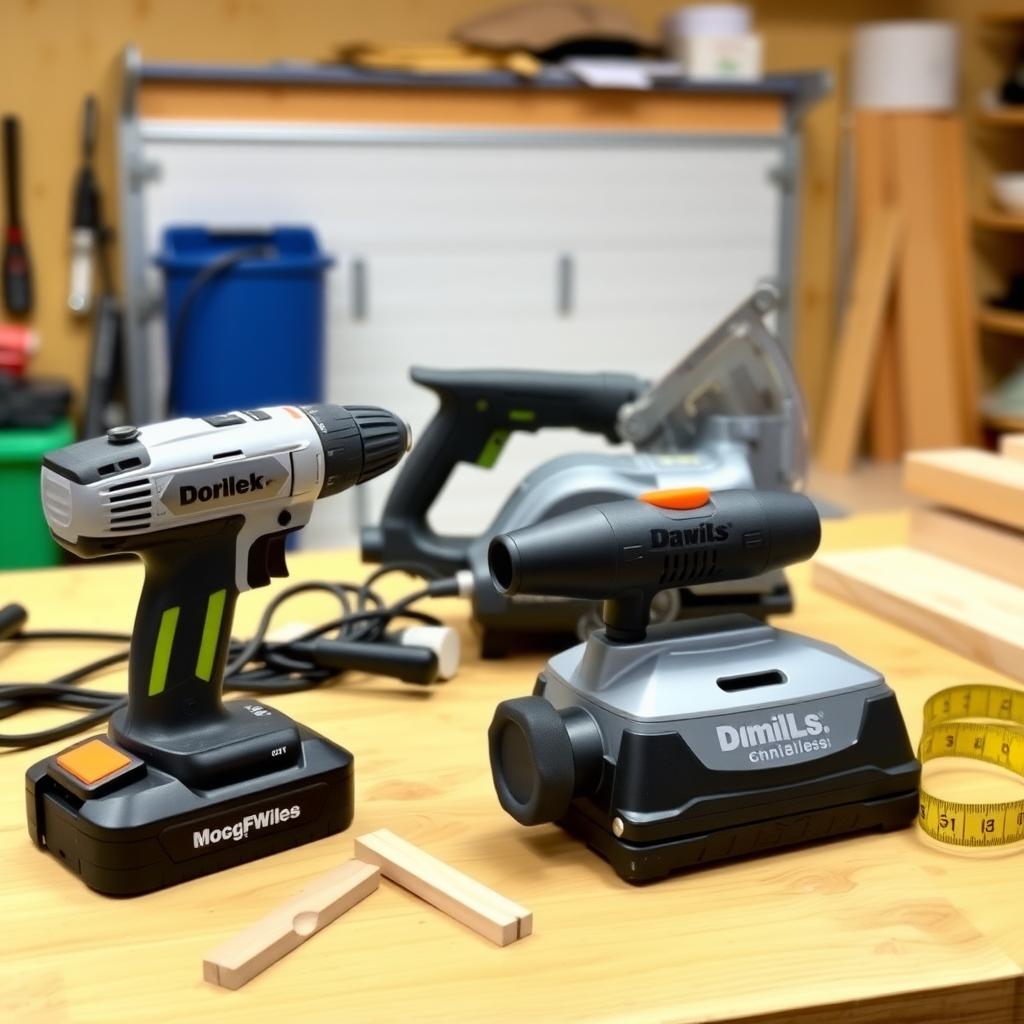
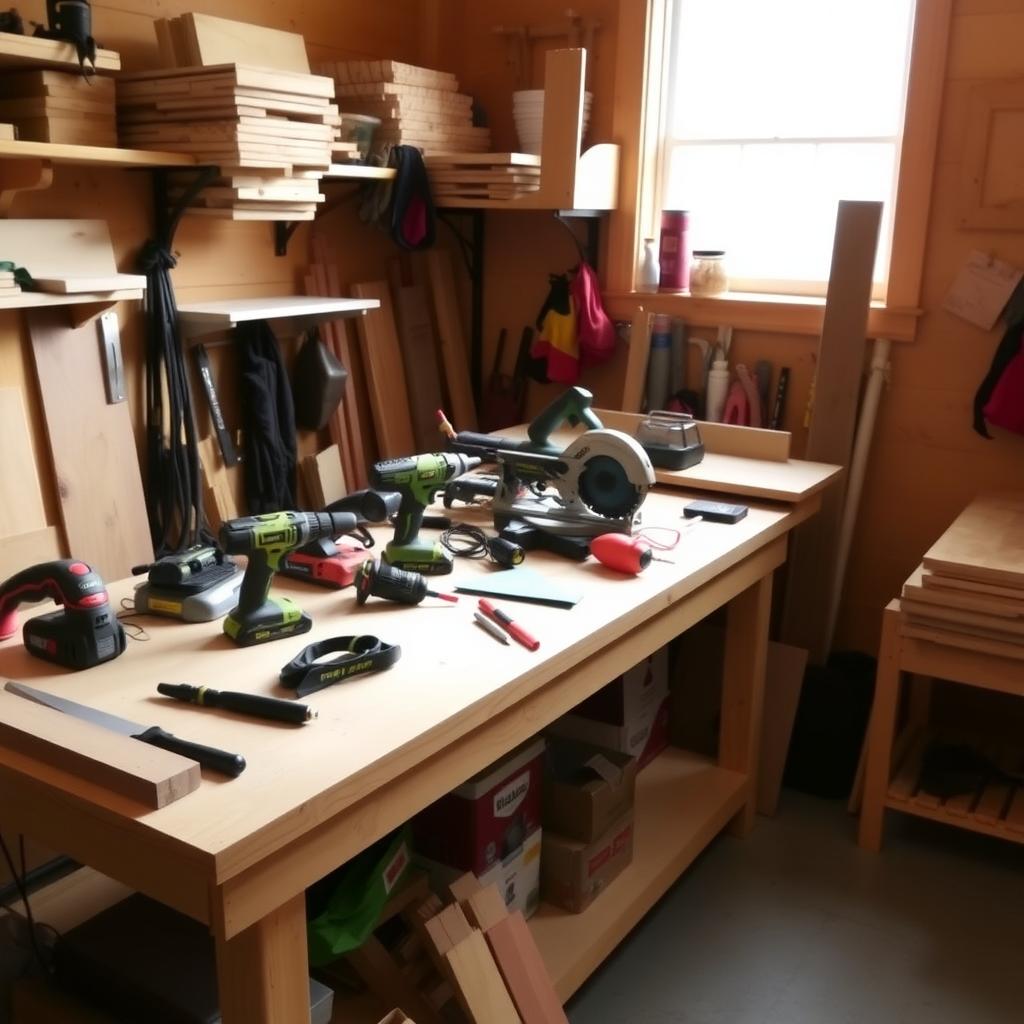
- Power Drill: A cordless drill with multiple bits saves time on drilling and fastening.
Start with these basics, and expand your kit as you take on more complex projects. Quality matters more than quantity—buy the best you can afford.
How to Choose the Best Hammer for Your Needs
Hammers are the backbone of any construction tool kit, but not all hammers are created equal. Choosing the right one depends on your tasks. Here’s a quick guide:
| Hammer Type | Best For | Key Features |
|---|---|---|
| Claw Hammer | General carpentry, nail removal | Curved claw for leverage, 16-20 oz weight |
| Sledgehammer | Demolition, driving stakes | Heavy (4-10 lbs), long handle |
| Framing Hammer | Framing houses, heavy-duty nailing | Straight claw, heavier head (20-32 oz) |
When choosing a hammer, hold it in your hand. Does it feel balanced? Is the grip comfortable? I once used a poorly balanced hammer for a framing job, and my wrist paid the price. Look for a forged steel head for durability and a grip that reduces vibration. Brands like Estwing or DeWalt are reliable choices. Check reviews on sites like Home Depot for real user feedback.
A Beginner’s Guide to Building Your Construction Tool Kit
Building a tool kit is like laying a foundation—you want it strong, reliable, and ready for anything. Here’s how to start:
- Assess Your Needs: Are you doing carpentry, masonry, or general repairs? Tailor your kit to your projects.
- Prioritize Quality Over Cost: A $20 wrench set might seem like a deal, but it’ll fail you when you’re tightening a critical bolt. Invest in trusted brands.
- Start Small: Buy the essentials listed above, then add specialized tools as needed.
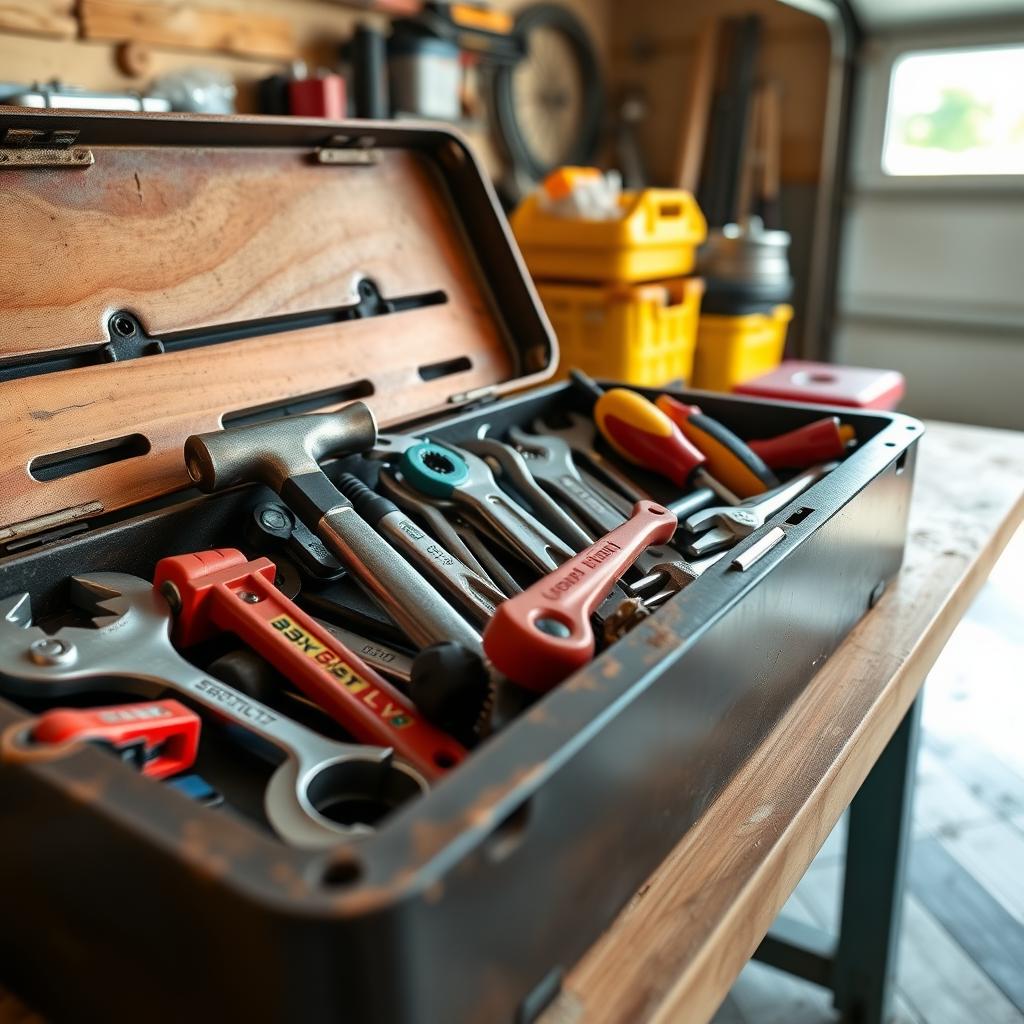
- Organize and Maintain: Keep tools in a sturdy toolbox and clean them after use to extend their life.
When I built my first tool kit, I focused on versatility. A good wrench set, for example, saved me on plumbing and framing jobs. Speaking of wrenches, let’s dive into that next.
Best Wrench Sets for Construction Workers
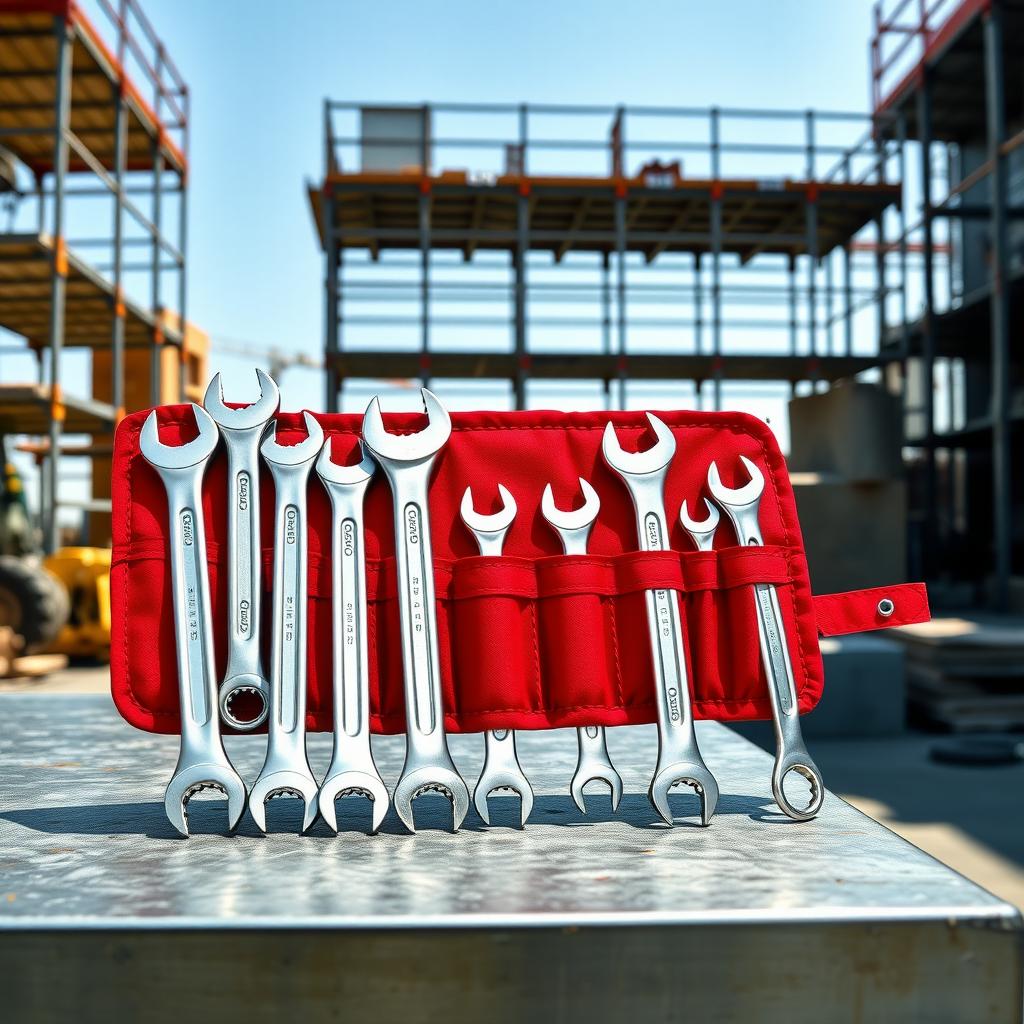
Wrenches are indispensable for tightening bolts, assembling scaffolding, or installing plumbing fixtures. But with so many options, how do you choose the best wrench sets for construction workers? Here’s what to look for:
- Material: Chrome-vanadium steel wrenches are durable and resist rust.
- Size Range: A set with 6-24 mm or 1/4 to 1-inch sizes covers most tasks.
- Type: Combination wrenches (open-end and box-end) offer versatility.
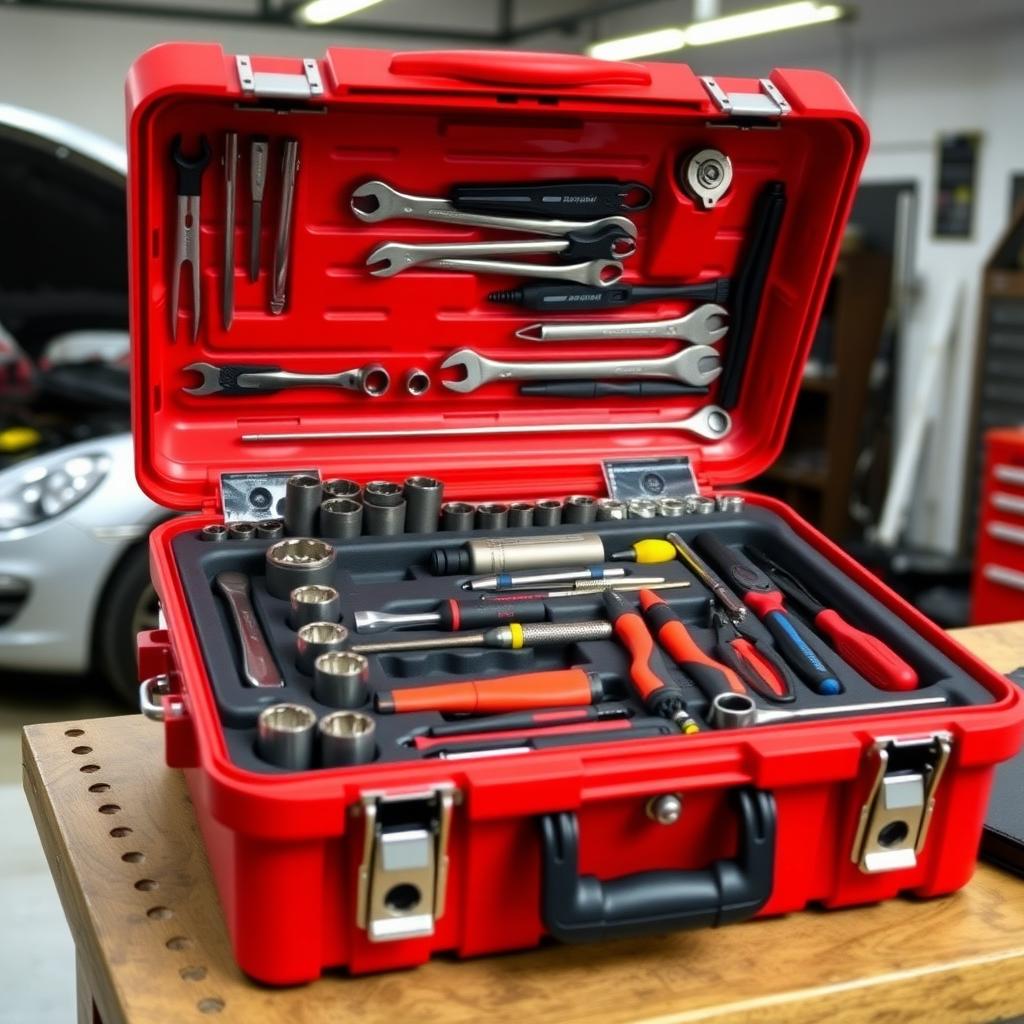
- Storage: A roll-up pouch or case keeps your set organized.
I’ve used Craftsman and Tekton sets for years, and they’ve never let me down. For heavy-duty jobs, an adjustable wrench is a great complement. Check out ToolGuyd for detailed reviews on wrench sets. Pro tip: avoid cheap sets—they strip bolts and wear out fast.
Maintaining Your Tools for Longevity
Quality tools are an investment, so take care of them. Clean them after every job to remove dirt and debris. Store them in a dry place to prevent rust. For power tools, follow the manufacturer’s maintenance guidelines—check batteries, lubricate moving parts, and replace worn bits. I learned this the hard way when my drill died mid-project because I neglected it.
Regular maintenance saves money and keeps your tools performing at their best. A well-maintained tool kit can last decades, making every penny you spend worthwhile.
Safety First: How Quality Tools Reduce Risks
Construction sites are full of hazards, and low-quality tools add to the danger. A hammer with a loose head can fly off, or a dull saw can slip and cut you. Quality tools are designed with safety in mind—ergonomic grips reduce strain, and sturdy materials prevent breakage. Always inspect your tools before use. If something looks worn or damaged, replace it. Your safety is worth more than a few bucks saved.
Summary
Quality tools are the backbone of successful construction projects. They improve efficiency, enhance safety, and deliver better results. Whether you’re choosing a hammer, building a beginner’s tool kit, or investing in the best wrench sets for construction workers, prioritize durability and functionality. Start small, buy smart, and maintain your tools to ensure they last. With the right tools, you’ll build not just structures, but a reputation for excellence.
Related The Importance of Quality Tools in Construction:
- How to Choose the Best Hammer for Your Needs
- Beginner’s Guide to Car Repair Tools: Your Toolkit Essentials
- The Pomodoro Technique: Boosting Productivity Through Structured Work Sessions
- How to Maintain Your Tools for Longevity: A Comprehensive Guide
- Exploring Types of Wrenches for Different Jobs: A Workman’s Guide
- Top 10 DIY Projects for Beginners to Kickstart Your Creative Journey
- The Art of Metalwork: Techniques and Tips for Beginners
- Mastering the Art of Woodworking with Power Tools: A Comprehensive Guide
- Must-Have Wrenches for Every Toolbox: Your Ultimate Guide
- How to Choose Ergonomic Tools for Your Workshop
- Top DIY Projects for Your Cordless Drill: Unleash Your Creativity
- The Ultimate Guide to Table Saw Safety