Overview
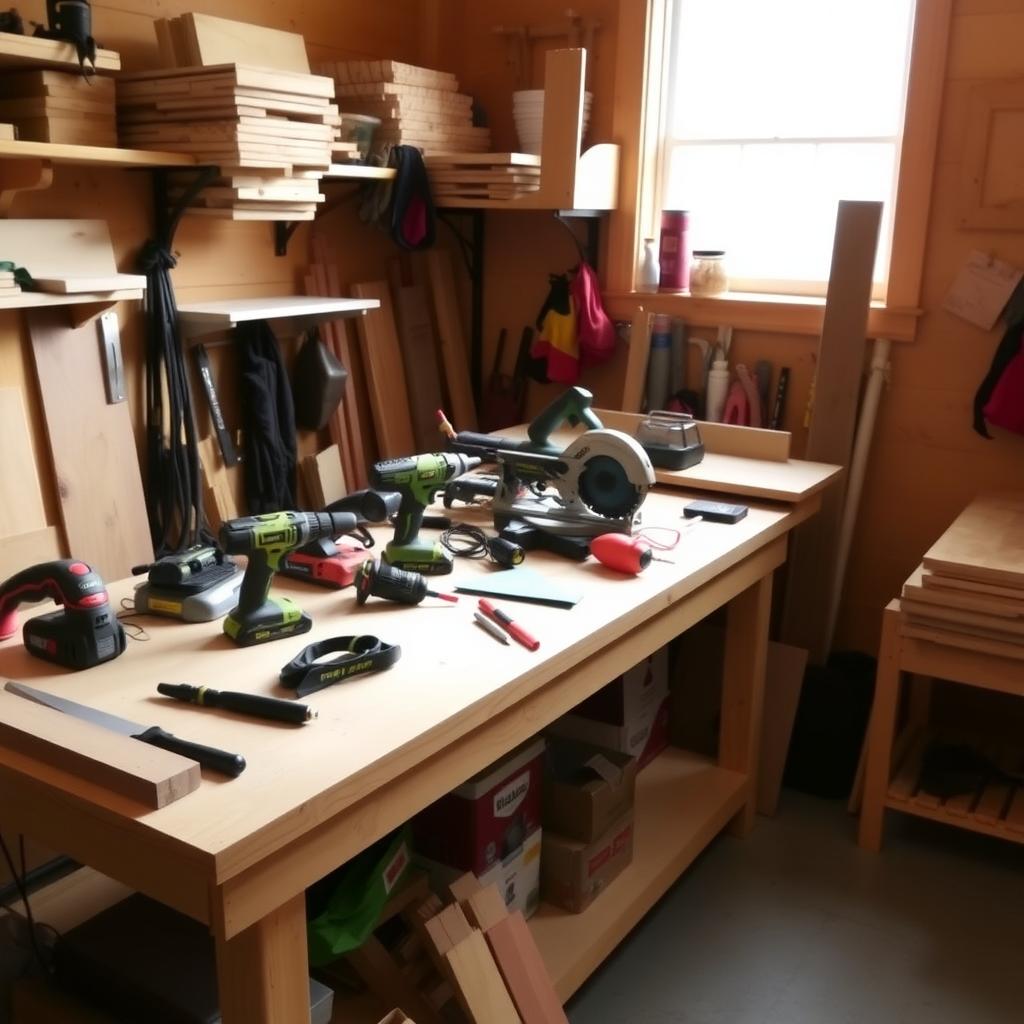
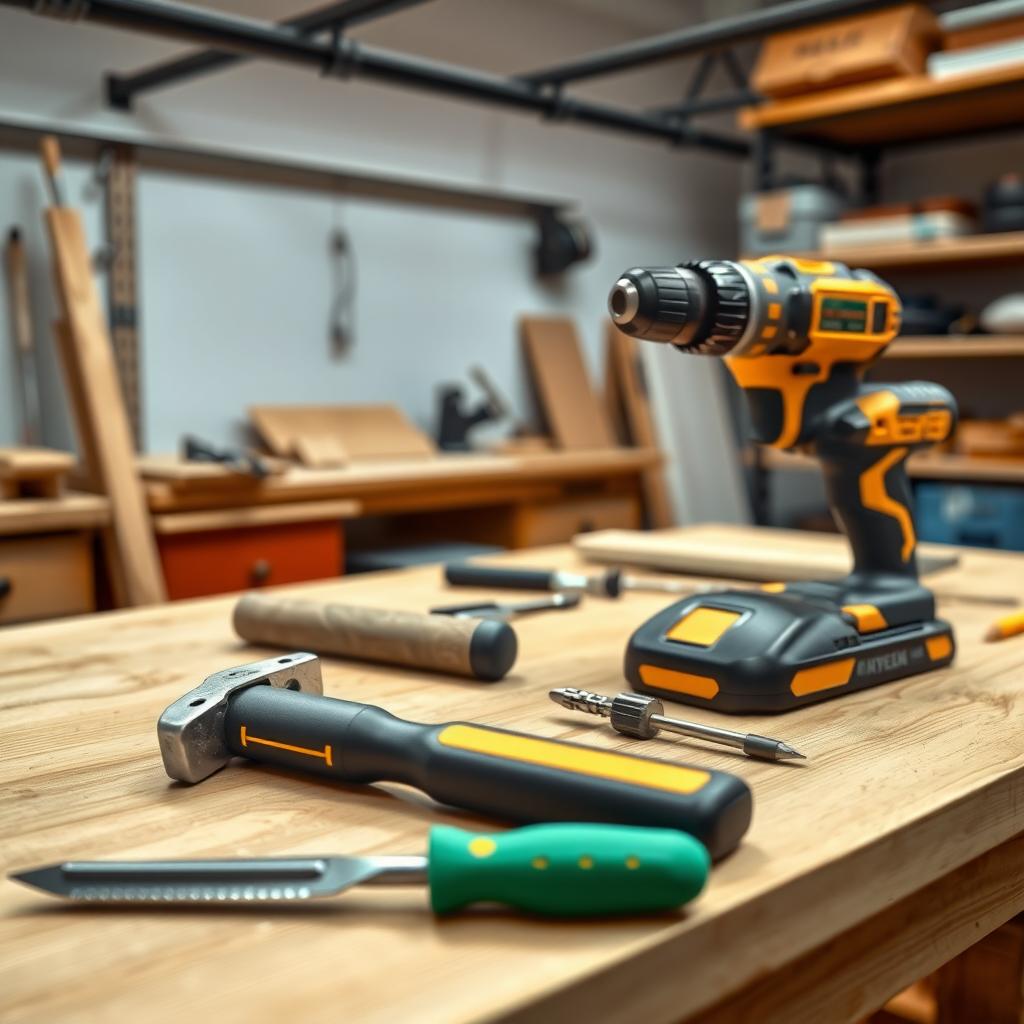
Table saws are the heart of any woodworking shop, blending power and precision to transform raw wood into art. But not all table saws are created equal. Tablesaws with user-friendly features make woodworking safer, easier, and more enjoyable for everyone, from weekend hobbyists to seasoned pros. This guide dives into what makes these power tools stand out, sharing personal insights and practical tips to help you choose the right one.
Why User-Friendly Features Matter in Table Saws
I’ve spent countless hours in workshops, and one thing is clear: a table saw can make or break your project. Power tools like table saws need to balance raw strength with intuitive design. User-friendly features reduce the learning curve, boost safety, and save time. Imagine trying to make precise cuts with a clunky, outdated saw—it’s frustrating and risky. Modern tablesaws with user-friendly features solve these problems, letting you focus on creating instead of wrestling with the tool.
Safety is a big deal. According to the U.S. Consumer Product Safety Commission, table saws cause over 30,000 injuries annually, with many preventable through better design. Features like blade guards, automatic shut-off systems, and easy-to-read measurements aren’t just nice-to-haves—they’re essential. Plus, user-friendly designs mean you spend less time setting up and more time cutting.
Key User-Friendly Features to Look For
When shopping for table saws, focus on features that make your work smoother and safer. Here’s what I’ve learned to prioritize after years of testing power tools:
- Safety Systems: Look for saws with flesh-detection technology, like SawStop’s patented system, which stops the blade instantly if it senses skin. This can prevent life-altering injuries. The SawStop website explains how this tech works, using electrical signals to detect contact.
- Adjustable Rip Fences: A smooth, lockable rip fence ensures straight cuts without constant readjustment. I’ve found models with micro-adjustment knobs are a game-changer for precision.
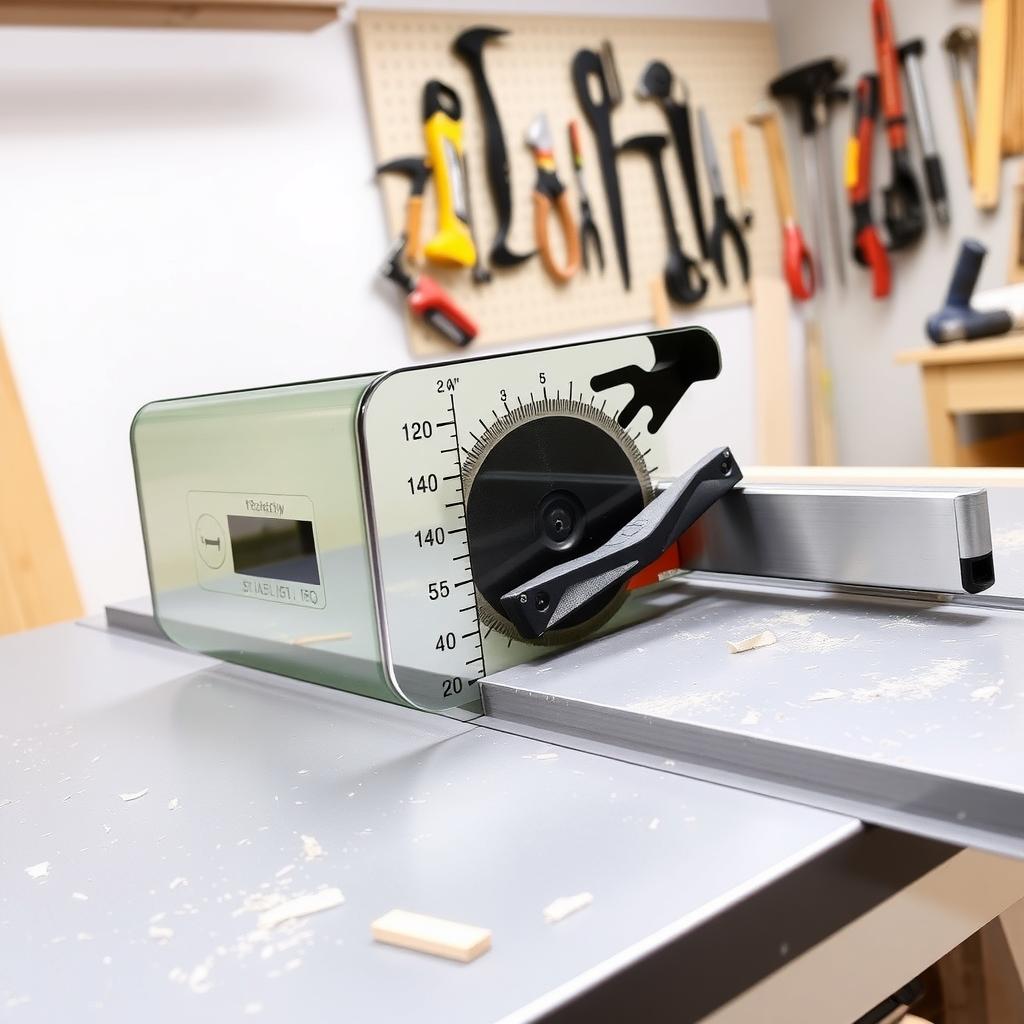
- Clear Measurement Scales: Large, easy-to-read rulers and digital displays eliminate guesswork. No more squinting at tiny markings!
- Tool-Free Adjustments: Blade height and angle adjustments should be quick and intuitive, ideally with handwheels or levers you can tweak without grabbing a wrench.
- Dust Collection Ports: Wood dust is a mess and a health hazard. A good dust port connects to a shop vac, keeping your workspace clean. The Occupational Safety and Health Administration (OSHA) highlights how dust control improves air quality and reduces fire risks.
Top Tablesaws with User-Friendly Features
Based on my experience and research, here are three standout table saws that nail user-friendly design. Each offers unique perks for different needs:
1. SawStop Professional Cabinet Saw
- Why It’s Great: This saw’s flesh-detection technology is unmatched, stopping the blade in milliseconds. Its 3HP motor powers through hardwoods, and the T-Glide fence system locks securely for precise cuts.
- User-Friendly Features: One-touch blade adjustments, a clear digital display, and a tool-free blade guard make setup a breeze. The dust collection is top-notch, capturing up to 99% of debris.
- Best For: Professionals who prioritize safety and power.
- Price Range: $3,000-$4,000
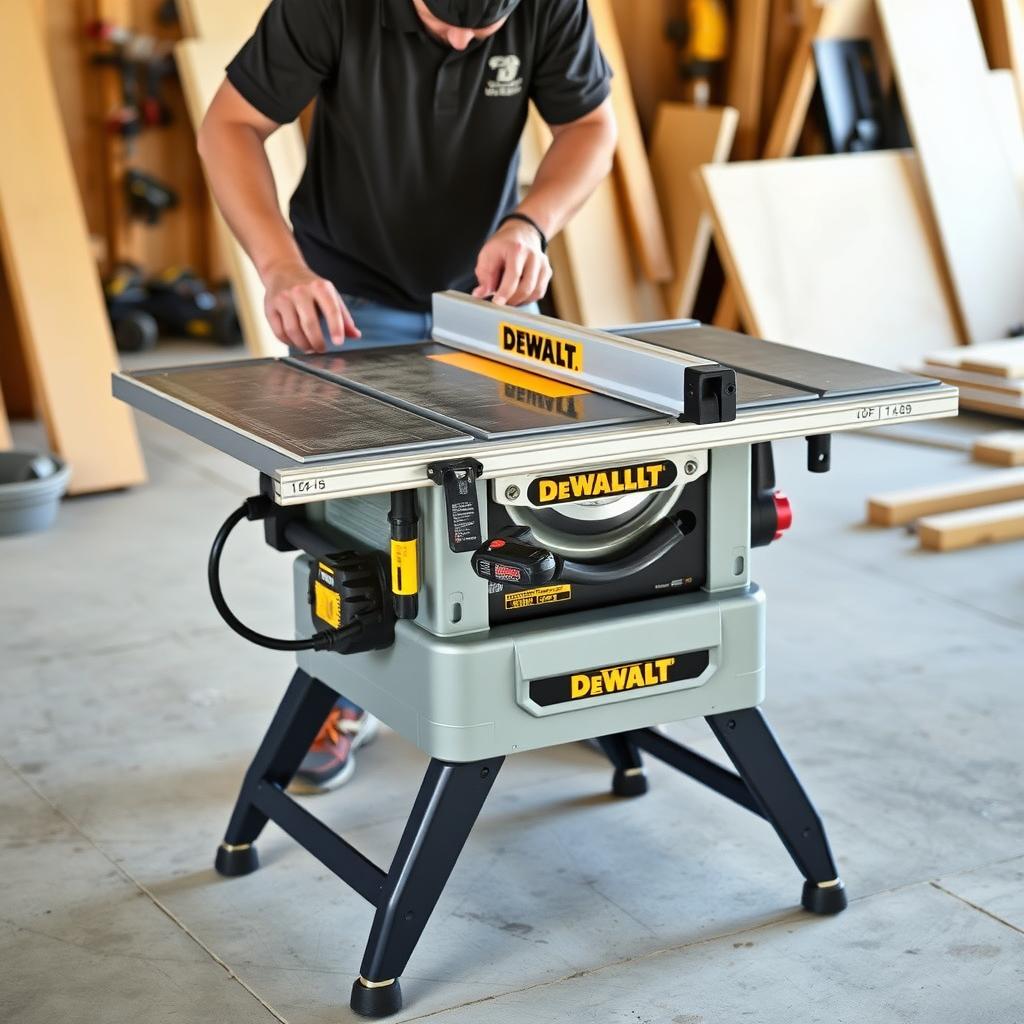
2. DEWALT DWE7491RS Jobsite Saw
- Why It’s Great: Portable yet powerful, this 10-inch saw is perfect for job sites or small shops. Its rack-and-pinion fence system is smooth and accurate.
- User-Friendly Features: A rolling stand for easy transport, onboard storage for accessories, and a simple blade guard system. The DEWALT website details its durability and ease of use.
- Best For: Hobbyists and contractors needing mobility.
- Price Range: $600-$700
3. Bosch 4100XC-10 Worksite Table Saw
- Why It’s Great: This saw balances affordability with advanced features like a gravity-rise stand and soft-start motor for smooth operation.
- User-Friendly Features: A smart blade guard system, easy-to-read scales, and a dust chute that works with standard vacuums. It’s also lightweight for its class.
- Best For: Beginners and intermediate woodworkers.
- Price Range: $500-$600
How These Features Improve Your Workflow
I’ve used table saws that felt like wrestling matches—fiddly fences, unclear measurements, and dust everywhere. Switching to models with user-friendly features was a revelation. For example, the SawStop’s flesh-detection saved my thumb during a distracted moment (true story!). The DEWALT’s rolling stand let me move it effortlessly between my garage and driveway, saving my back. And the Bosch’s soft-start motor reduced the jarring kick I’d gotten used to with older saws.
These features don’t just make work easier—they make it more enjoyable. You’re not fighting the tool; it’s working with you. Whether you’re ripping plywood for cabinets or crafting a custom bookshelf, tablesaws with user-friendly features let you focus on the project, not the setup.
Choosing the Right Table Saw for You
Picking a table saw depends on your needs. Here’s a quick guide:
| User Type | Best Features | Recommended Model |
|---|---|---|
| Beginner | Simple controls, safety systems, affordability | Bosch 4100XC-10 |
| Hobbyist | Portability, precision, dust control | DEWALT DWE7491RS |
| Professional | Advanced safety, power, durability | SawStop Professional |
Consider your workspace, budget, and project types. A small garage shop might not need a $3,000 cabinet saw, but a busy contractor can’t skimp on durability. Check out the Woodworkers Guild of America for a deeper dive into matching saws to your needs.
Tips for Using Table Saws Safely and Effectively
Even the best tablesaws with user-friendly features require smart habits. Here’s what I’ve learned:
- Always Use the Blade Guard: It’s tempting to remove it for visibility, but don’t. Modern guards are clear and adjustable.
- Check Your Fence Alignment: A misaligned fence leads to crooked cuts. Double-check before starting.
- Keep It Clean: Clear dust and debris regularly to maintain performance and visibility.
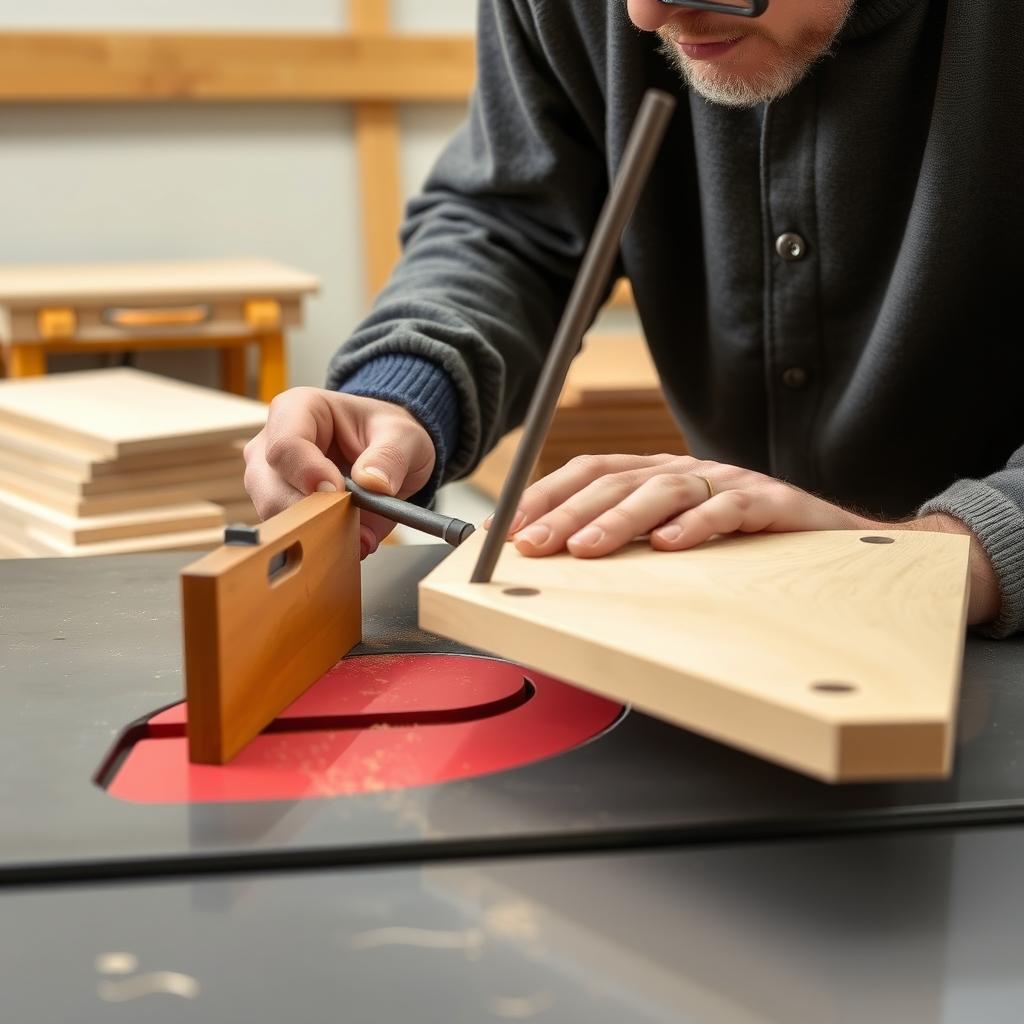
- Use Push Sticks: Keep your hands away from the blade, especially for narrow cuts.
- Read the Manual: Sounds boring, but each saw has quirks. Knowing them prevents mistakes.
These habits, paired with user-friendly features, make table saws safer and more efficient.
Maintenance for Long-Lasting Performance
To keep your table saw in top shape, follow these steps:
- Clean Regularly: Wipe down the table and remove dust from the blade and motor.
- Check Blade Sharpness: A dull blade strains the motor and ruins cuts. Sharpen or replace as needed.
- Lubricate Moving Parts: Use a dry lubricant on the fence and gears to keep adjustments smooth.
- Inspect Safety Features: Test blade guards and shut-off systems monthly to ensure they work.
A well-maintained saw performs better and lasts longer, saving you money and frustration.
Summary
Tablesaws with user-friendly features transform woodworking by making it safer, easier, and more precise. From SawStop’s life-saving technology to DEWALT’s portable design, these power tools cater to every skill level. Choose a saw that fits your needs, prioritize safety, and maintain it well to keep your projects on track. With the right table saw, you’ll turn ideas into reality with confidence.
Related tablesaws with user-friendly features:
- How to Choose the Right Tools for Your Job: A Practical Guide
- How to Paint a Room Like a Pro: A Step-by-Step Guide
- The Importance of Quality Tools in Construction: Building a Solid Foundation
- Beginner’s Guide to Car Repair Tools: Your Toolkit Essentials
- The Pomodoro Technique: Boosting Productivity Through Structured Work Sessions
- How to Maintain Your Tools for Longevity: A Comprehensive Guide
- Exploring Types of Wrenches for Different Jobs: A Workman’s Guide
- Top 10 DIY Projects for Beginners to Kickstart Your Creative Journey
- The Art of Metalwork: Techniques and Tips for Beginners
- Mastering the Art of Woodworking with Power Tools: A Comprehensive Guide
- Must-Have Wrenches for Every Toolbox: Your Ultimate Guide
- How to Choose Ergonomic Tools for Your Workshop