Overview
Creating a workshop that’s both productive and comfortable starts with the right tools. The Top 10 Ergonomic Tools Every Workshop Needs focuses on modern workman tools with ergonomic design, reducing strain and boosting efficiency. Whether you’re cutting, drilling, or organizing, these tools make every task easier and safer.
Why Ergonomic Tools Matter in Your Workshop
I’ve spent countless hours in workshops, from my garage to professional setups, and one thing stands out: discomfort kills productivity. Tools that don’t fit your hand or force awkward postures can lead to fatigue, pain, or even injury. Ergonomic tools are designed to work with your body, not against it. They reduce strain on your wrists, back, and shoulders, letting you work longer and smarter.
According to the Occupational Safety and Health Administration (OSHA), ergonomic tools can significantly lower the risk of musculoskeletal disorders (MSDs), which affect millions of workers yearly. By choosing tools with thoughtful design, you’re investing in your health and the quality of your work.
1. Ergonomic Cordless Power Drill
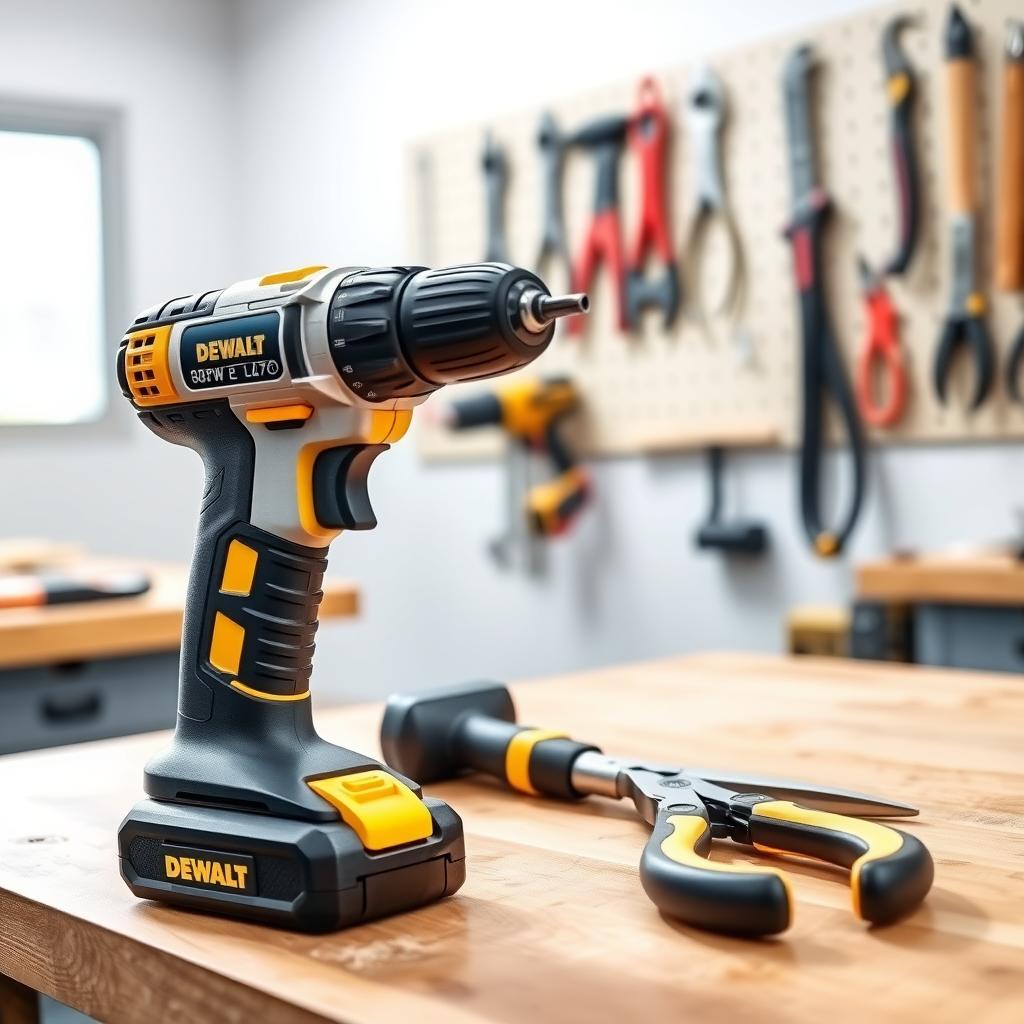
A cordless power drill is a workshop staple, but not all are created equal. Look for one with a contoured, rubberized grip that fits naturally in your hand. I’ve used the DeWalt 20V Max XR DCD801B, and its compact size (6.37 inches long) and lightweight build make drilling and driving screws a breeze, even in tight spaces. Variable speed control and a brushless motor add precision without straining your wrist.
Why it’s essential: Reduces hand fatigue and improves control for drilling and fastening tasks.
2. Shock-Absorbing Claw Hammer
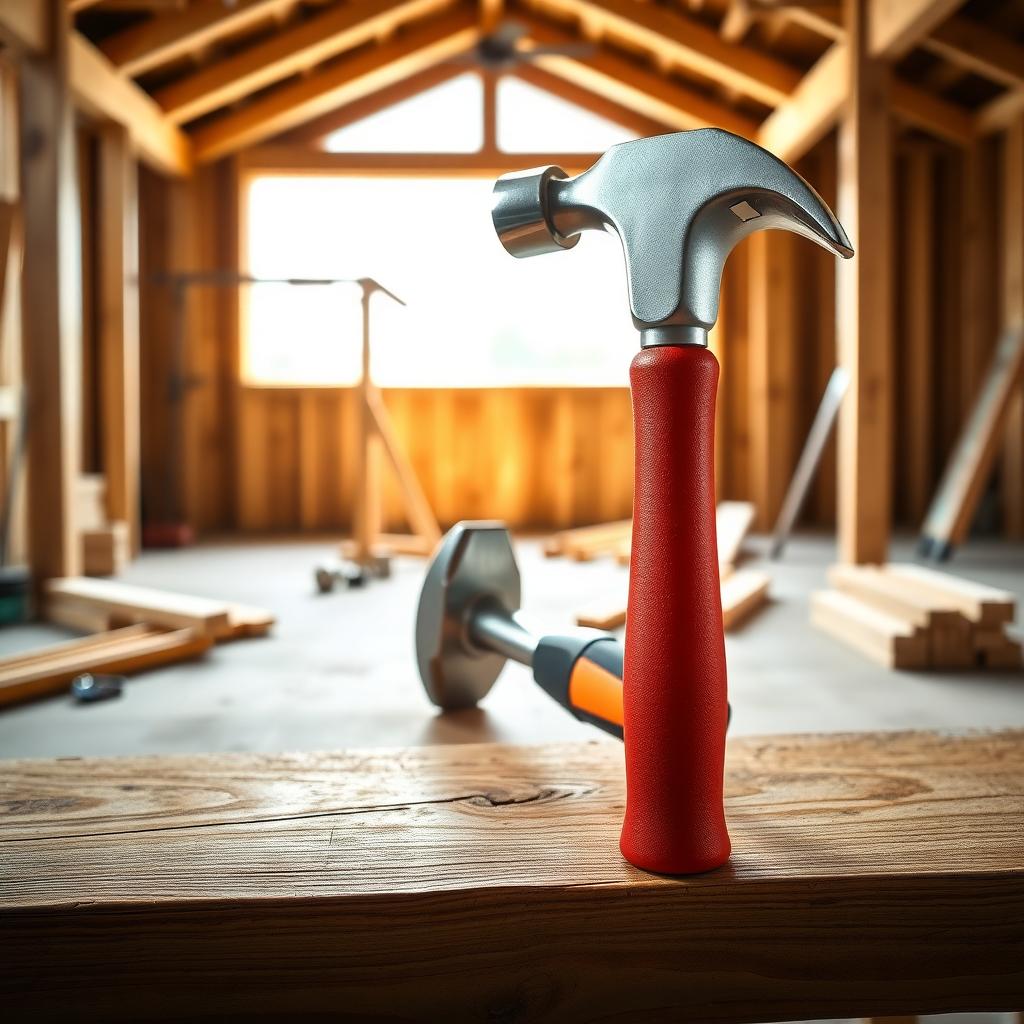
A claw hammer is great for driving nails and light demolition, but a poorly designed one can jar your arm with every swing. A shock-absorbing hammer, like one with a vibration-dampening grip, cuts down on impact stress. I switched to a hammer with a cushioned handle, and the difference in comfort during long projects was night and day.
Why it’s essential: Minimizes arm strain and makes repetitive tasks more comfortable.
3. Ergonomic Screwdriver Set
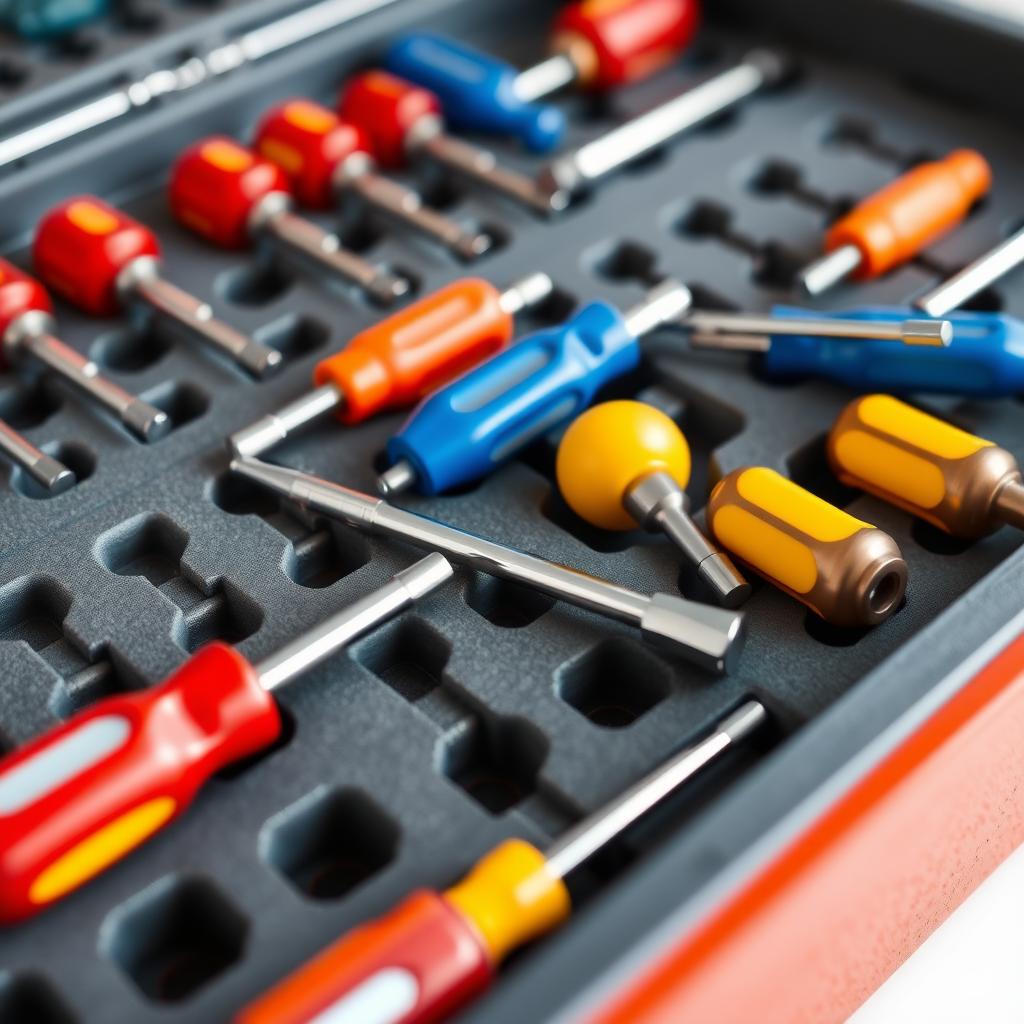
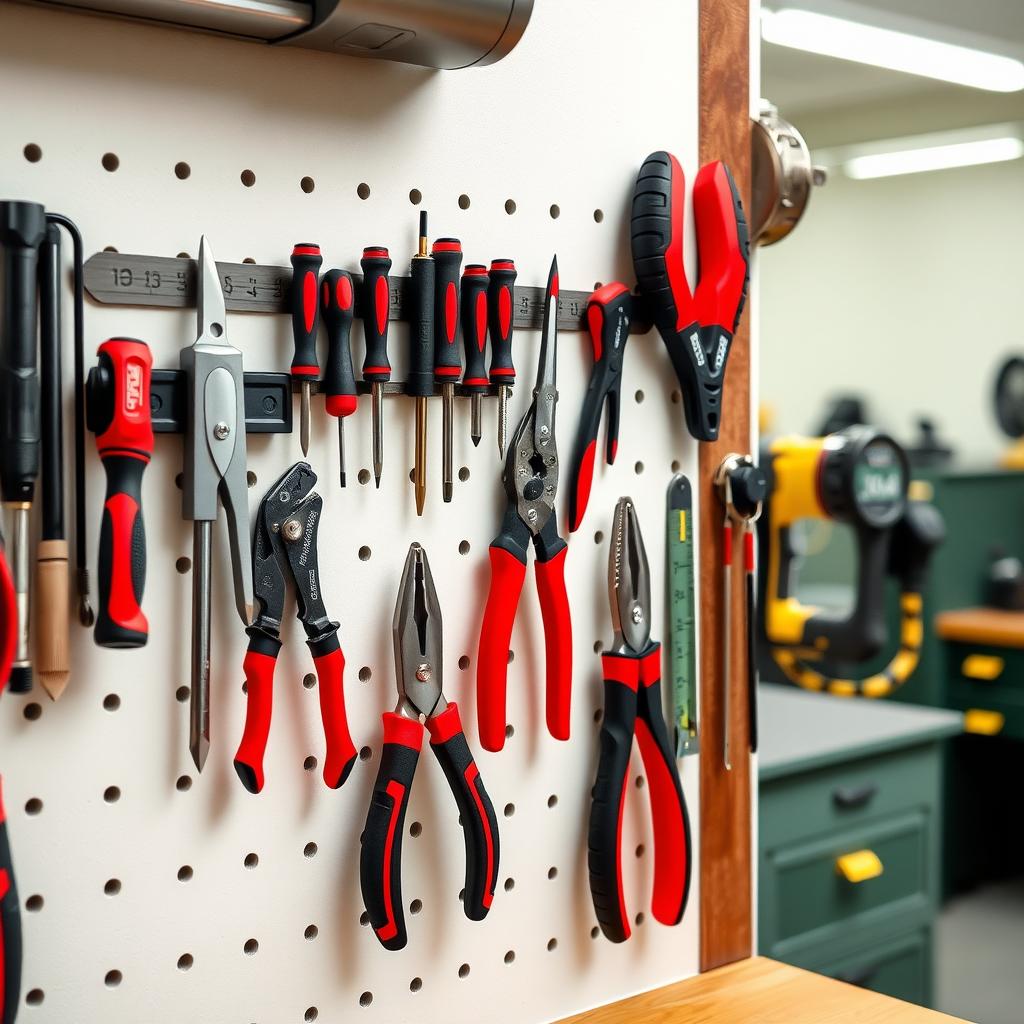
Screwdrivers are simple but critical. A set with ergonomic handles, like those with soft, non-slip grips, prevents blisters and wrist strain. Look for a ratcheting screwdriver to speed up tasks without constant regripping. My go-to set includes both flathead and Phillips heads in multiple sizes for versatility.
Why it’s essential: Reduces hand fatigue during repetitive screwing tasks.
4. Oscillating Multi-Tool
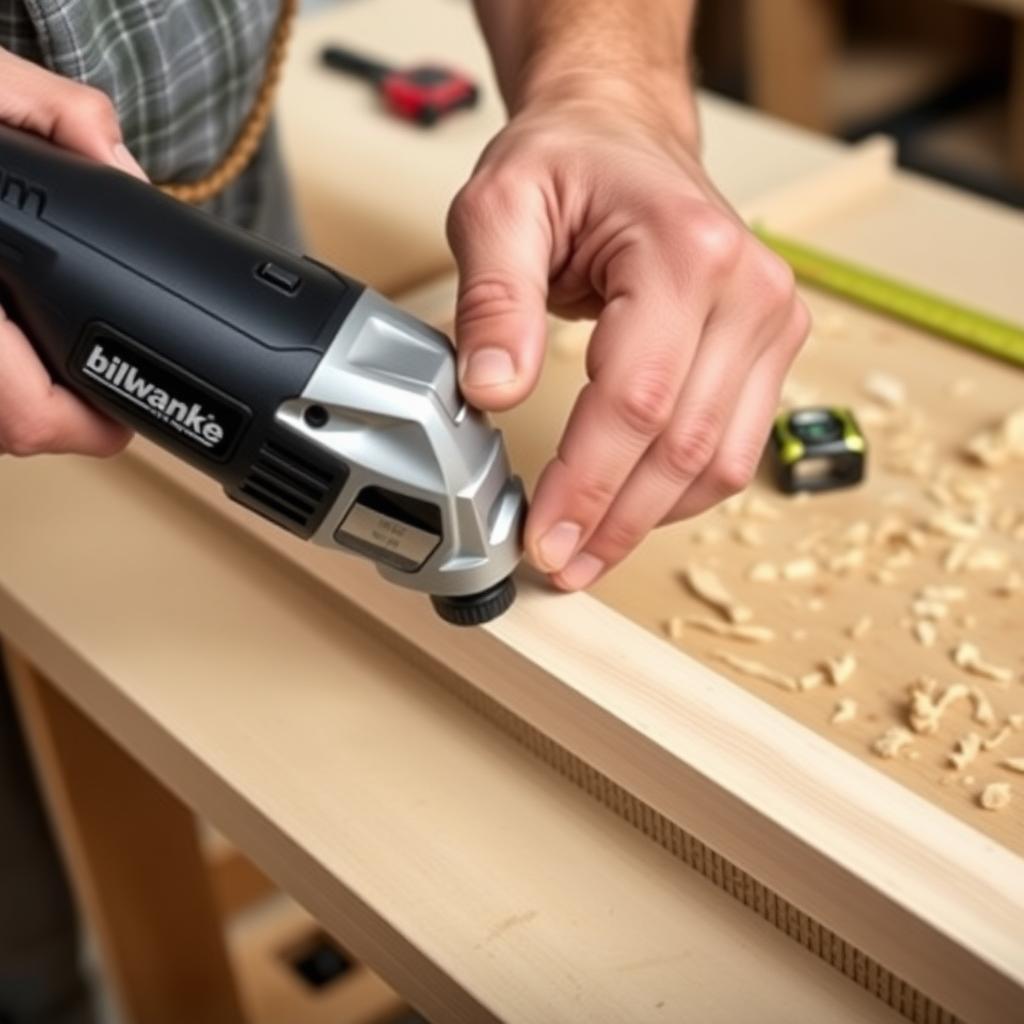
An oscillating multi-tool, like the Fein MultiMaster MM 500, is a game-changer for cutting, sanding, and scraping in tight spots. Its ergonomic design, with a low-vibration motor and lightweight build, lets you work for hours without discomfort. I’ve used it for everything from trimming drywall to sanding furniture edges, and it’s a lifesaver.
Why it’s essential: Versatile and easy on the hands for precision tasks.
5. Adjustable Workbench
A workbench is your workshop’s heart, and an adjustable-height model can save your back. I’ve worked on fixed-height benches that left me hunched over, and it’s exhausting. An ergonomic workbench lets you set the height to match your body, reducing strain during cutting or assembly. Look for one with built-in storage to keep tools handy.
Why it’s essential: Promotes better posture and organizes your workspace.
6. Ergonomic Pliers
Pliers are vital for gripping, twisting, and cutting. Ergonomic pliers with cushioned, contoured handles reduce hand strain during repetitive tasks. I prefer a set with multiple types, like needle-nose and cutting pliers, for versatility. The National Institute for Occupational Safety and Health (NIOSH) emphasizes that well-designed hand tools can prevent repetitive strain injuries.
Why it’s essential: Enhances grip comfort and precision for detailed work.
7. Lightweight Circular Saw
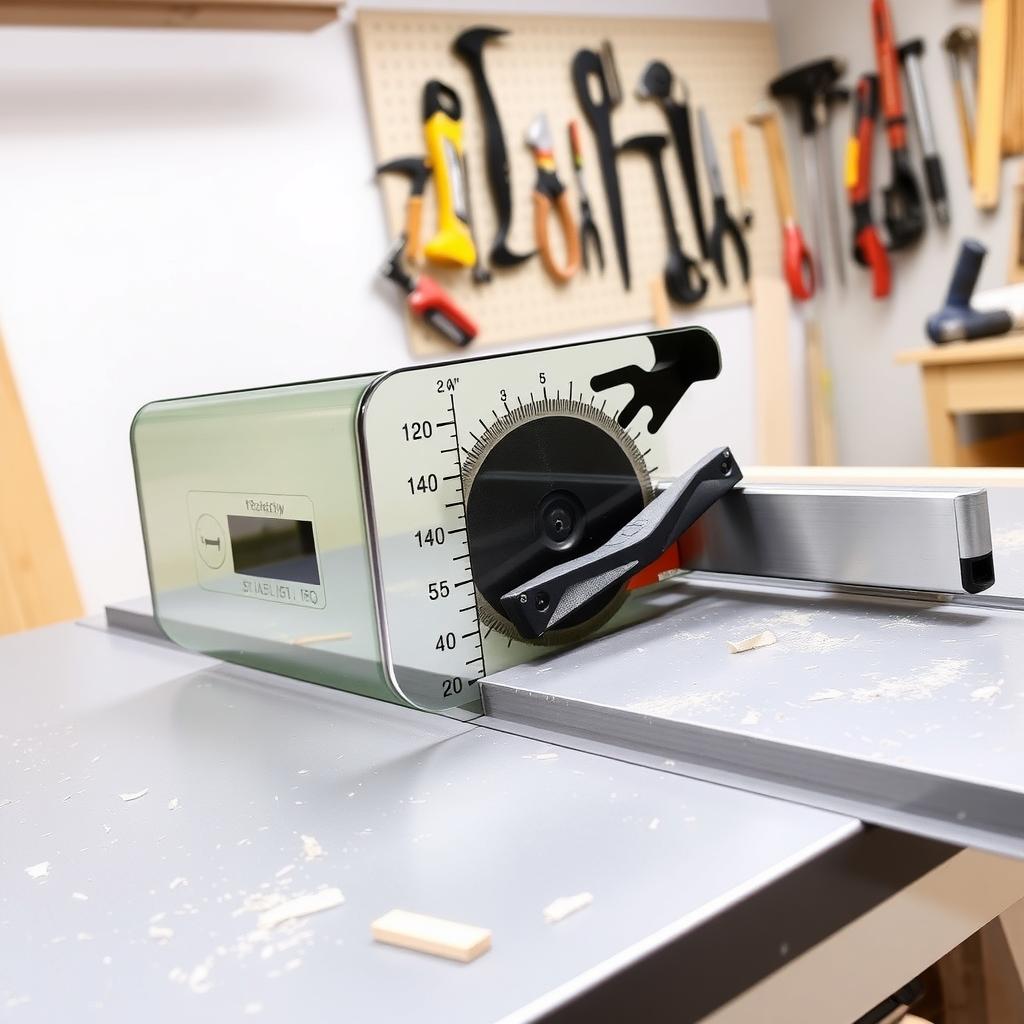
Cutting tools like circular saws are essential, but heavy models can wear you out fast. A lightweight circular saw with an ergonomic handle, like those with soft-grip designs, makes straight cuts in wood or plywood easier. I’ve found that a saw with a blade guard and electric brake adds safety without sacrificing comfort.
Why it’s essential: Reduces arm fatigue during long cutting sessions.
8. Magnetic Tool Holder
Keeping your workspace organized is just as important as the tools themselves. A magnetic tool holder mounted on your workbench or wall keeps metal tools like screwdrivers and pliers within reach. I installed one in my shop, and it cut down on the time I spent searching for misplaced tools.
Why it’s essential: Boosts efficiency and reduces clutter-related stress.
9. Ergonomic Tape Measure
A tape measure might seem basic, but an ergonomic one makes a difference. Look for a model with a comfortable grip and clear, easy-to-read markings. A retractable tape with a locking mechanism prevents hand strain during repeated measurements. I’ve used one with a rubberized casing, and it’s much easier to hold for long periods.
Why it’s essential: Simplifies precise measurements without hand fatigue.
10. Anti-Fatigue Mat
Standing for hours on a concrete floor can wreck your legs and back. An anti-fatigue mat provides cushioning and support, reducing strain during long projects. I added one to my workshop, and it’s like night and day for my knees. Look for a durable, non-slip mat that’s easy to clean.
Why it’s essential: Reduces leg and back strain for prolonged standing.
Choosing the Right Ergonomic Tools
When picking modern workman tools with ergonomic design, consider your specific needs. Are you doing heavy cutting or light assembly? Do you work long hours? Test tools in-store if possible to ensure they feel right in your hands. Also, check for adjustable features, lightweight materials, and non-slip grips. Investing in quality now saves you from pain and replacement costs later.
Summary
Equipping your workshop with the Top 10 Ergonomic Tools Every Workshop Needs transforms your workspace into a hub of comfort and productivity. From cutting tools like circular saws to organizational aids like magnetic tool holders, these workman tools prioritize your health and efficiency. Choose tools that fit your body and tasks, and you’ll work smarter, not harder.
Related Top 10 Ergonomic Tools Every Workshop Needs:
- Tips for DIY Plumbing Success: Master Your Home Repairs
- Top Screwdriver Safety Tips You Can’t Ignore
- The Best Tablesaws with User-Friendly Features for Every Workshop
- How to Choose the Right Tools for Your Job: A Practical Guide
- How to Paint a Room Like a Pro: A Step-by-Step Guide
- The Importance of Quality Tools in Construction: Building a Solid Foundation
- Beginner’s Guide to Car Repair Tools: Your Toolkit Essentials
- The Pomodoro Technique: Boosting Productivity Through Structured Work Sessions
- How to Maintain Your Tools for Longevity: A Comprehensive Guide
- Exploring Types of Wrenches for Different Jobs: A Workman’s Guide
- Top 10 DIY Projects for Beginners to Kickstart Your Creative Journey
- The Art of Metalwork: Techniques and Tips for Beginners