Overview: Keep Your Power Tools in Top Shape
Power tools like power washers are game-changers for DIY enthusiasts and professionals alike. But without proper care, even the best tools can fail. This guide dives into Advanced Power Tool Maintenance Techniques, offering practical tips and DIY Maintenance Tricks for Power Washers to ensure your equipment stays reliable. From power washer troubleshooting and repair to general tool care, we’ll cover it all with insights from years of hands-on experience.
Why Power Tool Maintenance Matters
Maintaining your power tools isn’t just about keeping them shiny—it’s about safety, performance, and longevity. A well-maintained power washer can tackle tough cleaning jobs for years, while neglect can lead to costly repairs or replacements. I’ve seen tools break down mid-project, turning a simple task into a frustrating ordeal. Regular maintenance saves time, money, and headaches.
The Ultimate Guide to Power Tools starts with understanding your equipment. Power washers, for instance, rely on high-pressure water to clean surfaces. But components like pumps, hoses, and nozzles face constant wear. By mastering Advanced Power Tool Maintenance Techniques, you can prevent breakdowns and keep your tools performing at their best.
Step-by-Step Maintenance for Power Washers
Let’s focus on power washers, as they’re among the most demanding tools to maintain. Follow these steps to keep your machine in peak condition:
1. Inspect and Clean the Exterior
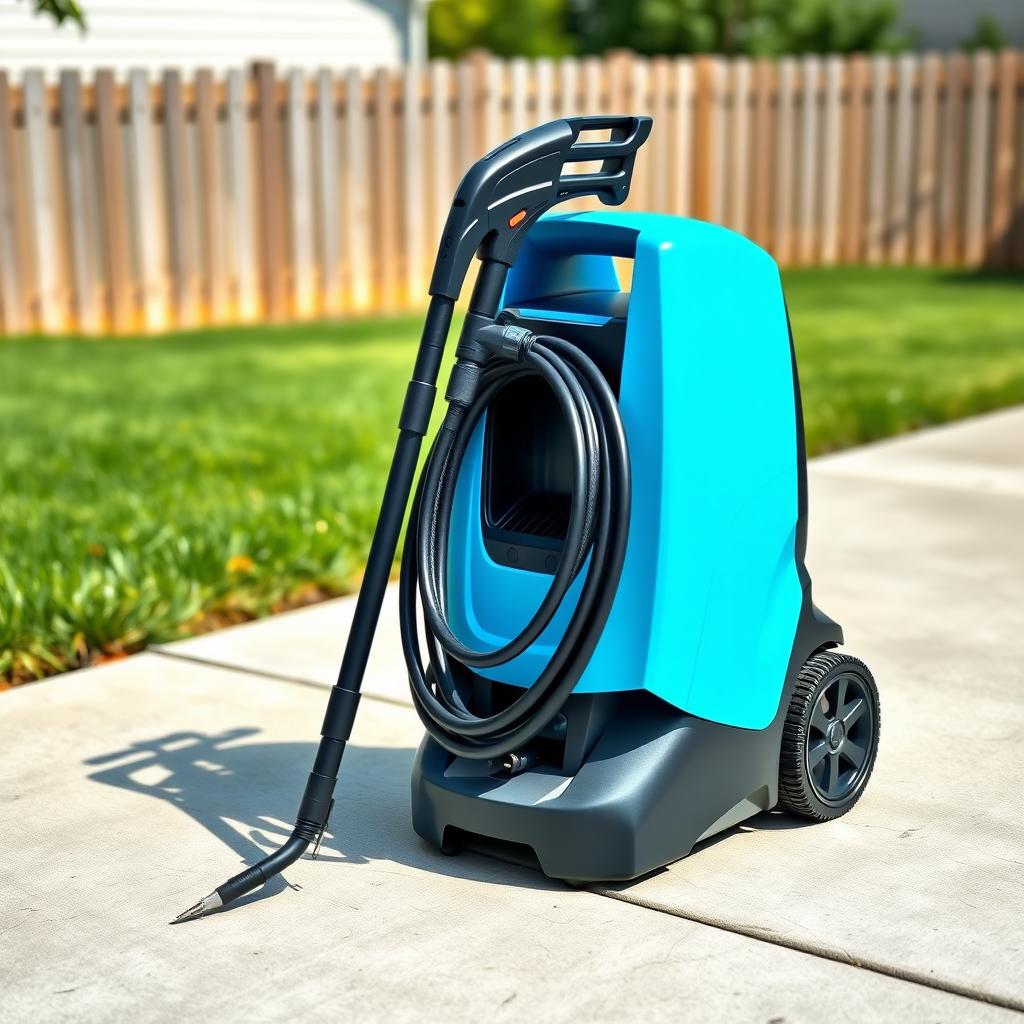
After every use, wipe down the power washer’s body to remove dirt, grime, and water. Use a damp cloth and mild detergent. Pay attention to the handle and wheels, where debris often collects. I once ignored a muddy chassis, and corrosion started creeping in—don’t make that mistake.
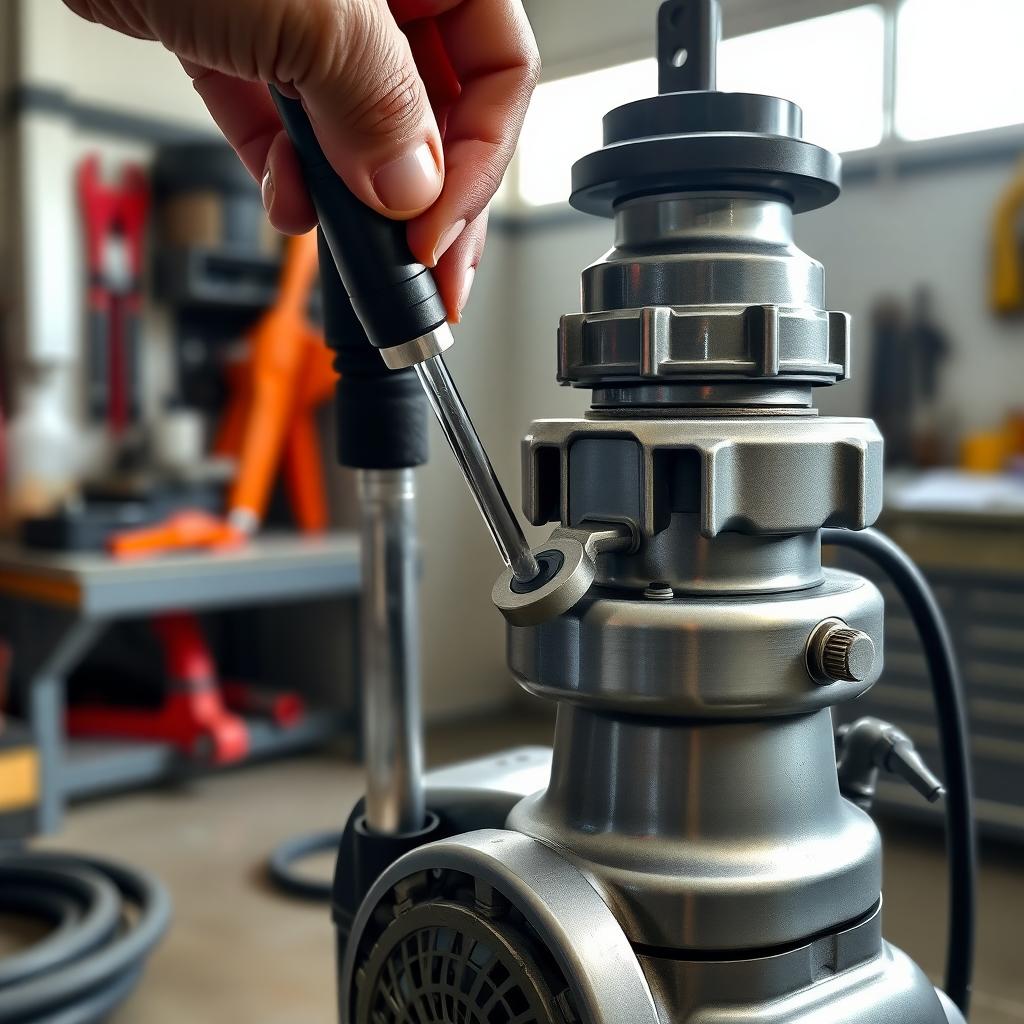
2. Check the Pump and Oil Levels
The pump is the heart of a power washer. Check the oil level regularly, using the manufacturer’s recommended oil type. Change the oil every 50 hours of use or at least once a season. Low oil can cause the pump to overheat, leading to costly repairs. Refer to your manual for specifics, as models vary.
3. Flush the System
After each use, flush the power washer with clean water to remove detergent or debris from the pump and hoses. Connect the machine to a water source, run it for a minute without detergent, and let it clear out. This simple step prevents clogs and extends pump life. I learned this the hard way when a clogged pump ruined a weekend project.
4. Inspect Hoses and Nozzles
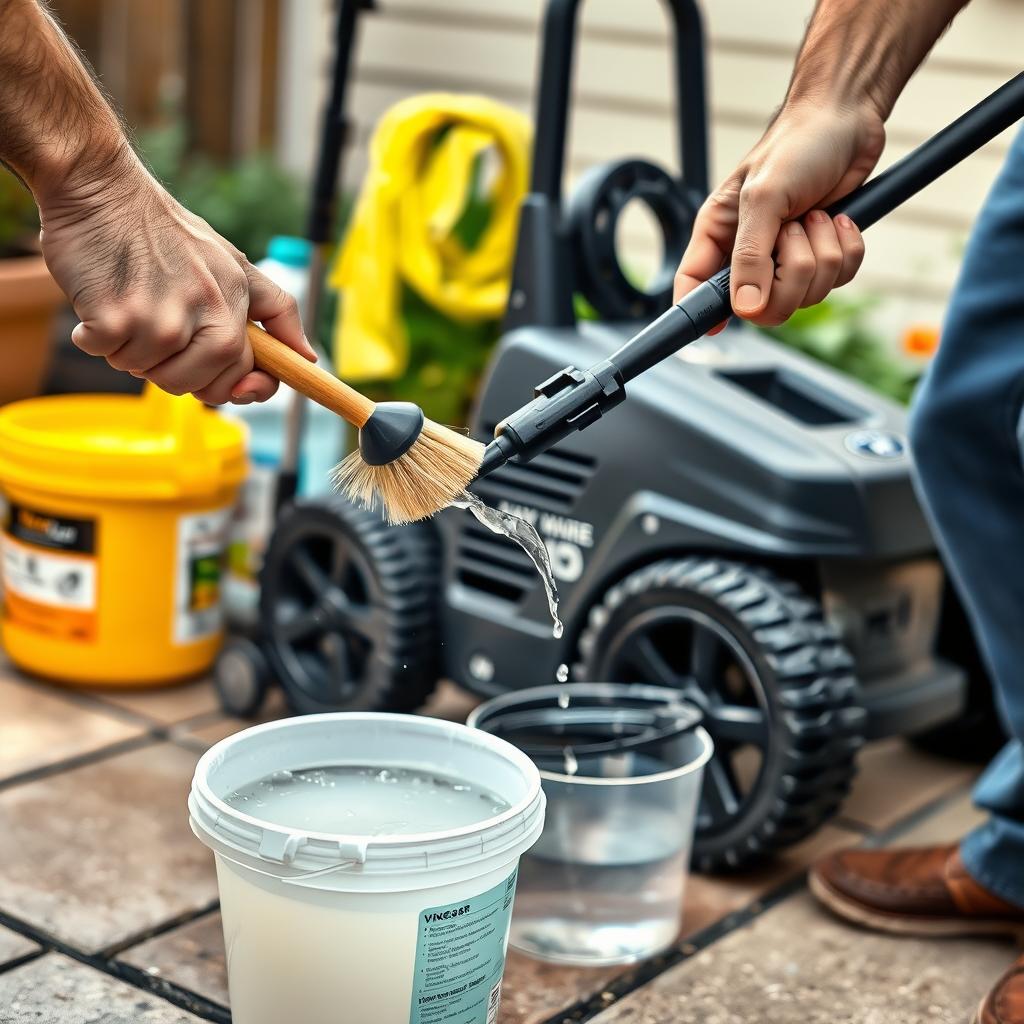
Examine hoses for cracks, leaks, or wear. Replace damaged hoses immediately to avoid pressure loss. Nozzles can clog with dirt or mineral deposits. Soak them in vinegar or a descaling solution overnight to clear buildup. A clean nozzle ensures consistent spray patterns and efficient cleaning.
Power Washer Troubleshooting and Repair
Even with regular maintenance, issues can arise. Here’s how to tackle common power washer troubleshooting and repair problems:
| Issue | Possible Cause | Solution |
|---|---|---|
| Low pressure | Clogged nozzle or hose | Clean or replace the nozzle; check hose for blockages. |
| Pump not starting | Low oil or electrical issue | Check oil levels; ensure proper power connection. |
| Leaking pump | Worn seals or gaskets | Replace seals or consult a professional. |
| Pulsating pressure | Air in the system | Flush the system thoroughly. |
If your power washer loses pressure, start by checking the nozzle. A quick clean often solves the problem. For persistent issues, consult your manual or visit the manufacturer’s website for model-specific advice, like Kärcher’s support page.
DIY Maintenance Tricks for Power Washers
Here are some lesser-known DIY Maintenance Tricks for Power Washers that can save you time and money:
- Winterize Your Power Washer: Before storing for winter, run an antifreeze solution through the pump to prevent freezing. I forgot this once, and a cracked pump cost me hundreds to replace.
- Use Pump Saver: Apply a pump saver product after each use to lubricate and protect internal components. It’s a small investment for long-term reliability.
- Store Properly: Keep your power washer in a dry, sheltered area. Cover it to protect against dust and moisture. A garage or shed works best.
These tricks are simple but effective, learned through years of trial and error.
General Power Tool Maintenance Tips
While power washers have unique needs, many maintenance principles apply to all power tools. Here’s a quick checklist:
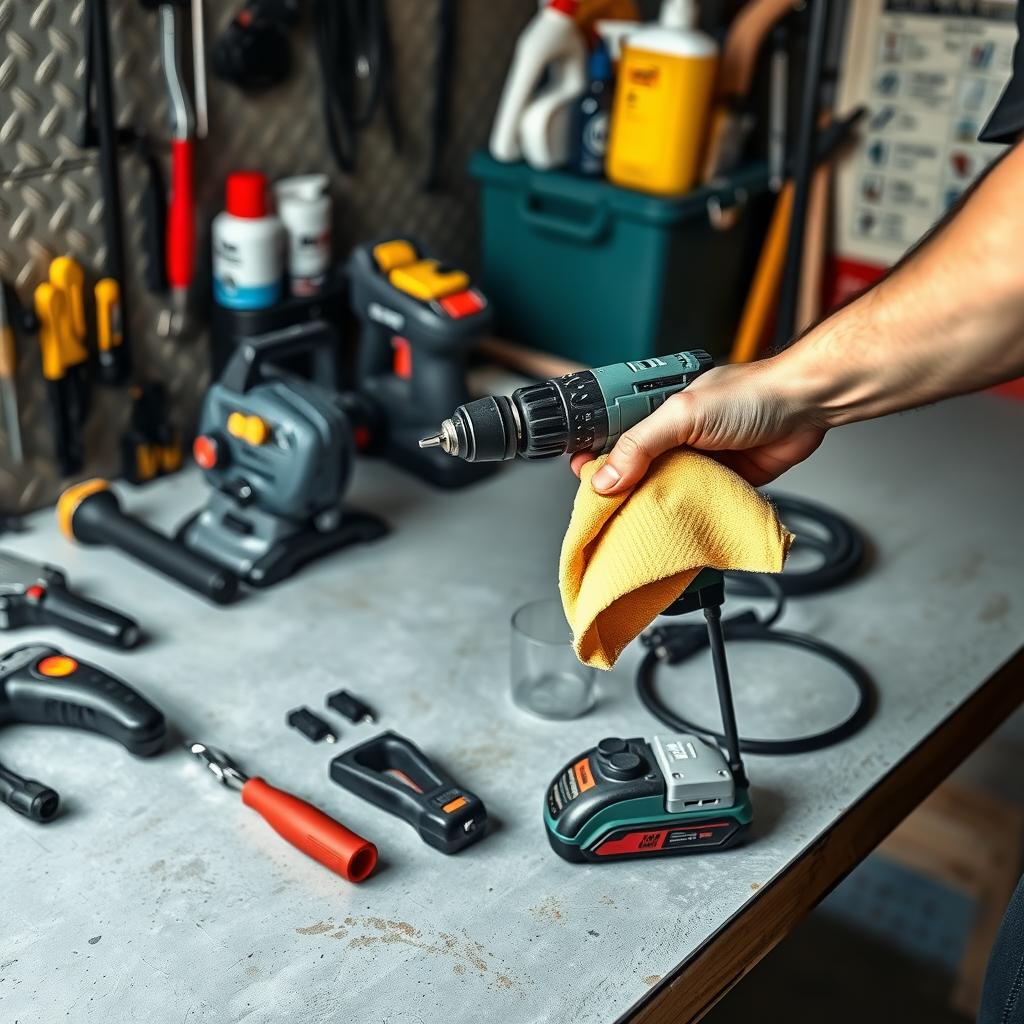
- Clean Regularly: Remove dust and debris after every use to prevent buildup.
- Check Cords and Batteries: Inspect power cords for fraying and batteries for corrosion. Replace damaged parts immediately.
- Lubricate Moving Parts: Use manufacturer-approved lubricants for motors and gears.
- Store Properly: Keep tools in a dry, cool place to avoid rust and damage.
- Follow the Manual: Each tool has specific needs. Your manual is your best guide.
I’ve found that setting a maintenance schedule—say, monthly checks—keeps tools in top shape. It’s like taking your car for regular oil changes; consistency pays off.
Advanced Techniques for Long-Term Care
For those ready to take maintenance to the next level, consider these Advanced Power Tool Maintenance Techniques:
- Pressure Testing: Use a pressure gauge to test your power washer’s output. Compare it to the manufacturer’s specs to spot issues early.
- Component Disassembly: If you’re comfortable, disassemble and clean internal components like pump valves. This requires care, so watch tutorials or consult a professional if unsure.
- Upgrade Accessories: Invest in high-quality hoses or nozzles to improve performance and reduce wear on the machine.
These techniques require more skill but can significantly extend your tool’s life. I’ve saved thousands by learning to handle minor repairs myself, but always know your limits to avoid causing more damage.
Summary: Invest in Your Tools’ Future
Mastering Advanced Power Tool Maintenance Techniques ensures your power washers and other tools stay reliable for years. From regular cleaning to power washer troubleshooting and repair, these steps are practical and effective. By incorporating DIY Maintenance Tricks for Power Washers, you’ll save money and avoid project delays. Make maintenance a habit, and your tools will thank you with consistent performance.
Related Advanced Power Tool Maintenance Techniques:
- Common Power Tool Mistakes and How to Avoid Them
- Workman Tools: A Guide to Maintenance and Care
- Tool Maintenance and Care Tips for Long-Lasting Workman Tools
- Mastering Tool Care: Tips for Longevity
- Advanced Tool Maintenance Techniques for Longevity and Performance
- How to Choose the Right Power Washer for Your Needs
- Types of Hammers for Different Projects: Choosing the Right Tool
- Essential Safety Tips for Electrical Work: A Comprehensive Guide
- Ergonomic Tips for Woodworkers: Crafting Comfortably and Safely
- The Beginner's Guide to Essential Tools for Your First DIY Project
- Comprehensive Guide to Electrical Tools: Must-Haves for Every Workman
- Essential Workman Tools for Home Renovations: Your Ultimate Guide