Overview
Proper care for your Workman tools can make all the difference in your DIY projects. From screwdrivers to power drills, well-maintained tools last longer and perform better. This guide shares practical tips to keep your tools in top condition, saving you time and money.
Why Tool Maintenance Matters
I’ve been tinkering with tools since I was a teenager, helping my dad fix up our old garage. Back then, I learned the hard way that neglecting tools leads to frustration—dull blades, rusty bits, and motors that sputter. Taking care of your Workman tools isn’t just about keeping them shiny; it’s about ensuring they work when you need them most. Regular maintenance extends tool life, improves safety, and saves you from costly replacements.
Think about it: a well-maintained screwdriver can drive screws smoothly without stripping heads, and a clean power drill runs stronger, cutting through materials like butter. According to a 2023 study by the National Institute for Occupational Safety and Health, poorly maintained tools contribute to 8% of workplace accidents. Let’s dive into how to keep your power tools running strong with simple, actionable steps.
Cleaning Your Tools: The Foundation of Care
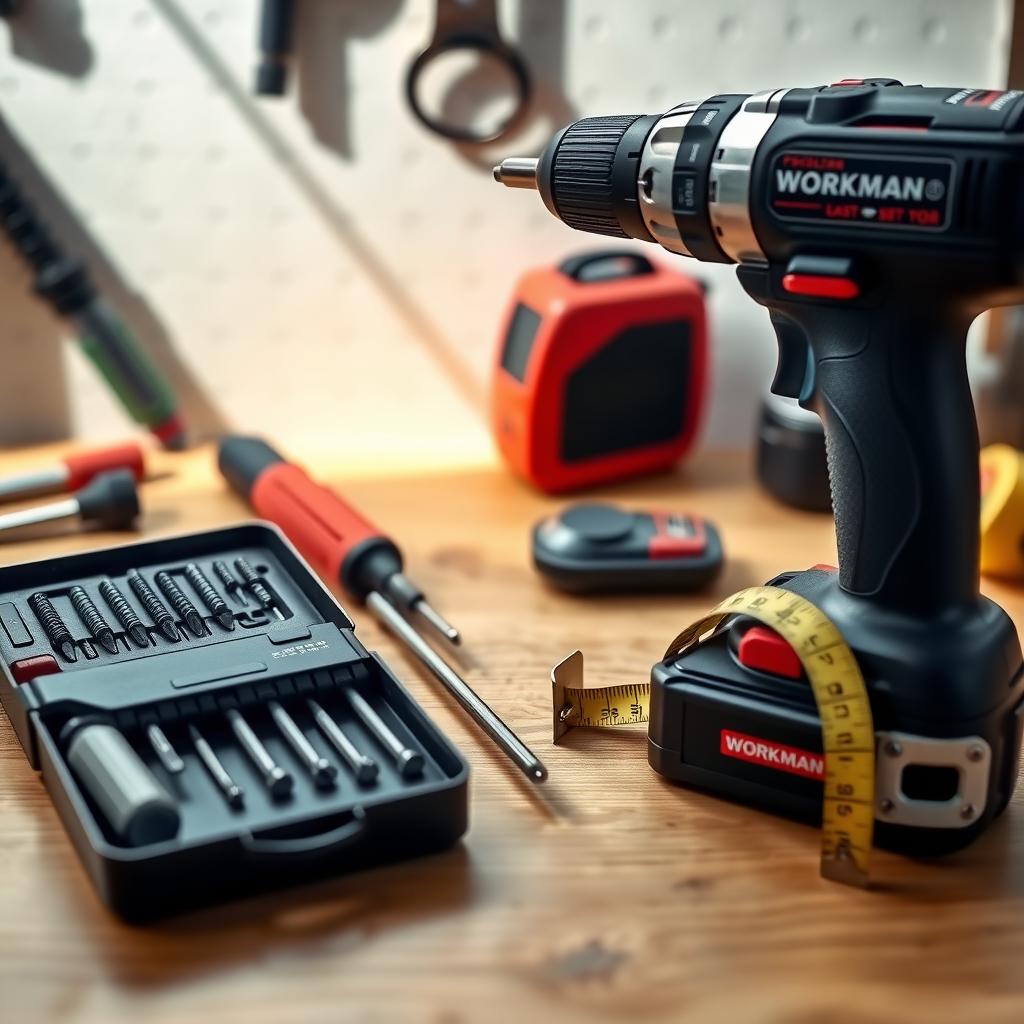
Dirt and grime are the enemies of any tool. After every project, I make it a habit to wipe down my Workman tools with a soft cloth. For power tools like drills or saws, use a damp cloth with mild soap to remove dust and grease. Avoid soaking them—water can sneak into motors and cause damage. For hand tools like screwdrivers, a quick wipe with a dry cloth usually does the trick.
For tougher grime, try a small brush, like an old toothbrush, to get into crevices. I once revived a gunked-up Workman cordless drill by carefully brushing out sawdust from the vents. Always unplug power tools before cleaning, and never use harsh chemicals like bleach, which can corrode metal.
Cleaning Checklist
- Wipe surfaces: Use a soft, dry cloth for hand tools.
- Brush vents: Clear dust from power tool air vents.
- Dry thoroughly: Prevent rust by ensuring tools are dry.
- Store properly: Keep tools in a dry, organized toolbox.
Screwdriver Maintenance Tips
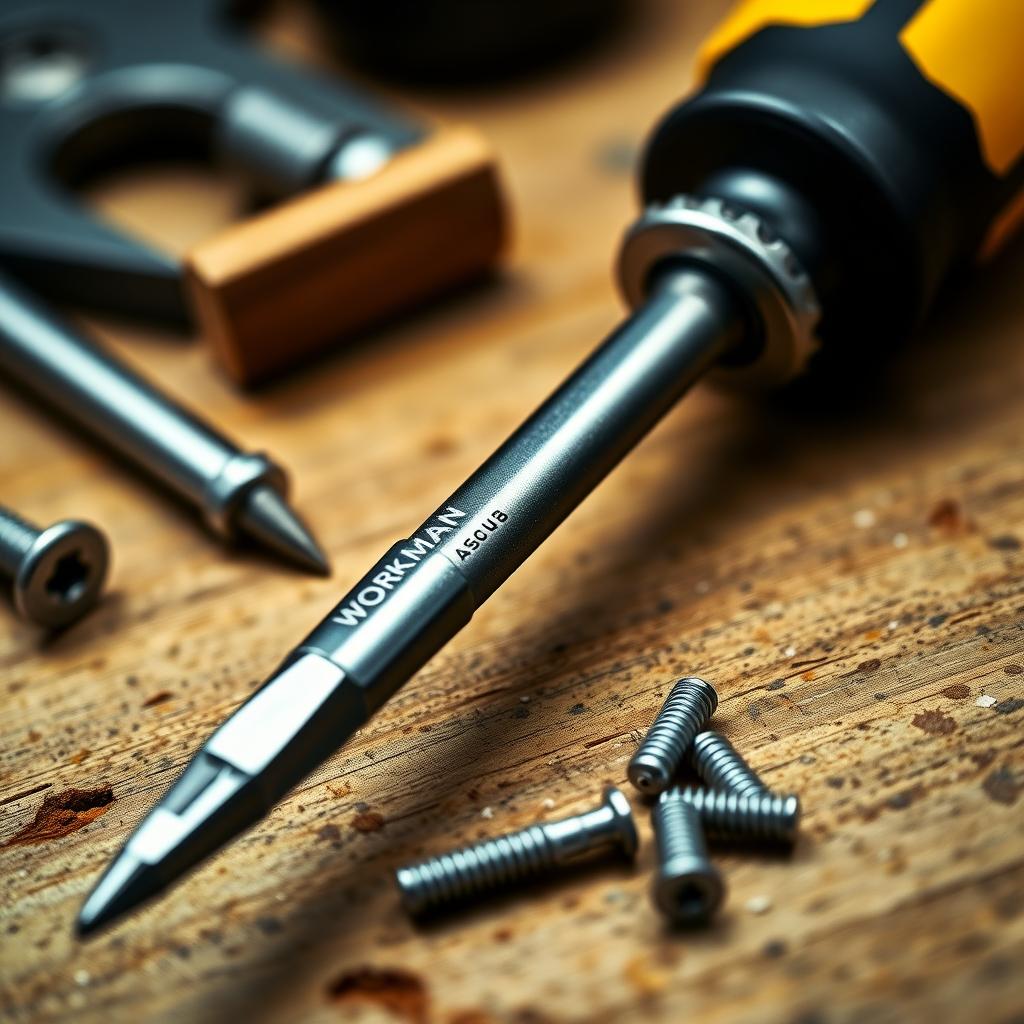
Screwdrivers might seem simple, but they need love too. I’ve got a set of Workman screwdrivers I’ve used for years, and they’re still as good as new because I follow a few basic rules. First, always check the tips for wear. A worn screwdriver tip can strip screws, turning a quick job into a headache. If the tip is rounded or chipped, replace it—Workman offers affordable replacement sets.
Next, keep the handles clean and free of oil. Greasy handles make it hard to grip, increasing the risk of slipping. I clean mine with a cloth and a bit of rubbing alcohol. Finally, store screwdrivers upright in a rack or holder to protect the tips. Tossing them in a drawer can dull them over time.
Quick Screwdriver Care Tips
- Inspect tips for wear and replace if needed.
- Clean handles with rubbing alcohol for better grip.
- Store in a rack to avoid tip damage.
Maintaining Power Tools for Longevity
Power tools, like Workman’s cordless drills and circular saws, are the workhorses of any DIY toolkit. To keep your power tools running strong, start with the battery. I learned this lesson after leaving a drill battery in my cold garage all winter—it lost half its charge capacity. Store batteries in a cool, dry place, ideally between 40°F and 80°F, and charge them only when needed to avoid overcharging.
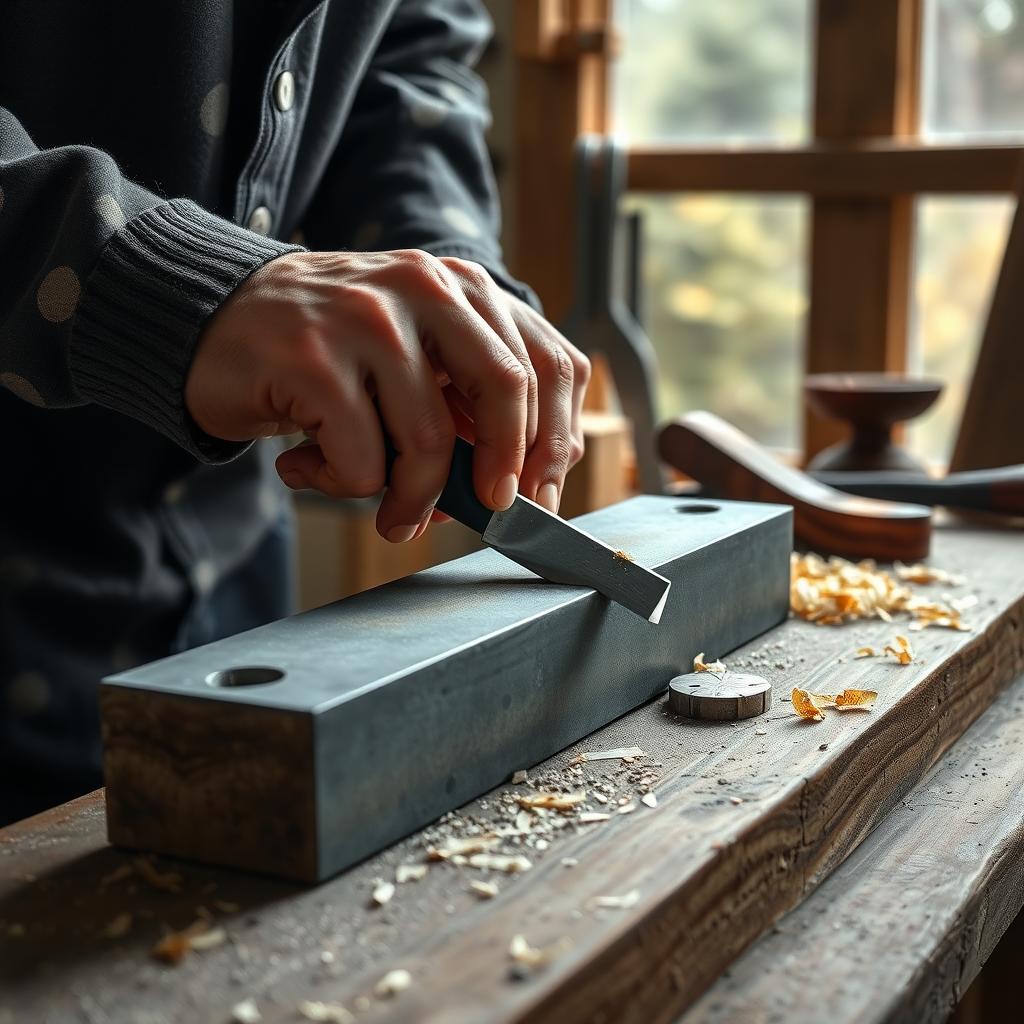
Check the tool’s moving parts, like blades or bits, for wear. A dull blade not only slows you down but can also be dangerous. I sharpen my Workman saw blades every six months using a file or take them to a professional for precision sharpening. Also, lubricate moving parts with a light machine oil to reduce friction. For example, a drop of oil on a drill chuck keeps it spinning smoothly.
Power Tool Maintenance Table
| Task | Frequency | Tools Needed |
|---|---|---|
| Clean vents | After each use | Brush, cloth |
| Check blades/bits | Monthly | Visual inspection |
| Lubricate parts | Every 6 months | Light machine oil |
| Store batteries | Always | Cool, dry place |
Rust Prevention and Storage Solutions
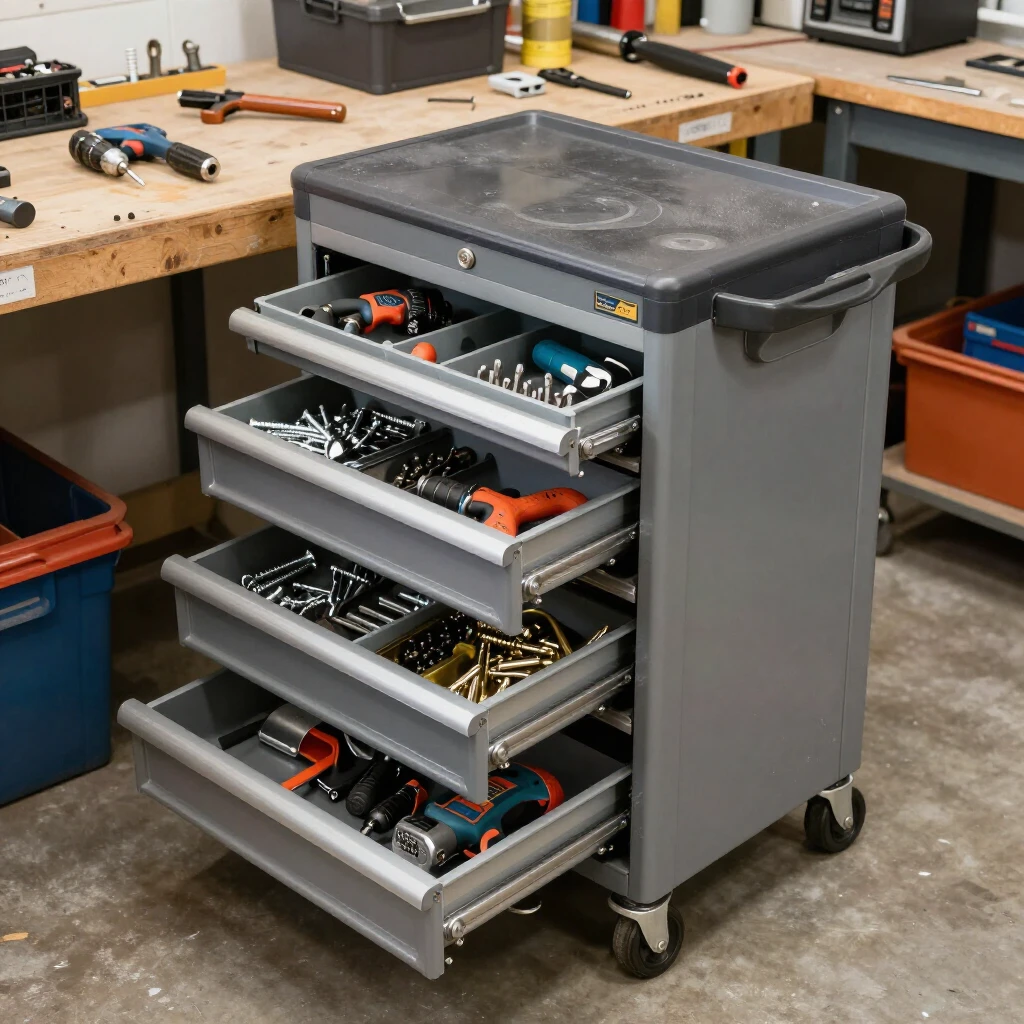
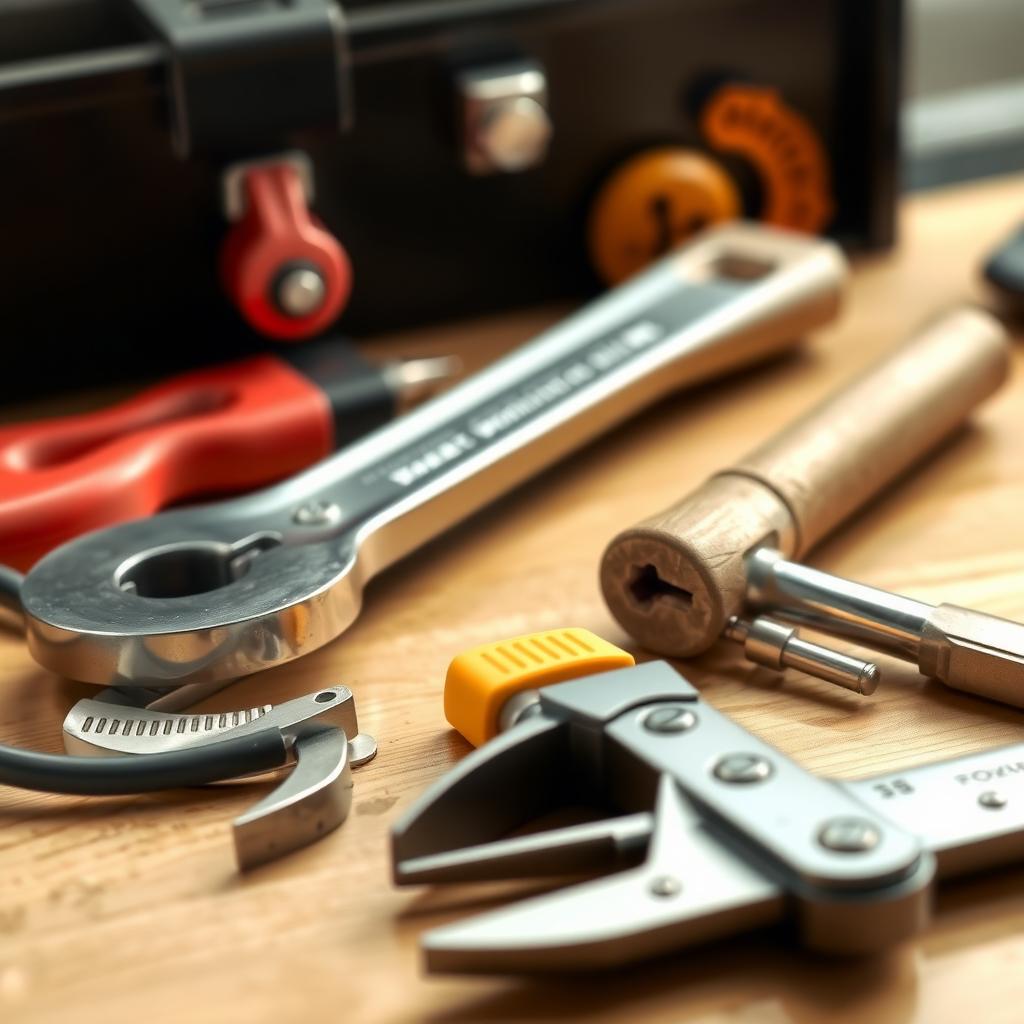
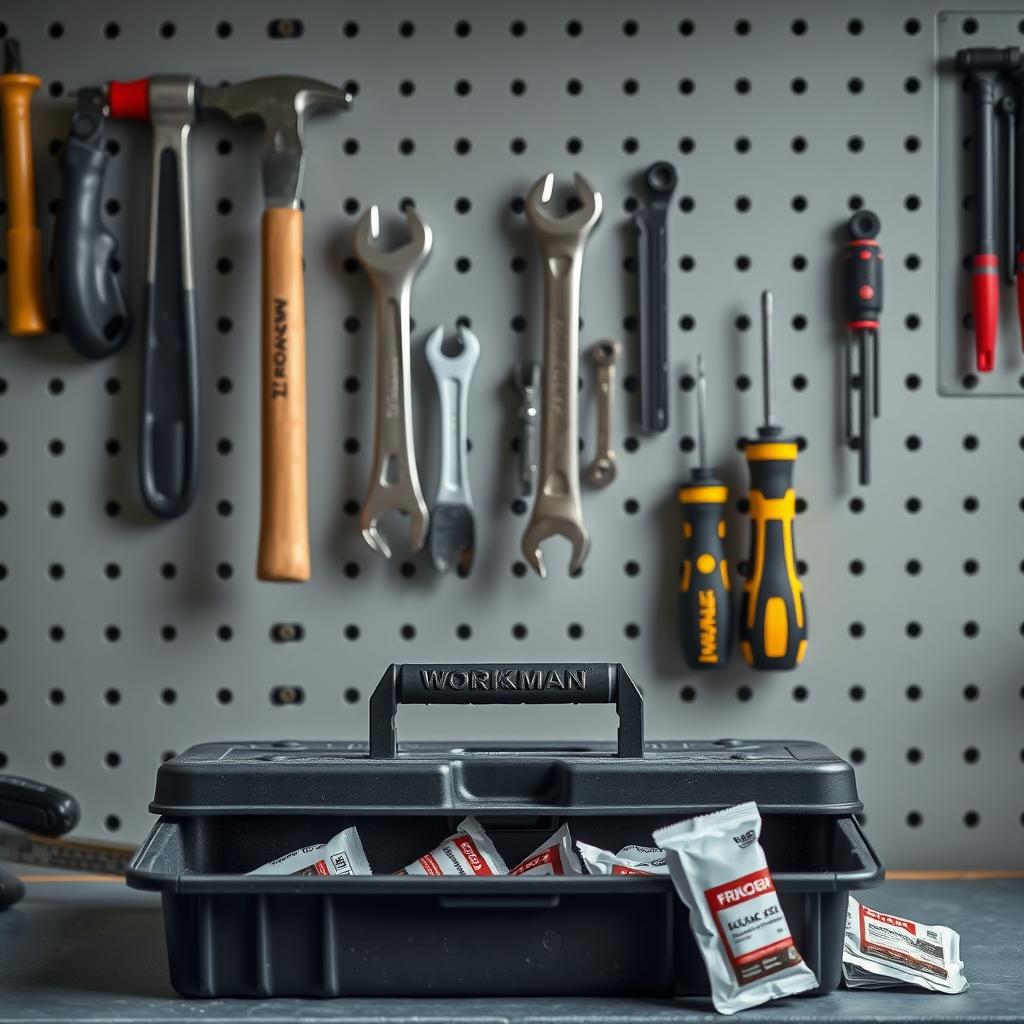
Rust is a tool’s worst nightmare. I once left a Workman wrench in a damp toolbox, and within weeks, it was speckled with rust. To prevent this, store your tools in a dry environment. A toolbox with silica gel packets works wonders to absorb moisture. For extra protection, apply a thin layer of WD-40 to metal surfaces before storing.
For long-term storage, consider a pegboard or wall-mounted rack. Not only does this keep tools organized, but it also improves air circulation, reducing rust risk. If you’re in a humid area, a dehumidifier in your workshop can make a big difference. The Family Handyman recommends keeping workshop humidity below 50% for optimal tool preservation.
Troubleshooting Common Tool Issues
Even with great care, tools can act up. Here’s how I handle common problems with Workman tools: - Power tool won’t start: Check the battery or cord for damage. Ensure the battery is charged or the cord isn’t frayed. - Screwdriver slipping: Inspect the tip. If it’s worn, replace it. Ensure you’re using the right size for the screw. - Overheating power tools: Clean vents and give the tool a break to cool down. If it persists, have it serviced.
I once had a Workman drill that kept overheating. After cleaning the vents and letting it rest, it was back to normal. If problems persist, check your tool’s manual or contact Workman’s customer service—they’re super helpful.
Final Thoughts
Taking care of your Workman tools doesn’t have to be a chore. A little time spent cleaning, inspecting, and storing them properly goes a long way. Whether you’re a weekend DIYer or a seasoned pro, these tips will help you keep your power tools running strong and your screwdrivers ready for action. Start small—clean one tool after your next project—and you’ll notice the difference. Your tools will thank you with years of reliable service.
Related Workman Tools: A Guide to Maintenance and Care:
- Tool Storage Ideas for Small Workshops
- Choosing the Right Screwdriver for the Job: Your Complete Guide
- Tool Maintenance and Care Tips for Long-Lasting Workman Tools
- Mastering Tool Care: Tips for Longevity
- Advanced Tool Maintenance Techniques for Longevity and Performance
- How to Choose the Right Power Washer for Your Needs
- Types of Hammers for Different Projects: Choosing the Right Tool
- Essential Safety Tips for Electrical Work: A Comprehensive Guide
- Ergonomic Tips for Woodworkers: Crafting Comfortably and Safely
- The Beginner's Guide to Essential Tools for Your First DIY Project
- Comprehensive Guide to Electrical Tools: Must-Haves for Every Workman
- Essential Workman Tools for Home Renovations: Your Ultimate Guide