Overview
Starting your first DIY project is exciting, but having the right tools makes all the difference. From hammers to wrenches, this guide covers the essential tools for your first DIY project and shares practical advice to help beginners succeed. Let’s dive into the must-have workman tools and tips to use them safely.
Why the Right Tools Matter
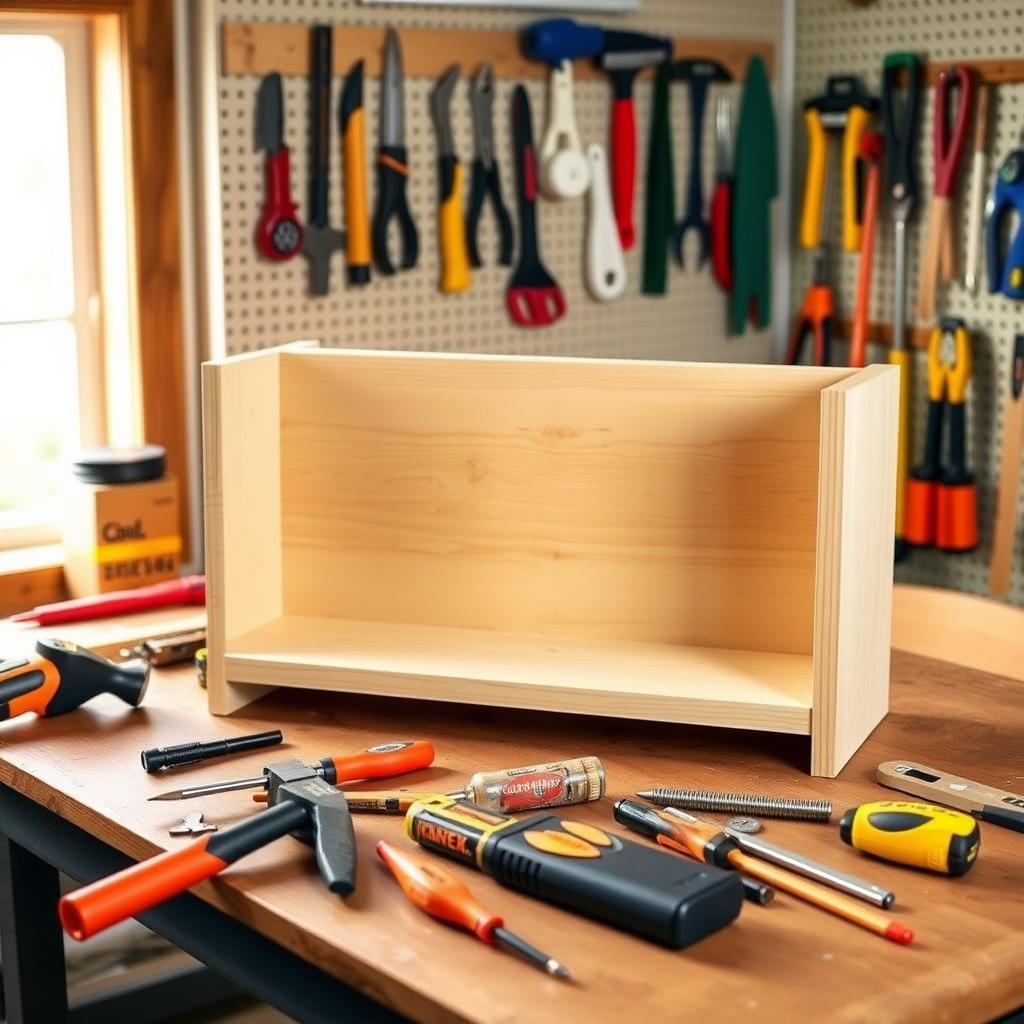
When I started my first DIY project—a simple wooden shelf—I quickly learned that using the wrong tools can turn a fun task into a frustrating ordeal. The right workman tools save time, ensure safety, and improve the quality of your work. Whether you’re assembling furniture or tackling home repairs, investing in a solid set of tools is a game-changer.
For beginners, it’s tempting to buy everything at once, but you don’t need a massive toolkit. Focus on versatile, high-quality tools that cover a range of tasks. This guide, inspired by my own trial-and-error experiences, will walk you through the essentials and how to use them effectively.
Must-Have Tools for Beginners
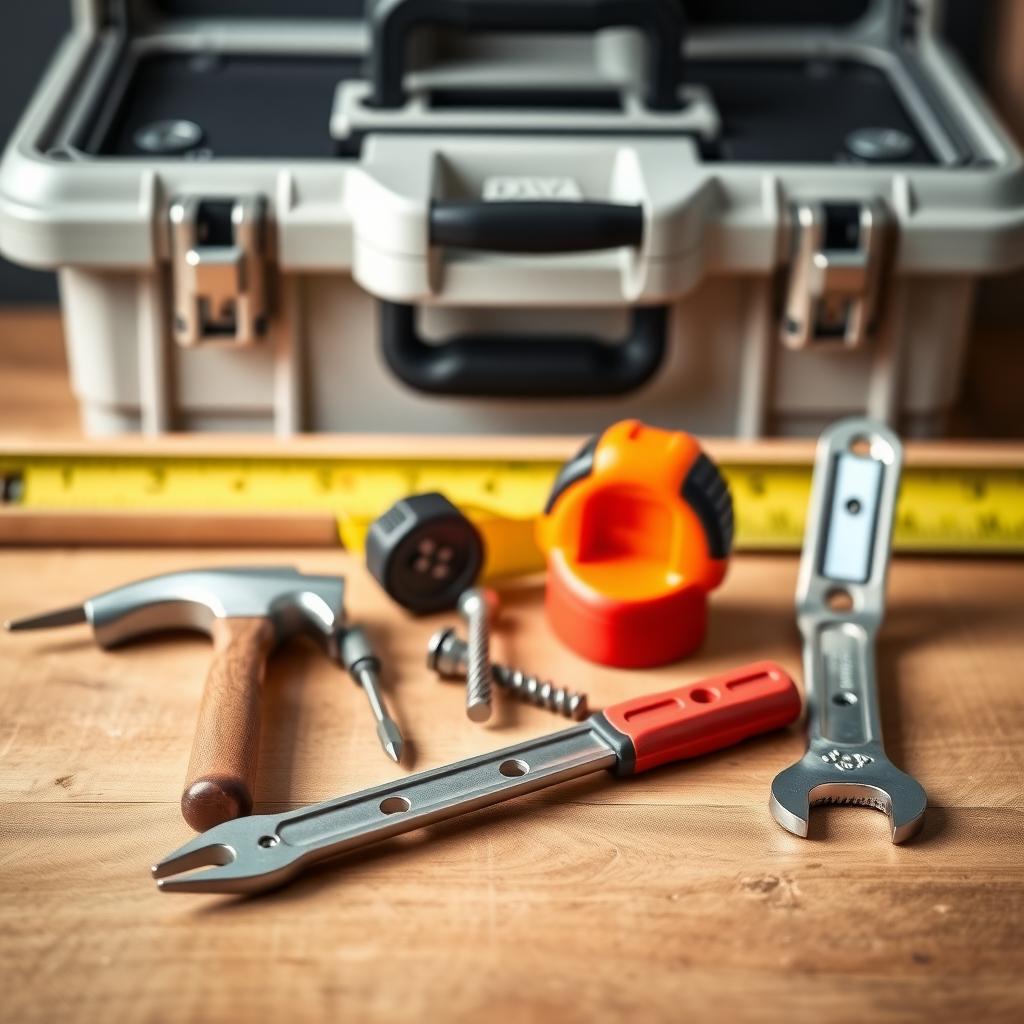
Here’s a breakdown of the core tools every beginner needs. These are the foundation of any DIY toolkit and will cover most basic projects.
1. Hammer
A claw hammer is a must for driving nails and prying them out. Choose one with a comfortable grip and a weight that feels manageable—around 16 ounces is ideal for beginners.
2. Screwdriver Set
Screwdrivers come in different types (Phillips and flathead are the most common). A set with multiple sizes ensures you’re ready for any screw. I once struggled with a stripped screw because I didn’t have the right size—don’t make that mistake!
3. Tape Measure
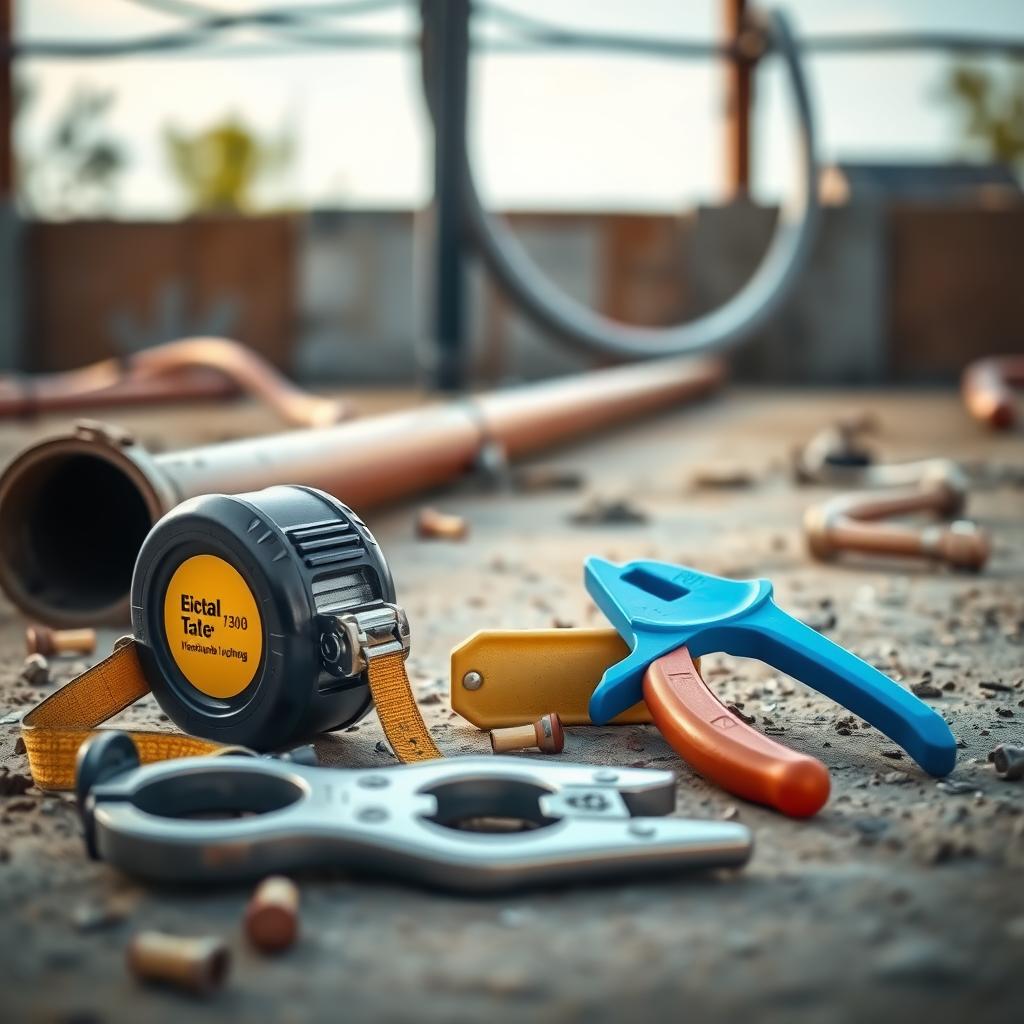
Accurate measurements are critical. A 25-foot tape measure with a locking mechanism is perfect for most projects. Pro tip: double-check your measurements to avoid costly errors.
4. Level
A small bubble level ensures your shelves or frames are straight. I learned this the hard way when my first shelf tilted noticeably to one side.
5. Wrenches
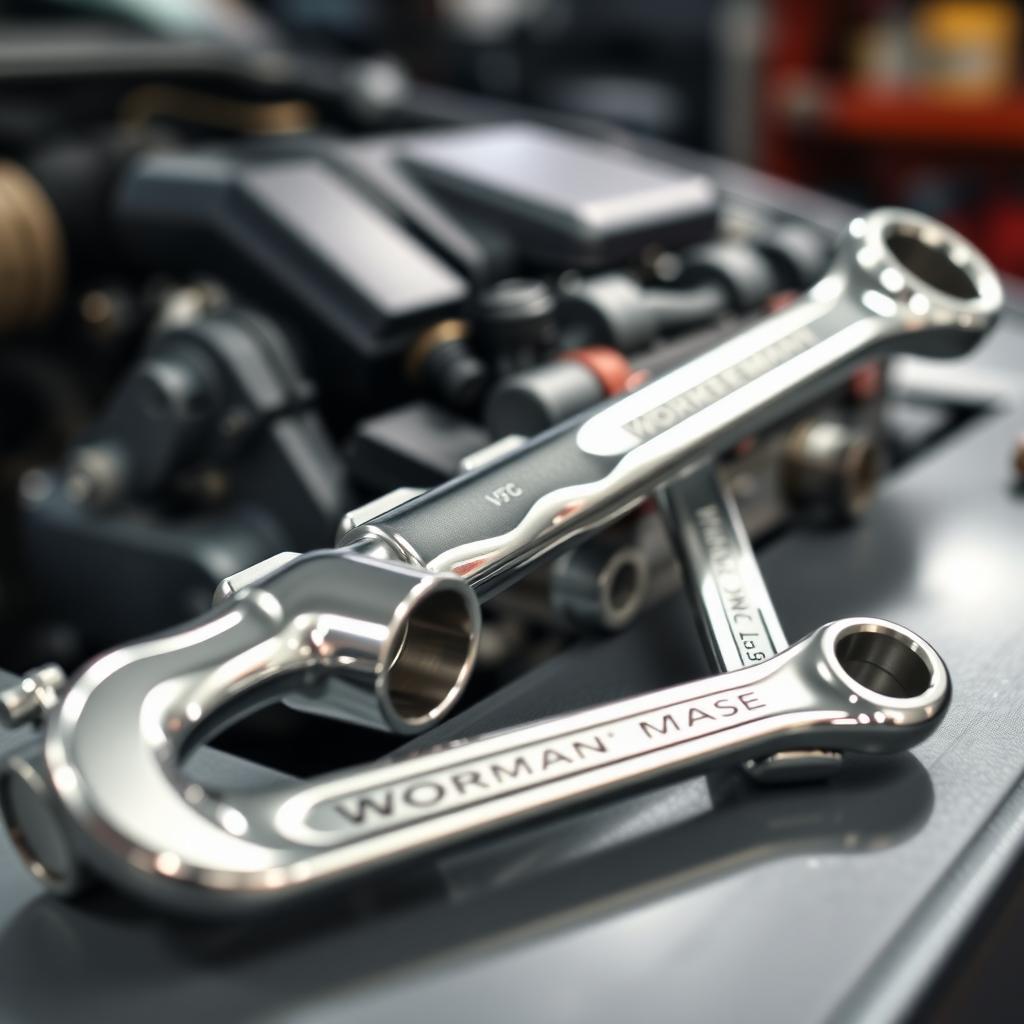
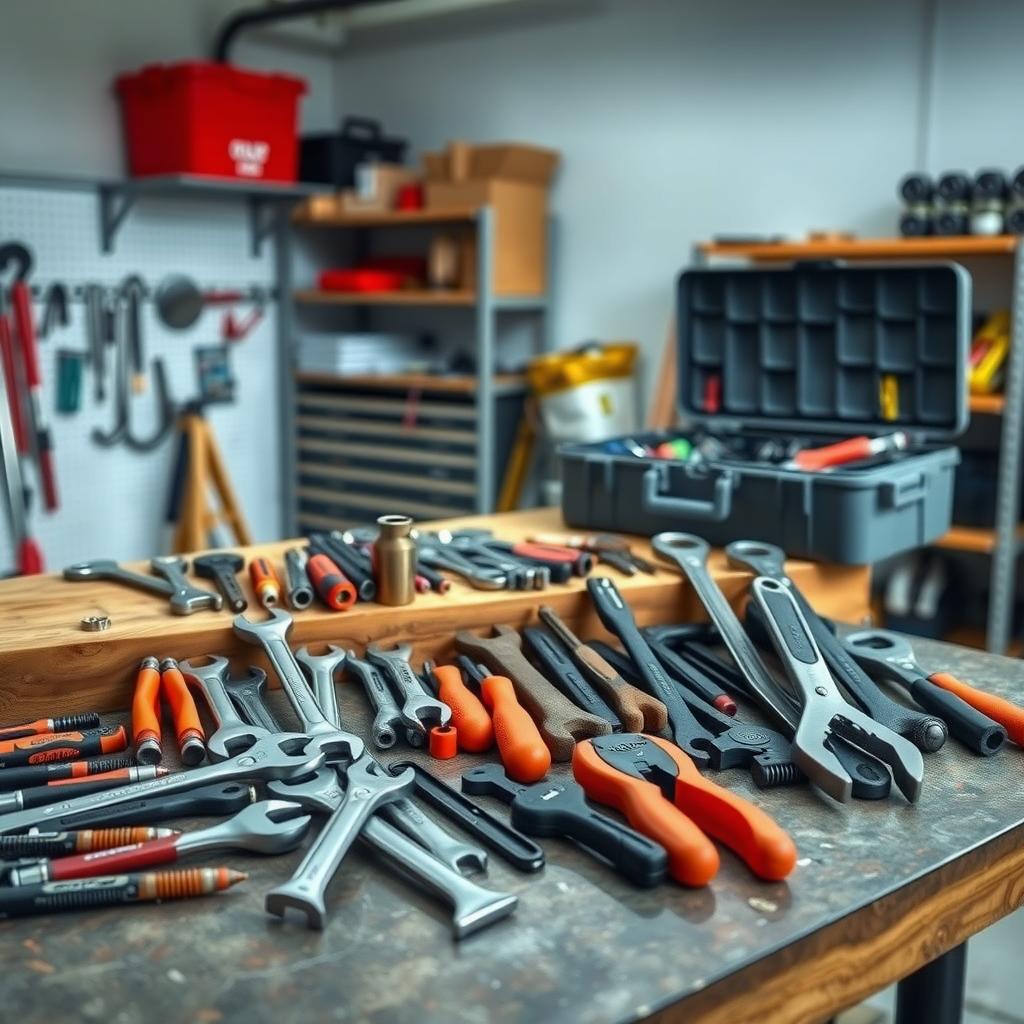
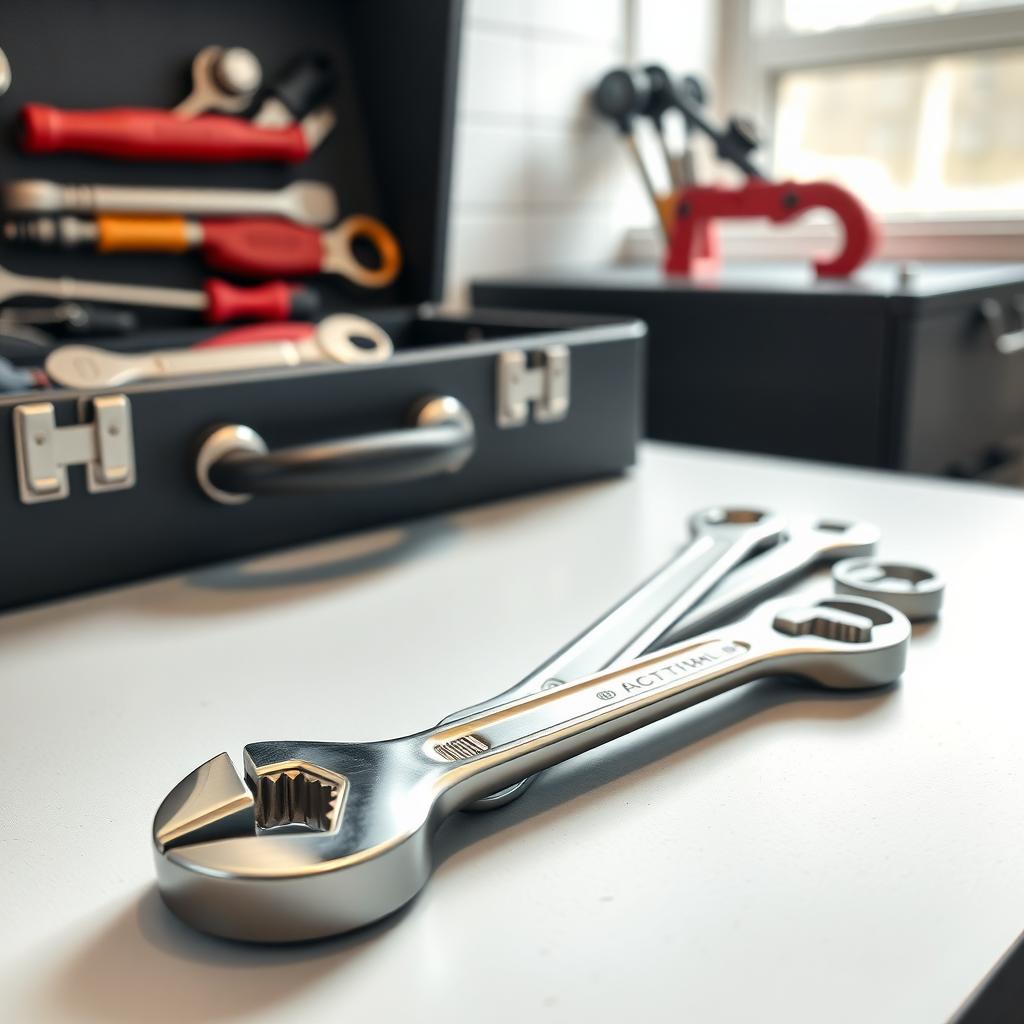
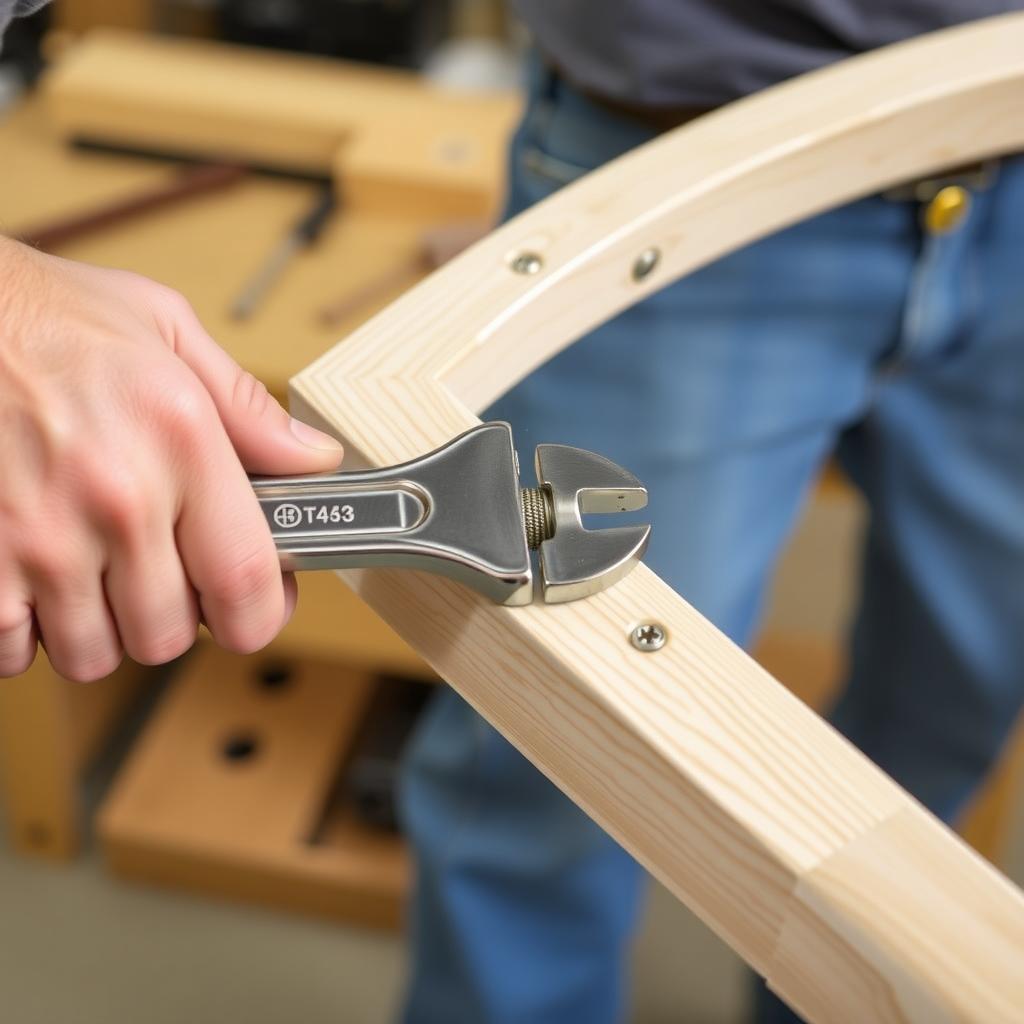
Wrenches are essential for tightening bolts and nuts. An adjustable wrench is versatile, but a set of combination wrenches (with open and box ends) offers more precision. We’ll dive deeper into using wrenches safely later.
6. Utility Knife
Perfect for cutting drywall, trimming materials, or opening packages. Look for one with a retractable blade for safety.
7. Pliers
Needle-nose pliers are great for precision tasks, while standard pliers handle gripping and twisting. A set of both covers most needs.
8. Safety Gear
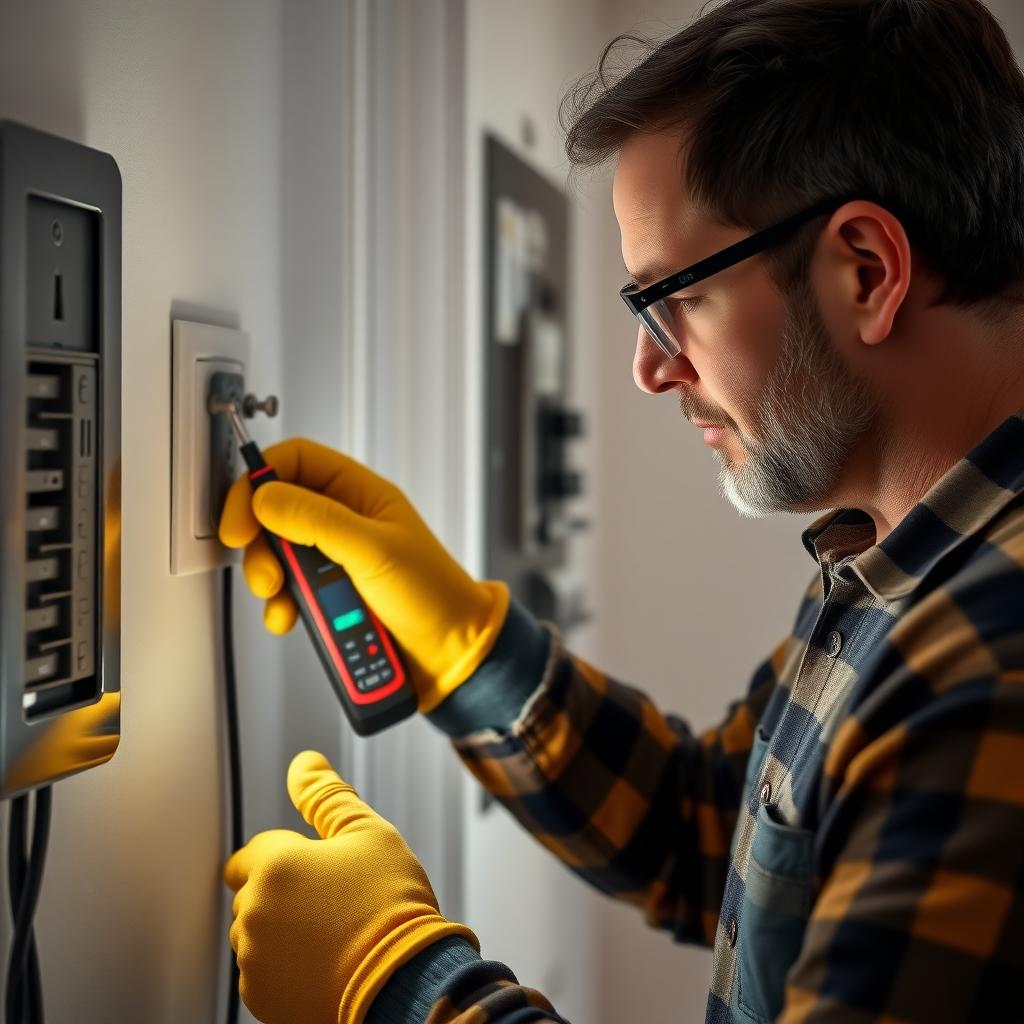
Don’t skip safety glasses and work gloves. They protect you from flying debris and sharp edges. I once got a splinter from handling rough wood—gloves would’ve saved me the hassle.
How to Use Wrenches Safely
Wrenches are simple but powerful tools, and using them correctly prevents injuries and damage. Here’s a step-by-step guide to how to use wrenches safely:
- Choose the Right Wrench: Match the wrench size to the bolt or nut. An ill-fitting wrench can slip, rounding off edges or causing injury.
- Check Your Grip: Hold the wrench firmly and ensure it’s fully seated on the fastener. A loose grip can lead to slips.
- Pull, Don’t Push: Always pull the wrench toward you. Pushing can cause your hand to slip if the wrench gives way.
- Use Steady Force: Apply smooth, controlled force. Jerking or over-torquing can break the tool or fastener.
- Inspect Tools Regularly: Check for wear or damage. A cracked wrench can fail under pressure.
I once overtightened a bolt with an adjustable wrench, stripping it completely. It was a rookie mistake that taught me to be patient and use the right tool for the job. For more detailed guidance, check out resources like OSHA’s hand tool safety guide.
Building Your Toolkit on a Budget
You don’t need to break the bank to get started. Here’s a table comparing affordable tool options for beginners:
| Tool | Budget Option | Mid-Range Option | Why It’s Worth It |
|---|---|---|---|
| Hammer | $10-15 basic claw hammer | $20-30 ergonomic grip | Comfort and durability |
| Screwdriver Set | $8-12 6-piece set | $15-25 12-piece set | More sizes for versatility |
| Adjustable Wrench | $10 single wrench | $20-30 wrench set | Precision for various bolts |
| Tape Measure | $5-10 16-foot | $15-25 25-foot | Longer reach, better lock |
Start with budget options and upgrade as you gain experience. Local hardware stores or online retailers like Home Depot often have deals on tool sets.
Common Mistakes to Avoid
As a beginner, I made plenty of errors. Here are some pitfalls to watch out for:
- Skipping Safety Gear: Always wear glasses and gloves. A stray nail can cause serious injury.
- Using Dull Blades: A dull utility knife requires more force, increasing the risk of slipping.
- Ignoring Instructions: Read manuals for tools and projects. I once assembled a table backward because I skipped the guide.
- Overbuying Tools: Stick to the essentials until you know what you need. My garage is still cluttered with unused gadgets from my early DIY days.
Tips for Success
Here are some practical tips to make your first DIY project a success:
- Start Small: Choose a simple project, like a birdhouse or picture frame, to build confidence.
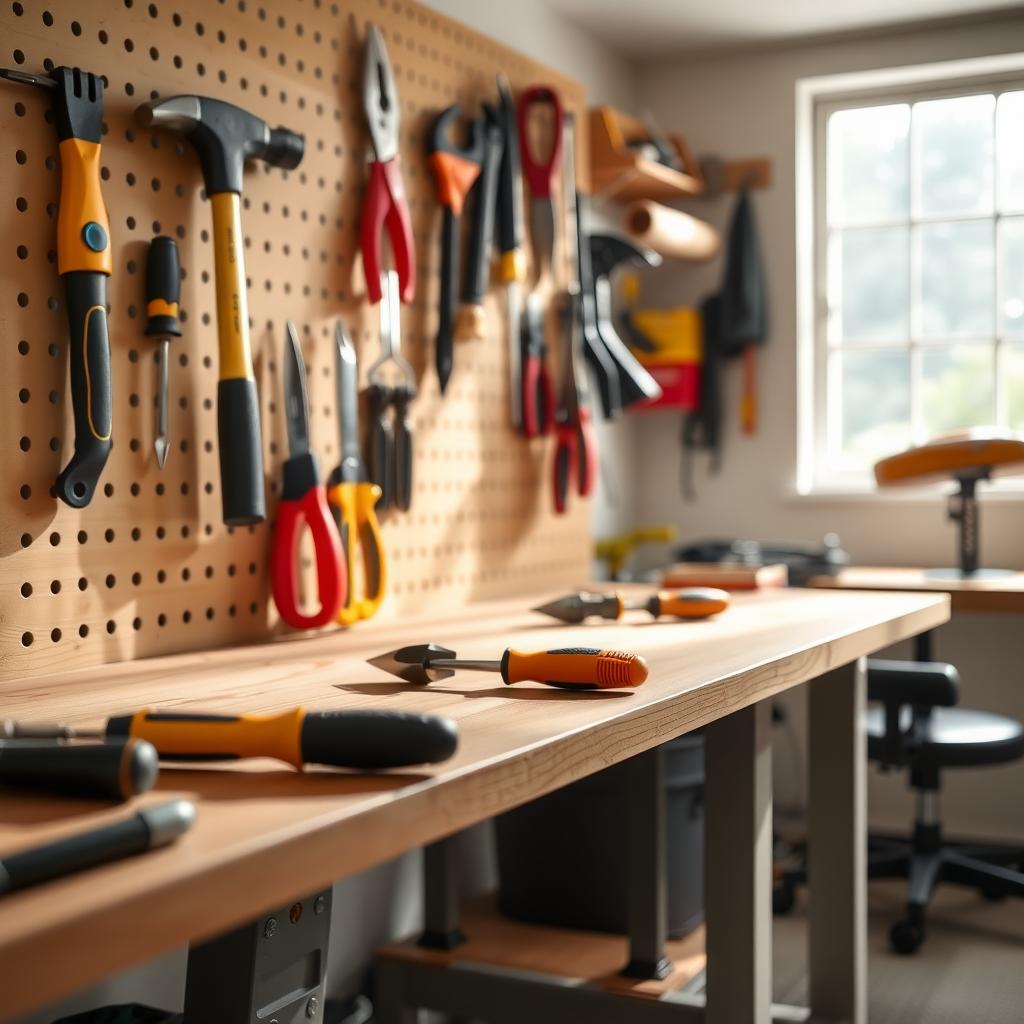
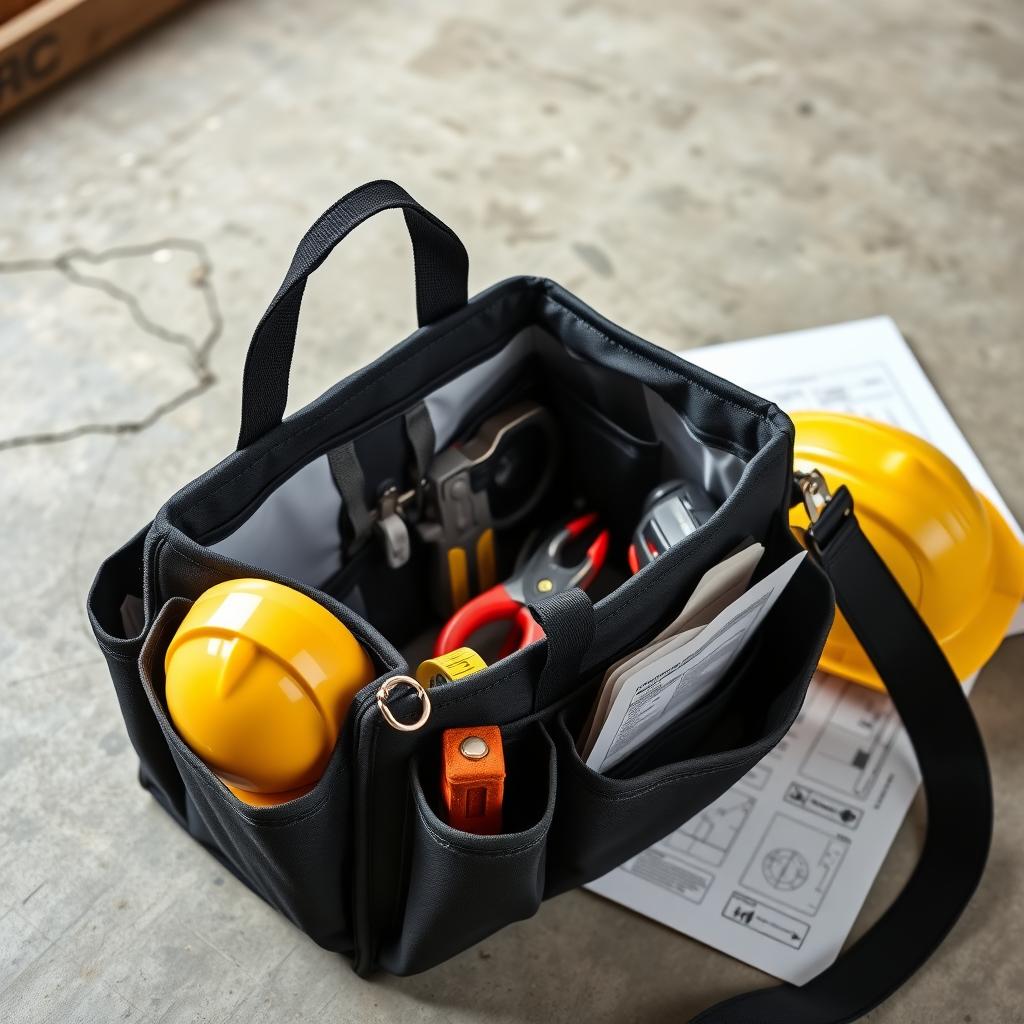
- Organize Your Tools: Keep your workspace tidy. A toolbox or pegboard saves time and reduces frustration.
- Practice First: Test tools on scrap materials. I practiced hammering nails into spare wood to get the hang of it.
- Ask for Help: Local hardware stores or online communities like Reddit’s r/DIY are great for advice.
My first project taught me patience and preparation are key. With the right tools and mindset, you’ll be amazed at what you can create.
Summary
Starting your DIY journey is all about having the right tools and knowledge. From hammers to wrenches, the essential tools for your first DIY project are versatile and beginner-friendly. Focus on quality, practice safe techniques like using wrenches properly, and start with small projects to build skills. With these tips, you’re ready to tackle your first DIY adventure with confidence.
Related https://example.com/diy-projects-tools - Essential Tools for Your First DIY Project:
- Comprehensive Guide to Electrical Tools: Must-Haves for Every Workman
- Essential Workman Tools for Home Renovations: Your Ultimate Guide
- Ergonomics Beyond Tools: A Workshop Guide for Comfort and Efficiency
- The Ultimate Guide to Workman Tools for Automotive Repair
- Revolutionizing Home Painting: How AI-Powered Tools Boost Efficiency
- Decluttering Your Life: Tips for a More Organized Home and Mind
- How to Organize Your Toolbox Like a Pro
- Essential Workman Tools for Every DIY Enthusiast
- Essential Screwdrivers for Mechanics: Your Guide to the Best Workman Tools
- Troubleshooting Electrical Problems Made Easy: A Comprehensive Guide
- How to Choose the Best Toolbox for Your Needs
- The Evolution of Woodworking Tools: A Historical Overview