Overview
Selecting the right toolbox can make or break your workflow, whether you're tackling home repairs or professional projects. A well-chosen toolbox keeps your workman tools organized, accessible, and protected. This guide dives into how to choose the best toolbox for your needs, covering types, features, and maintenance tips to ensure longevity. With practical advice and personal insights, you'll find the perfect toolbox to match your skills and goals.
Why Choosing the Right Toolbox Matters
A toolbox isn’t just a storage box—it’s your partner in getting the job done. I’ve spent years tinkering in my garage, and I’ve learned that a good toolbox saves time and frustration. Imagine scrambling to find a wrench in a cluttered drawer or realizing your tools rusted because they weren’t stored properly. The right toolbox keeps your workman tools secure, organized, and ready for action.
Your needs depend on your projects. A DIY beginner might need a compact kit for occasional repairs, while a contractor requires a heavy-duty chest for daily use. Let’s break down the key factors to consider when choosing a toolbox.
Types of Toolboxes: Which One Fits You?
Toolboxes come in various shapes and sizes, each designed for specific purposes. Understanding the types helps narrow down your options. Here are the main categories:
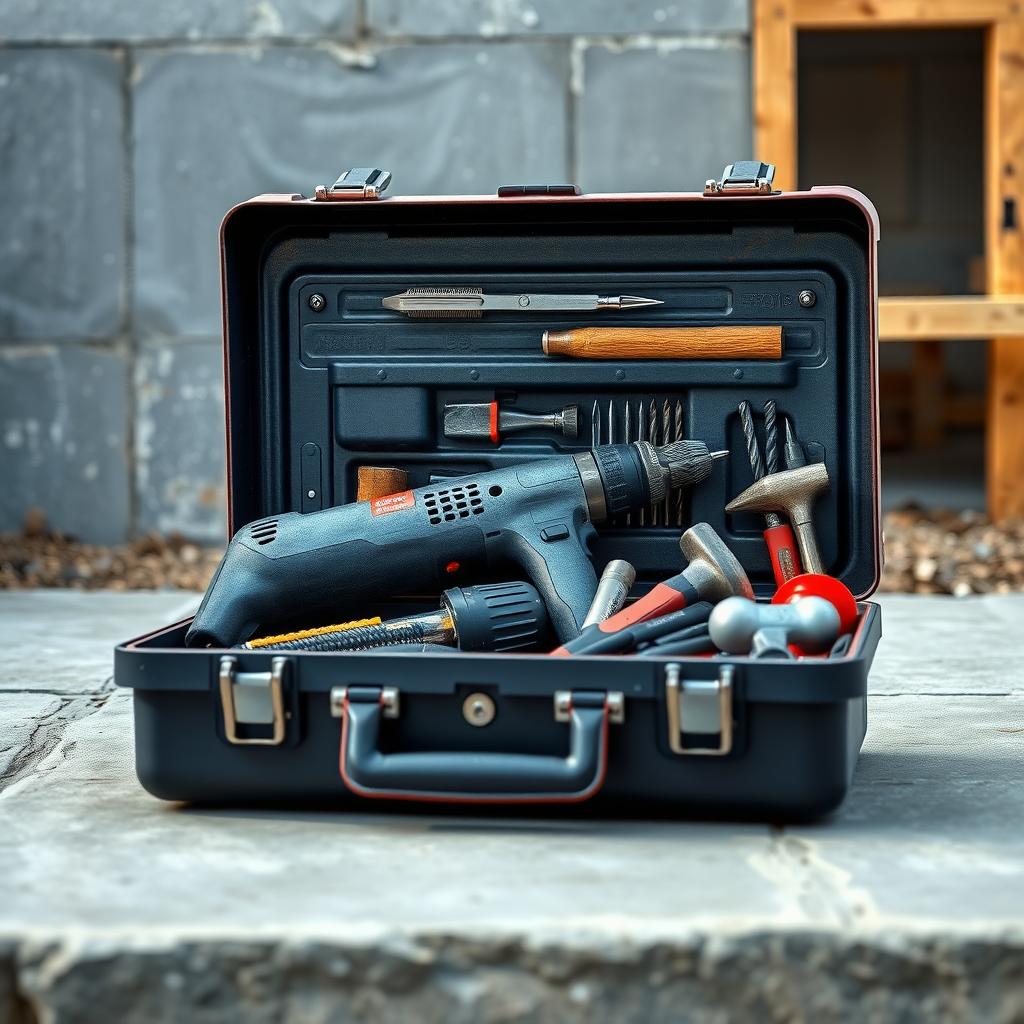
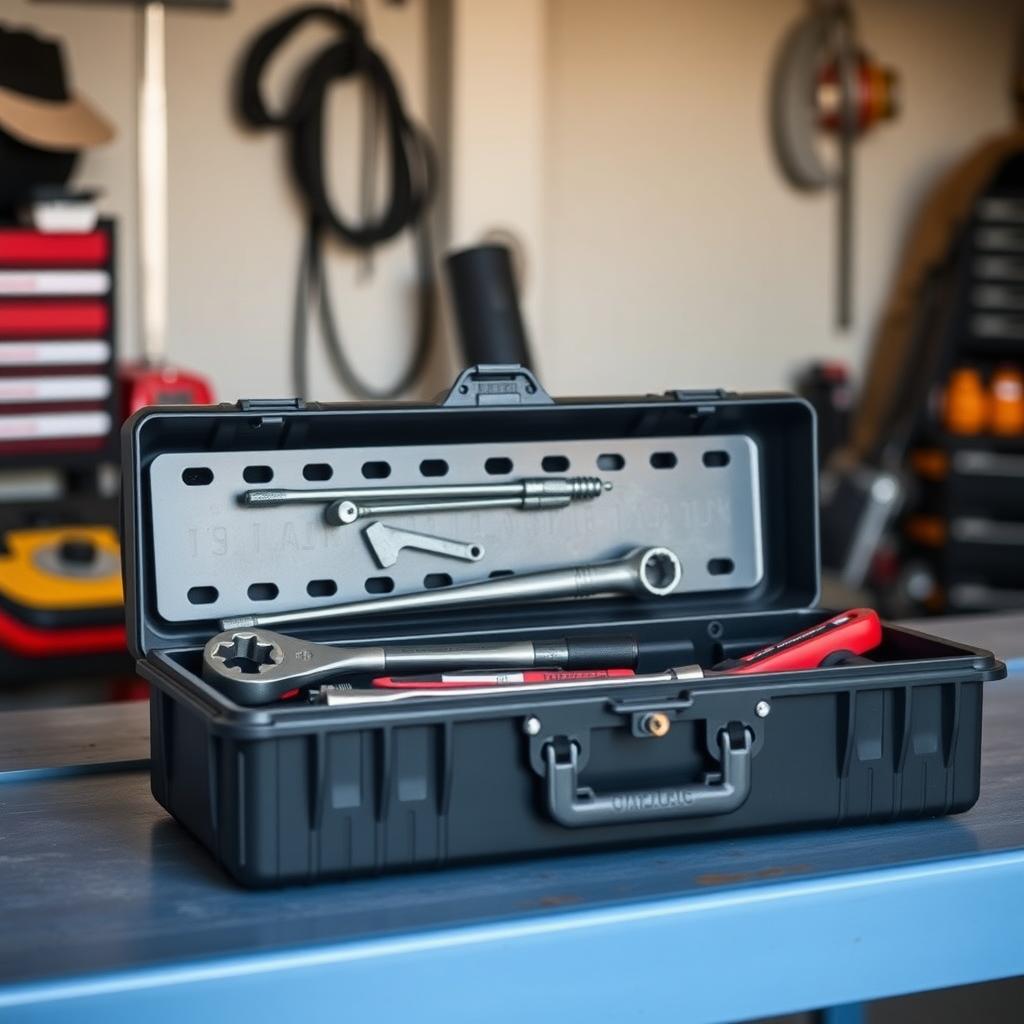
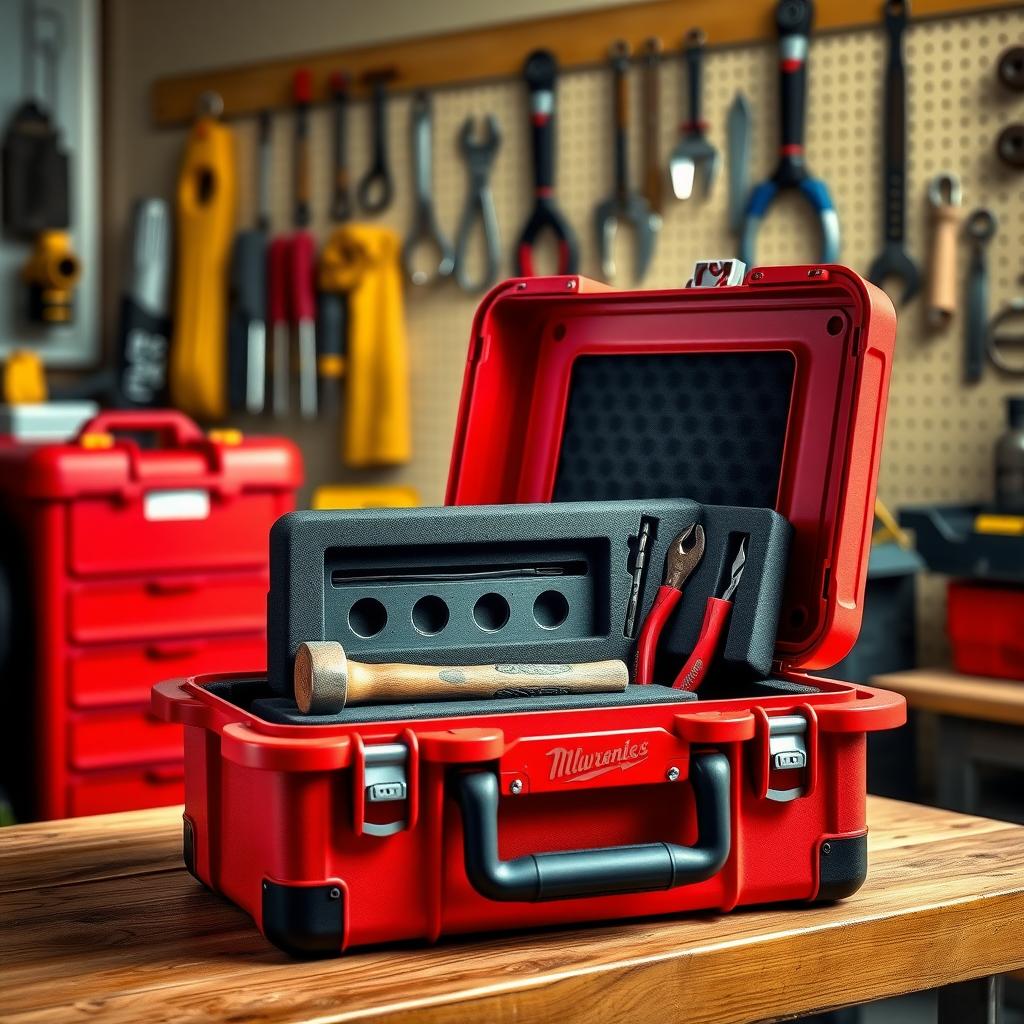
- Portable Toolboxes: These are small, lightweight boxes with a handle, ideal for carrying a few essential tools to a job site. They’re perfect for workman tools for beginners who need basic tools like hammers and screwdrivers.
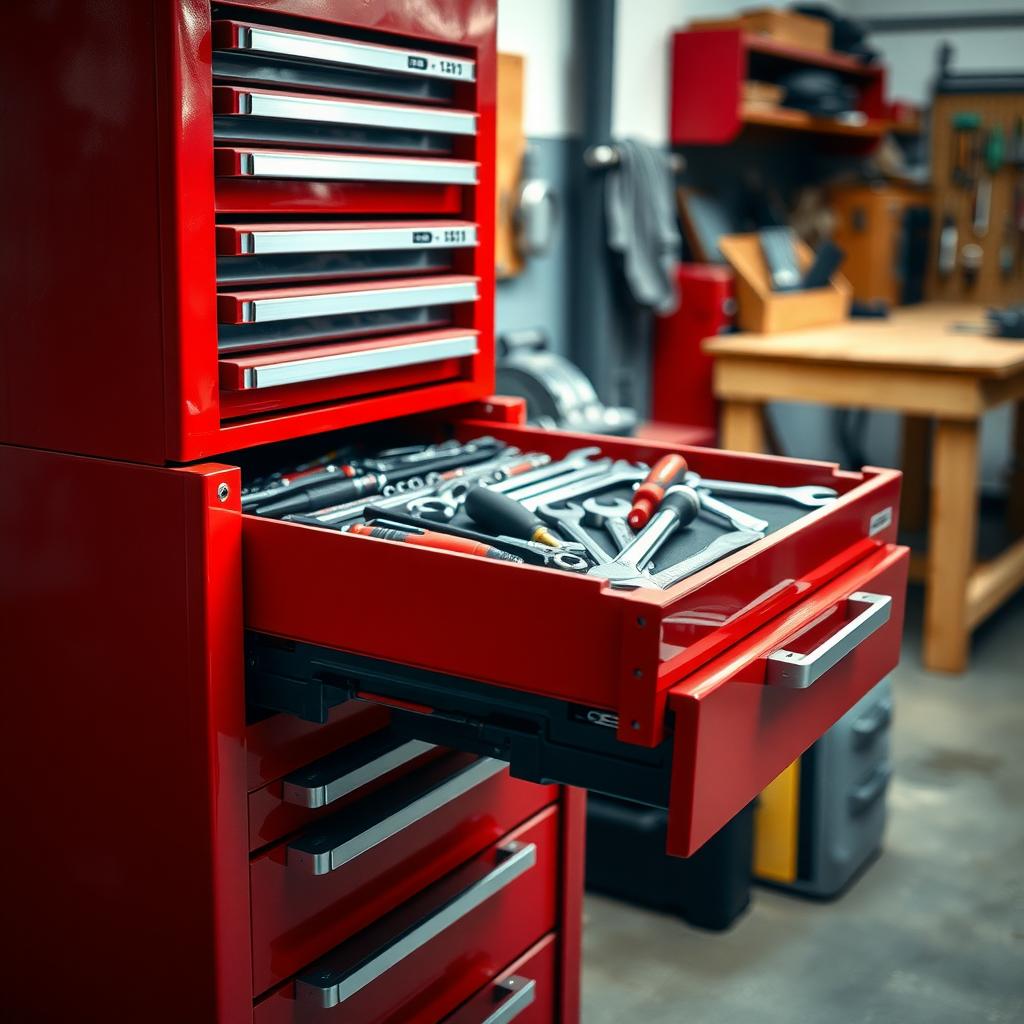
- Tool Chests: Larger and often stationary, tool chests have multiple drawers for organizing extensive tool collections. They suit professionals or avid DIYers with diverse tools.
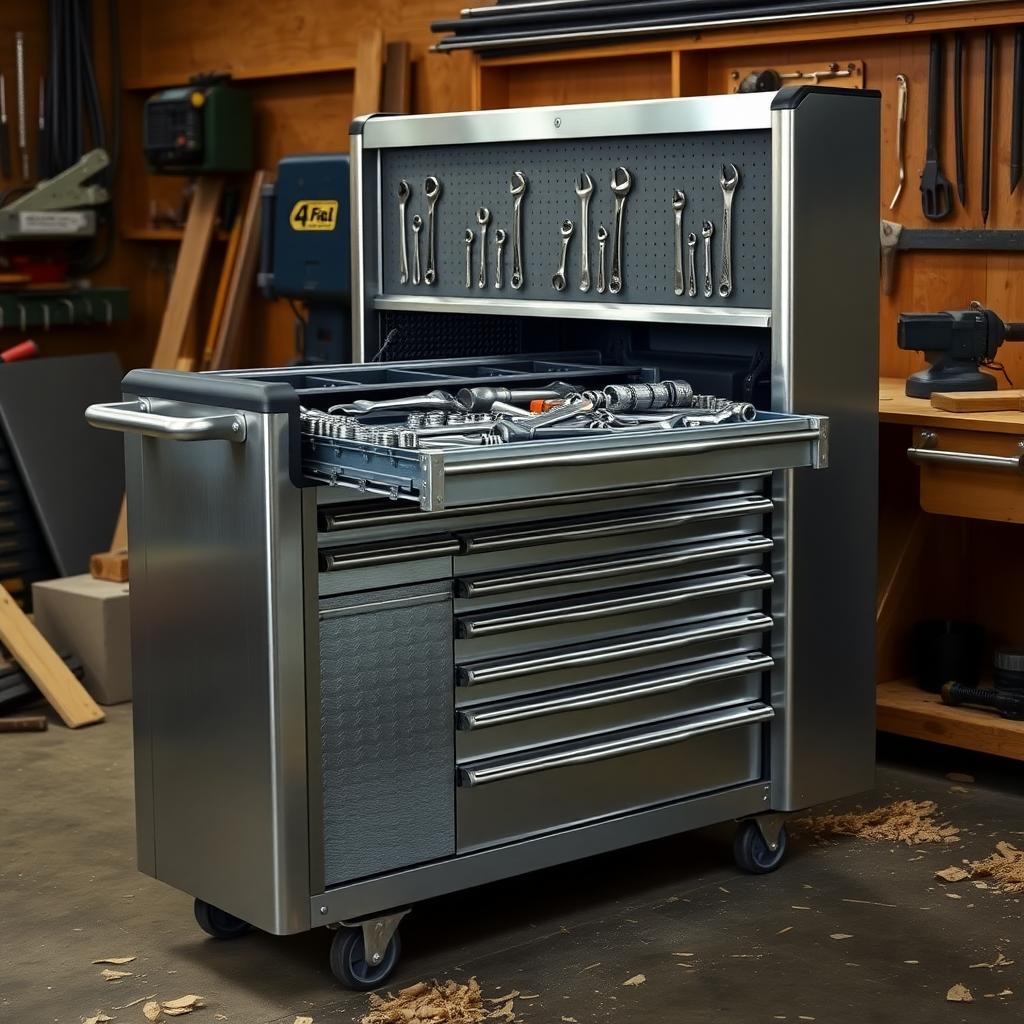
- Rolling Tool Cabinets: These are tool chests on wheels, offering mobility and ample storage. Great for mechanics or contractors who move tools around a workshop.
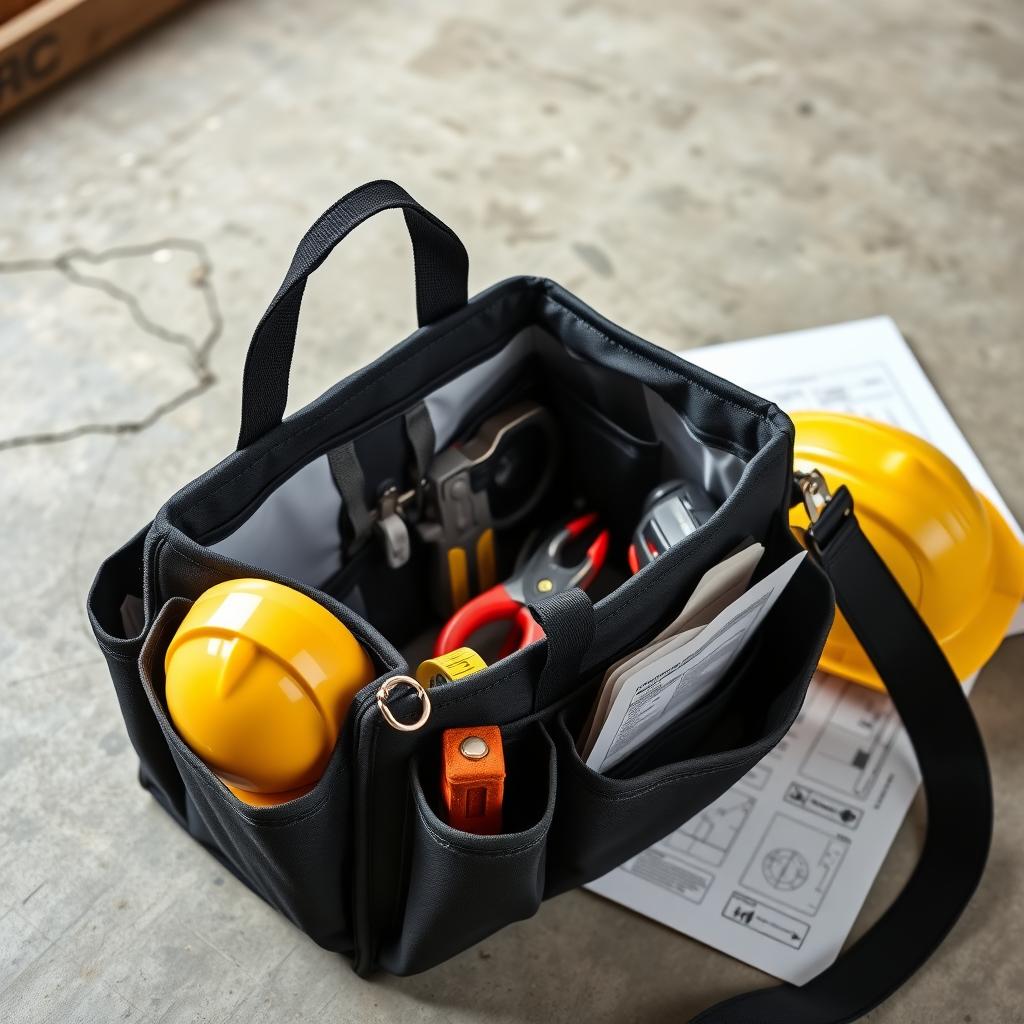
- Tool Bags: Made of durable fabric, these are flexible and lightweight, ideal for electricians or plumbers who need to carry tools to tight spaces.
- Bucket Organizers: These fit around a 5-gallon bucket, offering pockets for tools. They’re budget-friendly and great for casual DIYers.
Each type has its strengths. For example, I started with a portable toolbox for small home projects but upgraded to a rolling cabinet as my tool collection grew. Consider your project frequency and tool count when choosing. A 2019 study by the National Institute for Occupational Safety and Health (NIOSH) found that proper tool storage reduces workplace accidents by up to 15% by keeping tools secure and accessible NIOSH Workplace Safety Guidelines.
Key Features to Look for in a Toolbox
Not all toolboxes are created equal. Here are essential features to prioritize:
| Feature | Why It Matters |
|---|---|
| Material | Steel toolboxes are durable but heavy; plastic is lightweight but less sturdy. Choose based on your environment—steel for rugged use, plastic for casual DIY. |
| Size and Capacity | Ensure it fits your tools. A beginner might need space for 10-20 tools, while pros may need room for 100+. |
| Organization | Look for compartments, drawers, or trays. Foam inserts or dividers keep tools from jumbling. |
| Portability | Handles, wheels, or shoulder straps make transport easier, especially for job sites. |
| Security | Lockable lids or latches protect valuable tools, especially if left in shared spaces. |
I once bought a cheap plastic toolbox that cracked under the weight of my tools. Investing in a steel model with lockable drawers was a game-changer. Check reviews on sites like Wirecutter for tested recommendations on durable models.
Matching Your Toolbox to Your Skill Level
Your experience level shapes your toolbox choice. Here’s how to align your pick with your skills:
- Beginners: Start with a portable toolbox or tool bag. A basic set of workman tools for beginners—hammer, screwdriver set, pliers, and tape measure—fits well in a compact box. Look for a kit with 20-30 tool slots to avoid outgrowing it too soon.
- Intermediate DIYers: If you’re tackling bigger projects like furniture assembly, consider a tool chest with 3-5 drawers. This accommodates expanding collections, including power tools.
- Professionals: Contractors or mechanics need rolling cabinets or large chests with 50+ tool capacity. These handle heavy-duty tools and frequent use.
When I moved from occasional repairs to building shelves, I switched to a tool chest with dividers. It kept my growing collection organized and accessible. The University of Illinois Extension recommends starting with versatile tools and a scalable toolbox to avoid frequent replacements UI Extension Home Repair Guide.
How to Maintain Your Tools for Longevity
A toolbox is only as good as the tools it holds. Proper maintenance extends the life of your workman tools and keeps your toolbox functional. Here’s how to maintain your tools for longevity:
- Clean Regularly: Wipe tools with a dry cloth after use to remove dirt and grease. For stubborn grime, use a mild cleaner like WD-40. I clean my tools every few weeks to prevent rust.
- Store Properly: Keep tools in their designated slots to avoid scratches or damage. Foam inserts or dividers work wonders.
- Prevent Rust: Store your toolbox in a dry area. Silica gel packets inside the box absorb moisture. A 2020 OSHA report notes that rust-related tool failures cause 10% of construction injuries OSHA Safety Standards.
- Sharpen Blades: Keep utility knives and chisels sharp using a whetstone or file. Dull tools are dangerous and less effective.
- Check for Wear: Inspect tools for cracks or loose handles. Replace damaged tools to avoid accidents.
I learned the hard way when a rusty screwdriver stripped a screw, delaying a project. Now, I store my toolbox in a dry garage corner and check tools monthly.
Budget Considerations: Balancing Cost and Quality
Toolboxes range from $20 plastic models to $500+ professional cabinets. Here’s how to balance cost and quality:
- Set a Budget: Decide how much you can spend. Beginners can start with a $30-50 portable box, while pros might invest $200+ in a rolling cabinet.
- Prioritize Durability: Cheap toolboxes wear out fast. Spend a bit more for steel or high-grade plastic to avoid replacements.
- Look for Deals: Check retailers like Home Depot or Lowe’s for seasonal sales. I snagged a $150 tool chest for $100 during a Black Friday sale.
A quality toolbox is an investment. The Consumer Reports Tool Storage Guide suggests spending 10-15% of your tool budget on storage to protect your investment.
Common Mistakes to Avoid
Avoid these pitfalls when choosing a toolbox:
- Buying Too Small: Underestimating your tool collection leads to clutter. Get a box with 20% more space than you currently need.
- Ignoring Weight: Heavy steel boxes are tough to move without wheels. Consider portability if you work on-site.
- Skipping Security: If you store tools in a shared space, choose a lockable model to prevent theft.
- Overlooking Organization: A box without compartments turns into a mess. Dividers or trays are a must.
I once bought a toolbox without drawers, thinking I’d manage. Tools jumbled together, and I wasted time digging for the right one. Learn from my mistake—prioritize organization.
Summary
Choosing the best toolbox for your needs comes down to understanding your projects, skill level, and storage requirements. Whether you’re a beginner with basic workman tools or a pro with a vast collection, pick a toolbox that’s durable, organized, and portable. Maintain your tools with regular cleaning and proper storage to ensure they last. By investing in the right toolbox and caring for it, you’ll save time, reduce frustration, and keep your projects on track.
Related How to Choose the Best Toolbox for Your Needs:
- The Evolution of Woodworking Tools: A Historical Overview
- The Ultimate Guide to Choosing Tool Sets for Automotive Repairs
- Tool Maintenance 101: Keep Your Gear in Top Shape
- Mastering the Art of Hammering: Techniques for Precision and Power
- Choosing the Right Workman Tools: A Comprehensive Guide
- Advanced Workman Tools for Professionals: Elevate Your Craft
- Organizing Your Workshop for Maximum Efficiency: A Practical Guide
- Hammer Basics: Types and Uses Explained
- How to Choose the Right Drill for Your Projects: A Comprehensive Guide
- Understanding Hammer Dynamics and Ergonomics: A Comprehensive Guide
- How to Check Your Car’s Oil Like a Pro
- Advanced Workman Skills: Tools for the Next Level