Overview
Maintaining your tools is more than a chore—it's a way to save time, money, and frustration. Whether you're a DIY enthusiast or a professional, keeping your gear in top shape ensures every project runs smoothly. This guide, Tool Maintenance 101: Keep Your Gear in Top Shape, covers essential tips for maintaining must-have workman tools for every toolbox, with a focus on cutting tools and workman tools.
Why Tool Maintenance Matters
I’ve seen it too many times: a project halted because a dull blade or rusty wrench failed at the worst moment. Proper tool maintenance prevents these headaches. Well-kept tools last longer, perform better, and keep you safe. According to a study by the Occupational Safety and Health Administration (OSHA), poorly maintained tools contribute to thousands of workplace injuries annually. Regular care isn’t just about longevity—it’s about keeping your work efficient and accident-free.
Maintaining tools also saves money. Replacing a high-quality drill bit or saw blade costs more than a quick cleaning or sharpening session. Plus, a well-maintained tool feels like an extension of your hand, making every task smoother.
Must-Have Workman Tools for Every Toolbox
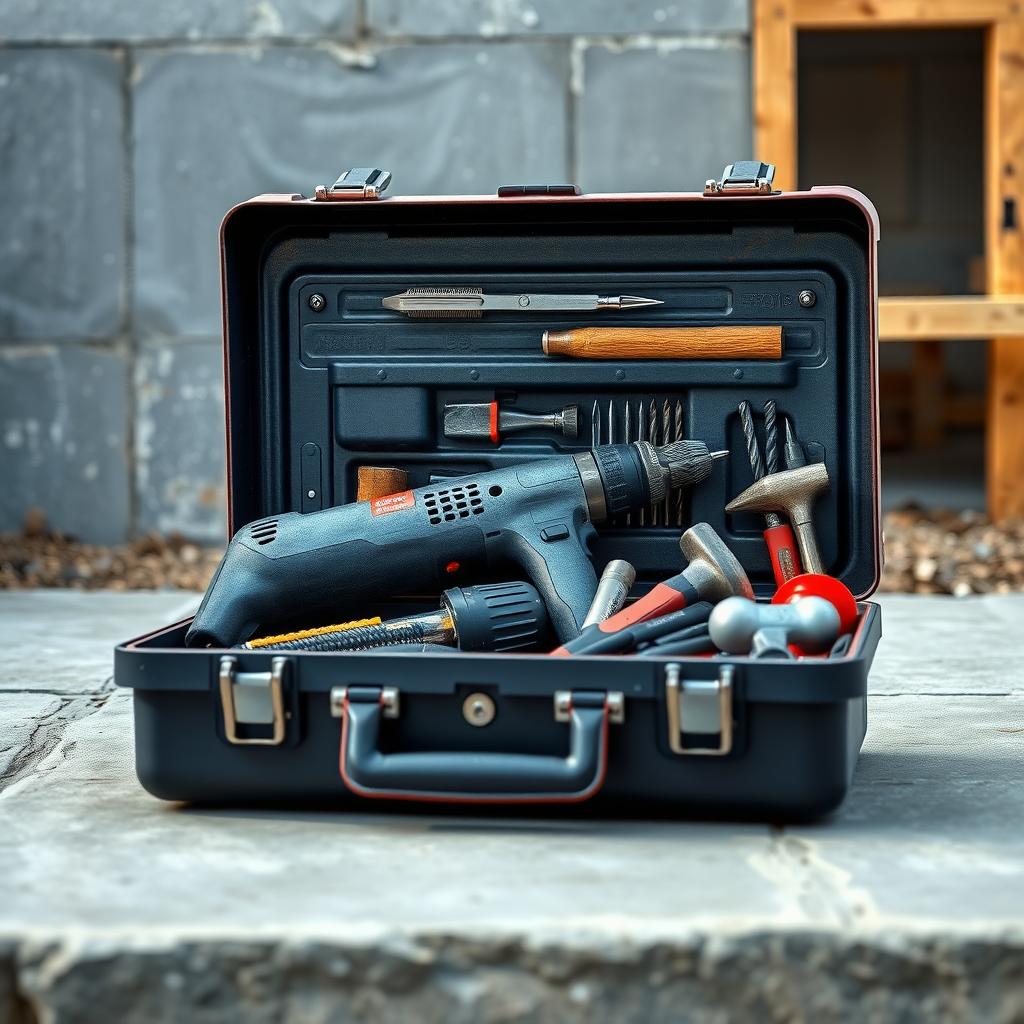
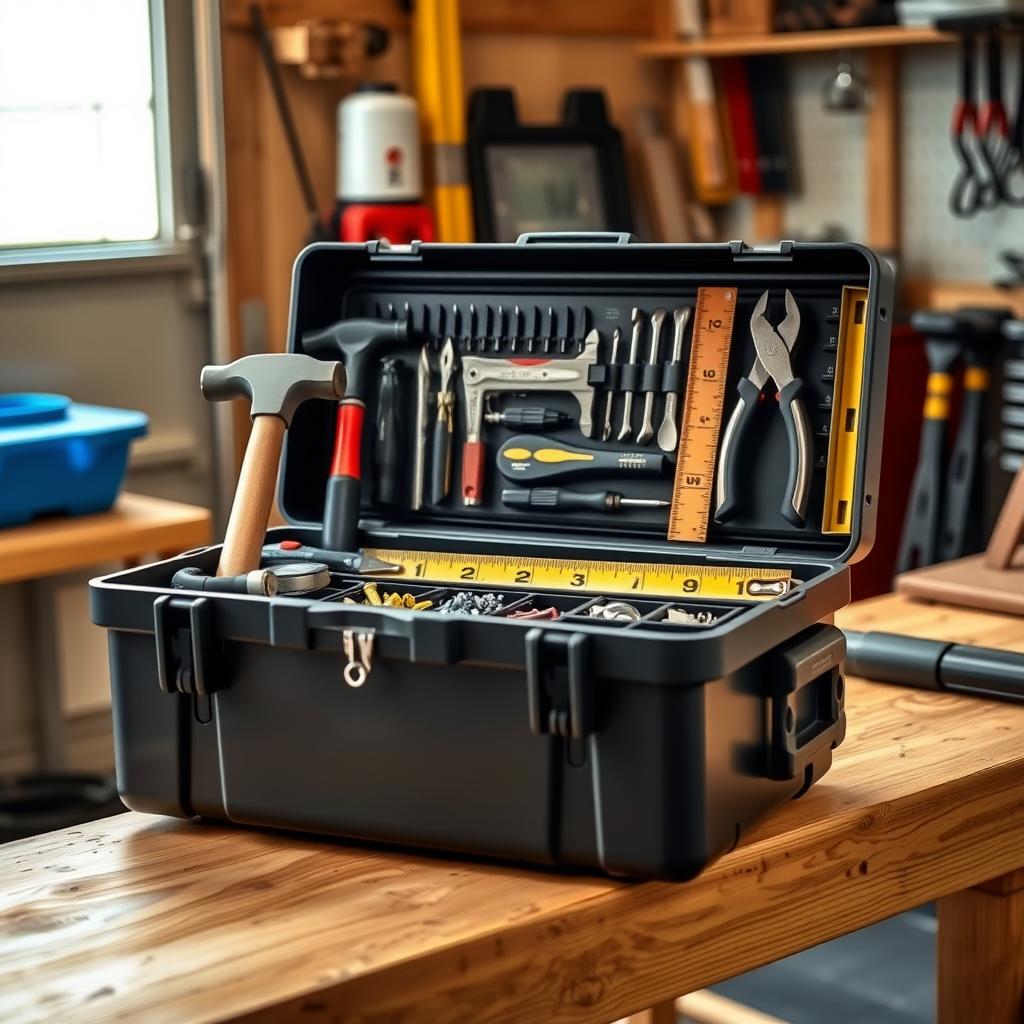
Before diving into maintenance, let’s talk about the essentials. Every toolbox needs a core set of workman tools. Based on years of tinkering and professional projects, here’s what I consider must-haves:
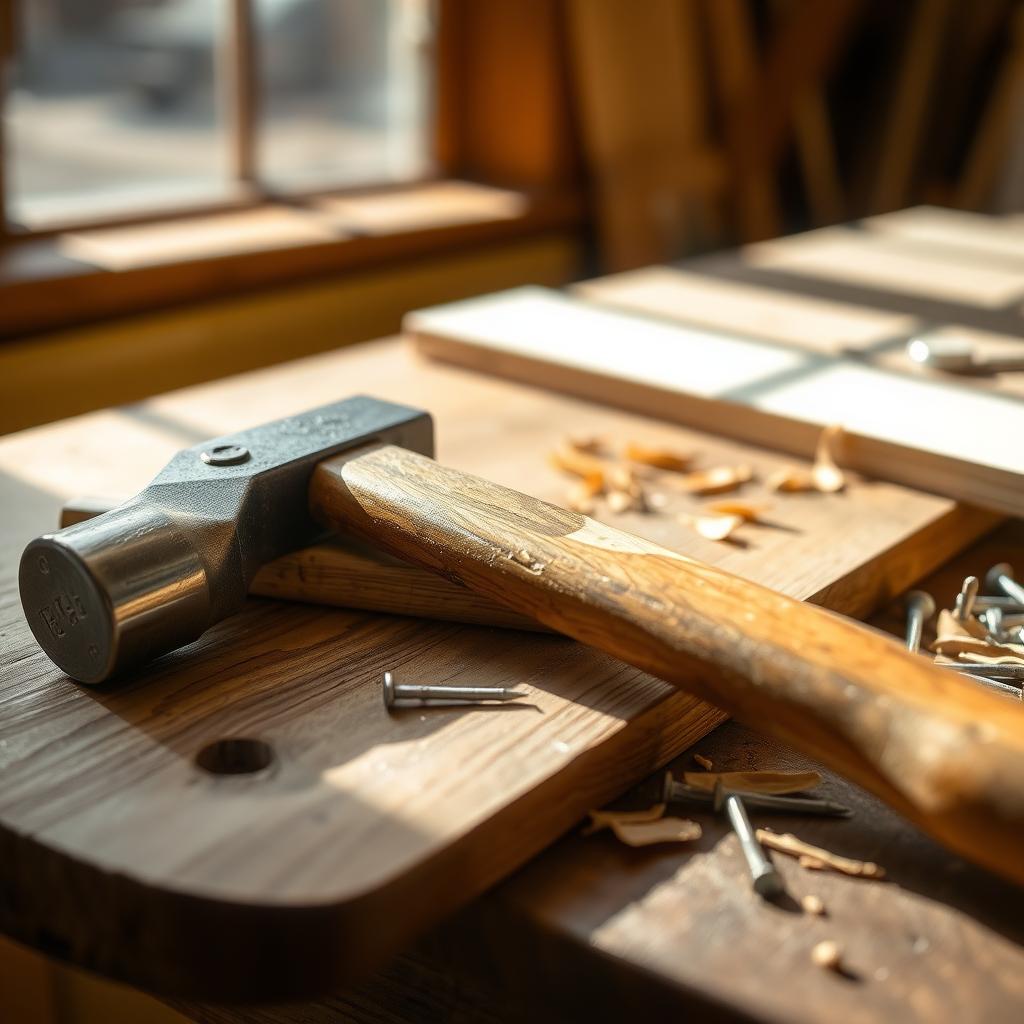
- Hammer: A 16-ounce claw hammer for driving nails and light prying.
- Screwdriver Set: Both flathead and Phillips in multiple sizes.
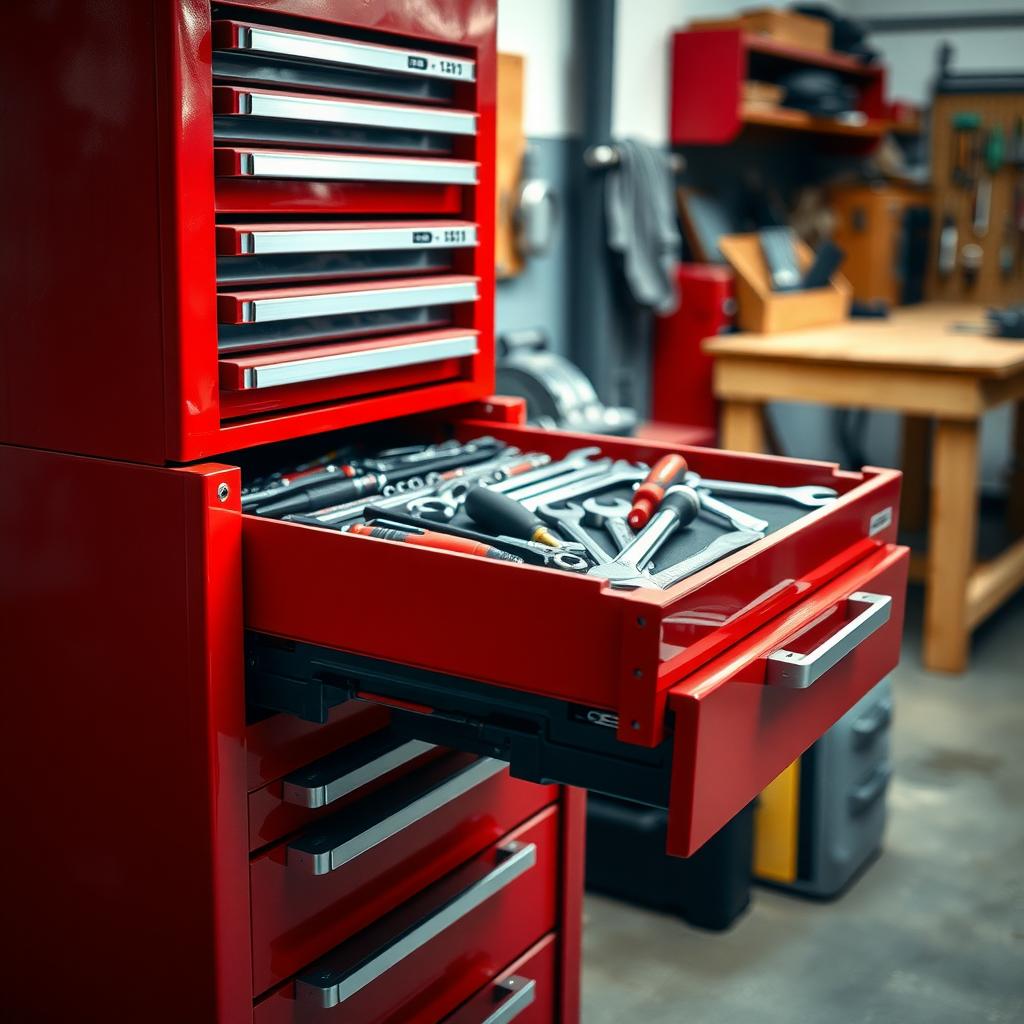
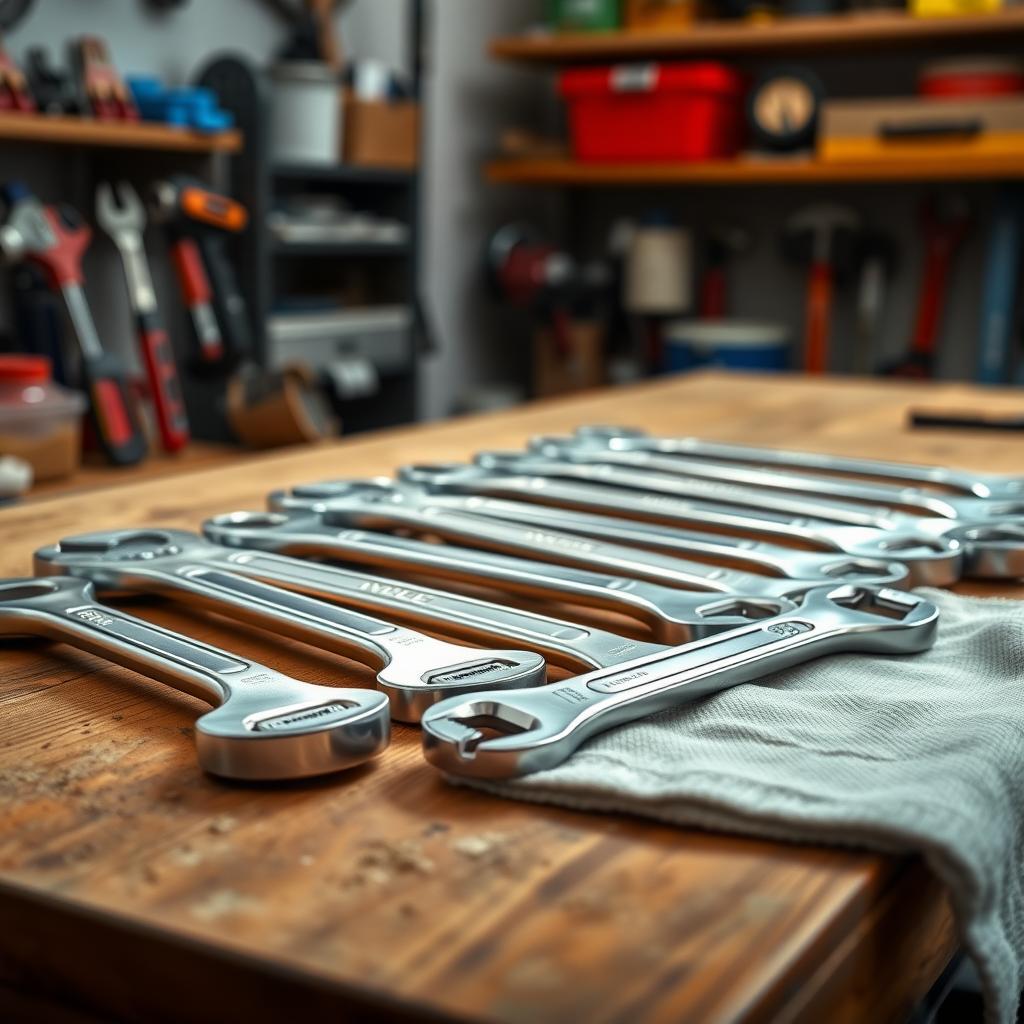
- Wrench Set: Adjustable and combination wrenches for bolts and nuts.
- Pliers: Needle-nose and standard for gripping and cutting.
- Measuring Tape: A 25-foot tape for precise measurements.
- Cutting Tools: Utility knives, saws, and chisels for shaping materials.
These tools form the backbone of any project. Keeping them in top shape starts with understanding their specific needs, especially for cutting tools, which dull quickly without proper care.
Cleaning Your Tools: The Foundation of Maintenance
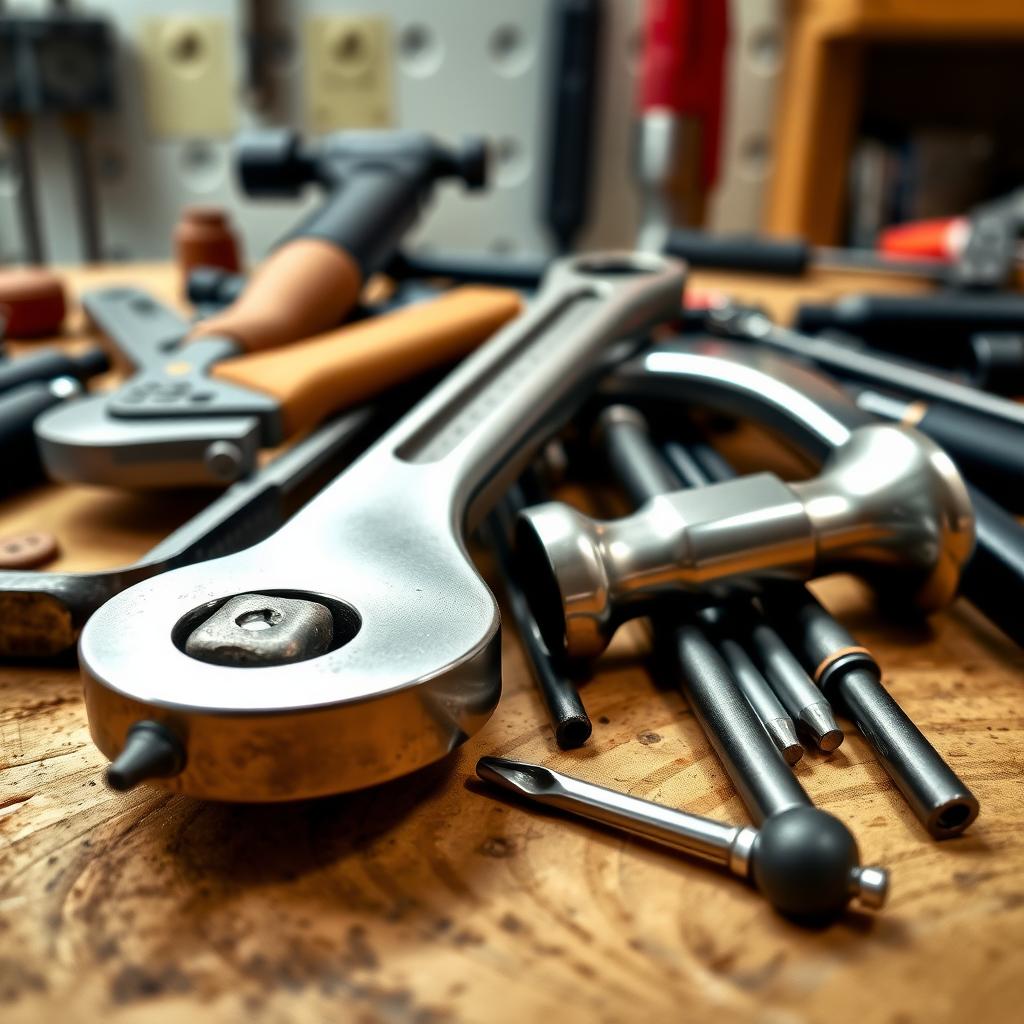
Dirt, grime, and rust are the enemies of any tool. Cleaning is the first step in Tool Maintenance 101: Keep Your Gear in Top Shape. For most tools, a simple routine works wonders:
- Wipe Down After Use: Use a dry cloth to remove dust, grease, or debris. For stubborn grime, a damp cloth with mild soap does the trick.
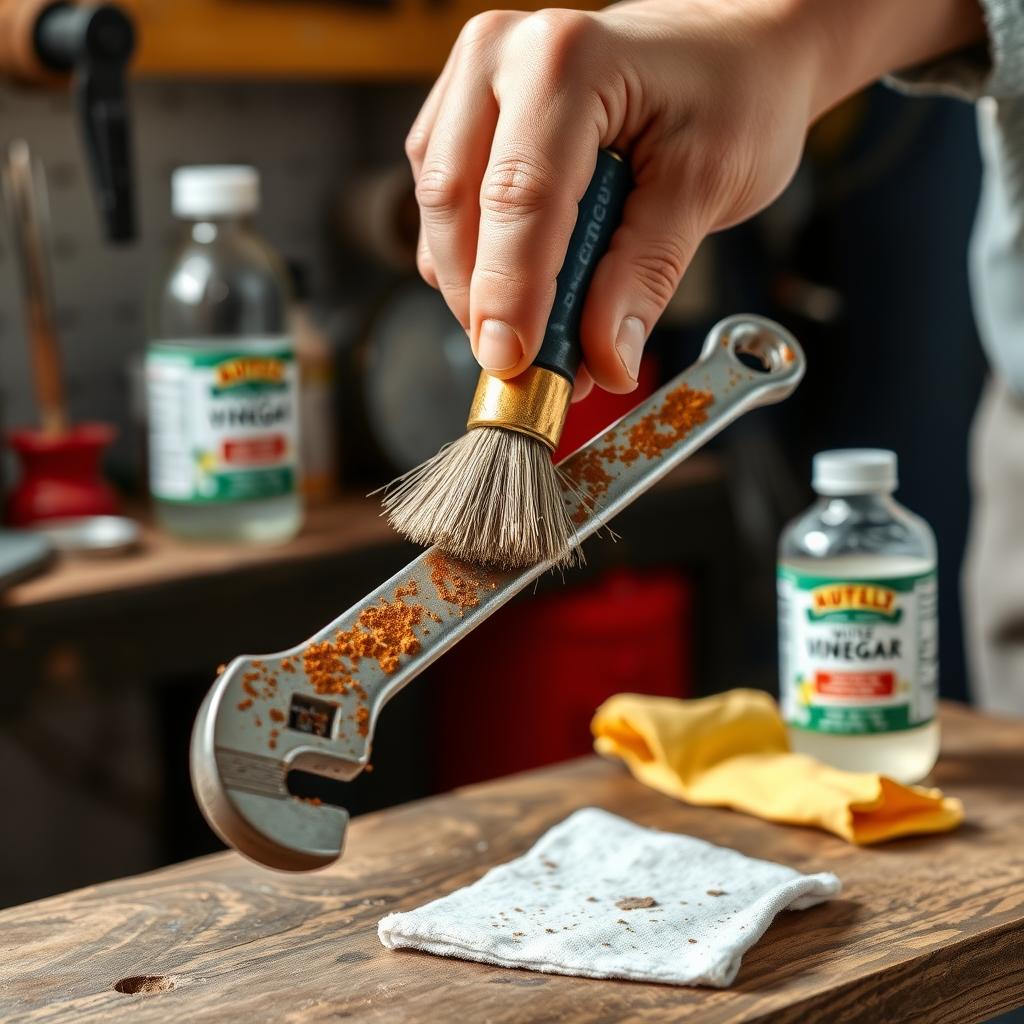
- Remove Rust: For rusty tools, soak them in white vinegar for 24 hours, then scrub with a wire brush. A guide from the University of Missouri Extension recommends this method for safe rust removal.
- Dry Thoroughly: Moisture leads to rust, so ensure tools are completely dry before storage.
For cutting tools like knives or saws, pay extra attention. Sap or resin from wood can build up on blades, reducing their effectiveness. Use a solvent like mineral spirits to clean these surfaces, then wipe with a soft cloth.
Sharpening Cutting Tools
Dull cutting tools are frustrating and dangerous. A dull blade requires more force, increasing the risk of slips. Regular sharpening keeps your knives, chisels, and saws performing like new. Here’s how:
- Utility Knives: Replace blades often, but if sharpening is needed, use a whetstone at a 20-degree angle.
- Chisels and Planes: Use a sharpening stone with a honing guide for precision. Aim for a 25-30 degree bevel, as advised by Fine Woodworking.
- Saws: Hand saws require a file and steady hand to sharpen teeth. For power saw blades, consider professional sharpening services.
I learned the hard way that sharpening takes practice. My first attempt at sharpening a chisel left it uneven, but with patience, I got the hang of it. Invest in a quality sharpening stone—it’s a game-changer.
Lubrication: Keep Things Moving
Moving parts, like those in pliers or adjustable wrenches, need lubrication to stay smooth. A light machine oil, such as WD-40 or 3-in-1 oil, works well. Apply a few drops to hinges or joints, then wipe off excess to avoid attracting dirt. For cutting tools, a thin layer of oil on the blade prevents rust and reduces friction.
Don’t overdo it—too much oil can make tools slippery and messy. I keep a small oil can in my toolbox for quick touch-ups after cleaning.
Storage Solutions for Longevity
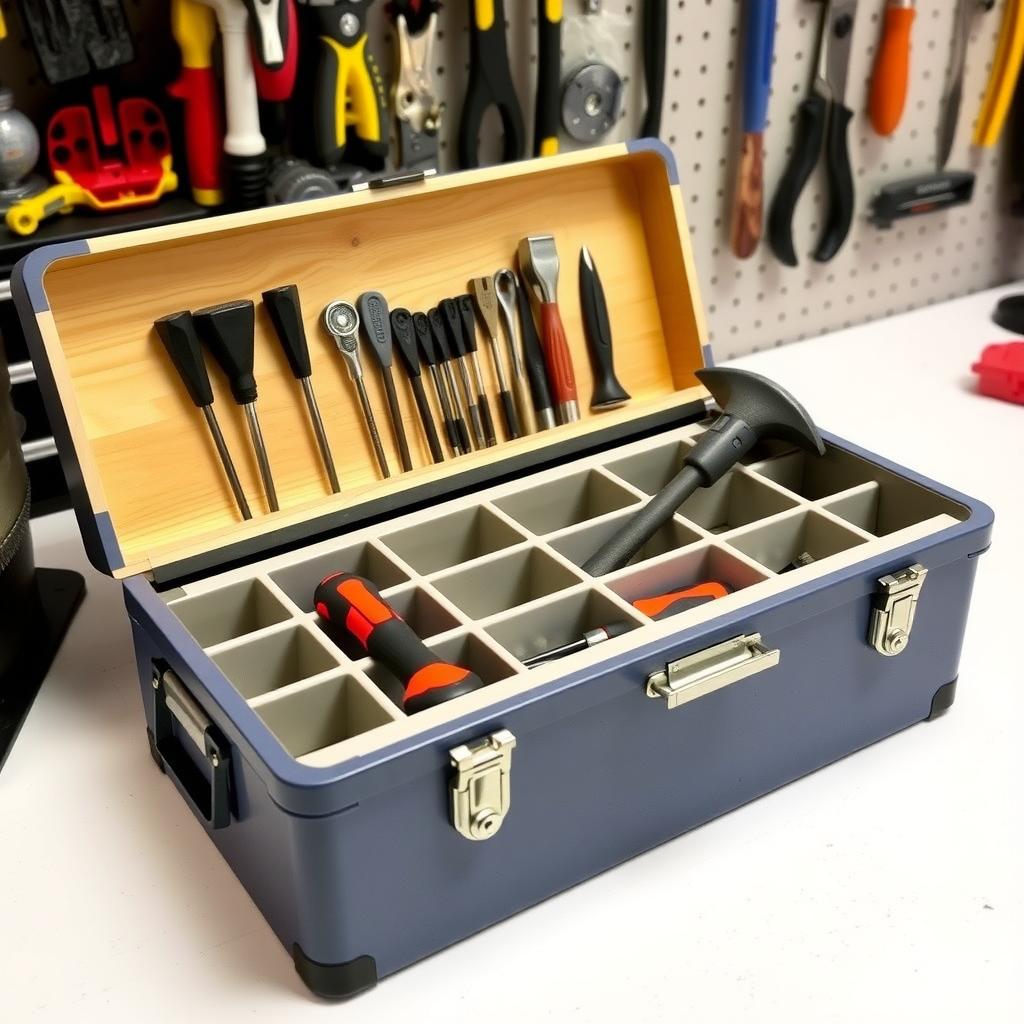
How you store your tools is just as important as how you clean them. Poor storage leads to damage, rust, or loss. Here are some tips:
| Tool Type | Storage Tip |
|---|---|
| Cutting Tools | Store in a dry case or wrap in cloth to prevent blade damage. |
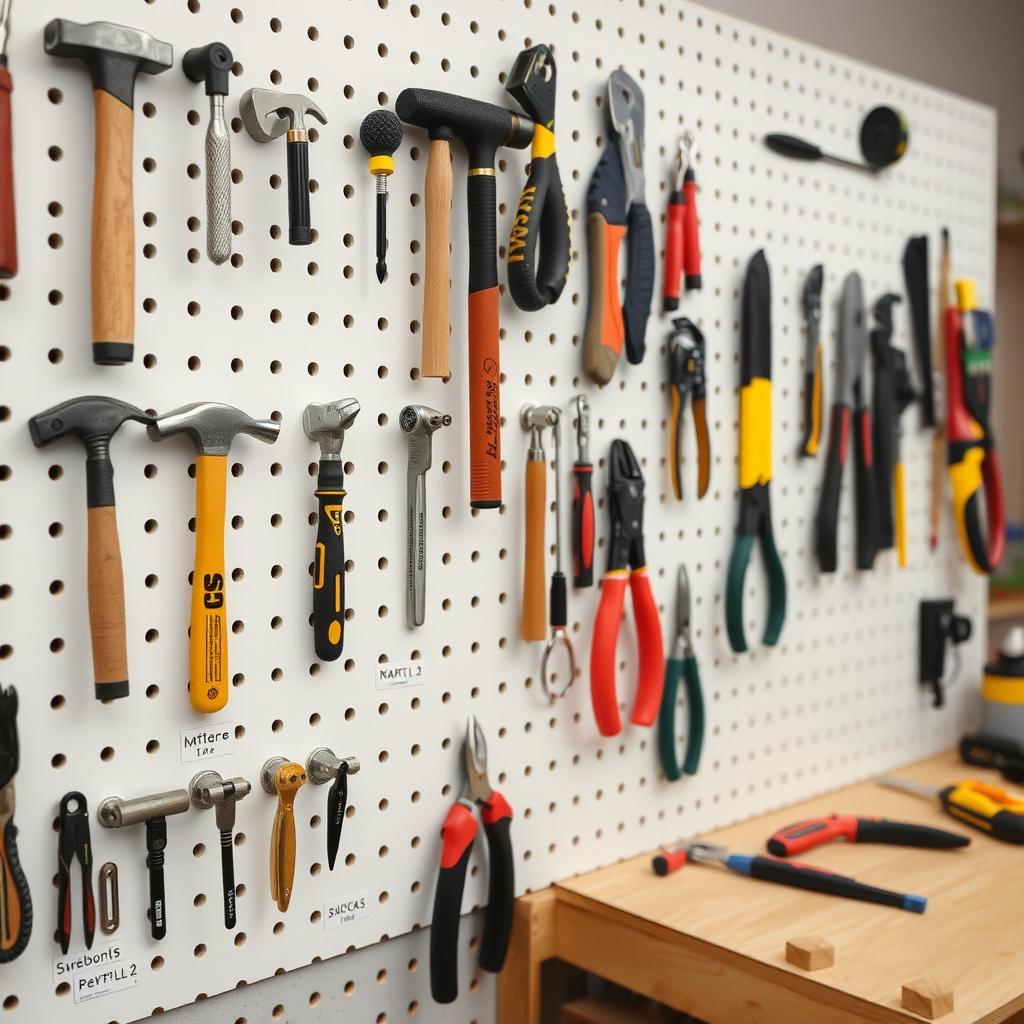
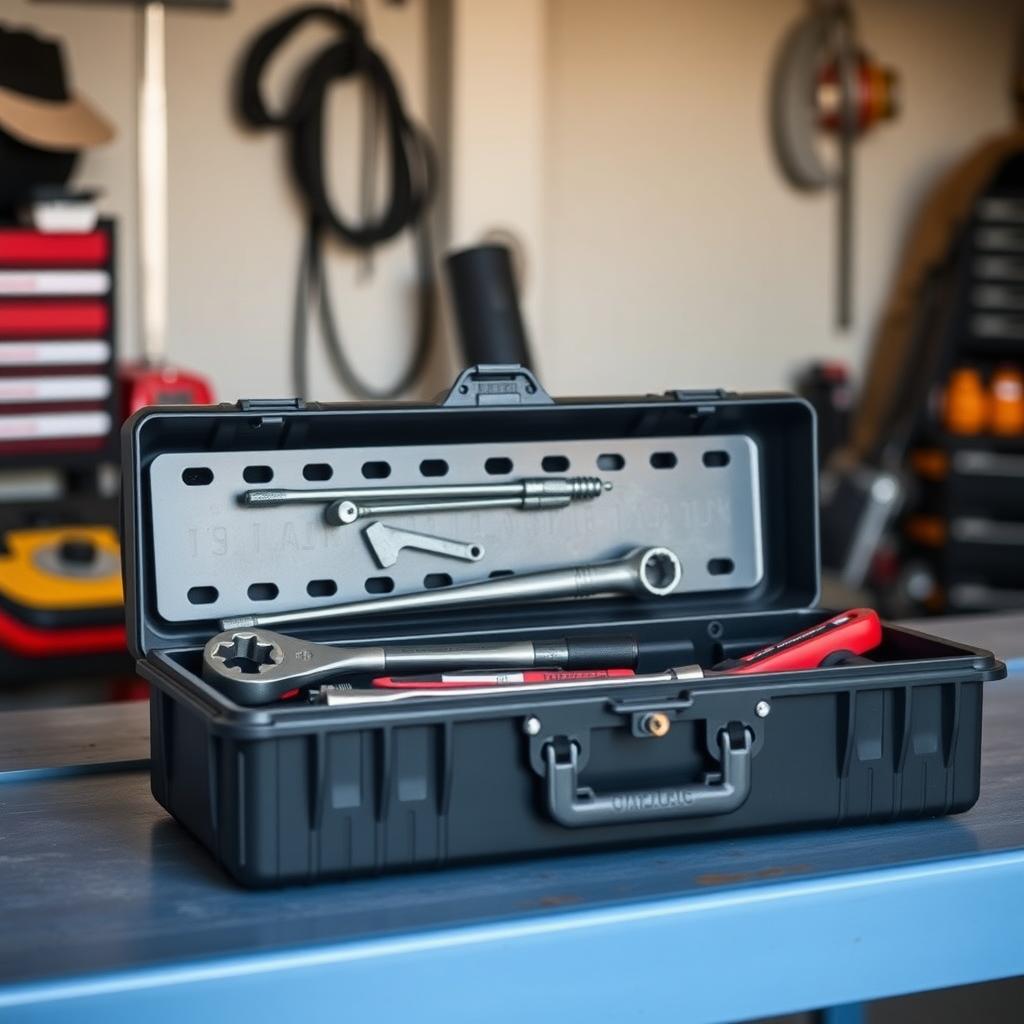
| Hammers/Wrenches | Hang on a pegboard to avoid scratches and dents. |
| Screwdrivers | Use a rack to keep tips protected and organized. |
A dry, climate-controlled space is ideal. If you’re in a humid area, consider silica gel packs in your toolbox to absorb moisture.
Regular Inspections: Catch Problems Early
Make it a habit to inspect your tools monthly. Look for cracks, worn handles, or loose parts. For power tools, check cords for fraying and blades for chips. A quick inspection can catch issues before they ruin a project or cause injury. The Consumer Product Safety Commission emphasizes that regular tool checks reduce accident risks.
I once ignored a small crack in a hammer handle, thinking it was no big deal. Mid-project, it snapped, nearly causing an injury. Now, I check my tools religiously.
Power Tools: Extra Care for Heavy Duty Gear
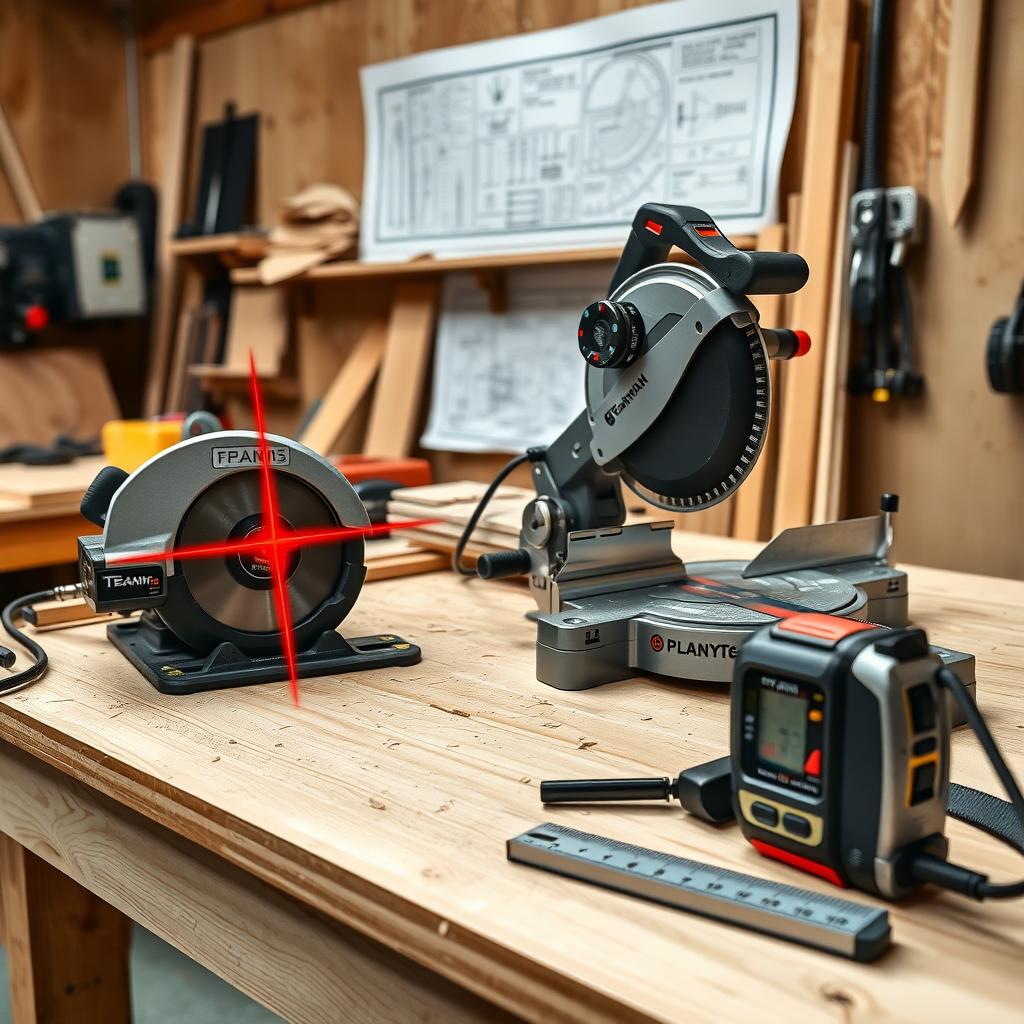
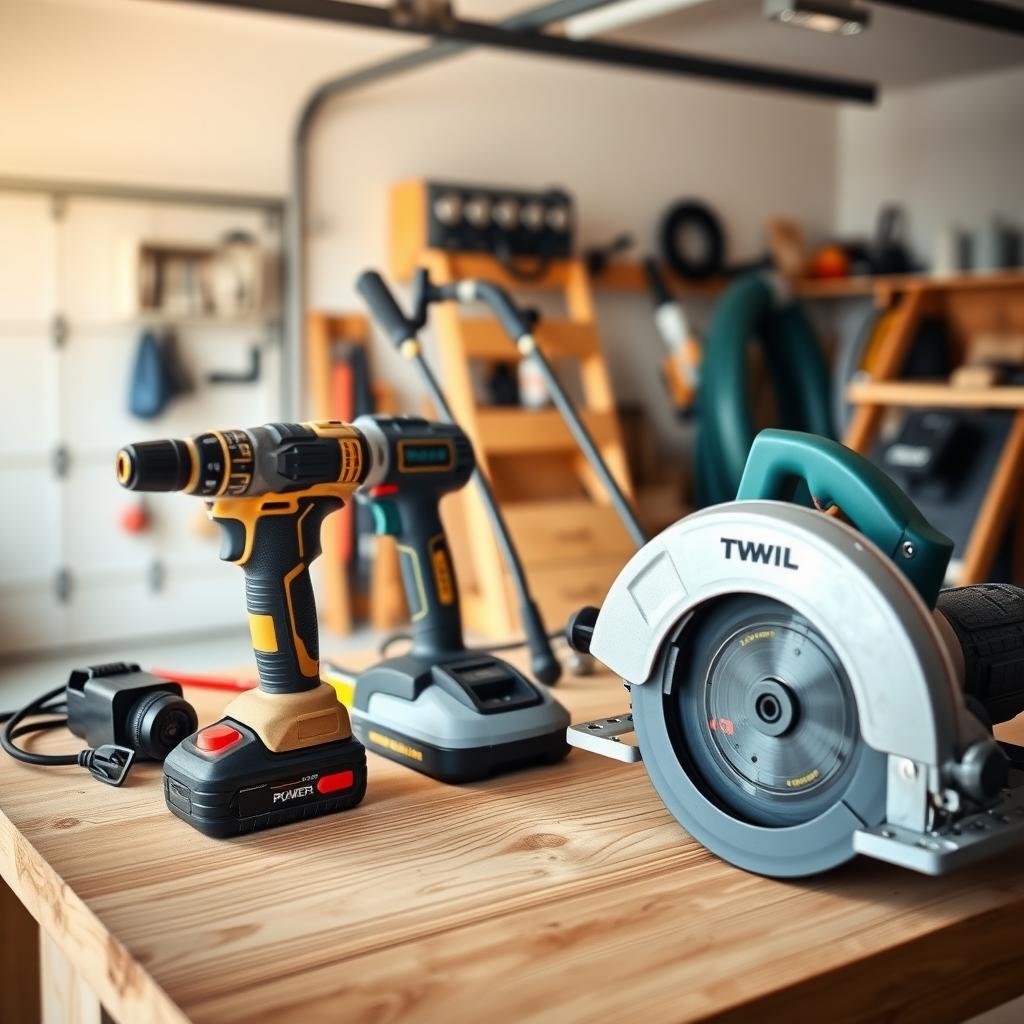
Power tools, like drills and saws, need special attention. Unplug them before cleaning to avoid accidents. Remove dust from vents with compressed air, and check brushes and blades for wear. For cordless tools, store batteries in a cool, dry place to extend their life. Follow manufacturer guidelines for maintenance schedules—most brands provide detailed manuals.
Common Mistakes to Avoid
Here are pitfalls I’ve encountered or seen others make:
- Skipping Cleaning: Leaving tools dirty invites rust and wear.
- Using the Wrong Tool: Don’t use a screwdriver as a pry bar—it damages the tip.
- Ignoring Dull Blades: Forcing a dull blade risks injury and poor results.
- Poor Storage: Tossing tools in a pile leads to damage and lost parts.
Summary
Tool Maintenance 101: Keep Your Gear in Top Shape is about building habits that extend the life of your workman tools. Clean after use, sharpen cutting tools regularly, lubricate moving parts, store properly, and inspect often. These steps ensure your must-have workman tools for every toolbox stay reliable, saving you time and money while keeping projects on track.
Related Tool Maintenance 101: Keep Your Gear in Top Shape:
- Mastering the Art of Hammering: Techniques for Precision and Power
- Choosing the Right Workman Tools: A Comprehensive Guide
- Advanced Workman Tools for Professionals: Elevate Your Craft
- Organizing Your Workshop for Maximum Efficiency: A Practical Guide
- Hammer Basics: Types and Uses Explained
- How to Choose the Right Drill for Your Projects: A Comprehensive Guide
- Understanding Hammer Dynamics and Ergonomics: A Comprehensive Guide
- How to Check Your Car’s Oil Like a Pro
- Advanced Workman Skills: Tools for the Next Level
- Maintaining Your Wrench Set for Longevity: A Comprehensive Guide
- Power Tools for Beginners: Your Ultimate Guide to Getting Started
- DIY Home Repair Projects for Beginners: Your Ultimate Guide