Overview
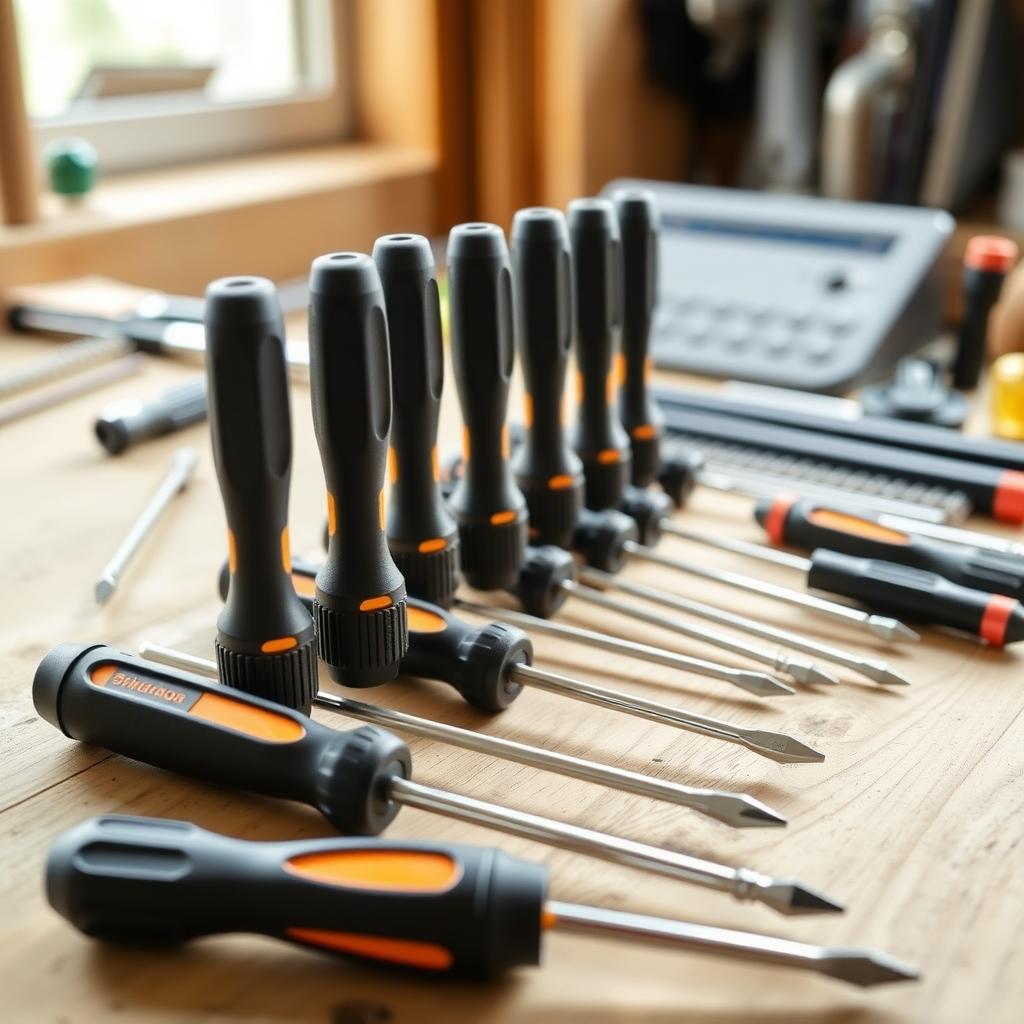
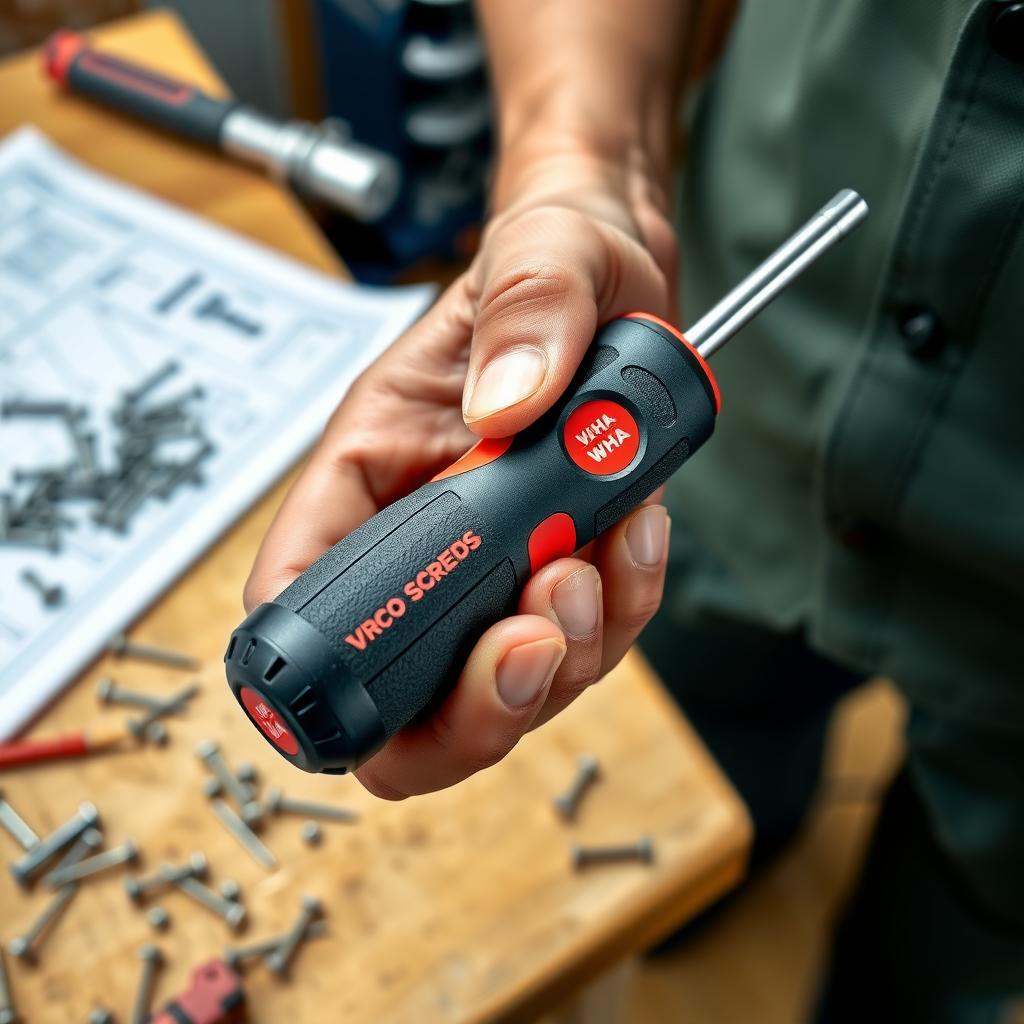
For professionals in construction, woodworking, or metalworking, having the right tools can make or break a project. Advanced workman tools for professionals are designed to deliver precision, durability, and efficiency. This guide dives into the essentials, sharing insights from years of hands-on experience to help you choose tools that elevate your craft.
Why Advanced Workman Tools Matter
Professional work demands more than basic tools. Advanced workman tools for professionals are built to handle complex tasks, withstand heavy use, and deliver consistent results. Whether you're framing a house, crafting furniture, or welding intricate designs, these tools save time and improve quality.
Think about it: a cheap drill might get the job done, but it’ll likely wear out fast or lack the power for tough materials. Investing in high-quality tools means fewer replacements, less downtime, and better outcomes. Let’s explore the categories of tools every professional should consider.
Must-Have Advanced Workman Tools
1. High-Performance Workbenches
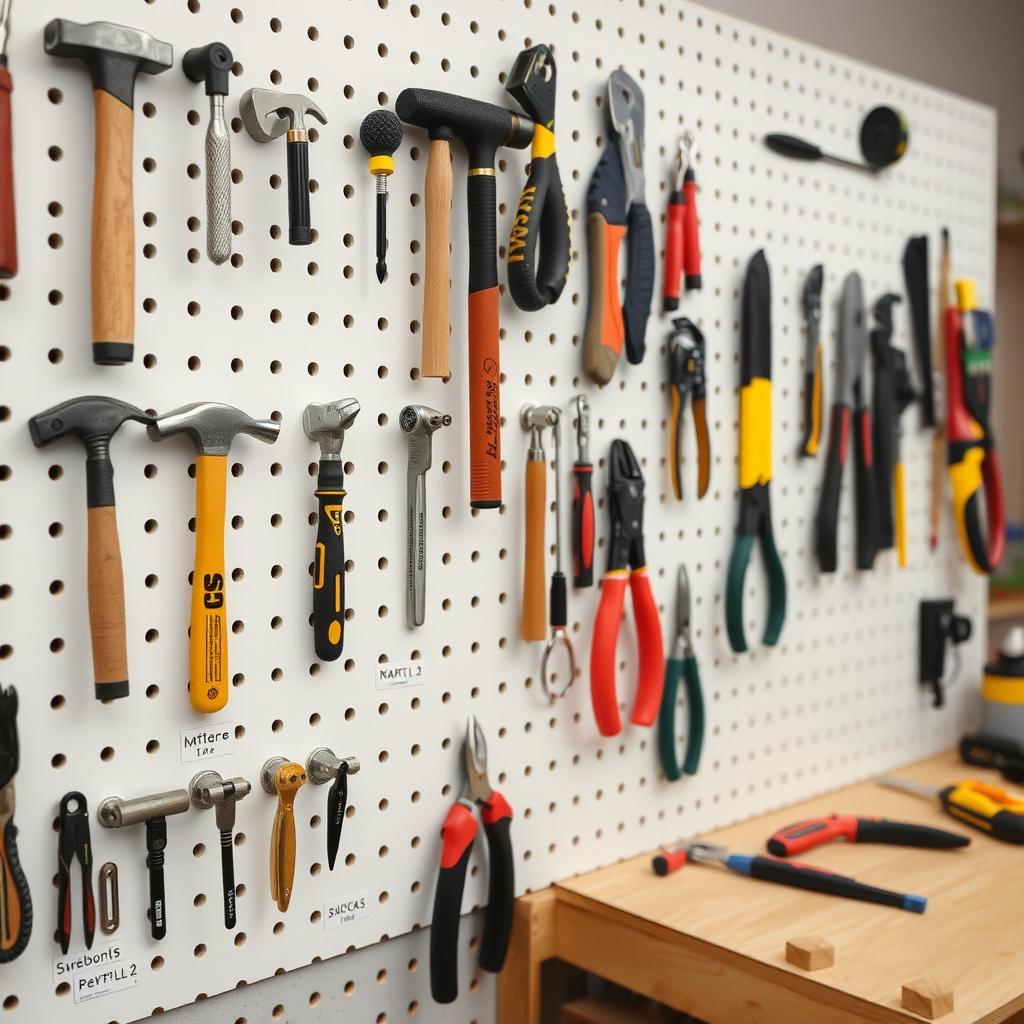
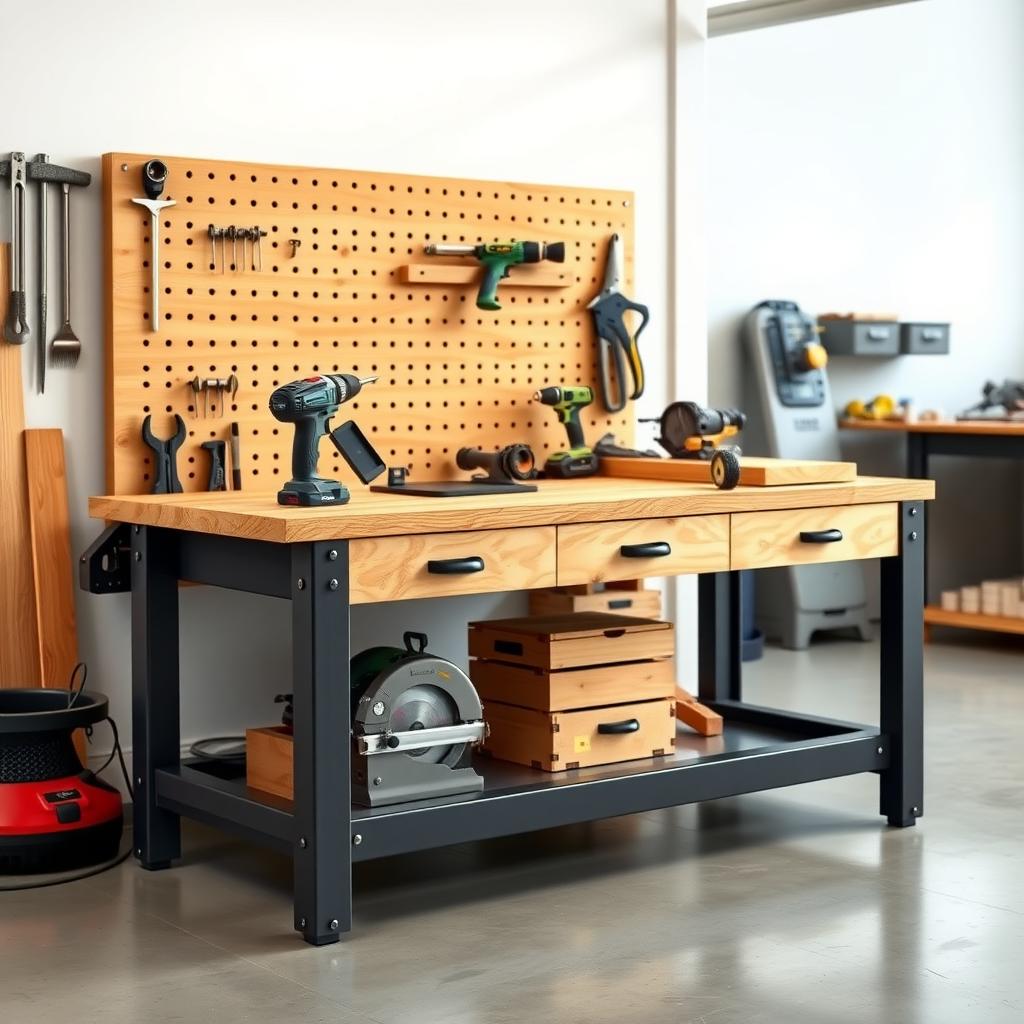
A sturdy workbench is the backbone of any workshop. Modern workbenches are more than just tables—they’re engineered for versatility. Look for models with adjustable heights, built-in storage, and modular designs. For example, a workbench with a pegboard or vise can streamline tasks like sanding or cutting.
I once worked on a custom oak table using a flimsy workbench, and the wobble cost me hours of rework. A solid workbench, like those from brands known for durability, ensures stability and precision. Some even come with integrated power strips for easy tool access.
2. Precision Cutting Tools
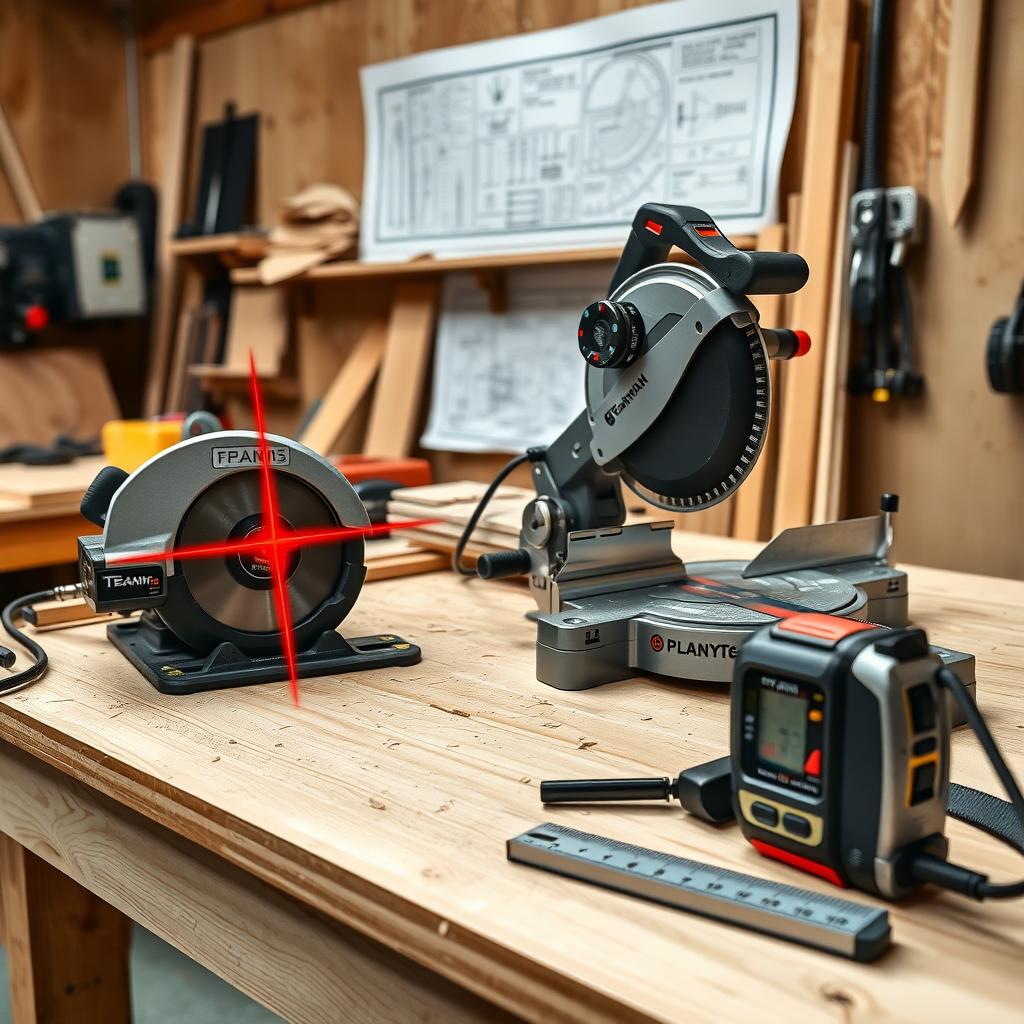
Cutting tools are where precision meets power. Advanced workman tools like laser-guided miter saws or CNC routers are game-changers. A miter saw with a dual-bevel feature allows for complex angles without flipping heavy materials. For woodworking, a table saw with a digital fence ensures cuts are exact every time.
When I upgraded to a laser-guided miter saw, my accuracy improved dramatically. No more guessing angles or wasting material on bad cuts. Look for tools with ergonomic grips and dust collection systems to keep your workspace clean.
3. Cordless Power Tools
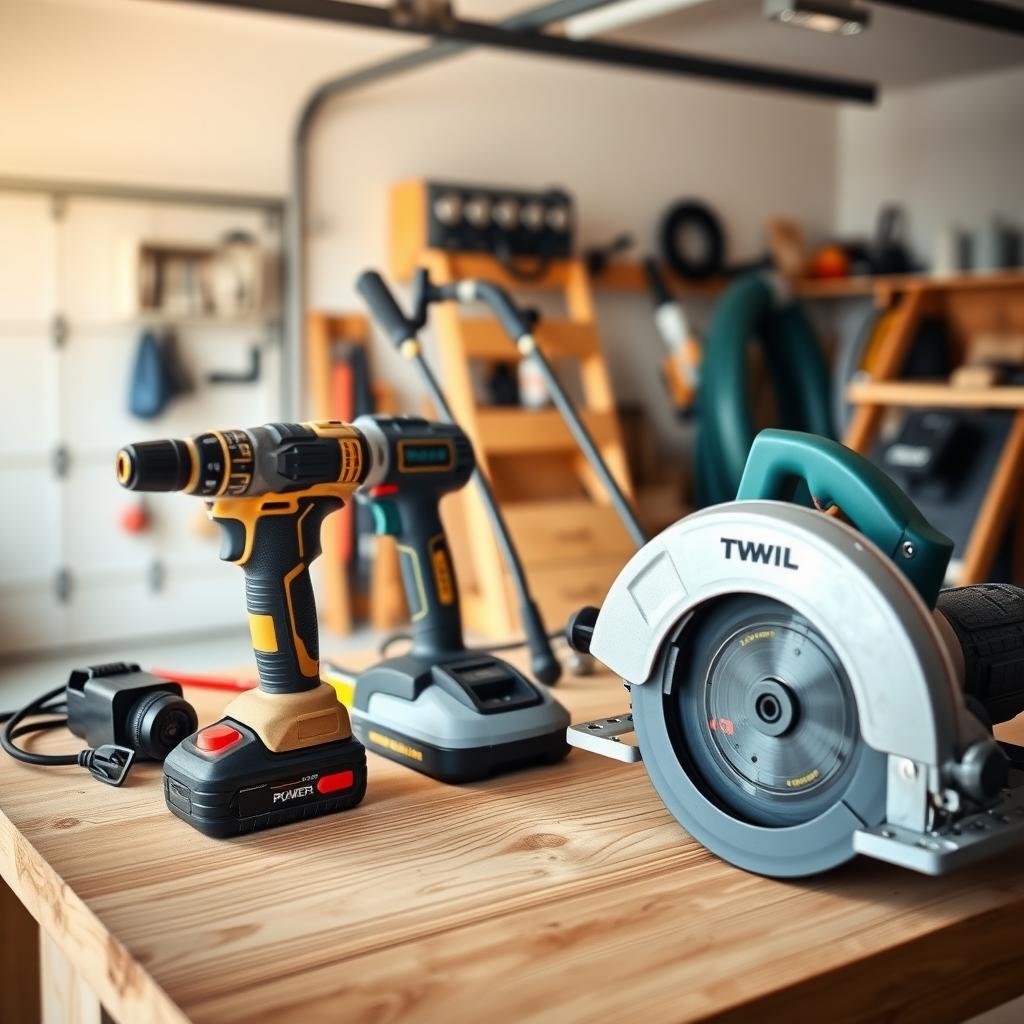
Cordless tools have come a long way. Today’s lithium-ion batteries offer long runtimes and quick charging. A cordless impact driver, for instance, can sink screws into dense hardwood without stripping. Pair it with a cordless drill for unmatched flexibility on job sites.
One tip: stick to one brand’s battery ecosystem. I learned this the hard way after juggling multiple chargers. Brands like Milwaukee or DeWalt offer interchangeable batteries, saving you money and space.
Choosing the Right Workbench
Workbenches deserve extra attention because they’re the foundation of your workflow. Here’s a quick comparison of popular workbench types:
| Type | Best For | Key Features | Price Range |
|---|---|---|---|
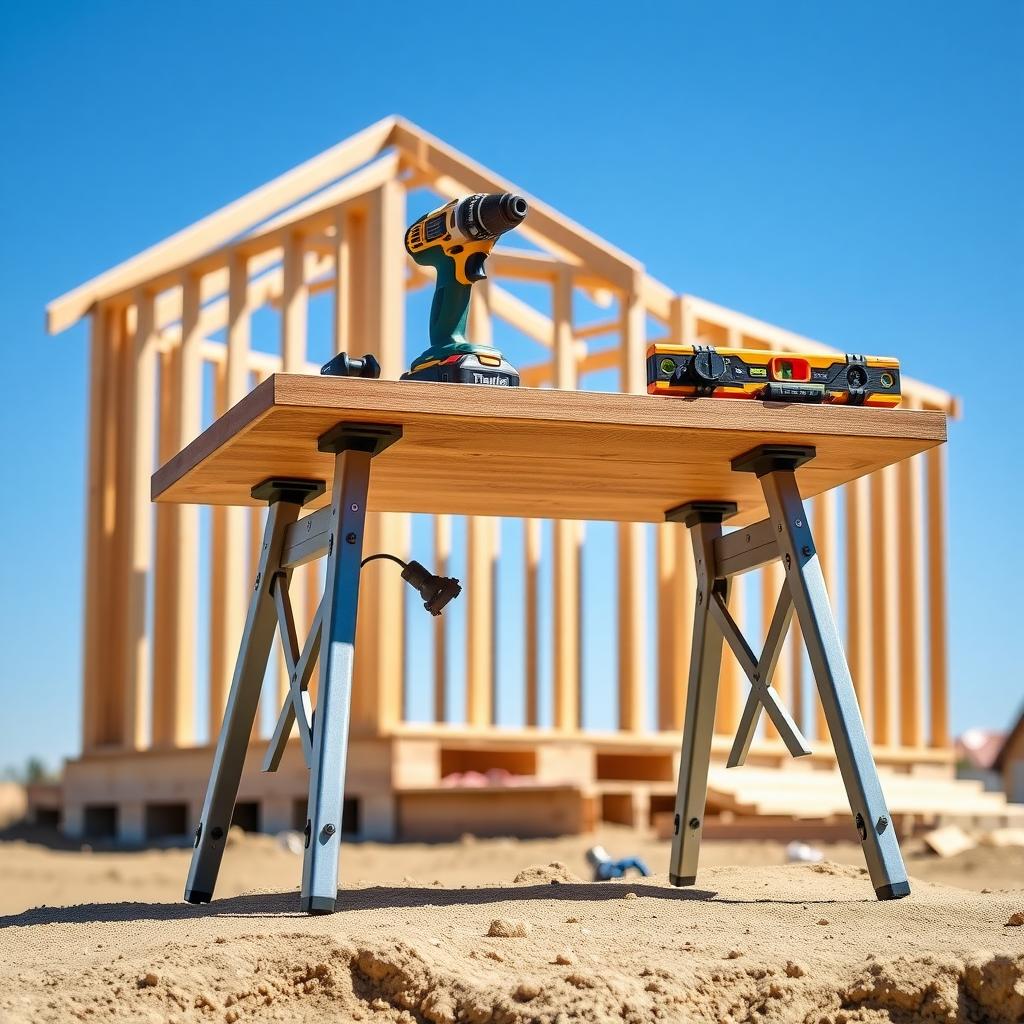
| Portable Workbench | Mobile contractors | Foldable, lightweight, built-in clamps | $100-$300 |
| Stationary Workbench | Dedicated workshops | Heavy-duty, storage options, vises | $300-$1,000 |
| Modular Workbench | Custom projects | Adjustable, expandable, tool integration | $500-$2,000 |
Choose based on your workspace and mobility needs. A modular workbench saved my small shop by letting me reconfigure it for different projects.
Enhancing Efficiency with Smart Tools
Technology is transforming workman tools. Smart tools, like Bluetooth-enabled tape measures or apps that sync with laser levels, boost accuracy. For example, a digital level can send measurements to your phone, reducing errors in large projects.
I recently used a laser distance measurer on a renovation job. It cut my measuring time in half compared to a traditional tape. These tools aren’t cheap, but they pay off in time saved and fewer mistakes.
Maintenance Tips for Long-Lasting Tools
Advanced workman tools for professionals are an investment, so keep them in top shape:
- Clean Regularly: Dust and debris can clog motors or dull blades. Wipe down tools after each use.
- Sharpen Blades: A sharp saw or chisel cuts faster and safer. Invest in a quality sharpening kit.
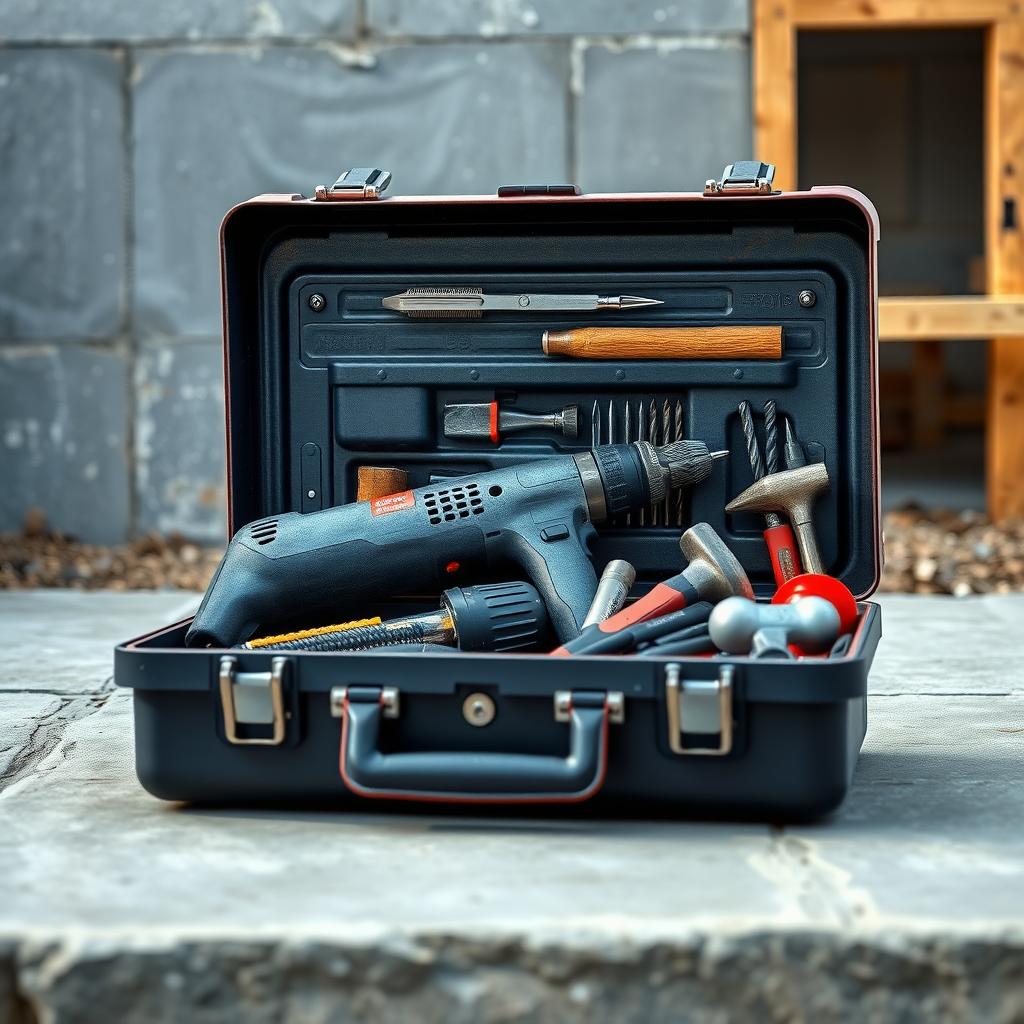
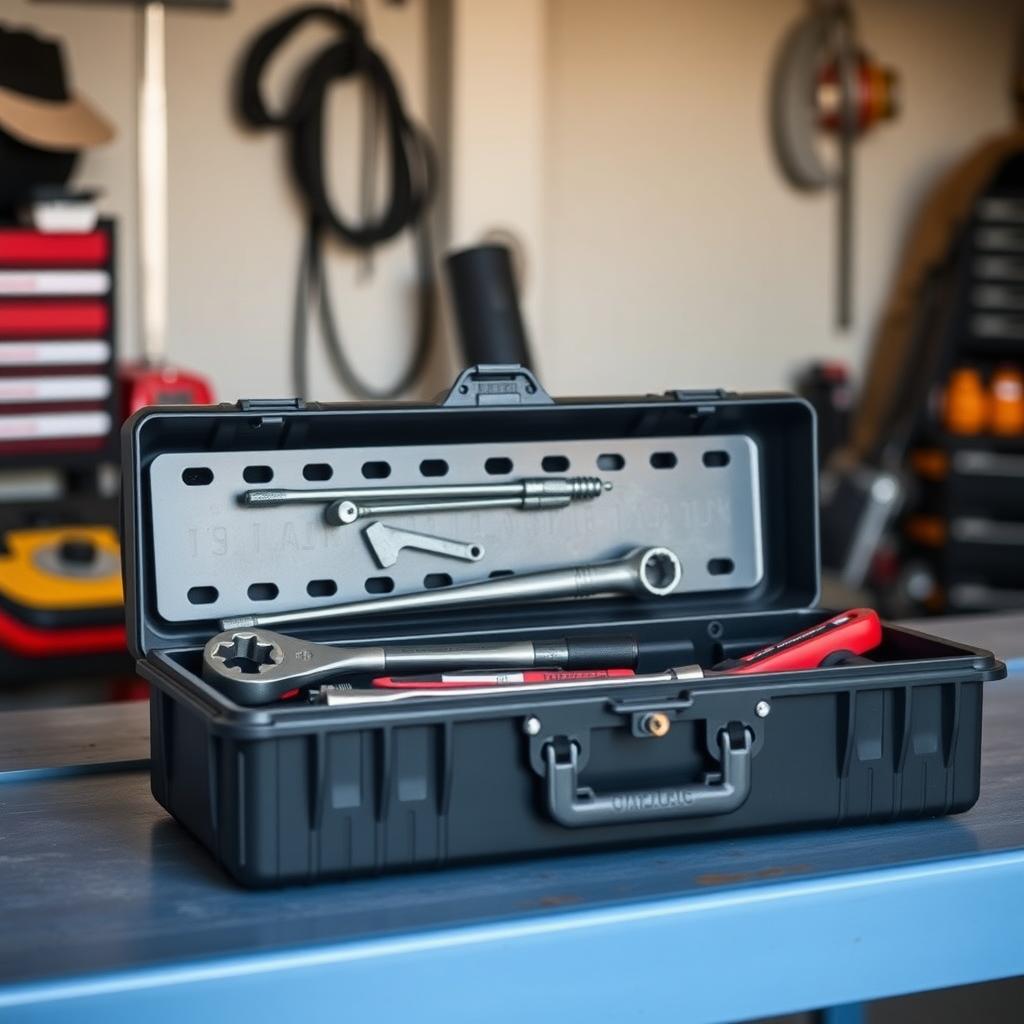
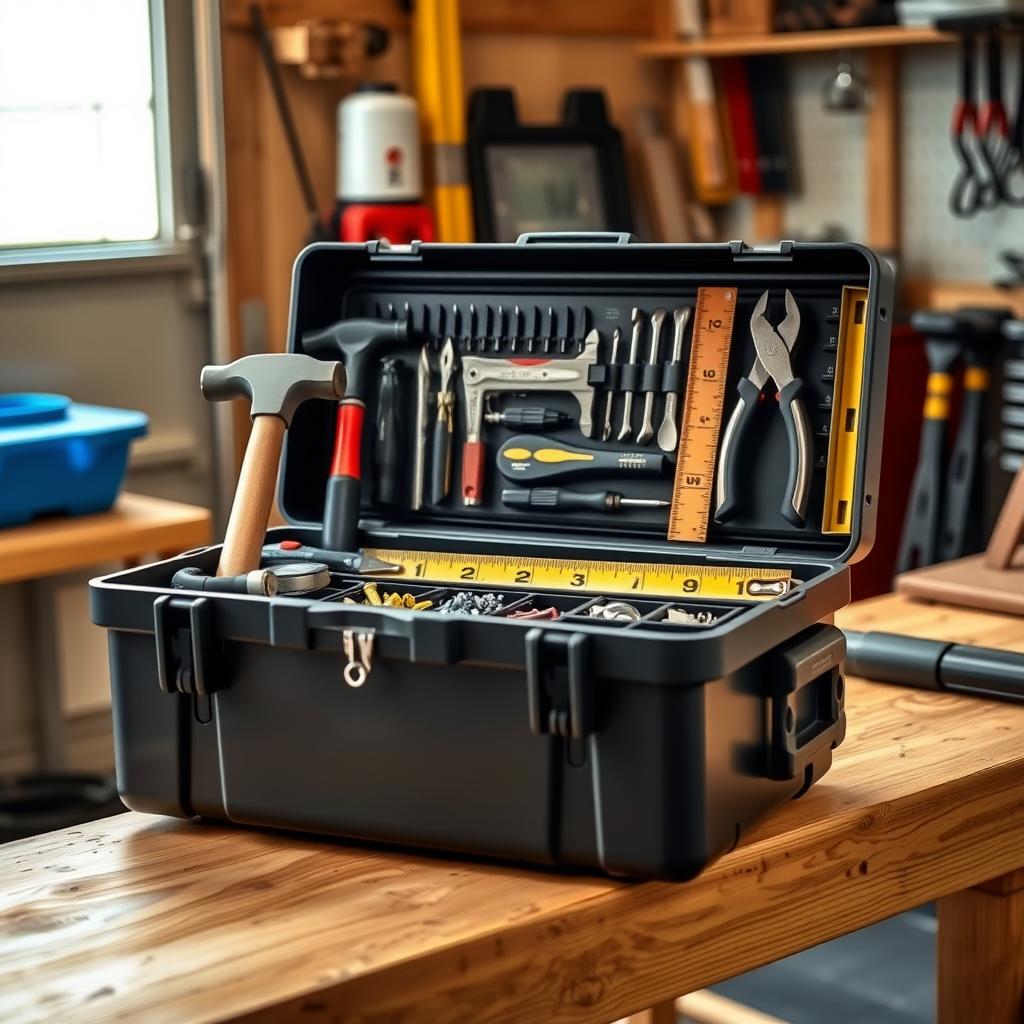
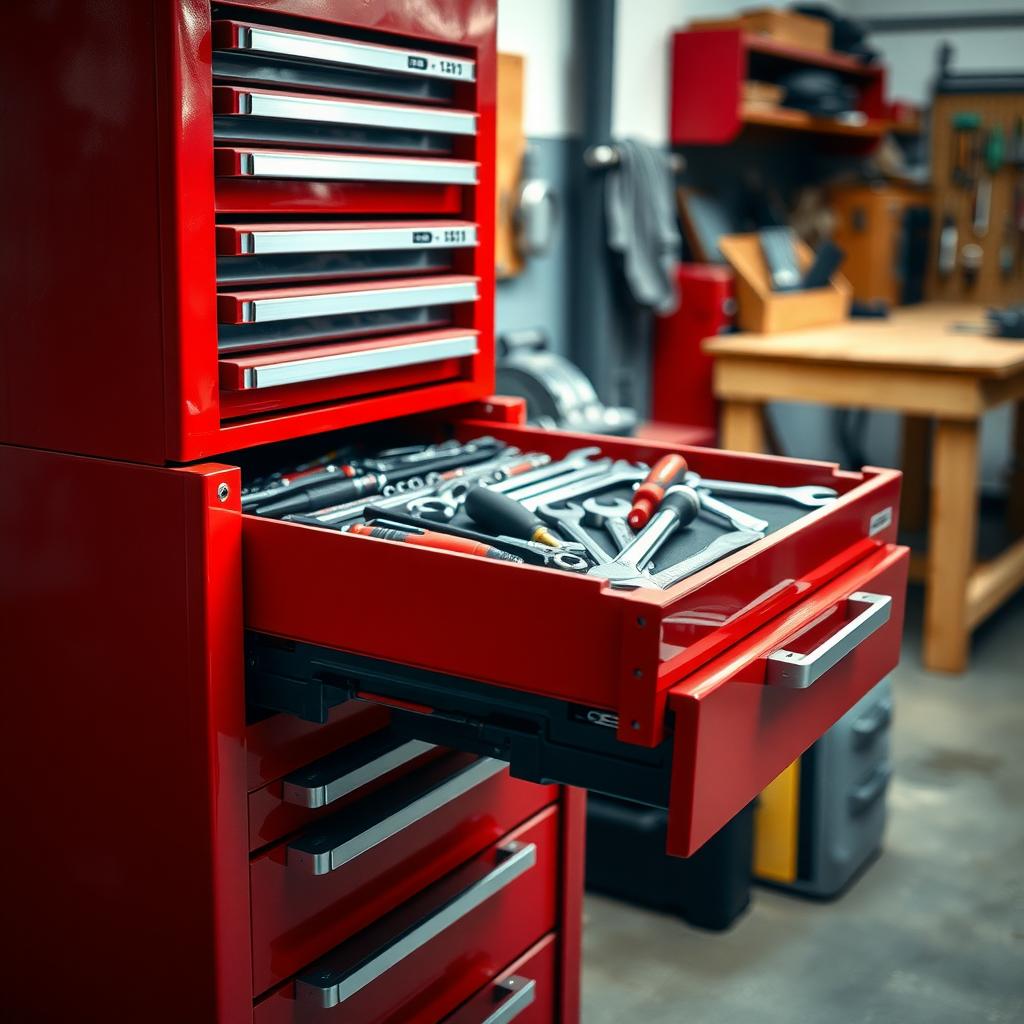
- Store Properly: Use tool chests or wall racks to prevent damage. My tools lasted years longer once I started hanging them properly.
- Check Batteries: For cordless tools, avoid letting batteries fully discharge to extend their life.
A well-maintained tool can last decades. I still use a drill my mentor passed down 15 years ago because I’ve kept it in great condition.
Budget vs. Premium Tools
Should you splurge on premium brands or stick to budget options? It depends on your workload. For occasional use, mid-range tools often suffice. But for daily professional work, premium tools offer better durability and performance.
Here’s a quick guide:
- Budget Tools: Good for light use, but may lack power or longevity.
- Mid-Range Tools: Balance cost and quality, ideal for semi-pros.
- Premium Tools: Built for heavy use, with warranties and advanced features.
I’ve found that mixing mid-range and premium tools works best. Splurge on essentials like your primary saw or drill, but save on less-used tools like specialty pliers.
Where to Buy Advanced Workman Tools
You’ve got options when shopping for workman tools. Online retailers like Amazon or Home Depot offer convenience and reviews. Specialty stores like Woodcraft or Grainger provide expert advice and niche tools. Local hardware stores are great for quick needs and supporting small businesses.
Pro tip: check for refurbished tools from trusted brands. I scored a high-end router at half price from a certified refurbisher. Always verify warranties before buying used.
Final Thoughts
Advanced workman tools for professionals are more than gadgets—they’re partners in your craft. From robust workbenches to smart measuring devices, the right tools boost efficiency and quality. Invest wisely, maintain them well, and they’ll serve you for years. Whether you’re building a skyscraper or a custom chair, these tools help you work smarter, not harder.
Related advanced workman tools for professionals:
- Smart Tools Revolutionizing Construction: How Advanced Workman Tools and Workbenches Are Changing the Game
- Organizing Your Workshop for Maximum Efficiency: A Practical Guide
- Hammer Basics: Types and Uses Explained
- How to Choose the Right Drill for Your Projects: A Comprehensive Guide
- Understanding Hammer Dynamics and Ergonomics: A Comprehensive Guide
- How to Check Your Car’s Oil Like a Pro
- Advanced Workman Skills: Tools for the Next Level
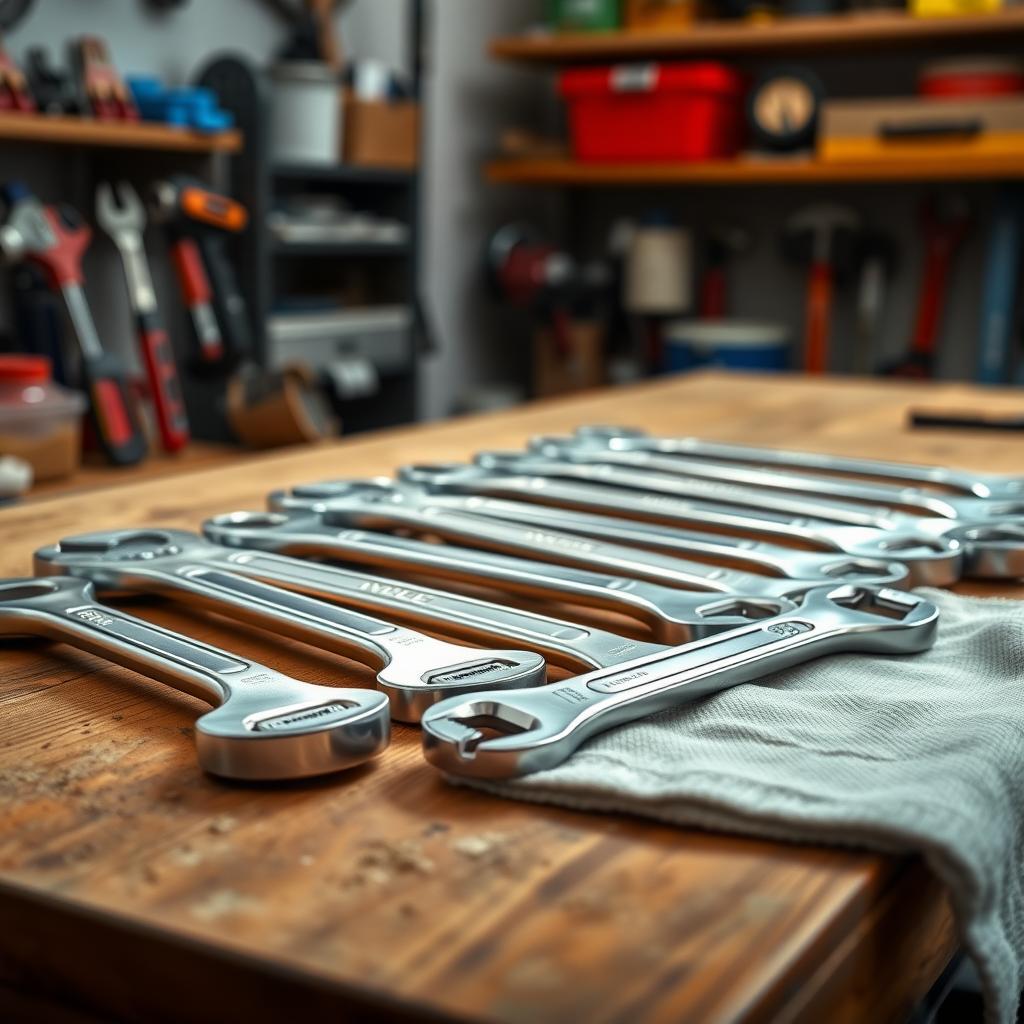
- Maintaining Your Wrench Set for Longevity: A Comprehensive Guide
- Power Tools for Beginners: Your Ultimate Guide to Getting Started
- DIY Home Repair Projects for Beginners: Your Ultimate Guide
- Essential Tools Every DIYer Should Own for a Well-Equipped Workshop
- Top 10 Ergonomic Tools Every Tradesperson Should Have