Overview
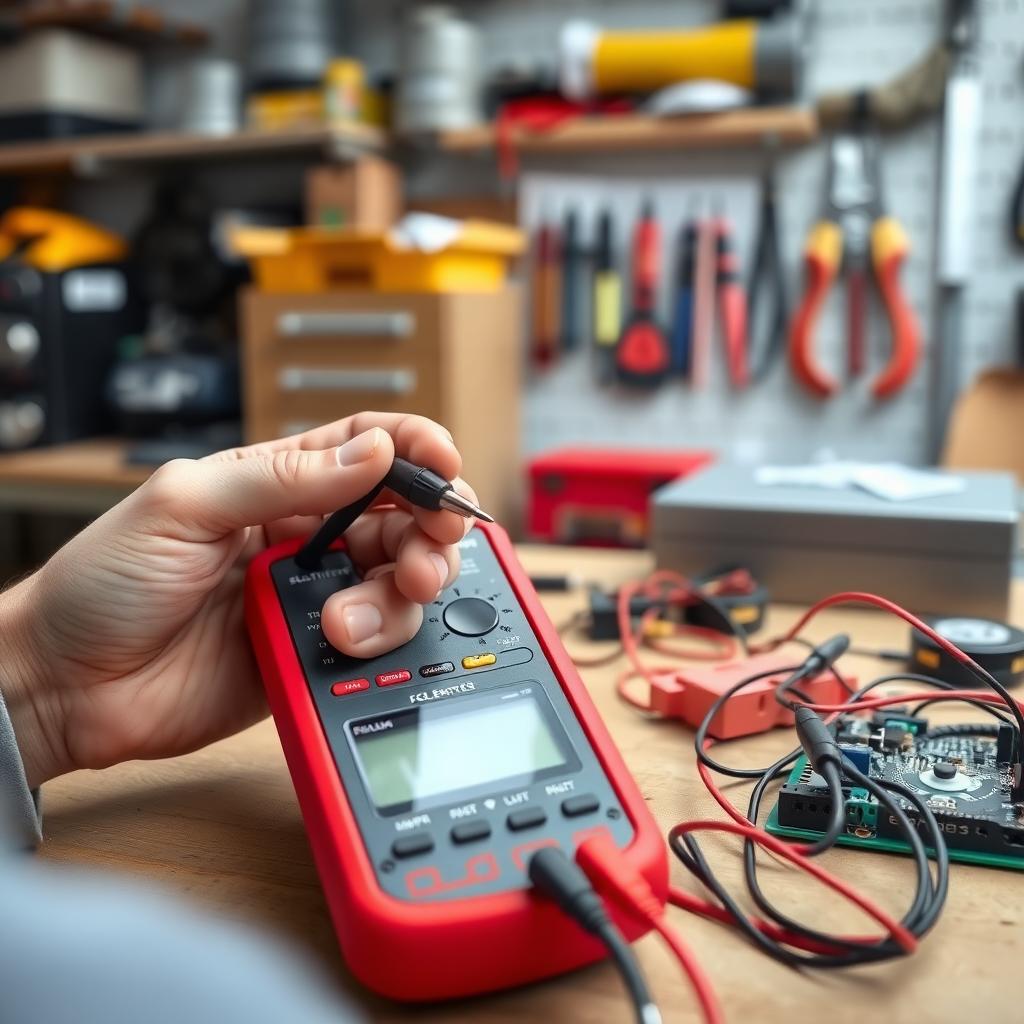
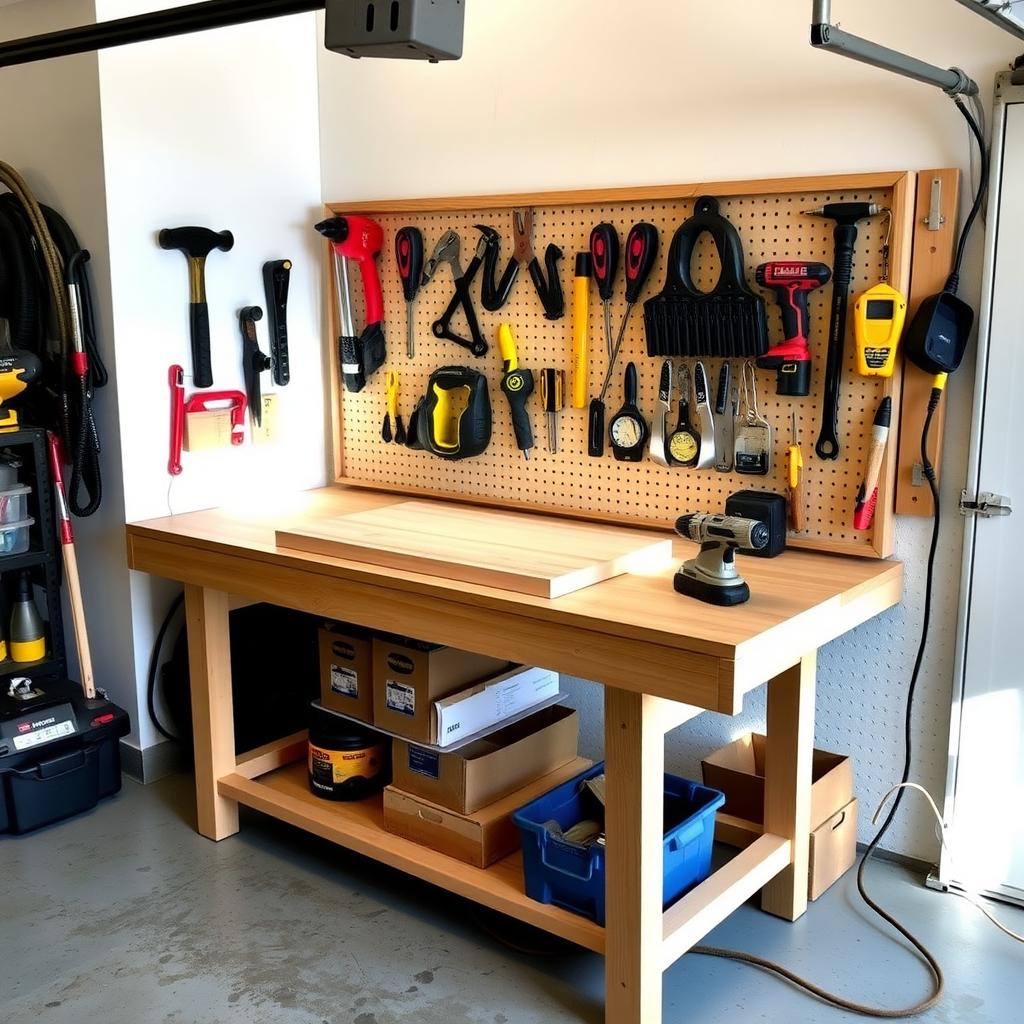
Taking your craftsmanship to the next level requires more than just experience—it demands the right tools and techniques. Advanced Workman Skills: Tools for the Next Level is about equipping yourself with must-have workman tools for every toolbox, mastering cutting-edge equipment, and refining your approach to tackle complex projects with confidence.
Why Advanced Tools Matter
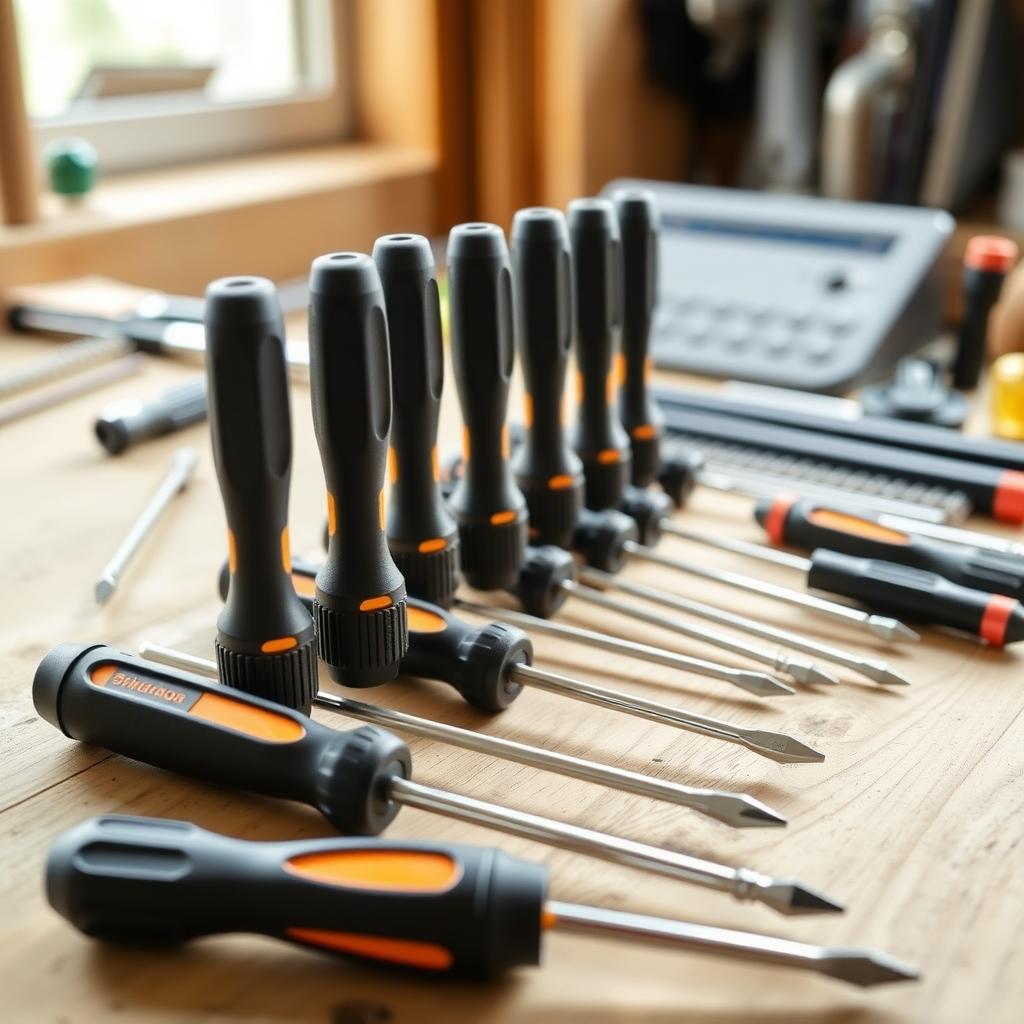
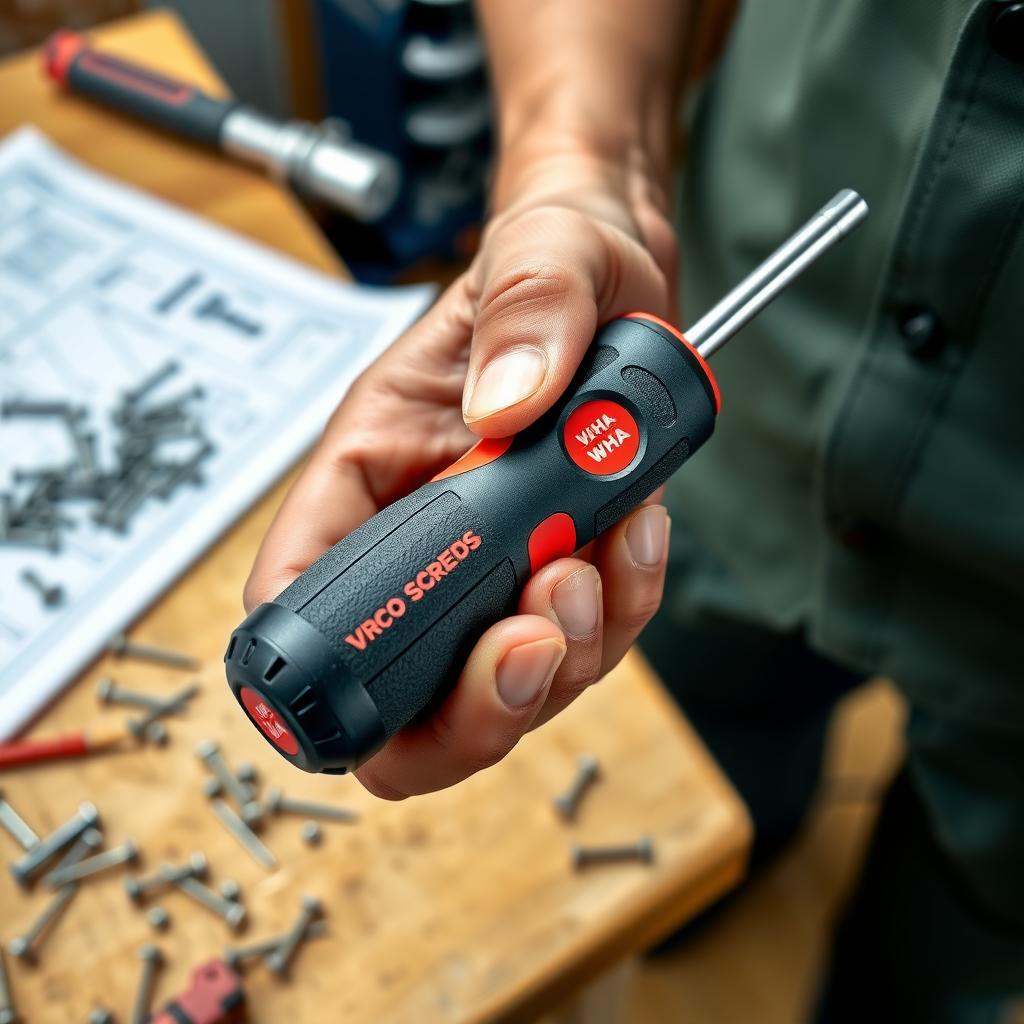
When I started as a DIY enthusiast, I relied on basic hammers and screwdrivers. They got the job done, but as projects grew more complex, I realized that workman tools designed for precision and efficiency were game-changers. Advanced tools save time, improve accuracy, and open up possibilities for intricate designs. Whether you're a professional contractor or a weekend warrior, upgrading your toolbox is a step toward mastery.
The difference between a good craftsman and a great one often lies in their tools. Basic tools handle simple tasks, but advanced cutting tools and power equipment let you execute flawless cuts, seamless joints, and durable builds. Let’s dive into the tools and skills that can elevate your work.
Must-Have Workman Tools for Every Toolbox
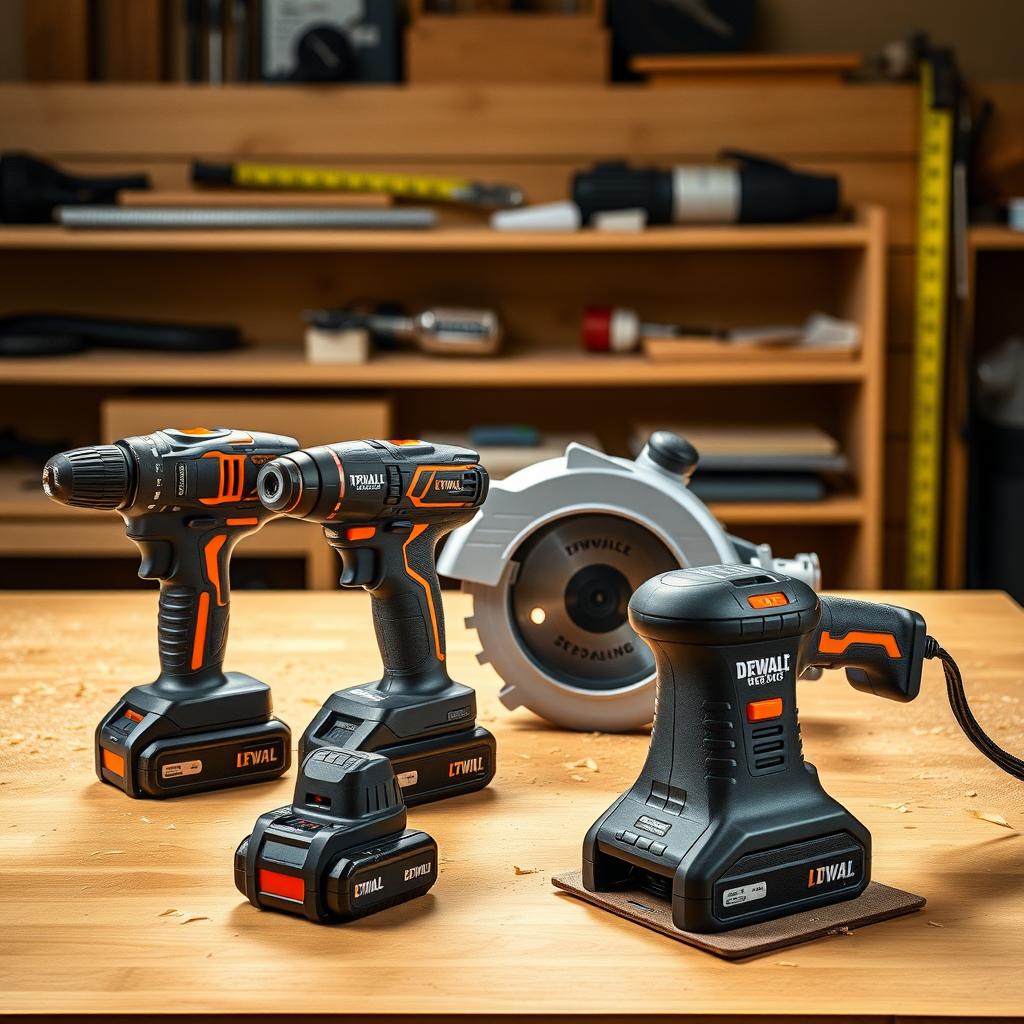
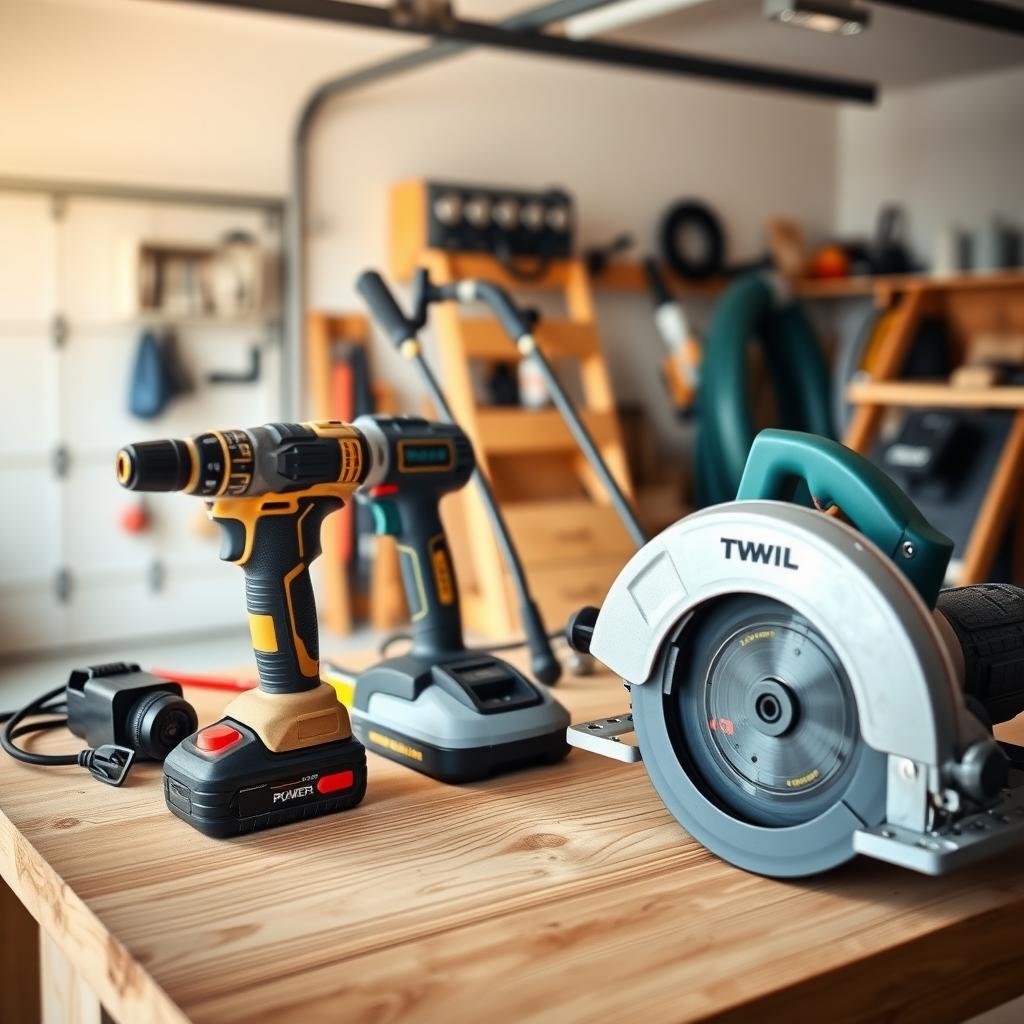
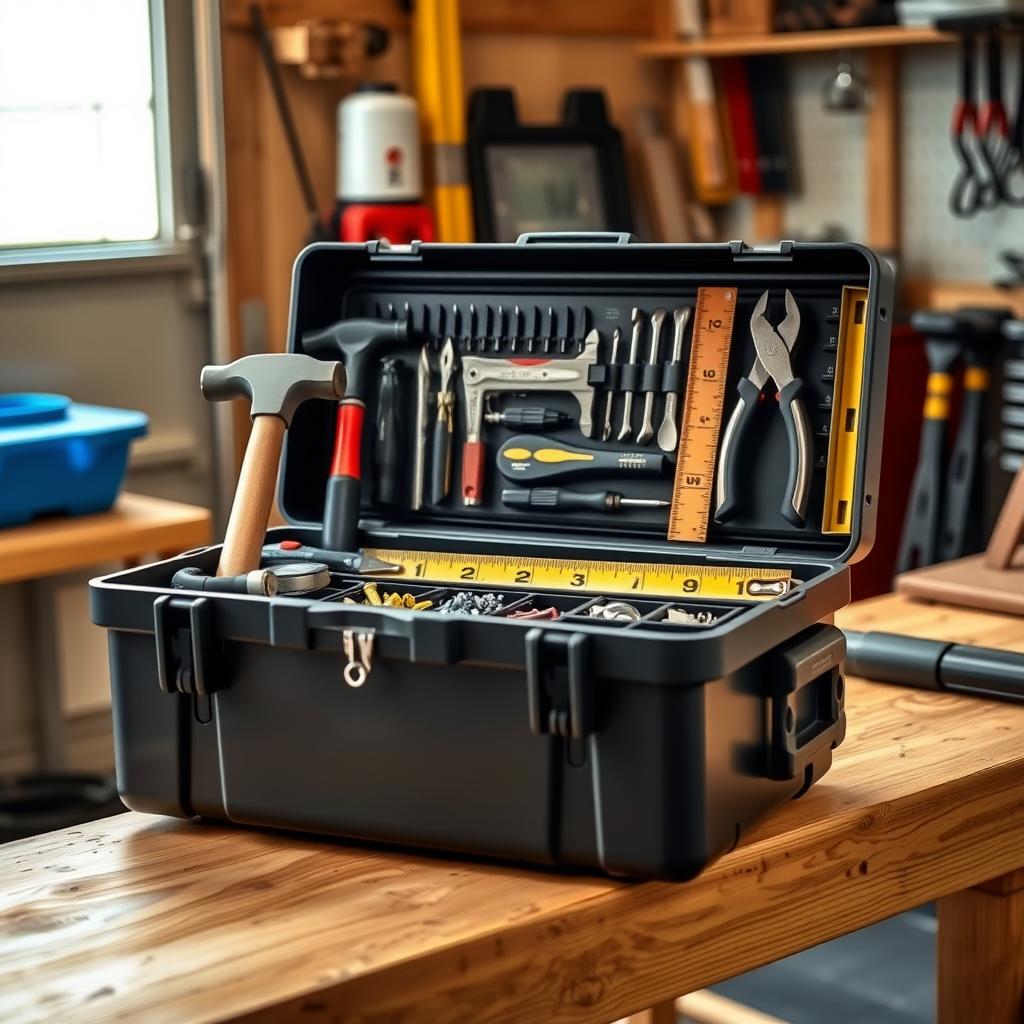
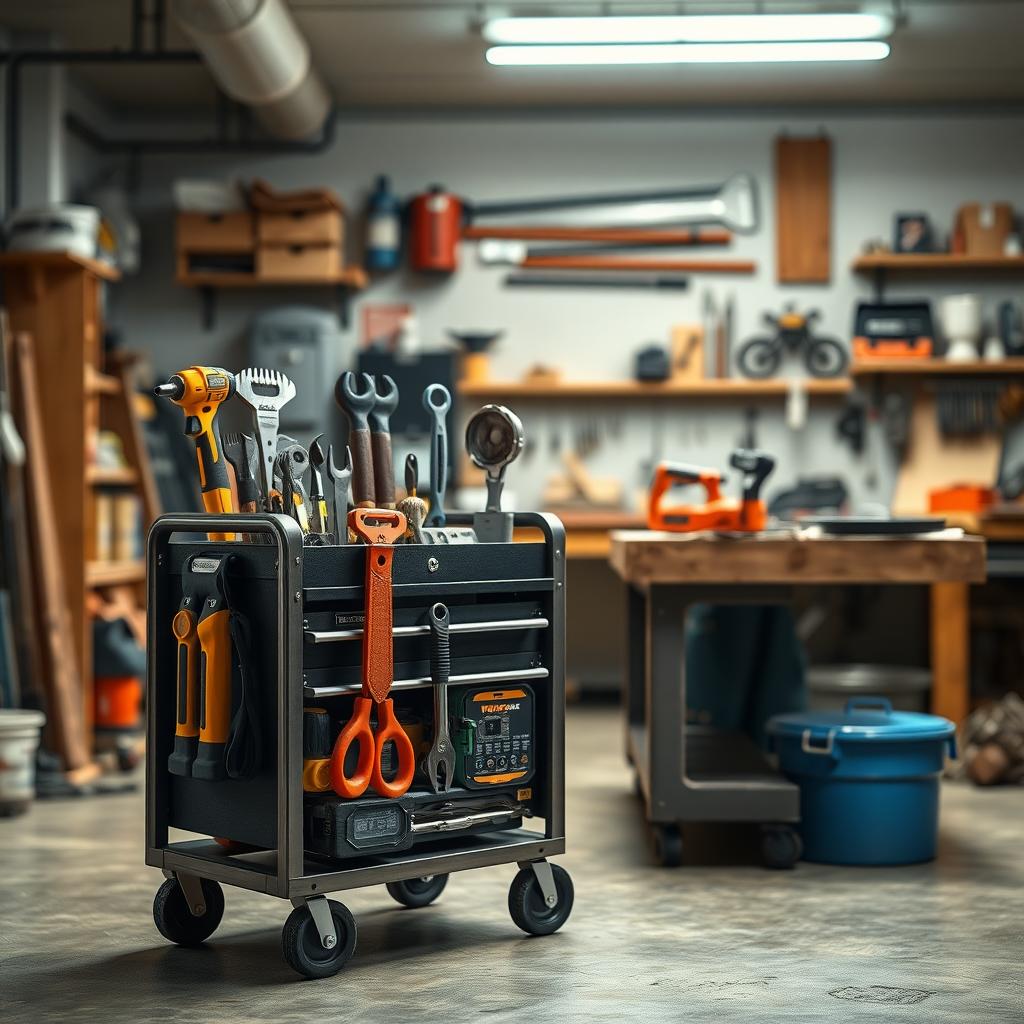
Building a versatile toolbox starts with selecting tools that balance power, precision, and durability. Here are some must-have workman tools for every toolbox that I’ve found indispensable:
- Cordless Power Drill: A high-torque, battery-powered drill with variable speed settings is a must. Look for models with brushless motors for longer life. I’ve used mine for everything from installing shelves to assembling furniture.
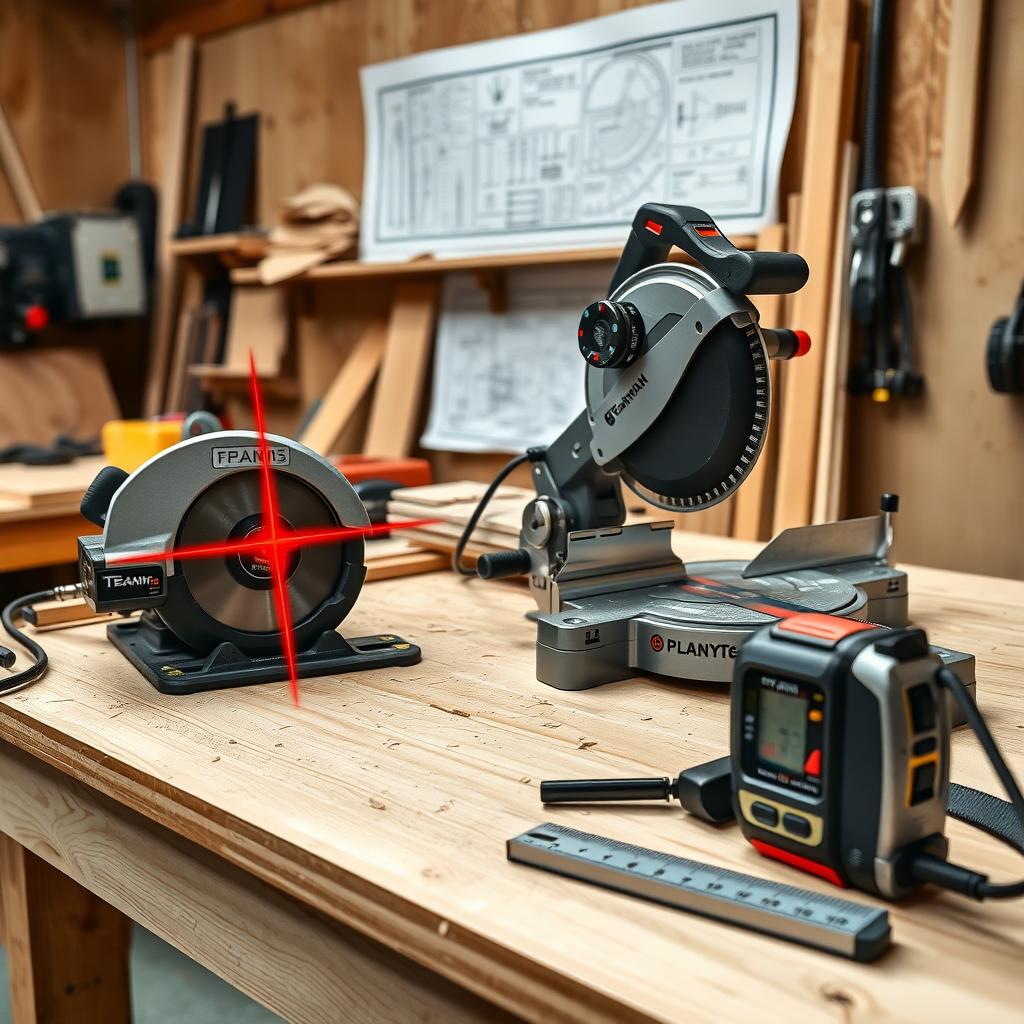
- Laser Measuring Tool: Forget traditional tape measures for large projects. A laser measurer provides pinpoint accuracy, especially for long distances or awkward angles.
- Oscillating Multi-Tool: Perfect for sanding, cutting, and grinding in tight spaces. Its versatility makes it a go-to for detailed work.
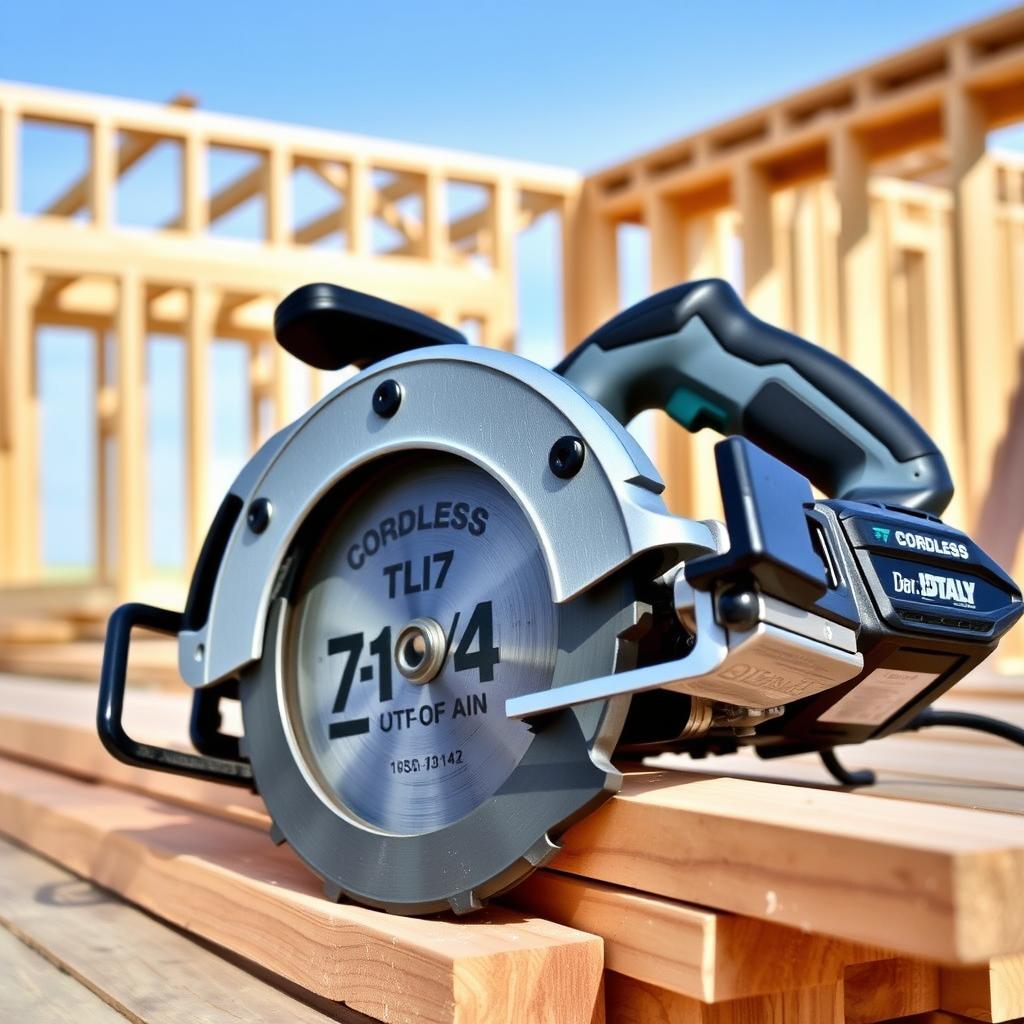
- High-Performance Circular Saw: A lightweight, laser-guided model ensures straight, clean cuts every time.
These tools aren’t just gadgets—they’re investments in efficiency. For example, switching to a laser measuring tool cut my measuring time in half on a recent deck project.
Mastering Cutting Tools
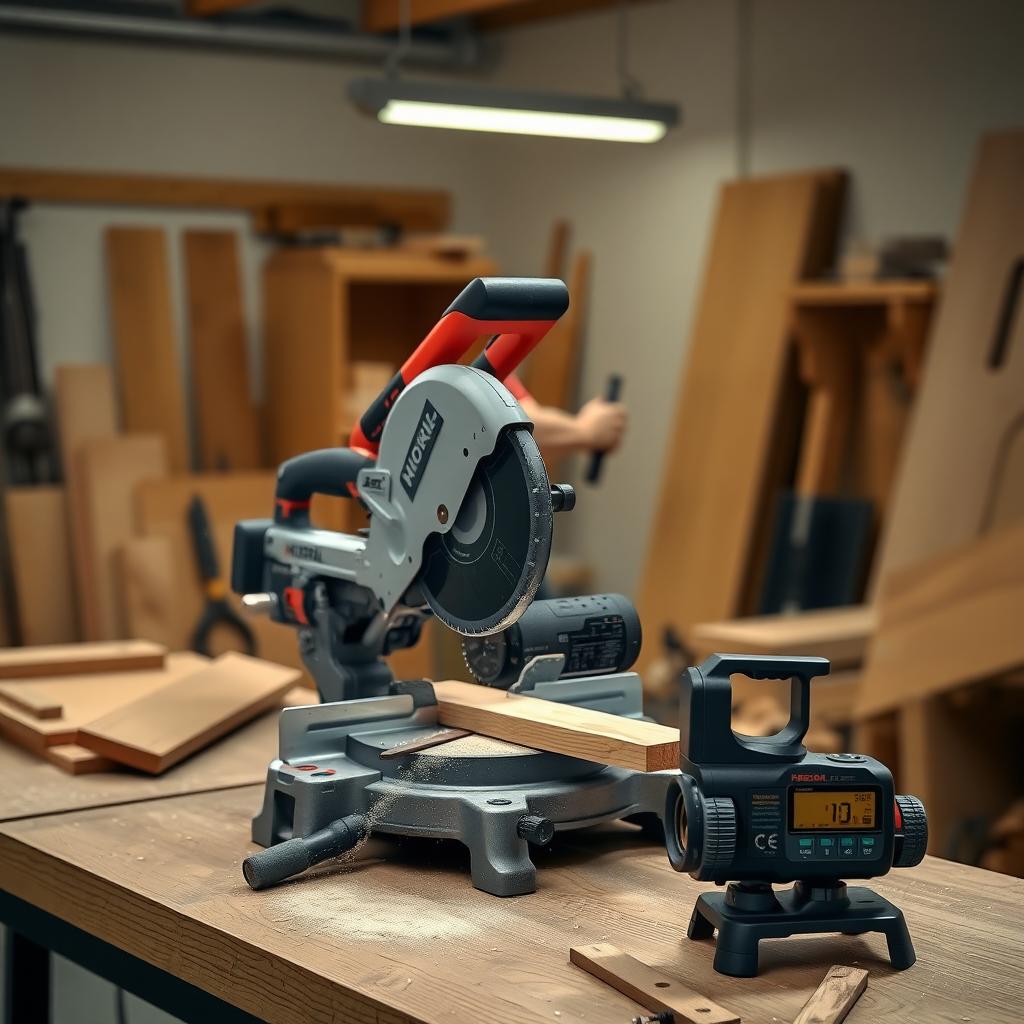
Cutting tools are the backbone of any serious craftsman’s toolkit. Precision cutting separates amateur work from professional-grade results. Here’s a breakdown of key cutting tools and how to use them effectively:
| Tool | Best Use | Pro Tip |
|---|---|---|
| Miter Saw | Angled cuts for trim and molding | Use a stop block for consistent lengths. |
| Jigsaw | Curved or intricate cuts | Choose the right blade for the material. |
| Table Saw | Straight, long cuts | Invest in a quality rip fence for accuracy. |
| Utility Knife | Scoring or trimming | Keep spare blades handy for clean cuts. |
I learned the hard way that a dull blade can ruin a project. On one job, a cheap jigsaw blade tore through oak instead of cutting cleanly, costing me hours of sanding. Always invest in high-quality blades and replace them regularly.
Power Tools for Advanced Projects
Power tools take your skills to another level by combining speed with precision. Here are a few advanced options worth considering:
- Router: Ideal for creating decorative edges or joinery. A variable-speed router with interchangeable bits offers endless possibilities.
- Cordless Angle Grinder: Great for metalwork or masonry. I used one to shape rebar for a concrete project, and it was a lifesaver.
- Nail Gun: Speeds up framing and trim work. Pneumatic or cordless, it’s a must for large-scale projects.
When using power tools, safety is critical. Always wear protective gear like goggles and gloves, and double-check your setup. A misaligned router once cost me a perfect piece of walnut—lesson learned.
Techniques to Elevate Your Craft
Tools alone don’t make the craftsman; technique does. Here are some advanced skills to pair with your workman tools:
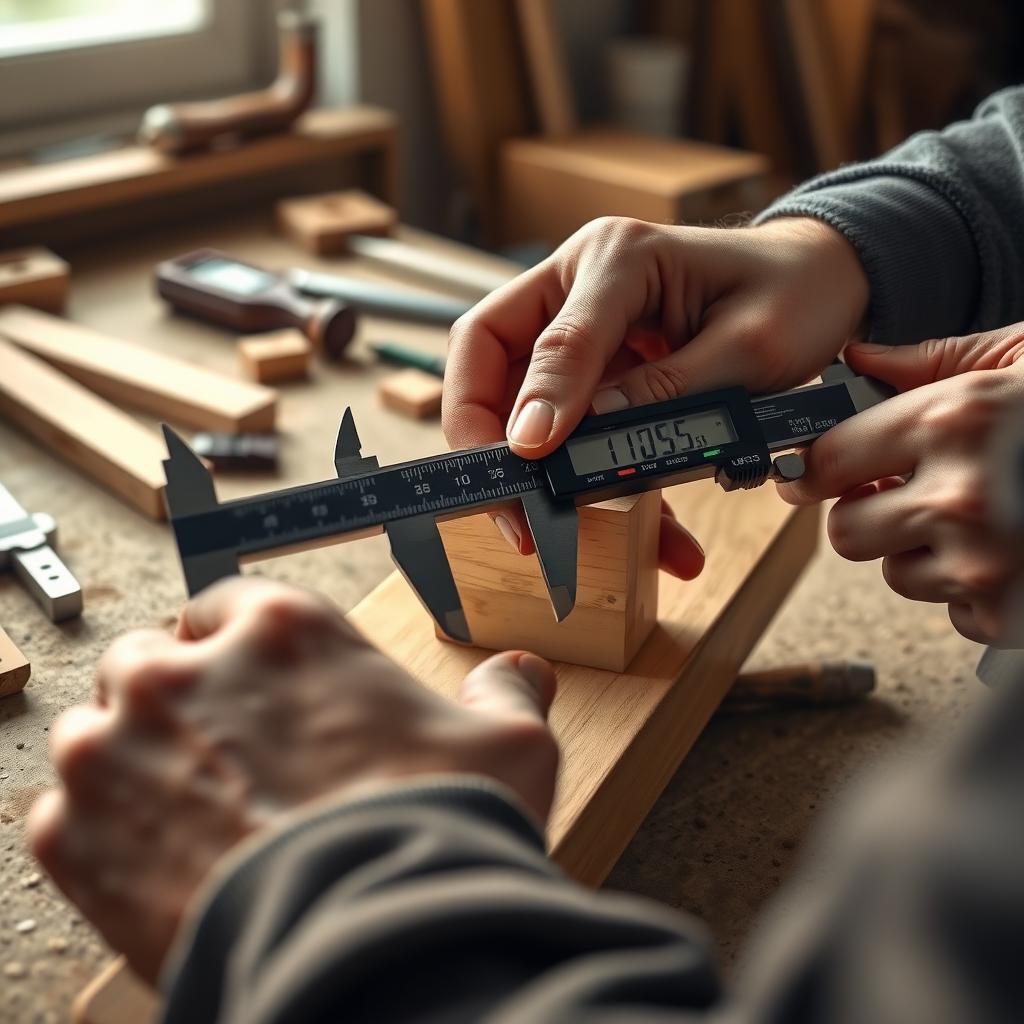
- Precision Measuring: Use a digital caliper for ultra-fine measurements, especially in woodworking or metalwork.
- Jig Building: Create custom jigs to ensure repeatable cuts or drilling patterns. I built a simple jig for cabinet handles, and it saved hours.
- Material Knowledge: Understand how different woods, metals, or composites react to tools. For instance, oak requires slower cuts to avoid burning.
- Tool Maintenance: Regularly clean and sharpen blades, lubricate moving parts, and store tools properly to extend their life.
These skills come from practice. Start with small projects, like building a shelf, and gradually tackle more complex ones, like custom furniture.
Choosing the Right Tools for Your Needs
Not every tool is right for every job. Consider your project scope and budget before investing. For example, a high-end table saw is overkill for occasional DIY, but it’s essential for daily carpentry. Research brands like DeWalt, Bosch, or Makita for reliable options. Check reviews on sites like Popular Mechanics for unbiased insights.
Also, think about portability. Cordless tools offer flexibility for job sites, but corded ones provide consistent power for shop work. I’ve found that a mix of both suits most projects.
Common Mistakes to Avoid
Even seasoned craftsmen make errors. Here are pitfalls to watch out for:
- Skipping Safety Gear: A quick cut without goggles can lead to disaster.
- Using Dull Blades: They tear materials and increase effort.
- Ignoring Instructions: Advanced tools often have specific settings—read the manual.
- Overbuying: Don’t buy tools you won’t use regularly.
I once rushed a cut without checking my saw’s alignment, resulting in a crooked board. Taking an extra minute to double-check saves time and materials.
Summary
Mastering Advanced Workman Skills: Tools for the Next Level means investing in the right workman tools, honing your techniques, and prioritizing precision. From cutting tools to power equipment, the right gear can transform your projects. Start small, practice regularly, and build a toolbox that grows with your skills. With these tools and tips, you’re ready to take your craftsmanship to new heights.
Related Advanced Workman Skills: Tools for the Next Level:
- Choosing the Best Cordless Tools for Your Workshop: A Comprehensive Guide
- Maintaining Your Wrench Set for Longevity: A Comprehensive Guide
- Power Tools for Beginners: Your Ultimate Guide to Getting Started
- DIY Home Repair Projects for Beginners: Your Ultimate Guide
- Essential Tools Every DIYer Should Own for a Well-Equipped Workshop
- Top 10 Ergonomic Tools Every Tradesperson Should Have
- How to Use a Hammer Safely: A Comprehensive Guide for Beginners and Pros
- 10 Tips for Choosing the Right Paint for Your Next Art Project
- Top 10 Must-Have Construction Tools for Every Workman
- Essential Electrical Tools Every Beginner Needs: A Comprehensive Guide
- The Ultimate Guide to Workman Tools for Everyday Use
- Tips for Organizing Small Workshops Efficiently