Overview: Your Go-To Guide for Workman Tools
Whether you're fixing a leaky faucet, building a bookshelf, or tackling a woodworking project, having the right workman tools for everyday use can make all the difference. This guide dives into the must-have tools that simplify tasks, boost efficiency, and deliver professional results, even for beginners.
Why Workman Tools Matter
Every craftsman, from hobbyists to professionals, needs reliable tools. Workman tools are the backbone of any project, whether it's a quick home repair or a detailed woodworking piece. They save time, reduce frustration, and ensure your work stands the test of time. I've spent years tinkering in my garage, building everything from birdhouses to kitchen cabinets, and I've learned that the right tool can turn a daunting task into a satisfying one.
Quality tools don't just make work easier—they make it safer. A dull saw or a flimsy hammer can lead to accidents or shoddy results. Investing in durable, well-designed workman tools for everyday use means you're setting yourself up for success, no matter the project.
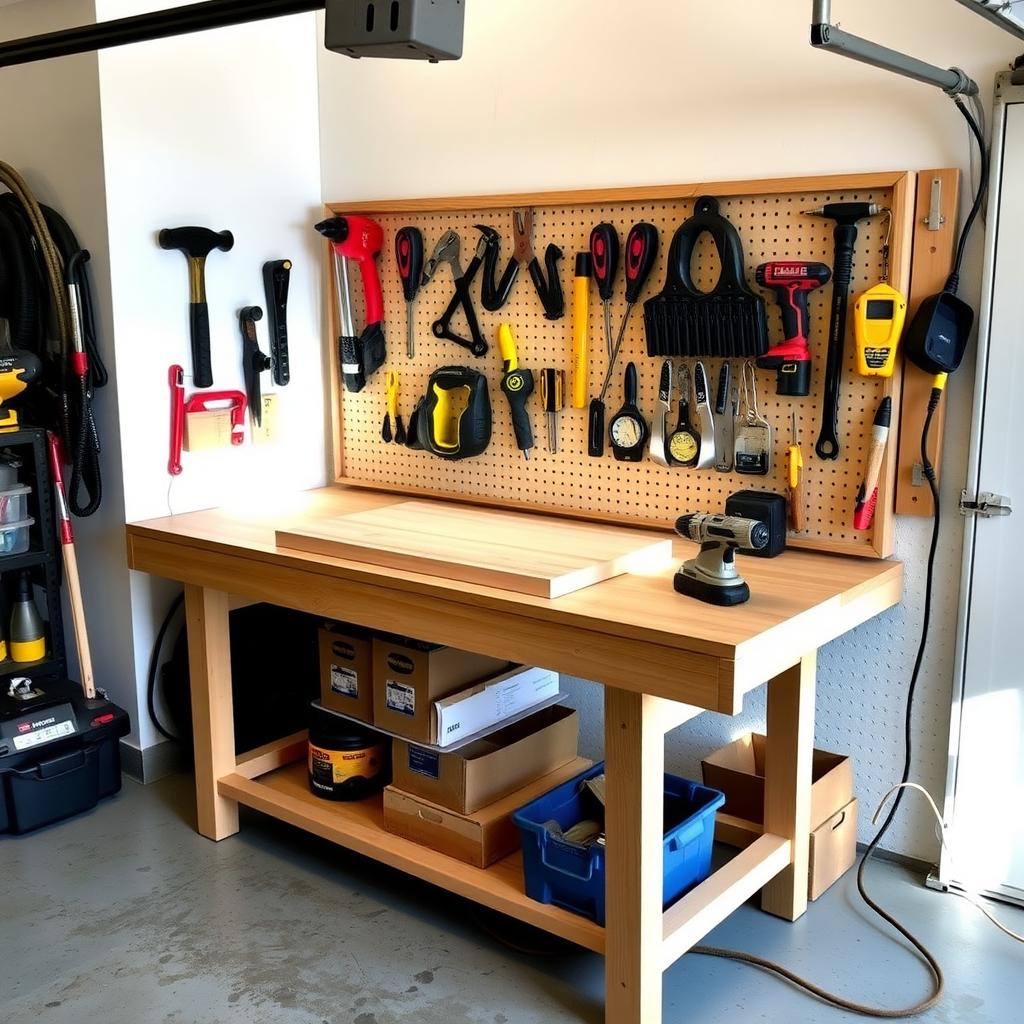
Essential Workman Tools for Everyday Use
Let’s break down the core workman tools every toolbox should have. These are versatile, practical, and perfect for both beginners and seasoned DIYers. Below is a list of must-haves, based on my own experience and research from trusted sources.
1. Claw Hammer
A claw hammer is your go-to for driving nails and prying them out. Look for one with a comfortable grip and a weight of about 16 ounces for balanced control. I’ve used mine for everything from hanging picture frames to assembling furniture. Pro tip: Choose a hammer with a forged steel head for durability.
2. Tape Measure
A 25-foot tape measure is a must for precise measurements. I’ve found that a sturdy, retractable model with a locking mechanism is best for one-person jobs. Always double-check measurements to avoid costly mistakes—trust me, I’ve learned this the hard way after miscutting wood for a shelf!
3. Screwdriver Set
A good set with both flathead and Phillips heads covers most fastening needs. Magnetic tips are a game-changer for keeping screws in place. I keep a compact set in my toolbox for quick fixes around the house.
4. Cordless Drill
A cordless drill is a powerhouse for drilling holes and driving screws. Opt for one with variable speeds and a lithium-ion battery for longer life. According to This Old House, a 12-volt model is sufficient for most home tasks, balancing power and portability.
5. Utility Knife
Perfect for cutting drywall, trimming wood, or opening packages, a utility knife with replaceable blades is essential. Keep extra blades handy to ensure clean cuts every time.
Woodworking Tools for Precision and Craftsmanship
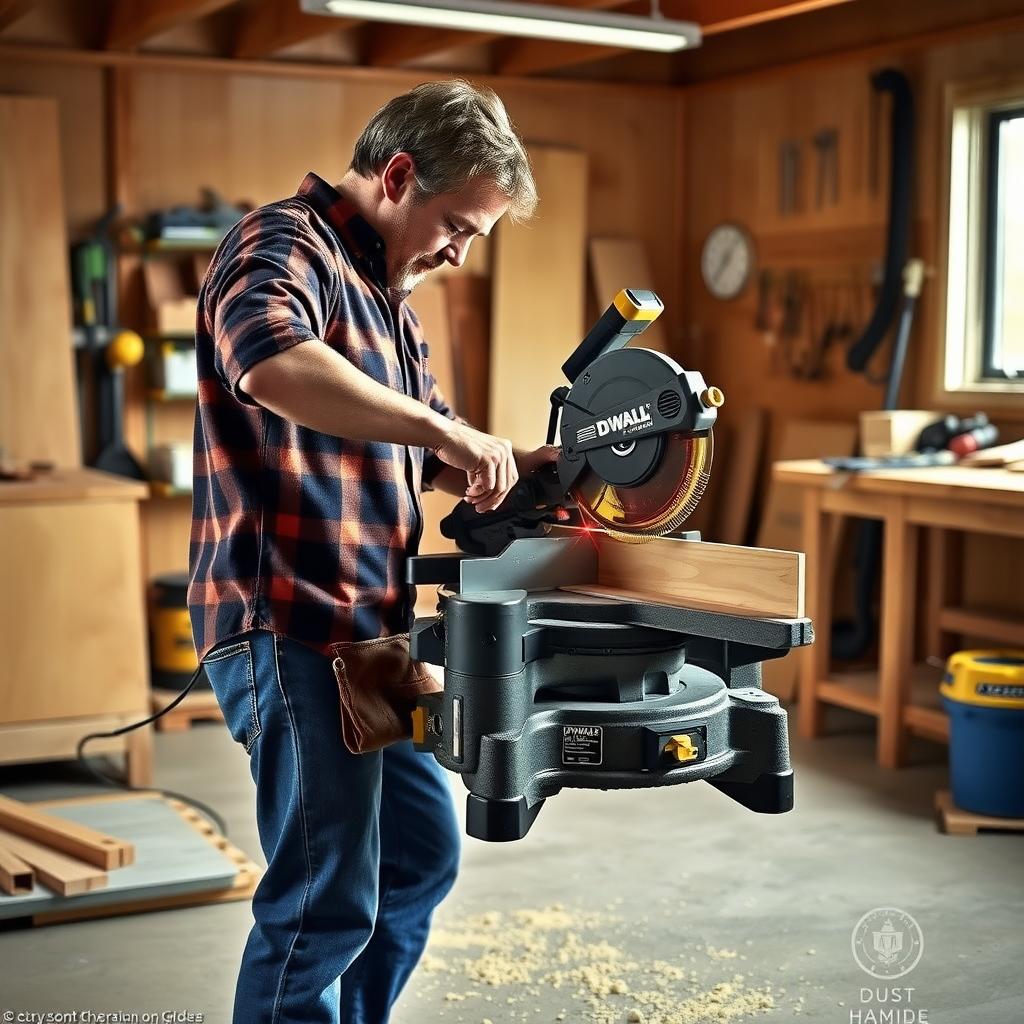
For those diving into woodworking tools, precision is everything. Woodworking projects, like building a table or carving a decorative piece, demand specialized tools. Here are my top picks based on years of crafting wooden projects.
1. Hand Saw
A quality hand saw is perfect for cutting wood with control. I recommend a crosscut saw for versatility. It’s slower than a power saw but gives you a feel for the wood’s grain, which is great for beginners learning the craft.
2. Chisels
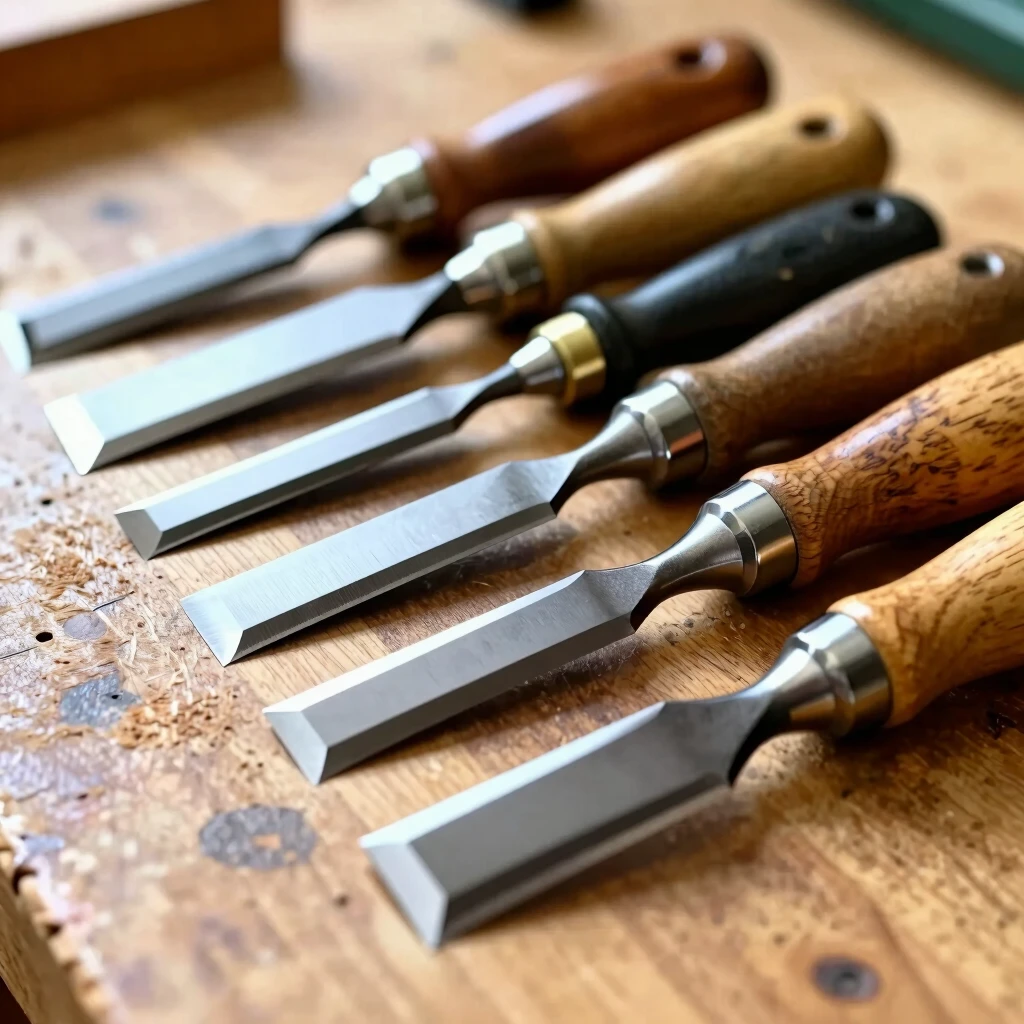
Chisels are indispensable for shaping and carving wood. A set with sizes ranging from ¼ inch to 1 inch covers most needs. Pair them with a mallet for precise work. The Woodworkers Guild of America emphasizes keeping chisels sharp for clean cuts and safety.
3. Random Orbital Sander
Sanding by hand is tedious, so a random orbital sander is a lifesaver. It smooths surfaces quickly and evenly, perfect for preparing wood for staining or painting. I’ve used mine to transform rough lumber into silky-smooth tabletops.
4. Clamps
Clamps hold wood pieces together during gluing or assembly. I swear by quick-grip clamps for their ease of use. Have at least four on hand for flexibility in larger projects.
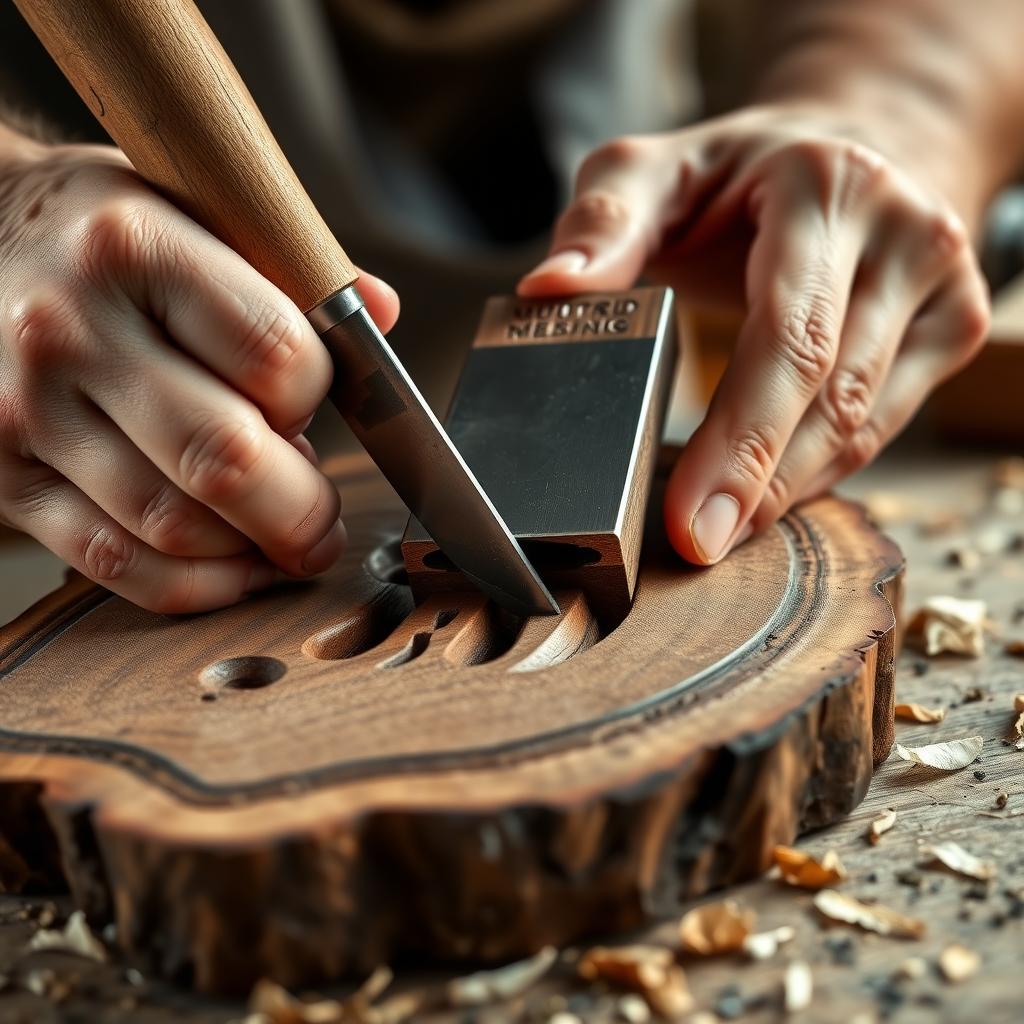
Choosing the Right Tools: Tips from Experience
Picking the right workman tools for everyday use can feel overwhelming with so many options. Here’s what I’ve learned to make the process easier:
- Prioritize Quality Over Price: Cheap tools wear out fast and can ruin your project. Invest in reputable brands like DeWalt or Stanley for longevity.
- Start Small: You don’t need every tool right away. Begin with the essentials listed above and add specialized tools as your skills grow.
- Consider Ergonomics: Tools with comfortable grips reduce fatigue. I once used a poorly designed screwdriver for hours and regretted it the next day.
- Maintain Your Tools: Keep blades sharp and store tools in a dry place. A rusty saw or dull chisel is a recipe for frustration.
A study from Purdue University’s Construction Management Program highlights that proper tool maintenance reduces workplace injuries by up to 20%, a stat I keep in mind when caring for my gear.
Tool Storage and Organization
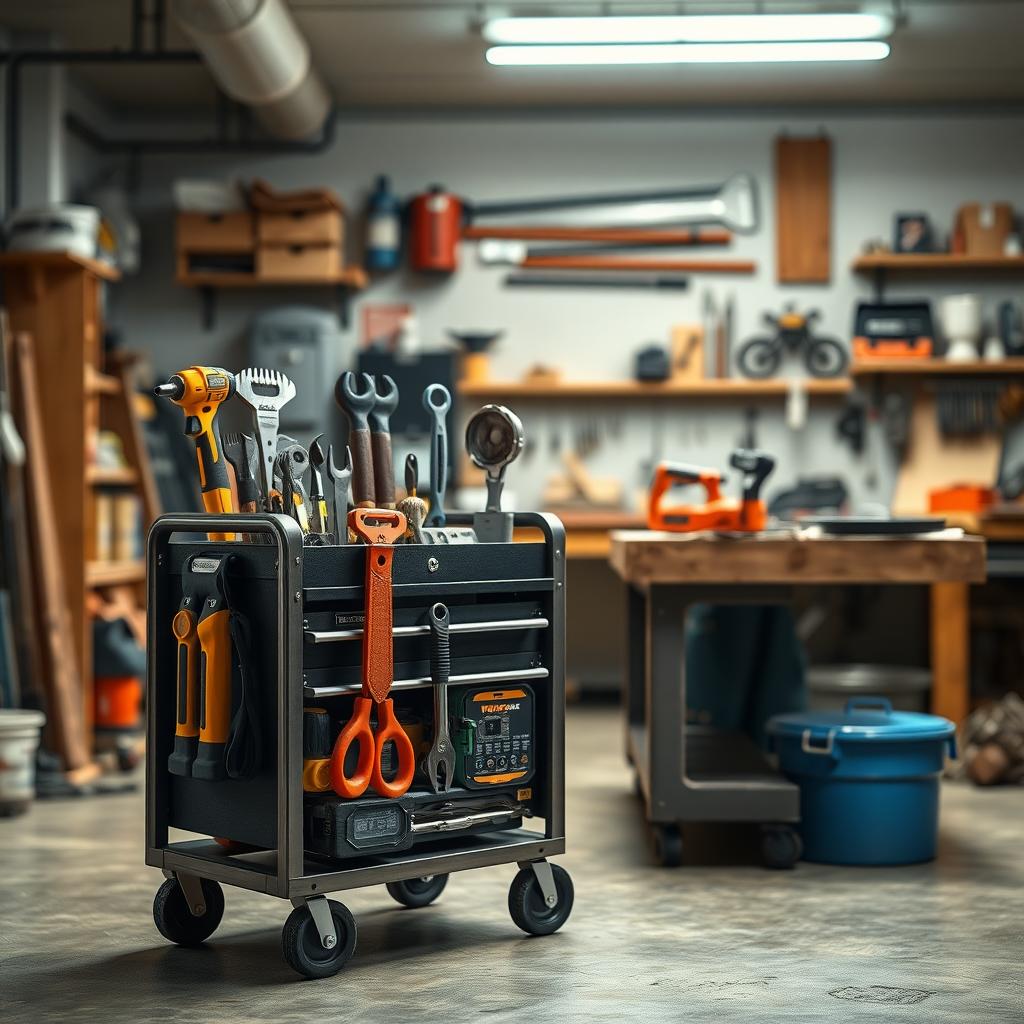
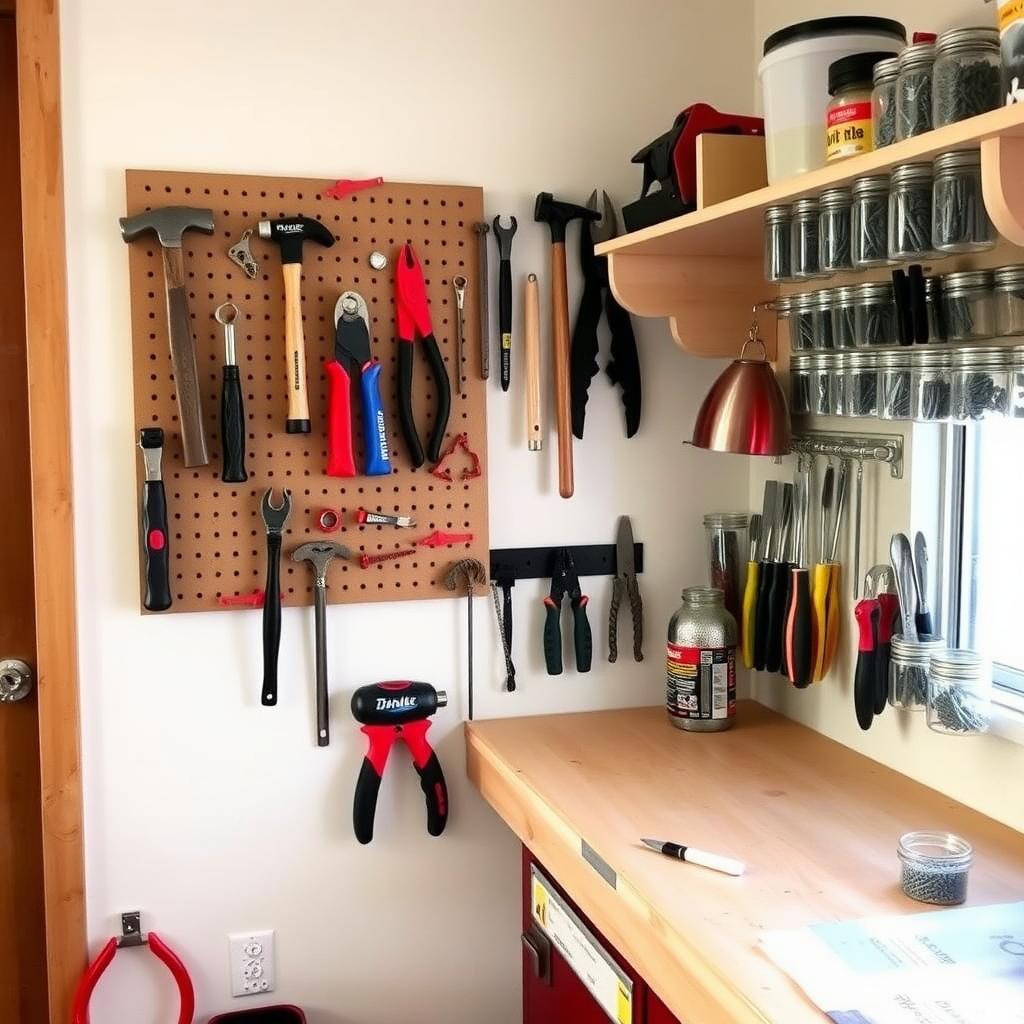
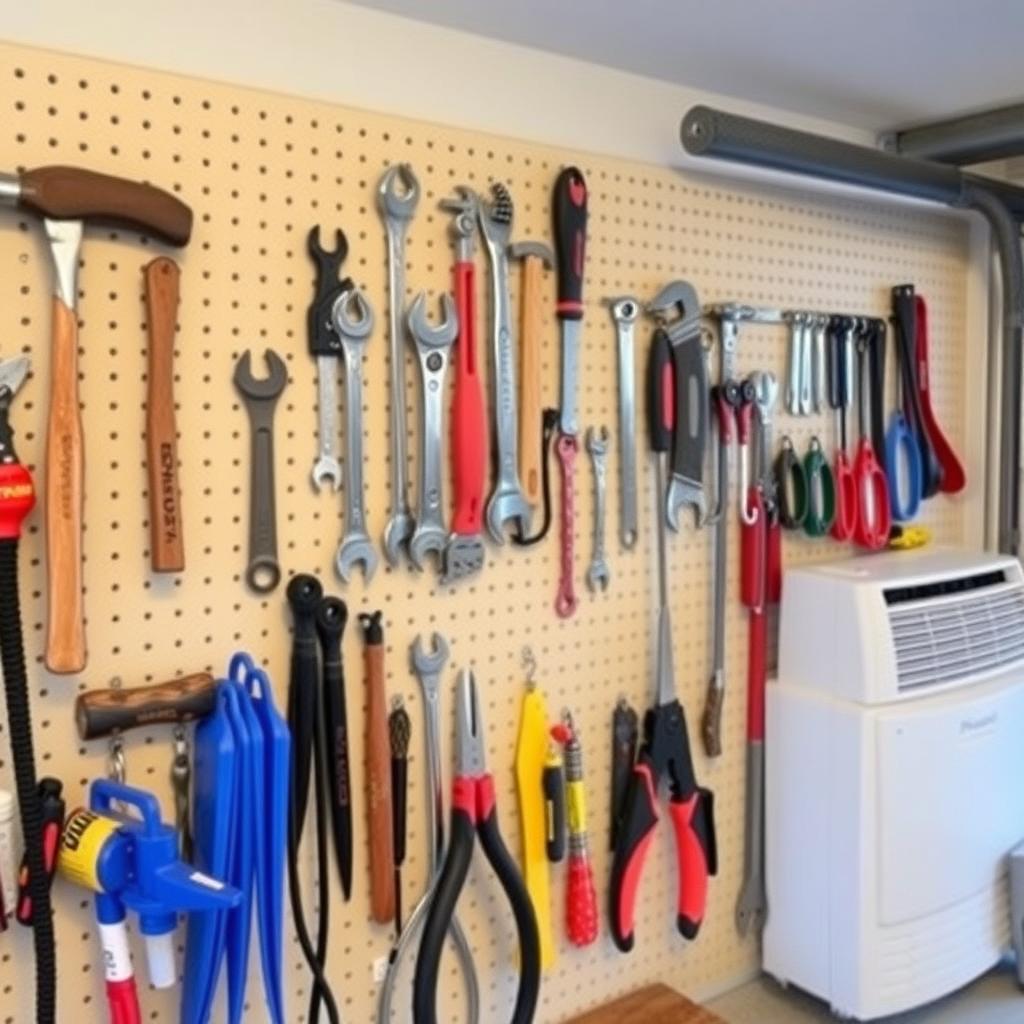
Keeping your workman tools organized saves time and protects your investment. I use a mix of toolboxes and pegboards in my workshop. Here’s a quick table to guide your storage choices:
| Storage Type | Best For | Pros | Cons |
|---|---|---|---|
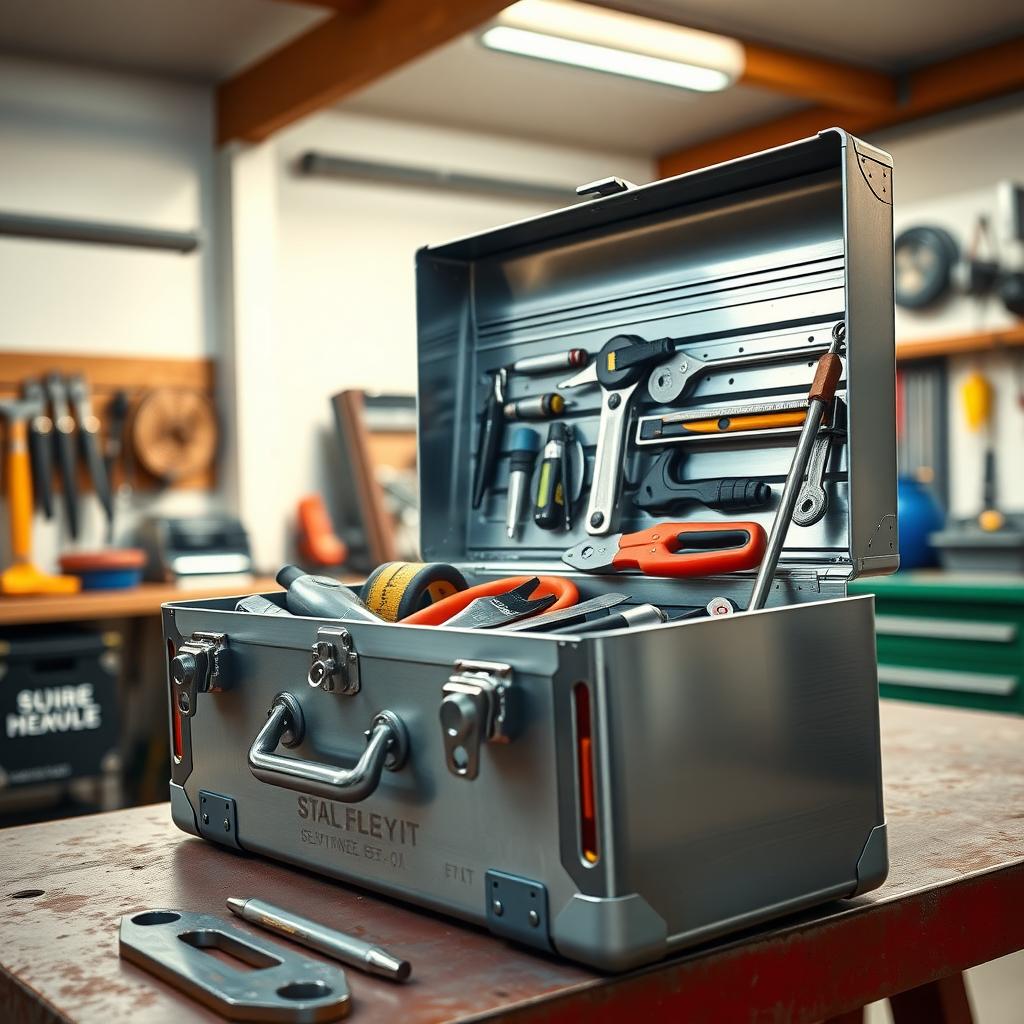
| Toolbox | Portability | Easy to carry, protects tools | Limited space |
| Pegboard | Workshop use | Visible, customizable | Not portable |
| Tool Chest | Large collections | High capacity, secure | Bulky, expensive |
I’ve found that a pegboard with labeled hooks works wonders for quick access during projects. For woodworking tools, I keep chisels in a protective roll to prevent damage.
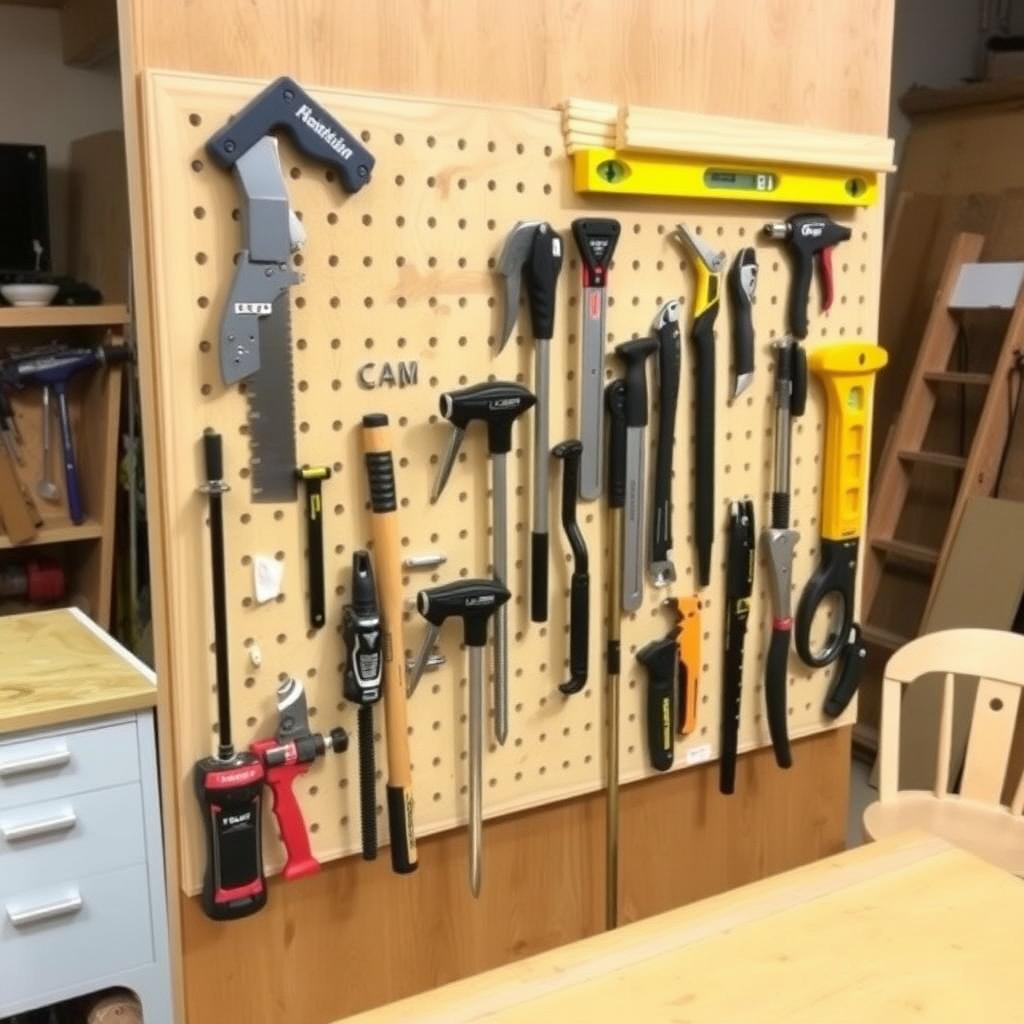
Safety First: Using Workman Tools Wisely
Safety is non-negotiable when using workman tools for everyday use. Here are my go-to safety tips: - Wear Protective Gear: Safety glasses and gloves are a must. I’ve had wood chips fly into my face—glasses saved the day. - Check Tools Before Use: Inspect for cracks or dull blades. A damaged tool can cause accidents. - Work in a Clear Space: Cluttered workspaces lead to trips or mishaps. Keep your area tidy.
The Occupational Safety and Health Administration (OSHA) notes that improper tool use causes thousands of injuries annually, so always stay focused and follow best practices.
Final Thoughts: Building Confidence with Workman Tools
Whether you’re a DIY newbie or a woodworking pro, workman tools for everyday use are your partners in creating something lasting. Start with the essentials, prioritize quality, and keep safety first. With practice, these tools will help you tackle any project with confidence. My first project—a simple wooden stool—taught me that the right tools turn ideas into reality.
Related workman tools for everyday use:
- Woodworking Chisel Guide - Woodworkers Guild of America
- Beginner’s Guide to Woodworking Projects - Fine Woodworking
- Tips for Organizing Small Workshops Efficiently
- Keeping Your Power Tools in Top Shape: A Comprehensive Guide
- Advanced Tool Maintenance Techniques for Longevity and Performance
- The Best Workman Tools for Professional Builders: A Comprehensive Guide
- Small Space Organization Hacks for Home Workshops
- Setting Up Your Home Office for Productivity: A Complete Guide
- 10 Essential Painting Tools Every Painter Should Have
- The Best Power Tools for Automotive Repair: A Comprehensive Guide
- Top Power Tools for Your Workshop: Must-Haves for Woodworking Enthusiasts
- Hand Tools Maintenance Tips: Keep Your DIY Arsenal in Top Shape