Overview
Painting transforms spaces, but success hinges on having the right tools. Whether you're a DIY enthusiast or a professional, the 10 Essential Painting Tools Every Painter Should Have ensure quality and efficiency. This guide explores these must-have workman tools, their uses, and tool organization tips for painters to streamline your workflow.
Why the Right Tools Matter
Painting is more than slapping color on walls. The right tools save time, reduce frustration, and deliver a polished finish. Over years of painting projects, I've learned that investing in quality painting tools makes all the difference. Cheap tools often lead to uneven coats, wasted paint, and extra cleanup. Let’s dive into the essentials every painter needs.
1. High-Quality Paintbrush
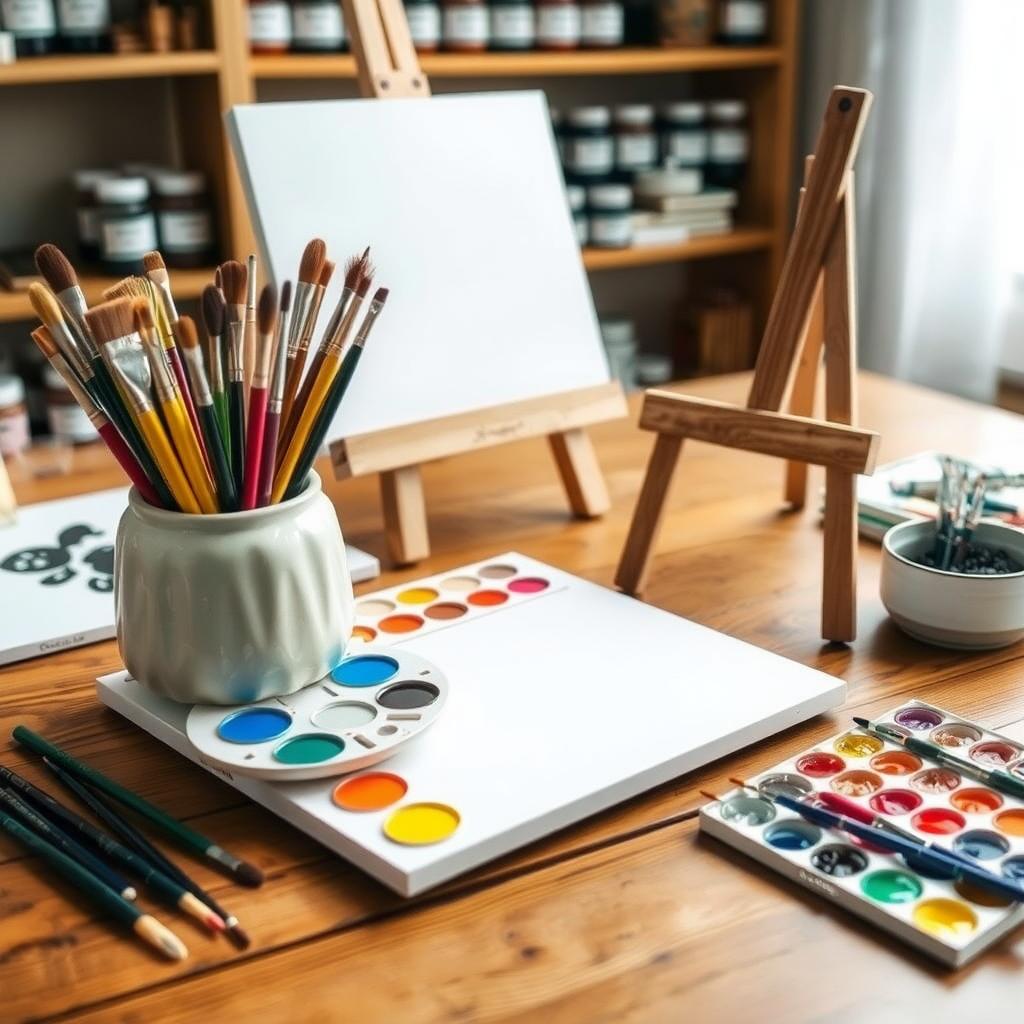
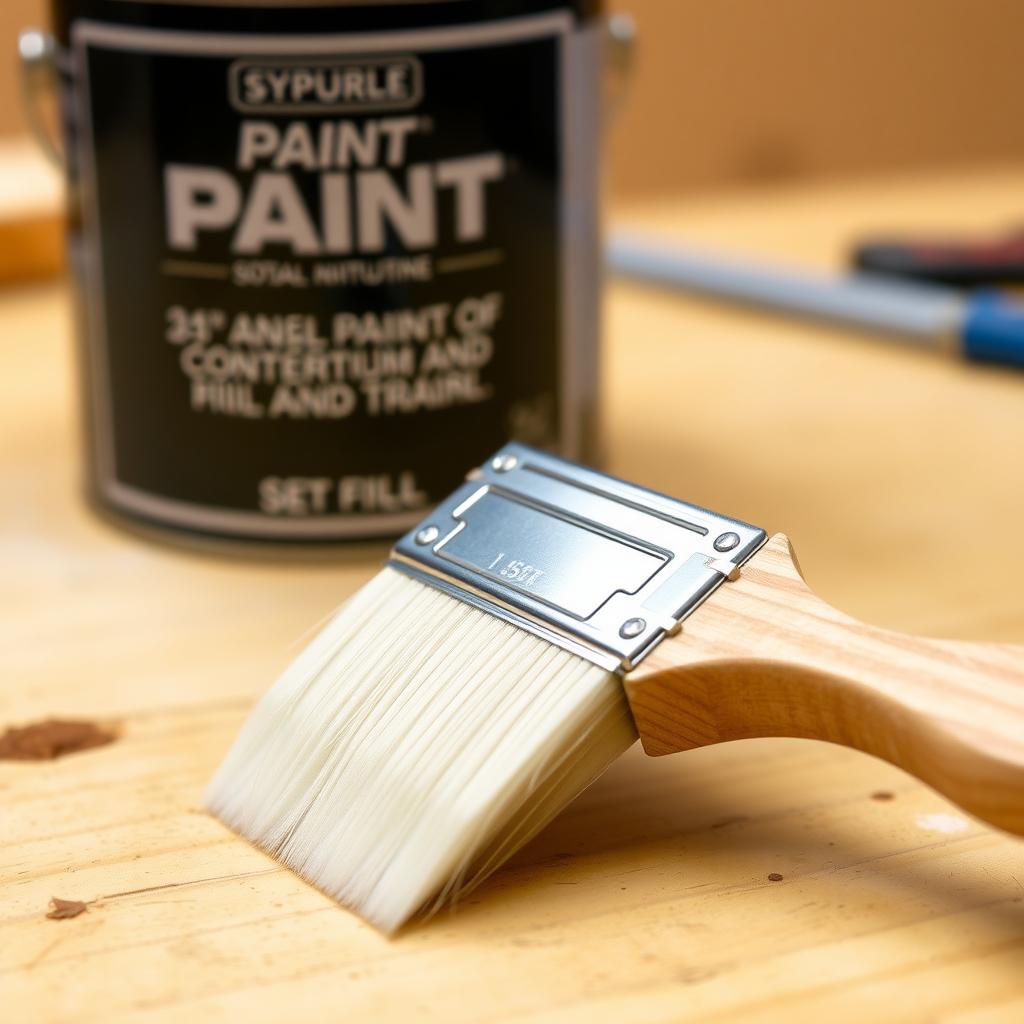
A good paintbrush is your best friend for precision work. Look for brushes with synthetic bristles for latex paints or natural bristles for oil-based paints. A 2.5-inch angled sash brush is versatile for cutting in edges and detailing. Clean brushes thoroughly after each use to maintain their shape.
According to the Purdue University Extension, proper brush selection enhances paint adhesion and finish quality, reducing streaks and brush marks.
2. Paint Roller and Frame
For large surfaces, a paint roller is unbeatable. A 9-inch roller with a 3/8-inch nap works well for most walls. Pair it with a sturdy roller frame for smooth application. Rollers save time but require proper cleaning to avoid clumping.
3. Roller Covers
Not all roller covers are equal. Choose the nap based on surface texture: 1/4-inch for smooth surfaces, 1/2-inch for textured walls. I’ve found that microfiber covers hold more paint and provide a smoother finish than polyester ones.
4. Paint Tray and Liners
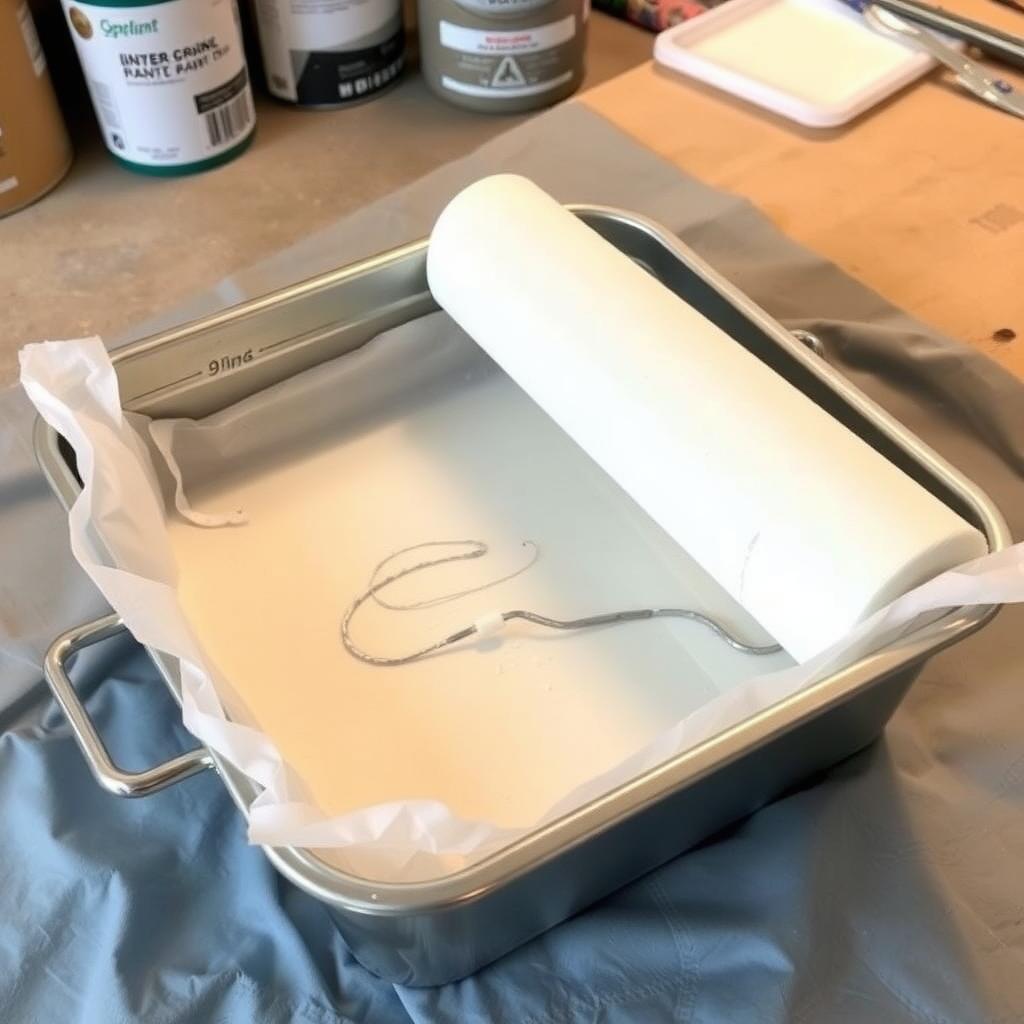
A paint tray is essential for loading rollers evenly. Plastic liners make cleanup a breeze—pop one in, paint, then toss it. This saves time and keeps your tray clean for future projects.
5. Drop Cloths
Protecting floors and furniture is non-negotiable. Canvas drop cloths are durable and reusable, while plastic ones are affordable for one-off jobs. Spread them out before starting to avoid costly cleanup.
The U.S. Environmental Protection Agency recommends using drop cloths to prevent paint contamination, especially in homes with lead-based paint risks.
6. Painter’s Tape
For crisp, clean lines, painter’s tape is a must. Apply it carefully along edges and remove it before the paint fully dries to avoid peeling. Blue tape works well for most surfaces, but green tape offers better adhesion for tricky areas.
7. Paint Scraper
Prepping surfaces is key to a flawless finish. A paint scraper removes old, peeling paint and smooths imperfections. A 2-inch blade is versatile for most jobs. Keep it sharp for best results.
8. Sandpaper or Sanding Block
Sanding ensures a smooth surface for paint adhesion. Use 120-grit sandpaper for general prep and 220-grit for finishing touches. A sanding block helps maintain even pressure.
The University of Minnesota’s Center for Sustainable Building Research notes that proper surface preparation, including sanding, significantly improves paint durability and appearance.
9. Extension Pole
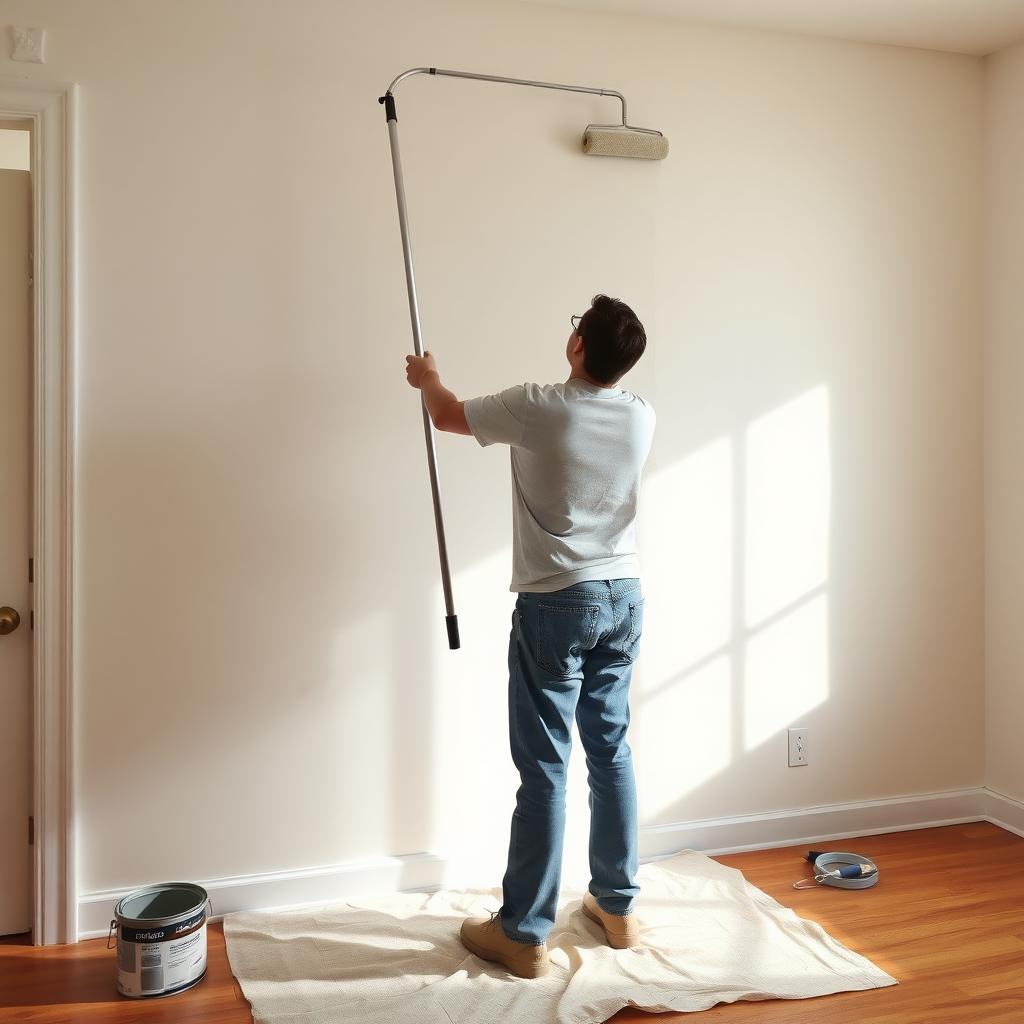
An extension pole lets you reach high walls and ceilings without a ladder. Adjustable poles are best for versatility. They’re a game-changer for large projects, saving your back and time.
10. Paint Can Opener
It sounds simple, but a dedicated paint can opener prevents damage to cans and lids. Most hardware stores give these away free with paint purchases, so grab one.
Tool Organization Tips for Painters
Keeping your painting tools organized boosts efficiency and extends their lifespan. Here are practical tool organization tips for painters I’ve honed over years of projects:
- Use a Tool Caddy: A portable caddy keeps brushes, rollers, and scrapers in one place.
- Store Brushes Properly: Wrap clean brushes in plastic or paper to maintain bristle shape.
- Label Paint Cans: Mark cans with the room and date used for easy reference.
- Clean Immediately: Rinse tools right after use to prevent paint from hardening.
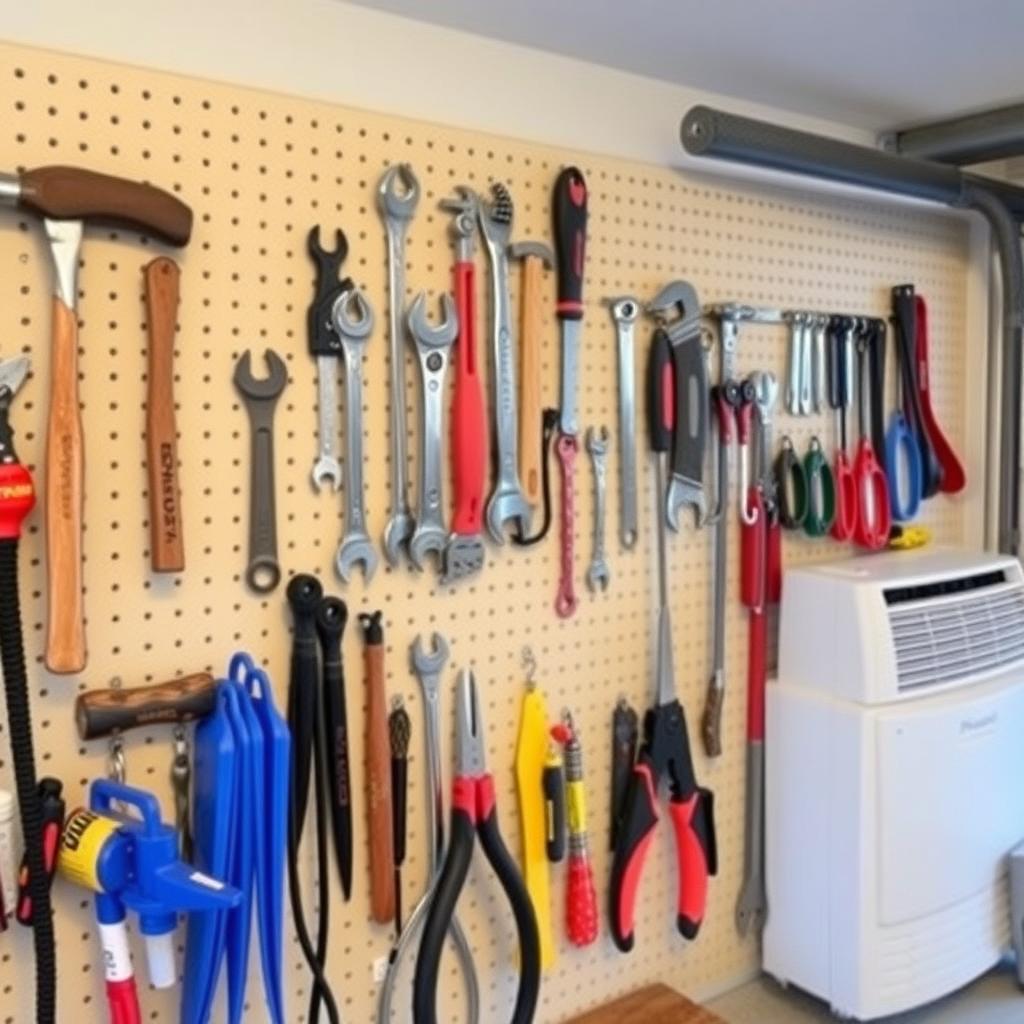
- Hang Rollers and Brushes: Use hooks or pegboards to store tools off the ground.
| Tool | Purpose | Maintenance Tip |
|---|---|---|
| Paintbrush | Precision painting | Clean with soap and water; store wrapped |
| Paint Roller | Large surface coverage | Remove excess paint; wash thoroughly |
| Drop Cloth | Surface protection | Shake out and fold for reuse |
| Painter’s Tape | Clean edges | Remove before paint dries fully |
Personal Insights from Years of Painting
I’ve tackled everything from cozy apartments to sprawling homes, and one lesson stands out: quality tools pay for themselves. Early on, I skimped on brushes, thinking they were all the same. The result? Streaks, shedding bristles, and hours of rework. Investing in a good brush and roller cover transformed my results. Another tip? Always overestimate your drop cloth needs—spills happen when you least expect them.
Common Mistakes to Avoid
- Skipping Prep: Don’t rush surface cleaning or sanding. It’s tedious but critical.
- Using Cheap Tools: Bargain rollers and brushes often leave lint or streaks.
- Ignoring Safety: Wear gloves and a mask when sanding or working with oil-based paints.
- Poor Storage: Leaving tools unwashed leads to ruined equipment.
Summary
The 10 Essential Painting Tools Every Painter Should Have—from brushes to extension poles—form the backbone of any successful painting project. Pair these workman tools with smart tool organization tips for painters to work smarter, not harder. Invest in quality, prep thoroughly, and organize well for professional results every time.
Related 10 Essential Painting Tools Every Painter Should Have:
- The Best Power Tools for Automotive Repair: A Comprehensive Guide
- Top Power Tools for Your Workshop: Must-Haves for Woodworking Enthusiasts
- Hand Tools Maintenance Tips: Keep Your DIY Arsenal in Top Shape
- Comprehensive Guide to Choosing Workman Tools
- The Best Wrenches for Mechanics: Top Picks for Durability and Performance
- The Future of Automation Tech: Revolutionizing Industries with Smart Tools
- Painting Techniques for Beginners: A Step-by-Step Guide
- The Evolution of Workman Tools: From Stone Age to Modern Day
- Best Ratcheting Wrenches for Fast Repairs: Your Ultimate Guide
- A Guide to Choosing the Right Wrenches for Any Job
- Top 10 Essential Tools for Every Workman’s Toolbox
- How to Care for Your Workman Tools: A Comprehensive Guide