Overview
Maintaining your hand tools is key to ensuring they last for years and perform at their best. Whether you're a seasoned DIYer or just starting with DIY maintenance projects for beginners, proper care of your tools saves time, money, and frustration. This guide shares practical hand tools maintenance tips to keep your toolkit ready for any project.
Why Hand Tools Maintenance Matters
Hand tools are the backbone of any DIY project. From hammers to screwdrivers, they’re built to last, but neglect can lead to rust, dull edges, or broken handles. Regular maintenance keeps them functional and safe. A well-maintained tool not only performs better but also reduces the risk of injury. For example, a rusty blade or a loose hammerhead can cause accidents. By following these hand tools maintenance tips, you’ll ensure your tools are always ready for action.
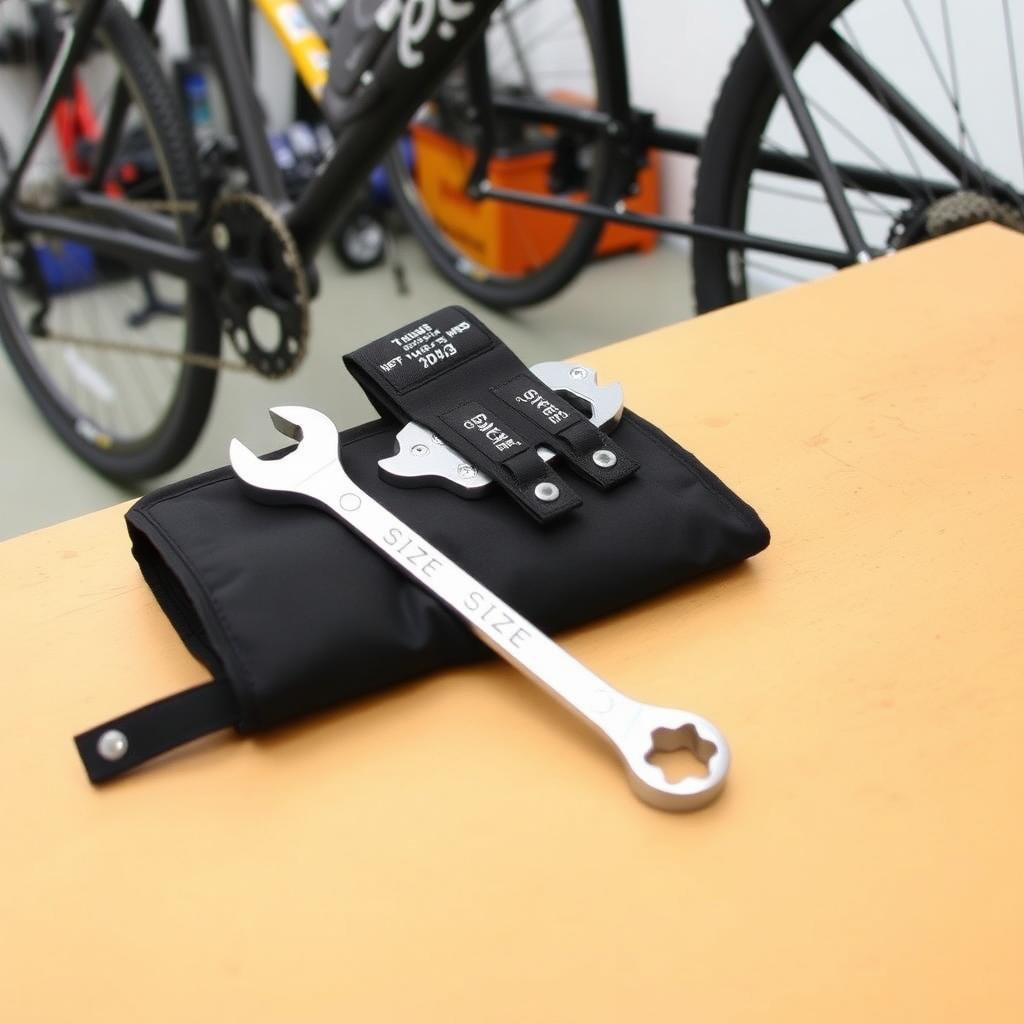
I’ve been a DIY enthusiast for over a decade, and I’ve learned the hard way that skipping maintenance can ruin even the best tools. Once, I left a wrench in my damp garage for a month, and it rusted so badly I had to replace it. That experience taught me the value of proper care, and I’m sharing my insights to help you avoid similar mistakes.
Top 10 Must-Have Tools for Every DIYer
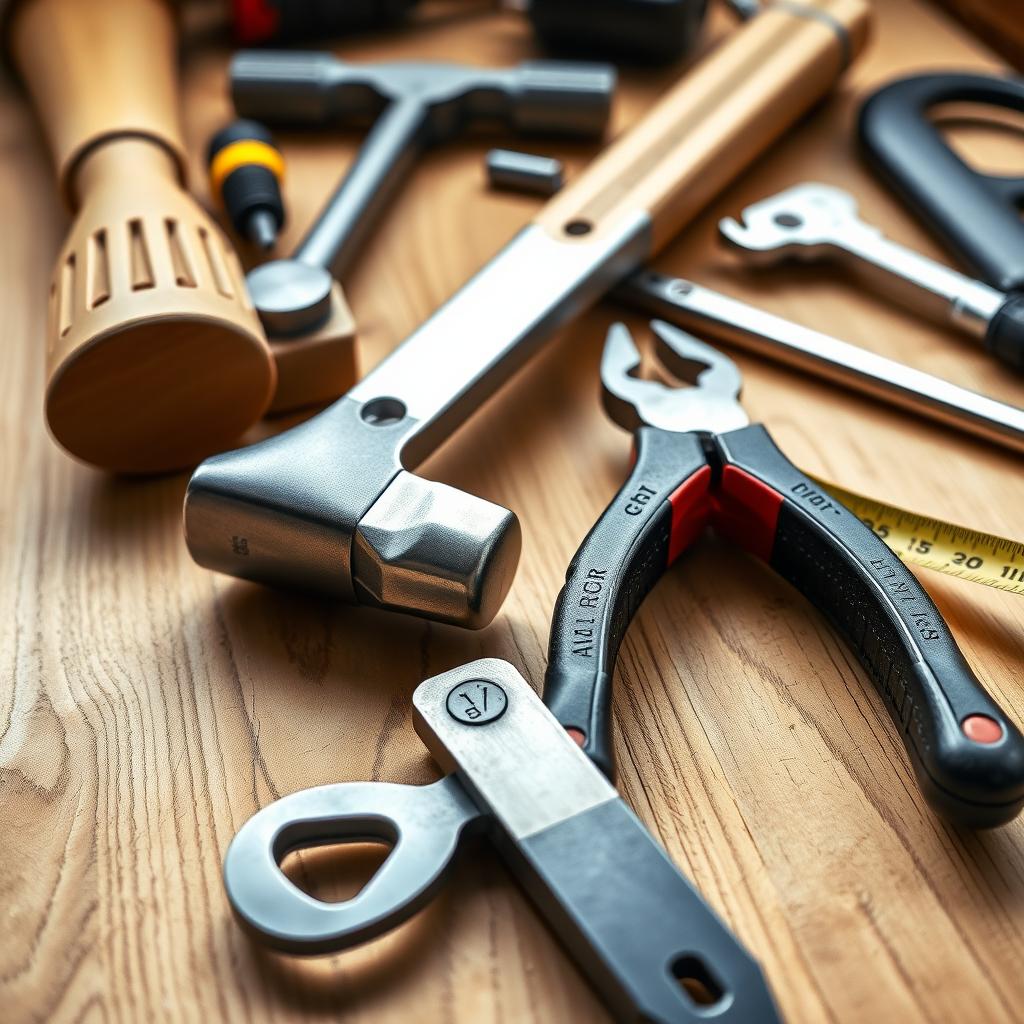
Before diving into maintenance, let’s talk about the essentials. Every DIYer needs a core set of hand tools. Here’s a quick list of the top 10 must-have tools for every DIYer, all of which require regular upkeep:
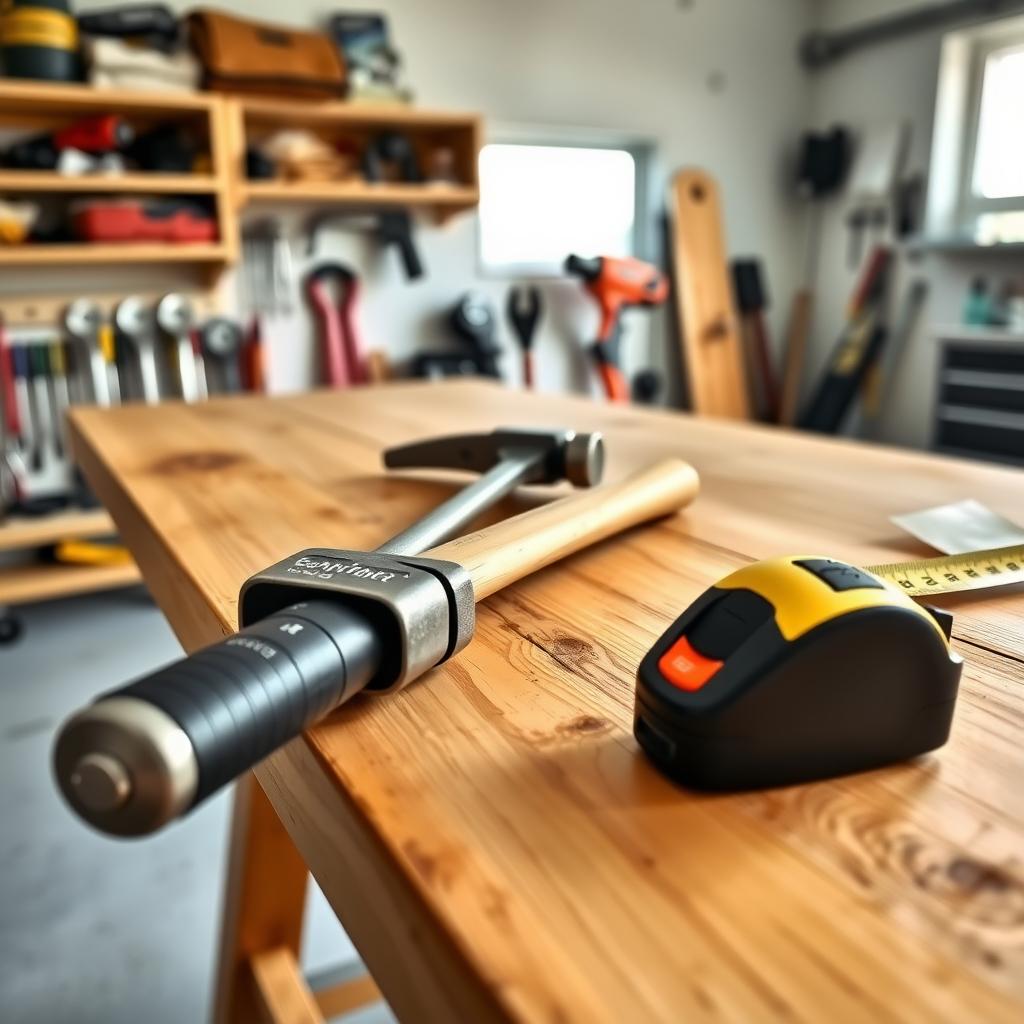
- Hammer: For driving nails and light demolition.
- Screwdriver Set: Includes flathead and Phillips for various screws.
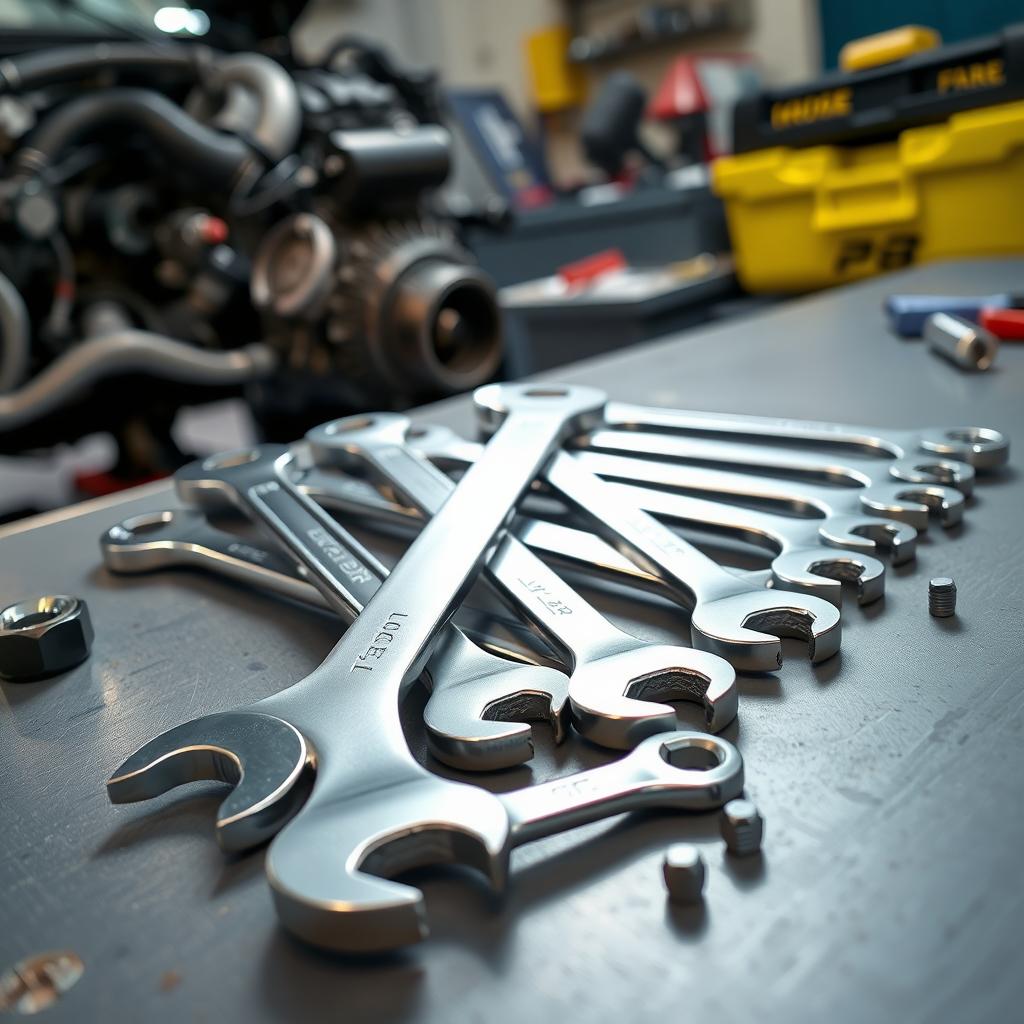
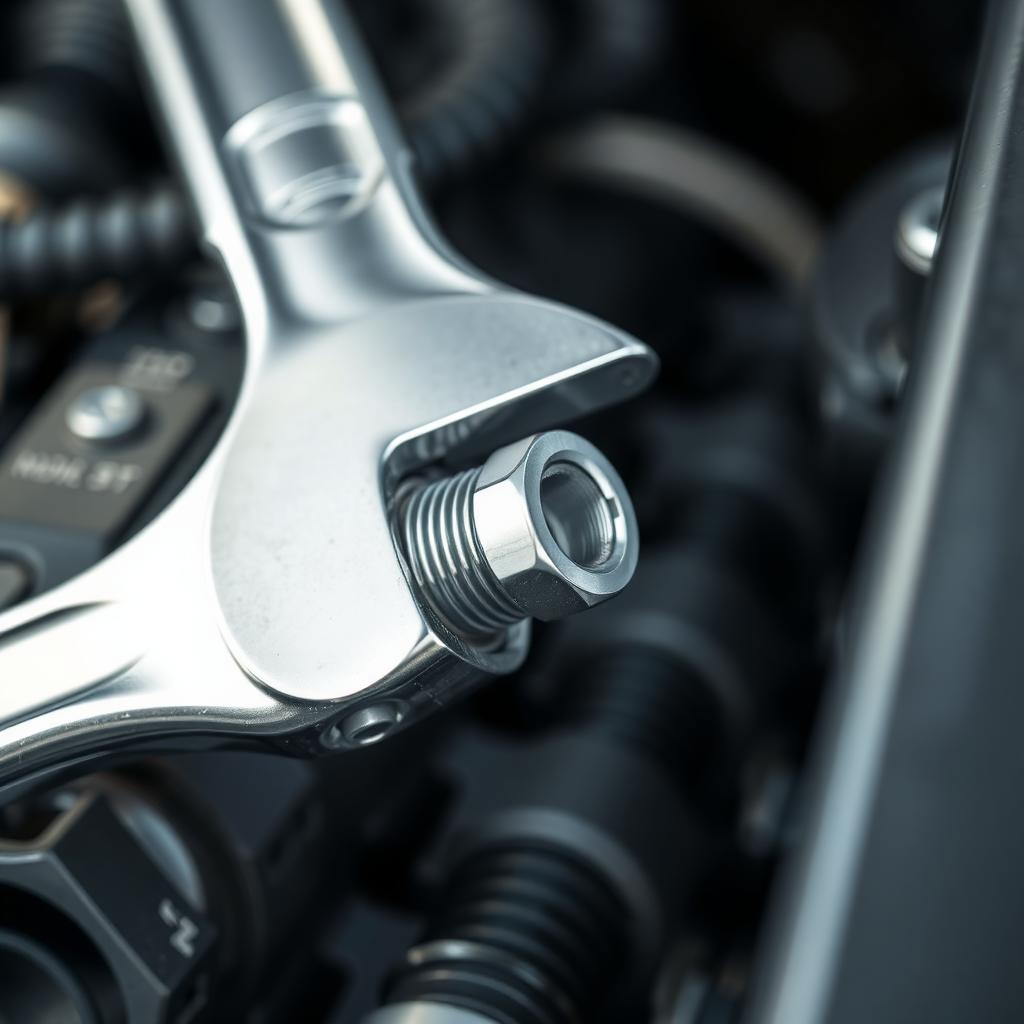
- Adjustable Wrench: Versatile for bolts and nuts.
- Pliers: Needle-nose and standard for gripping and bending.
- Tape Measure: Essential for accurate measurements.
- Utility Knife: For cutting materials like drywall or rope.
- Level: Ensures straight lines and even surfaces.
- Handsaw: Great for cutting wood or PVC.
- Chisel Set: For carving or shaping wood.
- Hex Key Set: For furniture assembly and bike repairs.
Each of these tools needs specific care to stay in top shape, which we’ll cover next.
Cleaning Your Hand Tools
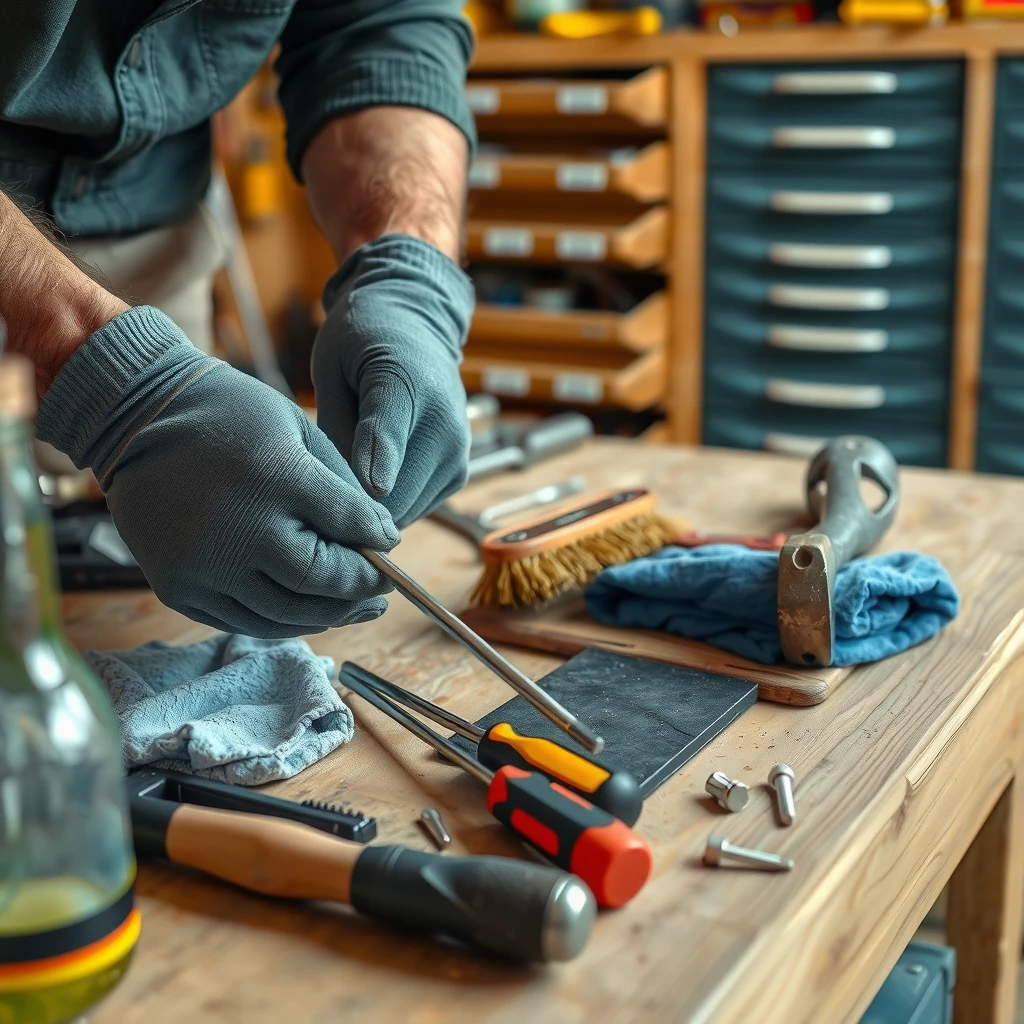
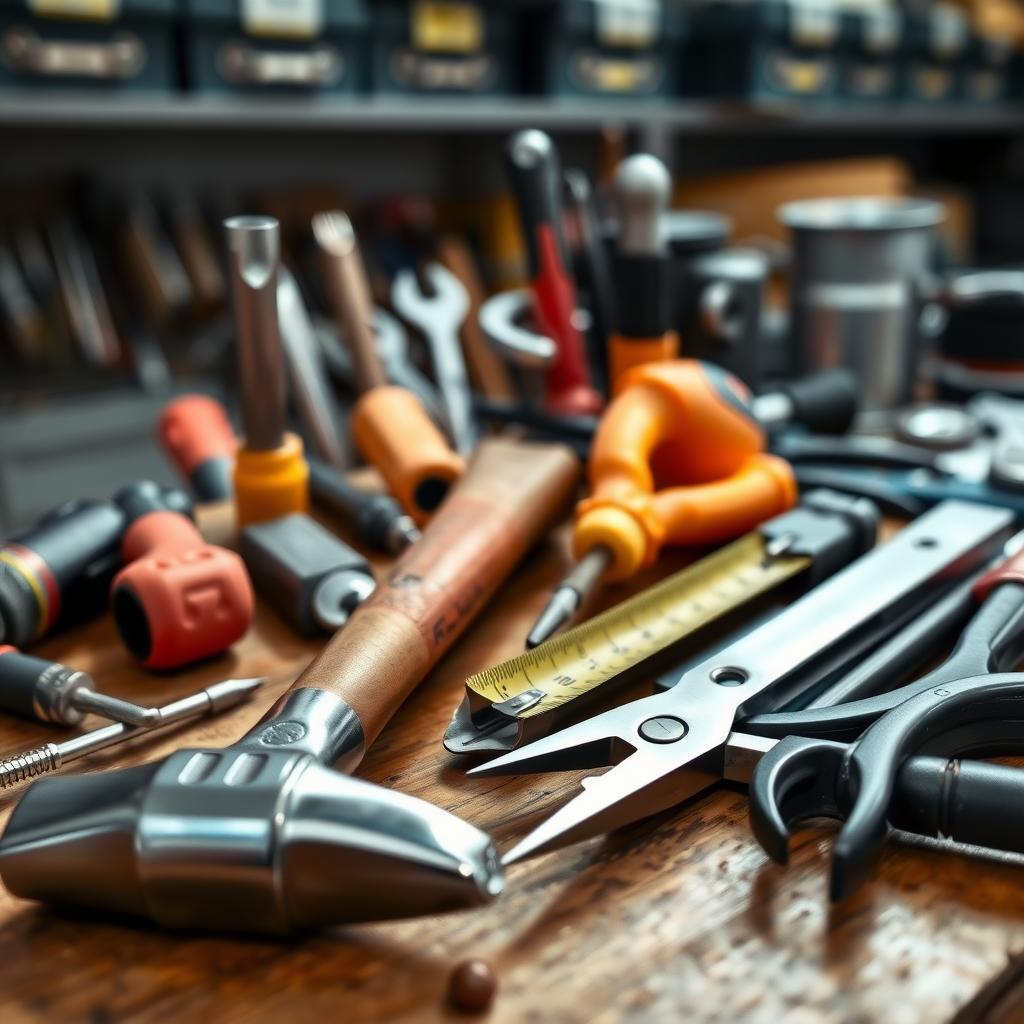
Cleaning is the first step in hand tools maintenance. Dirt, grease, and rust can build up over time, affecting performance. Here’s how to clean your tools effectively:
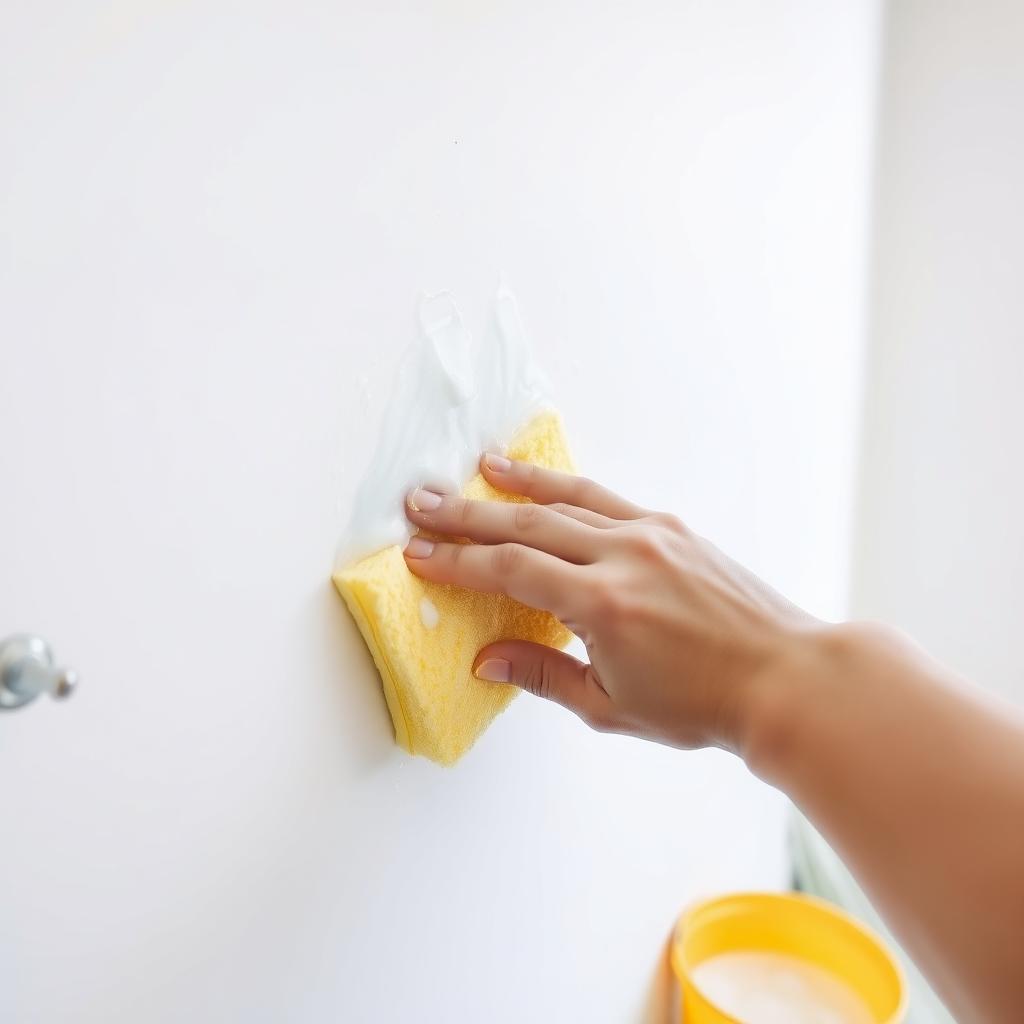
- Remove Dirt and Grease: Use a rag and soapy water to wipe down metal surfaces. For stubborn grease, try a degreaser like WD-40. Dry thoroughly to prevent rust.
- Tackle Rust: For light rust, scrub with steel wool or a wire brush. For heavier rust, soak the tool in white vinegar for 24 hours, then scrub. According to Purdue University’s Corrosion Guide, vinegar is an effective, non-toxic rust remover.
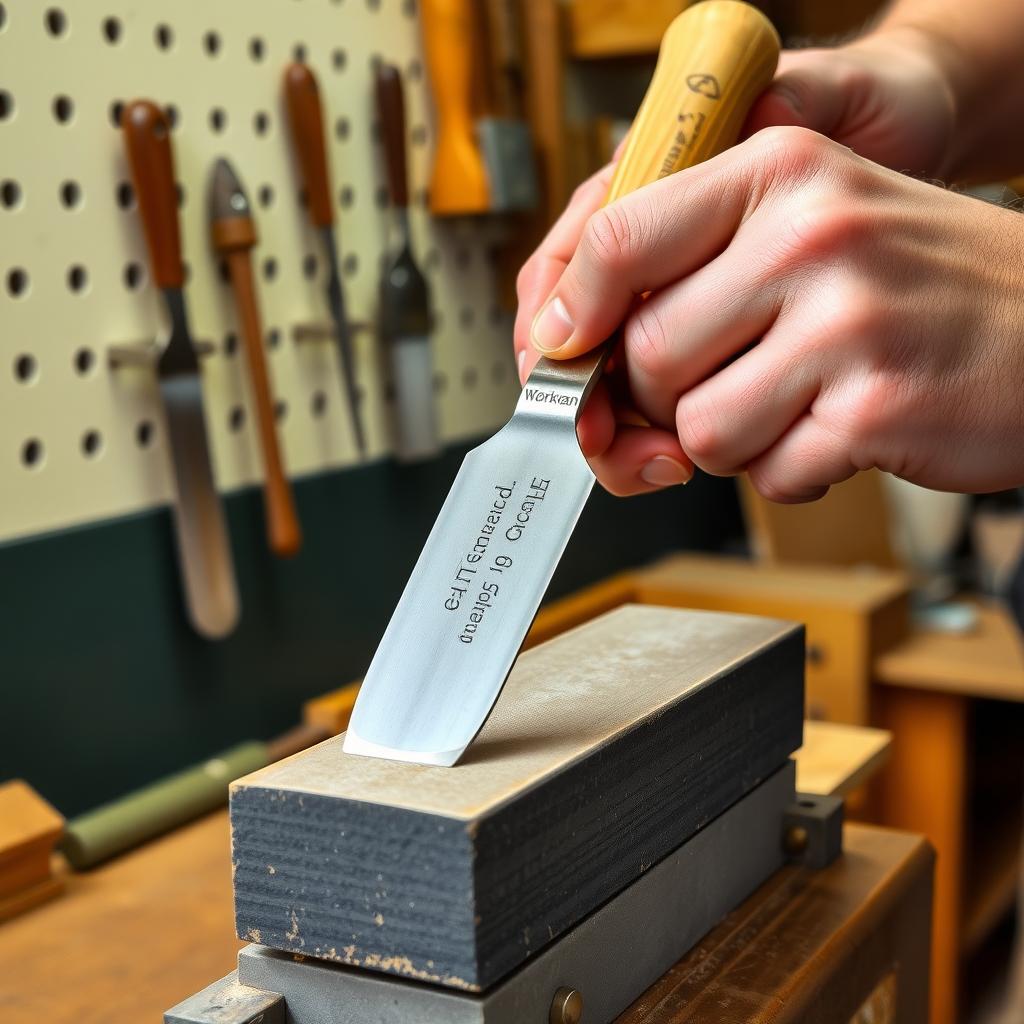
- Sharpen Blades: Tools like chisels and utility knives need sharp edges. Use a sharpening stone or file, holding the blade at a 20-degree angle. Move in smooth, consistent strokes.
I remember sharpening my first chisel—it was dull and useless until I spent 10 minutes with a sharpening stone. The difference was night and day, and it made my woodworking projects so much easier.
Proper Storage Solutions
Storage is critical for hand tools maintenance. Exposure to moisture or rough handling can damage tools. Here are some tips:
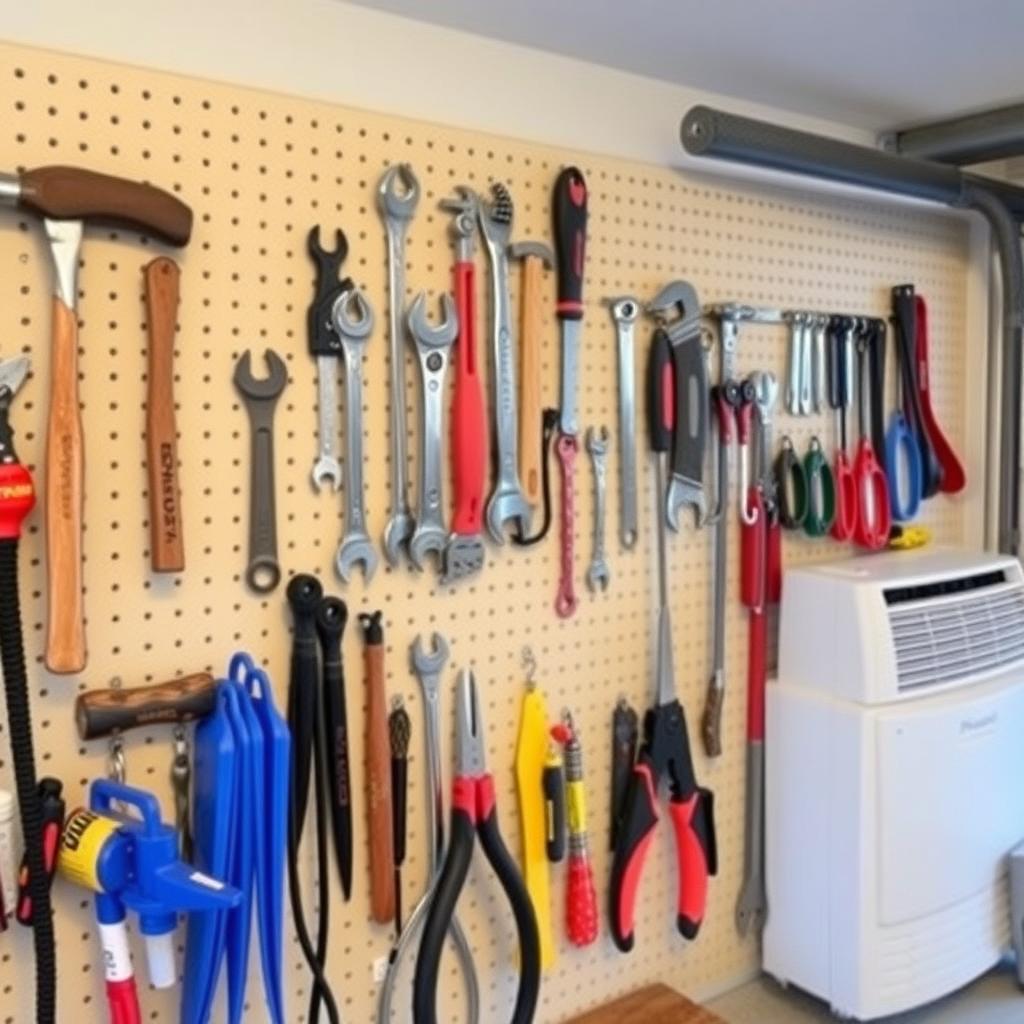
- Use a Toolbox or Pegboard: Keep tools organized and off the floor. A pegboard is great for easy access, while a toolbox protects against dust and moisture.
- Add Silica Gel Packs: Place these in your toolbox to absorb moisture and prevent rust.
- Avoid Damp Areas: Store tools in a dry, well-ventilated space. My garage used to be a damp mess, but adding a dehumidifier made a huge difference.
The National Institute for Occupational Safety and Health emphasizes proper storage to extend tool life and maintain safety.
Regular Inspections and Repairs
Checking your tools regularly can catch issues early. Here’s what to look for:
| Tool Type | Inspection Points | Repair Tips |
|---|---|---|
| Hammer | Loose or cracked handle | Replace handle or tighten with epoxy |
| Screwdriver | Worn or bent tips | Replace or grind tip to restore shape |
| Pliers | Stiff joints | Lubricate with machine oil |
| Blades | Dull edges | Sharpen with a stone or file |
I once noticed my hammer’s handle was loose during a project. A quick fix with some epoxy saved me from buying a new one. Set a reminder to inspect your tools every few months to stay proactive.
Lubrication for Smooth Performance
Moving parts like pliers or adjustable wrenches need lubrication to stay smooth. Use a light machine oil or silicone spray on hinges and joints. Wipe off excess to avoid attracting dust. This simple step can extend the life of your tools significantly. The University of Illinois Extension recommends lubrication as a key maintenance practice for mechanical tools.
DIY Maintenance Projects for Beginners
If you’re new to DIY, maintaining your tools is a great way to start. Here are two beginner-friendly projects:
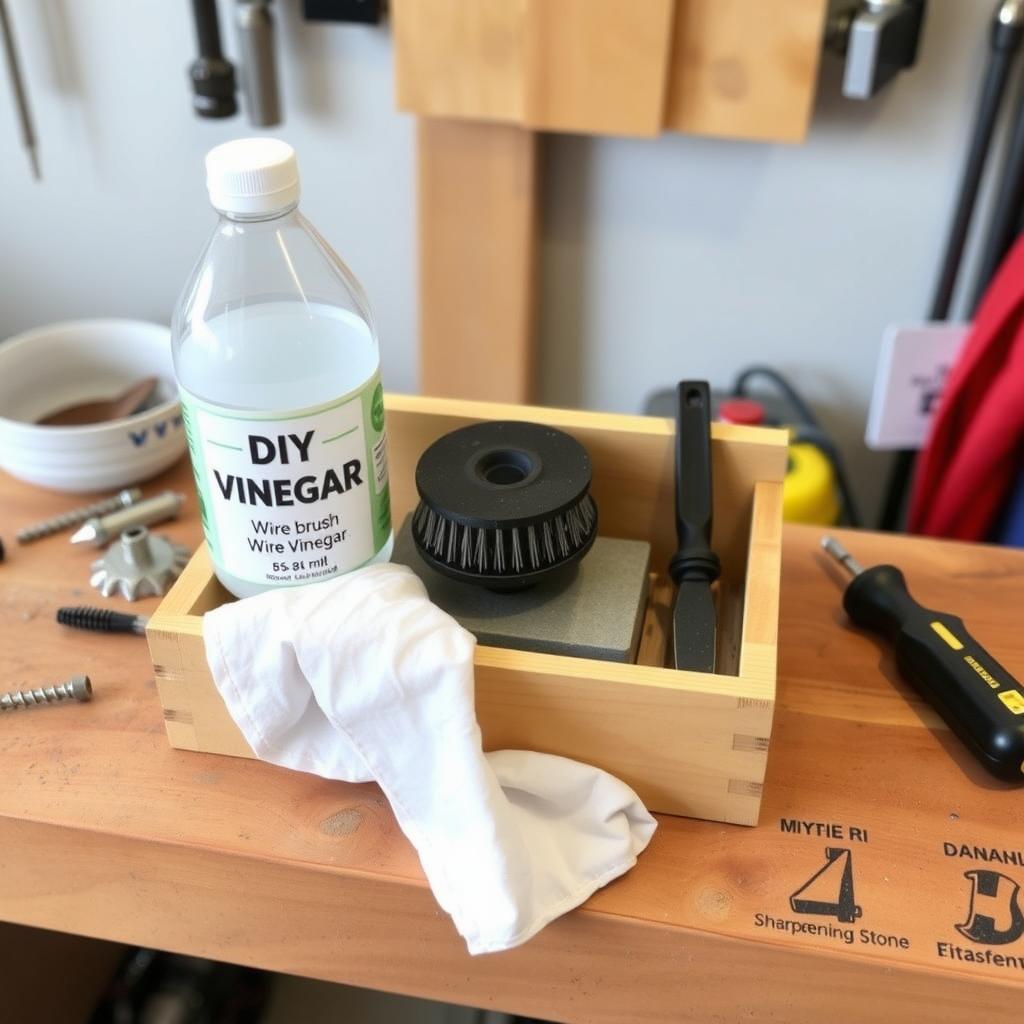
- Tool Cleaning Station: Set up a small cleaning kit with rags, a wire brush, vinegar, and a sharpening stone. Practice cleaning and sharpening your tools to get comfortable with the process.
- Tool Inventory: Create a checklist of your tools and their condition. Note which ones need repairs or replacement. This helps you stay organized and prioritize maintenance.
When I started, I made a cleaning station out of an old shoebox. It wasn’t fancy, but it kept everything in one place and made maintenance a habit.
Common Mistakes to Avoid
Even experienced DIYers make mistakes. Here are some to watch out for:
- Ignoring Rust: Small rust spots can spread if not addressed.
- Using Tools Incorrectly: Using a screwdriver as a pry bar can damage the tip.
- Poor Storage: Leaving tools in a damp or cluttered space invites damage.
I once used a chisel to open a paint can, and it dulled the edge terribly. Lesson learned: use the right tool for the job and maintain it properly.
Summary
Hand tools maintenance tips are simple but powerful. Clean your tools regularly, store them properly, inspect for damage, and lubricate moving parts. These steps ensure your top 10 must-have tools for every DIYer stay in great condition. Whether you’re tackling DIY maintenance projects for beginners or advanced repairs, a well-maintained toolkit makes all the difference. Start small, build good habits, and your tools will serve you for years.
Related Hand Tools Maintenance Tips:
- Organizing Your Workshop: Tips for Efficient Tool Storage
- Comprehensive Guide to Choosing Workman Tools
- The Best Wrenches for Mechanics: Top Picks for Durability and Performance
- The Future of Automation Tech: Revolutionizing Industries with Smart Tools
- Painting Techniques for Beginners: A Step-by-Step Guide
- The Evolution of Workman Tools: From Stone Age to Modern Day
- Best Ratcheting Wrenches for Fast Repairs: Your Ultimate Guide
- A Guide to Choosing the Right Wrenches for Any Job
- Top 10 Essential Tools for Every Workman’s Toolbox
- How to Care for Your Workman Tools: A Comprehensive Guide
- Table Saws with Advanced Safety Mechanisms: Your Guide to Safer Woodworking
- How to Prep Your Walls for a Perfect Paint Job