Overview
Wrenches are the backbone of any toolkit, whether you're a DIY enthusiast or a seasoned professional. Choosing the right wrenches can make or break your project, saving time and preventing frustration. This guide dives into the types, sizes, and features of wrenches, offering practical tips to help you build a reliable collection.
Why Choosing the Right Wrenches Matters
A good wrench feels like an extension of your hand. It grips bolts and nuts securely, applies the right torque, and lasts for years. Pick the wrong one, and you risk stripped fasteners, wasted time, or even injury. With so many options—adjustable, combination, torque, and more—knowing what suits your needs is key.
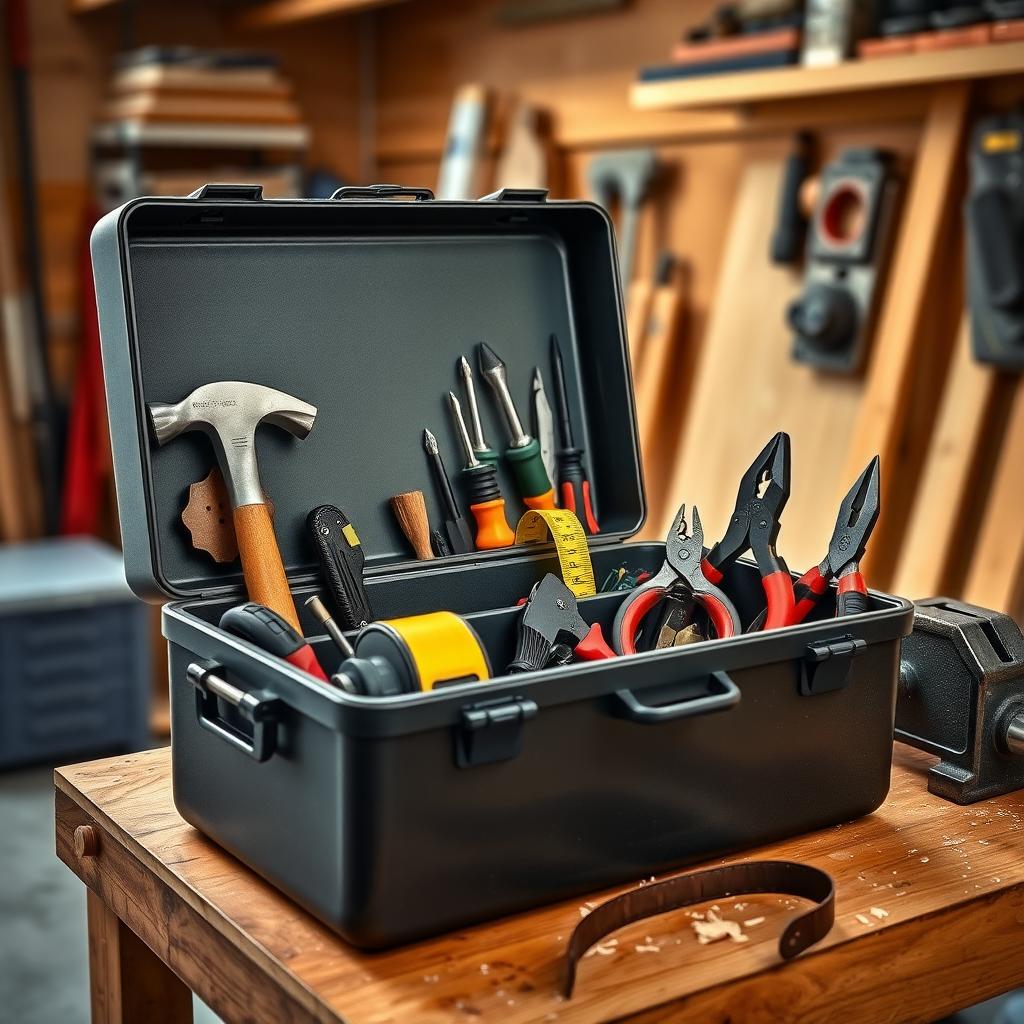
I remember my first toolbox: a mismatched set of cheap wrenches that slipped and rusted quickly. After one too many rounded bolts, I learned that investing in quality tools pays off. Let’s explore how to avoid those mistakes.
Types of Wrenches and Their Uses
Wrenches come in various shapes and sizes, each designed for specific tasks. Here’s a breakdown of the most common types:
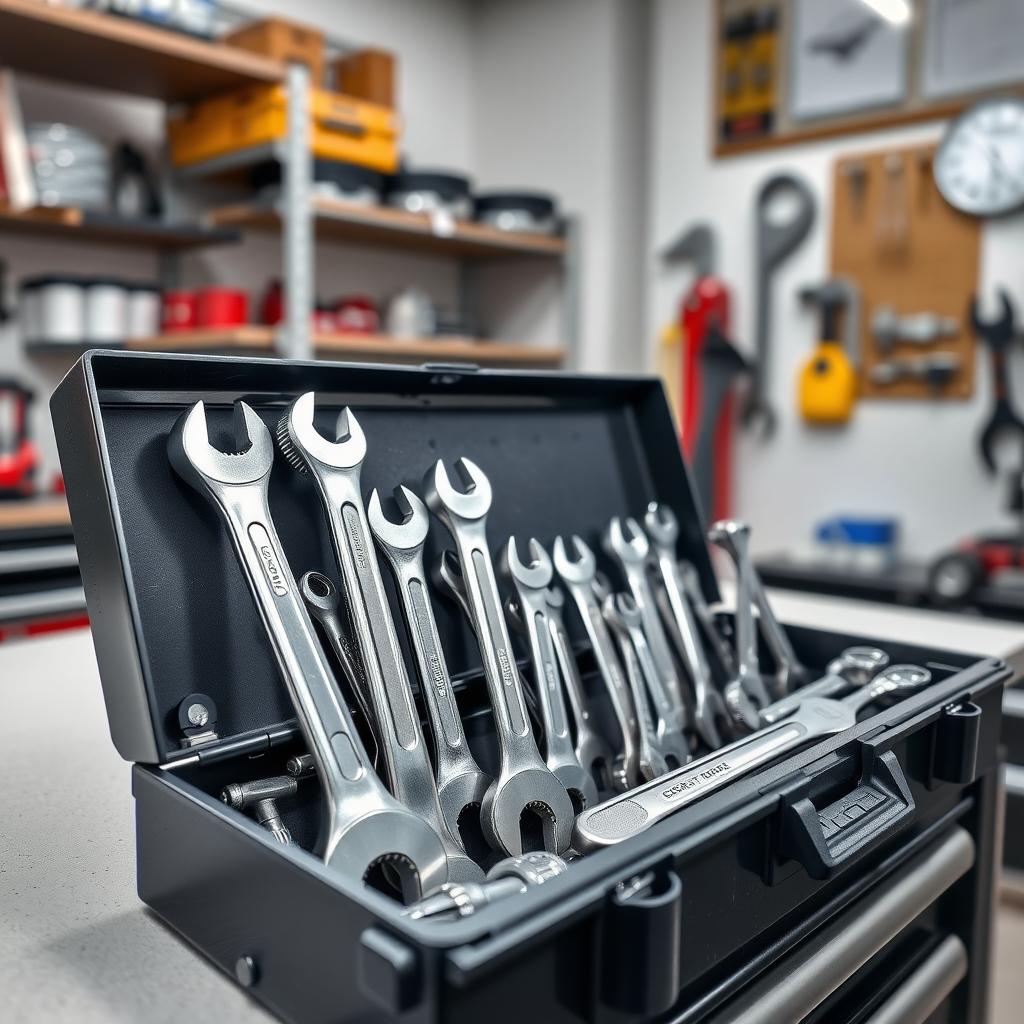
- Combination Wrenches: These have an open end for quick tightening and a box end for extra grip. Great for automotive work or furniture assembly.
- Adjustable Wrenches: With a movable jaw, these adapt to different fastener sizes. Perfect for plumbing or when you need versatility.
- Socket Wrenches: Paired with interchangeable sockets, they’re ideal for high-torque tasks like car repairs.
- Torque Wrenches: These apply precise force, essential for delicate jobs like engine work.
- Pipe Wrenches: Built for gripping round objects like pipes, they’re a must for plumbing projects.
Each type shines in specific scenarios. For example, I keep a combination wrench set in my garage for quick fixes, but my torque wrench is my go-to for bike repairs where precision matters.
How to Choose the Right Wrench
Selecting a wrench involves balancing task requirements, comfort, and durability. Here are key factors to consider:
Size and Fit
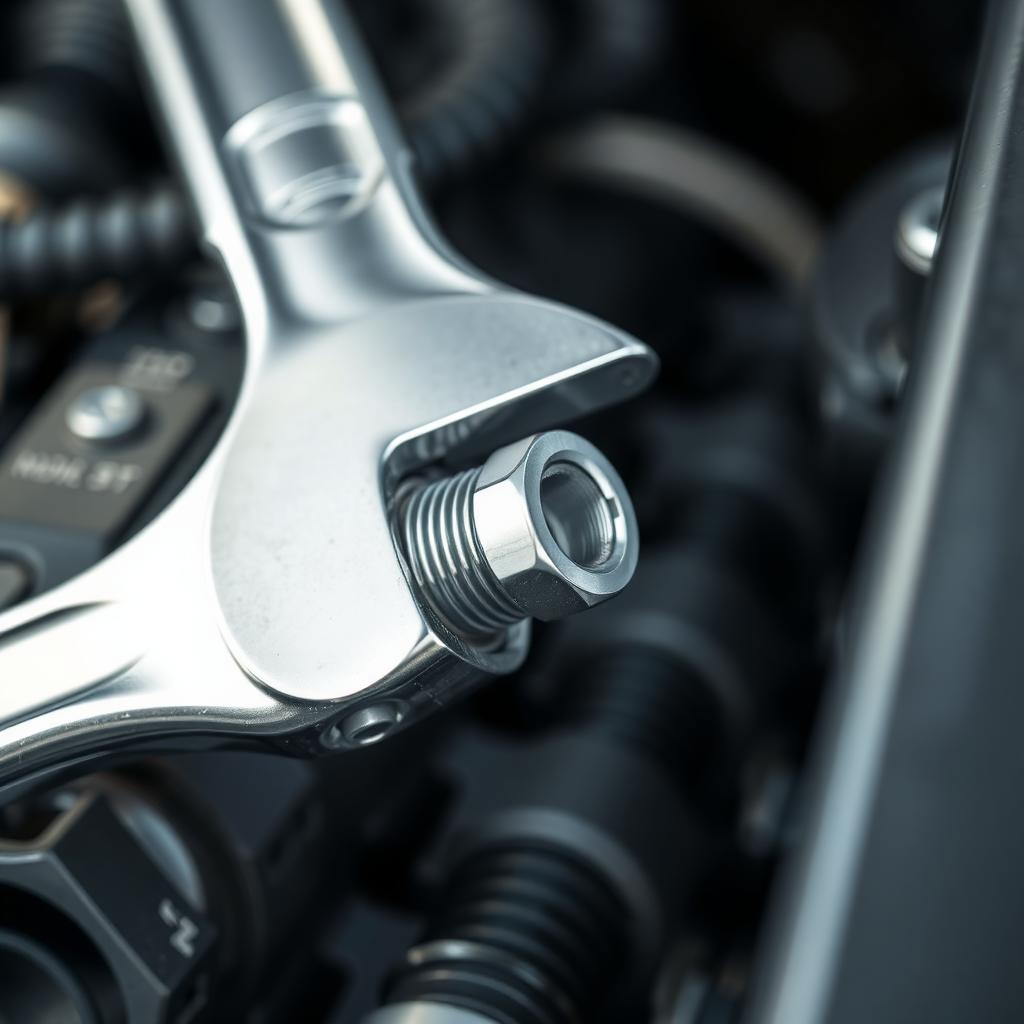
Wrenches come in metric and standard (SAE) sizes. Always match the wrench to the fastener size to avoid slippage. A 10mm wrench won’t grip a 3/8-inch bolt properly, and forcing it can damage both the tool and fastener. If you work on mixed systems (like cars with both metric and SAE bolts), invest in both sets.
Material and Build
Look for wrenches made of chrome-vanadium steel for strength and rust resistance. Cheaper tools might save money upfront but often wear out fast. I learned this the hard way when a budget adjustable wrench snapped during a plumbing job.
Ergonomics
A wrench should feel comfortable in your hand. Check the grip, weight, and balance. For long jobs, a cushioned handle can reduce fatigue. I prefer ratcheting combination wrenches for repetitive tasks—they save time and wrist strain.
Budget vs. Quality
You don’t need to break the bank, but quality matters. Mid-range brands like Craftsman or GearWrench offer durability without the premium price of Snap-on. Start with a small, high-quality set and expand as needed.
Essential Tools Every Workman Must Have
Wrenches are just one piece of a well-rounded toolkit. Pair them with other essentials like screwdrivers, pliers, and a reliable power drill. If you’re curious about drills, check out resources like Power Drills 101: Choosing the Right One to complement your wrench collection. A balanced toolkit ensures you’re ready for any project, from furniture assembly to car maintenance.
How to Maintain and Store Wrenches
Proper care extends the life of your wrenches. Here’s how to keep them in top shape:
- Clean After Use: Wipe wrenches with a dry cloth to remove grease or dirt. For stubborn grime, use a mild solvent and dry thoroughly to prevent rust.
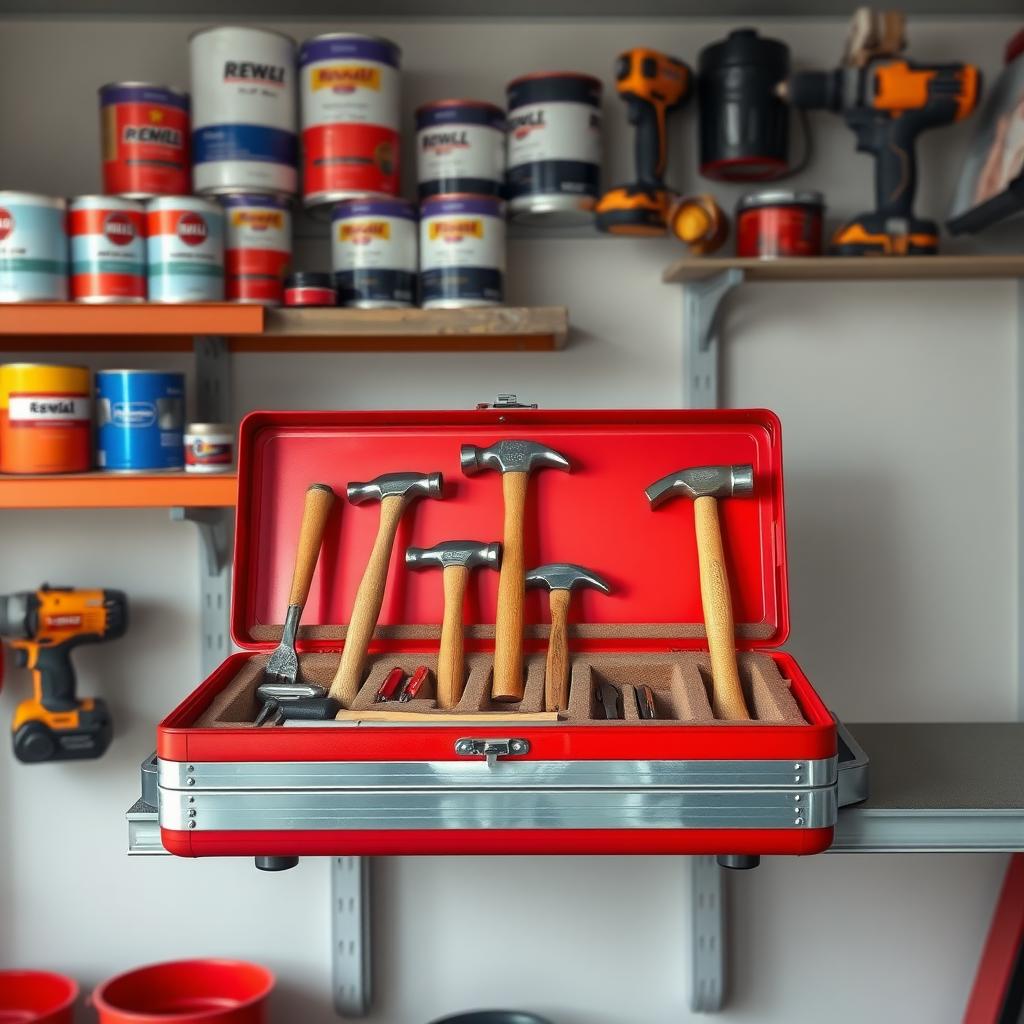
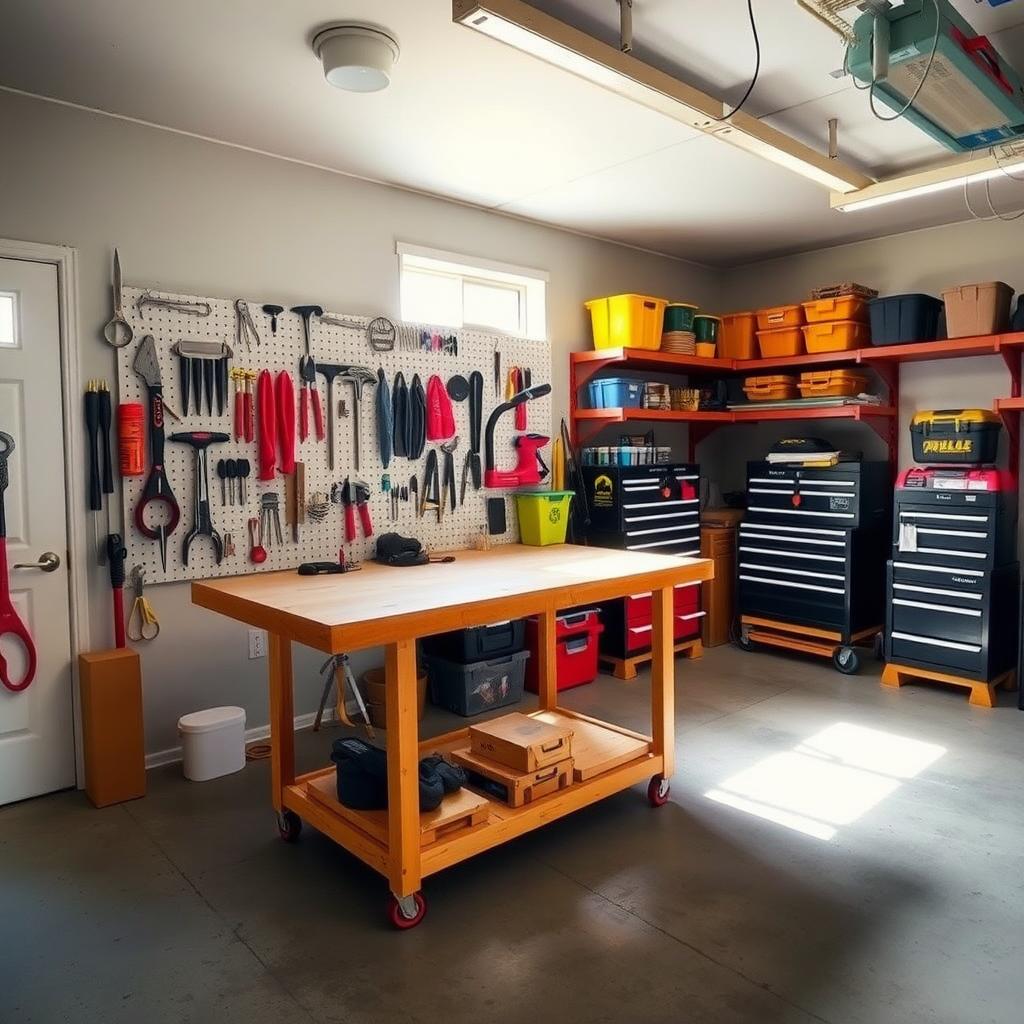
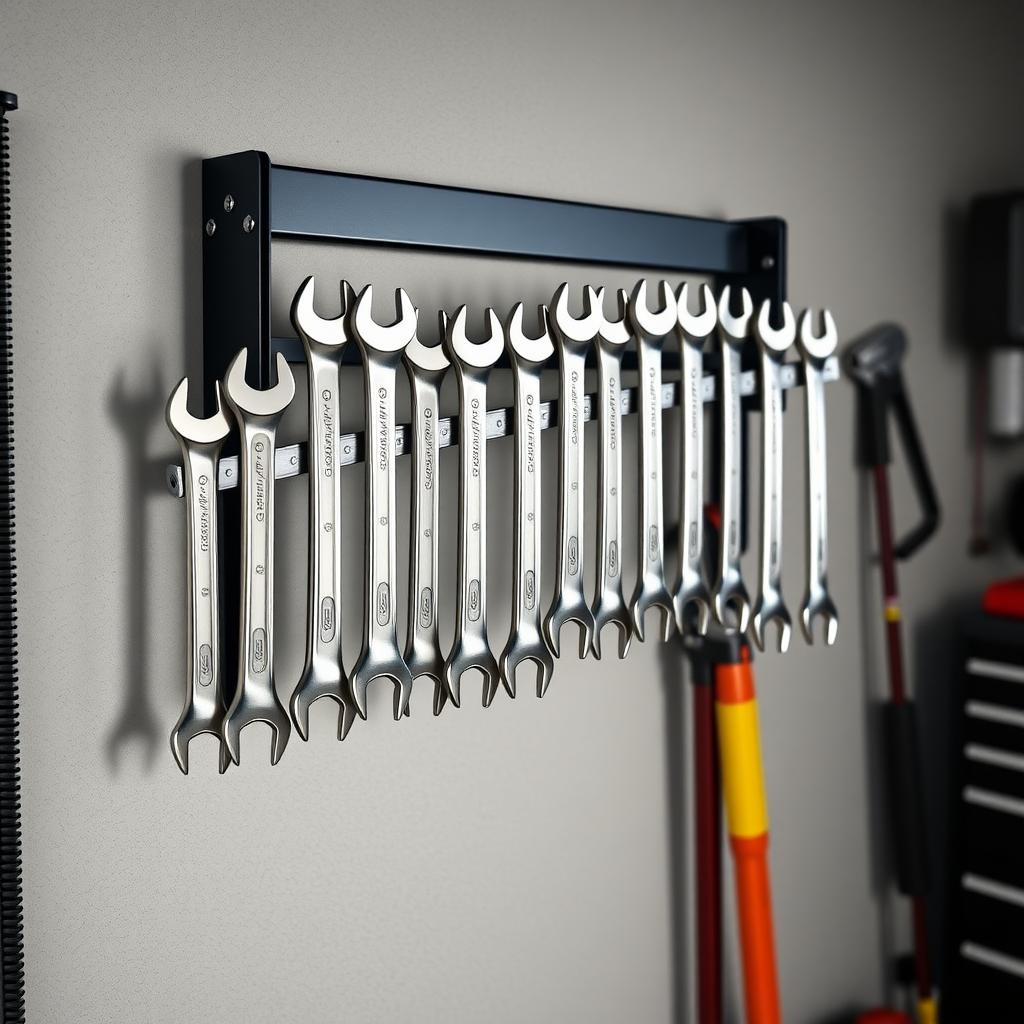
- Store Properly: Keep wrenches in a dry toolbox or organizer. Foam inserts or wrench racks prevent scratches and make tools easy to find. I use a pegboard in my garage—each wrench has its spot, saving me from rummaging.
- Inspect Regularly: Check for wear, like rounded jaws or cracks. A damaged wrench can slip, causing injury or project delays.
- Lubricate Adjustable Wrenches: Apply a drop of oil to the adjustable mechanism to keep it smooth. Avoid over-oiling, as it attracts dust.
I once neglected a favorite wrench, leaving it in a damp toolbox. Rust set in, and it was never the same. Now, I store my tools in a climate-controlled space, and they’ve lasted years.
Common Mistakes to Avoid
Even experienced workers make mistakes when choosing or using wrenches. Here are pitfalls to steer clear of:
- Using the Wrong Size: Always measure the fastener or use a wrench that fits snugly. Guessing leads to stripped bolts.
- Over-Tightening: Applying too much force can damage fasteners or the wrench. A torque wrench helps prevent this.
- Mixing Metric and SAE: Using a metric wrench on an SAE bolt (or vice versa) is a recipe for slippage. Label your sets clearly.
- Skipping Maintenance: Neglecting cleaning or storage shortens tool life. A quick wipe-down after use goes a long way.
I once used an adjustable wrench on a stubborn bolt instead of a socket wrench. The jaw slipped, rounding the bolt and turning a quick fix into an hour-long ordeal. Lesson learned: use the right tool for the job.
Where to Buy Quality Wrenches
You can find wrenches at hardware stores, online retailers, or specialty tool shops. Reputable brands like Stanley, DeWalt, or Tekton offer reliable options. For budget-conscious buyers, check out sales at Home Depot or Amazon, but read reviews to ensure quality. If you prefer hands-on shopping, local stores let you feel the tool’s weight and grip before buying.
For more insights on building your toolkit, authoritative sources like Popular Mechanics (https://www.popularmechanics.com/home/tools/) offer great advice on tool selection.
Summary
Choosing the right wrenches boils down to understanding your needs, picking quality materials, and maintaining your tools. Whether you’re tightening a bolt on your car or assembling furniture, the right wrench makes the job smoother and safer. Start with a versatile set, prioritize ergonomics, and keep them clean and organized. With these tips, you’ll build a toolkit that lasts for years.
Related A Guide to Choosing the Right Wrenches:
- Top 10 Essential Tools for Every Workman’s Toolbox
- How to Care for Your Workman Tools: A Comprehensive Guide
- Table Saws with Advanced Safety Mechanisms: Your Guide to Safer Woodworking
- How to Prep Your Walls for a Perfect Paint Job
- How to Choose the Right Hammer for Any Job
- 10 Essential Power Tools for Every Workshop
- Tool Organization Tips for Painters: Keep Your Workspace Efficient
- Essential Safety Gear for DIY Projects: Protecting Yourself and Your Tools
- The Role of Technology in Improving Construction Safety
- DIY Woodworking Projects for Beginners: A Comprehensive Guide
- Essential Tools for Every Workman's Toolbox: Must-Haves for Any Project
- How to Organize Your Workshop Like a Pro