Overview
Every workman, whether a weekend DIYer or a seasoned pro, needs a reliable set of tools to tackle projects efficiently. A well-stocked toolbox paired with a sturdy workbench is the foundation of any successful job. This guide dives into the essential tools for every workman's toolbox, offering insights from years of hands-on experience to help you build a kit that’s ready for anything.
Why a Well-Equipped Toolbox Matters
A toolbox isn’t just a collection of gadgets; it’s your partner in turning ideas into reality. I remember my first project—a wobbly bookshelf that taught me the hard way about using the right tools. A quality hammer, a precise level, and a sturdy workbench made all the difference when I rebuilt it. The right tools save time, reduce frustration, and ensure professional results. Let’s break down the must-haves for every workman’s toolbox, focusing on versatility, durability, and practicality.
Core Hand Tools: The Backbone of Your Toolkit
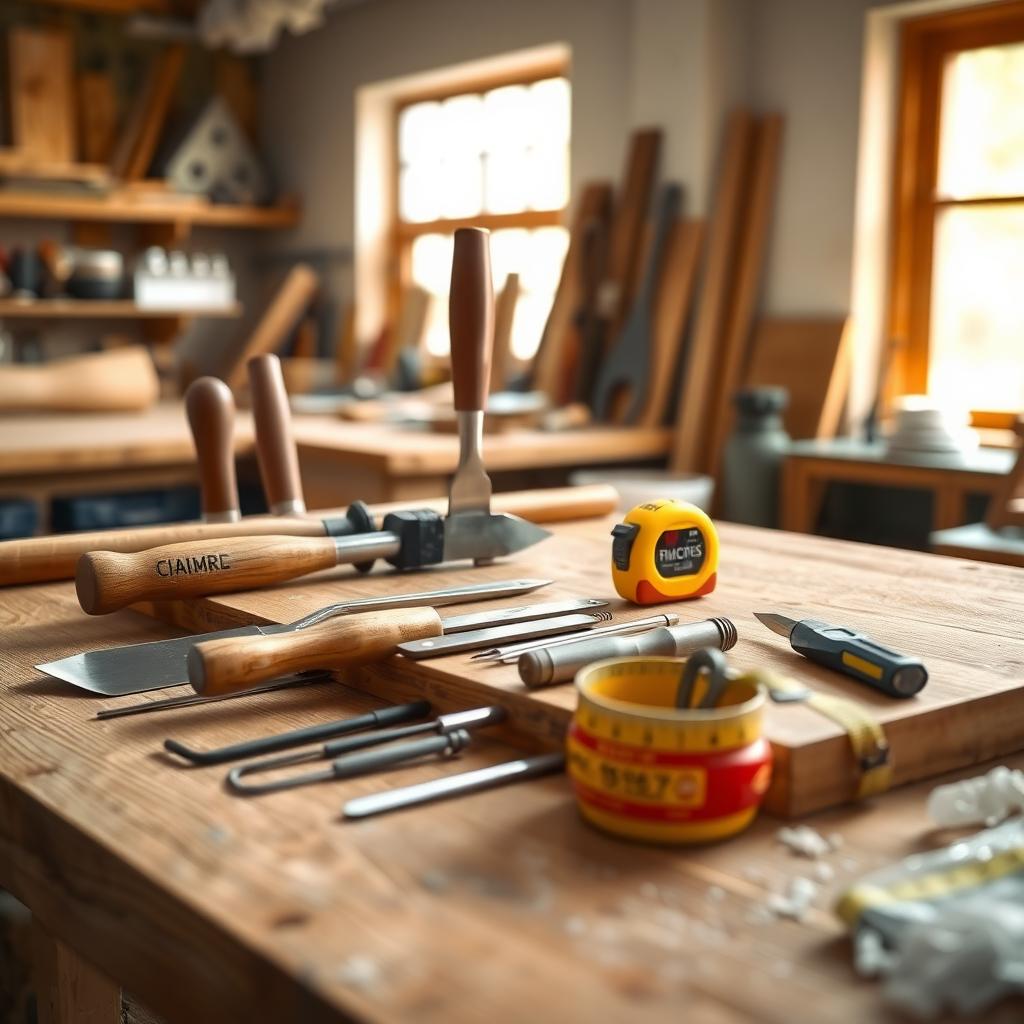
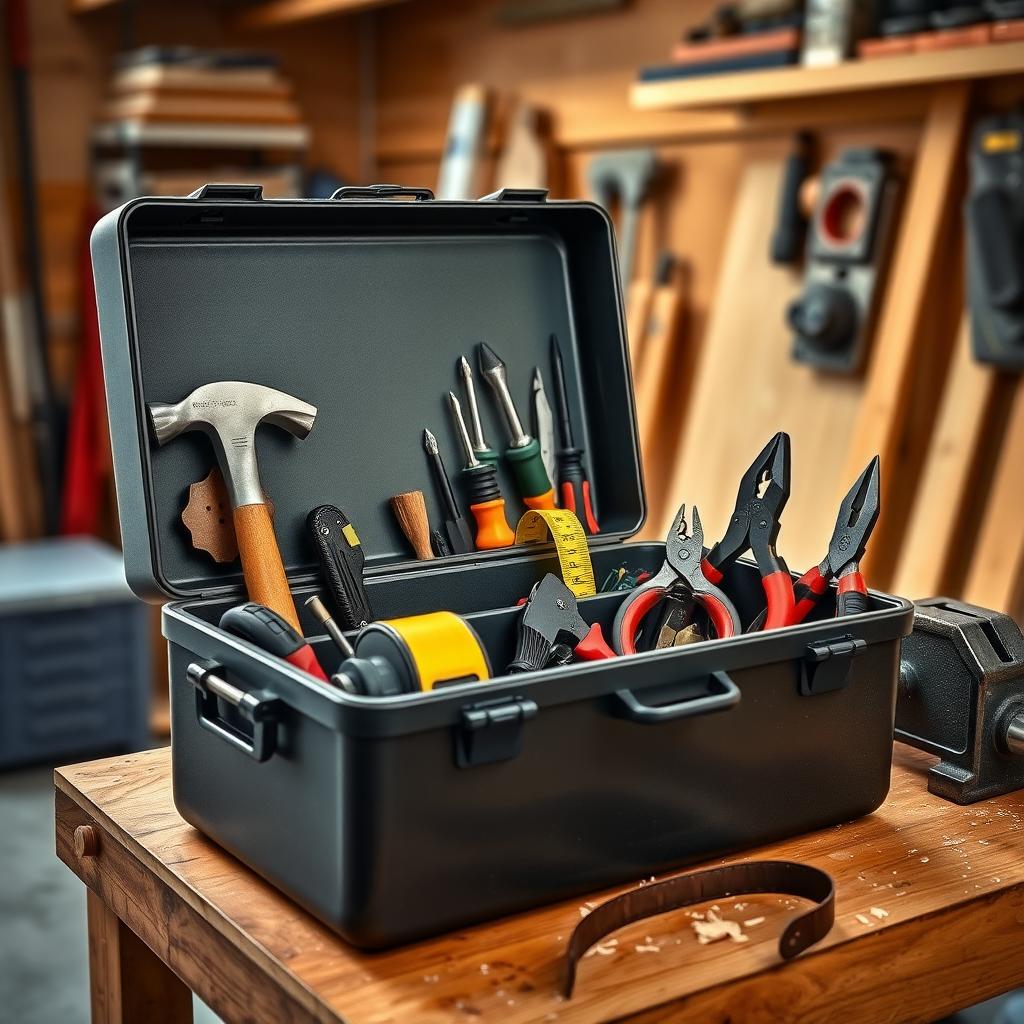
Hand tools are the heart of any toolbox. They’re reliable, don’t need batteries, and get the job done in tight spaces. Here’s a rundown of the essentials:
- Hammer: A 16-ounce claw hammer with a comfortable grip is perfect for driving nails and light demolition. Look for a steel or fiberglass handle for durability.
- Screwdrivers: A set with multiple sizes of Phillips and flathead tips covers most tasks. I’ve found magnetic tips save time when working with small screws.
- Tape Measure: A 25-foot tape measure with a locking mechanism is ideal for most projects. Check for a sturdy blade that doesn’t collapse easily.
- Utility Knife: Great for cutting drywall, opening packages, or trimming materials. Retractable blades are safest.
- Pliers: Include needle-nose for precision, slip-joint for general use, and locking pliers for gripping tough materials.
These tools are non-negotiable. They’re affordable, widely available, and handle 80% of basic tasks. For example, my needle-nose pliers once saved a project when I needed to fish a tiny screw out of a tight gap.
Power Tools: Boosting Efficiency
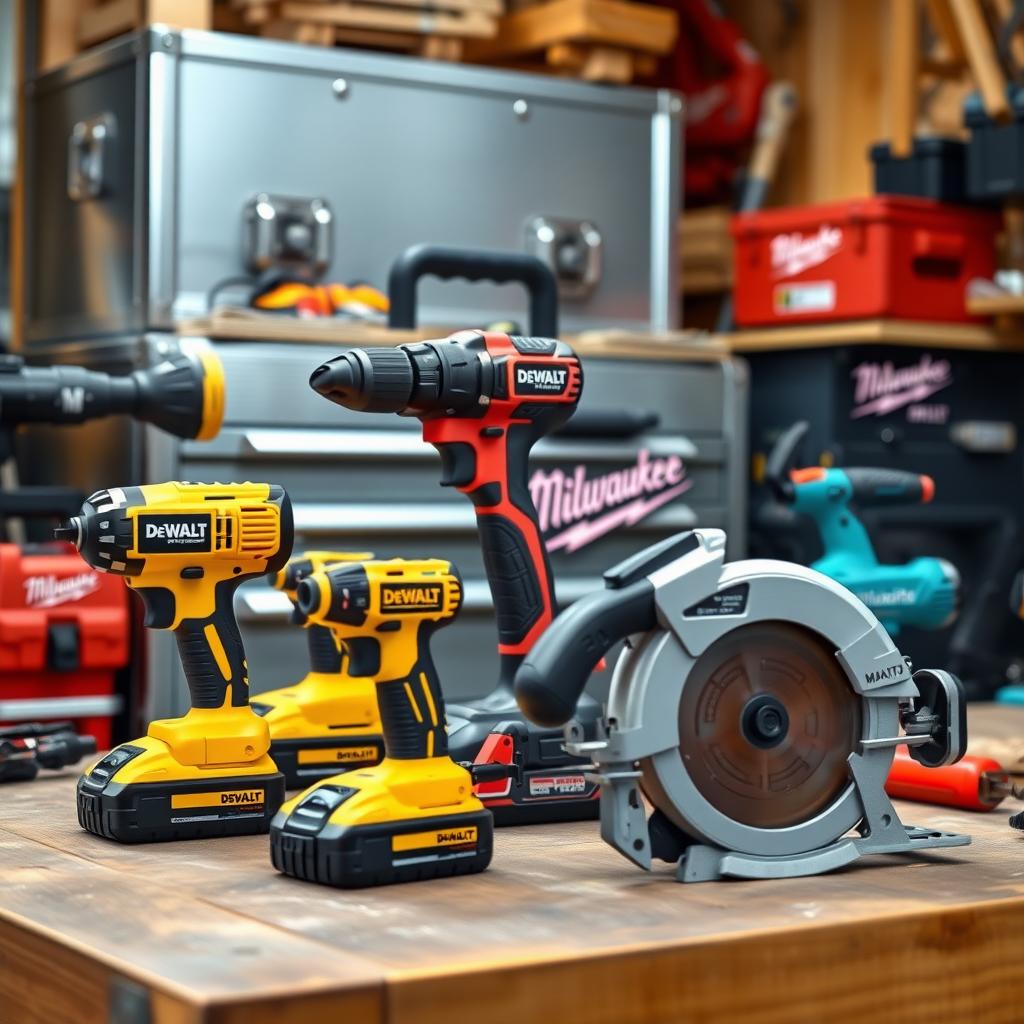
While hand tools are versatile, power tools speed up the process and tackle tougher jobs. Here are the essentials for any workman:
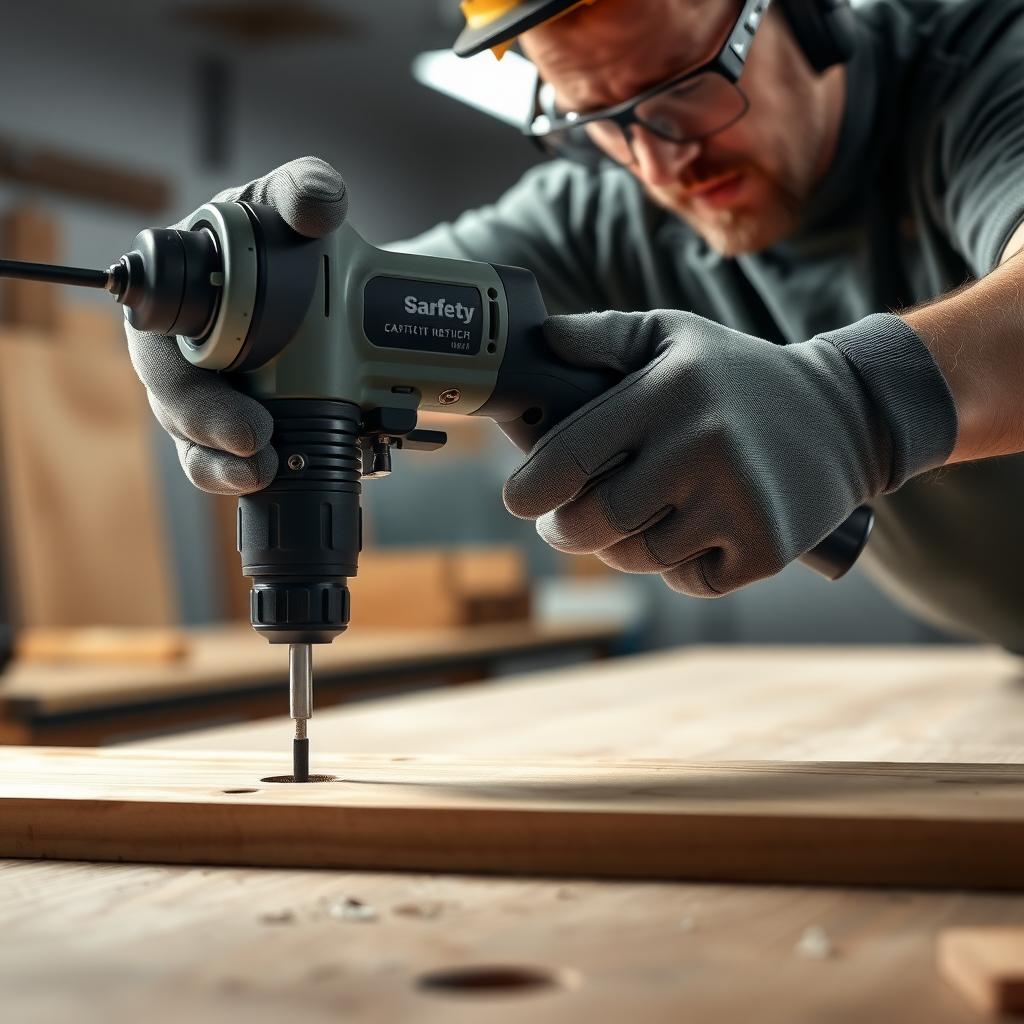
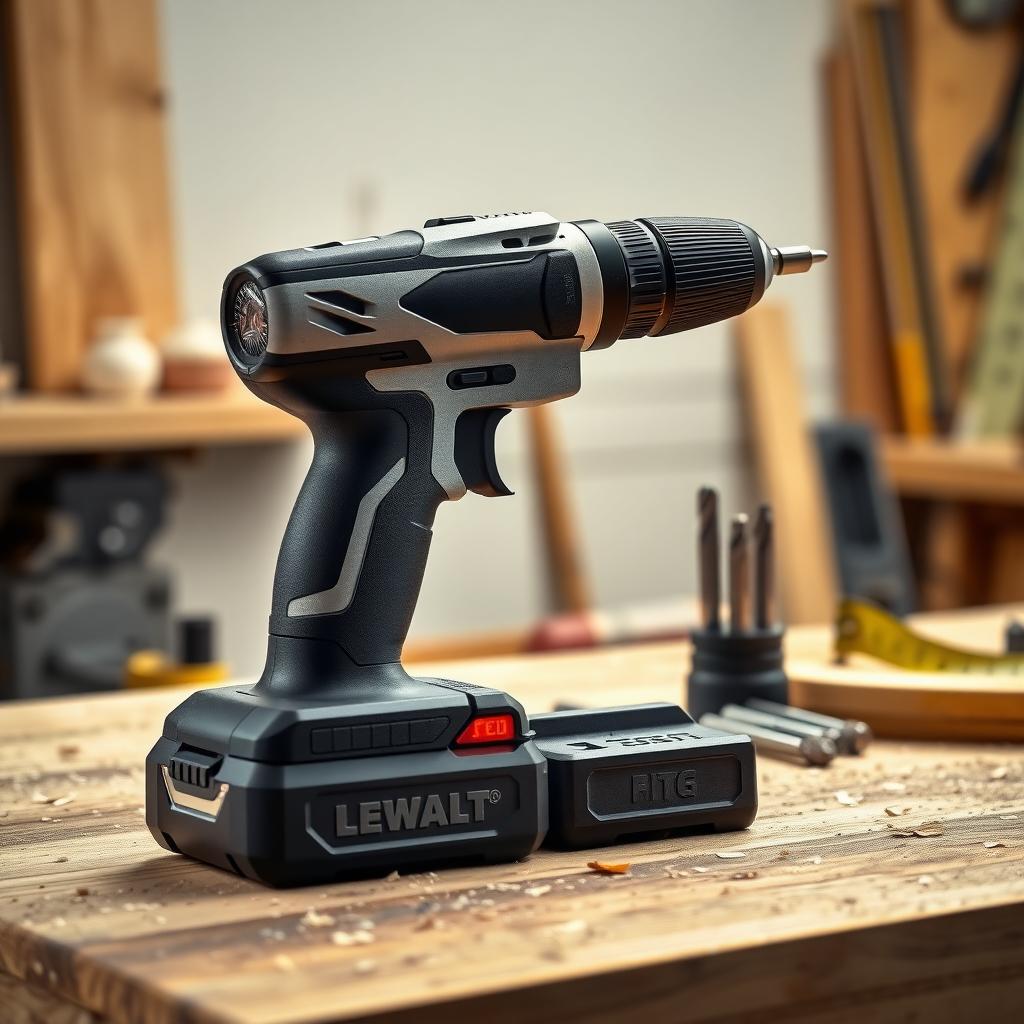
- Cordless Drill: A 20V cordless drill with a variety of bits is a game-changer. Look for one with adjustable torque settings for drilling and driving screws. I’ve used mine for everything from assembling furniture to installing drywall.
- Circular Saw: Perfect for cutting wood, plywood, or even metal with the right blade. A 7-1/4-inch model is standard for most home projects.
- Jigsaw: Ideal for curved cuts or intricate shapes in wood or plastic. It’s a go-to for custom projects like building a birdhouse.
- Power Sander: A random orbital sander smooths surfaces quickly, saving hours compared to hand sanding.
Power tools require an investment, but they pay off in time saved. Always prioritize models with good battery life or reliable corded options, depending on your workspace.
Measuring and Layout Tools: Precision Is Key
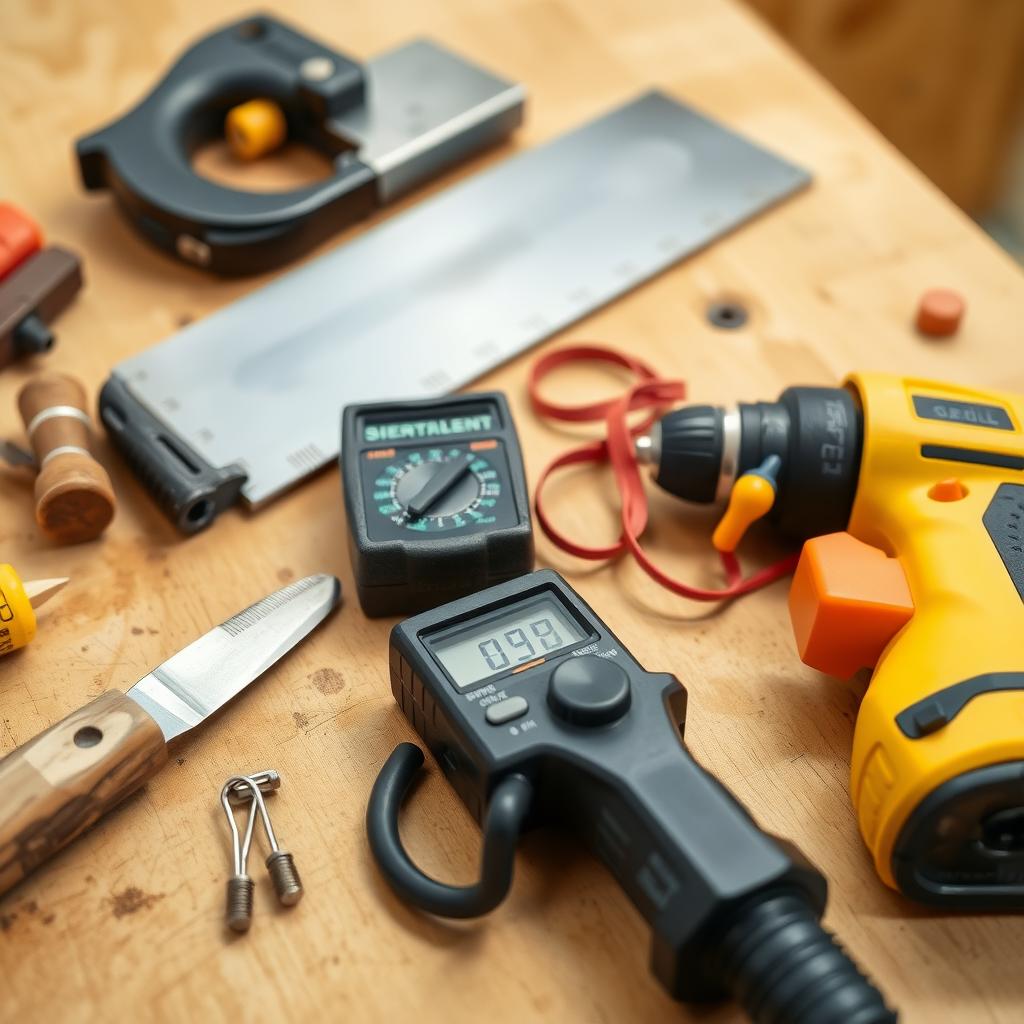
Accuracy separates a sloppy job from a professional one. These tools ensure your cuts and placements are spot-on:
| Tool | Purpose | Tip |
|---|---|---|
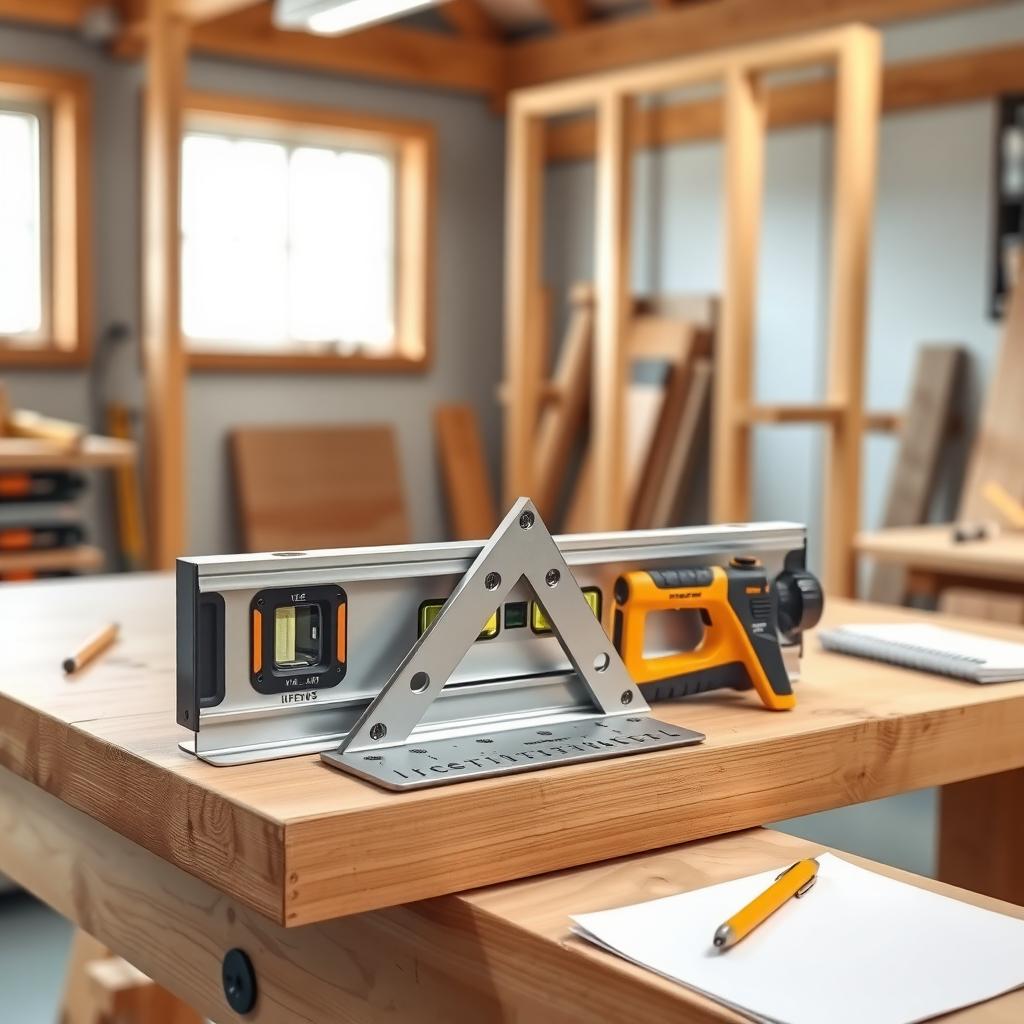
| Level | Ensures surfaces are plumb or level | A 4-foot level is versatile for most tasks |
| Square | Checks 90-degree angles | A combination square doubles as a ruler |
| Stud Finder | Locates wall studs for secure mounting | Electronic models are more reliable |
I once skipped using a level on a shelving unit, and the result was a leaning disaster. Now, I double-check every measurement. A good square also saved me when framing a workbench, ensuring perfect corners.
Workbenches: Your Project’s Foundation
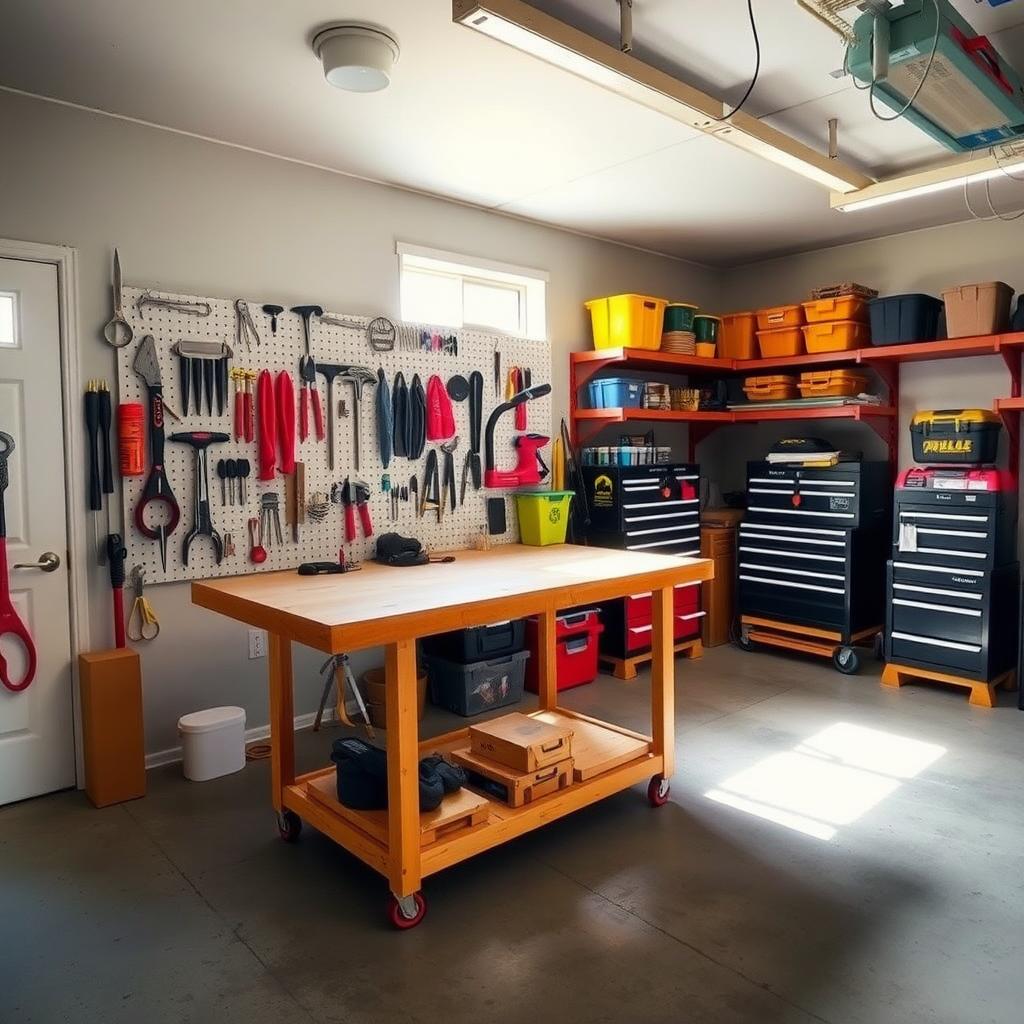
A workbench is more than a surface—it’s the hub of your workspace. The best workbenches are sturdy, spacious, and versatile. I’ve worked on everything from a wobbly folding table to a custom-built oak bench, and the difference is night and day. Look for:
- Stability: A heavy-duty frame that doesn’t wobble under pressure.
- Surface Area: At least 4x2 feet for most projects, though 6x3 is ideal for larger tasks.
- Features: Built-in vices, pegboards, or storage drawers add functionality.
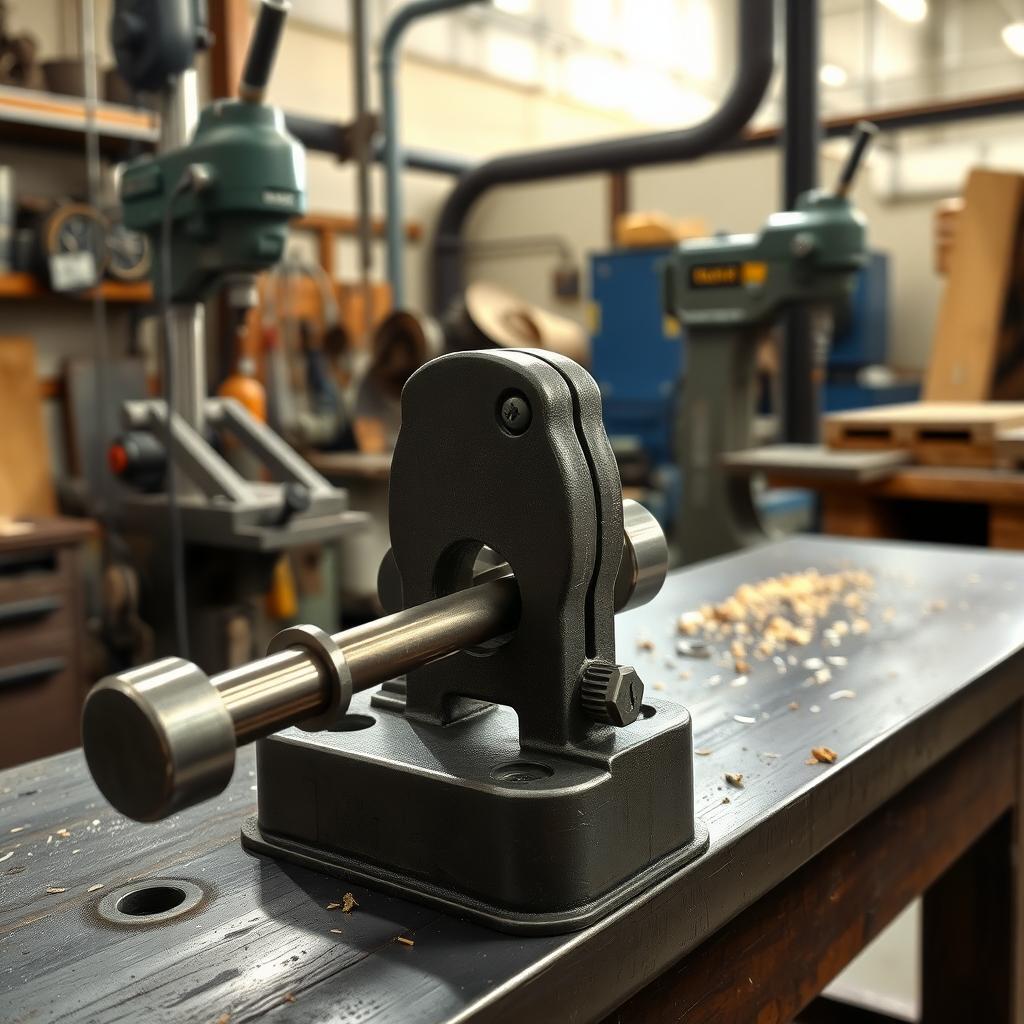
If you’re tight on space, consider a foldable workbench. My first workbench was a portable model that I still use for small jobs. For bigger projects, I upgraded to a stationary bench with a vice for clamping wood securely.
Specialty Tools: For Specific Tasks
Some projects demand niche tools. While not daily essentials, these are worth having:
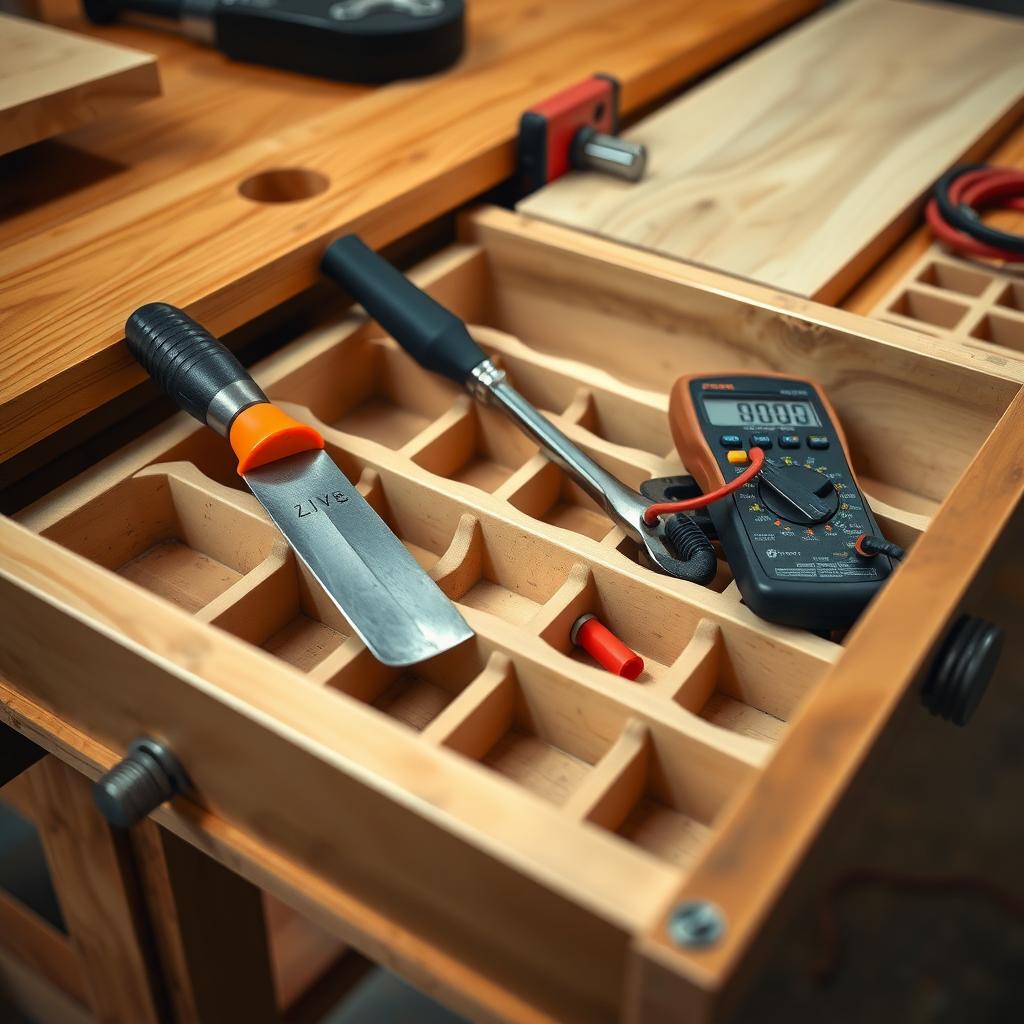
- Chisel Set: For woodworking or carving. A 1/4-inch to 1-inch set covers most needs.
- Pipe Wrench: Essential for plumbing tasks like tightening fittings.
- Multimeter: For electrical work, checking voltage or continuity.
I didn’t think I’d need a multimeter until I had to troubleshoot a faulty outlet. It saved me from calling an electrician. Specialty tools like these round out your toolbox for unexpected challenges.
Tool Storage and Organization
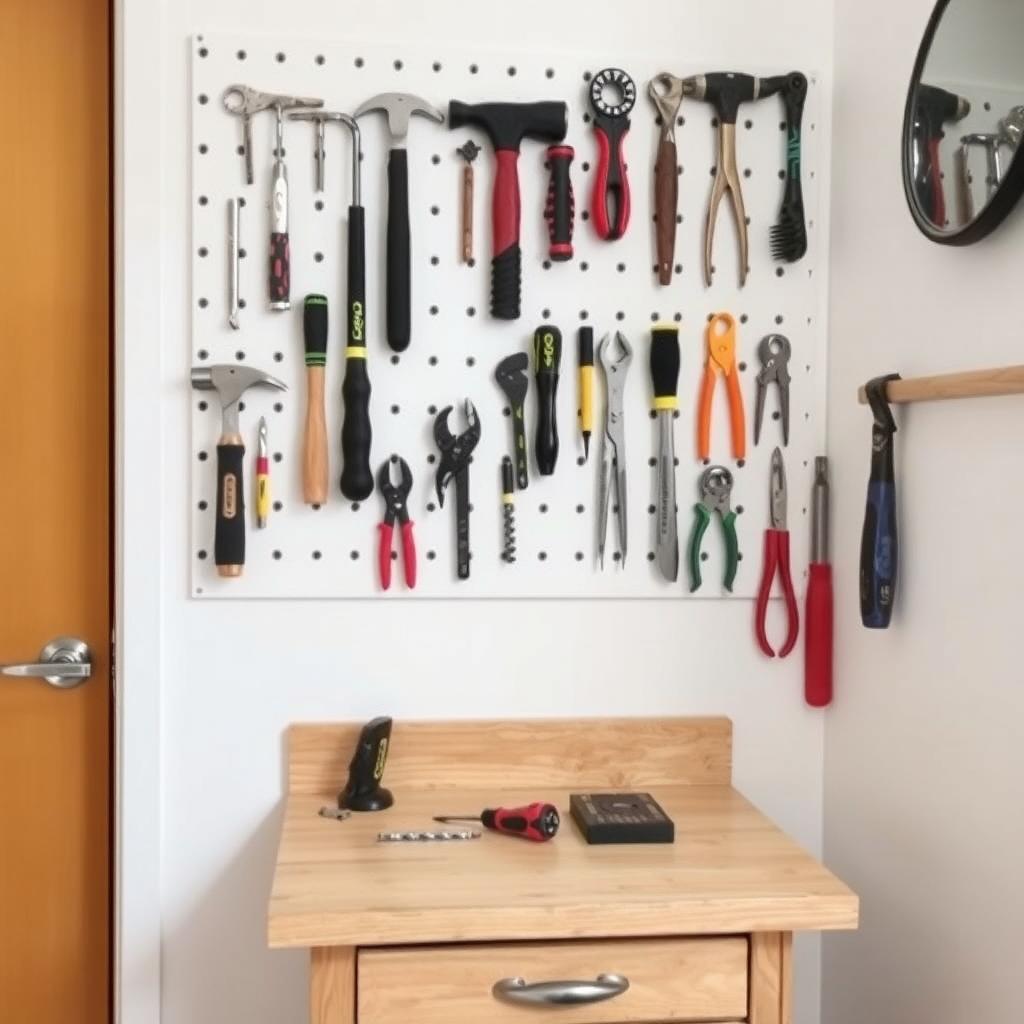
A cluttered toolbox is a recipe for frustration. Invest in a quality toolbox or chest with compartments to keep tools accessible. Wall-mounted pegboards or shelves above your workbench can store frequently used items. I label my drawers to find tools quickly—trust me, it’s a time-saver. For portability, a tool bag with padded straps works for jobs away from home.
According to a 2023 report by Popular Mechanics, organized tool storage can cut project time by up to 20% by reducing search time. A tidy workspace also boosts safety by preventing accidents.
Tips for Building Your Toolbox
- Start Small: Buy quality versions of the core hand tools first, then add power tools as needed.
- Invest in Durability: Cheap tools break fast. Brands like DeWalt, Stanley, or Craftsman offer reliable options.
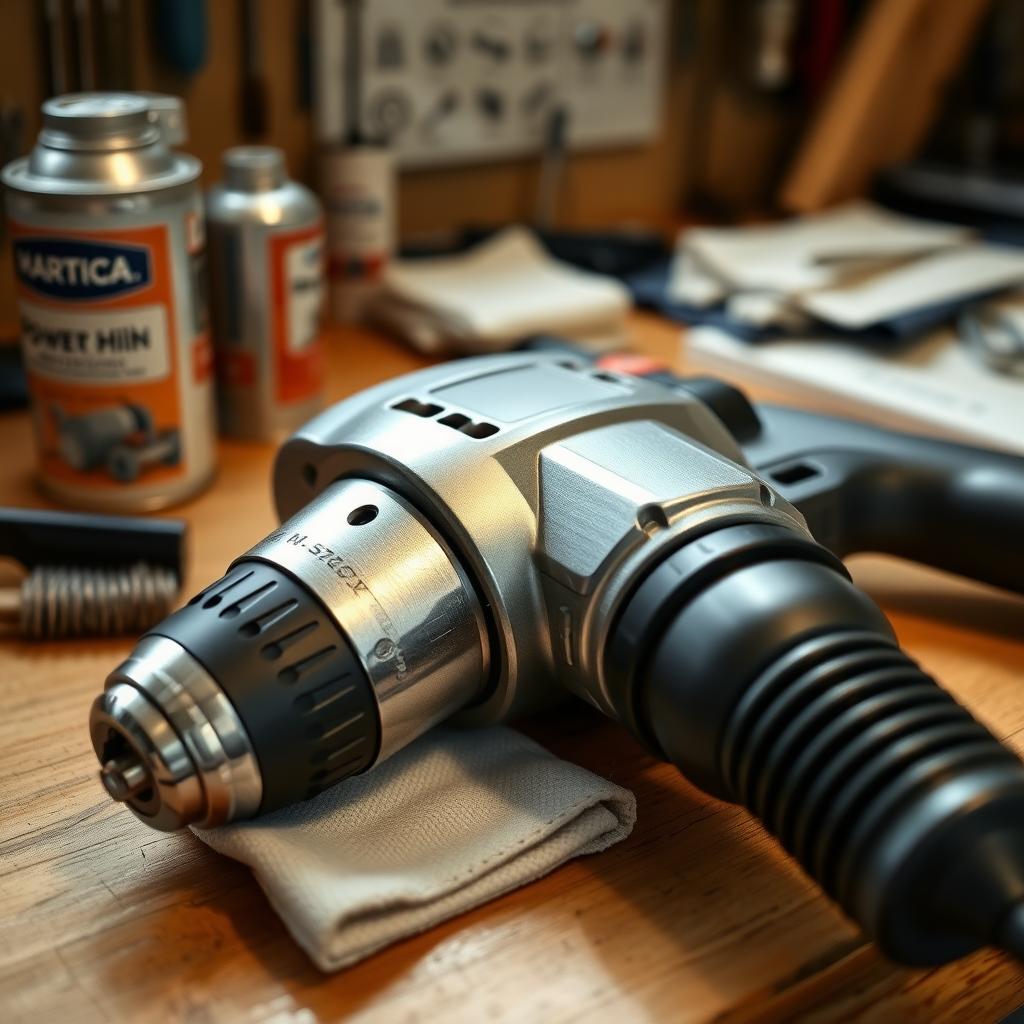
- Maintain Your Tools: Clean and oil them regularly to extend their life.
- Shop Smart: Look for sales at hardware stores or online retailers like Home Depot (https://www.homedepot.com) for deals.
My biggest mistake early on was buying a cheap drill that died mid-project. Spending a bit more upfront saves money in the long run.
Summary
Building a toolbox with the essential tools for every workman’s toolbox is about balancing versatility, quality, and practicality. From core hand tools like hammers and screwdrivers to power tools like drills and saws, each item plays a role. A sturdy workbench ties it all together, creating a workspace that inspires confidence. Start with the basics, invest in quality, and organize your tools for efficiency. With these workman tools, you’ll be ready to tackle any project with ease.
Related essential tools for every workman's toolbox:
- How to Organize Your Workshop Like a Pro
- Mastering Advanced Hand Tool Techniques for Precision Craftsmanship
- How to Choose the Right Vice for Your Workbench: A Comprehensive Guide
- Power Tools Safety Guidelines: Stay Safe While Using Power Drills and More
- Top Tool Brands Trusted by Professionals: Your Guide to Quality Tools
- Combining Woodworking and Electrical Work: The Ultimate Guide
- Common Power Washer Problems and Solutions: Keep Your Machine Running Smoothly
- Essential Power Tools Maintenance Tips for Long-Lasting Performance
- DIY Tool Storage Solutions for Small Spaces: Maximize Your Workshop
- Choosing the Right Paintbrush for Your Project: A Comprehensive Guide
- Innovative Ergonomic Solutions for Home Improvement: Transform Your Work Experience
- Mastering Precision Drilling: The Ultimate Guide to Power Tools