Overview
Choosing the right vice for your workbench can transform your woodworking or metalworking experience. A vice secures materials, boosts precision, and enhances safety. This guide explores vice types, key features, and practical tips to help you pick the perfect one for your projects, whether you're a hobbyist or professional.
Why a Vice Matters for Your Workbench
A vice is more than just a tool—it’s the backbone of a functional workbench. It holds your workpiece steady, letting you focus on cutting, shaping, or assembling with confidence. Without a reliable vice, you risk wobbly materials, imprecise cuts, or even injury. When I started woodworking, I underestimated the importance of a good vice. My first project, a simple shelf, wobbled because my cheap clamp couldn’t hold the wood securely. That frustration taught me: invest in a quality vice to save time and improve results.
When considering How to Choose the Right Vice for Your Workbench, think about your projects. Are you carving delicate wood pieces or wrestling with heavy metal? The vice you choose should match your workbench’s size, your material types, and your work style. Let’s break down the key factors to guide your decision.
Types of Vices for Your Workbench
Vices come in various designs, each suited for specific tasks. Here’s a rundown of the most common types:
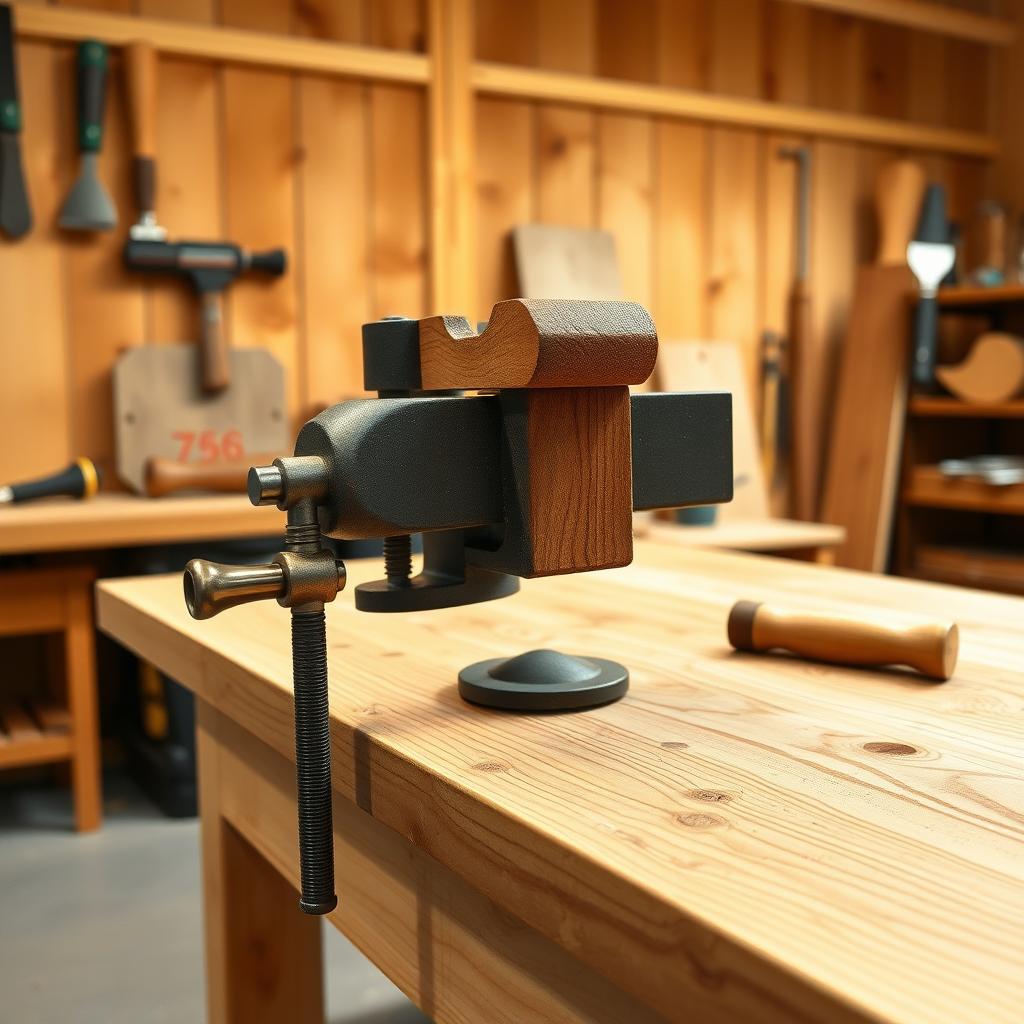
- Woodworking Vice: Mounts under or on the workbench, ideal for holding wood during planing or sanding. Features wide jaws, often with wooden linings to prevent marring.
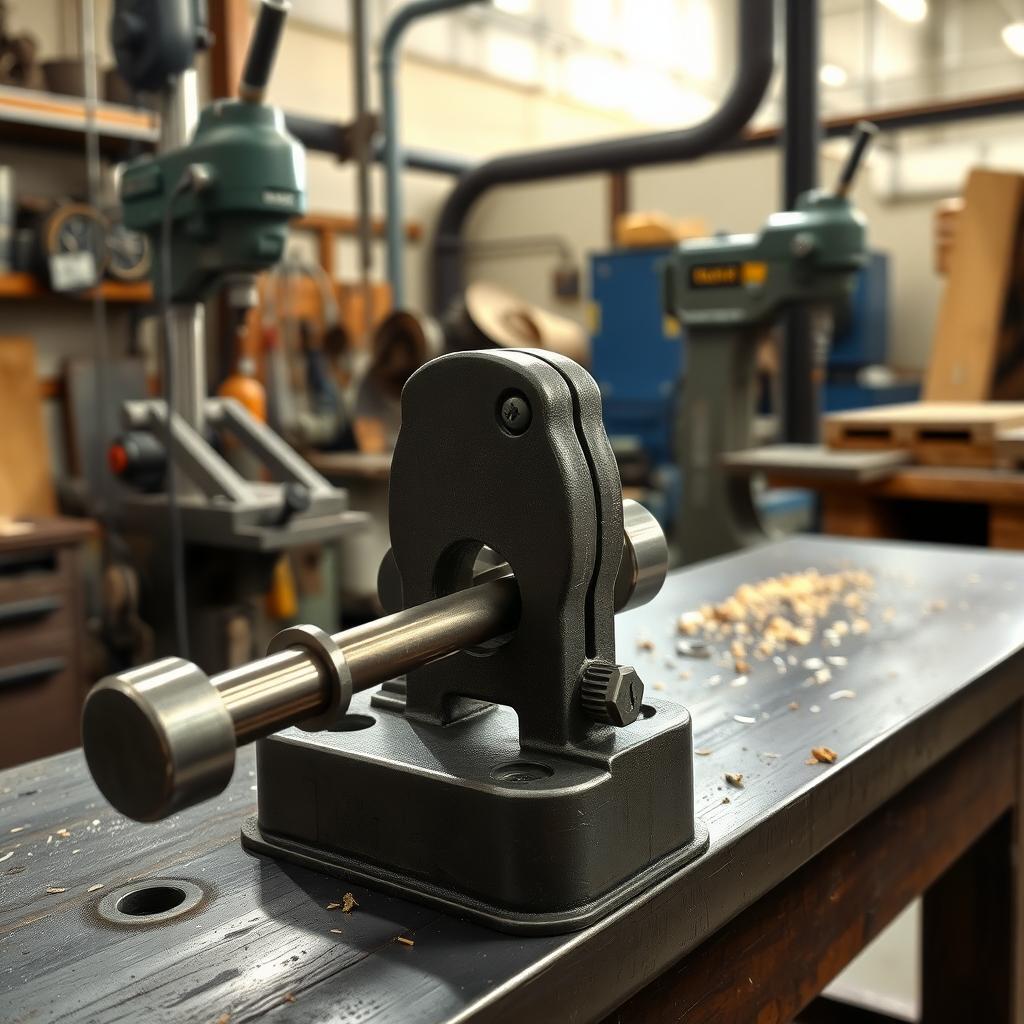
- Metalworking Vice: Heavy-duty, bolted to the bench, designed for gripping metal during drilling or grinding. These are built to withstand high force.
- Engineer’s Vice: Versatile for general use, suitable for both metal and wood. Often includes a swivel base for flexibility.
- Pipe Vice: Specialized for holding cylindrical objects like pipes, common in plumbing tasks.
Each type serves a purpose. For example, my woodworking vice was a game-changer for carving intricate joints, but when I tried using it for metal, it lacked the grip strength needed. Match the vice to your primary material for best results.
Key Features to Look for in a Vice
Not all vices are created equal. Here are the essential features to consider:
| Feature | Why It Matters |
|---|---|
| Jaw Width | Wider jaws (6-9 inches for woodworking, 4-6 inches for metalworking) hold larger pieces securely. |
| Material | Cast iron or steel ensures durability; avoid flimsy aluminum models. |
| Mounting Type | Bolt-on vices are stable; clamp-on models suit portable workbenches. |
| Swivel Base | Allows rotation for easier access to different angles. |
| Quick-Release Mechanism | Speeds up adjustments, saving time on repetitive tasks. |
I learned the hard way that jaw width matters. My first vice had narrow jaws, and larger boards kept slipping. Upgrading to a 7-inch woodworking vice made all the difference for stability.
Check the vice’s throat depth (the distance from the top of the jaws to the slide). A deeper throat holds taller pieces. Also, ensure the vice’s weight matches your workbench’s capacity. A heavy vice on a flimsy bench is a recipe for wobbling. For more on building a robust setup, explore How to Build a Sturdy Workbench for tips on creating a solid foundation.
Matching the Vice to Your Workbench
Your workbench and vice must work as a team. A sturdy workbench supports the vice’s weight and force. If your bench wobbles, even the best vice won’t perform well. When I built my first workbench, I followed guidelines from The University of Wisconsin’s woodworking resources to ensure stability. A bench at least 1.5 inches thick with strong legs is ideal for most vices.
Consider the vice’s mounting requirements. Bolt-on vices need a thick benchtop for secure attachment. If you’re using a portable workbench, a clamp-on vice might be better. Measure your bench’s dimensions before buying to avoid mismatches.
Safety Practices for Workman Tools
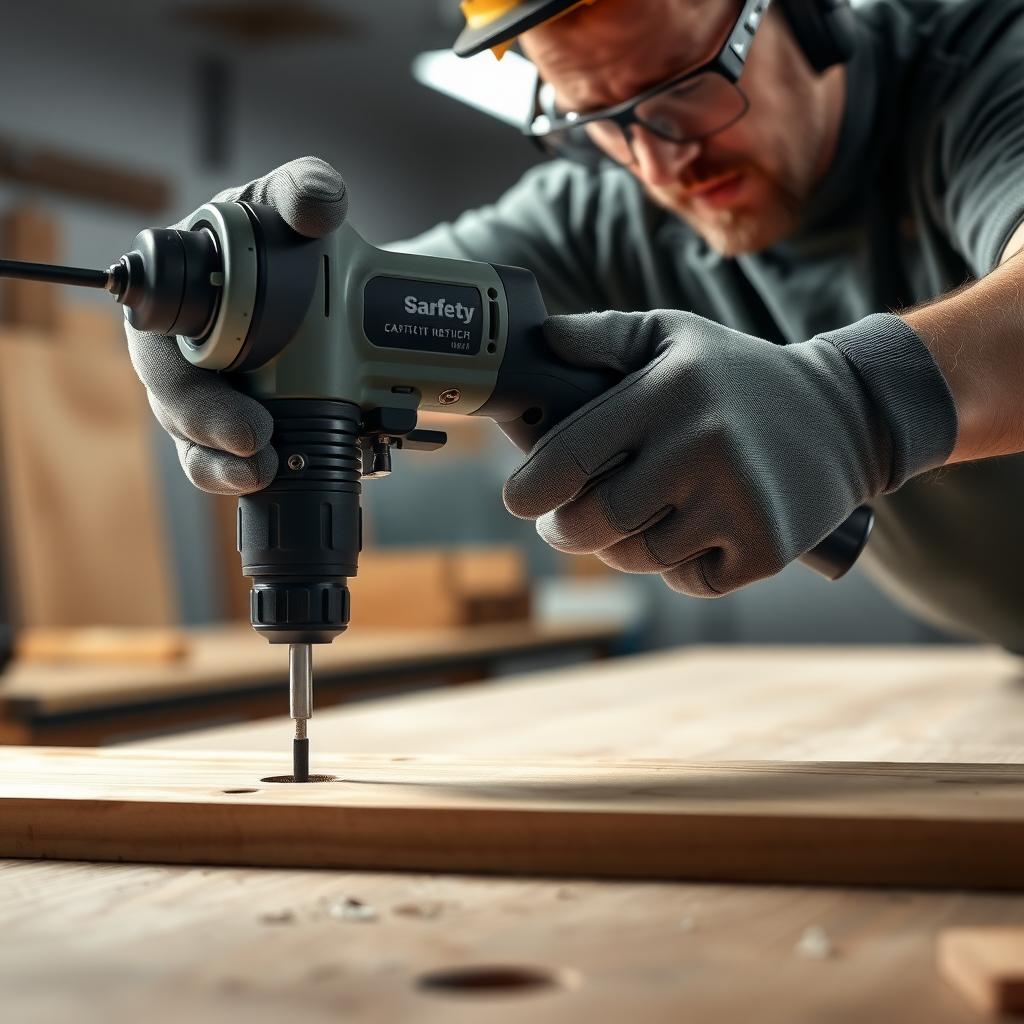
Using a vice safely is critical. A poorly secured vice or workpiece can lead to accidents. Follow these Safety Practices for Workman Tools:
- Secure the Vice: Bolt it tightly to the workbench to prevent movement.
- Check Workpiece Stability: Ensure the material is firmly gripped before starting work.
- Use Protective Linings: For delicate materials, use wood or rubber jaw linings to avoid damage.
- Keep Hands Clear: Never place hands near moving parts or during high-force tasks.
I once saw a friend nearly injure himself when a loose vice shifted mid-task. Double-check bolts and grips before starting. Resources like OSHA’s woodworking safety guidelines offer detailed protocols for safe tool use.
Budget and Brand Considerations
Vices range from $30 for basic models to over $300 for professional-grade options. Brands like Wilton, Yost, and Irwin are known for durability. I started with a budget vice, but it wore out quickly. Investing in a mid-range model ($100-$150) from a reputable brand saved me money in the long run.
Read reviews from trusted sources like Popular Woodworking to compare models. Don’t skimp on quality—a cheap vice can fail under pressure, ruining your project or causing injury.
Essential Tools for Every Workman’s Toolbox
A vice is just one part of a well-equipped workshop. Pair it with these essential tools for every workman’s toolbox:
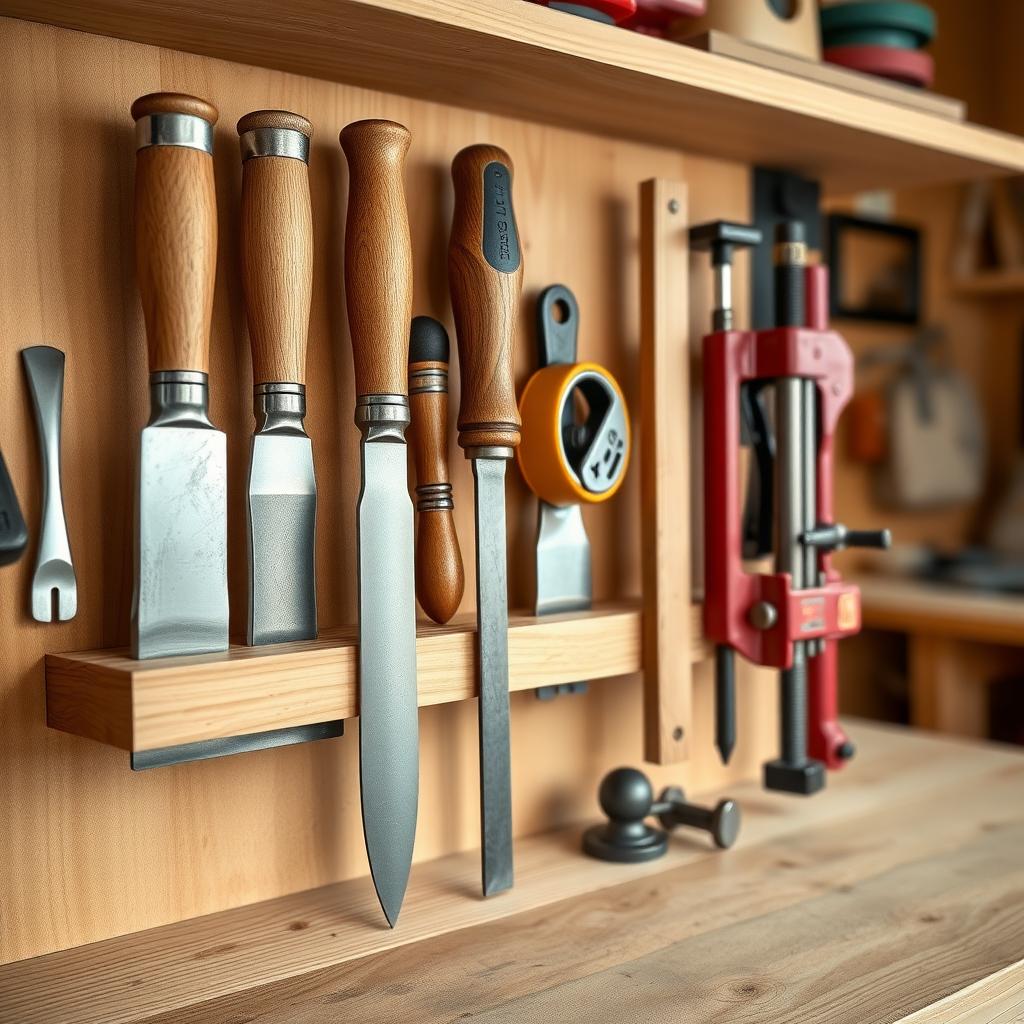
- Chisels: For precise wood shaping.
- Clamps: For extra holding power on large projects.
- Measuring Tape: For accurate cuts and fittings.
- Hand Plane: For smoothing surfaces before securing in the vice.
These tools complement your vice, making your workbench a versatile workstation. My go-to setup includes a sharp chisel set and a reliable measuring tape, which I use alongside my vice for every project.
Installation Tips for Your Vice
Installing a vice correctly ensures safety and performance. Here’s a quick guide:
- Choose the Location: Place the vice at the workbench’s edge for accessibility.
- Mark and Drill Holes: Use the vice’s base as a template to mark bolt holes.
- Secure with Bolts: Use heavy-duty bolts and reinforce with washers for stability.
- Test Stability: Tighten a workpiece and apply pressure to check for wobble.
When I installed my woodworking vice, I followed tips from Fine Woodworking’s installation guide to ensure a rock-solid setup. Test your vice with light pressure first to confirm it’s secure.
Maintenance for Longevity
A well-maintained vice lasts decades. Clean the jaws regularly to remove debris, and lubricate moving parts with machine oil to prevent rust. Check bolts monthly to ensure they’re tight. I neglected maintenance early on, and my vice started sticking—regular care would’ve prevented that hassle.
Summary
Choosing the right vice for your workbench involves understanding your projects, workbench setup, and safety needs. Match the vice type to your materials, prioritize durability, and ensure proper installation. Pair it with essential tools and maintain it for years of reliable use. With the right vice, your workbench becomes a powerhouse for creativity and precision.
Related How to Choose the Right Vice for Your Workbench:
- Power Tools Safety Guidelines: Stay Safe While Using Power Drills and More
- Top Tool Brands Trusted by Professionals: Your Guide to Quality Tools
- Combining Woodworking and Electrical Work: The Ultimate Guide
- Common Power Washer Problems and Solutions: Keep Your Machine Running Smoothly
- Essential Power Tools Maintenance Tips for Long-Lasting Performance
- DIY Tool Storage Solutions for Small Spaces: Maximize Your Workshop
- Choosing the Right Paintbrush for Your Project: A Comprehensive Guide
- Innovative Ergonomic Solutions for Home Improvement: Transform Your Work Experience
- Mastering Precision Drilling: The Ultimate Guide to Power Tools
- Understanding Metric vs. SAE Measurements: A Comprehensive Guide for Workman Tools
- How to Choose the Right Construction Level for Your Project
- Mastering Ergonomics in Hand Tool Use: Safety and Comfort for Workers