Overview: Why Power Tools Safety Matters
Power tools, like power drills, make DIY projects and professional jobs faster and easier. But without proper precautions, they can lead to serious injuries. Each year, thousands of people face accidents due to improper use of power tools. This guide shares power tools safety guidelines to help you work confidently and avoid harm. From choosing the right equipment to maintaining focus, we’ll cover actionable steps to keep you safe.
Understand Your Power Tools
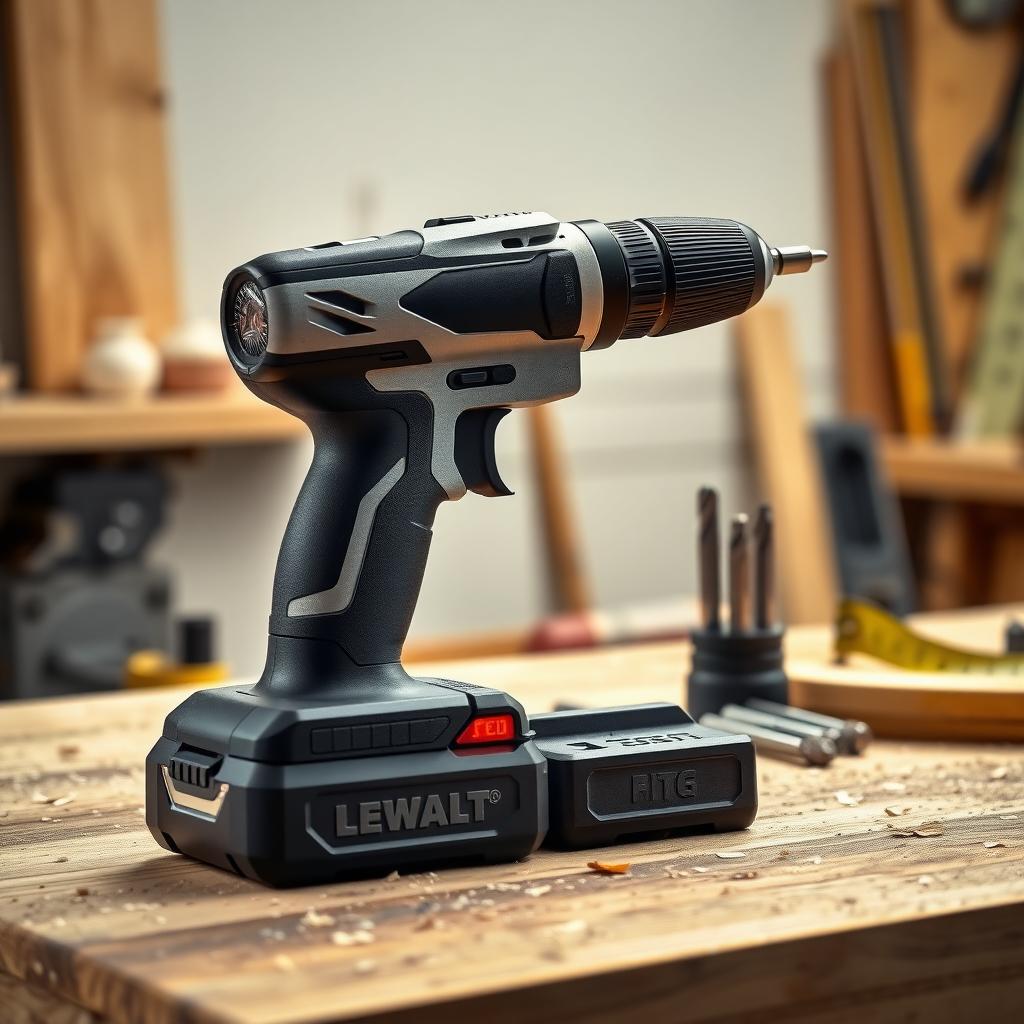
Before picking up a power drill or any power tool, take time to understand how it works. Read the manual. It sounds boring, but manuals explain specific features, risks, and safety tips for your tool. For example, some power drills have variable speed settings that can catch you off guard if you’re not prepared. I once skipped reading the manual for a new cordless drill and ended up stripping screws because I didn’t understand the clutch settings. A quick read could’ve saved me time and frustration.
Familiarize yourself with the tool’s weight, grip, and controls. Check for any damage, like frayed cords or loose parts, before starting. A cracked housing on a power drill can expose wires, leading to shocks. If something looks off, don’t use it until it’s fixed.
Wear Proper Safety Gear
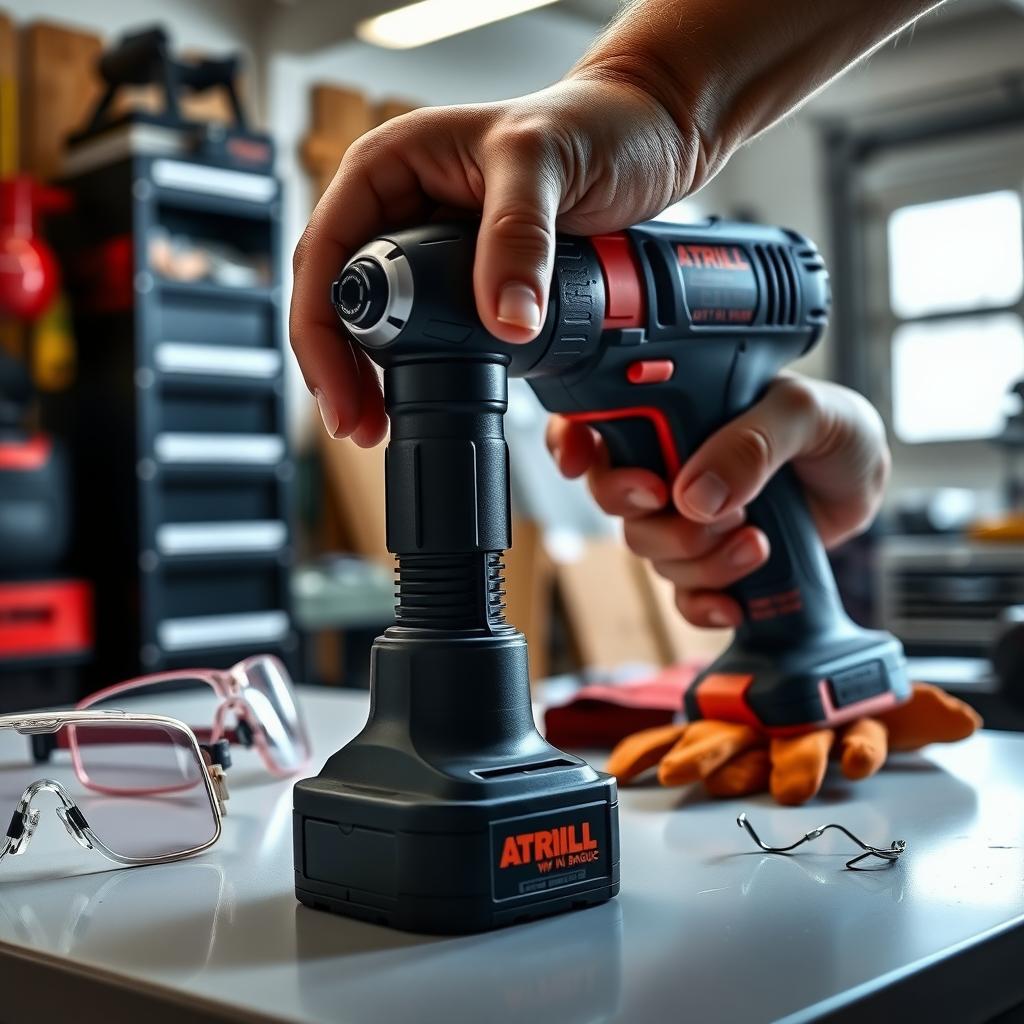
Safety gear is non-negotiable when using power tools. At minimum, wear safety goggles to protect your eyes from debris. I learned this the hard way when a wood chip flew into my face while drilling. Luckily, my goggles saved my eyes. Ear protection is also key for loud tools like circular saws or grinders. Prolonged exposure to noise can damage hearing, as noted by the Centers for Disease Control and Prevention, which highlights that power tools can exceed safe noise levels.
Gloves can help with grip but avoid loose ones that might get caught in moving parts. Sturdy, closed-toe shoes protect your feet if a heavy tool drops. For dusty environments, a mask keeps your lungs clear. Always dress for the task—loose clothing or jewelry can snag in a power drill’s bit, pulling you into danger.
Set Up a Safe Workspace
Your work environment plays a huge role in power tools safety. Clear your workspace of clutter to avoid tripping or knocking over tools. Ensure good lighting so you can see what you’re doing. I once drilled into a board in dim light and hit a hidden nail, which jammed the drill and nearly twisted my wrist.
Keep your workspace dry to prevent slips or electrical hazards. If you’re using corded power tools, secure the cord to avoid tripping or pulling the tool. For outdoor projects, use a ground-fault circuit interrupter (GFCI) outlet to reduce shock risks, as recommended by the Occupational Safety and Health Administration.
Proper Handling of Power Drills
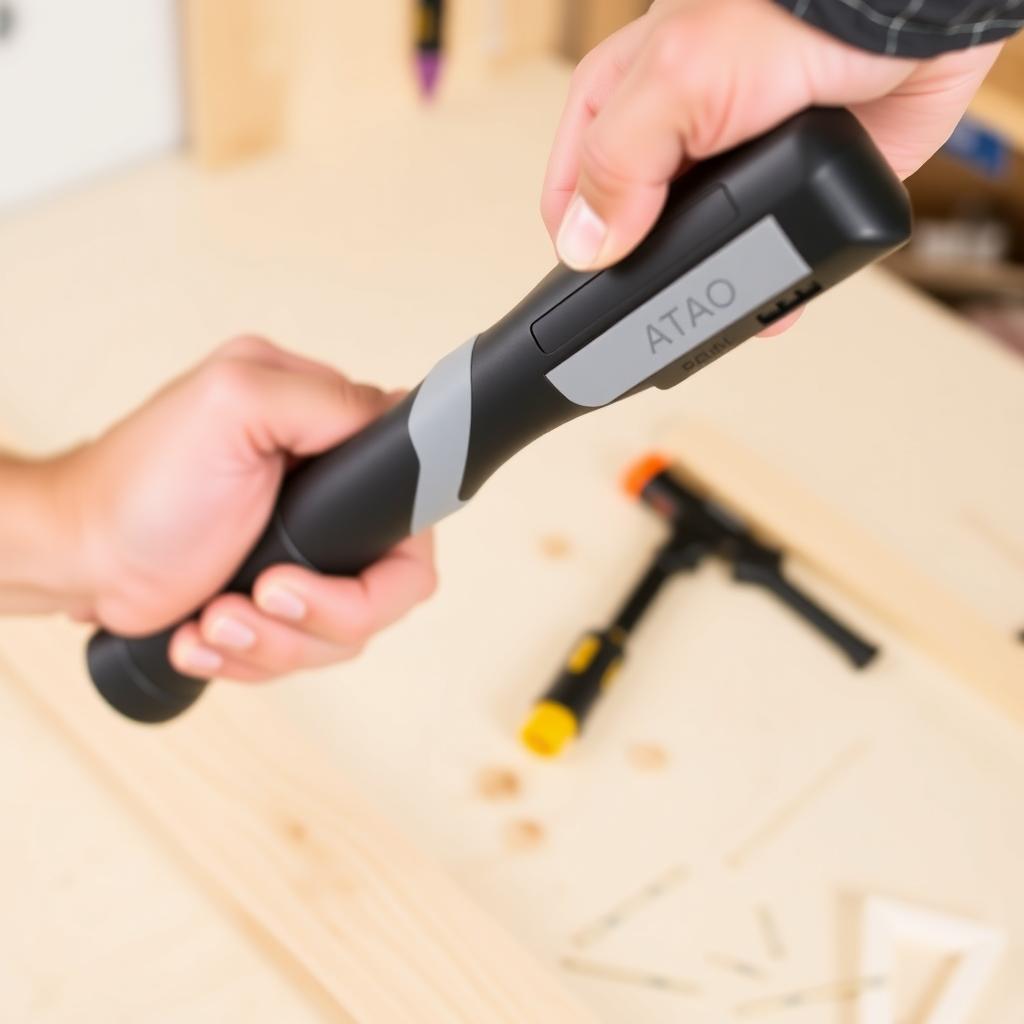
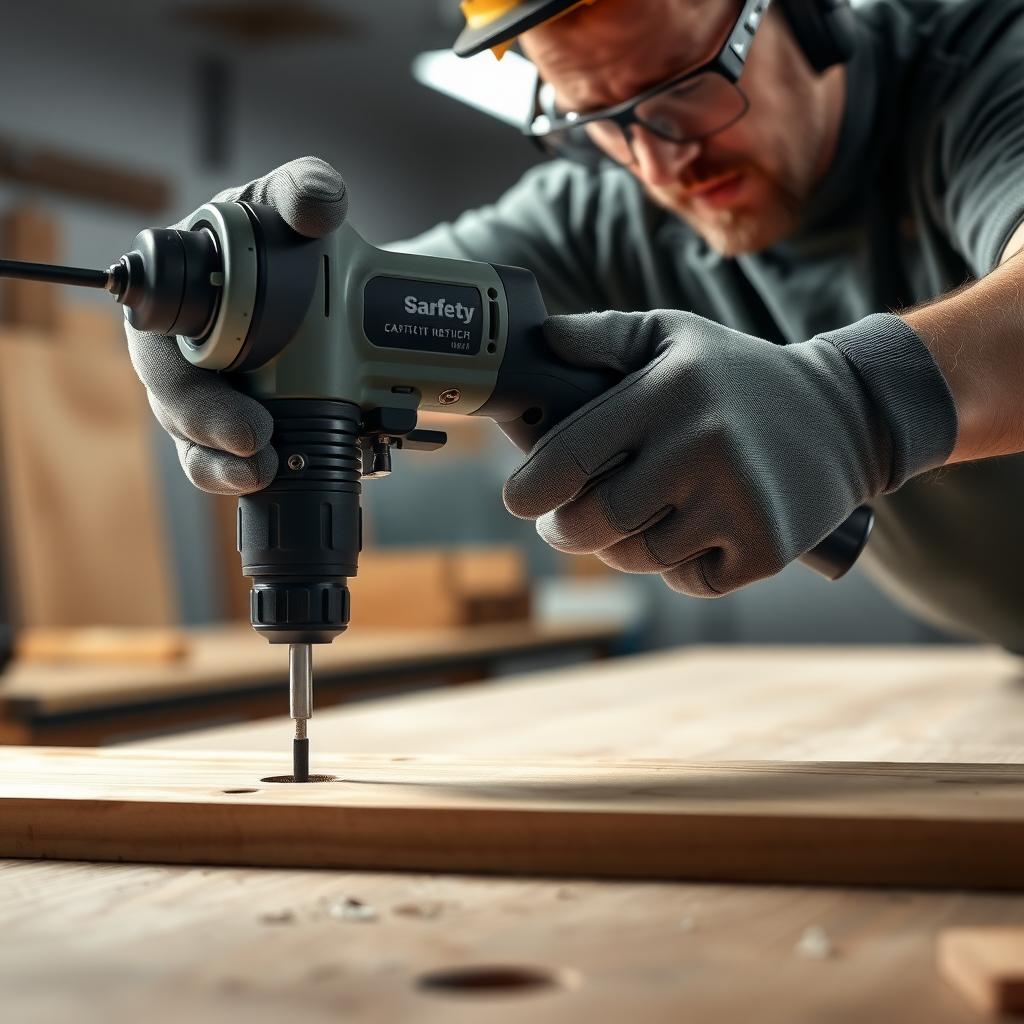
Power drills are versatile but can be dangerous if mishandled. Always hold the drill with both hands for control—one on the handle, one on the body. This prevents the drill from twisting if the bit catches. Use the correct drill bit for the material; a wood bit won’t work well on metal and could break.
Don’t force the drill. Let the tool do the work. Pushing too hard can overheat the motor or snap the bit. I’ve seen beginners lean into a drill, only to have it kick back when it hits a knot in the wood. Start with a slower speed for precision, then increase as needed. Always unplug or remove the battery when changing bits to avoid accidental starts.
Safe Operation of Other Power Tools
Beyond power drills, tools like saws, grinders, and sanders have their own risks. For circular saws, keep the blade guard in place and never disable it. Grinders can throw sparks, so clear flammable materials and wear a face shield. Sanders create dust, so use a dust collection system or mask. Always follow the manufacturer’s guidelines for each tool.
One tip I swear by: never rush. Hurrying through a cut or grind increases mistakes. Take breaks if you’re tired—fatigue leads to sloppy handling. The National Safety Council emphasizes that most tool-related injuries come from distraction or rushing.
Maintenance and Storage
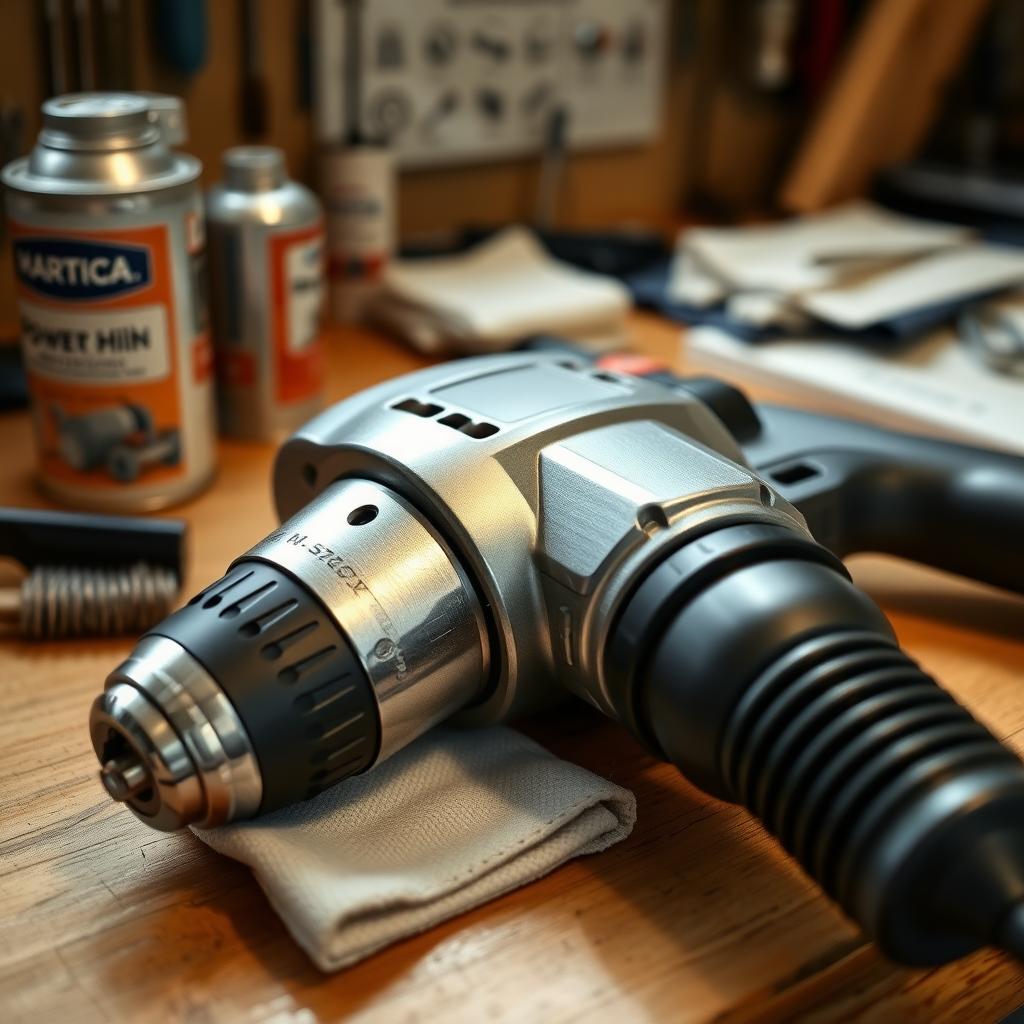
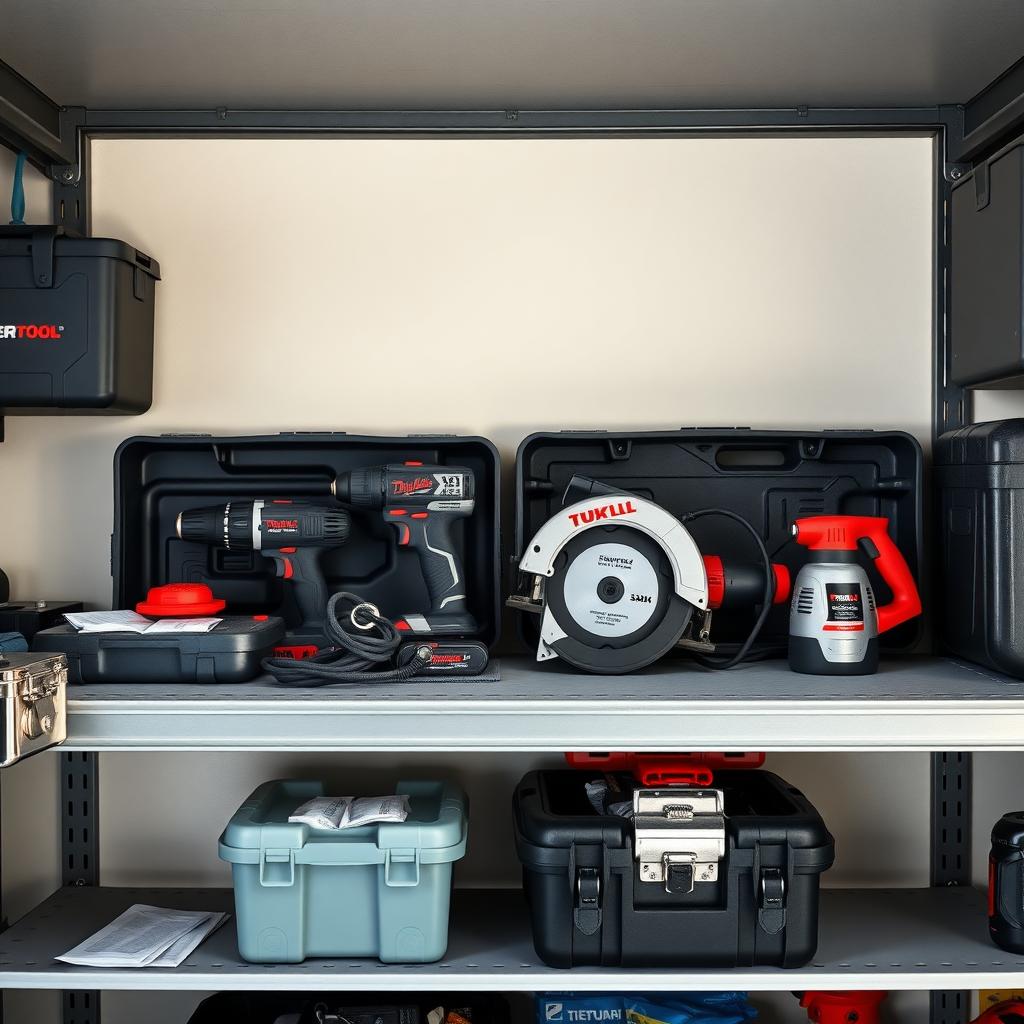
Keeping power tools in good shape prevents accidents. Clean tools after use to remove dust and debris. Check blades, bits, and cords regularly for wear. A dull drill bit, for example, requires more force, increasing the chance of slipping. Store tools in a dry, secure place to avoid damage or unauthorized use, especially if kids are around.
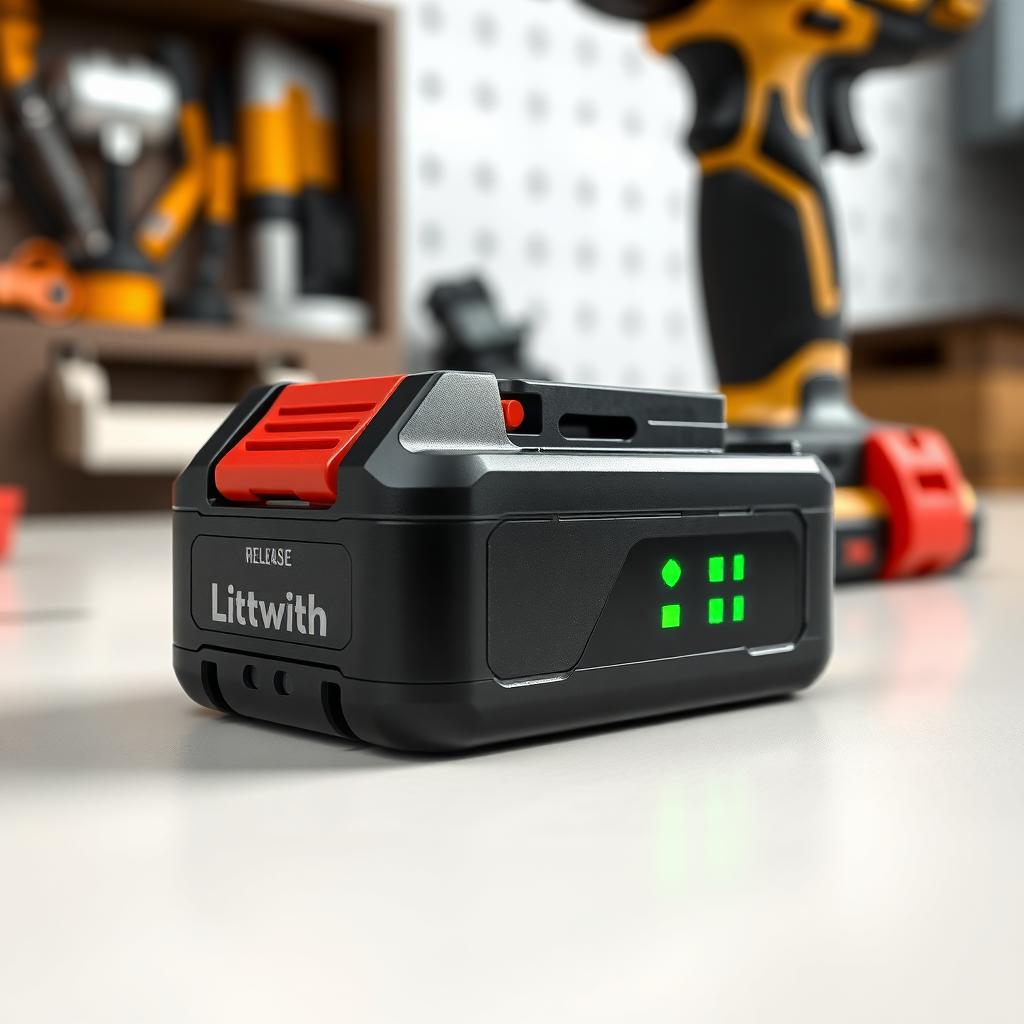
I keep my power drills in a locked toolbox with silica gel packets to prevent rust. It’s a small step, but it extends the life of my tools and keeps them safe. Regular maintenance also means checking battery-powered tools for leaks or corrosion.
Stay Focused and Alert
Distractions are a major cause of power tool injuries. Never use power tools when you’re tired, stressed, or under the influence. Even a momentary lapse can lead to disaster. I once saw a friend nick his finger with a jigsaw because he was chatting while cutting. Keep your phone away and focus on the task.
If you’re new to power tools, practice on scrap material first. Get comfortable with the tool’s feel and sound before tackling a big project. The U.S. Consumer Product Safety Commission reports that many injuries happen to beginners who overestimate their skills.
Emergency Preparedness
Accidents can still happen, so be prepared. Keep a first-aid kit nearby with bandages, antiseptic, and gauze. Know where the nearest phone is to call for help. If you’re working alone, let someone know your plans. For serious injuries, like cuts from a saw, apply pressure to stop bleeding and seek medical help immediately.
I always keep a small first-aid kit in my toolbox. It’s come in handy for minor scrapes, but it’s comforting to know it’s there for bigger emergencies. Familiarize yourself with your tools’ emergency shut-off features, too.
Summary: Prioritize Safety Every Time
Using power tools like power drills can be rewarding, but safety comes first. Follow these power tools safety guidelines: know your equipment, wear protective gear, maintain a clean workspace, handle tools correctly, and stay focused. Regular maintenance and emergency preparedness round out a solid safety plan. By taking these steps, you’ll reduce risks and enjoy your projects with confidence.
Related power tools safety guidelines:
- Understanding Power Tool Batteries: Care and Safety
- Essential Maintenance Tips for Power Tools: Keep Your Equipment Running Like New
- Top Tool Brands Trusted by Professionals: Your Guide to Quality Tools
- Combining Woodworking and Electrical Work: The Ultimate Guide
- Common Power Washer Problems and Solutions: Keep Your Machine Running Smoothly
- Essential Power Tools Maintenance Tips for Long-Lasting Performance
- DIY Tool Storage Solutions for Small Spaces: Maximize Your Workshop
- Choosing the Right Paintbrush for Your Project: A Comprehensive Guide
- Innovative Ergonomic Solutions for Home Improvement: Transform Your Work Experience
- Mastering Precision Drilling: The Ultimate Guide to Power Tools
- Understanding Metric vs. SAE Measurements: A Comprehensive Guide for Workman Tools
- How to Choose the Right Construction Level for Your Project