Overview: Why Power Tool Battery Care Matters
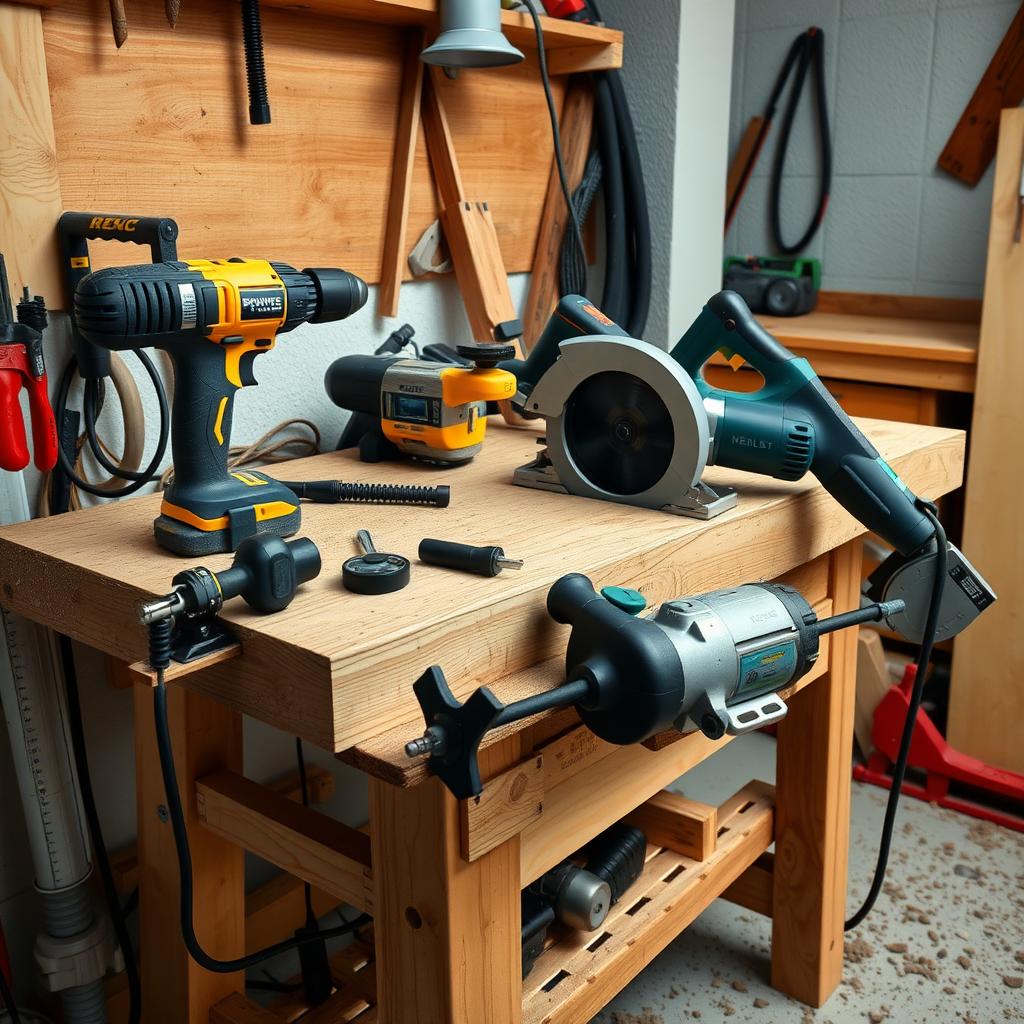
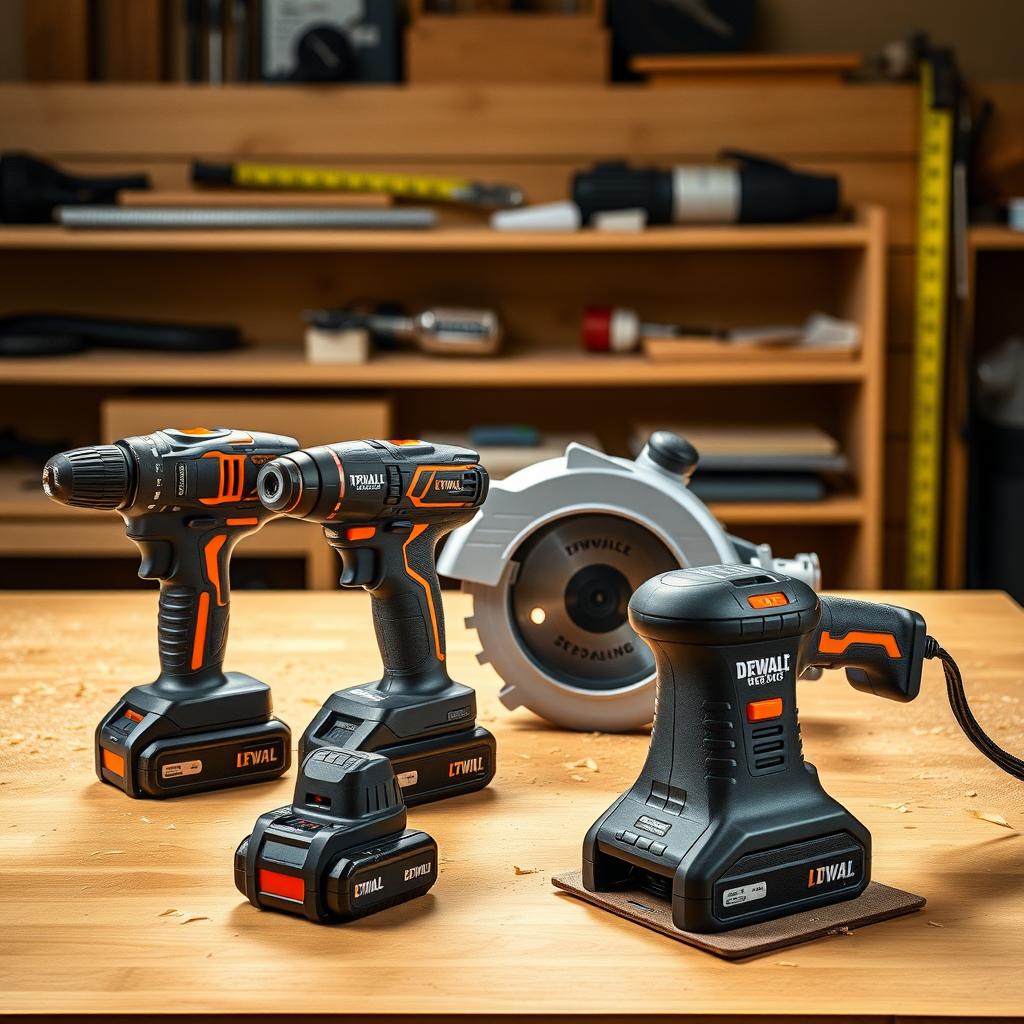
Power tools like drills, saws, and grinders make our lives easier, but their batteries are the heart of their performance. Understanding power tool batteries: care and safety is key to keeping these tools running smoothly. Proper care extends battery life, saves money, and ensures safety. This guide shares practical tips, personal insights, and power tools safety guidelines to help you get the most out of your equipment.
The Basics of Power Tool Batteries
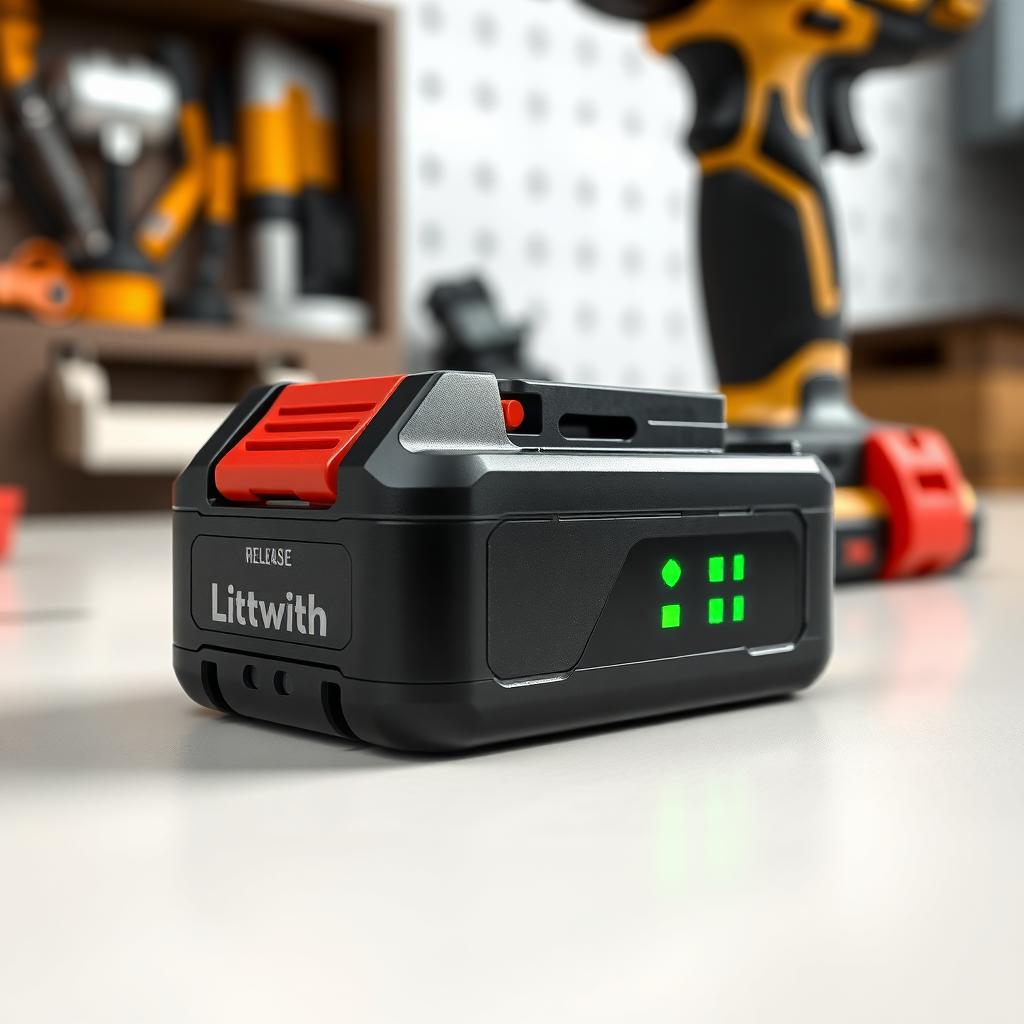
Most power tools today, including power drills, rely on lithium-ion (Li-ion) batteries. These batteries are lightweight, hold a charge longer, and recharge faster than older nickel-cadmium (NiCd) batteries. However, they require specific care to maintain their performance. Knowing how your battery works can make a big difference in your projects.
Lithium-ion batteries have a limited number of charge cycles—typically 300 to 500 full cycles before their capacity starts to fade. A charge cycle is when you use and recharge the battery fully. Partial discharges, like using half the battery and recharging, count as a fraction of a cycle. Understanding this helps you plan your tool usage to avoid unnecessary recharges.
Caring for Your Power Tool Batteries
Taking care of your power tool batteries isn’t complicated, but it requires consistency. Here are some actionable tips I’ve learned from years of using power drills and other tools on home projects:
- Store Properly: Keep batteries in a cool, dry place, ideally between 50°F and 77°F (10°C to 25°C). Extreme heat or cold can damage them. I once left a battery in my car during a hot summer, and it lost nearly half its capacity.
- Avoid Full Discharge: Unlike older NiCd batteries, lithium-ion batteries don’t need to be fully drained. In fact, letting them drop to 0% can harm their lifespan. Try to recharge when they hit 20-30%.
- Use the Right Charger: Always use the charger that came with your tool or a manufacturer-approved replacement. Mismatched chargers can overheat or undercharge the battery, causing damage.
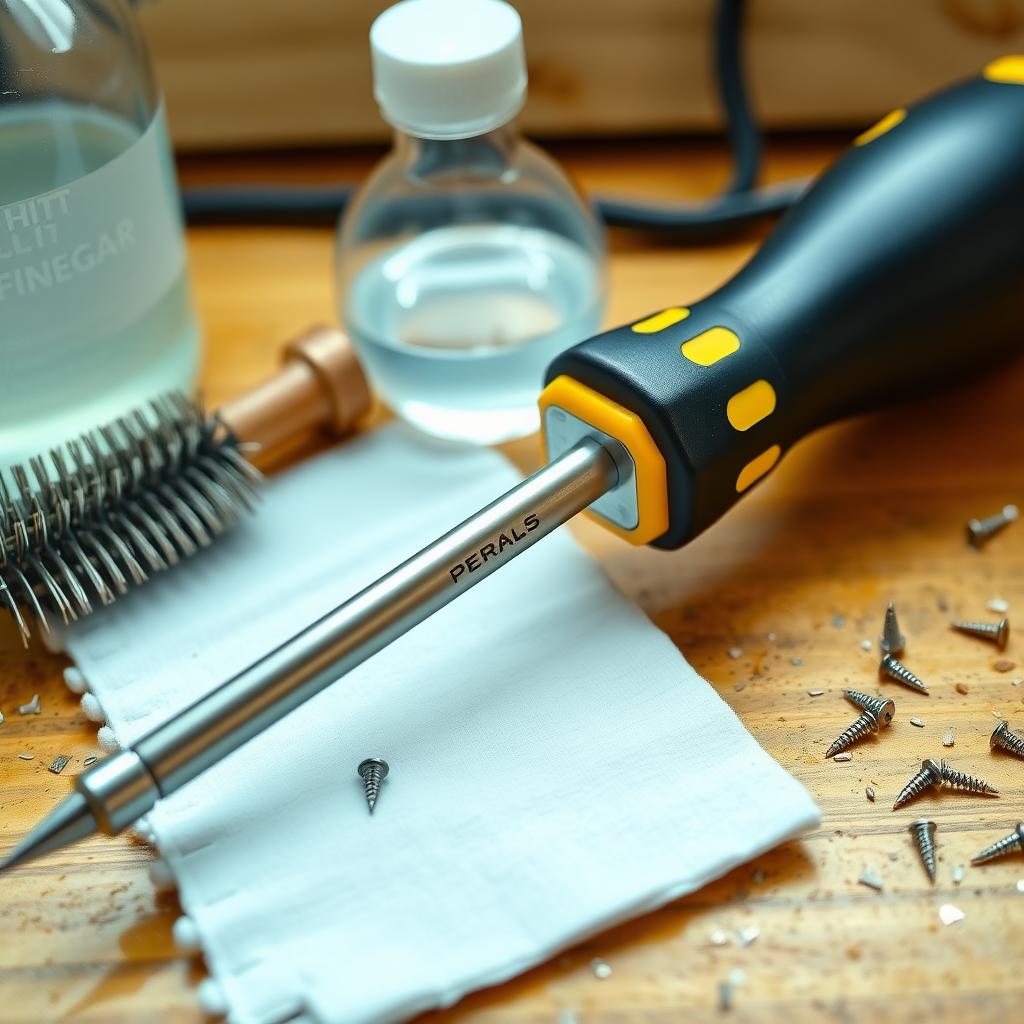
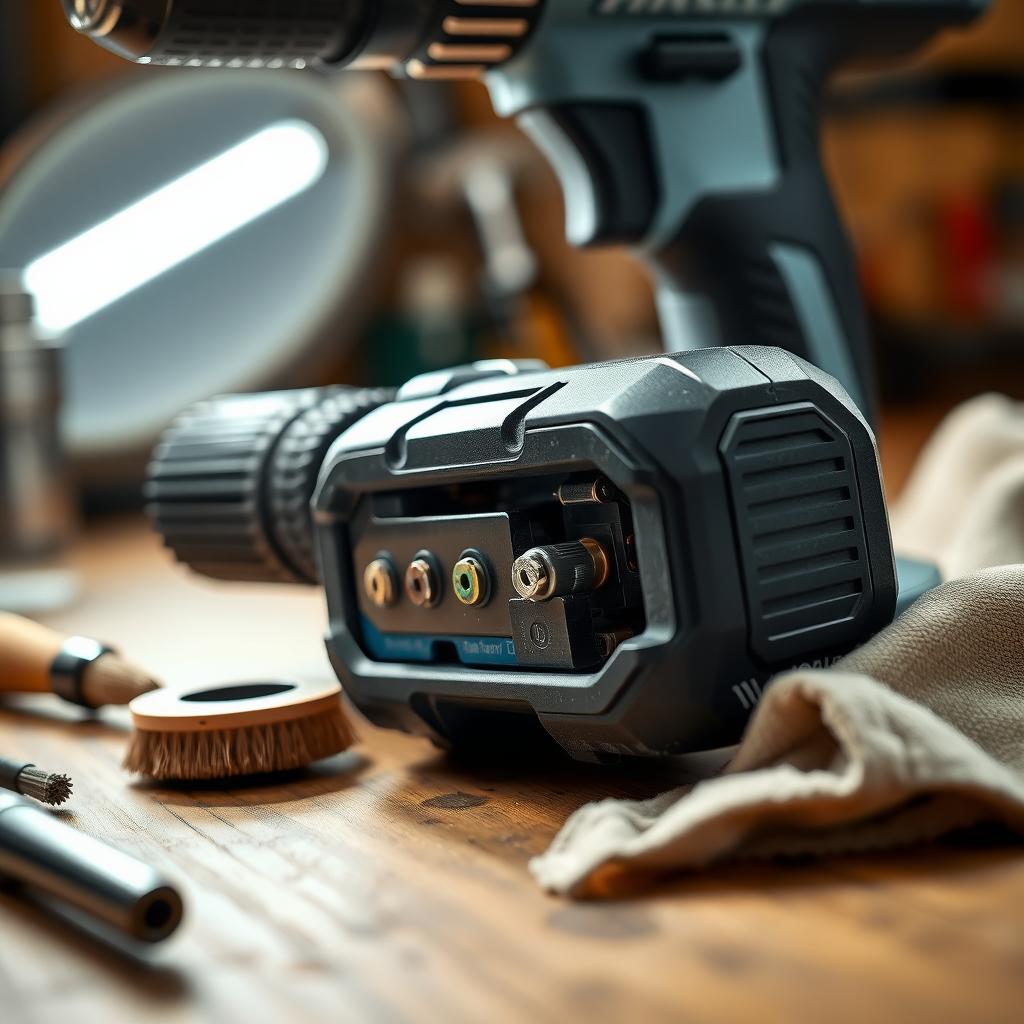
- Clean Contacts: Dust or grime on the battery’s metal contacts can weaken the connection to the tool. Wipe them with a dry cloth regularly.
Following these steps can double the life of your batteries, saving you from costly replacements.
Power Tools Safety Guidelines for Batteries
Safety is non-negotiable when using power tools. Batteries, while convenient, can pose risks if mishandled. Here are key power tools safety guidelines to keep in mind:
| Safety Tip | Why It Matters |
|---|---|
| Inspect for Damage | Cracked or swollen batteries can leak or catch fire. Check before use. |
| Avoid Water Exposure | Water can short-circuit batteries, leading to malfunctions or shocks. |
| Don’t Overcharge | Leaving batteries plugged in too long can overheat them. Use smart chargers with auto-shutoff. |
| Keep Away from Kids | Batteries are heavy and contain chemicals. Store them securely. |
I learned the hard way to always inspect batteries. Once, I ignored a slightly swollen battery, thinking it was fine. It overheated during use, forcing me to stop my project and replace it. Always prioritize safety to avoid accidents.

Charging Best Practices
Charging your power tool batteries correctly is critical for performance and safety. Most modern chargers are smart, but you still need to follow best practices:
- Charge at Room Temperature: Charging in extreme heat or cold can stress the battery. I always bring my tools inside during winter to charge them.
- Don’t Leave Batteries in the Charger: Once fully charged, remove the battery. Overcharging can reduce lifespan, even with smart chargers.
- Partial Charges Are Okay: Topping off a battery at 50% won’t harm it. This is great for quick jobs with power drills.
- Cycle Batteries: If you have multiple batteries, rotate their use to prevent one from sitting unused for too long.
I’ve found that keeping a charging schedule helps. For example, I charge my batteries the night before a big project, ensuring they’re ready without sitting on the charger too long.
Troubleshooting Common Battery Issues
Even with good care, batteries can act up. Here’s how to handle common problems:
- Battery Won’t Hold a Charge: This usually means the battery is nearing the end of its life. Try a full discharge and recharge cycle to recalibrate it. If that fails, it’s time to replace it.
- Tool Shuts Off Unexpectedly: Check the battery contacts for dirt or corrosion. Clean them with a cloth or a small brush.
- Overheating: If a battery feels hot during use, stop immediately. Let it cool down in a safe, ventilated area before trying again.
I once had a power drill that kept shutting off mid-use. After cleaning the contacts, it worked perfectly. Simple maintenance can solve many issues without needing a repair shop.
Environmental Impact and Recycling
Power tool batteries have an environmental footprint. Lithium-ion batteries contain chemicals that can harm the environment if not disposed of properly. Many manufacturers and retailers offer recycling programs. For example, Home Depot and Lowe’s have drop-off bins for old batteries. I make it a habit to recycle my spent batteries at these locations to do my part.
If you’re unsure where to recycle, check with your local waste management or visit Call2Recycle for drop-off locations. Proper disposal keeps harmful materials out of landfills and supports sustainable practices.
Maximizing Battery Performance for Power Drills
Power drills are among the most common power tools, and their batteries often take a beating. To get the most out of your drill’s battery:
- Match the Battery to the Task: Heavy-duty tasks like drilling into concrete need a higher voltage battery (18V or more). Lighter tasks can use a 12V battery to save weight.
- Avoid Overworking the Tool: Pushing a drill too hard can overheat the battery. Let it rest periodically during intense jobs.
- Keep Spares Handy: Having an extra charged battery ensures you don’t stop mid-project. I always keep a spare for long days in the workshop.
These tips have saved me time and frustration on countless projects, from building shelves to assembling furniture.
Summary: Keep Your Batteries in Top Shape
Understanding power tool batteries: care and safety is about more than just prolonging battery life—it’s about working smarter and safer. By storing batteries properly, following power tools safety guidelines, and charging correctly, you can keep your power drills and other tools running smoothly. Regular maintenance and recycling also make a big difference. With these tips, you’ll save money, reduce risks, and get more done.
Related Understanding Power Tool Batteries: Care and Safety:
- How to Choose the Right Power Drill for Your Projects
- How to Maintain Your Tools Like a Pro
- The Importance of Precision in Automotive Maintenance
- Screwdriver Maintenance Tips: Keep Your Workman Tools in Top Shape
- Choosing the Right Work Boots for Construction Work: A Comprehensive Guide
- DIY Workshop Projects to Enhance Productivity: Ultimate Guide
- Beginner’s Guide to Table Saw Safety: Protect Yourself While Mastering Your Craft
- Essential Power Washer Maintenance Tips for Long-Lasting Performance
- Top 10 Power Tool Safety Tips for Safe and Effective Use
- Essential Workman Tools Every DIYer Should Have
- Choosing the Best Cordless Tools for Your Workshop: A Comprehensive Guide
- Features to Look for in a Workbench: Your Guide to Choosing the Perfect Setup