Overview: Why Table Saw Safety Matters
Table saws are powerful tools that can transform woodworking projects, but they demand respect. Every year, thousands of injuries occur due to improper use. This Beginner’s Guide to Table Saw Safety equips you with practical tips to stay safe while mastering your table saw. Whether you’re cutting boards or diving into Advanced Table Saw Techniques for Woodworking, safety comes first.
Understanding Your Table Saw
Table saws are the backbone of many woodworking shops. They’re versatile, precise, and capable of cutting large pieces of wood with ease. However, their spinning blades, often reaching speeds of 3,000–4,000 RPM, can cause serious injury if mishandled. As a beginner, I remember feeling intimidated by the loud hum of my first table saw. That fear pushed me to learn its parts and functions thoroughly, which is the foundation of safe operation.
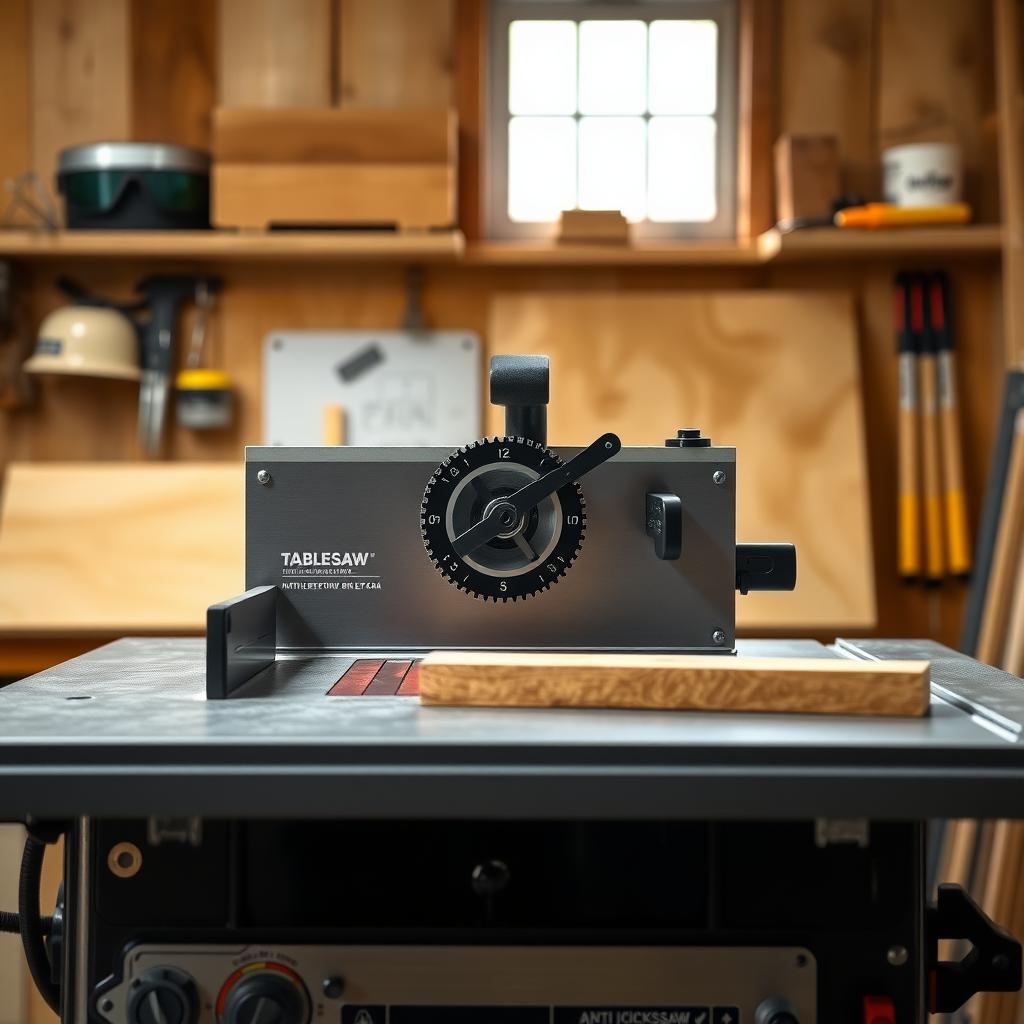
Start by familiarizing yourself with your table saw’s components: the blade, rip fence, miter gauge, blade guard, and power switch. Modern tablesaws with user-friendly features often include safety mechanisms like automatic blade brakes or riving knives. These reduce kickback—a sudden, dangerous jolt when wood gets caught by the blade. Read your saw’s manual to understand its specific features. Knowing your tool builds confidence and reduces risks.
Essential Safety Gear
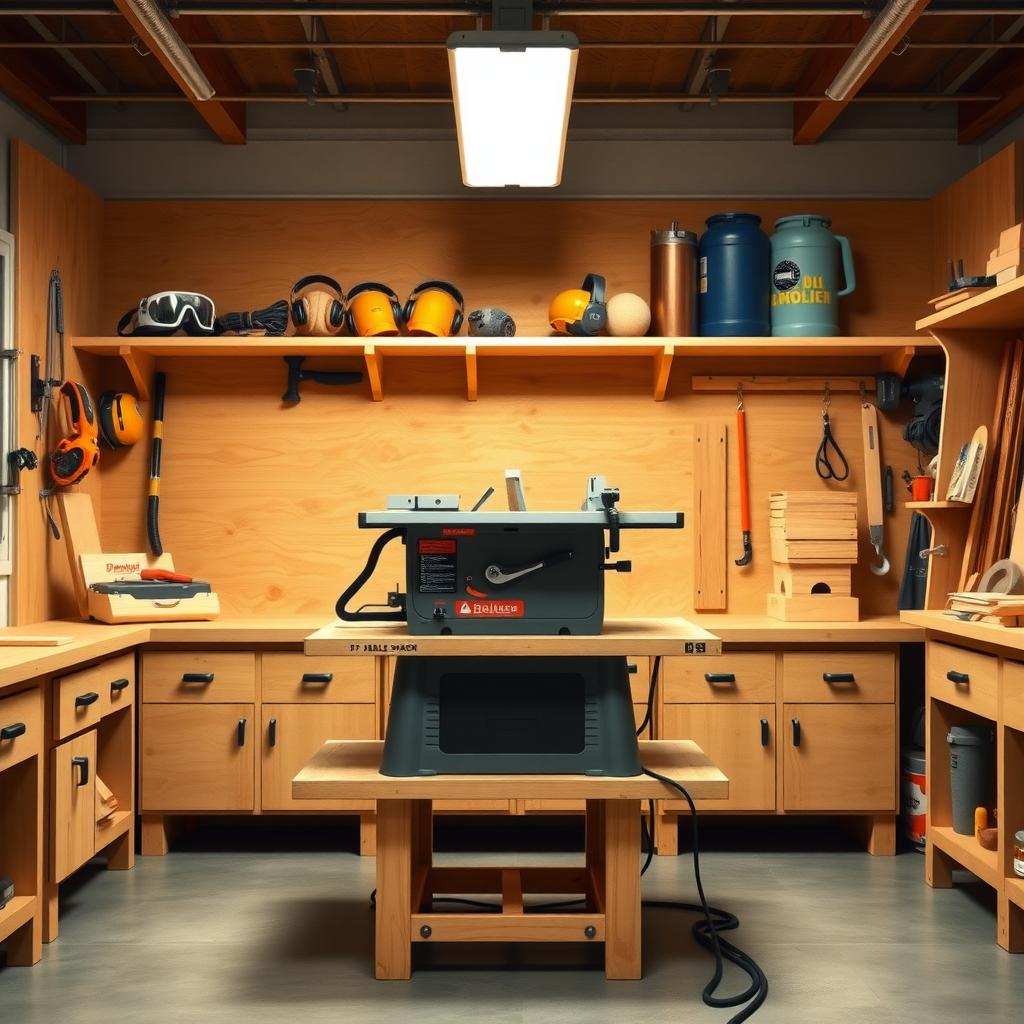
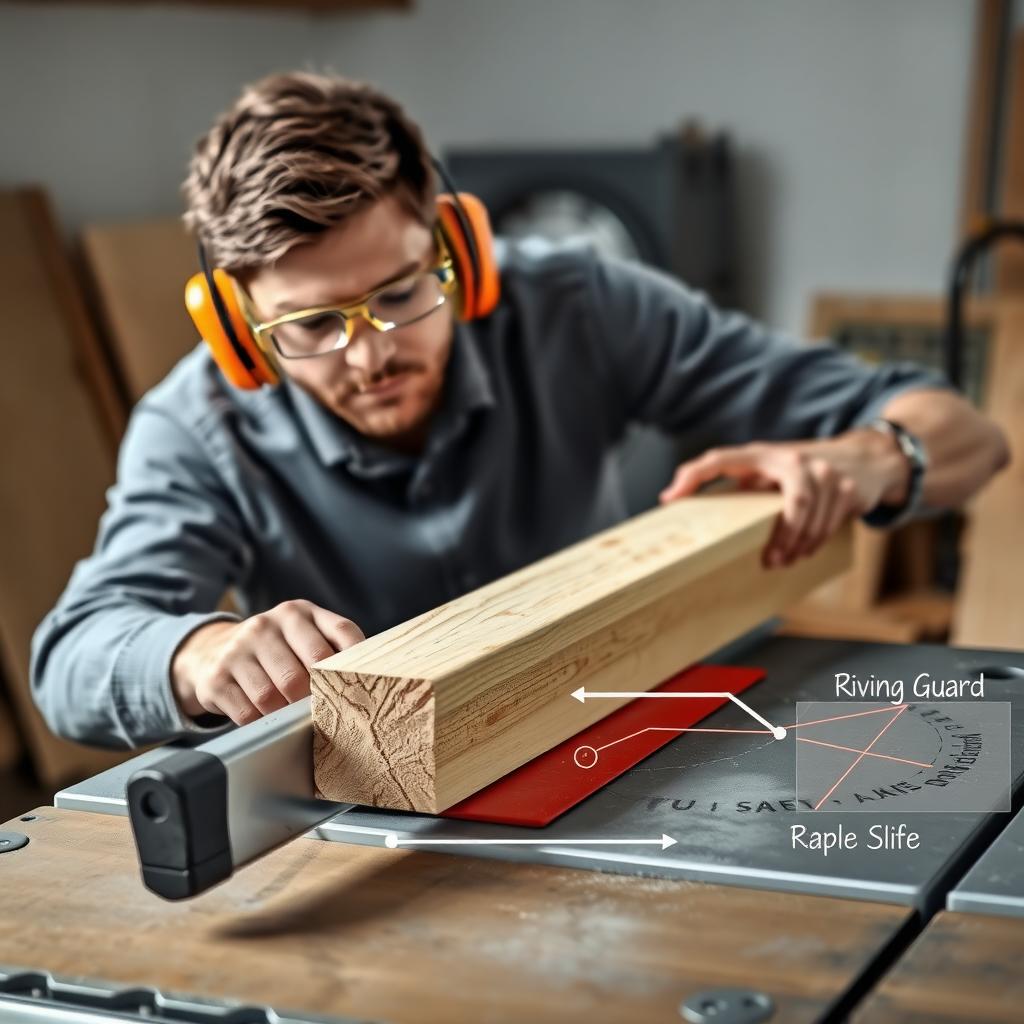
Before you even plug in your table saw, gear up. Safety equipment isn’t optional—it’s a lifesaver. Here’s what you need:
- Safety goggles: Protect your eyes from sawdust and debris.
- Ear protection: Table saws are loud; earplugs or earmuffs prevent hearing damage.
- Push sticks or push blocks: Keep your hands away from the blade when cutting narrow pieces.
- Dust mask or respirator: Sawdust can harm your lungs, especially in enclosed spaces.
I learned this lesson the hard way when sawdust irritated my eyes during a project. Now, I never skip my goggles. Invest in quality gear, and keep it within reach of your workspace.
Setting Up for Safe Operation
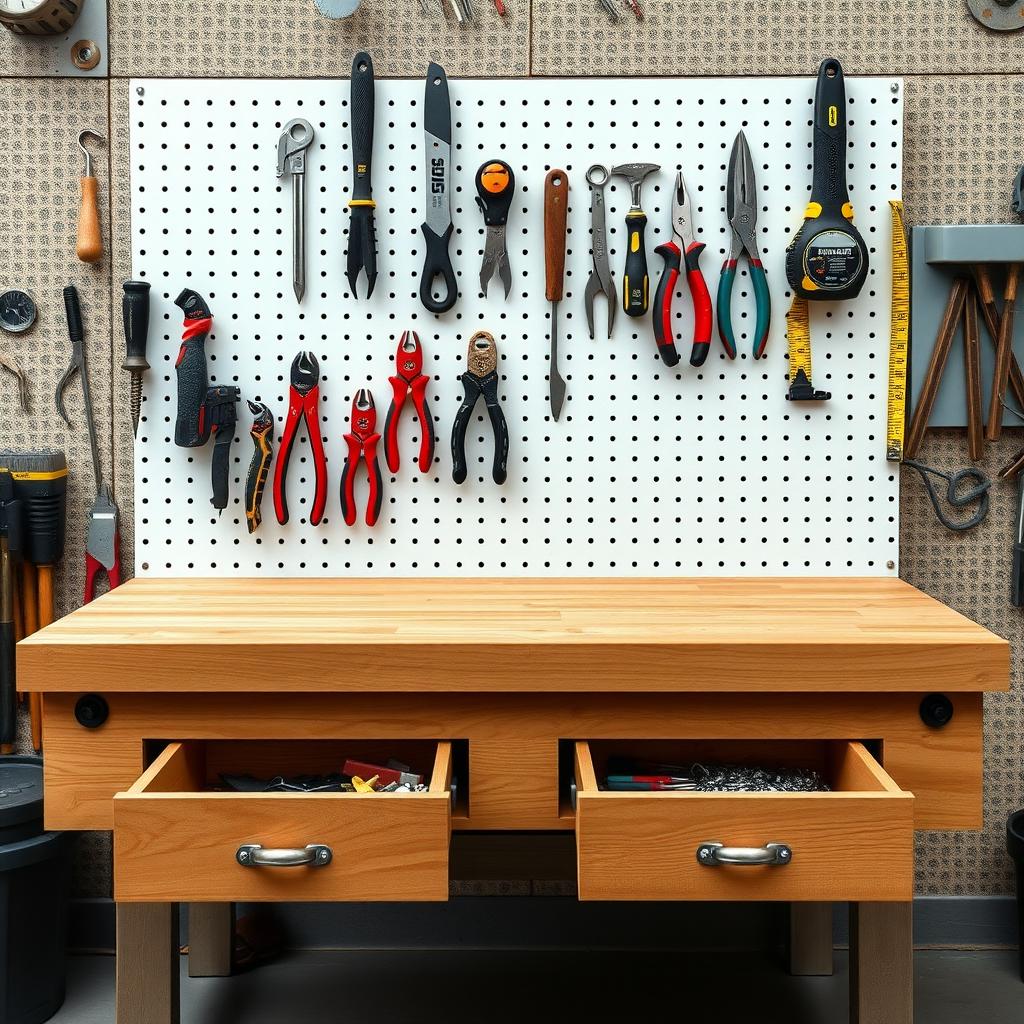
A safe workspace is as important as the tool itself. Clear your workbench of clutter—tools, scraps, or coffee mugs have no place near a running saw. Ensure your floor is free of cords or debris to avoid tripping. Good lighting is critical; you need to see your cut lines clearly. I once tripped over a stray extension cord while moving a board, nearly causing a disaster. Now, I tape cords down and keep my shop tidy.
Check your table saw before each use. Inspect the blade for dullness or damage, as a dull blade increases kickback risk. Ensure the blade guard and riving knife are in place. Adjust the blade height so it extends only about ¼ inch above the wood’s surface—this minimizes exposure. Finally, confirm the saw is on a stable surface. A wobbly saw is an accident waiting to happen.
Safe Cutting Practices
When using a table saw, technique matters. Here are key practices to follow:
| Practice | Why It’s Important |
|---|---|
| Use a push stick | Keeps hands at a safe distance from the blade. |
| Stand to the side | Avoids the kickback zone directly behind the blade. |
| Maintain a firm grip | Prevents wood from slipping during the cut. |
| Never reach over the blade | Reduces risk of accidental contact. |
| Cut one piece at a time | Stacking wood increases instability. |
I’ve found that slow, steady cuts produce better results and reduce mistakes. Rushing leads to errors, and with power tools like table saws, errors can be costly. If you’re tired or distracted, step away. A clear mind is your best safety tool.
Avoiding Kickback
Kickback is one of the most common table saw accidents. It happens when the wood binds against the blade, causing it to jerk back toward you. To prevent this, always use a riving knife—it keeps the cut open, reducing binding. Ensure your rip fence is parallel to the blade; a misaligned fence can pinch the wood. I once had a board kick back because my fence was slightly off. The board flew across the shop, missing me by inches. Now, I double-check my setup every time.
If you’re working on Advanced Table Saw Techniques for Woodworking, like dado cuts or bevels, take extra precautions. Use featherboards to hold wood securely against the fence. For narrow cuts, a push block is non-negotiable. Practice on scrap wood before attempting complex cuts on expensive material.
Maintaining Your Table Saw
A well-maintained table saw is a safer table saw. Clean the blade and table regularly to prevent sawdust buildup, which can affect performance. Check the alignment of the blade and fence periodically, as vibrations can loosen components. Lubricate moving parts as recommended in your manual. I make it a habit to clean my saw after every project—it’s a small effort that pays off in safety and precision.
What to Do in an Emergency
Even with precautions, accidents can happen. Know where your saw’s power switch is for quick shutoff. Keep a first aid kit in your shop, and familiarize yourself with basic first aid for cuts or abrasions. If an injury occurs, stay calm, turn off the saw, and seek medical help if needed. I keep a small first aid kit on my workbench, just in case. It’s never been needed, but it’s reassuring to have.
Learning and Improving
Safety is a journey, not a one-time lesson. Watch tutorials from reputable sources, like woodworking magazines or trusted YouTube channels, to refine your skills. Practice basic cuts before moving to Advanced Table Saw Techniques for Woodworking. Joining a local woodworking group can also provide hands-on tips from experienced users. I learned a lot from a mentor who showed me how to set up a featherboard properly—it’s now a staple in my cuts.
Summary: Stay Safe, Build Confidently
Table saws are incredible tools, but they require care and respect. By understanding your saw, using safety gear, maintaining a clean workspace, and practicing safe techniques, you can minimize risks and enjoy woodworking. Start small, stay vigilant, and keep learning. With these tips from the Beginner’s Guide to Table Saw Safety, you’ll build skills and confidence while keeping safety first.
Related Beginner’s Guide to Table Saw Safety:
- Essential Power Washer Maintenance Tips for Long-Lasting Performance
- Top 10 Power Tool Safety Tips for Safe and Effective Use
- Essential Workman Tools Every DIYer Should Have
- Choosing the Best Cordless Tools for Your Workshop: A Comprehensive Guide
- Features to Look for in a Workbench: Your Guide to Choosing the Perfect Setup
- How to Choose the Right Wrench for Your Project
- Advanced Power Tool Maintenance Techniques: The Ultimate Guide
- Workman Tools: A Guide to Maintenance and Care
- Tool Maintenance and Care Tips for Long-Lasting Workman Tools
- Mastering Tool Care: Tips for Longevity
- Advanced Tool Maintenance Techniques for Longevity and Performance
- How to Choose the Right Power Washer for Your Needs