Overview: Finding the Right Workbench for Your Needs
A workbench is the heart of any workshop, whether you're a DIY enthusiast or a professional craftsman. Choosing the right one can make or break your productivity. This guide explores the key features to look for in a workbench, ensuring you find a sturdy, functional setup that suits your projects and workspace.
Why a Good Workbench Matters
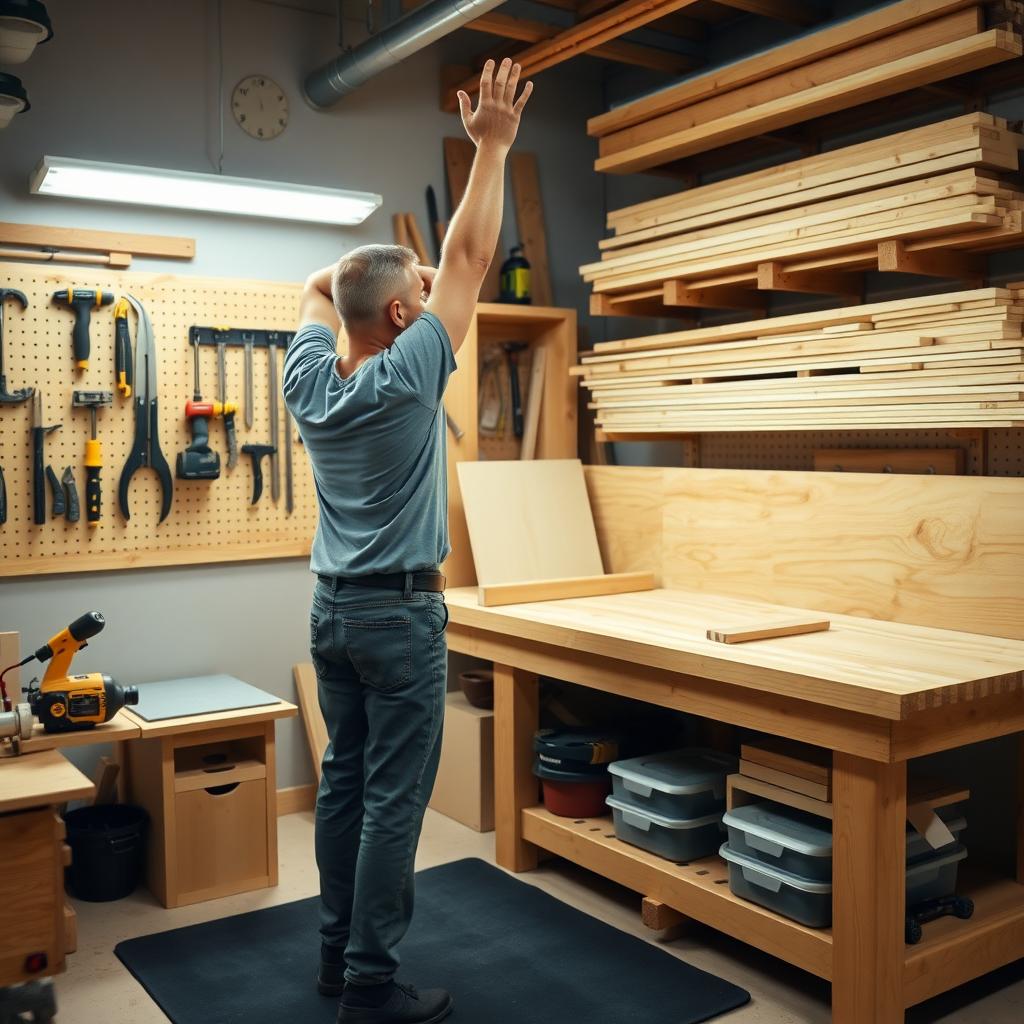
I’ve spent years tinkering in my garage, from building furniture to fixing bikes. One lesson I learned early: a wobbly, cramped workbench turns every project into a frustration fest. A well-designed workbench, on the other hand, keeps your tools organized, your workspace clear, and your focus sharp. The right workbenches save time and effort, letting you tackle tasks with confidence.
When shopping for a workbench, think about your specific needs. Are you cutting wood, assembling electronics, or restoring old cars? Each task demands different features. Let’s break down the must-haves to help you choose wisely.
1. Durability and Material Quality
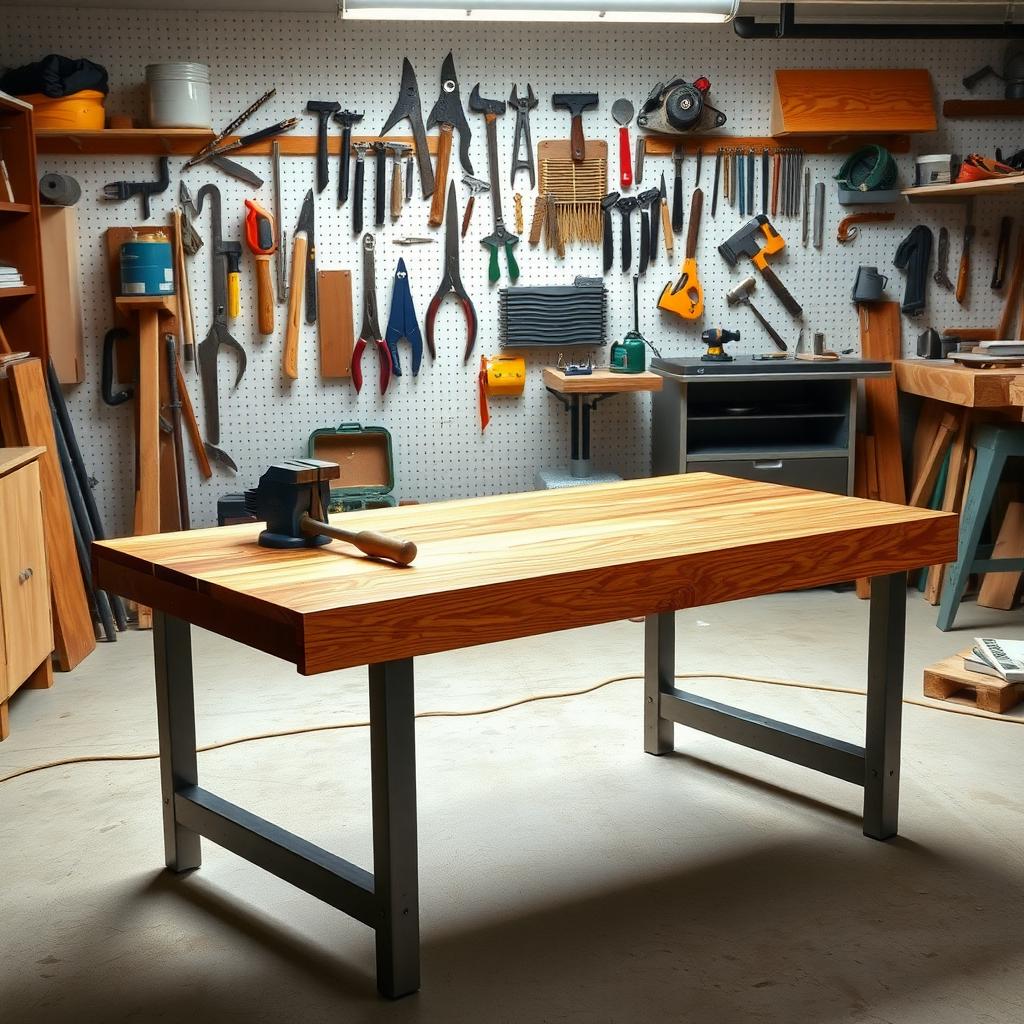
The first thing to check is the workbench’s build quality. A flimsy workbench is a recipe for disaster—tools slip, cuts go off track, and heavy projects can collapse the whole setup. Look for workbenches made from solid materials like hardwood, steel, or heavy-duty MDF (medium-density fiberboard).
- Wood: Hardwood like maple or oak is classic, offering a warm look and excellent durability. It’s great for woodworking but can dent under heavy hammering.
- Steel: Perfect for heavy-duty tasks like metalwork. Steel frames are tough, but ensure the surface is coated to prevent rust.
- MDF or Plywood: Budget-friendly and sturdy enough for light to medium tasks. Look for thick, laminated tops to avoid warping.
In my experience, a steel-framed workbench with a hardwood top strikes a great balance for most home workshops. Check the weight capacity—aim for at least 500 pounds to handle heavy tools or materials.
2. Size and Workspace
Size matters when it comes to workbenches. Too small, and you’re constantly juggling tools and materials. Too big, and it eats up your workshop space. Measure your available area before shopping, and consider your typical projects.
- Length and Width: A 4- to 6-foot-long workbench is ideal for most home workshops. Aim for at least 2 feet of depth for comfortable work.
- Height: The workbench should be at waist height (around 34-36 inches for most people) to reduce strain during long sessions. Adjustable-height models are a bonus if multiple people use it.
I once bought a compact workbench thinking it’d save space, only to realize I couldn’t spread out my materials. Now, I prioritize a generous surface area, even if it means rearranging my garage.
3. Storage Solutions
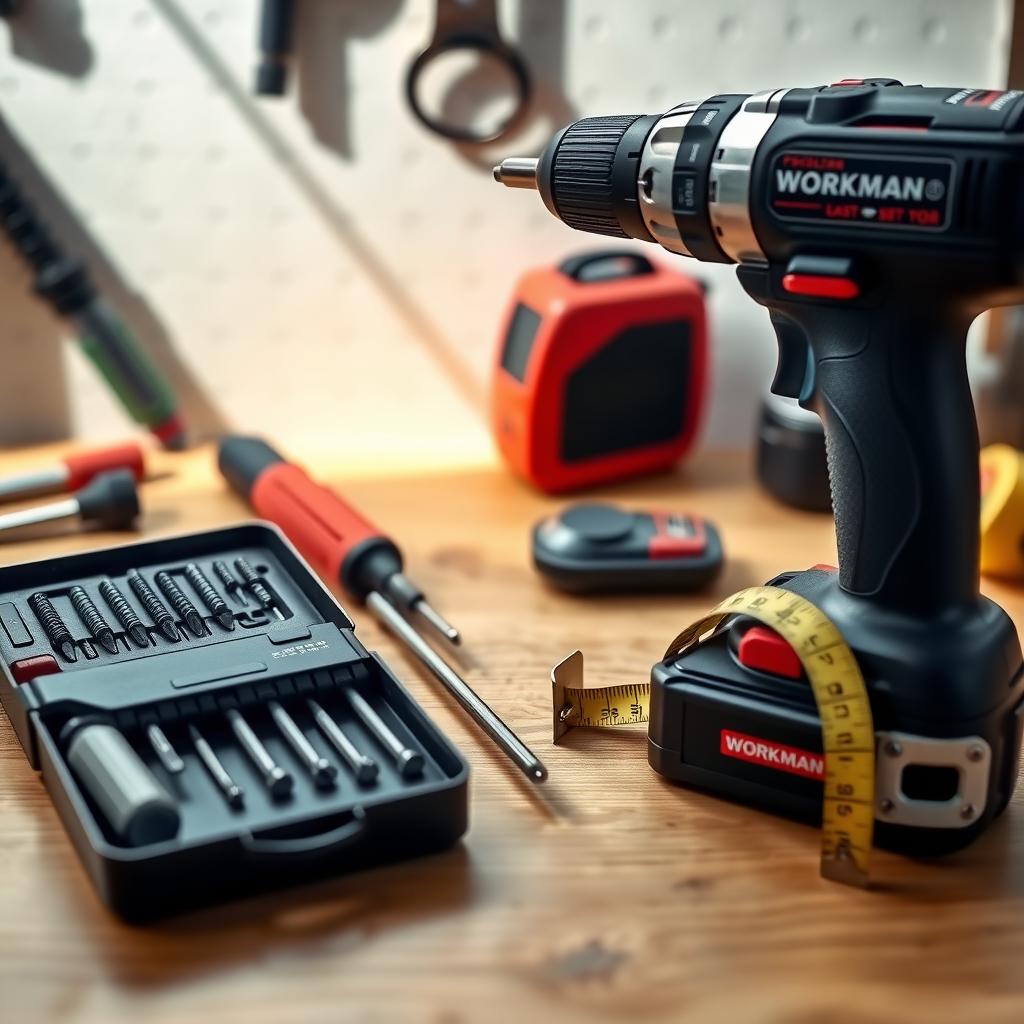
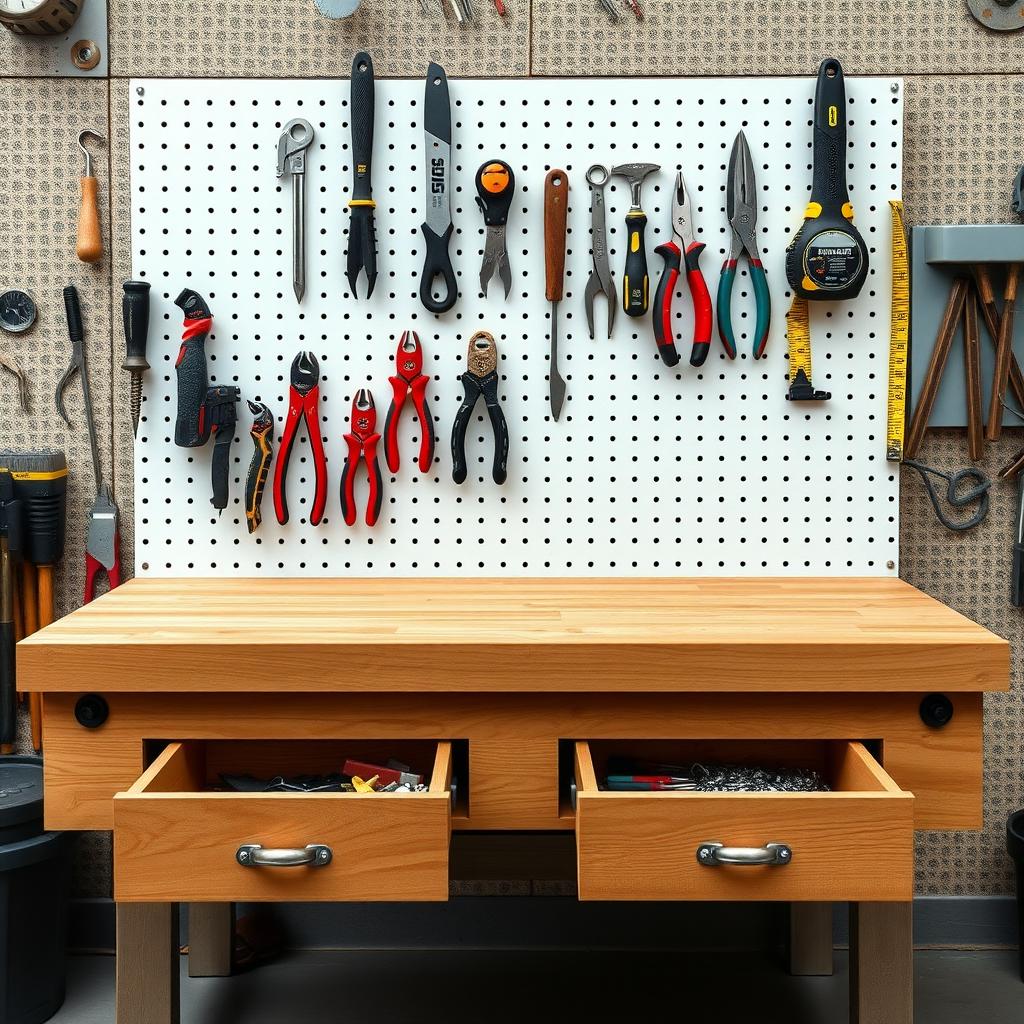
A cluttered workbench kills efficiency. Look for features to look for in a workbench that include smart storage. Drawers, shelves, and pegboards keep your workman tools organized and within reach.
| Storage Type | Benefits | Drawbacks |
|---|---|---|
| Drawers | Secure, dust-free storage for small tools | Can be expensive |
| Shelves | Easy access to heavy tools or materials | Exposes items to dust |
| Pegboards | Customizable, space-saving | Less secure for heavy items |
I love a workbench with a mix of drawers and a pegboard. My chisels and screwdrivers hang neatly on hooks, while delicate tools stay safe in drawers. If you’re tight on space, consider a foldable workbench with built-in storage to maximize versatility.
4. Stability and Features for Precision
A wobbly workbench is a safety hazard. Look for a model with a wide, stable base and non-slip feet. If you’re doing precision work like woodworking or electronics, consider these features:
- Vices and Clamps: A built-in vice is a game-changer for securing materials. Look for one with at least a 6-inch jaw opening.
- T-slots or Dog Holes: These allow you to attach clamps or jigs for precise cuts and assemblies.
- Level Surface: A flat, smooth top ensures accuracy. Check reviews to confirm the surface doesn’t warp over time.
My first workbench lacked a vice, and I struggled to keep boards steady while sawing. Now, I wouldn’t buy one without a heavy-duty vice—it’s a lifesaver for detailed projects.
5. Portability vs. Permanence
Do you need a workbench you can move? Portable workbenches are great for small spaces or outdoor projects, but they often sacrifice stability. Look for foldable models with locking mechanisms to ensure they stay put during use.
- Portable: Lightweight, often under 50 pounds, with foldable legs. Ideal for DIYers with limited space.
- Stationary: Heavier, often bolted to the floor for maximum stability. Best for dedicated workshops.
I’ve used a portable workbench for outdoor repairs, and it’s handy for quick jobs. But for my main workspace, I prefer a stationary model that doesn’t budge under heavy loads.
6. Customization and Add-Ons
The best workbenches grow with your needs. Look for models that allow customization, like modular tops or add-on accessories. Some brands offer extensions for larger projects or attachments like power strips for workman tools.
- Modular Tops: Swap out sections for specialized surfaces (e.g., a butcher block for woodworking or metal for welding).
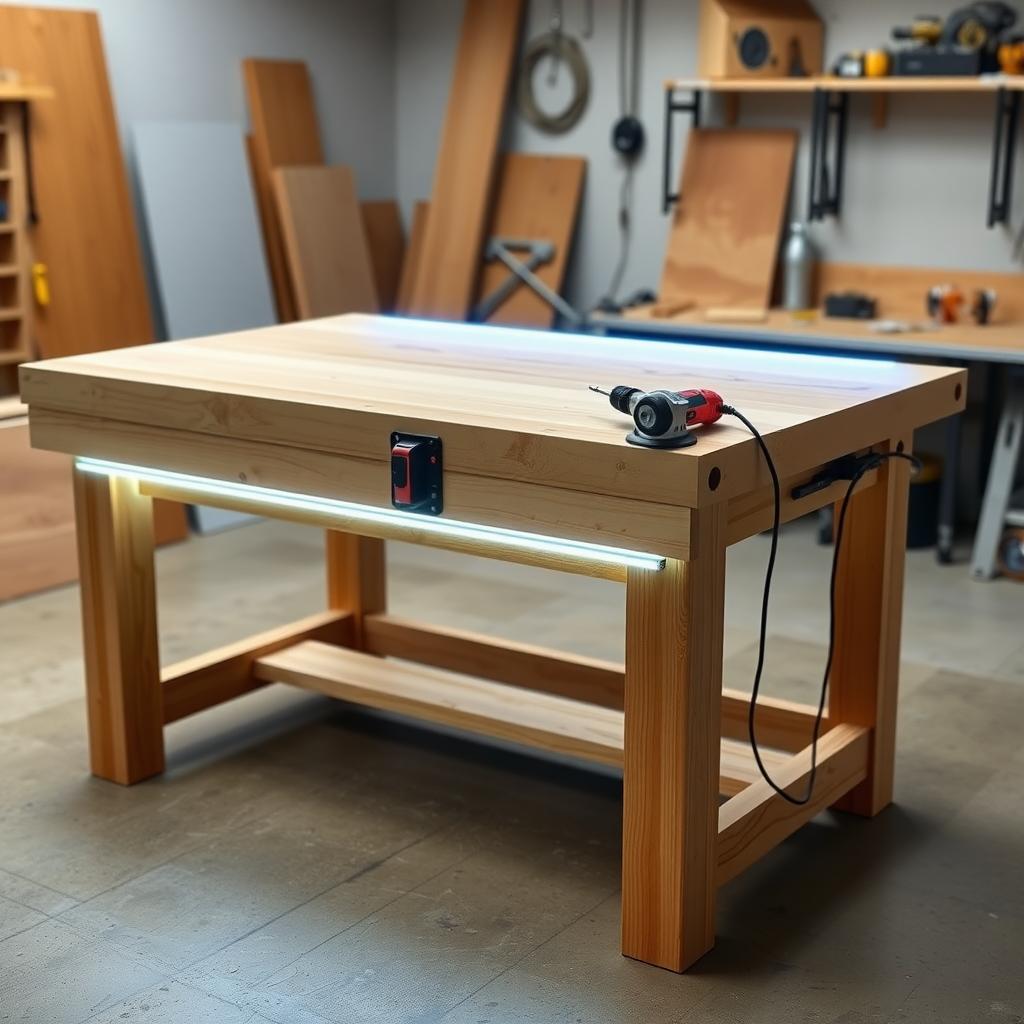
- Power Outlets: Built-in outlets or USB ports are a huge plus for powering tools or charging devices.
- Lighting: Some workbenches come with integrated LED strips for better visibility.
I added a power strip to my workbench last year, and it’s made plugging in my drill and sander so much easier. Check for compatibility with accessories before buying.
7. Budget and Value
Workbenches range from $100 to over $1,000. While it’s tempting to go cheap, investing in quality pays off. A mid-range workbench ($300-$500) often offers the best balance of durability and features. Check reviews on sites like Home Depot or Lowe’s to ensure you’re getting value for your money.
I once bought a budget workbench that warped after a year. Now, I’d rather spend a bit more for something that lasts. Look for warranties—1-2 years is standard for reputable brands.
Summary: Building Your Perfect Workshop
Choosing a workbench is about matching features to your needs. Prioritize durability, size, storage, and stability to create a workspace that boosts productivity. Whether you’re a hobbyist or a pro, the right workbench makes every project smoother. Take your time, measure your space, and invest in quality—you’ll thank yourself later.
Related features to look for in a workbench:
- DIY Workbench Upgrades for Small Spaces: Boost Your Workshop Without the Clutter
- How to Choose the Right Wrench for Your Project
- Advanced Power Tool Maintenance Techniques: The Ultimate Guide
- Workman Tools: A Guide to Maintenance and Care
- Tool Maintenance and Care Tips for Long-Lasting Workman Tools
- Mastering Tool Care: Tips for Longevity
- Advanced Tool Maintenance Techniques for Longevity and Performance
- How to Choose the Right Power Washer for Your Needs
- Types of Hammers for Different Projects: Choosing the Right Tool
- Essential Safety Tips for Electrical Work: A Comprehensive Guide
- Ergonomic Tips for Woodworkers: Crafting Comfortably and Safely
- The Beginner's Guide to Essential Tools for Your First DIY Project