Overview
Choosing the right power washer can feel overwhelming with so many options out there. Whether you're cleaning your driveway, deck, or siding, the right machine makes all the difference. This guide breaks down everything you need to know to pick the perfect power washer, including types, features, and maintenance tips to keep it running smoothly.
Why a Power Washer is a Must-Have Tool
Power washers are game-changers for outdoor cleaning. They blast away dirt, grime, and mildew with high-pressure water, saving you hours of scrubbing. I remember the first time I used one to clean my patio—it turned a grueling weekend chore into a quick, satisfying job. But not all power washers are created equal. Picking the right one depends on your specific needs, from light-duty tasks to heavy-duty commercial projects.
Types of Power Washers
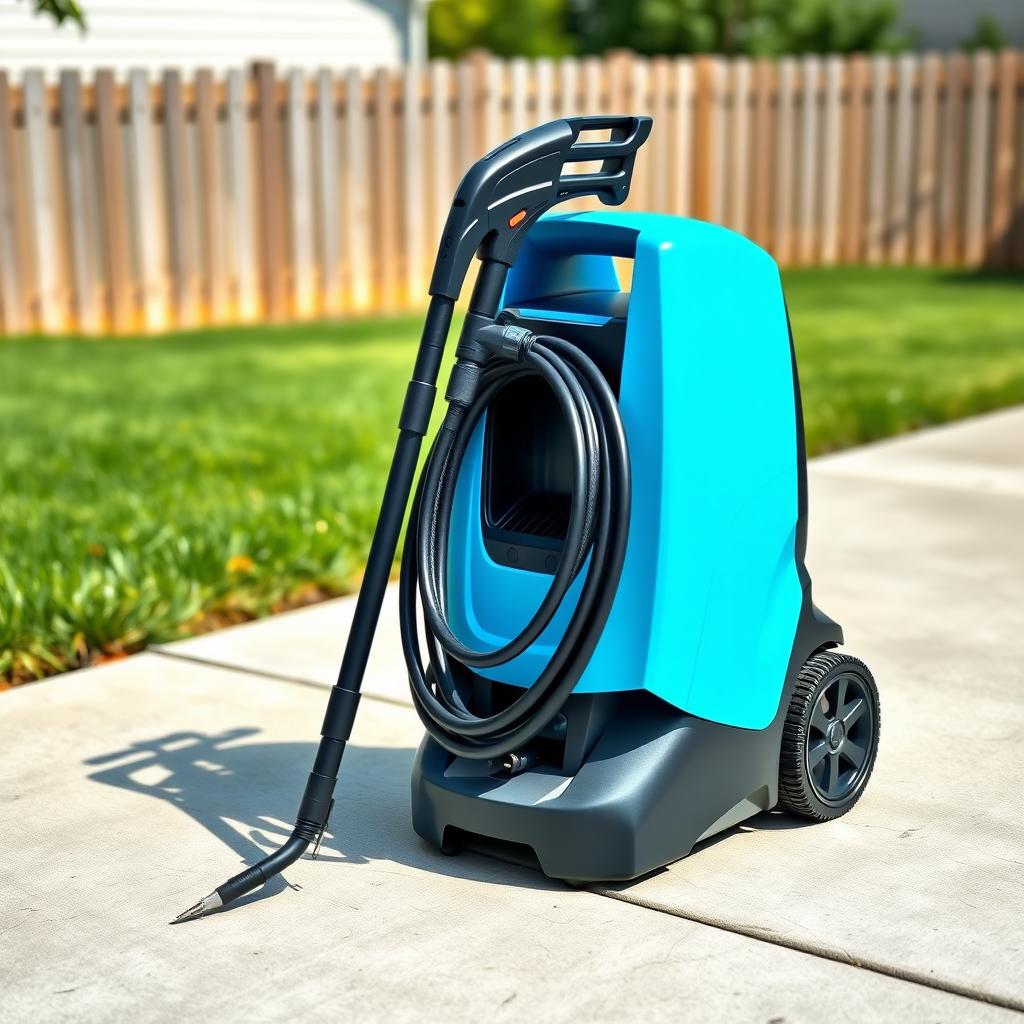
Power washers come in two main types: electric and gas-powered. Each has its strengths, so let’s break them down:
- Electric Power Washers: These are lightweight, quiet, and easy to use. They’re perfect for small jobs like cleaning patio furniture, cars, or small decks. They typically deliver 1,300 to 2,000 PSI (pounds per square inch), which is enough for most home tasks. The downside? They’re less powerful and often need to be plugged in, limiting mobility.
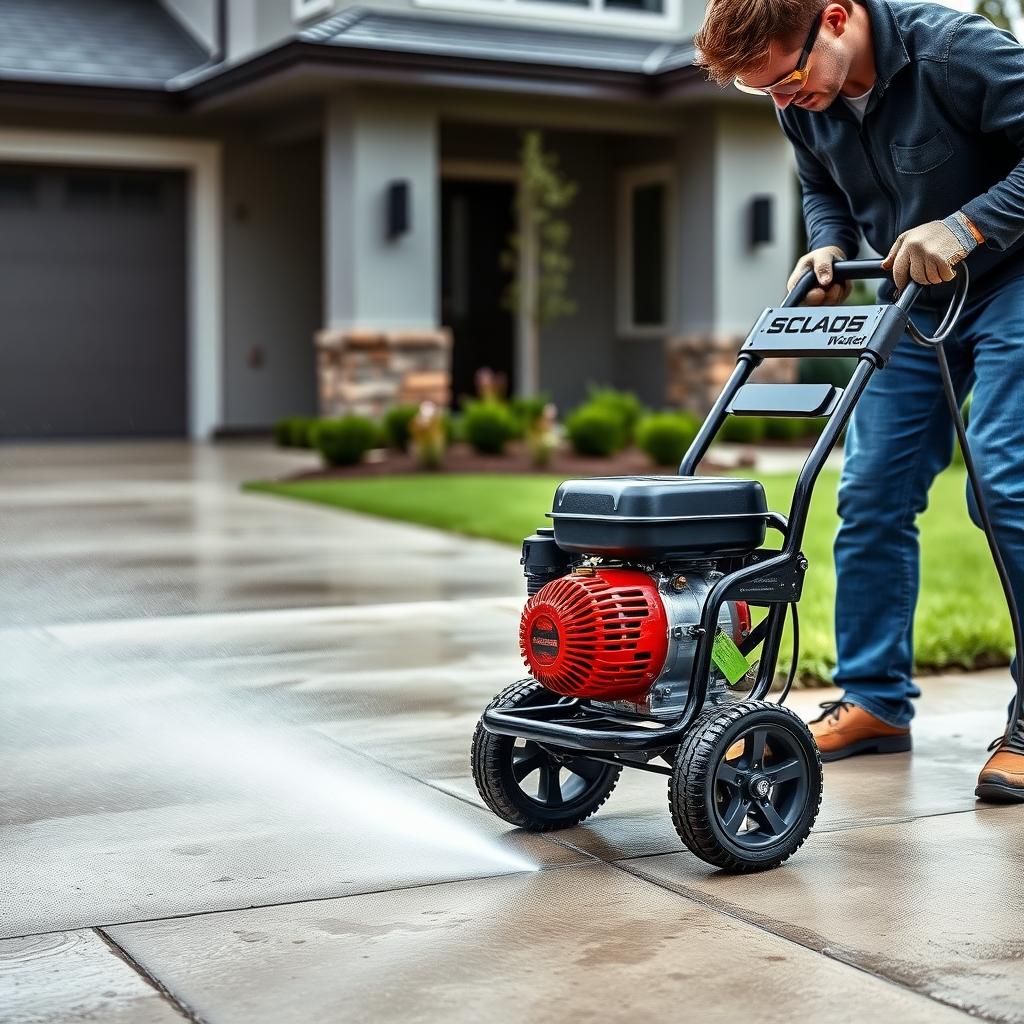
- Gas-Powered Washers: These pack a punch, with PSI ranging from 2,000 to 4,000 or more. They’re ideal for big jobs like cleaning driveways, fences, or commercial spaces. However, they’re louder, heavier, and require more maintenance.
When I was shopping for my first power washer, I went with an electric model because I only needed it for my small backyard. If you’ve got a larger property, a gas model might be worth the extra investment.
Key Features to Consider
To choose the right power washer, you need to understand the key features. Here’s what to look for:
PSI and GPM
PSI measures the pressure of the water, while GPM (gallons per minute) indicates water flow. Higher PSI and GPM mean more cleaning power. For light tasks (like washing a car), aim for 1,300–1,800 PSI and 1.2–1.6 GPM. For tougher jobs like stripping paint, you’ll want at least 2,500 PSI and 2.5 GPM.
Nozzles and Spray Patterns
Most power washers come with adjustable nozzles or quick-connect tips. These control the spray pattern, from a wide fan for gentle cleaning to a pinpoint jet for stubborn stains. I’ve found that a 40-degree nozzle works great for general cleaning, while a 0-degree nozzle is perfect for blasting away tough grime.
Portability
Consider the washer’s weight and design. Electric models are lighter (20–30 pounds), while gas models can weigh 50 pounds or more. Wheels and handles make a big difference—I learned this the hard way when I had to lug a heavy gas washer across my yard!
Detergent Tanks
Some models have built-in tanks for soap or detergent, which is handy for tackling greasy or oily surfaces. If you plan to use detergents, make sure the washer supports them.
Matching the Power Washer to Your Needs
Think about what you’ll be cleaning. Here’s a quick guide:
| Task | Recommended PSI | Recommended Type |
|---|---|---|
| Patio furniture, cars | 1,300–1,800 | Electric |
| Decks, fences | 1,800–2,500 | Electric or Gas |
| Driveways, concrete | 2,500–3,000 | Gas |
| Paint stripping, commercial use | 3,000+ | Gas |
For example, my neighbor borrowed my electric washer to clean his deck, but it struggled with years of built-up grime. He ended up renting a gas-powered model, which got the job done in half the time.
Power Washer Maintenance Tips
To keep your power washer in top shape, regular maintenance is key. Here are some practical power washer maintenance tips:
- Clean the Machine After Use: Rinse out any detergent and flush the system with clean water to prevent clogs. I once skipped this step and ended up with a clogged nozzle that took hours to fix.
- Check Hoses and Connections: Look for leaks or cracks in the hose. Replace damaged parts immediately to avoid losing pressure.
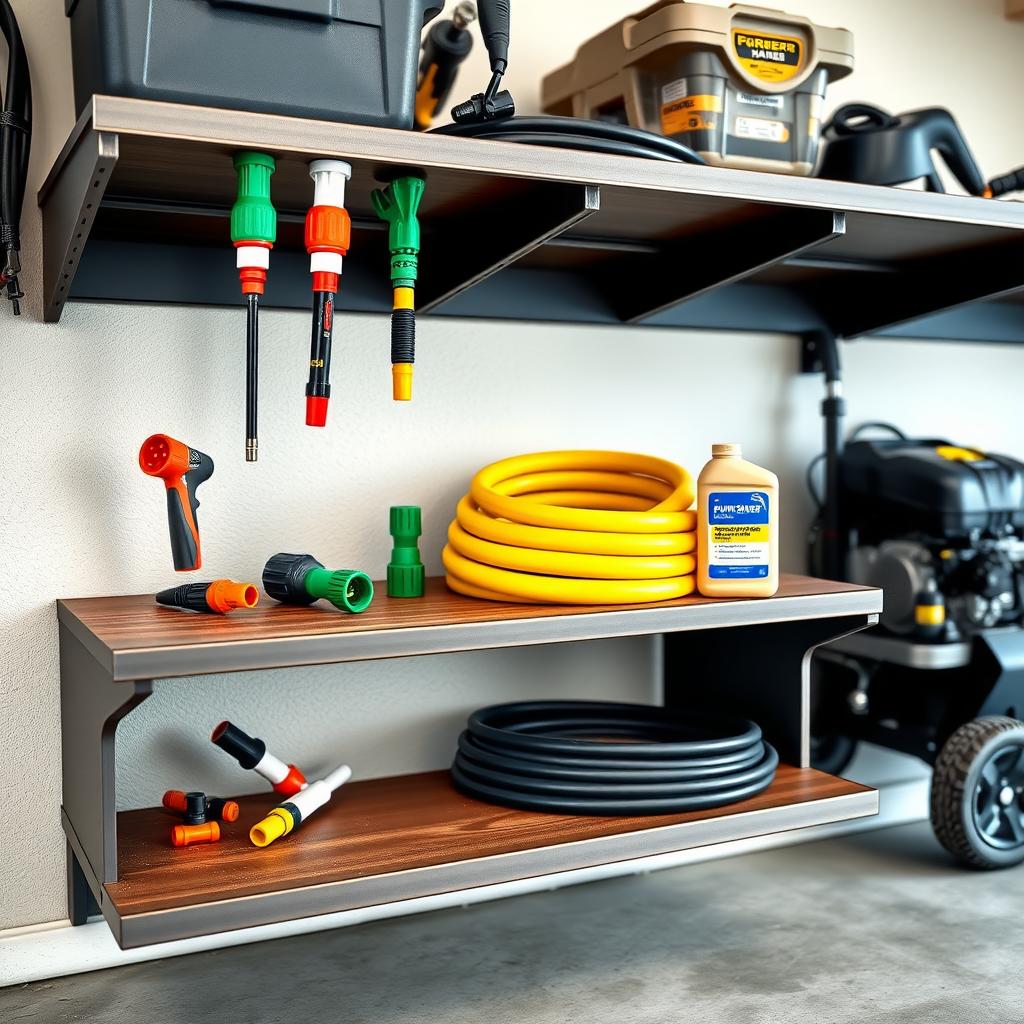
- Store Properly: Drain all water and store the washer in a dry place to prevent rust or freezing damage. This is especially important for gas models.
- Maintain the Engine (Gas Models): Change the oil regularly and use fresh fuel. Stale gas can gum up the engine, as I learned after leaving my washer unused for a winter.
- Winterize in Cold Climates: If you live in a cold area, use pump saver fluid to protect the pump during freezing temperatures.
Following these steps will extend the life of your power washer and keep it ready for action.
Safety Tips for Using Power Washers
Power washers are powerful tools, and safety is critical. Always wear protective gear like goggles and gloves. Never point the spray at people, pets, or fragile surfaces like windows. I once saw a friend accidentally damage his car’s paint with a high-pressure nozzle—lesson learned! Also, check your surroundings for loose debris that could become projectiles under high pressure.
Budget Considerations
Power washers range from $100 for basic electric models to $500 or more for heavy-duty gas models. Set a budget based on your needs, but don’t skimp on quality. A cheap model might save you money upfront but could fail quickly under heavy use. I recommend checking reviews on sites like Consumer Reports (https://www.consumerreports.org) for reliable options in your price range.
Environmental Impact
Power washers use a lot of water, so be mindful of your usage. Electric models are more eco-friendly since they don’t rely on fossil fuels. You can also use biodegradable detergents to reduce environmental harm. I started using eco-friendly soap after noticing runoff from my driveway affecting nearby plants.
Where to Buy
You can find power washers at home improvement stores, online retailers, or rental centers. If you only need one occasionally, renting might be a smart choice. Websites like Home Depot (https://www.homedepot.com) or Amazon offer a wide selection, and many include user reviews to guide your decision.
Summary
Choosing the right power washer comes down to understanding your cleaning needs, comparing features like PSI and GPM, and committing to regular maintenance. Whether you go for an electric or gas model, the right choice will save you time and effort. Follow our power washer maintenance tips and safety advice to get the most out of your investment.
Related How to Choose the Right Power Washer:
- Types of Hammers for Different Projects: Choosing the Right Tool
- Essential Safety Tips for Electrical Work: A Comprehensive Guide
- Ergonomic Tips for Woodworkers: Crafting Comfortably and Safely
- The Beginner's Guide to Essential Tools for Your First DIY Project
- Comprehensive Guide to Electrical Tools: Must-Haves for Every Workman
- Essential Workman Tools for Home Renovations: Your Ultimate Guide
- Ergonomics Beyond Tools: A Workshop Guide for Comfort and Efficiency
- The Ultimate Guide to Workman Tools for Automotive Repair
- Revolutionizing Home Painting: How AI-Powered Tools Boost Efficiency
- Decluttering Your Life: Tips for a More Organized Home and Mind
- How to Organize Your Toolbox Like a Pro
- Essential Workman Tools for Every DIY Enthusiast