Overview
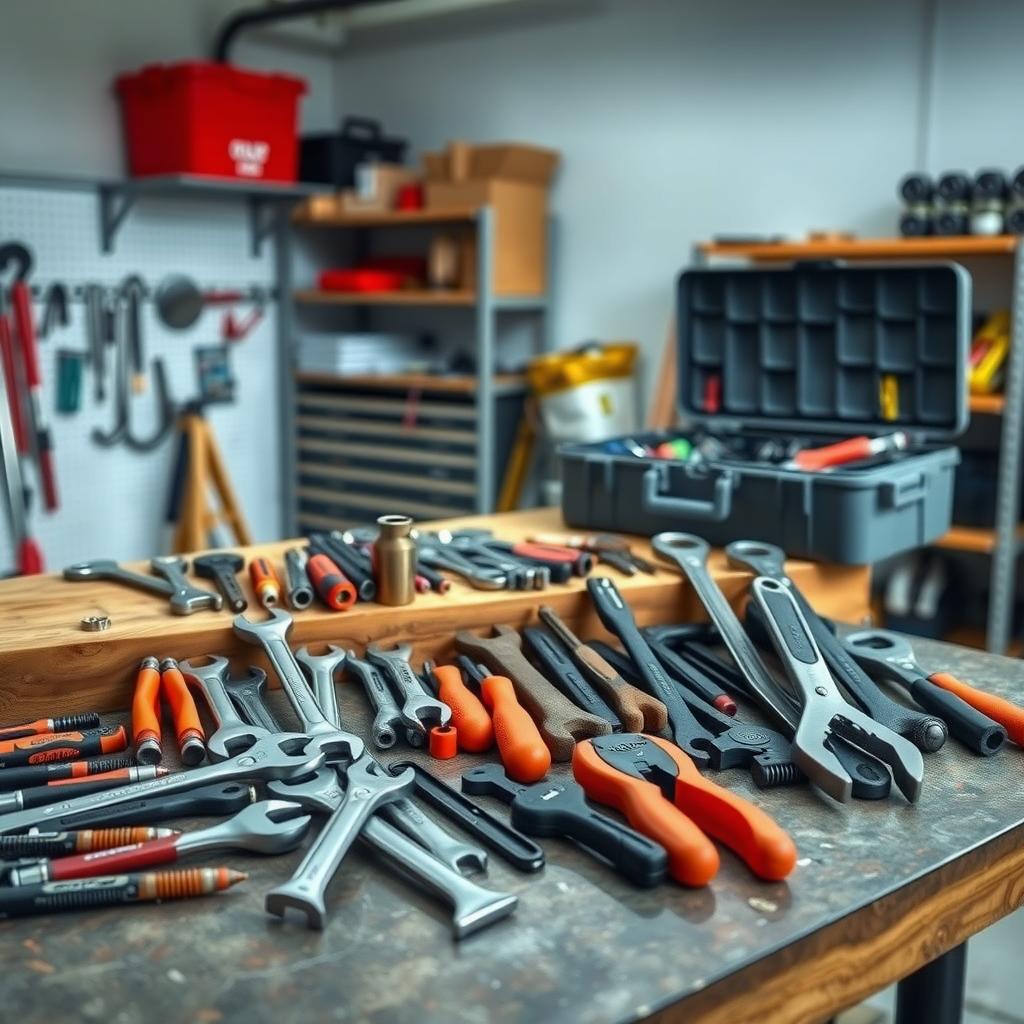
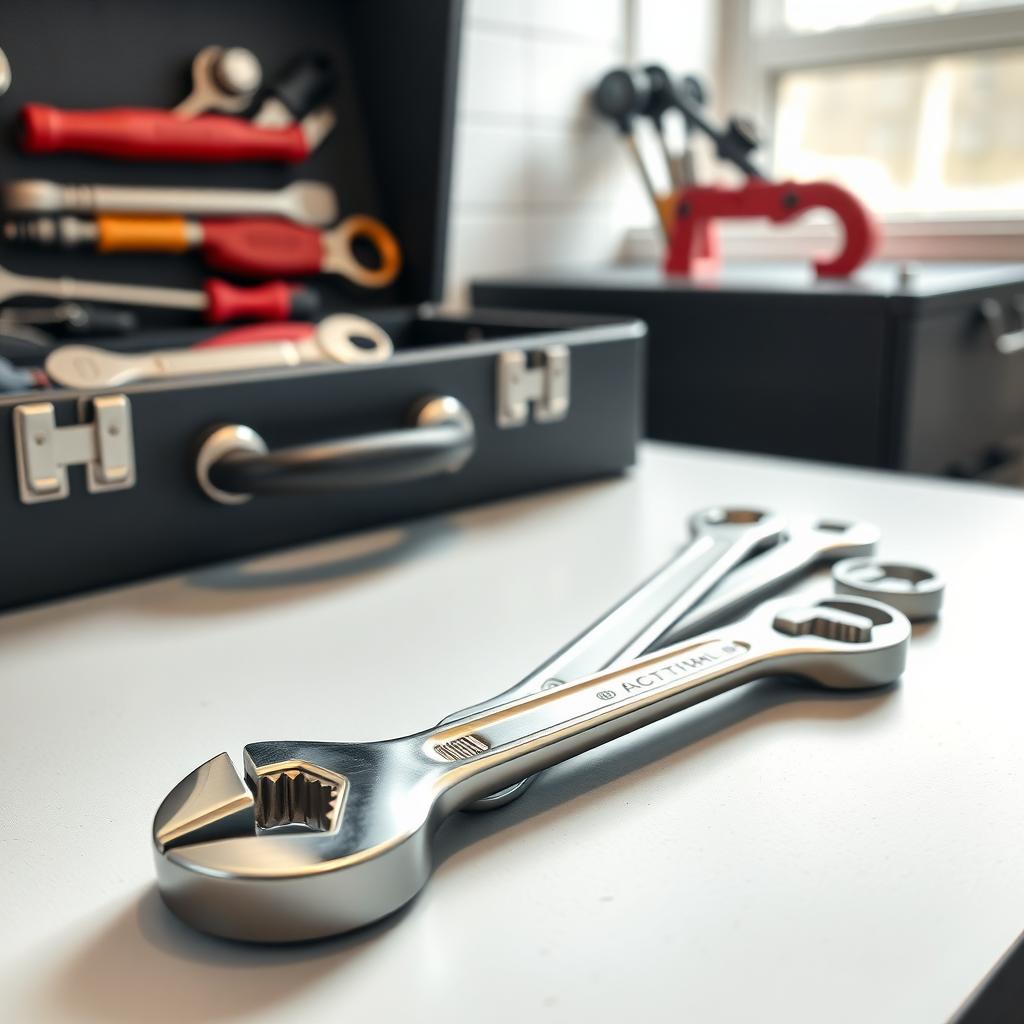
Woodworking is a rewarding craft, but it can take a toll on your body if you’re not careful. Long hours hunched over a workbench or gripping heavy tools can lead to back pain, wrist strain, and fatigue. By following ergonomic tips for woodworkers, you can create a workspace that supports your health and enhances your efficiency. This guide shares practical advice, personal insights, and expert-backed strategies to help you work smarter, not harder.
Why Ergonomics Matter in Woodworking
As someone who’s spent years sanding, planing, and chiseling, I’ve learned the hard way that poor posture and a badly designed workspace can ruin the joy of woodworking. Early in my career, I ignored the ache in my lower back after hours at a too-low workbench. It wasn’t until I started prioritizing ergonomics that I realized how much easier and more enjoyable my projects could be. Ergonomics isn’t just about comfort—it’s about preventing long-term injuries like carpal tunnel or chronic back pain. According to the U.S. Bureau of Labor Statistics, musculoskeletal disorders account for nearly a third of workplace injuries, many due to poor ergonomic setups. For woodworkers, this means setting up your shop to support your body’s natural movements.
Ergonomic Workbench Setup Tips
Your workbench is the heart of your workshop, so getting it right is crucial. Here are some ergonomic workbench setup tips to make your workspace both functional and comfortable:
Choose the Right Height
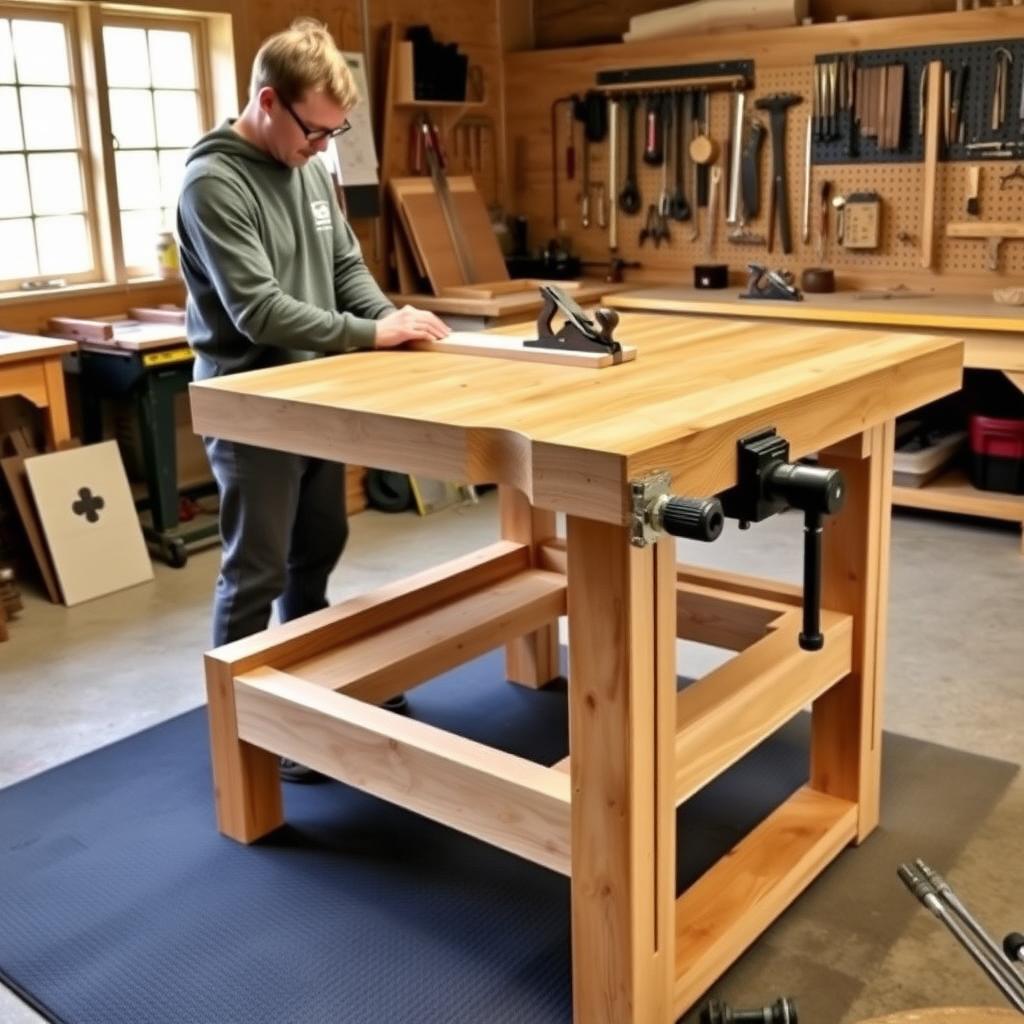
The ideal workbench height depends on your body and the tasks you perform. A common rule is to measure from the floor to your wrist when your arms are relaxed at your sides. For most people, this lands between 34 and 38 inches. Hand-tool woodworkers might prefer a slightly lower bench (32-34 inches) for better leverage when planing, while power-tool users may opt for a taller setup (36-39 inches) for sanding or assembly. I once built a bench too low and spent hours stooped over, which left me sore for days. Testing heights with a temporary setup, like stacking boards, can help you find what feels right.
Prioritize Stability and Mass
A wobbly workbench is a recipe for frustration and injury. Features to look for in a workbench include a thick, heavy top (at least 3-4 inches) and sturdy legs to absorb vibration. A solid bench lets you focus your energy on the work, not fighting a shaky surface. The Popular Woodworking guide to workbench rules emphasizes that mass is key for stability, especially for hand-tool tasks like sawing or chiseling. My first bench was too light, and it slid across the floor during vigorous planing. Now, I ensure my benches weigh enough to stay put, saving my back and my sanity.
Incorporate Vises and Holdfasts
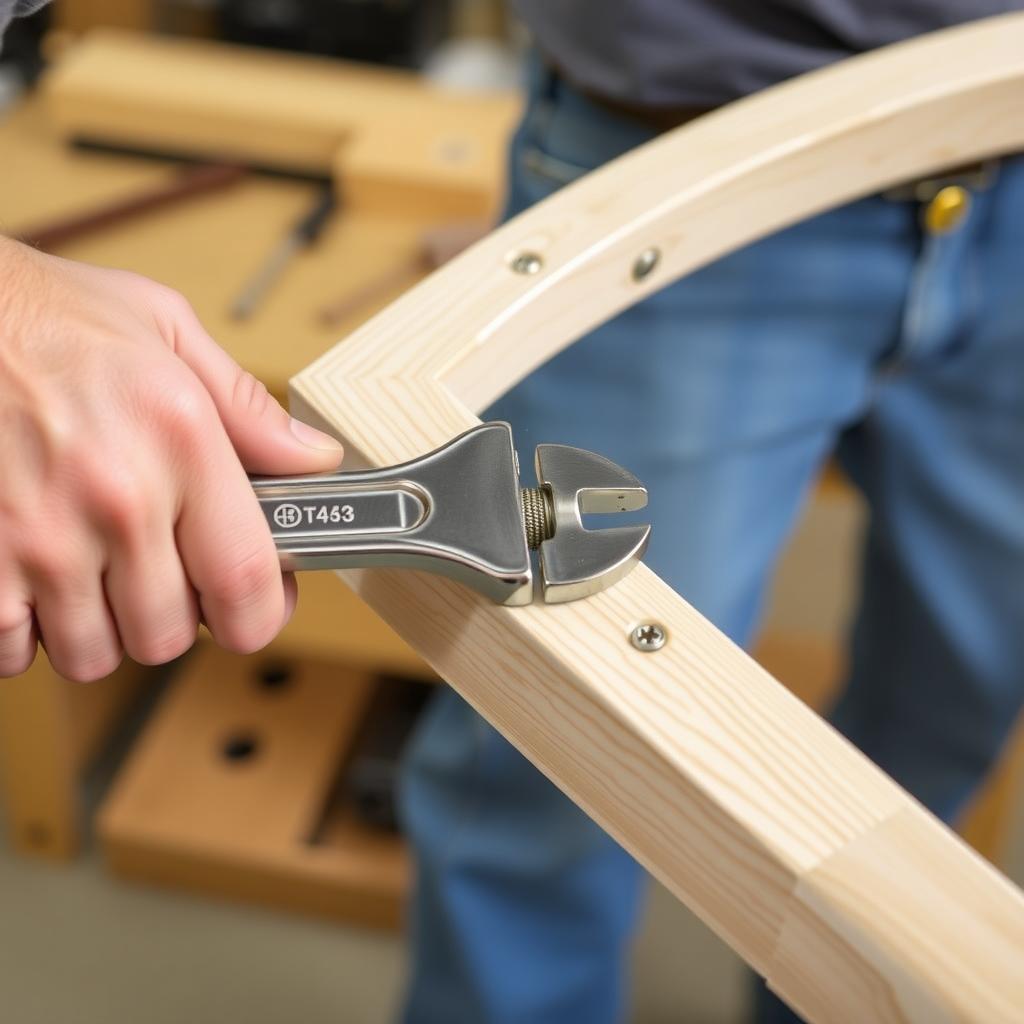
Vises and holdfasts are essential for securing your workpiece, reducing strain on your hands and arms. A face vise, mounted on the front of the bench, is great for general clamping, while a tail vise at the end secures long boards. I’ve found that a well-placed face vise saves me from awkwardly holding pieces, which used to strain my wrists. The Wood and Shop guide to workbench accessories recommends investing in quality holdfasts for quick, secure clamping, which I can confirm makes a huge difference.
Features to Look for in a Workbench
When choosing or building workbenches, focus on these ergonomic features:
| Feature | Benefit |
|---|---|
| Adjustable Height | Adapts to different tasks and users, reducing strain. |
| Thick Top | Adds mass for stability, minimizing vibration. |
| Vises and Dogs | Secure workpieces, reducing hand and arm fatigue. |
| Tool Storage | Keeps workman tools within reach, minimizing stretching. |
| Durable Material | Withstands heavy use without warping or damage. |
I recommend checking out benches like the Dash-Board series, which offer adjustable heights and compact designs for smaller shops, as noted in their ergonomic workbench guide.
Selecting Ergonomic Workman Tools
Your tools should feel like an extension of your hands, not a source of strain. Here’s how to choose workman tools with ergonomics in mind:
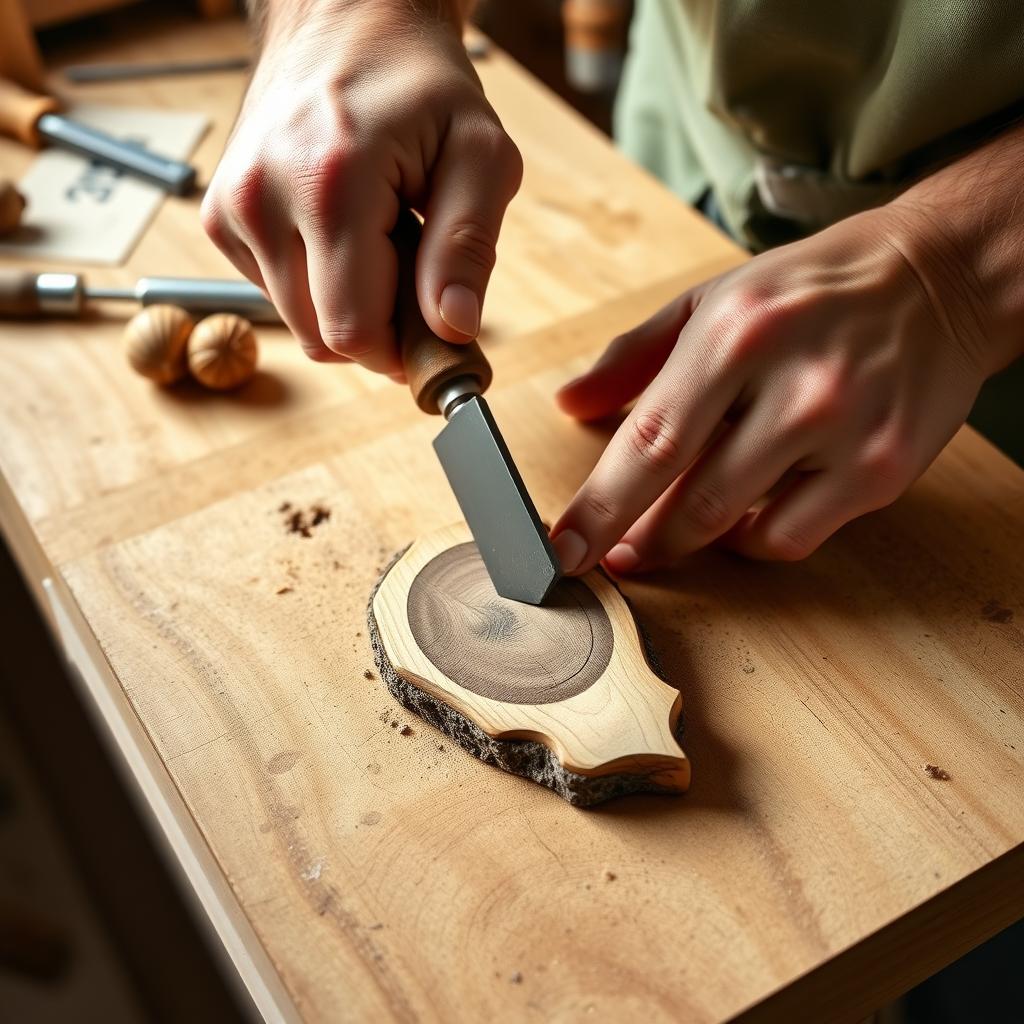
- Grip Comfort: Look for tools with contoured, cushioned handles. I switched to chisels with ergonomic grips, and my hands thanked me after long carving sessions.
- Weight Balance: Lightweight tools reduce fatigue, but they must be sturdy. A heavy plane might feel powerful but can tire you out quickly.
- Maintenance: Keep blades sharp to minimize effort. Dull tools force you to push harder, increasing strain. The Woodcraft guide to tool maintenance stresses that sharp tools reduce physical effort, a tip I’ve found invaluable.
Optimize Your Workspace Layout
A cluttered or poorly arranged shop can lead to unnecessary bending and reaching. Here’s how to set up an ergonomic workspace:
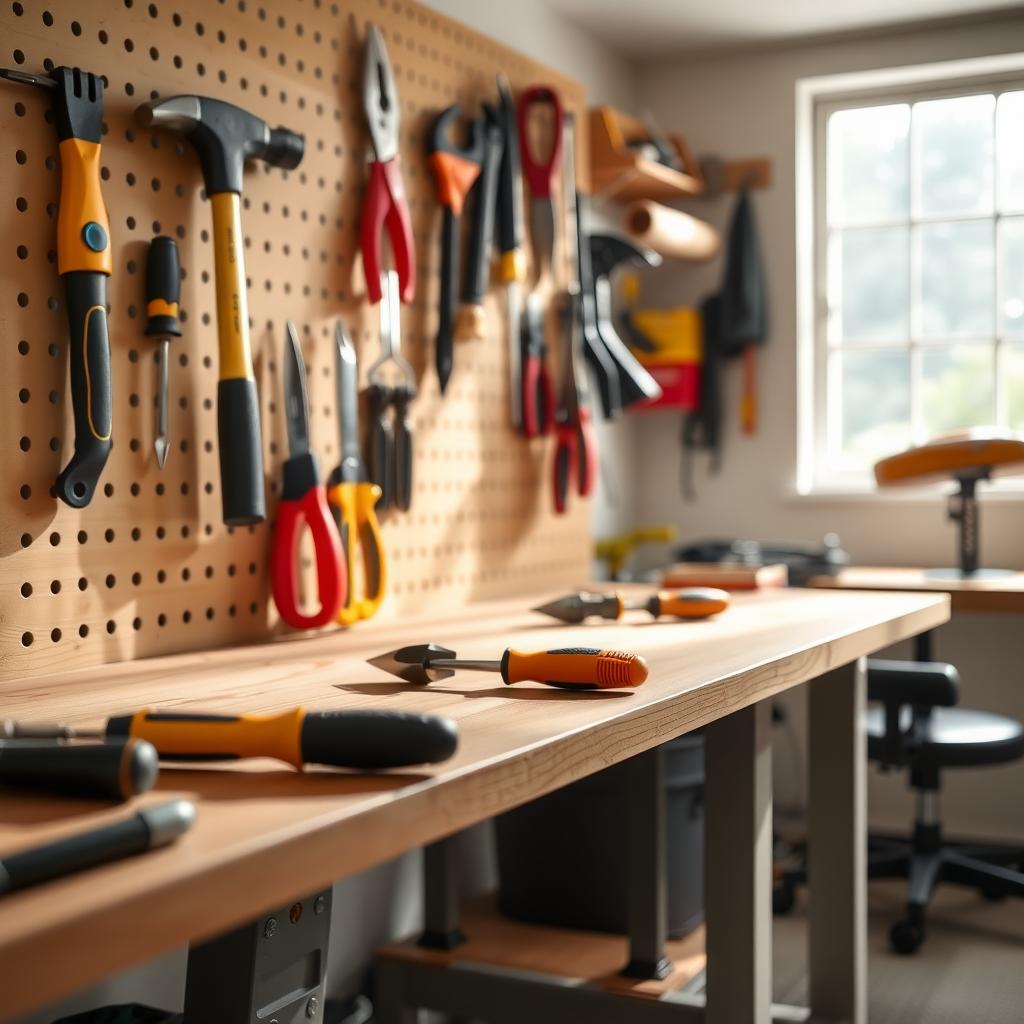
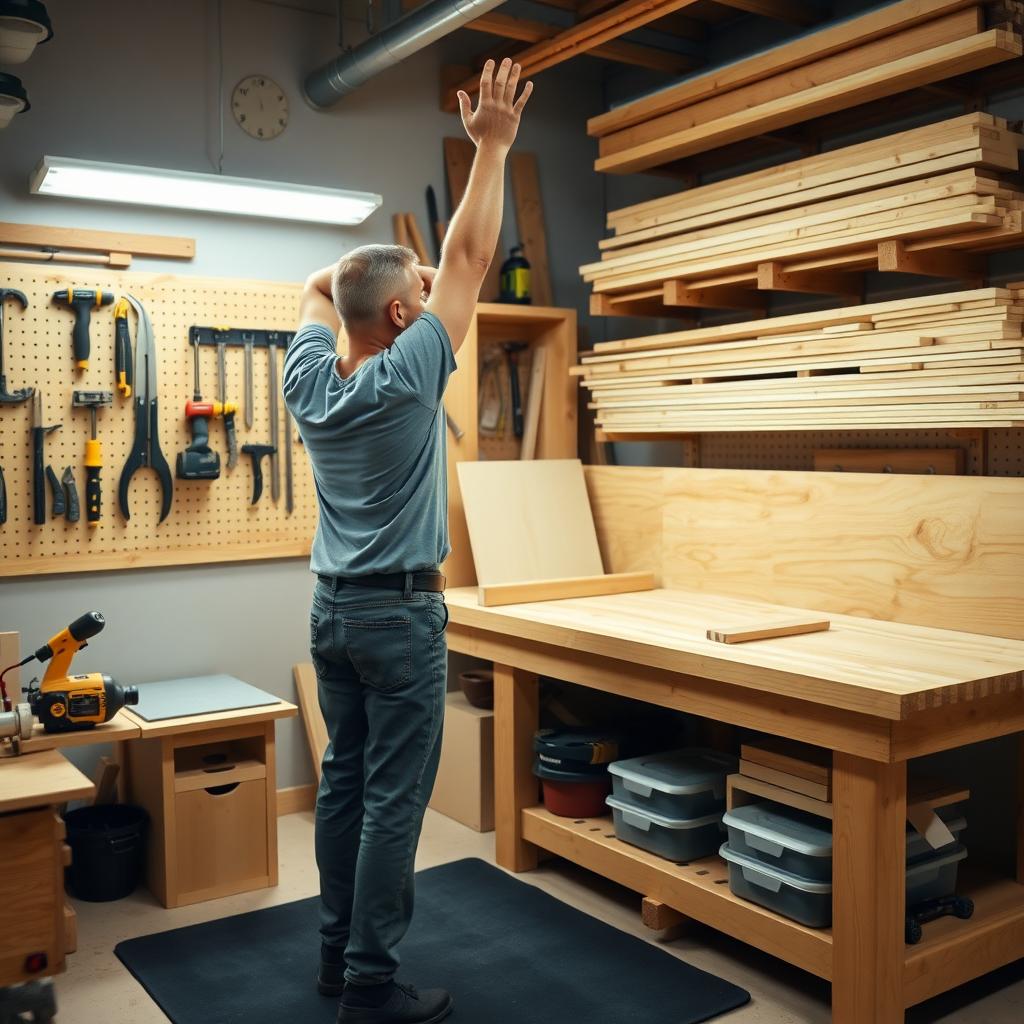
- Tool Placement: Store frequently used tools within arm’s reach. I use a pegboard near my bench to keep chisels and saws handy.
- Lighting: Good lighting reduces eye strain. Adjustable task lights, like LED strips, let you focus light where you need it. Poor lighting once caused me to misjudge a cut, leading to a frustrating redo.
- Anti-Fatigue Mats: Standing for hours can strain your legs. An anti-fatigue mat, as recommended by ErgoGlobal’s workbench height guide, makes a big difference. I added one to my shop floor and noticed less leg fatigue after long sessions.
Work Habits for Long-Term Health
Ergonomics isn’t just about equipment—it’s about how you work. Here are habits to adopt:
- Take Breaks: Every 30-45 minutes, step away to stretch or walk. I set a timer to remind myself, which has helped prevent stiffness.
- Vary Tasks: Switch between standing and sitting tasks to avoid repetitive strain. For example, I alternate between planing and sanding.
- Posture Awareness: Keep your back straight and shoulders relaxed. I used to slouch while carving, but consciously correcting my posture has reduced neck pain.
These habits, combined with a well-designed workspace, can help you enjoy woodworking for years without injury.
Summary
Creating an ergonomic woodworking setup is about more than comfort—it’s about protecting your health and boosting your productivity. By choosing the right workbench height, prioritizing stability, selecting ergonomic tools, and adopting healthy work habits, you can make woodworking a sustainable, enjoyable pursuit. Start small: adjust your bench height, add a vise, or invest in an anti-fatigue mat. Your body will thank you, and your projects will benefit from the improved focus and efficiency.
Related ergonomic-tips-for-woodworkers:
- Choosing a Work Bench - Woodcraft: Expert Tips for the Ultimate Ergonomic Woodworking Setup
- The Beginner's Guide to Essential Tools for Your First DIY Project
- Comprehensive Guide to Electrical Tools: Must-Haves for Every Workman
- Essential Workman Tools for Home Renovations: Your Ultimate Guide
- Ergonomics Beyond Tools: A Workshop Guide for Comfort and Efficiency
- The Ultimate Guide to Workman Tools for Automotive Repair
- Revolutionizing Home Painting: How AI-Powered Tools Boost Efficiency
- Decluttering Your Life: Tips for a More Organized Home and Mind
- How to Organize Your Toolbox Like a Pro
- Essential Workman Tools for Every DIY Enthusiast
- Essential Screwdrivers for Mechanics: Your Guide to the Best Workman Tools
- Troubleshooting Electrical Problems Made Easy: A Comprehensive Guide