Overview
Creating a workshop that’s both productive and comfortable starts with understanding ergonomics. Ergonomics Beyond Tools: A Workshop Guide isn’t just about picking the right hand tools—it’s about designing a workspace that supports your body and boosts efficiency. This guide shares practical steps to reduce strain and enhance your work.
Why Ergonomics Matters in Your Workshop
Ergonomics is about fitting your workspace to your body, not the other way around. I learned this the hard way after hours hunched over a workbench, my back aching and hands cramping. Poor posture and repetitive motions can lead to injuries like carpal tunnel or chronic back pain. According to the Occupational Safety and Health Administration (OSHA), ergonomic injuries account for a third of workplace injuries. A well-designed workshop can prevent these issues, letting you work longer and smarter.
The goal of Ergonomics Beyond Tools: A Workshop Guide is to go beyond just buying ergonomic hand tools for reduced strain. It’s about creating a holistic system—tools, workspace layout, and habits—that keeps you comfortable and productive. Let’s dive into how to make that happen.
Designing Your Ergonomic Workspace
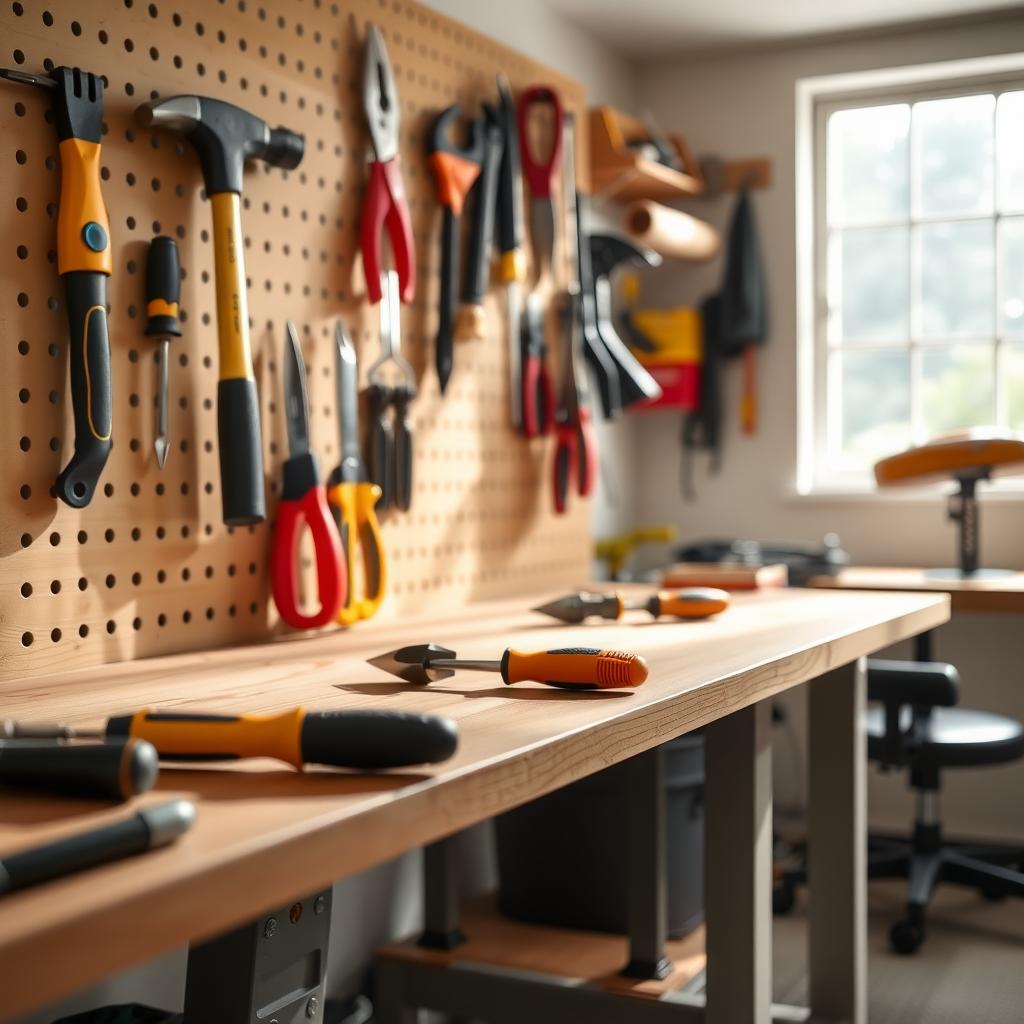
Your workshop’s layout is the foundation of comfort. Start with your workbench height. It should align with your waist, around 34-36 inches for most people, to avoid bending over. I once used a too-low table and felt it in my lower back within hours. Adjustable workbenches are ideal since you can tweak the height for different tasks.
Lighting is another key factor. Poor lighting strains your eyes and forces awkward postures to see better. Use a mix of overhead and task lighting. LED lights are bright and energy-efficient. Position them to avoid shadows on your work area. I keep a flexible desk lamp on my bench for detailed tasks like sanding or carving.
Don’t overlook flooring. Standing on concrete for hours is brutal on your joints. Anti-fatigue mats cushioned my feet during long projects, making a huge difference. Place them where you stand most, like in front of your workbench or power tools.
Workspace Layout Checklist
- Workbench Height: Waist-level, adjustable if possible.
- Lighting: Bright, shadow-free, with task lights for detail work.
- Flooring: Anti-fatigue mats for comfort.
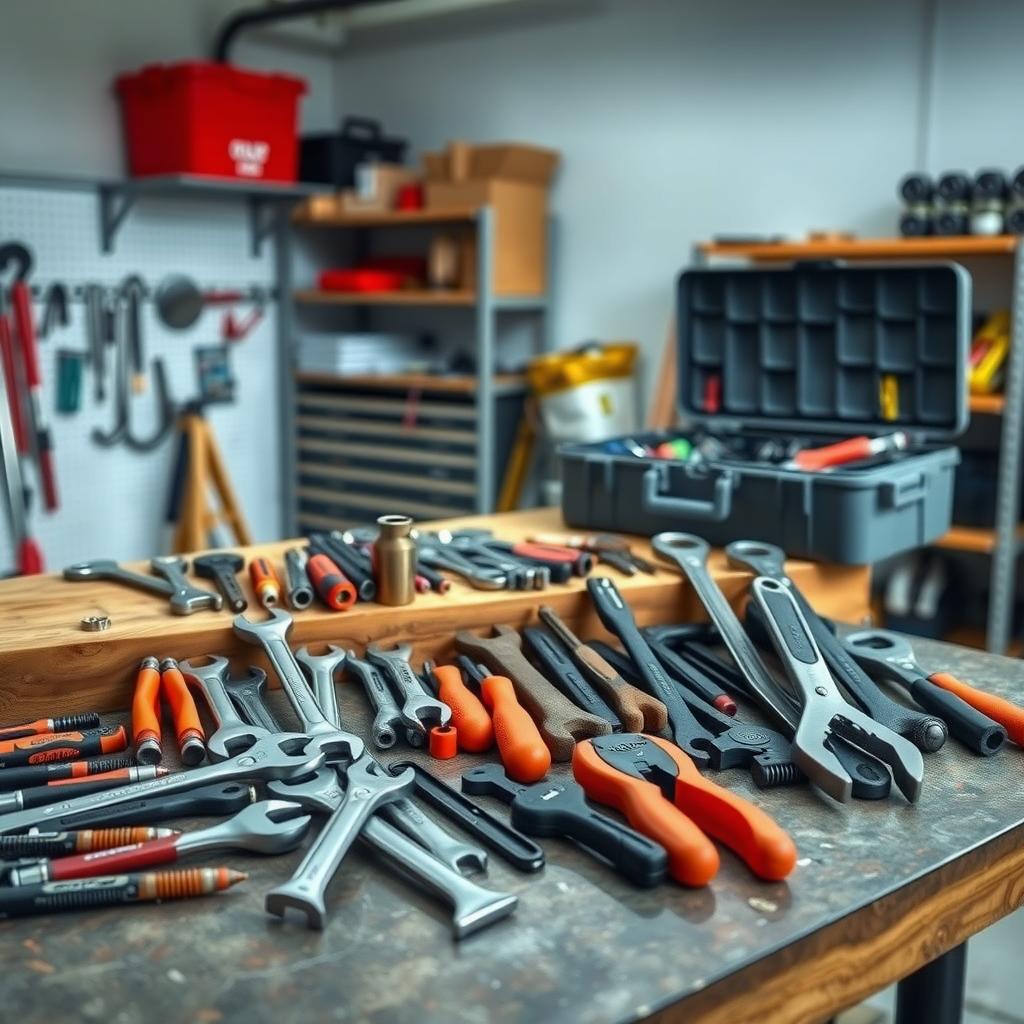
- Tool Storage: Keep frequently used tools within arm’s reach.
- Seating: Use a stool with back support for tasks requiring sitting.
Choosing Ergonomic Hand Tools for Reduced Strain
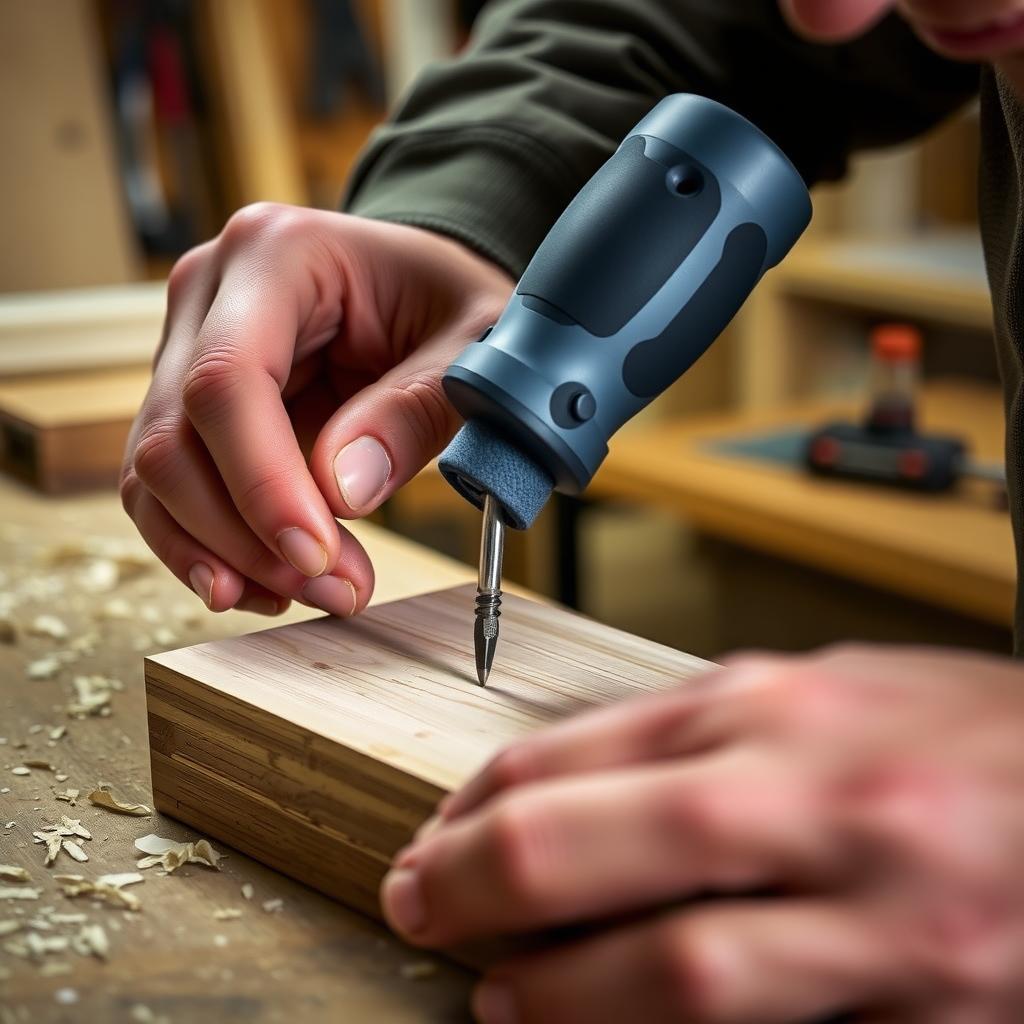
Hand tools are your workshop’s backbone, but not all are created equal. Ergonomic hand tools for reduced strain are designed to fit your hand’s natural shape, reducing grip force and awkward motions. For example, I switched to a screwdriver with a cushioned, contoured handle, and my wrist pain disappeared after long sessions.
Look for tools with these features:
| Feature | Benefit |
|---|---|
| Cushioned Grips | Reduces hand fatigue and blisters |
| Contoured Handles | Fits hand shape, lessens strain |
| Lightweight Materials | Easier to maneuver, less arm fatigue |
| Anti-Slip Coating | Improves grip, reduces force needed |
Some of my favorite workman tools include ergonomic hammers with shock-absorbing grips and pliers with spring-loaded handles to ease repetitive tasks. Brands like Fiskars and Stanley offer solid options. Always test a tool in your hand before buying—comfort is personal.
Habits for Long-Term Comfort
Tools and layout are only part of the equation. Your habits matter just as much. I used to power through projects without breaks, but that led to stiff shoulders and sore hands. Now, I follow the 20-20 rule: every 20 minutes, take a 20-second break to stretch or change position.
Posture is critical. Keep your back straight and avoid hunching. When using hand tools, hold them with a relaxed grip to prevent strain. I also alternate tasks—like switching between sawing and sanding—to avoid overusing one muscle group. These small changes add up over time.
Stretching before and after work helps, too. Simple wrist and shoulder stretches can prevent stiffness. The American Physical Therapy Association recommends wrist flexor stretches: extend your arm, palm up, and gently pull your fingers back with the other hand. Hold for 15 seconds per side.
Common Mistakes to Avoid
One mistake I made early on was overcrowding my workbench. It forced me to reach awkwardly, straining my shoulders. Keep your workspace clear, with only the tools you need for the task at hand. Another pitfall is ignoring early discomfort. If your hand or back feels off, adjust your setup or take a break before it becomes a bigger issue.
Don’t skimp on quality tools, either. Cheap tools often lack ergonomic design, leading to more strain. Investing in high-quality workman tools pays off in comfort and durability. Check reviews on sites like FineWoodworking.com for trusted recommendations.

Integrating Ergonomics into Your Workflow
To make ergonomics second nature, plan your projects with comfort in mind. Before starting, set up your workspace—adjust your bench, check lighting, and gather tools. During the project, pace yourself and listen to your body. If you’re tired, your form suffers, increasing injury risk.
I also recommend keeping a small notebook to track what works. For example, I noted that raising my vise a few inches reduced back strain during clamping tasks. Over time, these tweaks create a workshop that feels like an extension of you.
Summary
Ergonomics Beyond Tools: A Workshop Guide is about more than fancy tools—it’s a mindset. By optimizing your workspace, choosing ergonomic hand tools for reduced strain, and building smart habits, you can work comfortably and efficiently. Start small: adjust your workbench, try a new tool, or add a mat. Your body will thank you, and your projects will shine.
Related Ergonomics Beyond Tools: A Workshop Guide:
- The Ultimate Guide to Workman Tools for Automotive Repair
- Revolutionizing Home Painting: How AI-Powered Tools Boost Efficiency
- Decluttering Your Life: Tips for a More Organized Home and Mind
- How to Organize Your Toolbox Like a Pro
- Essential Workman Tools for Every DIY Enthusiast
- Essential Screwdrivers for Mechanics: Your Guide to the Best Workman Tools
- Troubleshooting Electrical Problems Made Easy: A Comprehensive Guide
- How to Choose the Best Toolbox for Your Needs
- The Evolution of Woodworking Tools: A Historical Overview
- The Ultimate Guide to Choosing Tool Sets for Automotive Repairs
- Tool Maintenance 101: Keep Your Gear in Top Shape
- Mastering the Art of Hammering: Techniques for Precision and Power