Overview
Electrical issues can feel overwhelming, but with the right approach, Troubleshooting Electrical Problems Made Easy is within reach for homeowners. This guide breaks down the process into manageable steps, focusing on safety, the right tools, and practical solutions. Whether it’s a flickering light or a dead outlet, you’ll gain the confidence to tackle common problems.
Why Troubleshooting Electrical Problems Matters
Electrical problems are more than just inconveniences—they can pose safety risks or signal deeper issues. A tripped breaker might hint at overloaded circuits, while a flickering light could indicate loose wiring. Addressing these early prevents costly repairs or hazards like electrical fires. My first encounter with troubleshooting came when my living room lights started dimming randomly. After some research and careful steps, I realized it was a loose connection in the switch—a quick fix that saved me a hefty electrician bill.
The key is to approach electrical work with caution and knowledge. This guide will walk you through diagnosing issues, choosing the right tools, and staying safe while doing it. By the end, you’ll have a clear roadmap for handling basic electrical repairs at home.

Picking the Best Electrical Tools for Home Projects
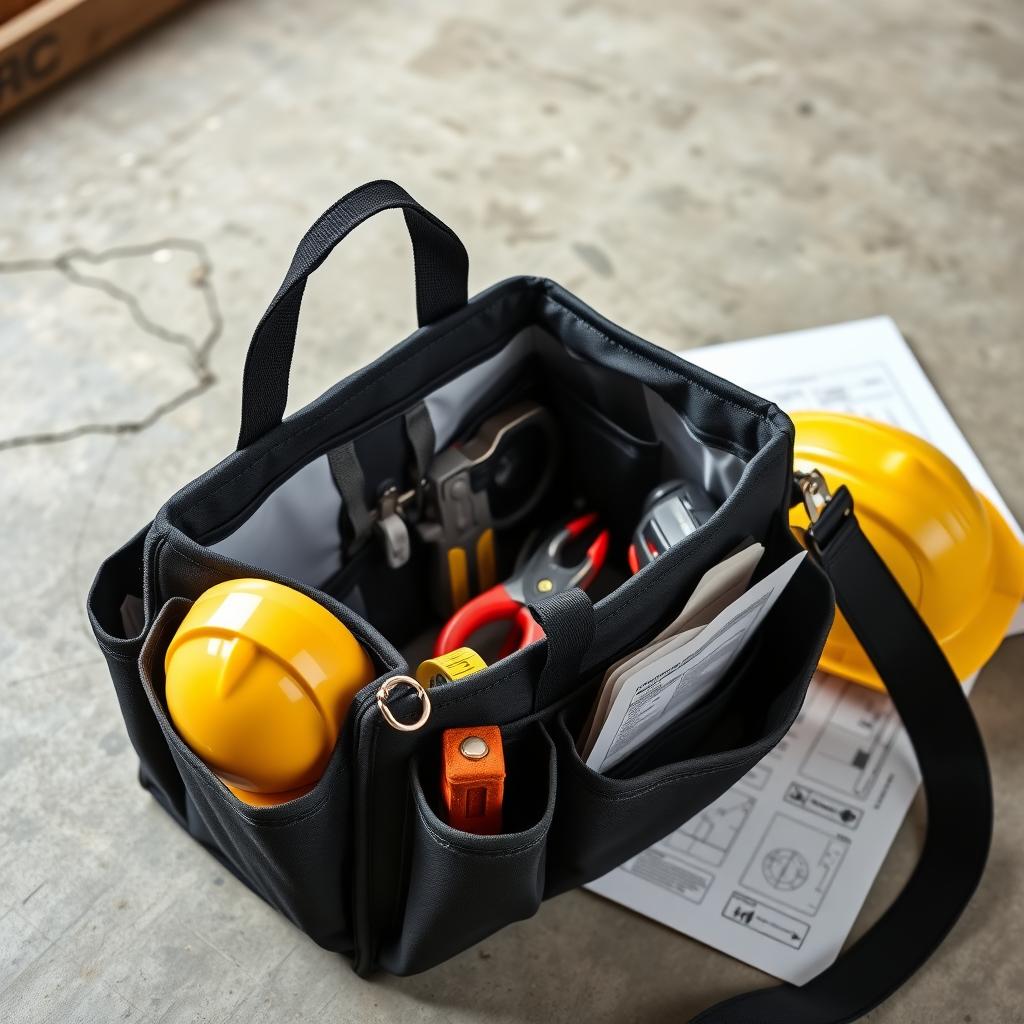
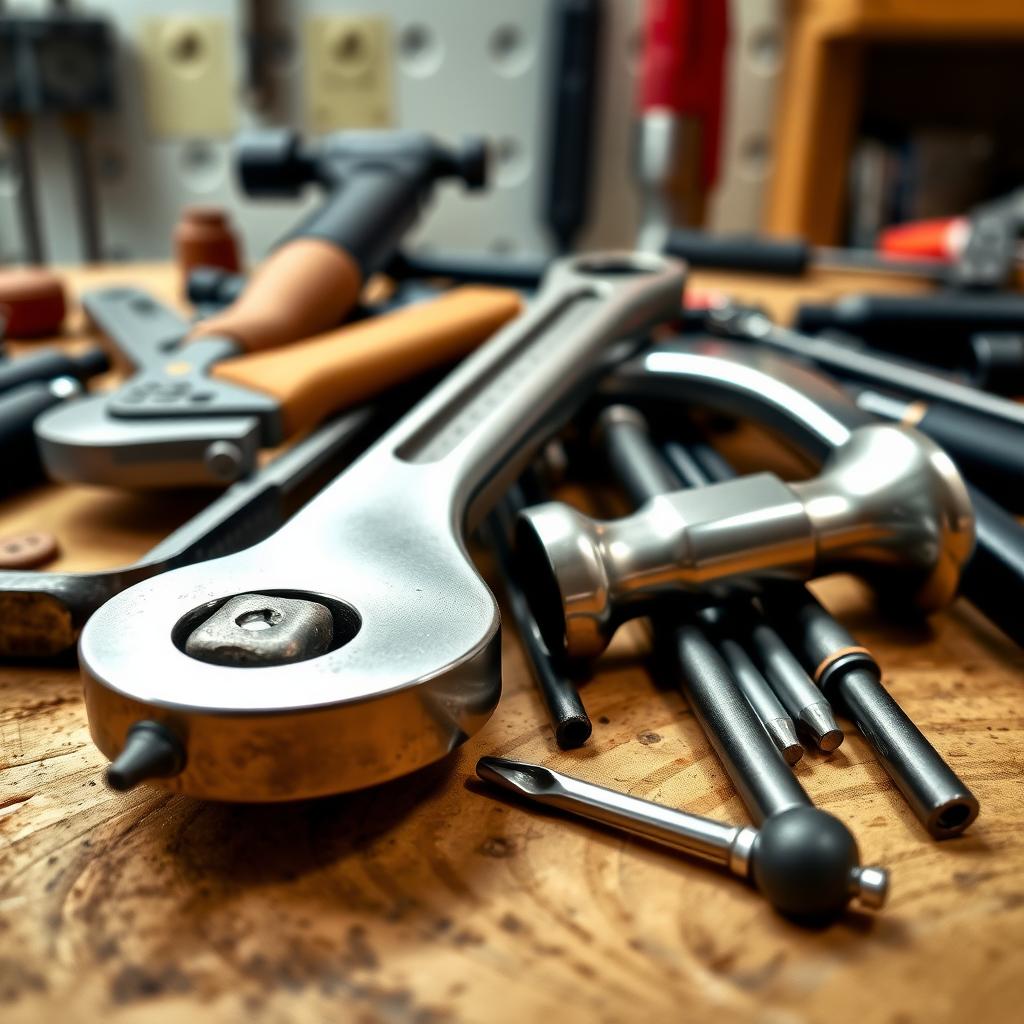
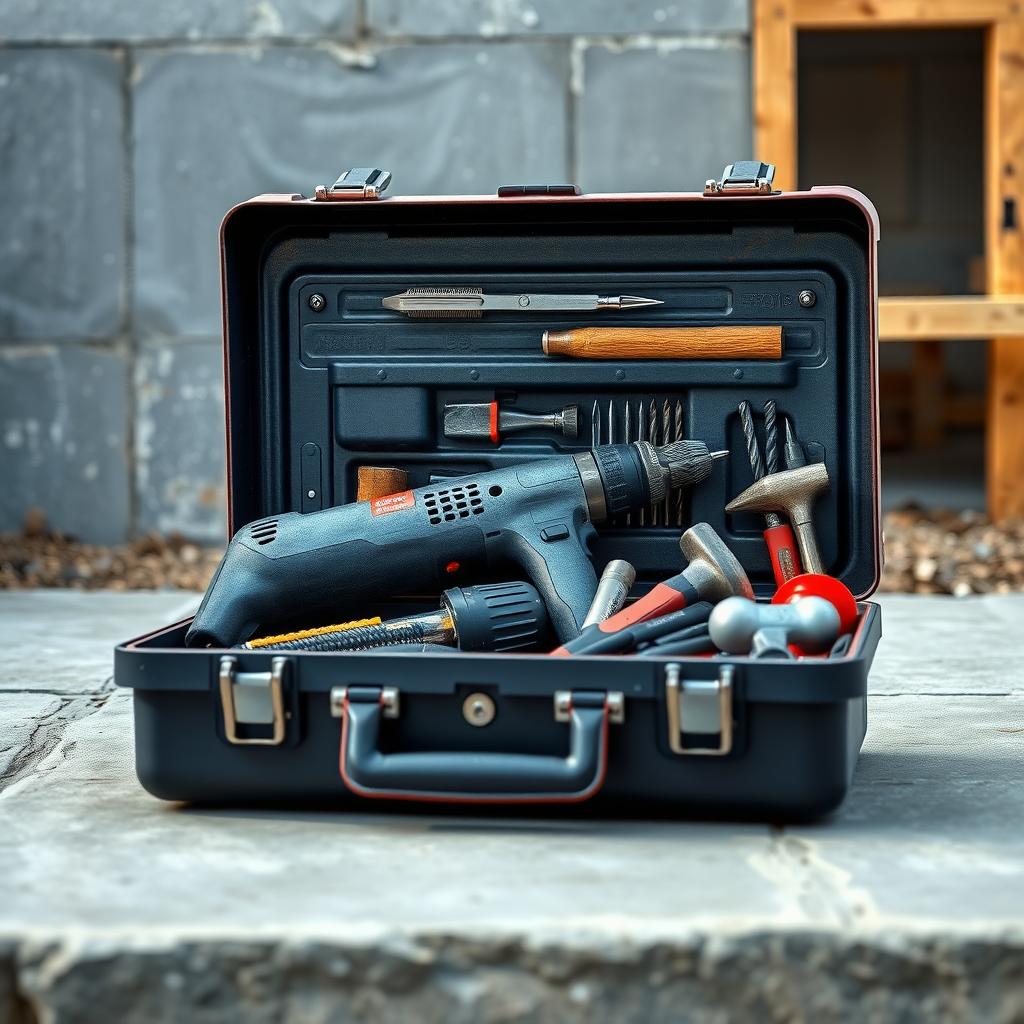
Having the right tools is half the battle when troubleshooting electrical problems. A comprehensive guide to electrical tools starts with understanding what you need for safe and effective repairs. Here’s a breakdown of must-have tools for any homeowner tackling electrical projects:
| Tool | Purpose | Why It’s Essential |
|---|---|---|
| Multimeter | Measures voltage, current, and resistance | Diagnoses circuit issues accurately |
| Non-Contact Voltage Tester | Detects live wires without direct contact | Ensures safety before starting work |
| Insulated Screwdrivers | Tightens or loosens screws in electrical boxes | Prevents shocks with insulated handles |
| Wire Strippers | Removes insulation from wires | Prepares wires for connections |
| Circuit Breaker Finder | Identifies which breaker controls a circuit | Saves time when mapping your electrical system |
When I started troubleshooting, I made the mistake of using a cheap screwdriver without insulation. One small slip near a live wire taught me the value of quality, insulated tools. Investing in reliable electrical tools not only makes the job easier but also keeps you safe.
For beginners, a basic kit with a multimeter, voltage tester, and insulated screwdrivers is enough to handle most issues. Brands like Fluke or Klein Tools are trusted for their durability. Check out Fluke’s guide on multimeters for tips on using these tools effectively.
Safety Practices in Home Electrical Repairs
Before diving into any electrical project, safety comes first. Safety Practices in Home Electrical Repairs cannot be overstated—electricity is unforgiving. Here are key safety tips to follow:
- Turn Off the Power: Always switch off the circuit breaker before working. Double-check with a non-contact voltage tester to confirm the circuit is dead.
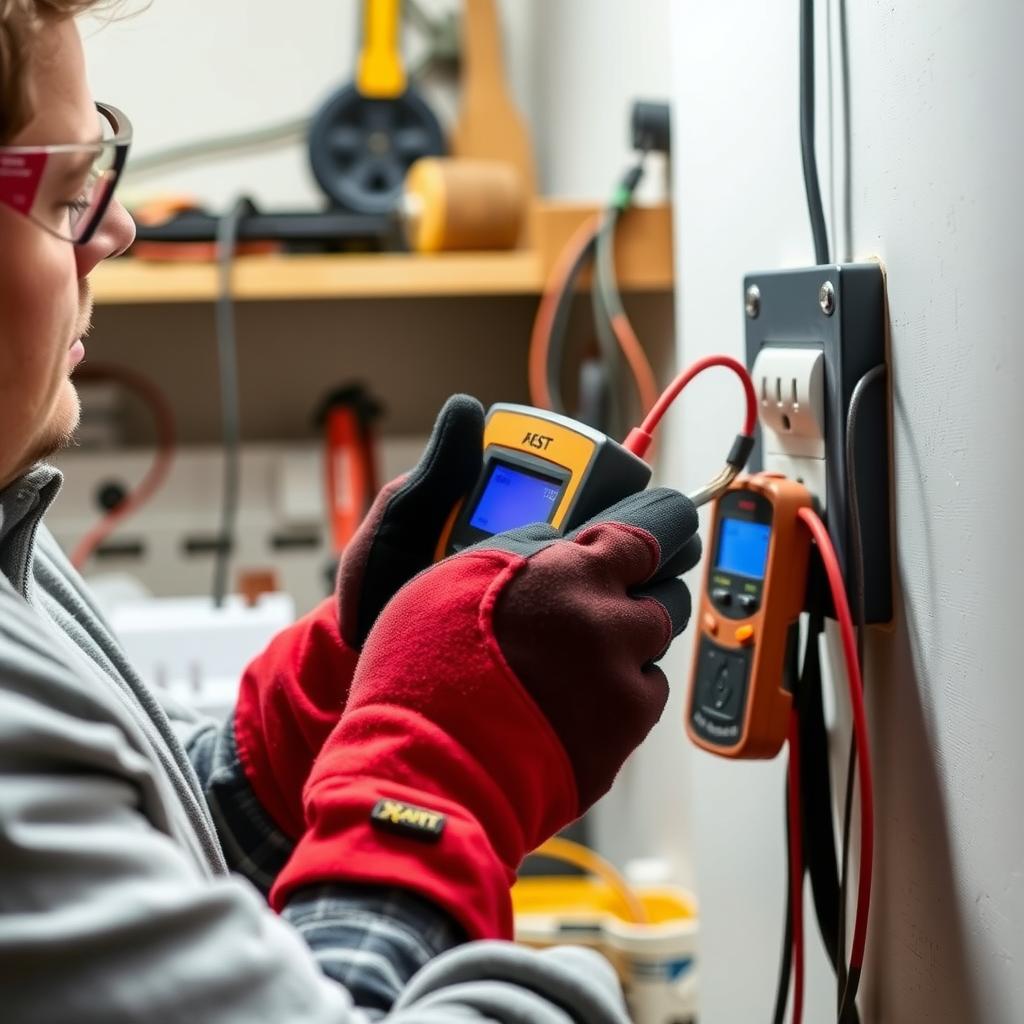
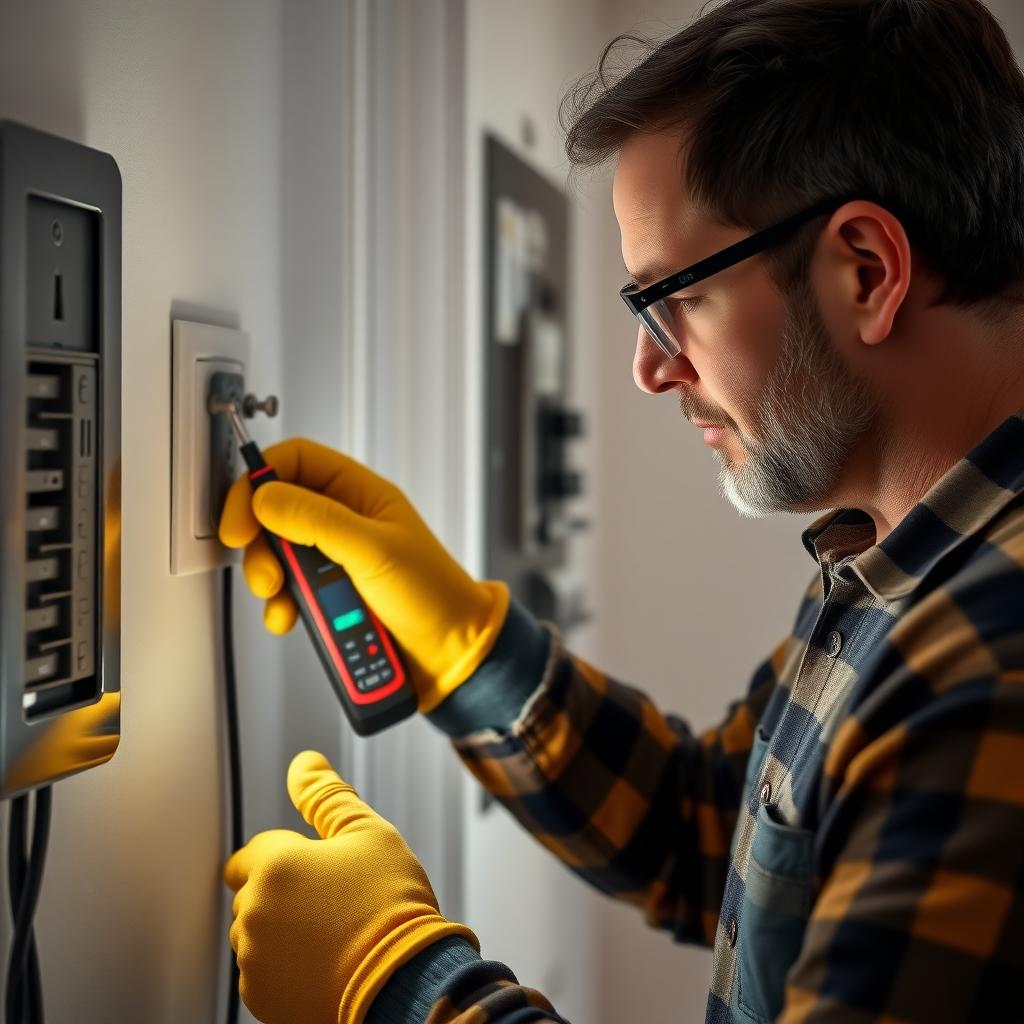
- Wear Protective Gear: Use insulated gloves and safety glasses to protect against shocks or debris.
- Work in Dry Conditions: Avoid electrical work in wet areas to prevent accidental shocks.
- Know Your Limits: If a problem feels complex (like rewiring a panel), call a licensed electrician.
I learned this the hard way when I tried to fix an outlet without fully shutting off the power. The spark was a wake-up call to always verify the circuit is off. According to the U.S. Consumer Product Safety Commission, electrical mishaps cause thousands of injuries yearly—don’t become a statistic.
Step-by-Step Guide to Troubleshooting Electrical Problems
Here’s a practical, step-by-step process to make Troubleshooting Electrical Problems Made Easy:
- Identify the Issue: Start by observing the problem. Is a light flickering? Is an outlet dead? Note any patterns, like issues occurring after heavy appliance use.
- Check the Breaker: A tripped breaker is often the culprit. Reset it, but if it trips again, you may have an overloaded circuit or a short.
- Test for Power: Use a non-contact voltage tester to check if the outlet or switch has power. No power could mean a tripped breaker or a wiring issue.
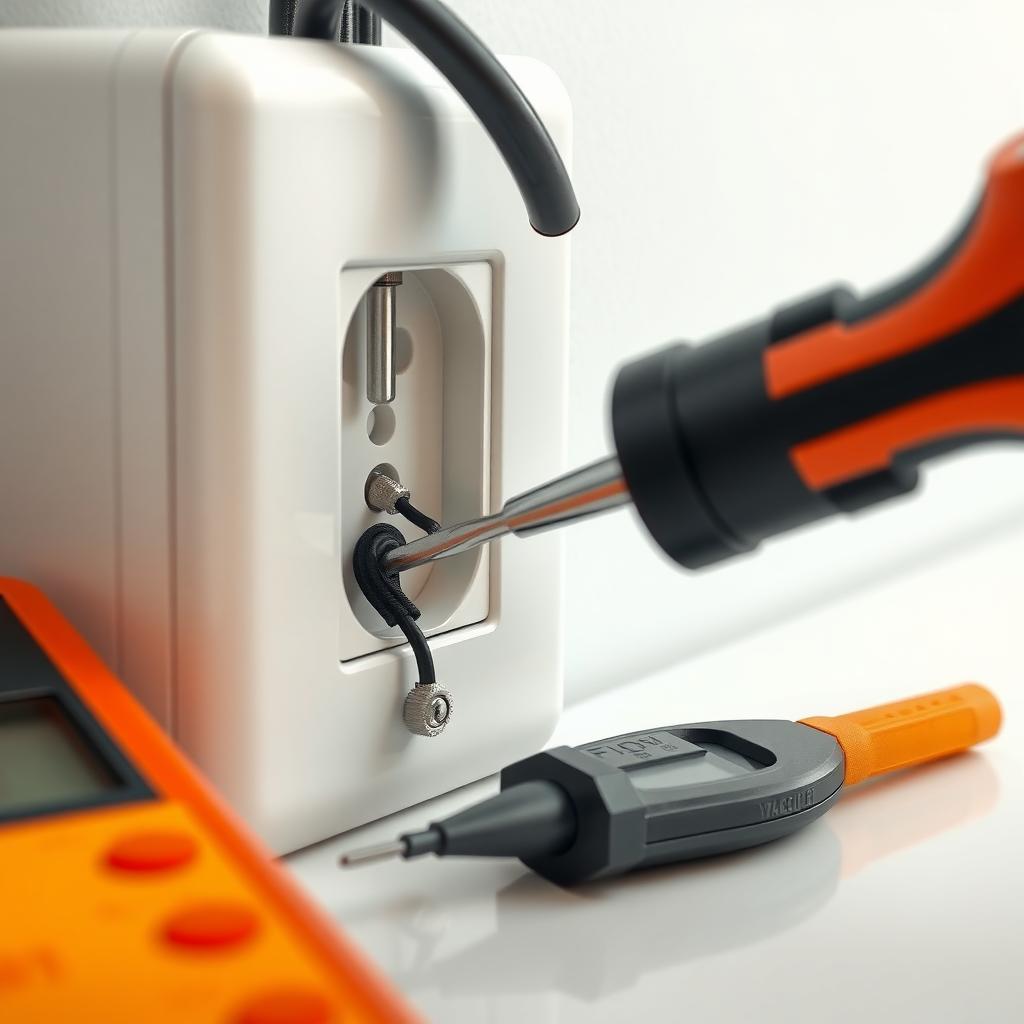
- Inspect Connections: Loose wires in outlets or switches are common issues. Turn off power, remove the cover, and check for loose or frayed wires.
- Use a Multimeter: For deeper diagnostics, a multimeter can measure voltage or continuity to pinpoint faulty components.
- Look for Obvious Signs: Burn marks, strange smells, or buzzing sounds indicate serious issues. Stop and call a professional if you notice these.
When my kitchen outlet stopped working, I followed these steps and found a loose wire in the outlet box. Tightening it fixed the issue, but I wouldn’t have known without methodical troubleshooting.
If you’re unsure about any step, resources like Family Handyman’s electrical troubleshooting guide offer clear, beginner-friendly advice.
Common Electrical Problems and Fixes
Here are some frequent issues and how to address them:
- Flickering Lights: Often caused by loose bulbs or connections. Tighten the bulb or check the switch wiring.
- Dead Outlets: Test with a voltage tester. If there’s no power, check the breaker or look for a tripped GFCI outlet nearby.
- Frequent Breaker Trips: Unplug devices to reduce load. If it persists, you may need a professional to assess circuit capacity.
- Buzzing Switches: This could indicate arcing. Replace the switch immediately to avoid fire risks.
Each issue requires careful diagnosis, but with the right tools and patience, most are fixable without professional help.
When to Call a Professional
While many electrical issues are DIY-friendly, some require expert help. If you encounter exposed wiring, water damage near electrical components, or issues with your main panel, don’t take risks. Licensed electricians have the training to handle complex problems safely. I once tried to fix a buzzing breaker myself, only to realize it was a panel issue that needed professional attention. The cost was worth the peace of mind.
Summary
Troubleshooting Electrical Problems Made Easy is about preparation, the right tools, and a cautious approach. By following safety practices, using quality electrical tools, and methodically diagnosing issues, you can handle common electrical repairs at home. Start small, stay safe, and know when to call a pro. With practice, you’ll turn daunting electrical tasks into manageable projects.
Related Troubleshooting Electrical Problems Made Easy:
- How to Choose the Best Tools for Electrical Projects: A Comprehensive Guide
- How to Choose the Best Toolbox for Your Needs
- The Evolution of Woodworking Tools: A Historical Overview
- The Ultimate Guide to Choosing Tool Sets for Automotive Repairs
- Tool Maintenance 101: Keep Your Gear in Top Shape
- Mastering the Art of Hammering: Techniques for Precision and Power
- Choosing the Right Workman Tools: A Comprehensive Guide
- Advanced Workman Tools for Professionals: Elevate Your Craft
- Organizing Your Workshop for Maximum Efficiency: A Practical Guide
- Hammer Basics: Types and Uses Explained
- How to Choose the Right Drill for Your Projects: A Comprehensive Guide
- Understanding Hammer Dynamics and Ergonomics: A Comprehensive Guide