Overview
Embarking on an electrical project at home can be exciting yet daunting. Whether you're wiring a new outlet or troubleshooting electrical problems, having the right tools is crucial. This comprehensive guide to electrical tools will help you select the best equipment for your projects, ensuring safety and efficiency. We'll cover essential tools, safety practices, and practical tips to make your electrical work a success.
Why Choosing the Right Tools Matters
Electrical projects, from installing a ceiling fan to fixing a faulty circuit, demand precision and safety. Using the wrong tools can lead to shoddy work, wasted time, or even injury. When I started my first home wiring project, I underestimated the importance of quality tools. A cheap screwdriver stripped a screw, and a flimsy multimeter gave inconsistent readings, turning a simple job into a frustrating ordeal. Investing in reliable tools not only saves time but also ensures your work meets safety standards.
The right tools also make troubleshooting electrical problems made easy. For instance, a good voltage tester can quickly identify live wires, preventing accidental shocks. Similarly, a sturdy pair of wire cutters ensures clean cuts, reducing the risk of faulty connections. Let’s dive into the key categories of tools you’ll need for most electrical projects.
Essential Tools for Electrical Projects
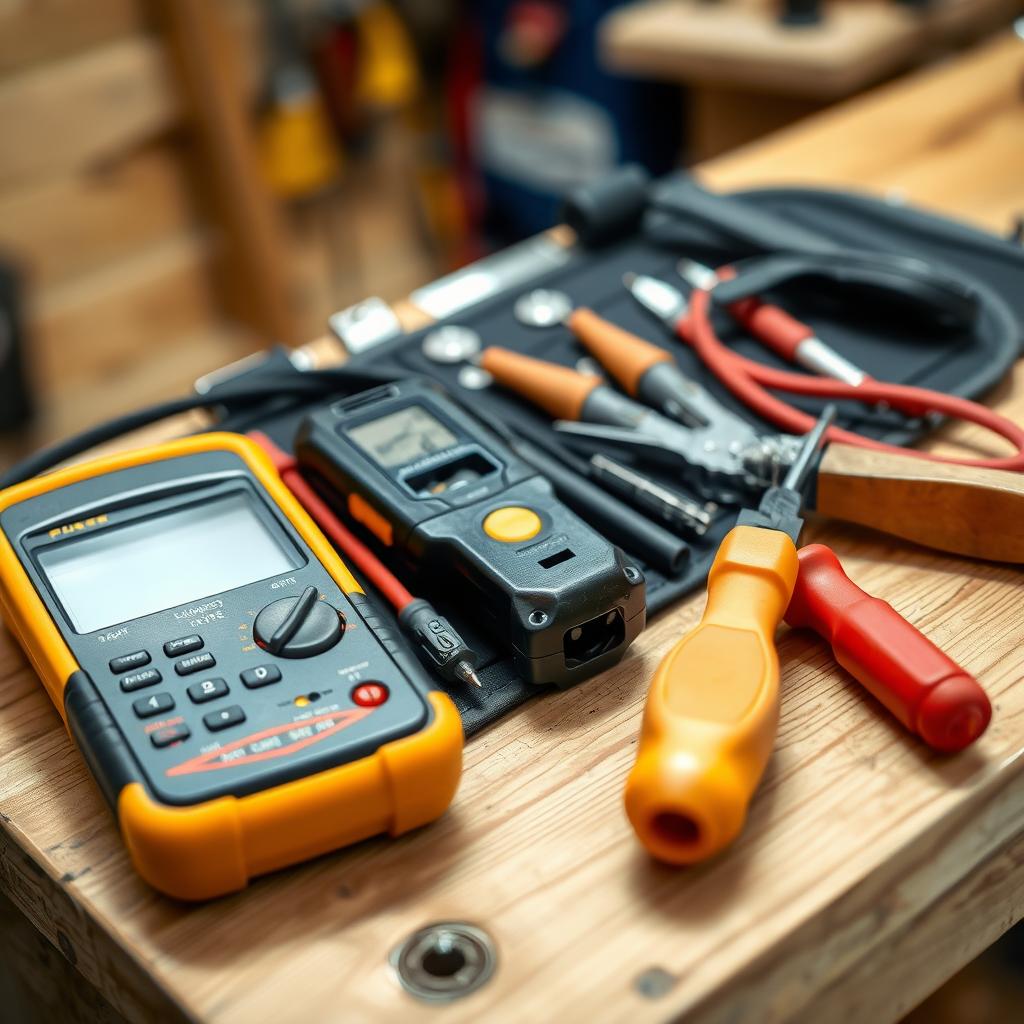
Here’s a breakdown of must-have tools for any electrical project, whether you're a beginner or a seasoned DIYer. Each tool serves a specific purpose, and choosing high-quality versions will make your work smoother and safer.
1. Multimeter
A multimeter is your go-to tool for measuring voltage, current, and resistance. It’s indispensable for diagnosing issues like a dead outlet or a short circuit. When picking the best electrical tools for home projects, opt for a digital multimeter with clear readings and a durable build. I once used a budget multimeter that failed mid-project, leaving me guessing about a circuit’s status. A reliable model, like those recommended by Fluke’s guide on multimeter selection, can prevent such headaches.
2. Voltage Tester
A non-contact voltage tester is a lifesaver for checking if wires are live before you start working. It’s simple to use—just hold it near a wire, and it beeps or lights up if voltage is present. This tool is critical for safety practices in home electrical repairs. I always double-check wires with a voltage tester, even if I think the power is off, to avoid shocks.
3. Wire Strippers and Cutters
Wire strippers remove insulation without damaging the wire, while cutters ensure clean, precise cuts. Look for strippers with adjustable gauges to handle different wire sizes. A good pair saved me when I was wiring a new light fixture; the precise stripping made connections secure and reliable.
4. Insulated Screwdrivers
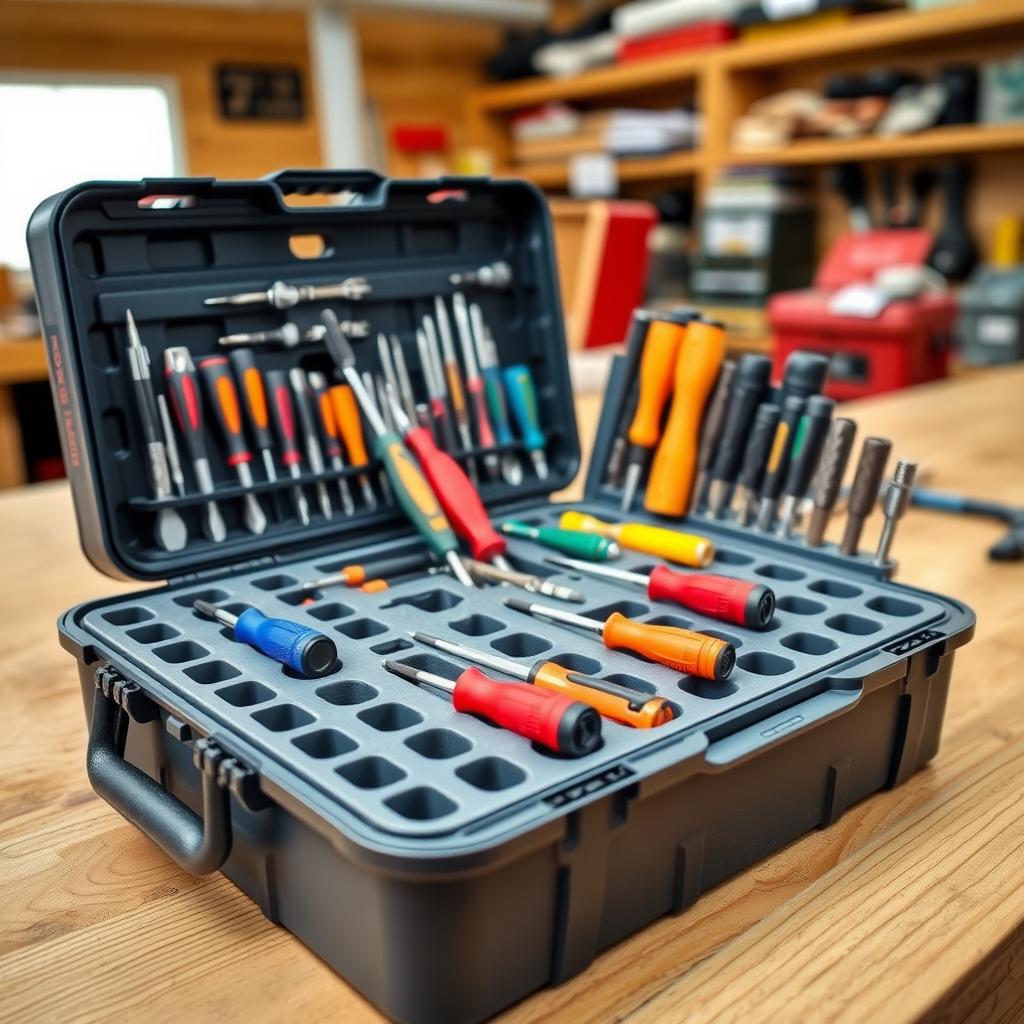
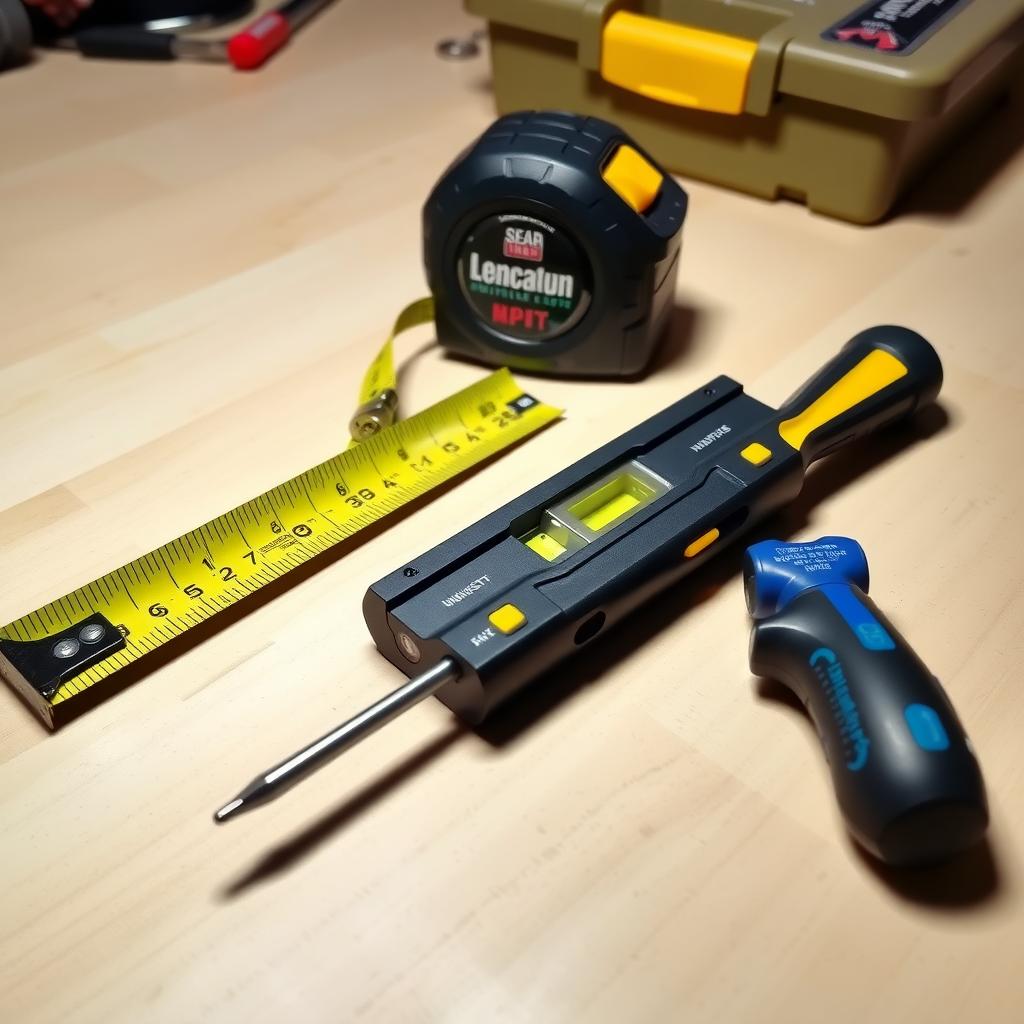
Electrical work often involves tightening or loosening screws on outlets, switches, or panels. Insulated screwdrivers with rubberized handles protect against accidental shocks. A set with both Phillips and flathead tips covers most tasks. I’ve found that ergonomic handles reduce hand fatigue during long projects.
5. Pliers
Needle-nose pliers are perfect for bending wires or working in tight spaces, while lineman’s pliers handle heavier cutting and twisting. Choose pliers with insulated grips for added safety. These tools are versatile and often come in handy for unexpected tasks.
Safety Practices in Home Electrical Repairs
Safety is non-negotiable when working with electricity. Here are key practices to keep in mind:
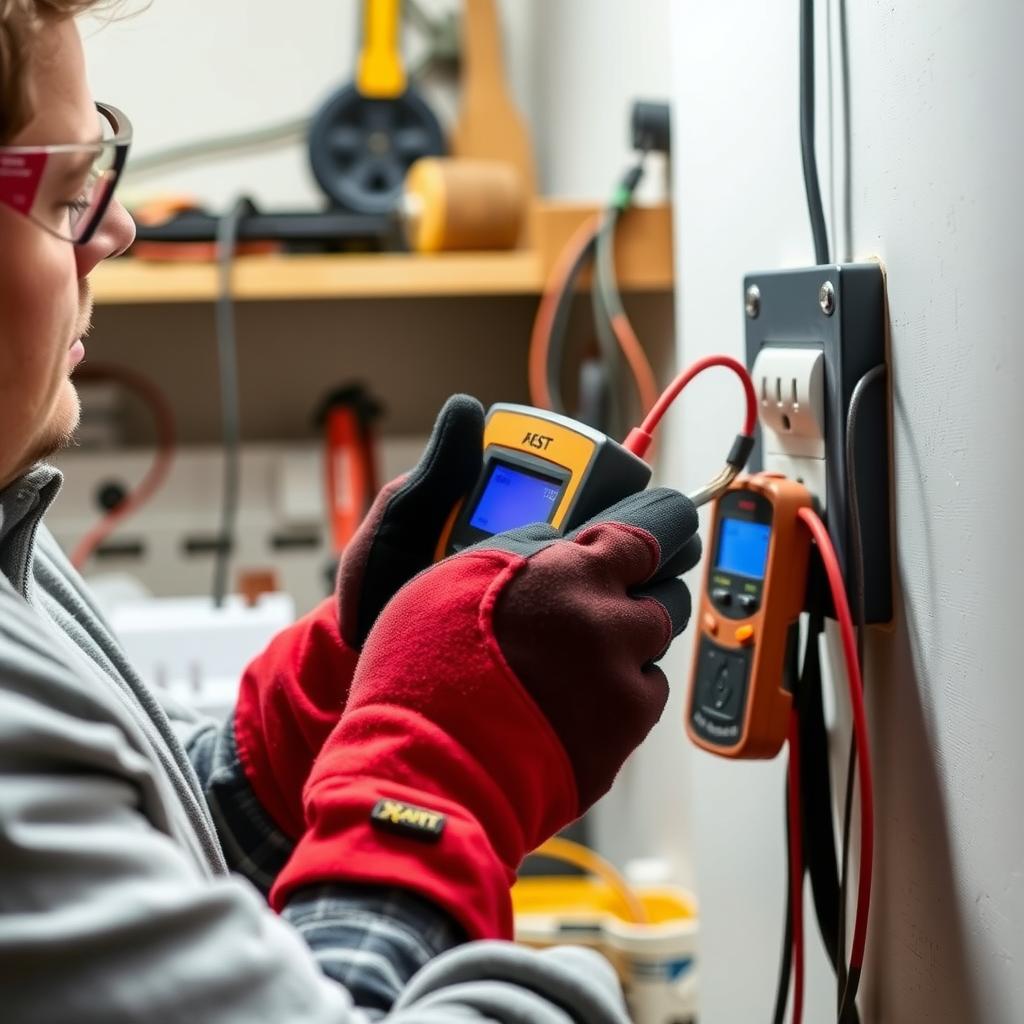
- Turn Off the Power: Always switch off the circuit breaker before starting work. Verify with a voltage tester to ensure no current is flowing.
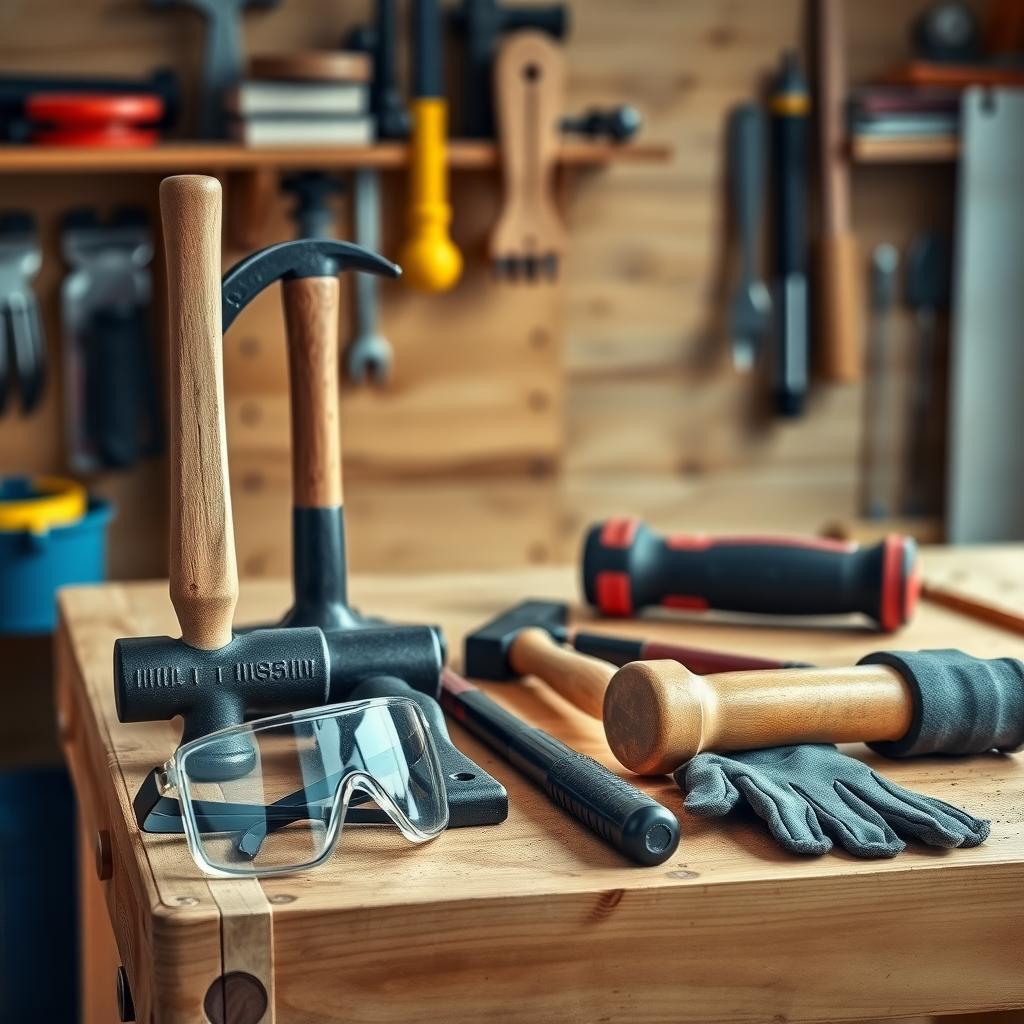
- Wear Protective Gear: Use insulated gloves and safety glasses to protect against shocks and debris.
- Work in Dry Conditions: Avoid electrical work in wet areas to prevent accidents.
- Follow Local Codes: Check OSHA’s electrical safety guidelines to ensure compliance with regulations.
I learned the importance of these practices the hard way when I once skipped verifying the power was off and got a mild shock. Never cut corners on safety.
Troubleshooting Electrical Problems Made Easy
Diagnosing electrical issues can feel overwhelming, but the right tools simplify the process. Here’s a step-by-step approach:
- Identify the Issue: Is an outlet dead? Is a light flickering? Pinpoint the problem to narrow down your tools.
- Test with a Multimeter: Check for voltage or continuity to diagnose faulty circuits or connections.
- Inspect Wiring: Use a flashlight and wire strippers to examine connections for damage or loose ends.
- Consult Resources: Guides like the National Electrical Code (NEC) offer standards for safe repairs.
I once fixed a flickering light by using a multimeter to find a loose wire in the switch. The process was straightforward with the right tools and a bit of patience.
Factors to Consider When Choosing Tools
When picking the best electrical tools for home projects, consider these factors:
| Factor | Why It Matters |
|---|---|
| Quality | Durable tools last longer and perform better. Avoid cheap models that break easily. |
| Ergonomics | Comfortable grips reduce fatigue during long tasks. |
| Versatility | Tools that handle multiple tasks save money and space. |
| Safety Features | Insulated handles and non-contact testers prioritize safety. |
For example, I invested in a high-quality multimeter with a backlit display, which made working in dim basements much easier.
Budget vs. Professional-Grade Tools
You don’t need to break the bank, but skimping on quality can cost you in the long run. For occasional DIYers, mid-range tools from brands like Klein or Fluke offer a good balance of cost and reliability. Professionals might prefer high-end models for frequent use. My advice? Start with a solid mid-range kit and upgrade as your skills grow.
Maintaining Your Tools
Proper care extends the life of your tools:
- Clean Regularly: Wipe tools after use to remove dust and grease.
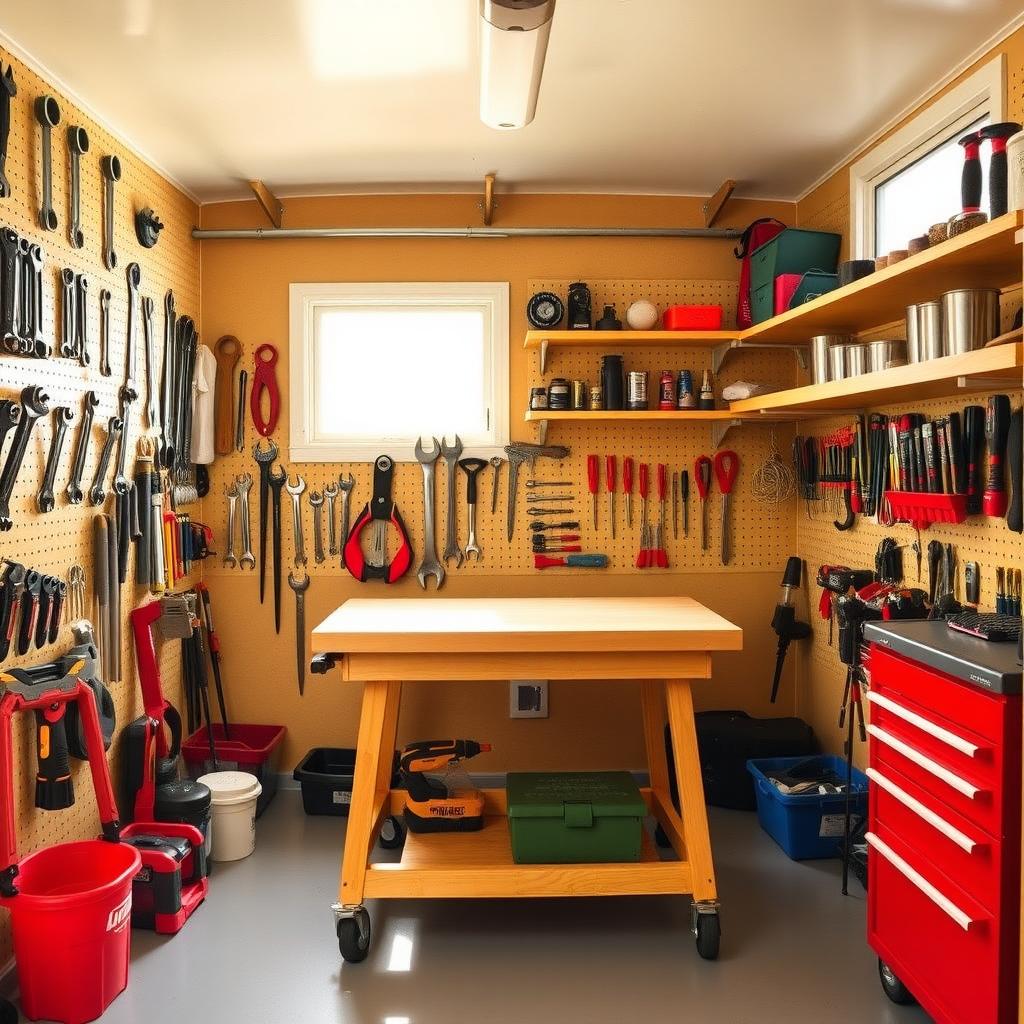
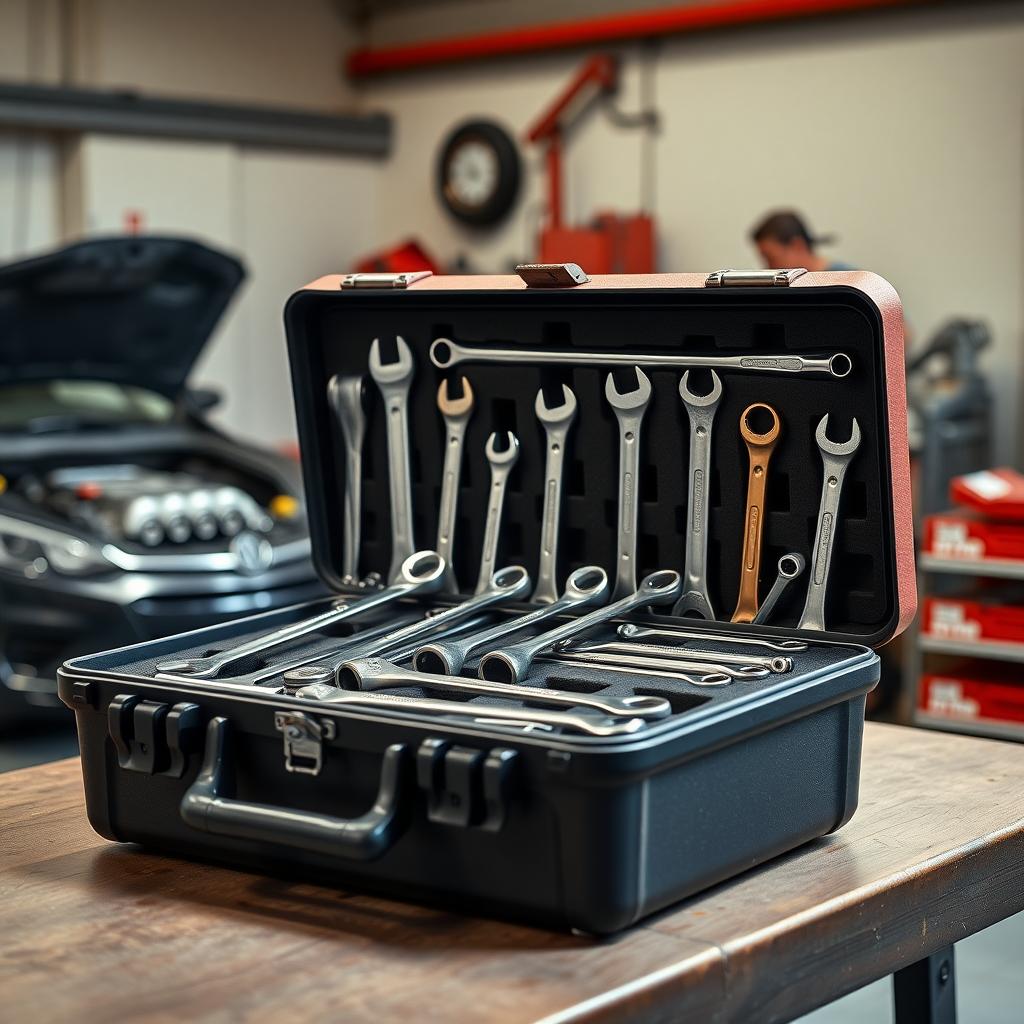
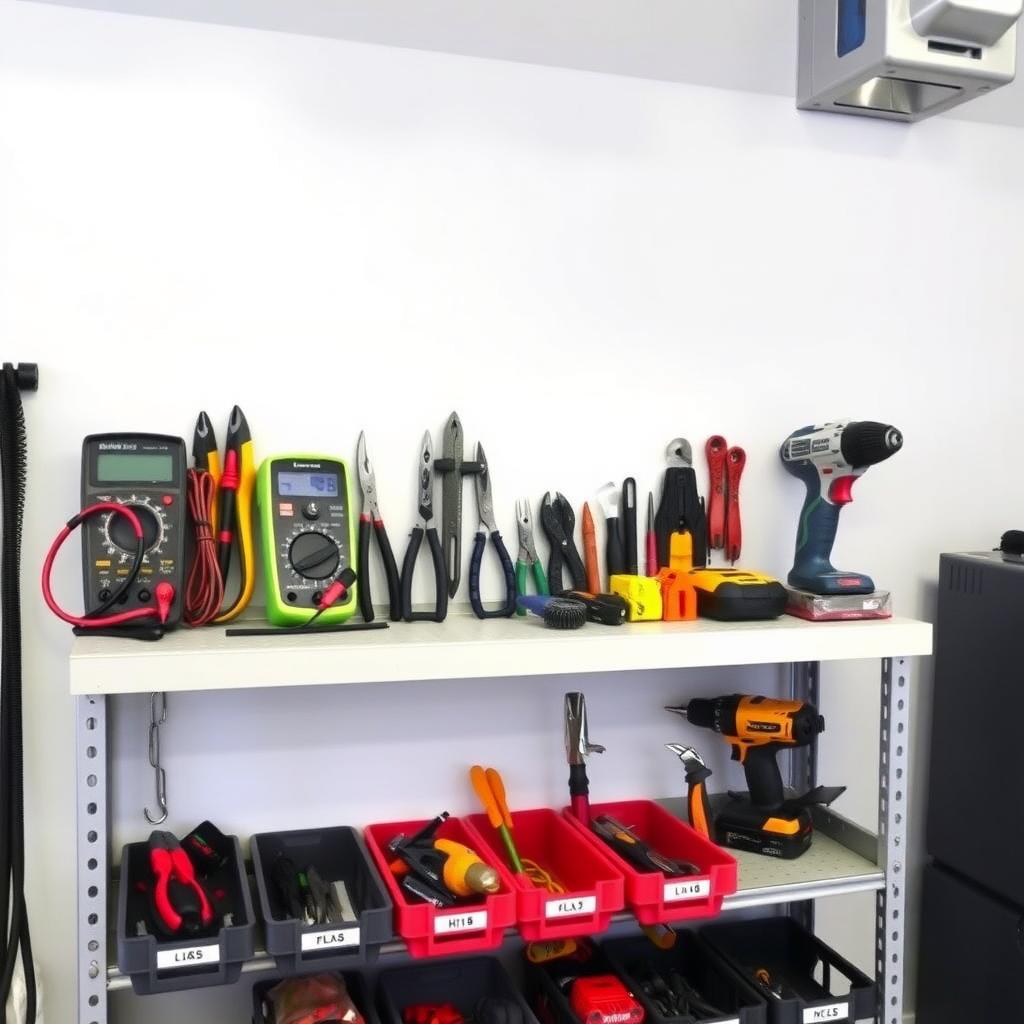
- Store Properly: Keep tools in a dry, organized toolbox to prevent rust.
- Inspect for Damage: Check insulated tools for cracks or wear before use.
I learned to store my tools in a padded case after a pair of pliers rusted in a damp garage. A little maintenance goes a long way.
Summary
Choosing the best tools for electrical projects involves balancing quality, safety, and functionality. From multimeters to insulated screwdrivers, the right tools make tasks like wiring and troubleshooting easier and safer. Prioritize safety practices, invest in reliable equipment, and maintain your tools to ensure long-term success. With this comprehensive guide to electrical tools, you’re ready to tackle your next project with confidence.
Related How to Choose the Best Tools for Electrical Projects:
- Screwdriver Safety Tips: How to Use Workman Tools Safely and Effectively
- How to Use a Hammer Safely: A Beginner’s Guide to Mastering This Essential Tool
- Organizing Your Tool Shed Like a Pro: A Step-by-Step Guide
- Woodworking Tools Every DIY Enthusiast Should Own
- Must-Have Hand Tools for Mechanics: Your Essential Guide
- Top Toolkits for Every Handyman: Building Your Essential Collection
- Mastering Joinery with Mortise Chisels: A Woodworker’s Guide
- Safety Tips for Using Hand Tools in the Workshop
- Tool Belts with Ergonomic Designs: Comfort and Efficiency for Workmen
- Mastering Metal Forming: Advanced Hammering Techniques and Tools
- Preventing Hand Injuries at Work: Practical Tips for a Safer Workplace
- Future Trends in Construction Planning: Revolutionizing the Industry