Overview
Mortise chisels are the backbone of strong, beautiful woodworking joints. Mastering joinery with mortise chisels unlocks the ability to craft durable furniture and intricate designs. This guide dives into their use, sharing practical tips and personal insights to help woodworkers create precise, professional-grade joints with confidence.
Why Mortise Chisels Matter in Woodworking
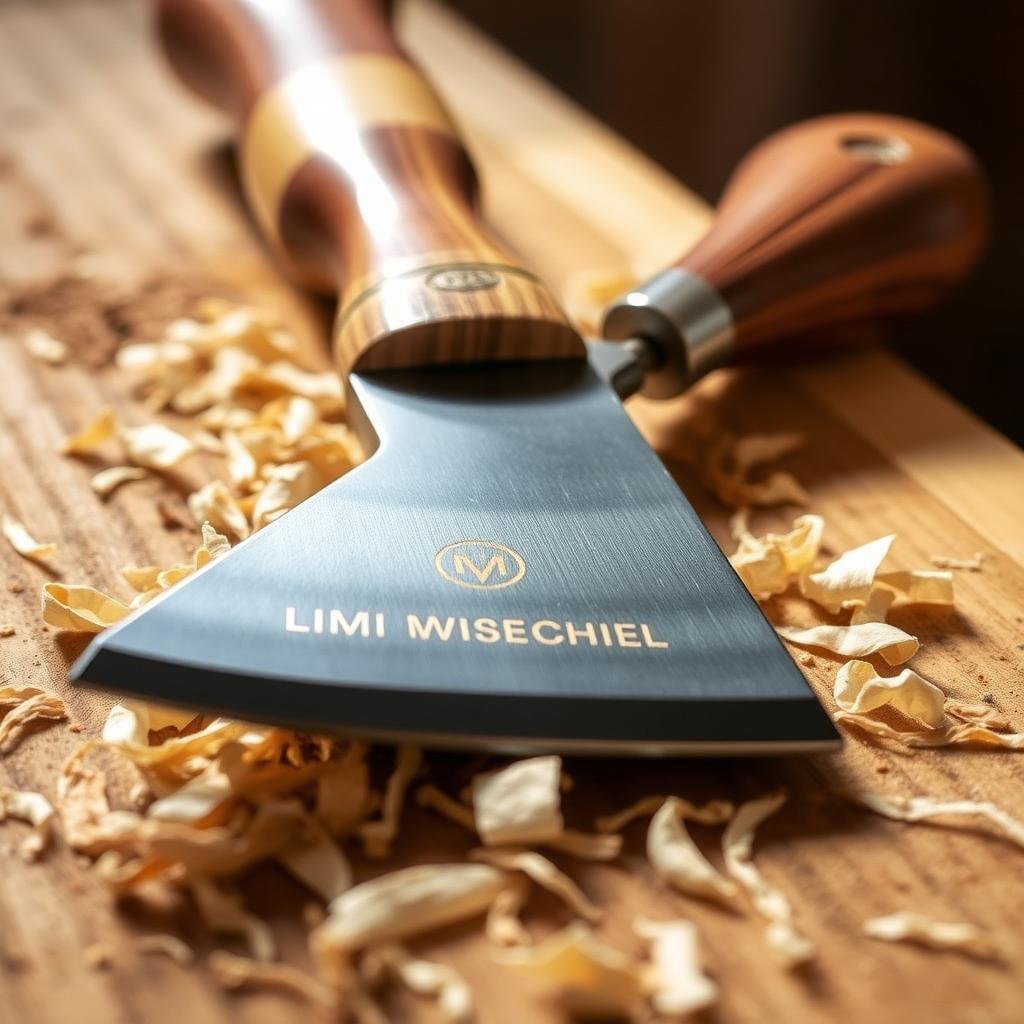
Mortise chisels are essential chisels in a woodworker’s toolkit, designed specifically for cutting mortises—rectangular holes that form the foundation of mortise-and-tenon joints. These joints are prized for their strength and aesthetic appeal, used in everything from sturdy tables to delicate cabinetry. Unlike general-purpose chisels, mortise chisels have thick, robust blades that withstand the heavy mallet strikes needed to carve deep, clean mortises.
My first attempt at mortise-and-tenon joinery was a wobbly chair leg that taught me a hard lesson: precision matters. Using a dull or improper chisel led to sloppy cuts and weak joints. Investing in quality mortise chisels transformed my work, making joints that were both strong and visually appealing.
Choosing the Right Mortise Chisel
Selecting the right chisel is critical. Mortise chisels come in various sizes, typically ranging from 1/4 inch to 1/2 inch wide. The size you choose depends on the joint’s dimensions and the wood’s hardness. For beginners, a 3/8-inch chisel is versatile for most furniture projects.
Look for chisels made from high-carbon steel or tool steel for durability. A comfortable handle, often made of hardwood or composite, reduces hand fatigue during long sessions. Brands like Narex and Lie-Nielsen are favorites among woodworkers for their balance of quality and affordability.
Tip: Always test the chisel’s balance in your hand before buying. A well-balanced chisel feels like an extension of your arm, making cuts smoother and more controlled.
Techniques for Mastering Mortise Chisels
Using a mortise chisel effectively requires technique, not just strength. Here’s a step-by-step guide to cutting a mortise:
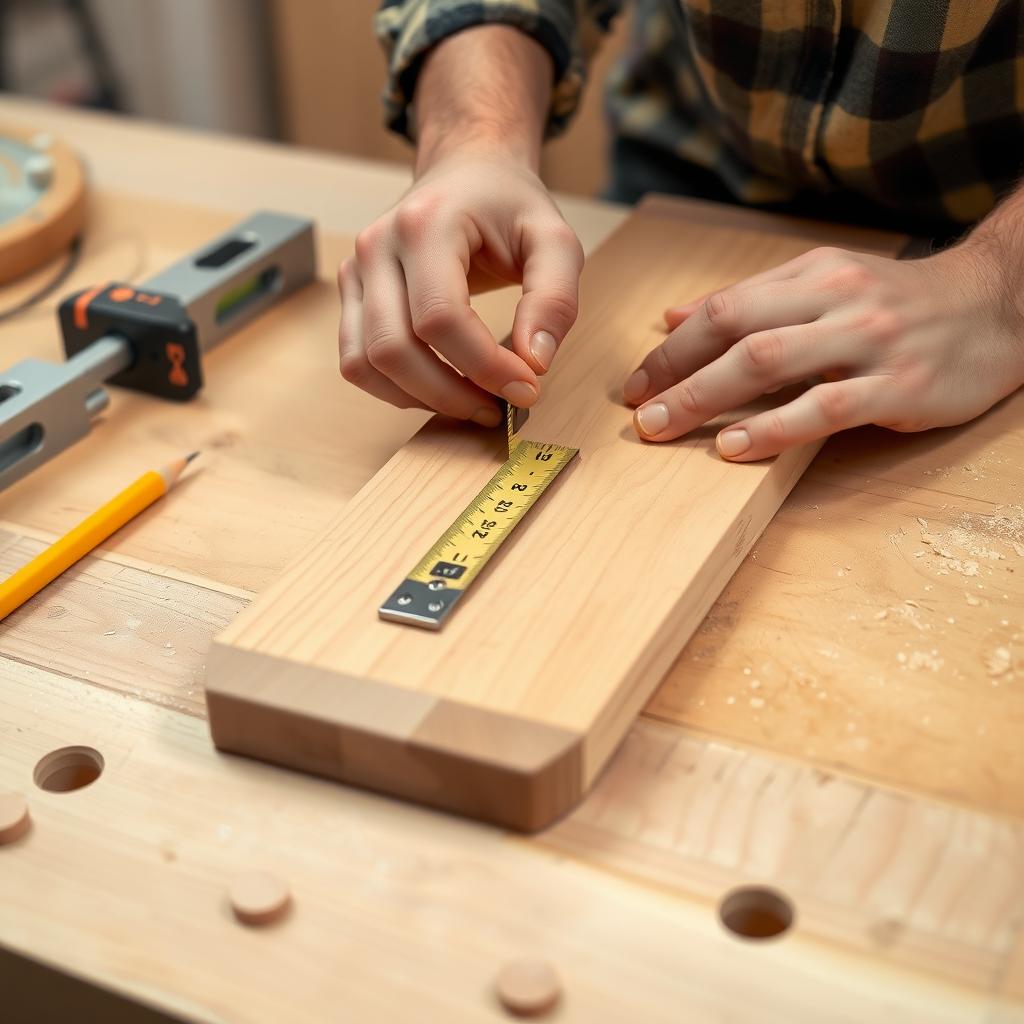
- Mark the Mortise: Use a marking gauge or combination square to outline the mortise on the wood. Precision here prevents mistakes later.
- Drill Pilot Holes: Drill a series of holes within the marked area to remove bulk material. This reduces strain on the chisel.
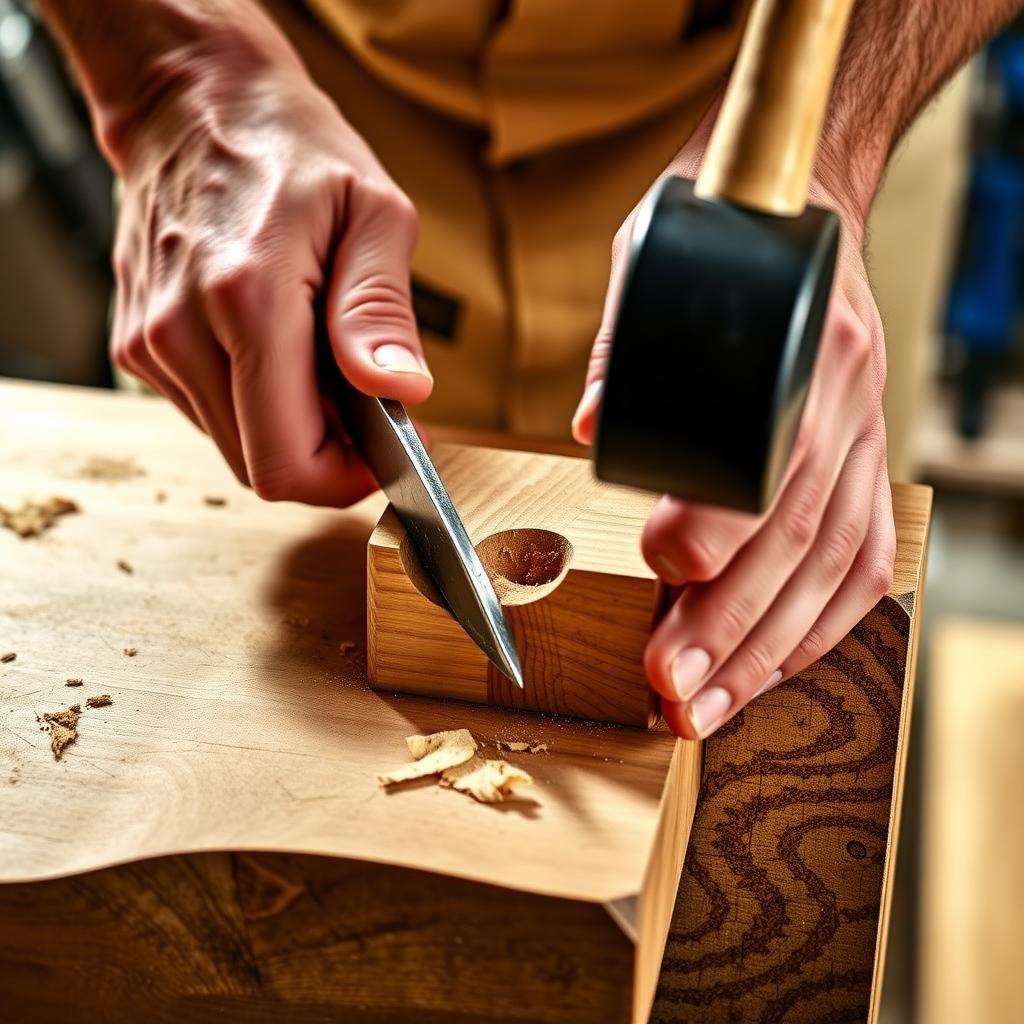
- Chisel the Mortise: Hold the chisel vertically and strike it with a mallet to remove waste wood. Work from the center outward to avoid splitting.
- Clean the Edges: Use light, controlled taps to smooth the mortise walls for a snug tenon fit.
Pro Tip: Keep your chisel sharp. A dull blade requires more force and risks damaging the wood. I sharpen my chisels every few hours of use, which keeps cuts clean and reduces fatigue.
For deeper insights into chisel techniques, check out this guide from Fine Woodworking, which offers detailed diagrams and expert advice.
Common Mistakes and How to Avoid Them
Even experienced woodworkers make mistakes. Here are common pitfalls and how to sidestep them:
- Using the Wrong Chisel Size: A chisel too narrow for the mortise leads to uneven cuts. Match the chisel to the tenon width.
- Overstriking: Hitting too hard can split the wood or damage the chisel. Use controlled, firm taps instead.
- Poor Sharpening: A dull chisel tears wood fibers, ruining the joint. Invest in a sharpening stone or system, like those recommended by Wood Magazine.
I once ruined a walnut tabletop by rushing a mortise with a dull chisel. The jagged edges weakened the joint, and I had to start over. Taking time to sharpen and test cuts would have saved hours.
Essential Chisels in a Woodworker’s Toolkit
Beyond mortise chisels, a well-rounded toolkit includes other workman tools to complement joinery:
| Tool | Purpose | Recommended Use |
|---|---|---|
| Bench Chisel | General-purpose paring and trimming | Cleaning up joints or shaping wood |
| Paring Chisel | Fine, delicate cuts | Smoothing mortise edges |
| Mallet | Striking chisels | Provides controlled force for mortising |
Mortise chisels stand out for their durability under heavy use. Unlike bench chisels, their thicker blades resist bending, making them ideal for deep cuts. Pairing a mortise chisel with a quality mallet, like those discussed in Popular Woodworking’s tool reviews, ensures precision and comfort.
Maintaining Your Mortise Chisels
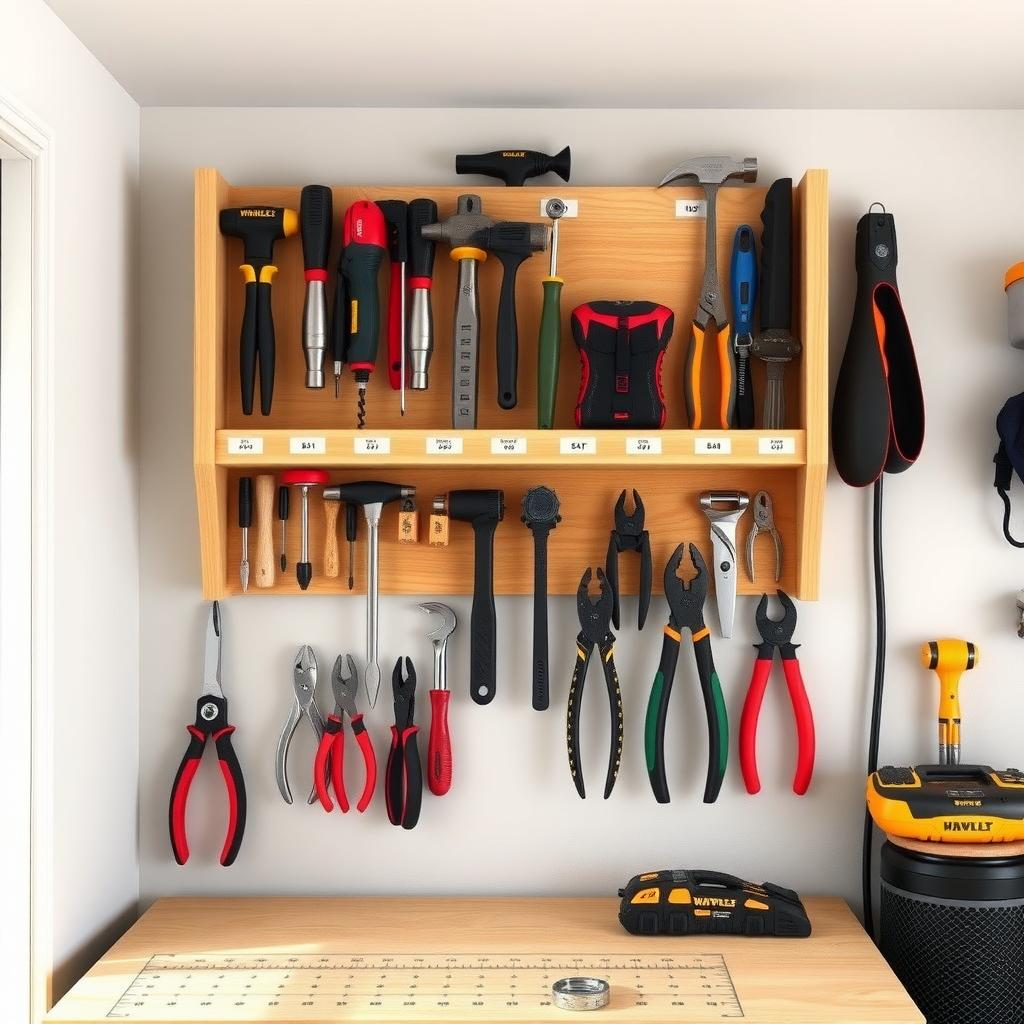
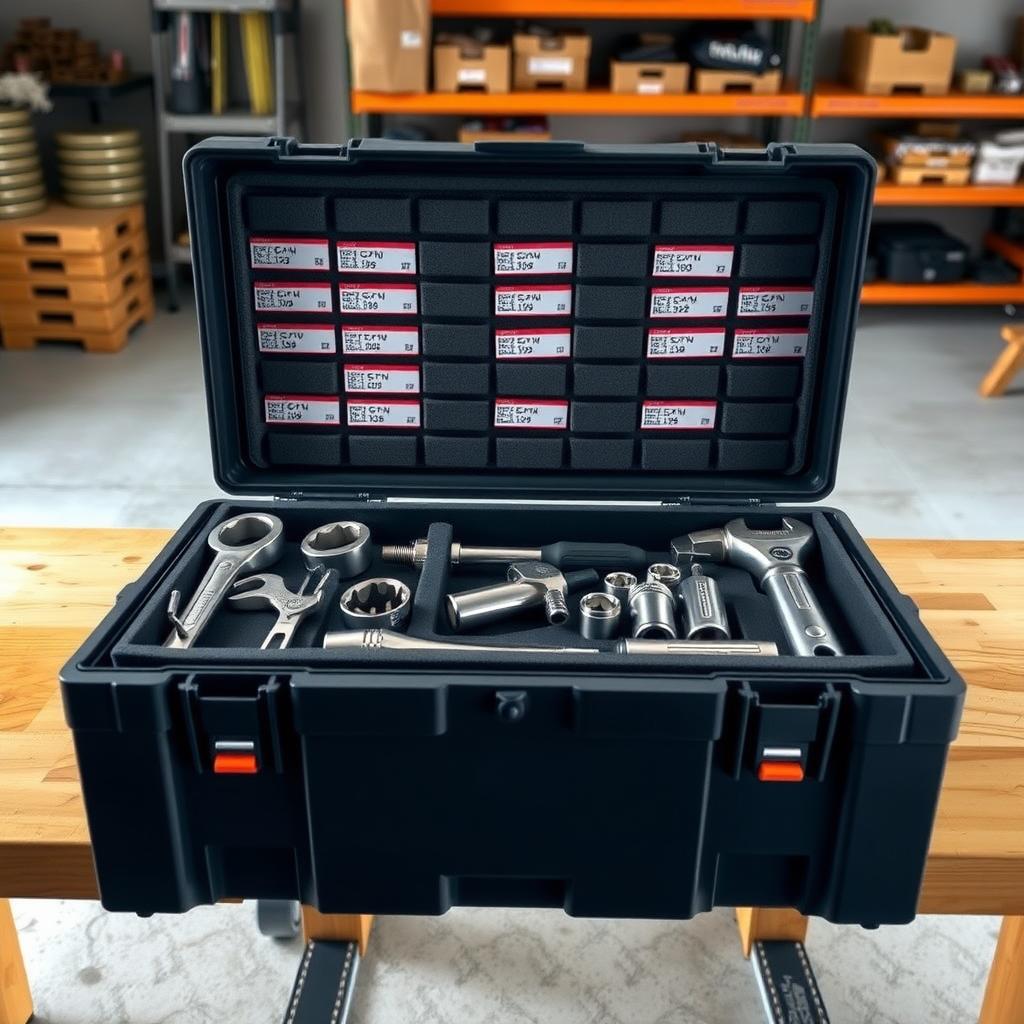
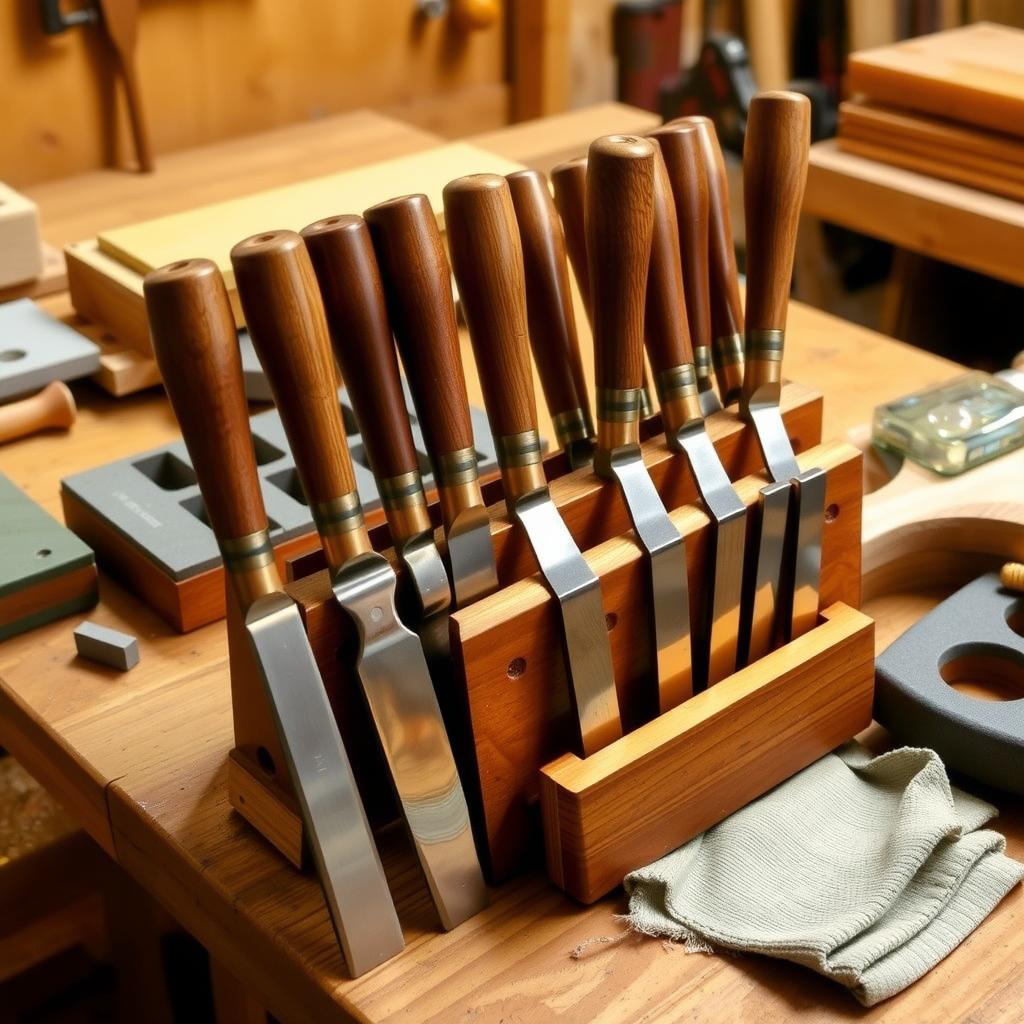
Proper care extends a chisel’s life. Store chisels in a dry place to prevent rust, ideally in a roll or rack to protect the blades. After each session, wipe the blade with a cloth and apply a light coat of oil. Sharpen regularly using a waterstone or diamond plate, maintaining a 25-30 degree bevel for optimal cutting.
I learned the hard way that neglecting maintenance leads to frustration. A rusty chisel once slowed a project by hours, forcing me to pause for sharpening. Now, I dedicate 10 minutes after every session to cleaning and honing, which keeps my tools ready.
Personal Insights: The Joy of Joinery
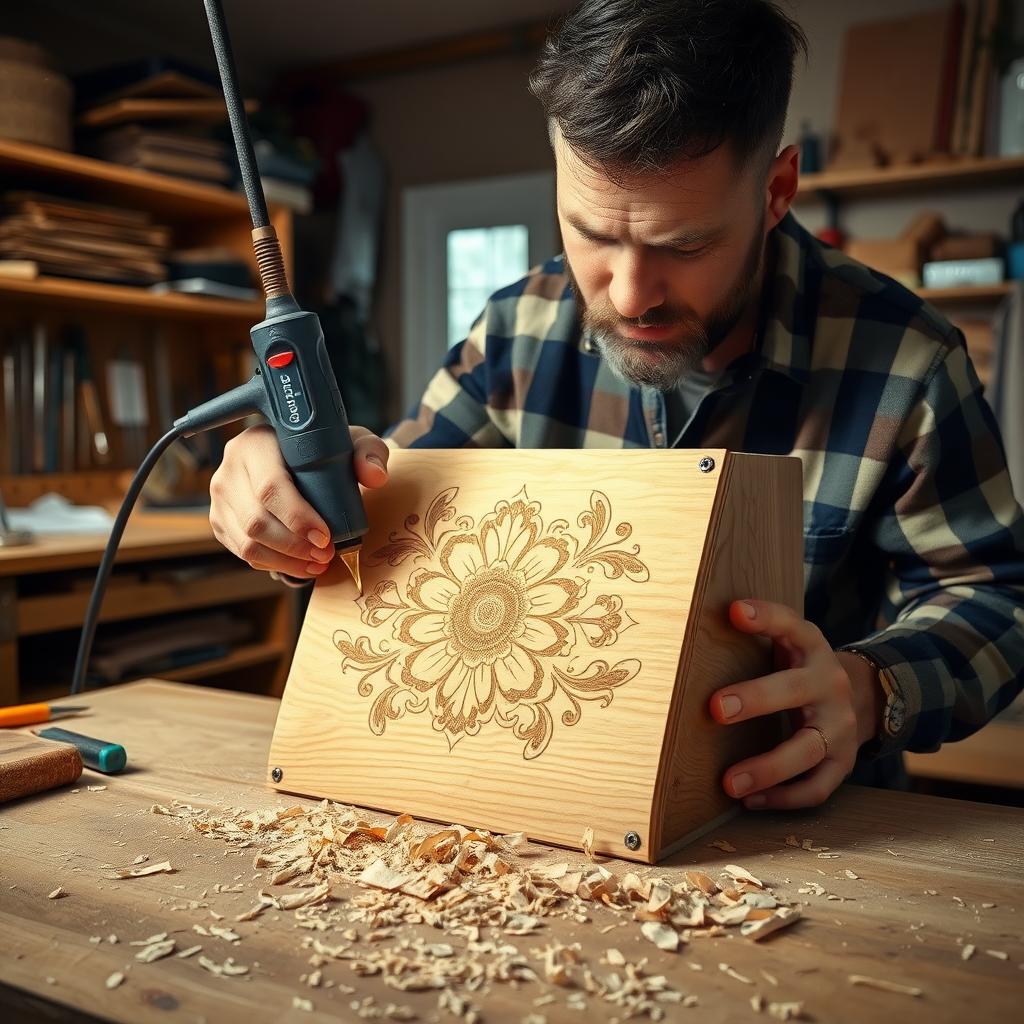
There’s something deeply satisfying about cutting a perfect mortise. The rhythmic tap of the mallet, the clean slice of the chisel, and the moment the tenon slides in snugly—it’s woodworking at its finest. My proudest moment was crafting a dining table with mortise-and-tenon joints that’s still rock-solid after five years. Mastering joinery with mortise chisels isn’t just about skill; it’s about connecting with the wood and creating something lasting.
For those starting out, don’t rush. Practice on scrap wood, focus on technique, and invest in quality tools. The Woodworkers Guild of America offers excellent tutorials for beginners looking to refine their skills.
Summary
Mastering joinery with mortise chisels transforms woodworking projects, blending strength with beauty. By choosing the right chisels, honing techniques, and maintaining tools, woodworkers can create professional-grade joints. With practice and patience, these essential chisels in a woodworker’s toolkit become partners in crafting furniture that lasts generations.
Related Mastering Joinery with Mortise Chisels:
- How to Choose the Best Mortise Chisel for Your Projects: Mastering Joinery with Mortise Chisels
- Safety Tips for Using Hand Tools in the Workshop
- Tool Belts with Ergonomic Designs: Comfort and Efficiency for Workmen
- Mastering Metal Forming: Advanced Hammering Techniques and Tools
- Preventing Hand Injuries at Work: Practical Tips for a Safer Workplace
- Future Trends in Construction Planning: Revolutionizing the Industry
- Must-Have Workman Tools for Every Toolbox: Your Ultimate Guide
- DIY Storage Builds: Make Your Own Tool Racks
- DIY Home Improvement Projects for Beginners: Your Ultimate Guide to Getting Started
- The Ultimate Guide to Hand Tools Storage Solutions
- Master Your Projects: A Complete Guide to Rotary Tool Accessories and Attachments
- DIY Toolbox Organization Ideas: The Ultimate Guide to Toolboxes for Every Need