Overview
Ready to spruce up your home without breaking the bank? DIY Home Improvement Projects for Beginners are the perfect way to add personal flair to your space while learning new skills. This guide covers easy projects, essential tools, and practical tips to ensure your success, even if you’ve never picked up a hammer before.
Why Start with DIY Home Improvement?
DIY projects are more than just a way to save money—they’re about taking pride in your home and building confidence. As a beginner, I remember the thrill of painting my first accent wall. It wasn’t perfect, but it sparked a love for creating something with my own hands. Plus, studies from the University of Illinois Extension show that hands-on projects can reduce stress and boost creativity.
Starting small lets you learn the basics without feeling overwhelmed. Whether it’s installing shelves or refreshing old furniture, these projects teach you how to use tools and plan effectively.
Essential Tools for Beginners
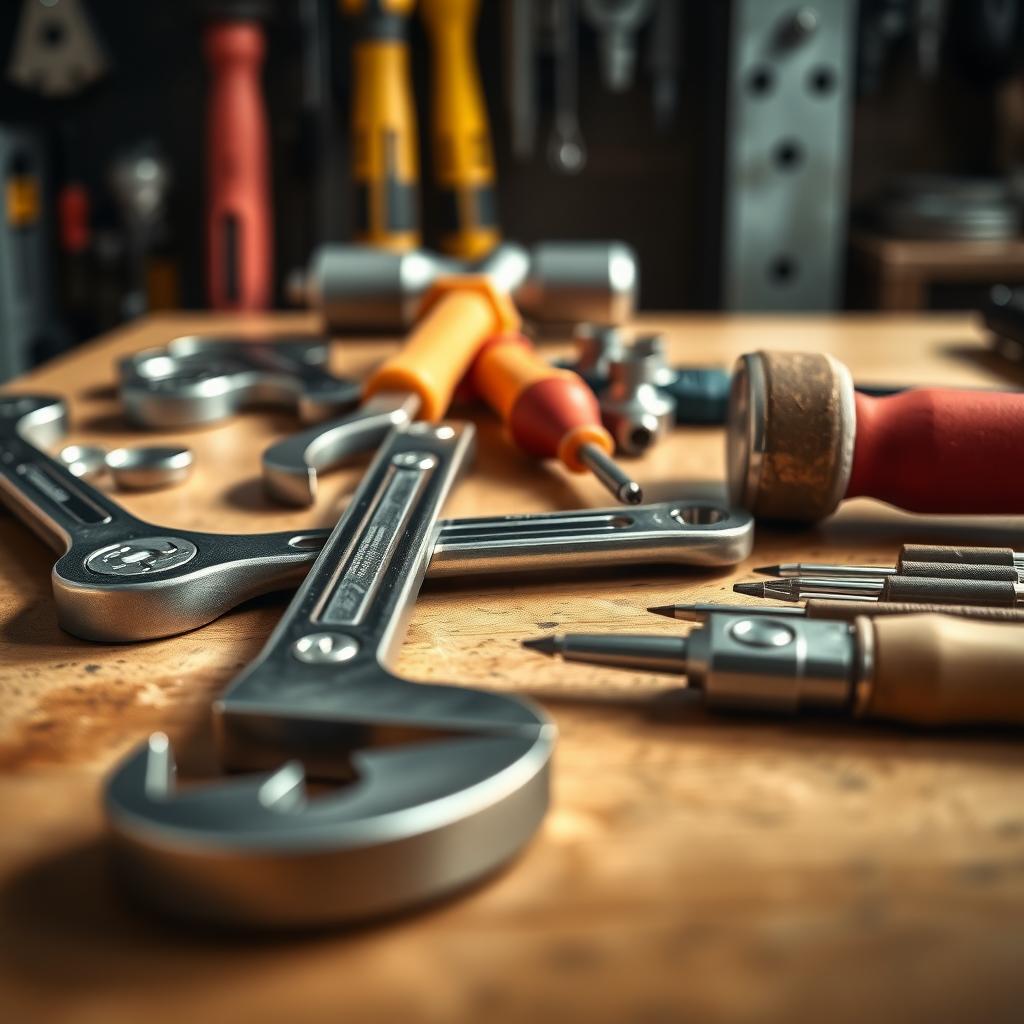
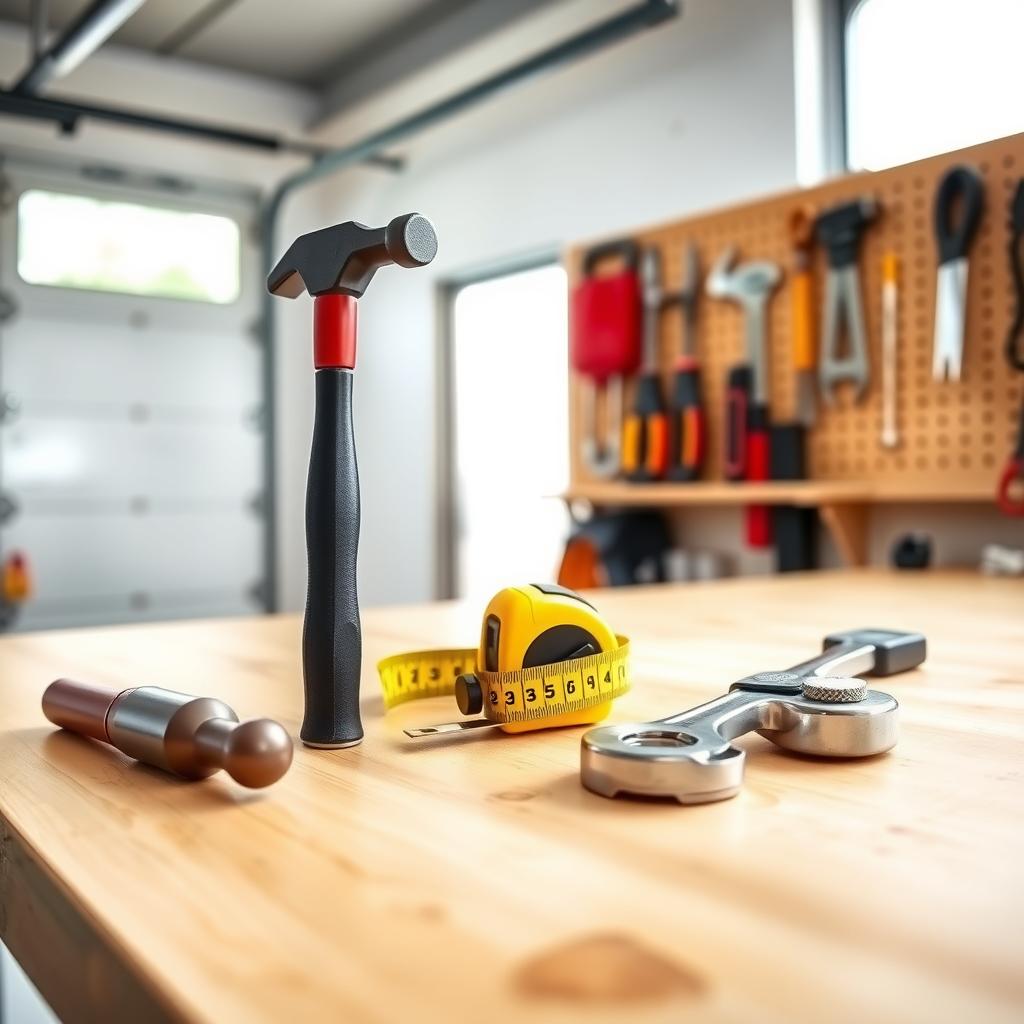
Before diving into DIY Project Ideas, you need the right tools. You don’t have to splurge on top-quality workman tools for contractors right away, but investing in a few reliable basics will make your projects smoother. Here’s a starter list:
- Hammer: For driving nails and light demolition.
- Screwdriver Set: Get both flathead and Phillips for versatility.
- Tape Measure: Precision is key for any project.
- Level: Ensures your shelves and frames are straight.
- Adjustable Wrench: A must for nuts and bolts of various sizes.
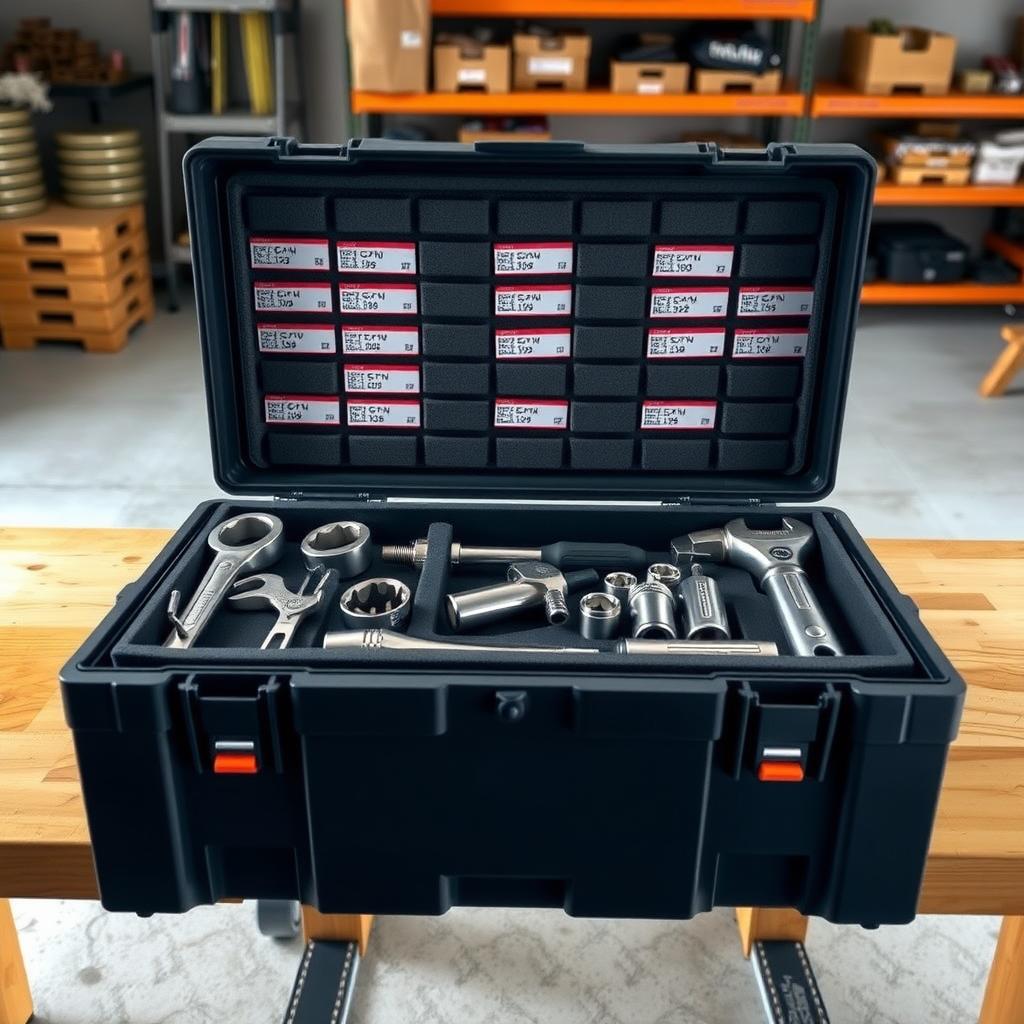
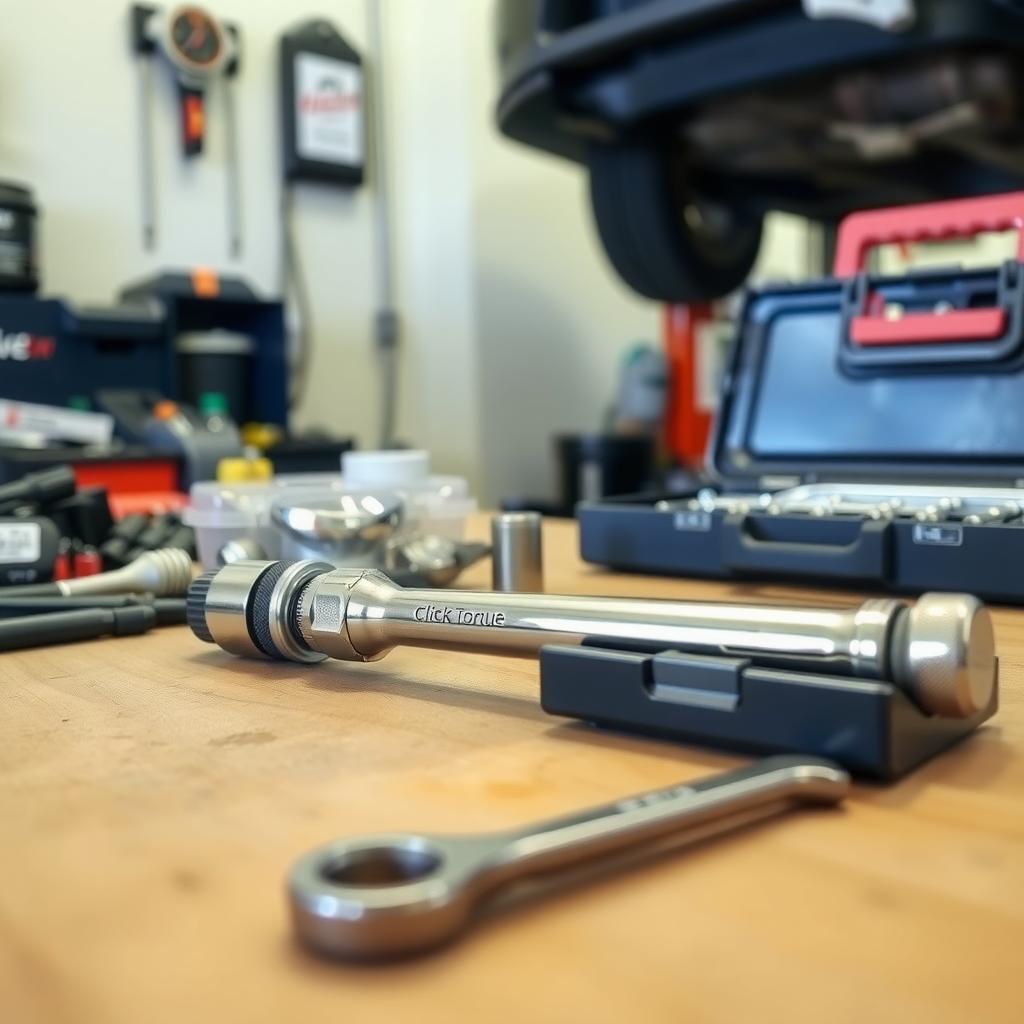
When Choosing the Right Wrench for Your Projects, go for an adjustable one. It’s versatile and saves space compared to a full wrench set. According to Popular Mechanics, an adjustable wrench is a beginner’s best friend for tasks like assembling furniture or tightening plumbing fittings.
Top DIY Project Ideas for Beginners
Here are five beginner-friendly projects to kickstart your DIY journey. Each is low-cost, requires minimal tools, and builds your skills.
1. Paint an Accent Wall
Painting is one of the easiest ways to transform a room. Choose a bold color for one wall to add personality. My first accent wall took a weekend, but the result was worth it. Use painter’s tape for clean edges, and apply two coats for a professional finish.
2. Build Floating Shelves
Floating shelves are simple to make with a few boards, brackets, and screws. Measure your space, cut the wood (or have it cut at the store), and secure it to the wall with a level. This project teaches you how to use a drill and level.
3. Refinish Old Furniture
Sanding and repainting an old chair or table can breathe new life into it. I refinished a thrift store table with chalk paint, and it’s now my favorite piece. Use sandpaper to smooth the surface, then apply a primer and your chosen paint.
4. Install a Backsplash
A peel-and-stick backsplash is perfect for beginners. It’s affordable, requires no power tools, and can be done in a few hours. Clean the wall thoroughly, measure carefully, and apply the tiles in a pattern you love.
5. Create a Gallery Wall
Hang a collection of framed photos or art to personalize your space. Use a level and measure spacing to keep it balanced. This project is great for practicing precision without heavy tools.

Tips for Choosing the Right Tools
The Ultimate Guide to Workman Tools for Contractors starts with understanding quality. Beginners don’t need professional-grade tools, but durability matters. Look for tools with ergonomic handles and solid construction. For example, when I bought my first hammer, I chose one with a rubber grip—it made a huge difference during long projects.
For wrenches, an adjustable model between 6 and 12 inches is ideal. It handles most household tasks, from tightening bolts to assembling IKEA furniture. Check out This Old House for tool reviews to find reliable brands without overspending.
Planning Your DIY Project
Success starts with preparation. Here’s a simple checklist to keep you on track:
| Step | Description |
|---|---|
| Plan | Sketch your project and list materials. |
| Budget | Estimate costs and stick to it. |
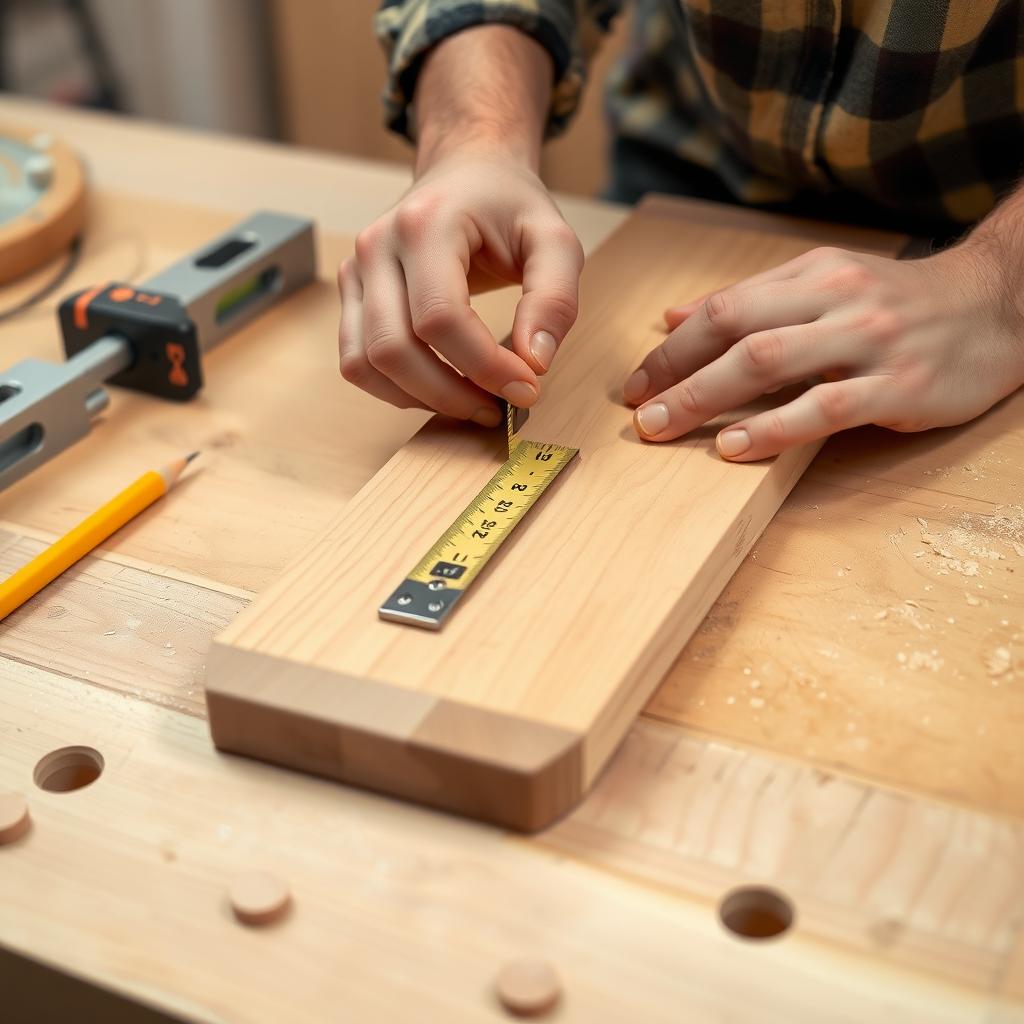
| Measure | Double-check dimensions to avoid errors. |
| Safety | Wear gloves, goggles, and sturdy shoes. |
| Test | Practice on scrap wood before the real thing. |
One time, I skipped measuring twice and cut a shelf too short—lesson learned! Always double-check, and don’t rush.
Common Mistakes to Avoid
Beginners often make simple errors that can derail a project. Here are a few to watch out for:
- Skipping Safety Gear: Always wear protective glasses and gloves. A splinter or flying debris can ruin your day.
- Buying Cheap Tools: Low-quality tools break easily and frustrate you. Invest in mid-range options for reliability.
- Ignoring Instructions: Read manuals or watch tutorials. I once assembled a shelf backward because I skipped the guide!
- Overcomplicating Projects: Start small. A complex project can sap your confidence if it goes wrong.
The U.S. Consumer Product Safety Commission reports thousands of DIY-related injuries yearly, often from improper tool use. Take your time and stay safe.
Building Confidence Through Practice
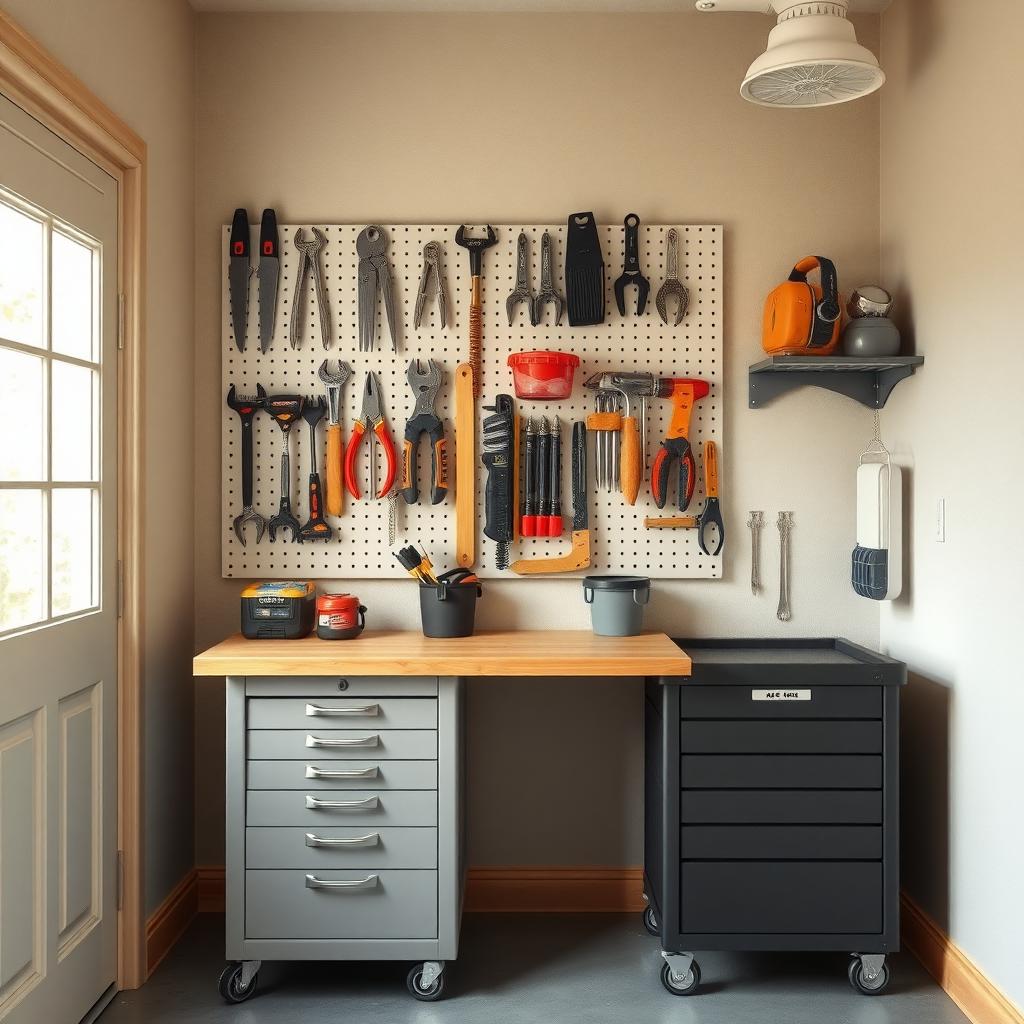
The more you do, the better you get. My first project was a wobbly shelf, but by my third, I was building custom storage for my garage. Start with one project, learn from mistakes, and gradually take on bigger challenges. Online tutorials, like those from Bob Vila, are great for visual learners.
Summary
DIY Home Improvement Projects for Beginners are a fun, affordable way to personalize your home. Start with simple projects like painting or shelving, invest in reliable tools like an adjustable wrench, and plan carefully to avoid mistakes. With practice, you’ll gain skills and confidence to tackle bigger projects. Happy building!
Related DIY Home Improvement Projects for Beginners:
- The Ultimate Guide to Hand Tools Storage Solutions
- Master Your Projects: A Complete Guide to Rotary Tool Accessories and Attachments
- DIY Toolbox Organization Ideas: The Ultimate Guide to Toolboxes for Every Need
- Essential Safety Gear for Construction Workers: Stay Protected on the Job
- Best Practices for Work-from-Home Boundaries: Boost Productivity and Balance
- The Ultimate Guide to Power Tools for Woodworking Enthusiasts
- Understanding Power Tool Batteries: Care and Safety
- How to Maintain Your Tools Like a Pro
- The Importance of Precision in Automotive Maintenance
- Screwdriver Maintenance Tips: Keep Your Workman Tools in Top Shape
- Choosing the Right Work Boots for Construction Work: A Comprehensive Guide
- DIY Workshop Projects to Enhance Productivity: Ultimate Guide