Overview
Keeping your tools in great condition isn't just about making them last longer—it's about ensuring they perform at their best for every project. Whether you're using precision tools for every craftsman or advanced workman tools for complex projects, proper maintenance saves time, money, and frustration. This guide shares practical tips to maintain your workshop equipment like a pro.
Why Tool Maintenance Matters
Tools are the backbone of any workshop. A dull blade, a rusty wrench, or a sticky tape measure can slow you down or ruin a project. I learned this the hard way years ago when a poorly maintained drill bit snapped mid-project, costing me hours. Regular maintenance keeps your tools reliable, safe, and ready for action.
Maintaining your tools also protects your investment. Quality workman tools aren't cheap, and replacing them adds up fast. By spending a little time on upkeep, you can extend their lifespan and keep them performing like new.
Cleaning Your Tools: The Foundation of Maintenance
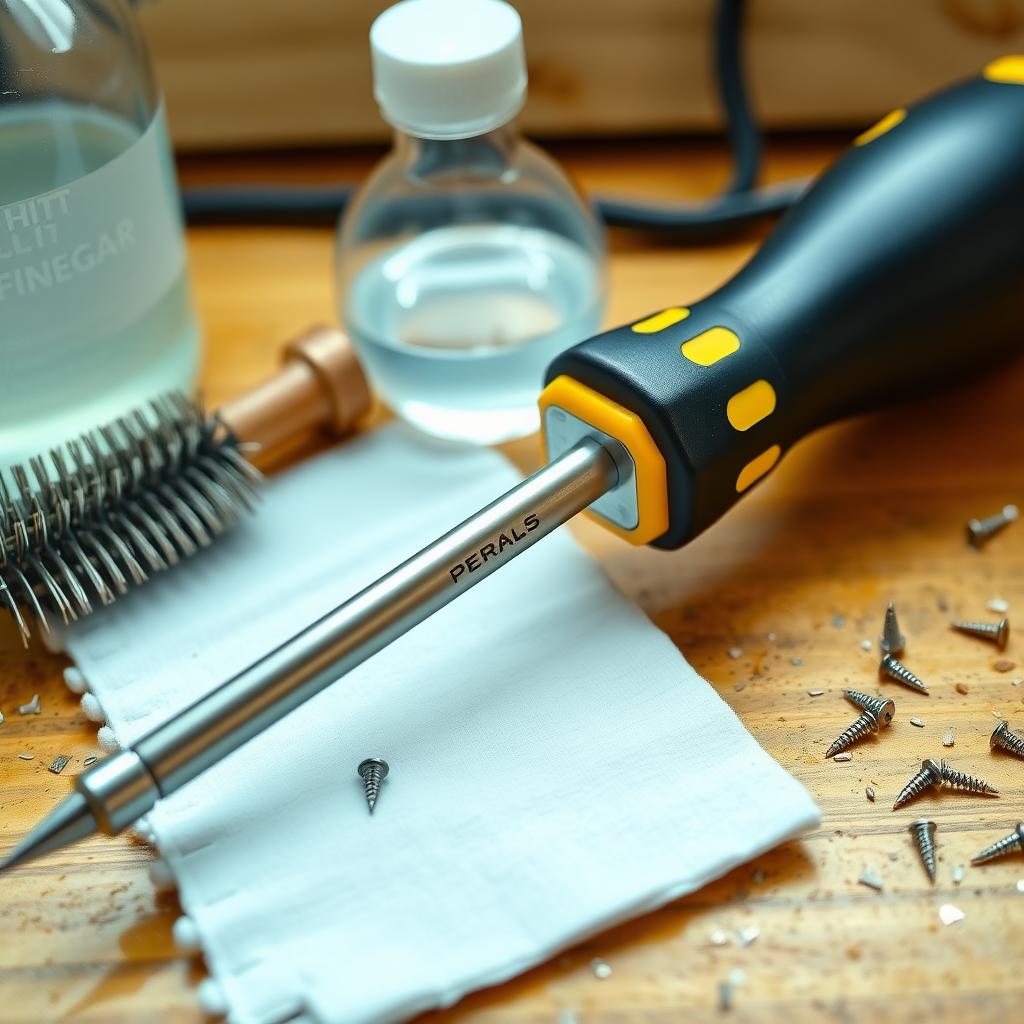
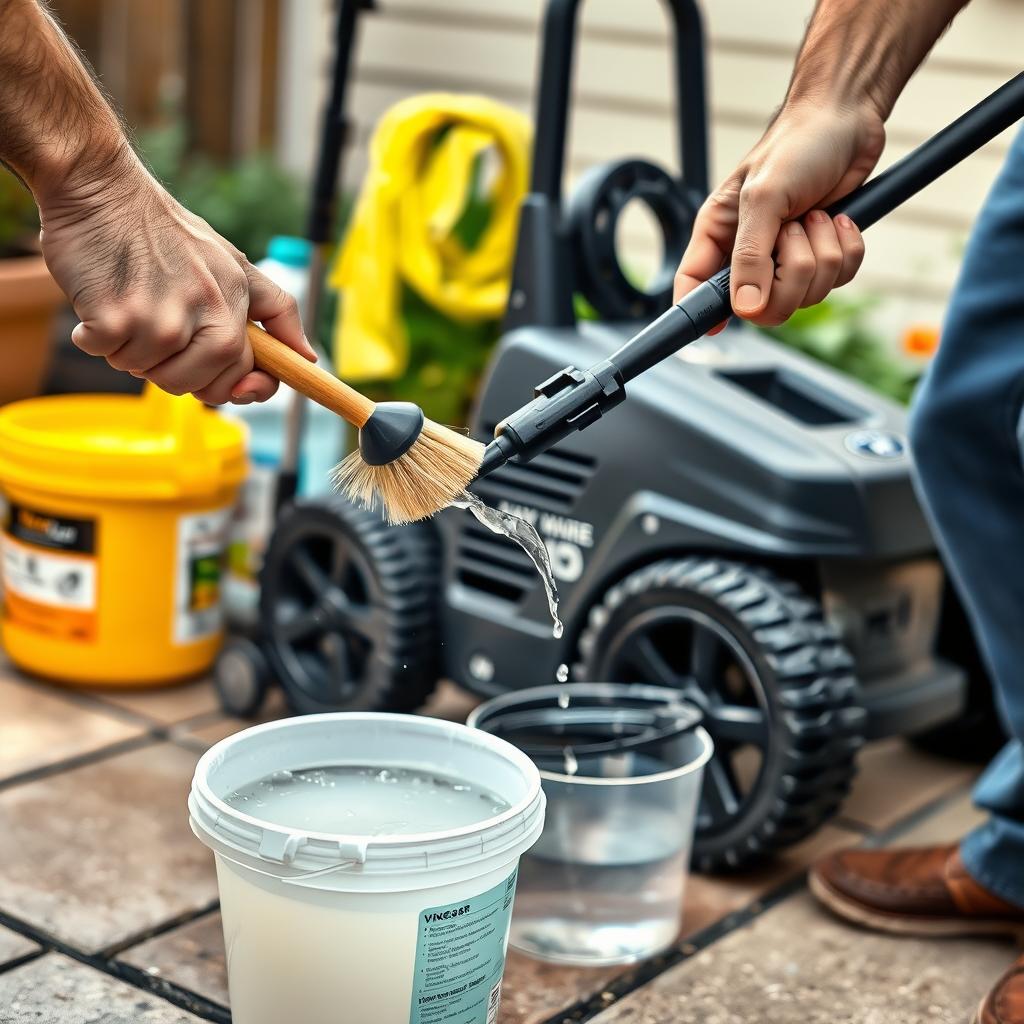
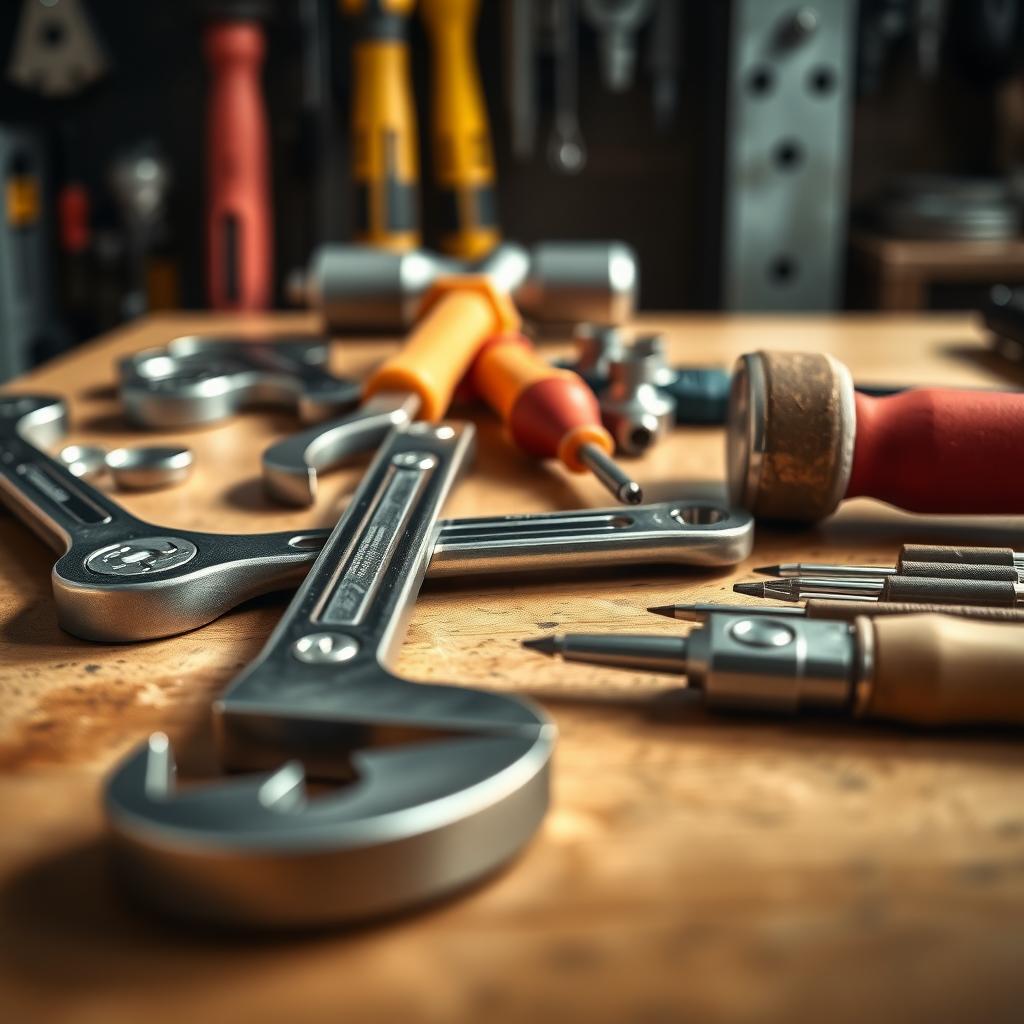
Dirt, dust, and grime are the enemies of any tool. After every project, take a few minutes to clean your tools before storing them. For hand tools like wrenches and screwdrivers, wipe them down with a dry cloth to remove dust or grease. For tougher grime, use a mild degreaser or soapy water, but dry them thoroughly to prevent rust.
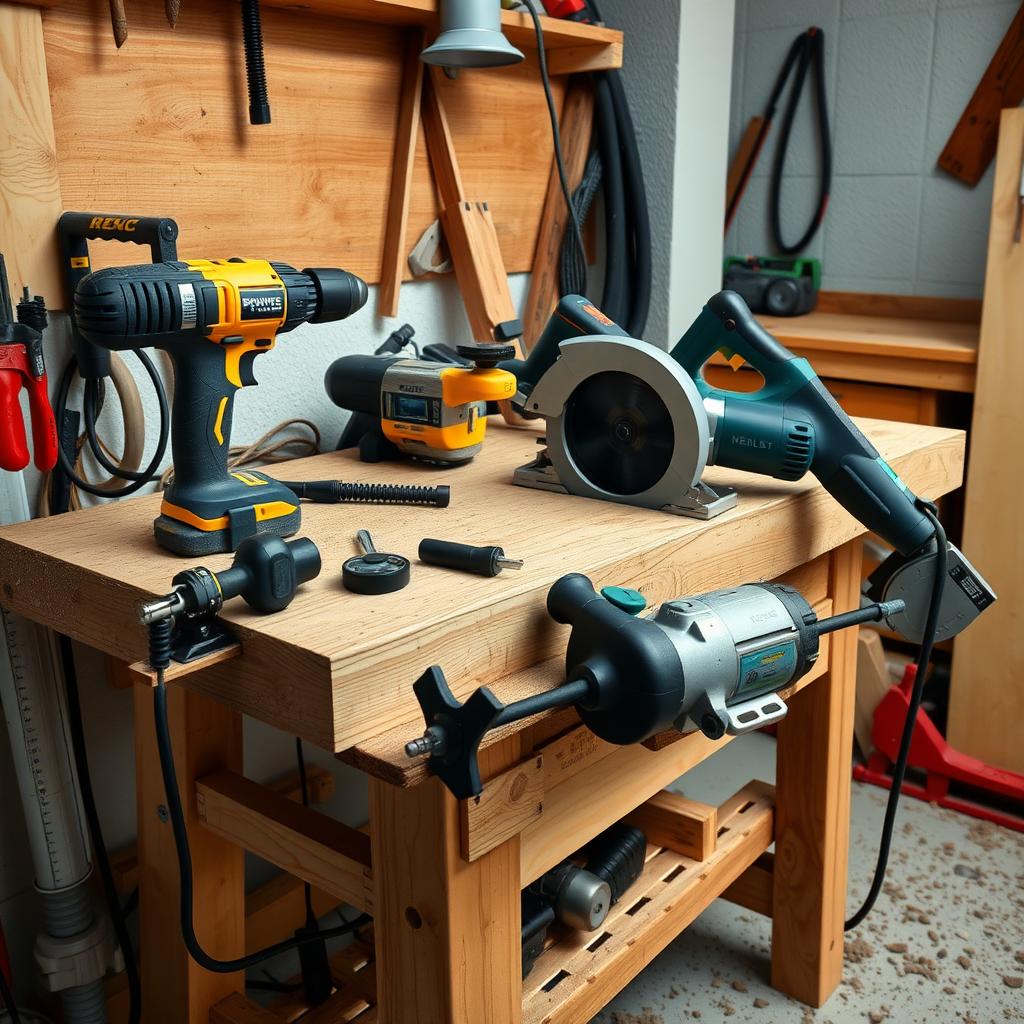
Power tools need extra care. For example, after using a circular saw, blow out sawdust with compressed air and check the blade for resin buildup. A wire brush works wonders for cleaning stubborn debris. I once revived an old drill by simply cleaning its chuck, which was clogged with years of dust.
Cleaning Checklist
- Hand Tools: Wipe with a dry or damp cloth; use a wire brush for rust.
- Power Tools: Remove dust with compressed air; clean blades with a resin remover.
- Cutting Tools: Sharpen blades regularly and clean with alcohol to remove sap or adhesive.
- Measuring Tools: Wipe tape measures and levels to keep markings clear.
Sharpening for Precision
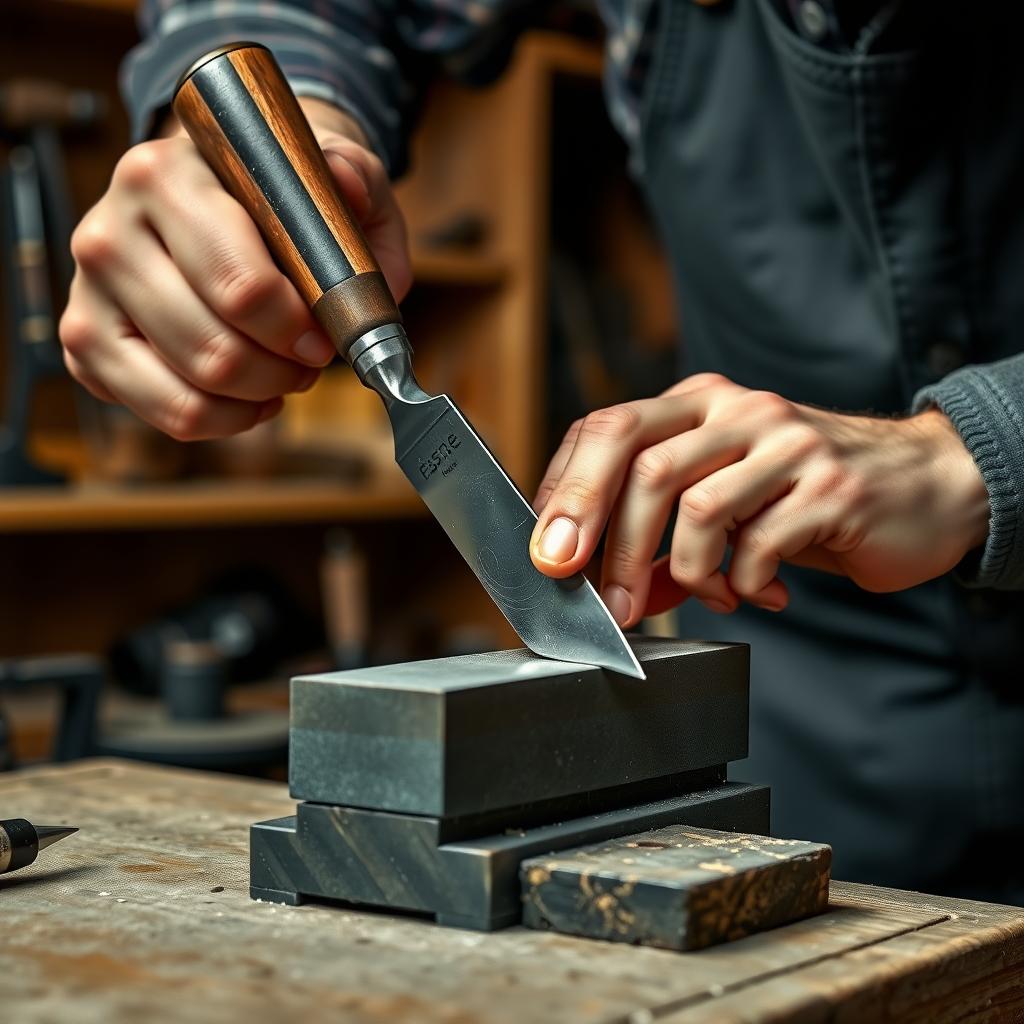
Precision tools for every craftsman, like chisels, plane blades, and drill bits, rely on sharp edges to work effectively. A dull tool not only produces sloppy results but can also be dangerous. I remember struggling with a dull chisel that slipped and nearly caused an injury. Now, I sharpen my tools regularly using a whetstone or a sharpening system.
For beginners, start with a simple sharpening stone. Hold the blade at a consistent angle (usually 20-30 degrees) and move it smoothly across the stone. For power tool blades, consider professional sharpening services to ensure accuracy. Always test the edge on scrap material before using it on a project.
Lubrication: Keep Things Moving
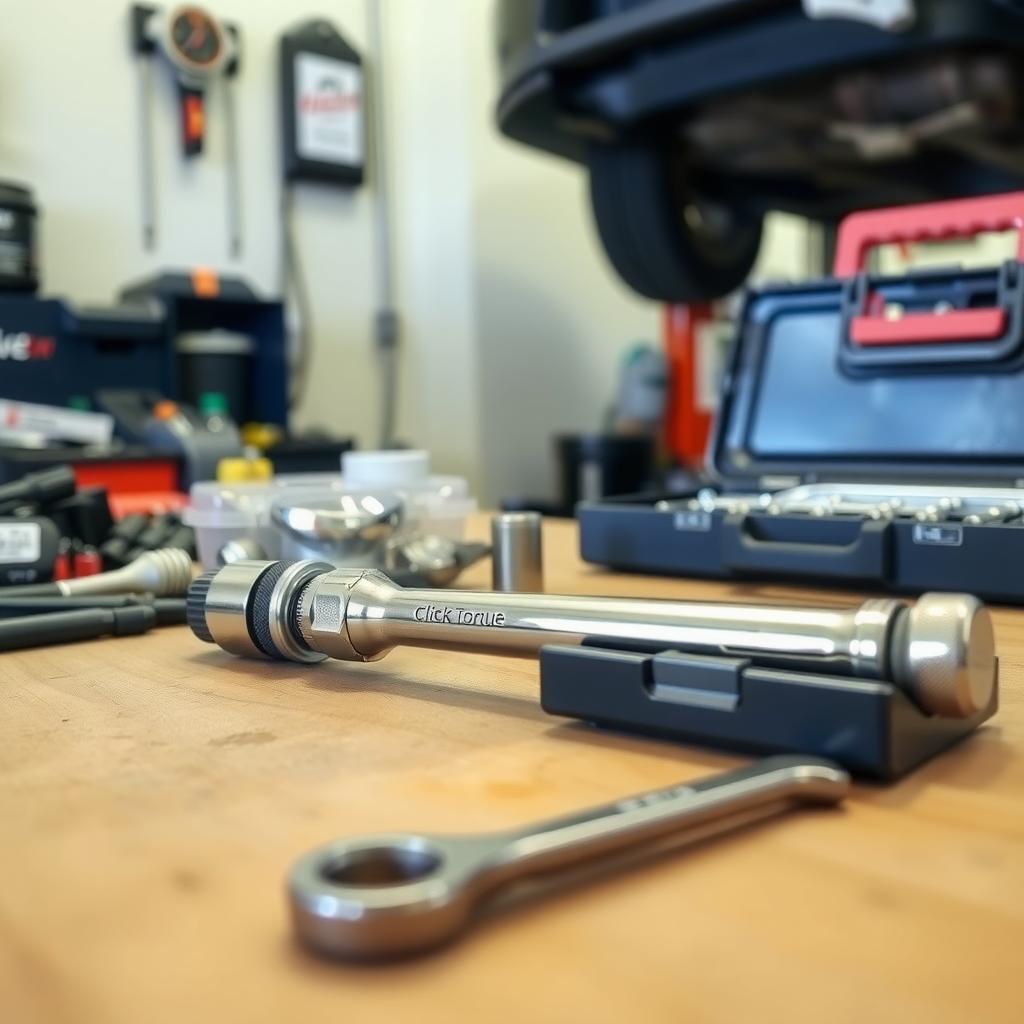
Moving parts on tools like pliers, ratchets, and power tools need lubrication to stay smooth. A drop of machine oil on a hinge or gear can prevent wear and tear. For example, I apply a light oil to my ratchet wrench every few months, and it still feels as smooth as the day I bought it.
Be careful not to over-lubricate, as excess oil can attract dust. Wipe off any extra with a cloth. For power tools, check the manufacturer’s manual for specific lubrication points. Some tools, like chainsaws, have dedicated oil reservoirs that need regular refilling.
Proper Storage: Protect Your Investment
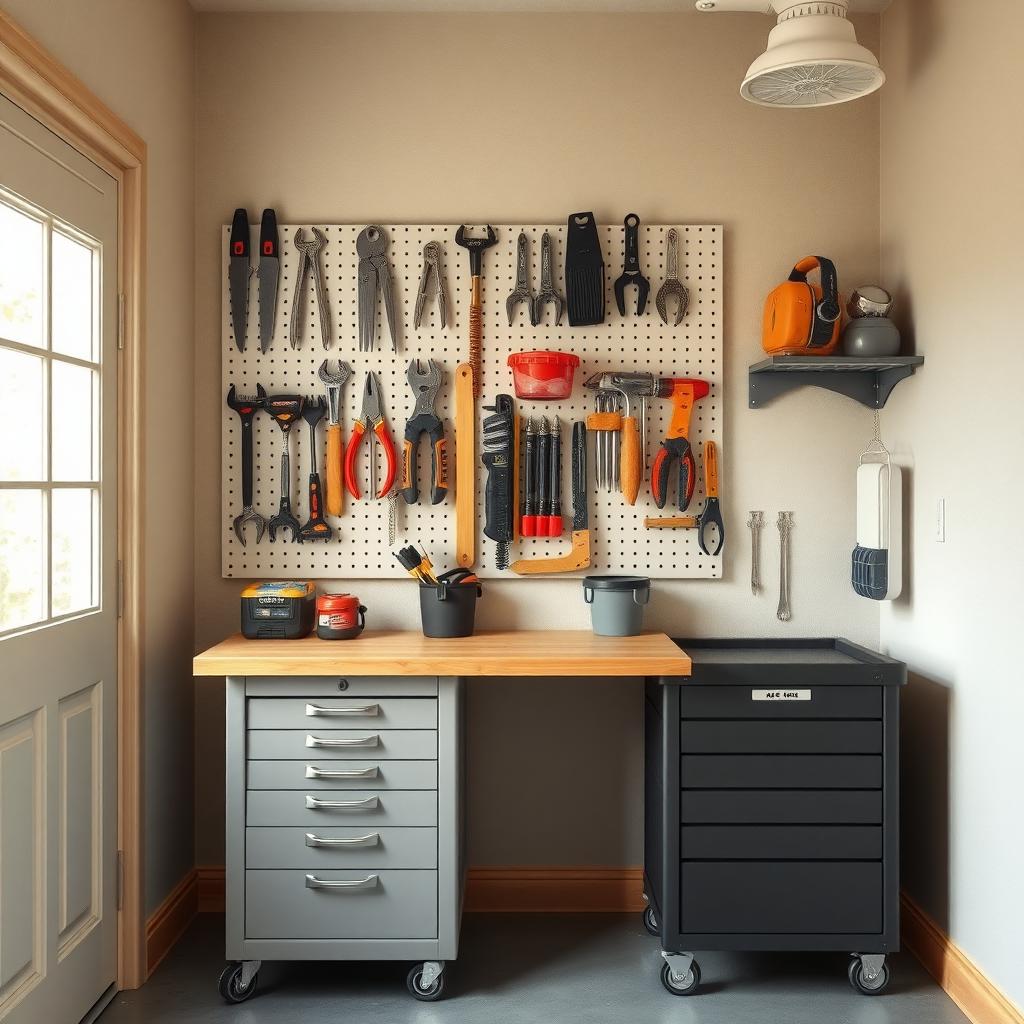
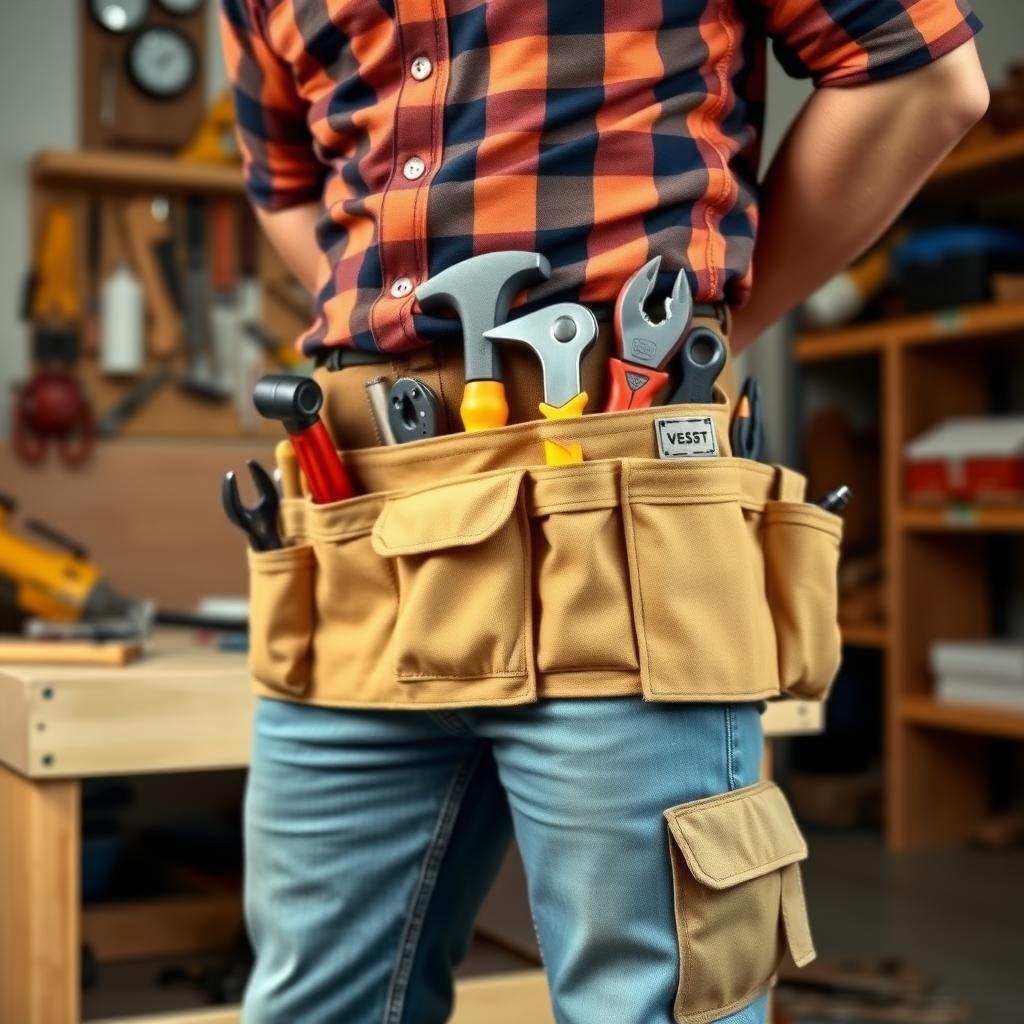
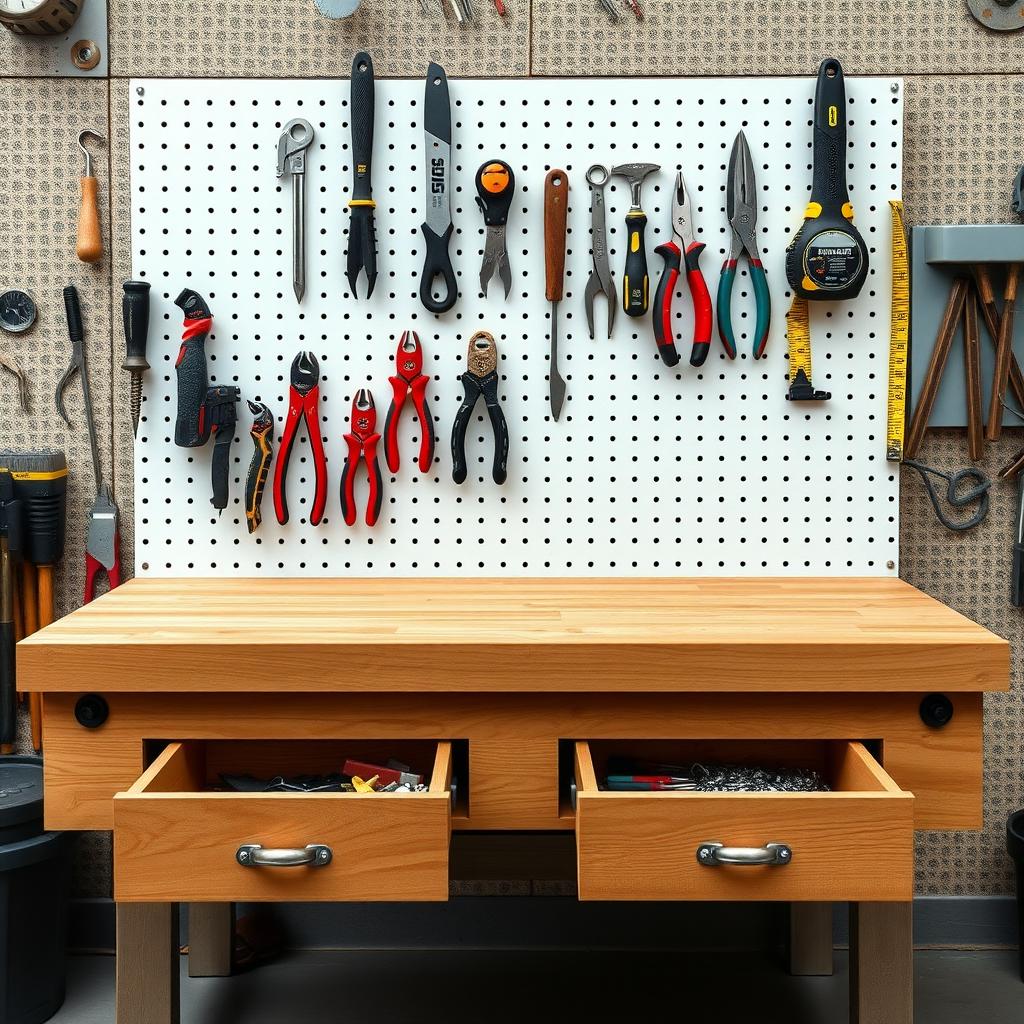
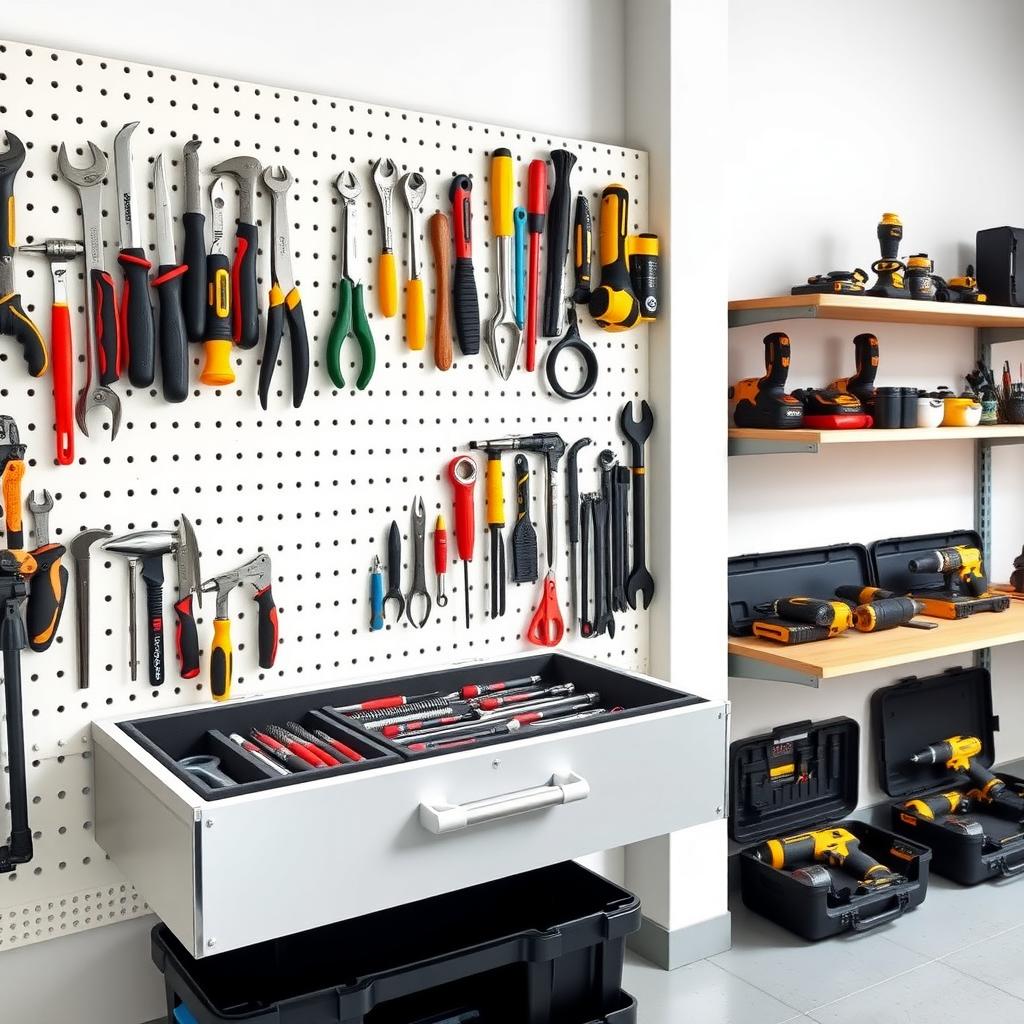
How you store your tools is just as important as how you clean them. Moisture and poor organization can lead to rust and damage. Store your tools in a dry, climate-controlled space to avoid corrosion. I use a pegboard for hand tools and a toolbox with foam inserts for advanced workman tools for complex projects, like my precision calipers and laser levels.
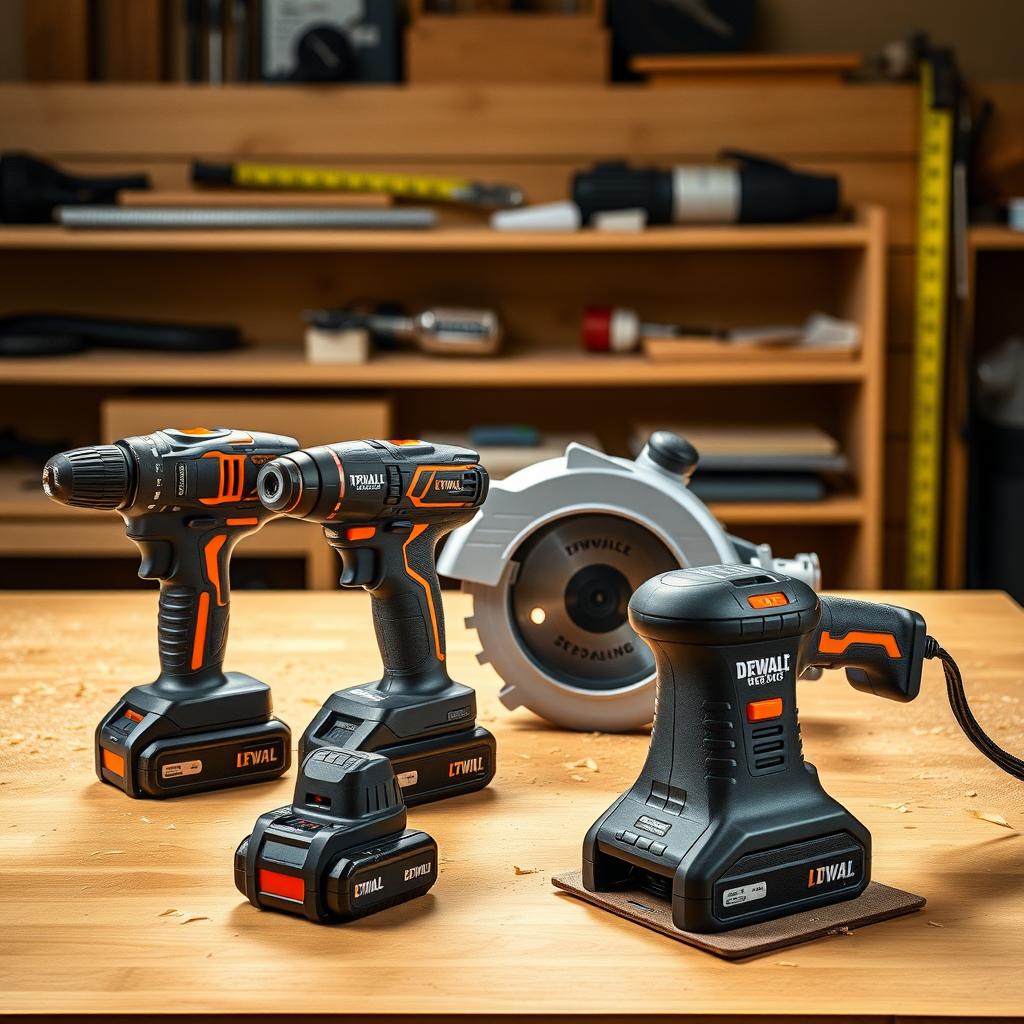
For power tools, keep them in their original cases or invest in a dedicated storage system. Silica gel packets in your toolbox can absorb moisture and prevent rust. Labeling storage spots also saves time when you’re hunting for the right tool mid-project.
Storage Tips
| Tool Type | Storage Solution | Why It Works |
|---|---|---|
| Hand Tools | Pegboard or toolbox | Easy access and organization |
| Power Tools | Original cases or shelves | Protects from dust and damage |
| Precision Tools | Foam-lined cases | Prevents scratches and misalignment |
| Cutting Tools | Blade guards or sleeves | Keeps edges sharp and safe |
Regular Inspections: Catch Problems Early
Make it a habit to inspect your tools regularly. Check for cracks, loose parts, or worn-out components. For power tools, inspect cords and plugs for fraying, which can be a safety hazard. I once found a small crack in a hammer handle during a routine check, saving me from a potential accident.
For precision tools, test their accuracy periodically. A misaligned level or a worn tape measure can throw off an entire project. If you notice any issues, repair or replace the tool immediately. Don’t wait for it to fail during a critical moment.
Calibration for Precision Tools
Precision tools for every craftsman, like calipers and laser levels, need regular calibration to stay accurate. Follow the manufacturer’s instructions for calibration, or take them to a professional if you’re unsure. I calibrate my digital caliper every six months, and it’s saved me from costly mistakes in woodworking projects.
For DIY calibration, use a known standard, like a precision block, to check your tool’s accuracy. If it’s off, adjust it according to the manual or seek professional help.
Maintenance Schedule: Stay Consistent
Consistency is key to maintaining workshop equipment. Set a schedule for cleaning, sharpening, lubricating, and inspecting your tools. For example, I do a quick clean after every project, a deep clean monthly, and a full inspection every six months. This routine keeps my tools in top shape and ready for any task.
Here’s a sample maintenance schedule:
- Daily: Wipe down tools after use.
- Weekly: Check for rust and lubricate moving parts.
- Monthly: Deep clean and sharpen cutting tools.
- Every 6 Months: Inspect and calibrate precision tools.
Summary
Maintaining your tools like a pro isn’t complicated—it’s about building good habits. Regular cleaning, sharpening, lubrication, proper storage, and inspections will keep your workman tools and workshop equipment in top condition. By investing a little time, you’ll ensure your tools are always ready for your next project, whether it’s a simple repair or a complex build. Start today, and your tools will thank you with years of reliable service.
Related How to Maintain Your Tools Like a Pro:
- The Importance of Precision in Automotive Maintenance
- Screwdriver Maintenance Tips: Keep Your Workman Tools in Top Shape
- Choosing the Right Work Boots for Construction Work: A Comprehensive Guide
- DIY Workshop Projects to Enhance Productivity: Ultimate Guide
- Beginner’s Guide to Table Saw Safety: Protect Yourself While Mastering Your Craft
- Essential Power Washer Maintenance Tips for Long-Lasting Performance
- Top 10 Power Tool Safety Tips for Safe and Effective Use
- Essential Workman Tools Every DIYer Should Have
- Choosing the Best Cordless Tools for Your Workshop: A Comprehensive Guide
- Features to Look for in a Workbench: Your Guide to Choosing the Perfect Setup
- How to Choose the Right Wrench for Your Project
- Advanced Power Tool Maintenance Techniques: The Ultimate Guide