Overview
Power washers are game-changers for cleaning driveways, decks, and siding, but without proper care, these powerful tools can lose their edge. Regular maintenance keeps your power washer running smoothly, saves you money on repairs, and ensures it’s ready for any task. Here’s a comprehensive guide to power washer maintenance tips that blend practical advice with real-world insights.
Why Power Washer Maintenance Matters
A power washer is an investment, often costing hundreds of dollars. Neglecting it can lead to clogged nozzles, worn-out seals, or even engine failure. I’ve seen friends ruin their machines by skipping basic upkeep, like flushing out detergent residue or storing the unit improperly. Consistent care extends the life of your power tools and keeps them performing at their best. Plus, a well-maintained power washer tackles tough grime without sputtering or stalling.
Before Every Use: Pre-Cleaning Checks
Before firing up your power washer, take a few minutes to inspect it. This habit can prevent small issues from becoming big problems. Here’s a quick checklist:
- Check the oil level: For gas-powered models, ensure the oil is at the recommended level. Low oil can damage the engine.
- Inspect hoses and connections: Look for cracks, leaks, or loose fittings. A damaged hose can burst under high pressure.
- Examine the nozzle: Make sure it’s clean and free of debris. A clogged nozzle reduces performance and strains the pump.
- Test the water supply: Ensure your garden hose delivers a steady flow. Weak water pressure can overwork the machine.
I once skipped checking my nozzle before cleaning a deck, and the machine sprayed unevenly, leaving streaks. A quick rinse of the nozzle would’ve saved me an hour of rework.
Cleaning Your Power Washer After Use
After every job, clean your power washer to prevent buildup and corrosion. Here’s how:
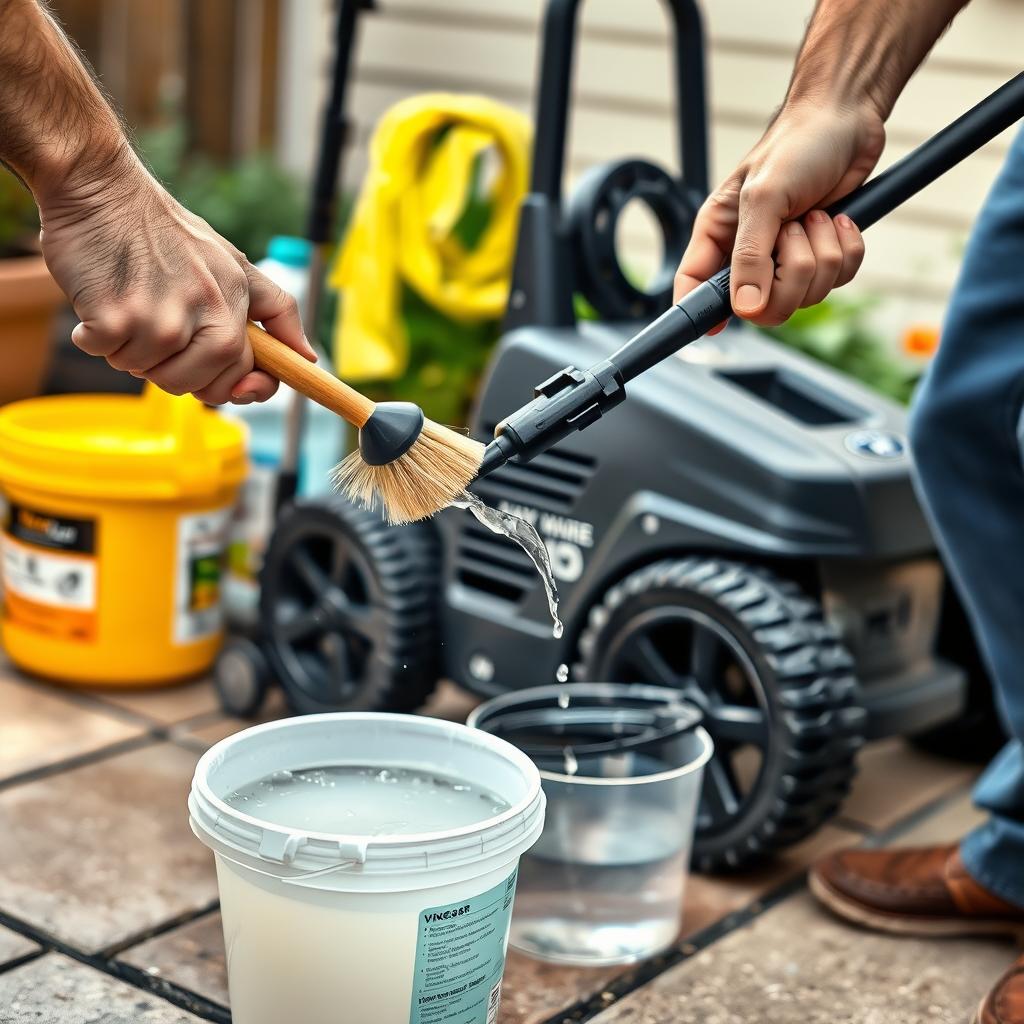
- Flush the system: Run clean water through the machine for 1-2 minutes to clear out detergent or debris. This prevents clogs in the pump and hoses.
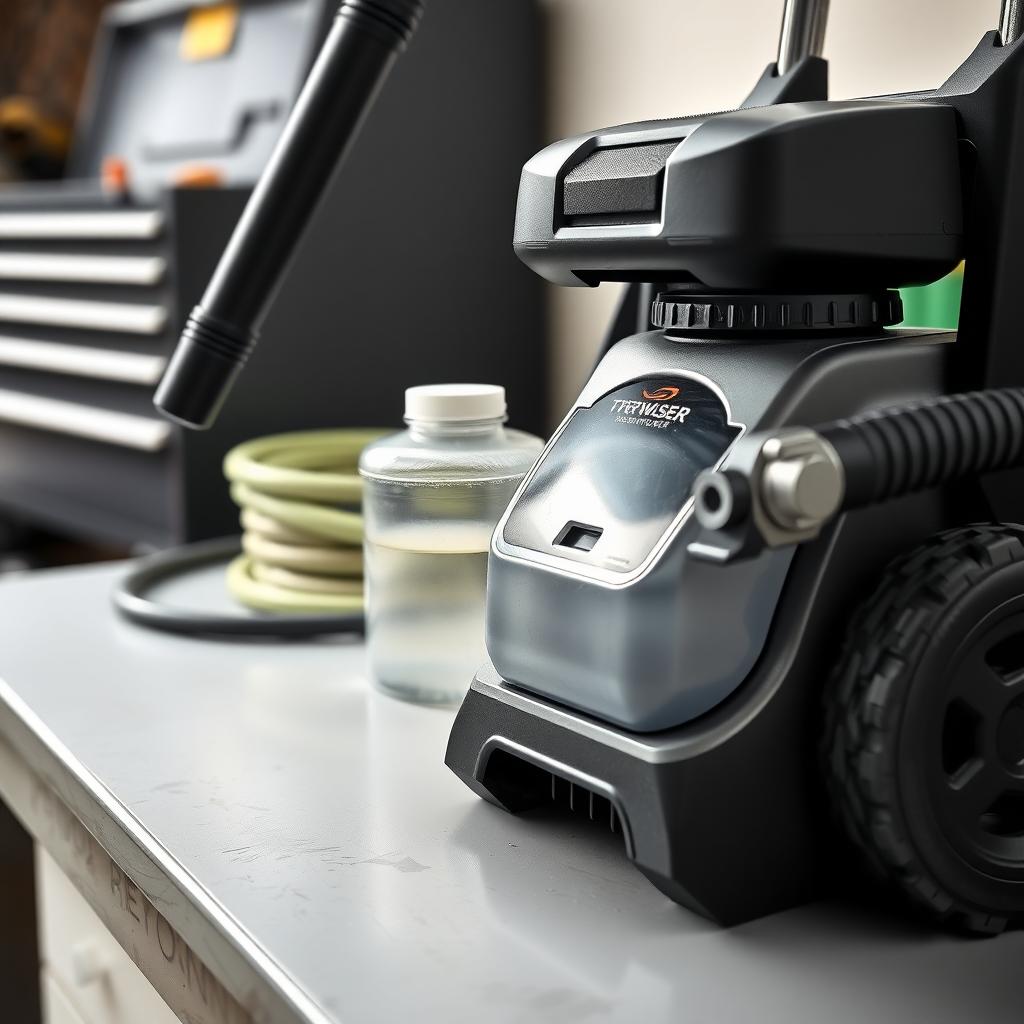
- Clean the detergent tank: If your model has a detergent tank, rinse it thoroughly. Leftover soap can harden and clog the system.
- Wipe down the exterior: Use a damp cloth to remove mud, grass, or grime from the body. Avoid spraying the machine directly with water, as it can damage electrical components.
- Clear the nozzle: Remove the nozzle and rinse it under running water. Use a small brush or pin to clear stubborn debris.
One summer, I forgot to flush my power washer after using a heavy-duty detergent. The pump seized up, and I had to replace it—a $200 mistake. Now, I never skip this step.
Seasonal Maintenance for Gas and Electric Models
Power washers require different care depending on whether they’re gas or electric. Here’s a breakdown:
| Task | Gas Models | Electric Models |
|---|---|---|
| Oil Changes | Change oil every 50 hours or annually. Use manufacturer-recommended oil. | Not applicable. |
| Spark Plug Check | Inspect and replace spark plugs yearly or if the engine misfires. | Not applicable. |
| Filter Cleaning | Clean or replace air and fuel filters every season. | Check and clean inlet filters. |
| Cord Inspection | Not applicable. | Check power cord for fraying or cuts. |
For gas models, I recommend keeping a maintenance log. It’s easy to lose track of oil changes, especially if you use your power washer sporadically. Electric models are simpler but still need attention to prevent water damage to the motor.
Storing Your Power Washer Properly
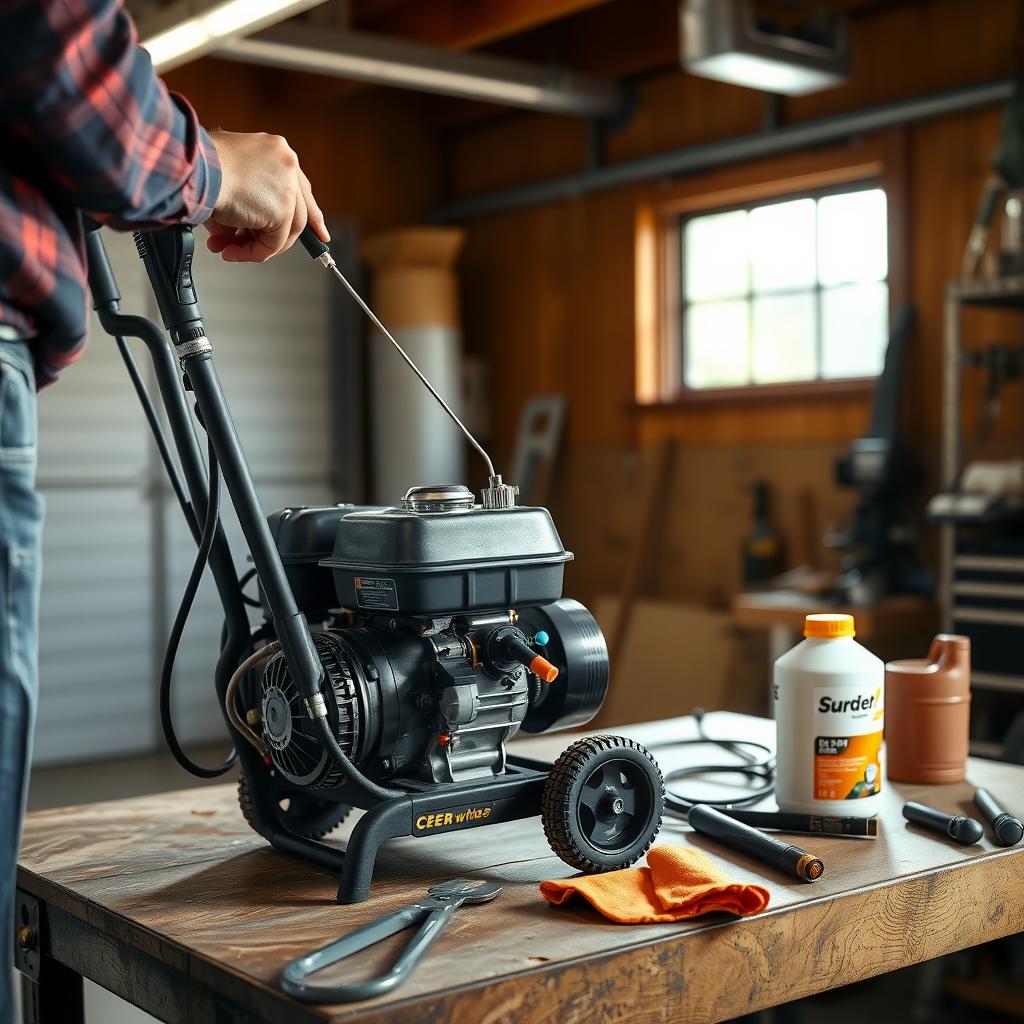
Improper storage can ruin your power washer, especially during winter. Here’s how to store it safely:
- Drain all fluids: Remove water from the pump, hoses, and detergent tank to prevent freezing or corrosion.
- Add fuel stabilizer: For gas models, add a fuel stabilizer to the tank and run the engine for a few minutes to circulate it. This prevents fuel from gumming up the carburetor.
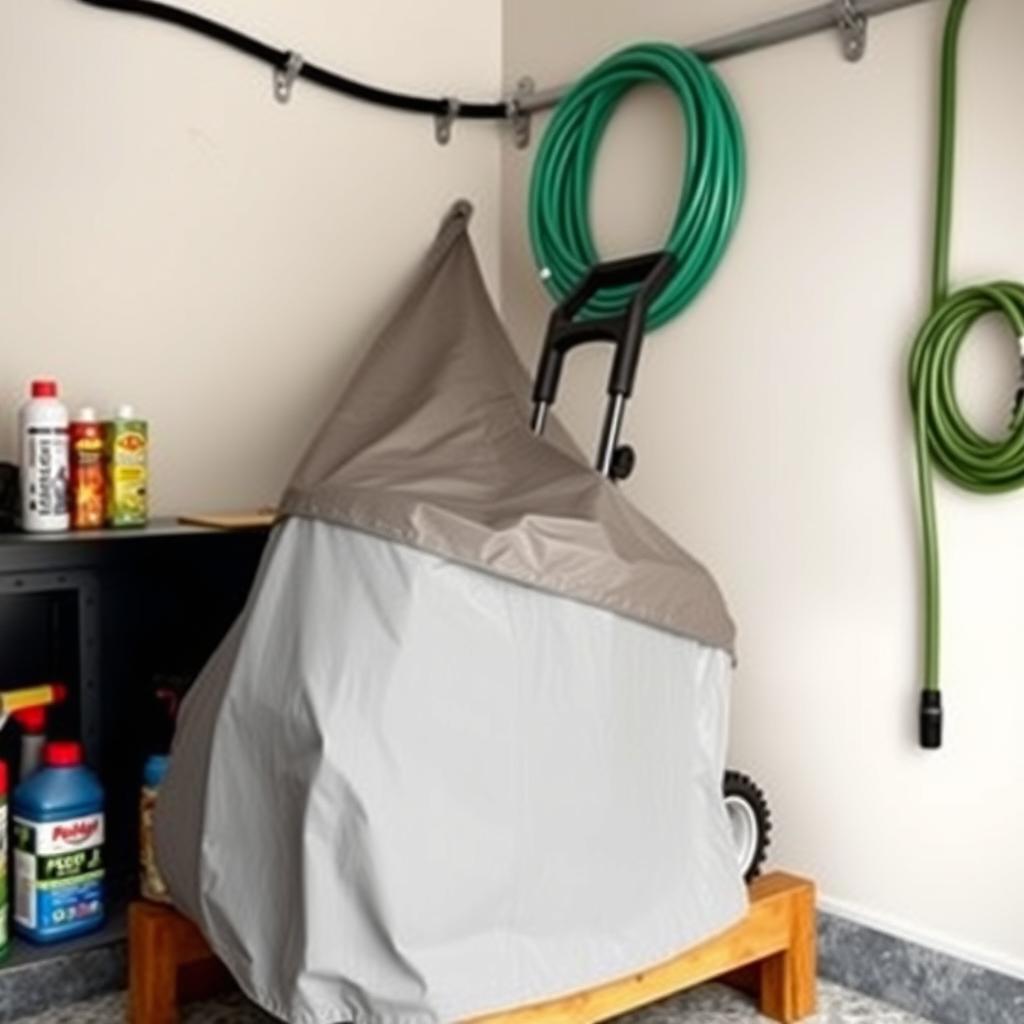
- Store in a dry place: Keep your power washer in a garage or shed to protect it from moisture and extreme temperatures.
- Cover it up: Use a breathable cover to shield the machine from dust without trapping moisture.
I learned this the hard way after leaving my power washer outside one winter. The pump cracked, and I had to replace it. Now, I store it indoors with a cover, and it’s still running strong after five years.
Troubleshooting Common Issues
Even with regular maintenance, power washers can act up. Here are solutions to common problems:
- Low pressure: Check for a clogged nozzle or a kinked hose. Also, ensure the water supply is adequate.
- Won’t start (gas models): Check the fuel level, spark plug, and air filter. Old fuel can also cause issues—drain and replace it.
- Leaking water: Inspect seals and O-rings in the pump and hoses. Replace worn parts promptly.
- Motor won’t run (electric models): Check the power cord and outlet. A tripped circuit breaker might be the culprit.
If you’re unsure about a repair, consult your manual or contact the manufacturer. For example, Briggs & Stratton offers detailed troubleshooting guides on their website (https://www.briggsandstratton.com). I’ve fixed minor leaks myself, but for pump issues, I call a professional to avoid further damage.
When to Replace Parts or Upgrade
Some parts, like nozzles and hoses, wear out faster than others. Replace nozzles every 1-2 years, depending on use. Hoses may last longer but should be replaced at the first sign of cracks. Pumps are the heart of power washers—repairing them can cost nearly as much as a new machine. If your pump fails after several years, consider upgrading to a newer model with better features, like adjustable pressure settings.
I upgraded my old gas model to an electric one for smaller jobs around the house. It’s quieter and easier to maintain, though I still keep my gas-powered beast for heavy-duty tasks.
Final Thoughts
Maintaining your power washer doesn’t take much time, but it makes a huge difference in performance and longevity. By following these power washer maintenance tips, you’ll keep your power tools in top shape, avoid costly repairs, and tackle every cleaning job with confidence. A little care goes a long way—trust me, your power washer will thank you!
Related power washer maintenance tips:
- Electric vs. Gas Power Washers: Which Is Right for You?
- Safety Tips for Using Power Washers Effectively: Expert Guide to Safe Cleaning
- Top 10 Power Tool Safety Tips for Safe and Effective Use
- Essential Workman Tools Every DIYer Should Have
- Choosing the Best Cordless Tools for Your Workshop: A Comprehensive Guide
- Features to Look for in a Workbench: Your Guide to Choosing the Perfect Setup
- How to Choose the Right Wrench for Your Project
- Advanced Power Tool Maintenance Techniques: The Ultimate Guide
- Workman Tools: A Guide to Maintenance and Care
- Tool Maintenance and Care Tips for Long-Lasting Workman Tools
- Mastering Tool Care: Tips for Longevity
- Advanced Tool Maintenance Techniques for Longevity and Performance