Overview
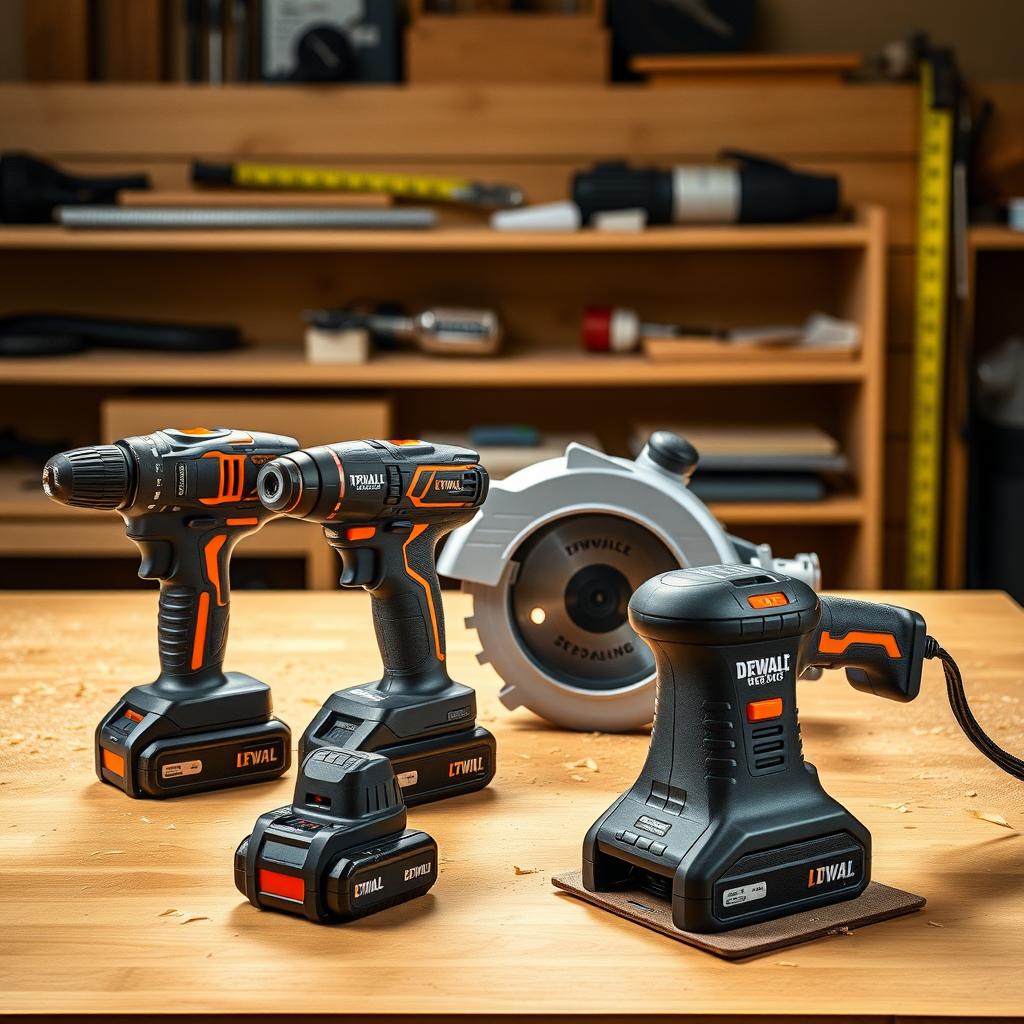
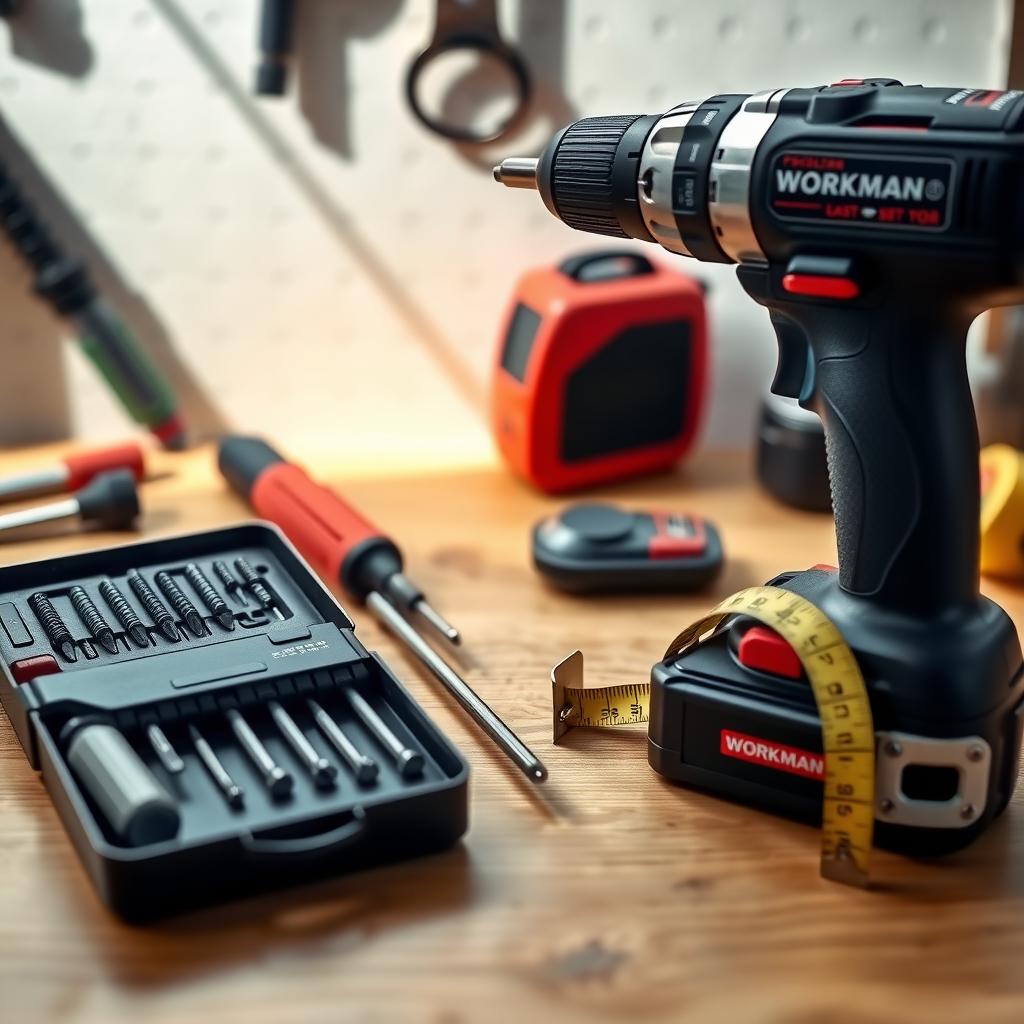
Power tools, like power drills for precision drilling, make tasks easier but come with risks. Following safety guidelines can prevent injuries and ensure efficient work. This article shares the Top 10 Power Tool Safety Tips inspired by OSHA’s power tool safety guidelines and personal insights from years of hands-on experience.
Why Power Tool Safety Matters
Power tools are a game-changer for DIY enthusiasts and professionals alike. From cutting wood to drilling precise holes, they save time and effort. But without proper care, a simple mistake can lead to serious injury. I’ve seen close calls—like a coworker nearly losing a finger to a misfired nail gun—because safety was overlooked. The Top 10 Power Tool Safety Tips below are designed to keep you safe and confident while using tools like power drills and saws.
1. Read the Manual Before You Start
Every power tool comes with a manual, and it’s not just for show. The manual explains how to use the tool safely, including specific warnings. For example, when I got my first power drill, I skipped the manual and jammed the bit because I didn’t know the clutch settings. Take 10 minutes to read the instructions—it’s time well spent.
2. Wear Proper Personal Protective Equipment (PPE)
Safety gear is non-negotiable. At a minimum, wear safety glasses to protect your eyes from debris. For louder tools like circular saws, add ear protection. Gloves can help with grip but avoid them with rotating tools like power drills to prevent entanglement. A dust mask is also a must when cutting or sanding materials that create fine particles.

3. Inspect Tools Before Use
Before plugging in any power tool, check it for damage. Look for frayed cords, cracked casings, or loose parts. Once, I noticed a wobbly blade on a circular saw just before starting a cut—if I hadn’t checked, it could’ve flown off. For power drills, ensure the chuck is secure and the bit isn’t worn out.
4. Keep Your Workspace Clear and Organized
A cluttered workspace invites accidents. Keep your area free of unnecessary tools, cords, and debris. When drilling, make sure the material is clamped down securely. I learned this the hard way when a loose board spun while I was using a power drill for precision drilling, nearly twisting my wrist.
5. Use the Right Tool for the Job
Don’t force a tool to do something it’s not designed for. For instance, using a power drill to cut metal when a grinder is needed can overheat the motor or break the bit. Always match the tool to the task, and double-check the tool’s capacity in the manual.
| Tool | Best Use | Safety Tip |
|---|---|---|
| Power Drill | Precision drilling, screw driving | Use the correct bit size and type |
| Circular Saw | Cutting wood, plywood | Keep blade guard in place |
| Angle Grinder | Cutting, grinding metal | Wear a face shield for sparks |
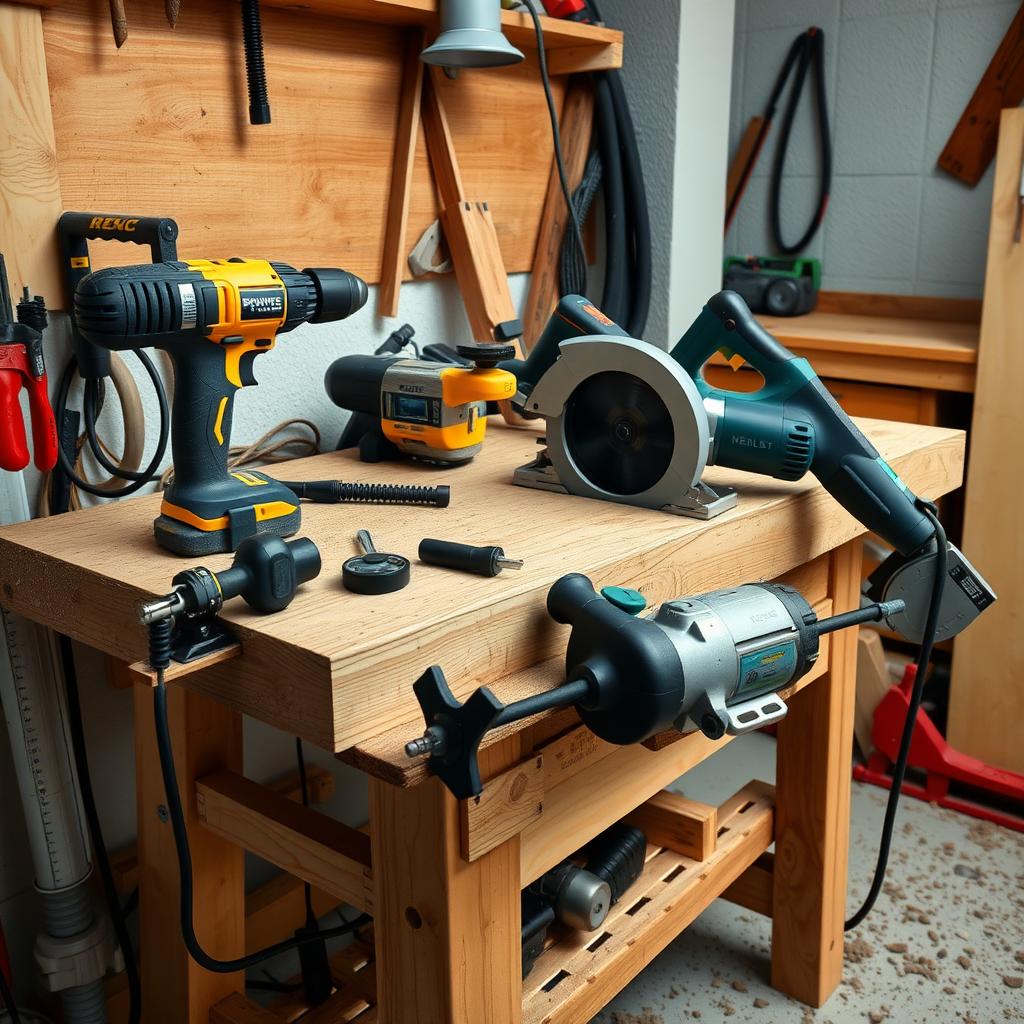
6. Maintain a Firm Grip and Proper Stance
Hold power tools with both hands when possible, especially for heavy tools like power drills or saws. Stand with your feet shoulder-width apart for balance. I once lost control of a drill because I was leaning too far forward, and the bit caught, jerking the tool out of my hand. A steady stance prevents mishaps.
7. Disconnect Power When Not in Use
Never leave a power tool plugged in when you’re not using it, especially during bit or blade changes. Unplugging prevents accidental starts. According to OSHA, many injuries occur when tools are accidentally activated during maintenance.
8. Avoid Loose Clothing and Jewelry
Loose sleeves, necklaces, or long hair can get caught in moving parts. I’ve seen a coworker’s shirt get tangled in a grinder, and it was a scary moment. Tie back hair, remove jewelry, and wear fitted clothing to stay safe while operating power tools.
9. Stay Focused and Avoid Distractions
Power tools demand your full attention. Don’t use them when you’re tired or distracted. One time, I was drilling while chatting on the phone, and I nearly drilled into the wrong spot, ruining the piece. Turn off your phone or music and focus on the task.
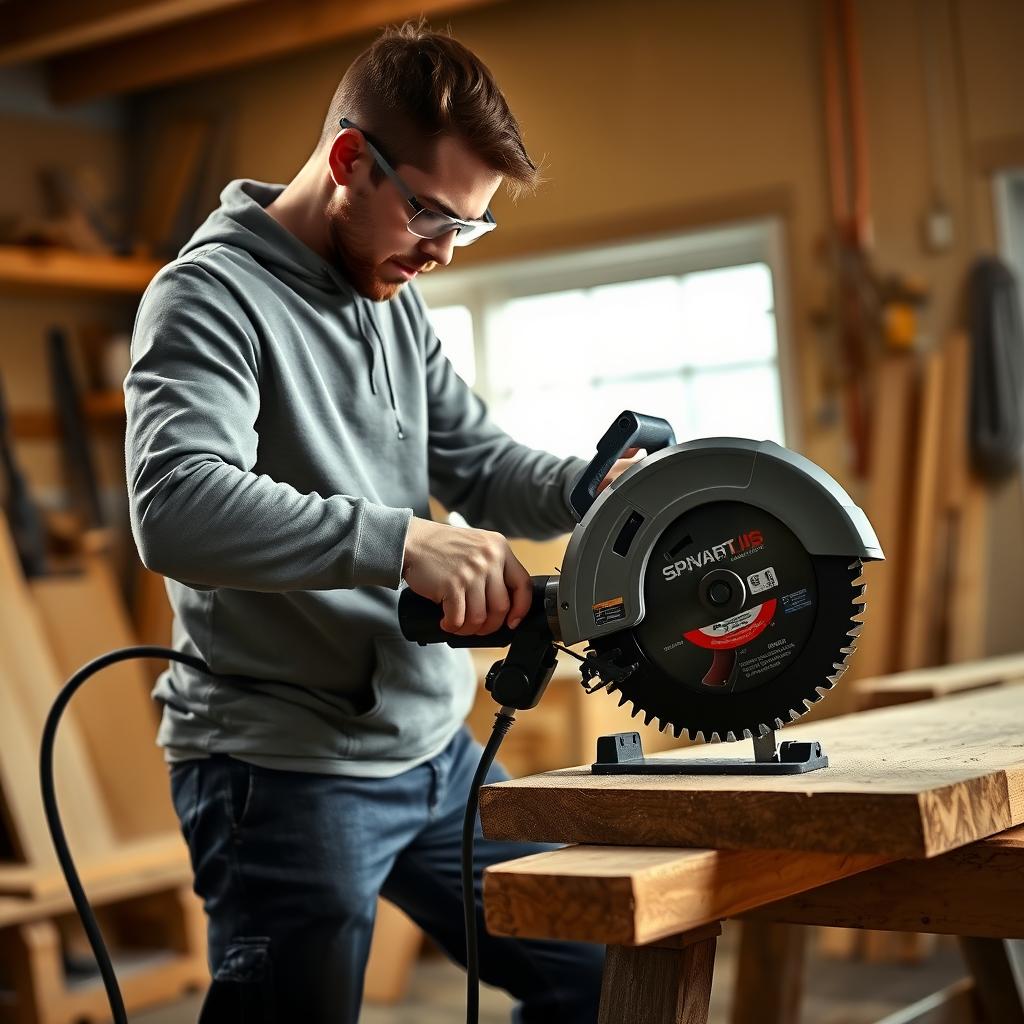
10. Store Tools Properly
When you’re done, store power tools in a dry, secure place. Use cases or racks to prevent damage and keep them out of reach of kids. After a long day, it’s tempting to leave tools lying around, but proper storage extends their life and reduces risks.
Additional Tips for Power Drills
Power drills for precision drilling require extra care. Always use the correct bit for the material—wood, metal, or masonry bits aren’t interchangeable. Also, don’t apply too much pressure; let the drill do the work. If the bit binds, stop immediately to avoid overheating or breaking the tool.
Common Mistakes to Avoid
- Ignoring PPE: Skipping safety glasses or gloves can lead to preventable injuries.
- Using damaged tools: A cracked cord or dull blade increases risks.
- Rushing the job: Hurrying leads to mistakes, especially with precision tasks.
- Improper storage: Leaving tools exposed to moisture can cause rust or electrical issues.
Summary
Using power tools safely is about preparation, awareness, and respect for the equipment. By following these Top 10 Power Tool Safety Tips, you can avoid accidents and work more efficiently. Whether you’re using power drills for precision drilling or other power tools, prioritize safety every time. For more details, check OSHA’s power tool safety guidelines.
Related Top 10 Power Tool Safety Tips - https://www.osha.gov/power-tools/safety:
- Essential Workman Tools Every DIYer Should Have
- Choosing the Best Cordless Tools for Your Workshop: A Comprehensive Guide
- Features to Look for in a Workbench: Your Guide to Choosing the Perfect Setup
- How to Choose the Right Wrench for Your Project
- Advanced Power Tool Maintenance Techniques: The Ultimate Guide
- Workman Tools: A Guide to Maintenance and Care
- Tool Maintenance and Care Tips for Long-Lasting Workman Tools
- Mastering Tool Care: Tips for Longevity
- Advanced Tool Maintenance Techniques for Longevity and Performance
- How to Choose the Right Power Washer for Your Needs
- Types of Hammers for Different Projects: Choosing the Right Tool
- Essential Safety Tips for Electrical Work: A Comprehensive Guide