Overview
Choosing the right wrench can make or break your project. Whether you're tightening bolts on a car or assembling furniture, the right tool ensures efficiency and safety. This guide, How to Choose the Right Wrench for Your Project, walks you through types, sizes, and tips for success.
Why the Right Wrench Matters
I’ve been there—grabbing the wrong wrench and struggling with a bolt that just won’t budge. Using the wrong tool wastes time, risks damage to your materials, and can even lead to injury. A wrench that fits your task saves effort and delivers better results. Let’s dive into Mastering Wrenches: A DIYer’s Guide to understand your options.
Types of Wrenches
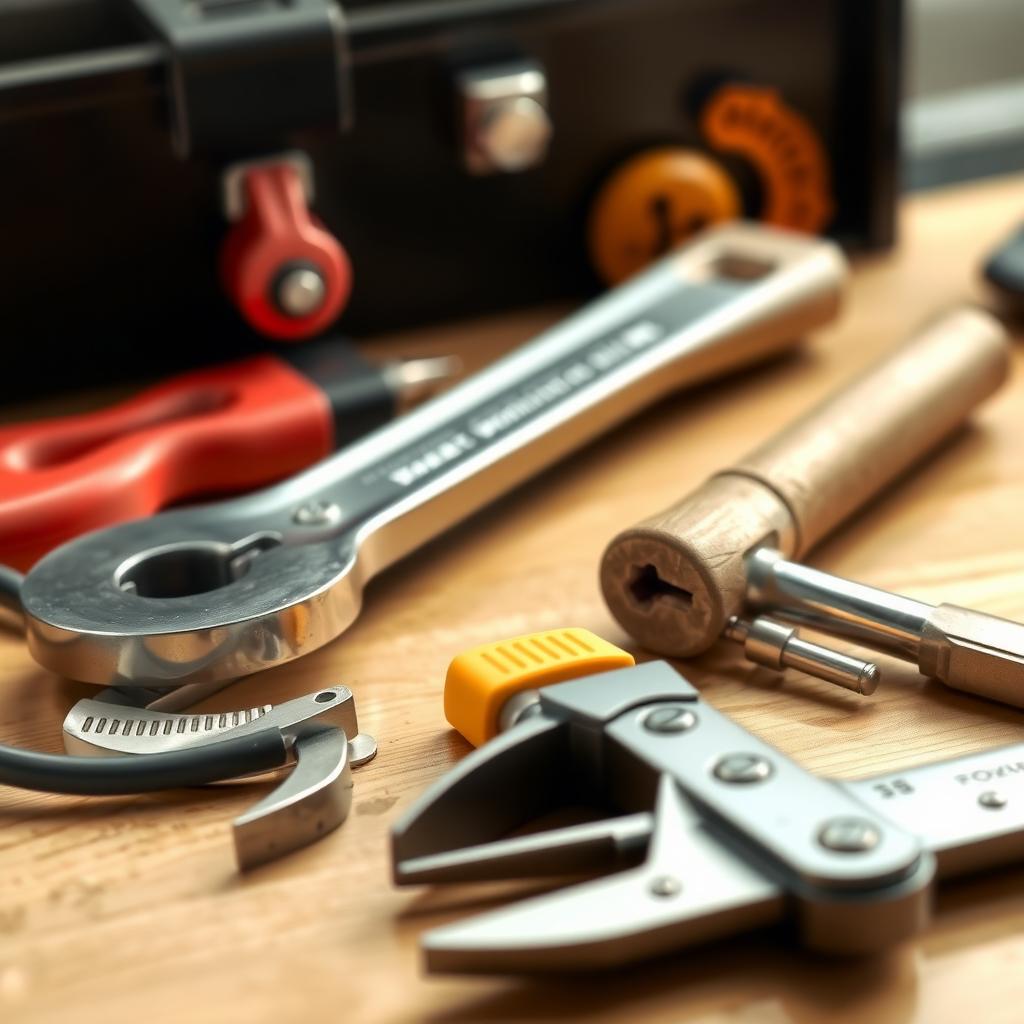
Wrenches come in various shapes and sizes, each designed for specific tasks. Knowing the differences helps you pick the right one. Here’s a breakdown of the most common types:
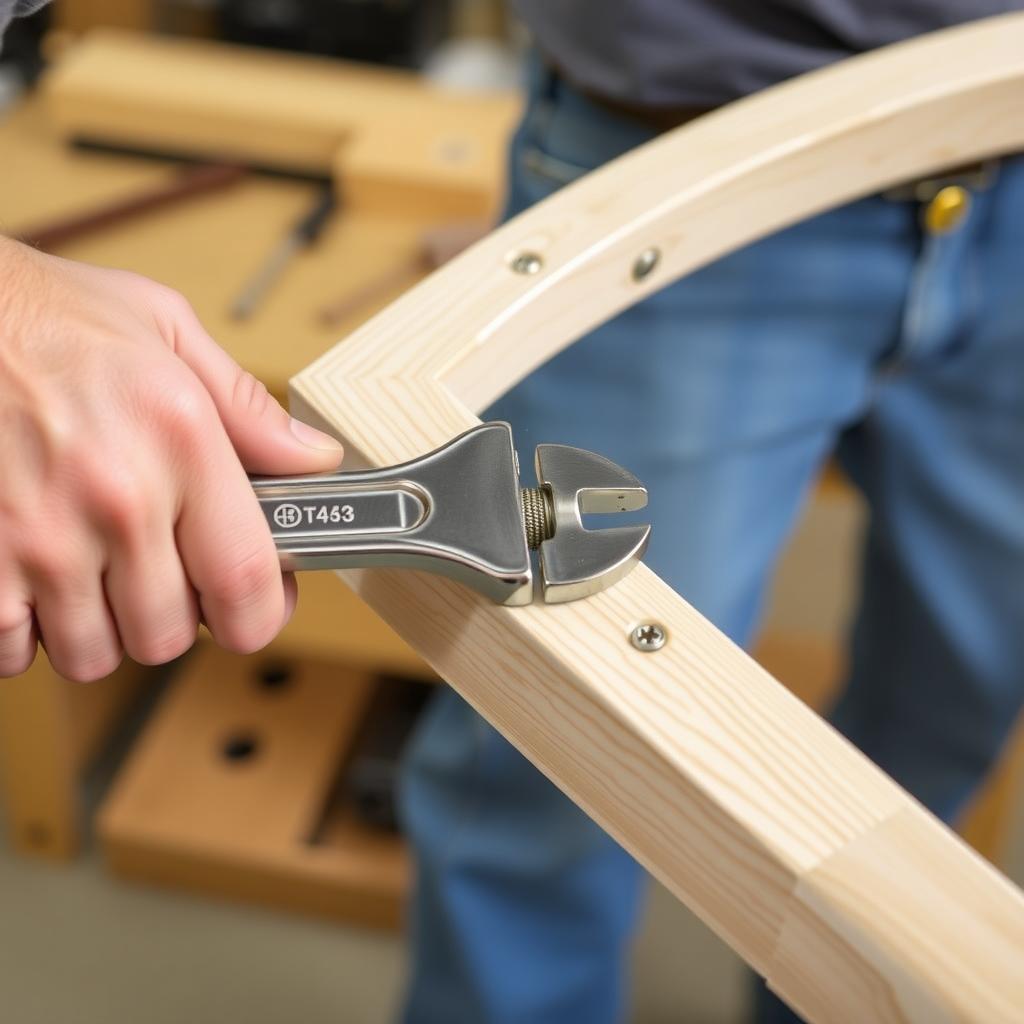
- Adjustable Wrench: Also called a crescent wrench, this versatile tool adjusts to fit different bolt sizes. It’s great for general tasks but may slip if not set properly.
- Combination Wrench: With an open end and a box end, it’s ideal for tight spaces and stubborn bolts.
- Socket Wrench: Perfect for automotive work, it uses interchangeable sockets for precise fits.
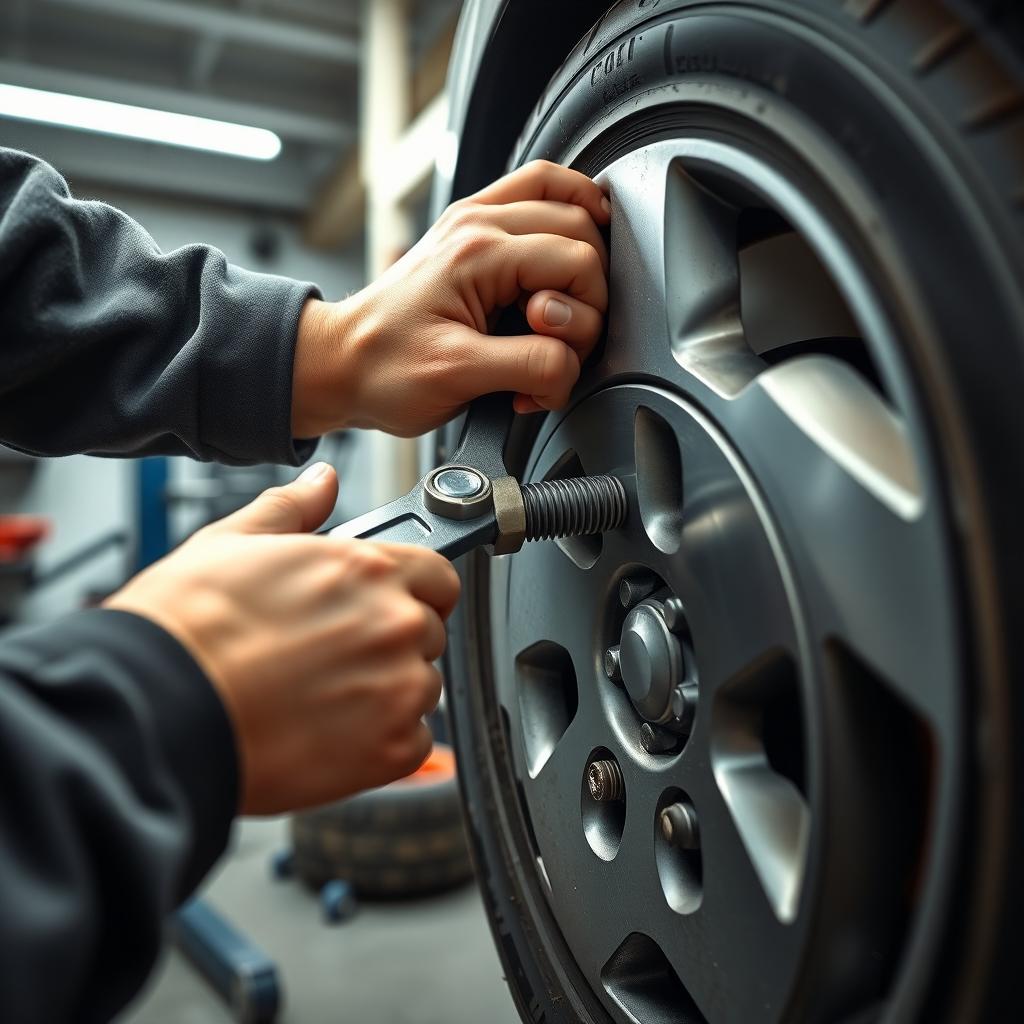
- Torque Wrench: Delivers specific torque for bolts that need exact tension, like on car wheels.
- Pipe Wrench: Built for plumbing, it grips round objects like pipes but isn’t great for delicate tasks.
Choosing the Right Size
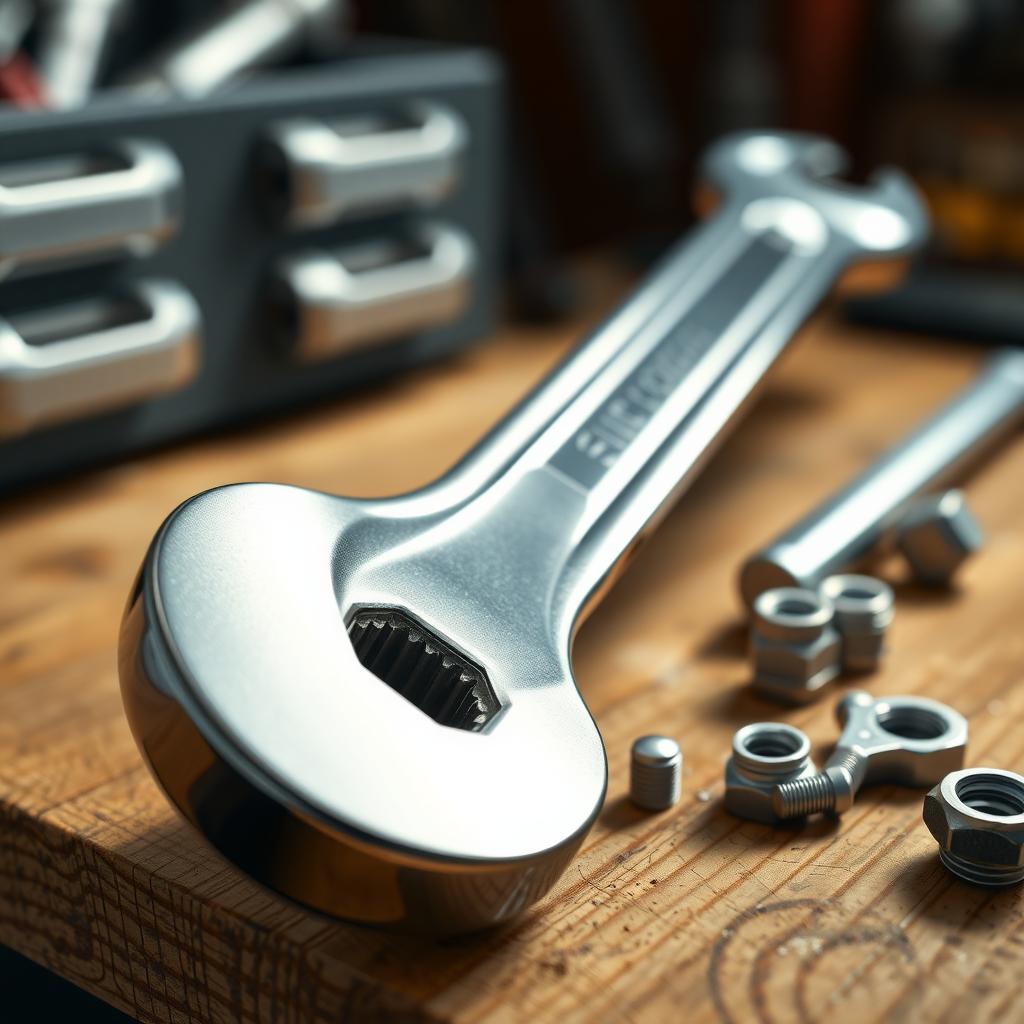
Size matters when it comes to wrenches. A wrench that’s too big or small can strip bolts or fail to grip. Most wrenches are labeled in metric (millimeters) or imperial (inches) measurements. Always match the wrench size to the fastener. For example, a 10mm bolt needs a 10mm wrench. If you’re unsure, a caliper can measure the fastener accurately.
For adjustable wrenches, tighten the jaw until it snugly fits the bolt. I once overtightened an adjustable wrench and rounded off a bolt head—lesson learned! Double-check the fit before applying force.
Material and Build Quality
Wrenches are typically made of chrome-vanadium steel for durability. Cheaper ones might be plain steel, which can bend under heavy use. Look for a polished or satin finish to resist rust. I’ve found that investing in a quality wrench set, like those from reputable brands, pays off in the long run.
When to Use Each Wrench
Here’s a quick guide to match wrenches to tasks: | Task | Recommended Wrench | |------|--------------------| | Automotive repairs | Socket or torque wrench | | Plumbing | Pipe wrench | | Furniture assembly | Adjustable or combination wrench | | Precision tasks | Torque wrench | | General DIY | Combination or adjustable wrench |
For example, when I rebuilt my bike’s crankset, a torque wrench was essential to avoid overtightening delicate components. Using the wrong wrench can damage parts or make them unsafe.
Safety Gear Essentials for DIYers
Safety comes first. When using wrenches, protect yourself with these essentials: - Work Gloves: Prevent blisters and improve grip. - Safety Glasses: Protect eyes from debris or slipping tools. - Steel-Toe Boots: Guard against dropped tools or heavy parts. I learned this the hard way when a wrench slipped, and I nearly smashed my foot. Proper gear makes all the difference.
How to Use Wrenches Safely
Using wrenches safely prevents injuries and tool damage. Follow these tips: 1. Check the Fit: Ensure the wrench fits the fastener snugly. 2. Pull, Don’t Push: Pulling a wrench reduces the risk of slipping. 3. Avoid Extensions: Don’t add pipes to increase leverage; it can break the wrench. 4. Inspect Tools: Look for cracks or wear before use. 5. Use Both Hands: For heavy tasks, use one hand to guide and the other to apply force.
I once pushed a wrench instead of pulling and ended up with a bruised knuckle. Since then, I always pull and keep my workspace clear to avoid mishaps.
Adjustable vs. Fixed Wrenches
Adjustable wrenches are handy for their versatility, but fixed wrenches like combination or socket wrenches offer better precision. For occasional DIYers, an adjustable wrench might suffice. But if you’re tackling frequent projects, invest in a set of fixed wrenches for reliability.
Metric vs. Imperial Wrenches
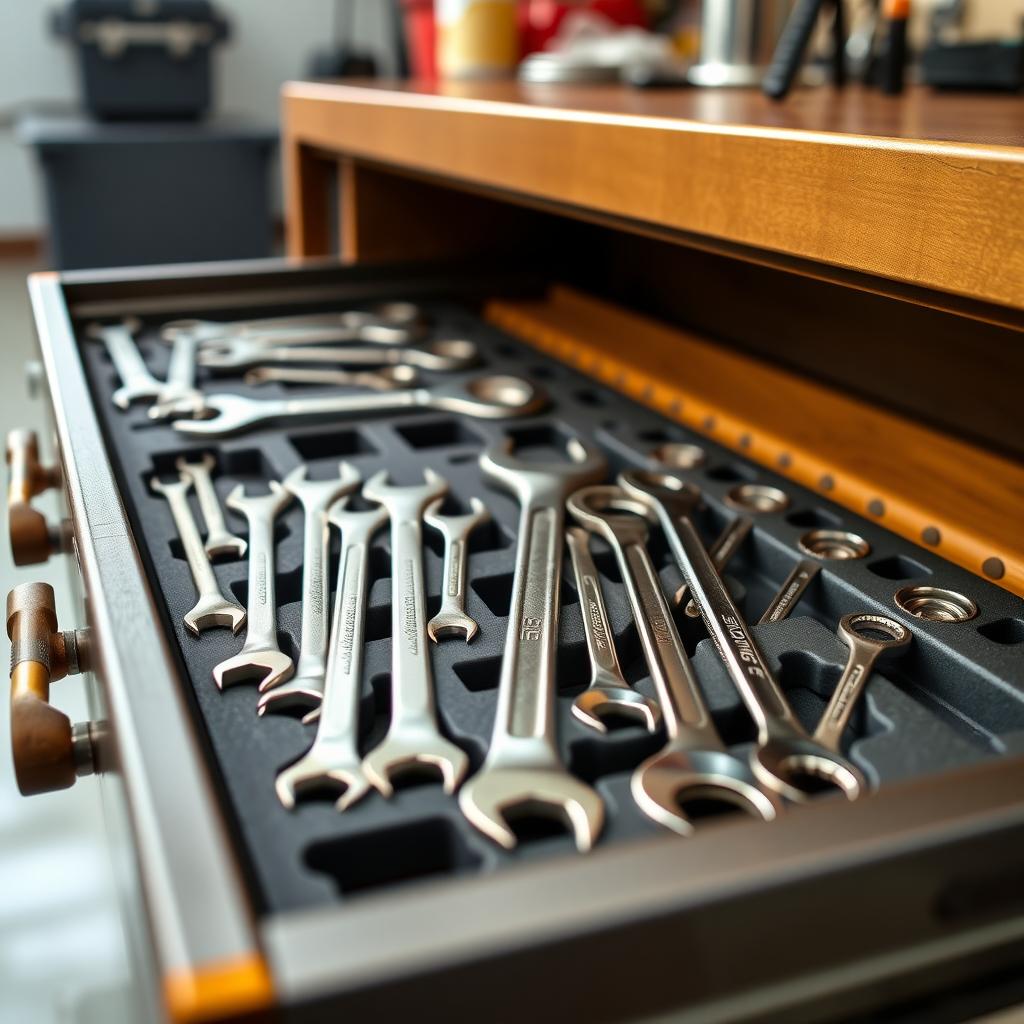
Projects may require metric or imperial wrenches, depending on the equipment. Cars from Europe or Asia often use metric fasteners, while older American models may use imperial. Keep both sets on hand to avoid frustration. A good tip is to label your toolbox drawers to quickly grab the right system.
Tips for Beginners
If you’re new to DIY, start with a basic wrench set. A combination wrench set (8mm-19mm or 1/4 inch to 3/4 inch) and an adjustable wrench cover most tasks. Practice on small projects, like tightening loose furniture bolts, to build confidence. Watch tutorials on platforms like YouTube for visual guidance—seeing someone use a torque wrench properly helped me understand its click mechanism.
Common Mistakes to Avoid
- Using the Wrong Size: Always measure the fastener.
- Over-Tightening: This can strip threads or break bolts.
- Skipping Safety Gear: Protect yourself every time.
- Buying Cheap Tools: Low-quality wrenches wear out fast. I’ve made these mistakes and learned that patience and preparation save time and money.
Where to Buy Quality Wrenches
Look for trusted brands at hardware stores or online retailers. Websites like The Home Depot or Amazon offer reliable options. Compare reviews and check for warranties. Local tool shops sometimes have deals on quality sets, too.
Caring for Your Wrenches
To keep wrenches in top shape: - Clean them after use to remove grease or dirt. - Store in a dry toolbox to prevent rust. - Avoid dropping or overloading them. I make it a habit to wipe down my tools and store them in foam cutouts—it’s satisfying and extends their life.
Summary
Choosing the right wrench involves understanding your project, matching the tool to the fastener, and prioritizing safety. From adjustable to torque wrenches, each has a purpose. Invest in quality tools, use them safely, and maintain them well. With these tips from Mastering Wrenches: A DIYer’s Guide, you’ll tackle any project with confidence.
Related How to Choose the Right Wrench for Your Project:
- Essential Safety Tips for DIY Projects: Stay Protected While You Build
- Advanced Power Tool Maintenance Techniques: The Ultimate Guide
- Workman Tools: A Guide to Maintenance and Care
- Tool Maintenance and Care Tips for Long-Lasting Workman Tools
- Mastering Tool Care: Tips for Longevity
- Advanced Tool Maintenance Techniques for Longevity and Performance
- How to Choose the Right Power Washer for Your Needs
- Types of Hammers for Different Projects: Choosing the Right Tool
- Essential Safety Tips for Electrical Work: A Comprehensive Guide
- Ergonomic Tips for Woodworkers: Crafting Comfortably and Safely
- The Beginner's Guide to Essential Tools for Your First DIY Project
- Comprehensive Guide to Electrical Tools: Must-Haves for Every Workman