Overview
Electrical work demands precision, safety, and the right tools. This comprehensive guide to electrical tools covers everything from basic hand tools to advanced testing equipment, helping workmen and DIYers tackle projects confidently. Whether you're wiring a home or troubleshooting circuits, these tools are essential for success.
Why Electrical Tools Matter
Electrical work is both an art and a science. The right tools make tasks safer, faster, and more precise. Without them, even simple jobs like installing a light fixture can become dangerous or inefficient. Quality electrical tools are designed to handle specific tasks, ensuring you avoid costly mistakes or safety hazards.
I’ve spent years working on home wiring projects and assisting electricians, and I’ve learned that investing in reliable workman tools pays off. From stripping wires to testing voltage, each tool has a purpose that contributes to a job well done.
Essential Hand Tools for Electrical Work
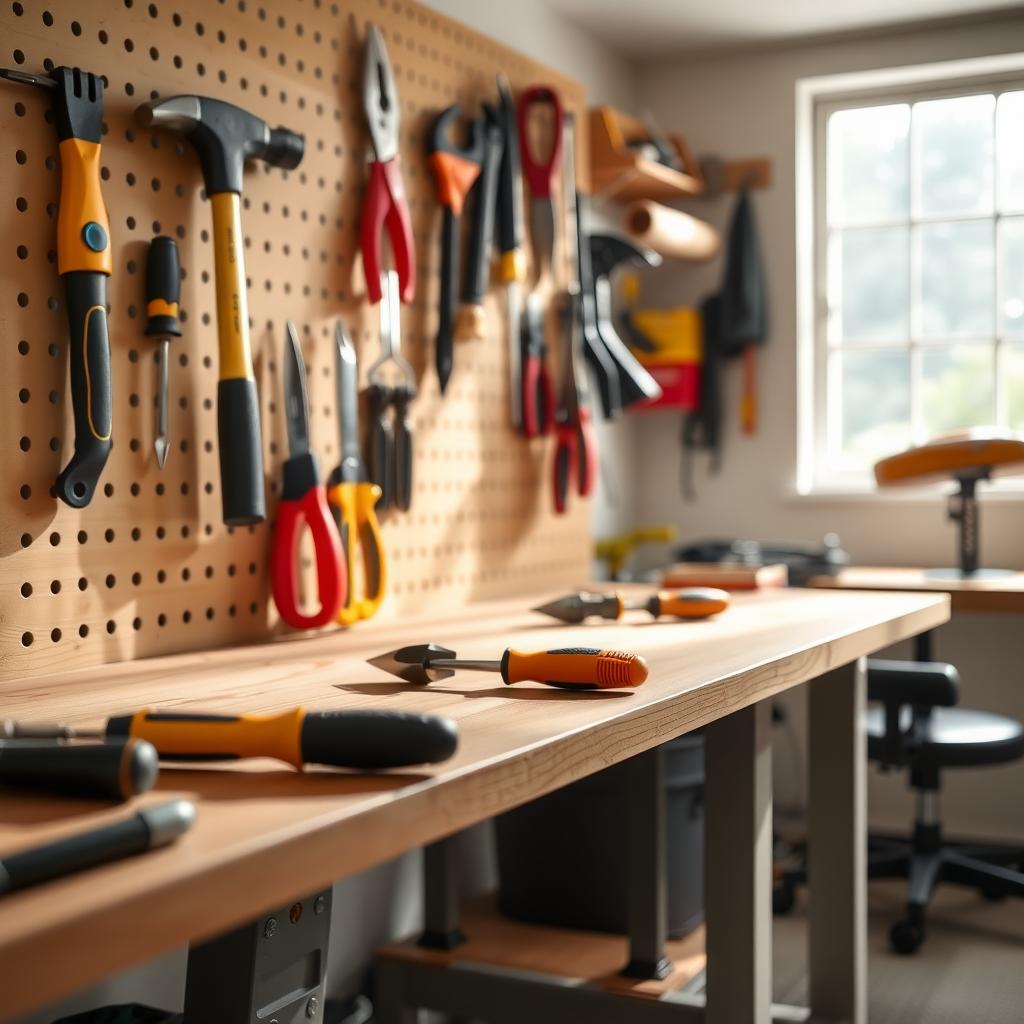
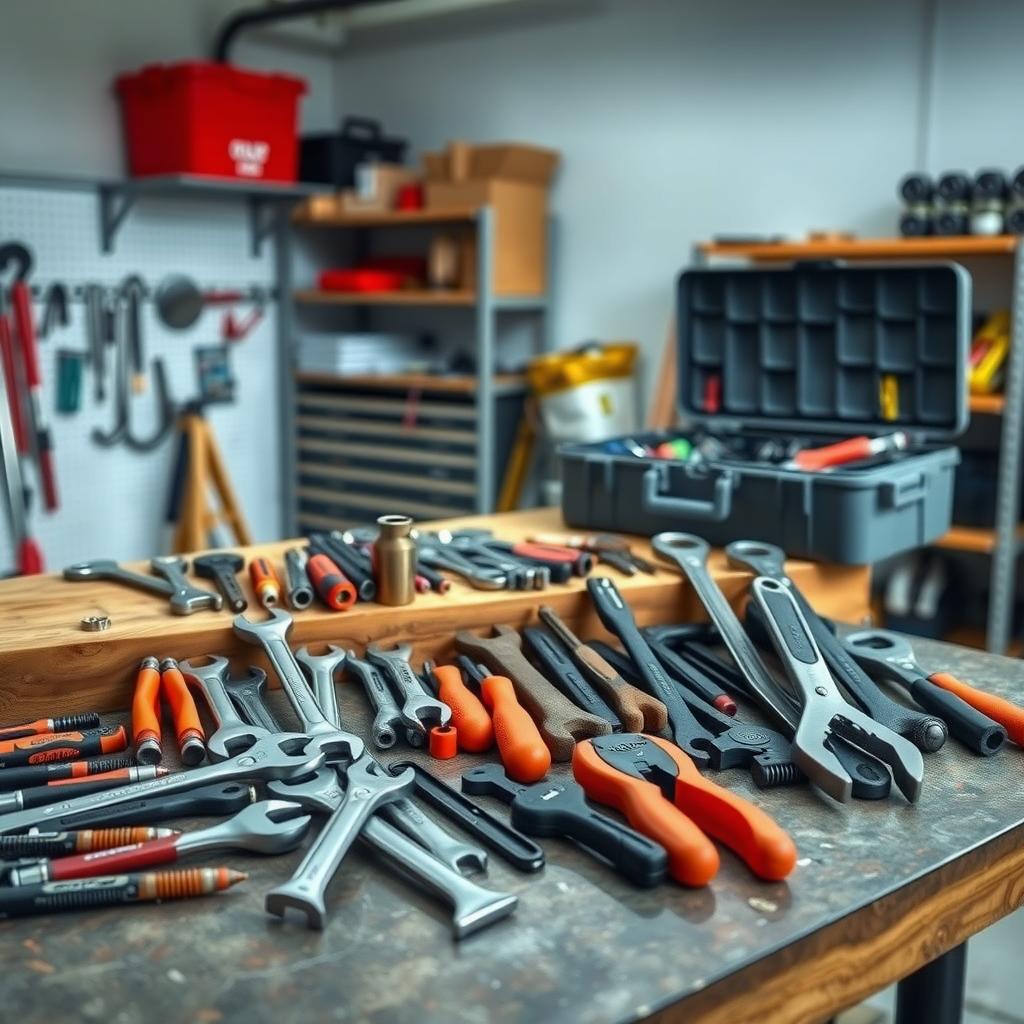
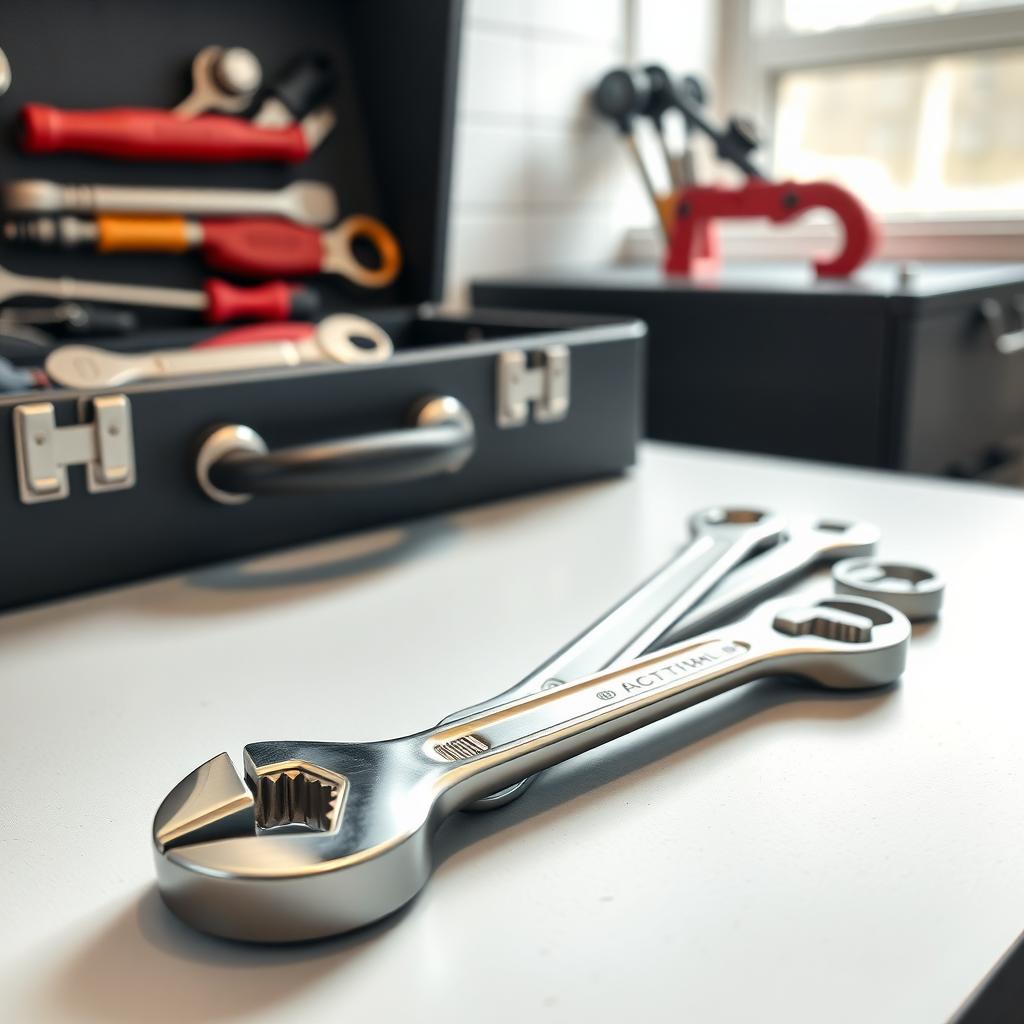
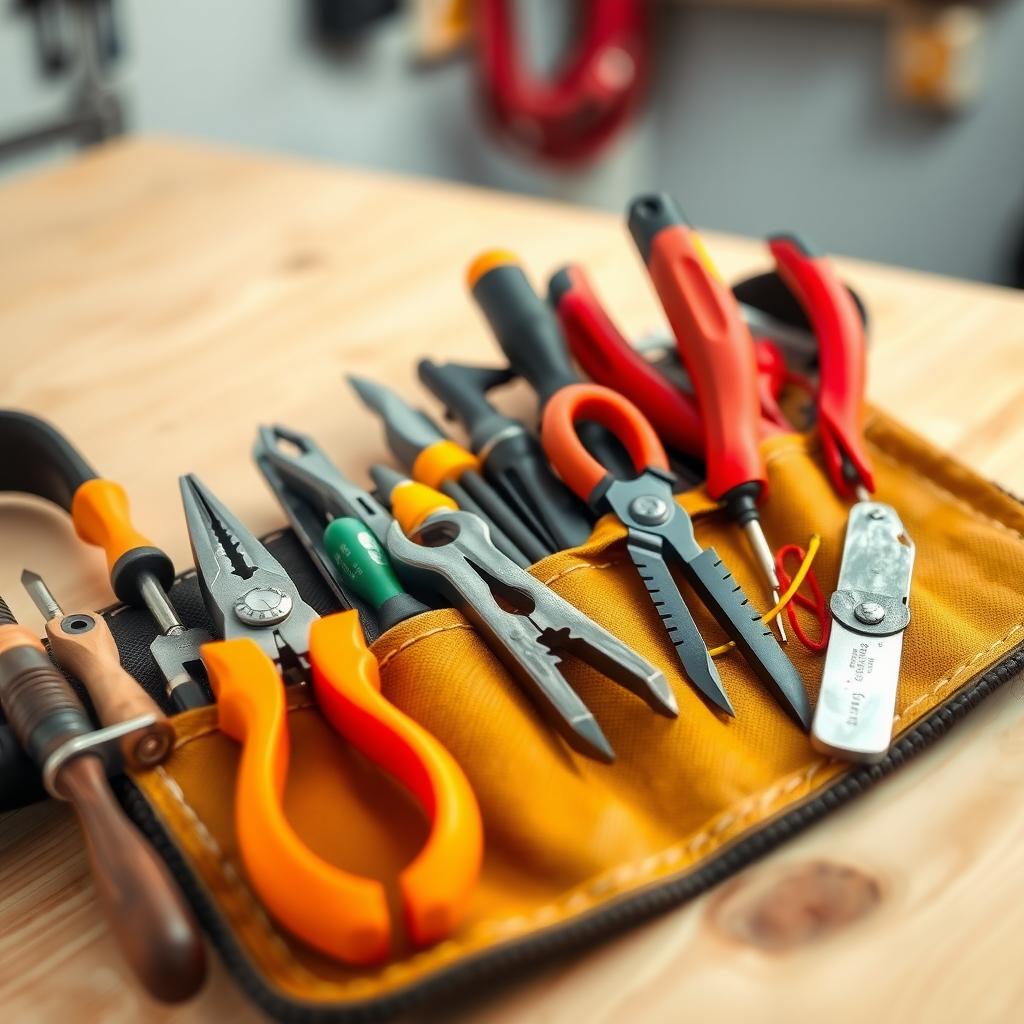
Every electrician’s toolbox starts with hand tools. These are the backbone of any electrical project, offering versatility and reliability.
Screwdrivers
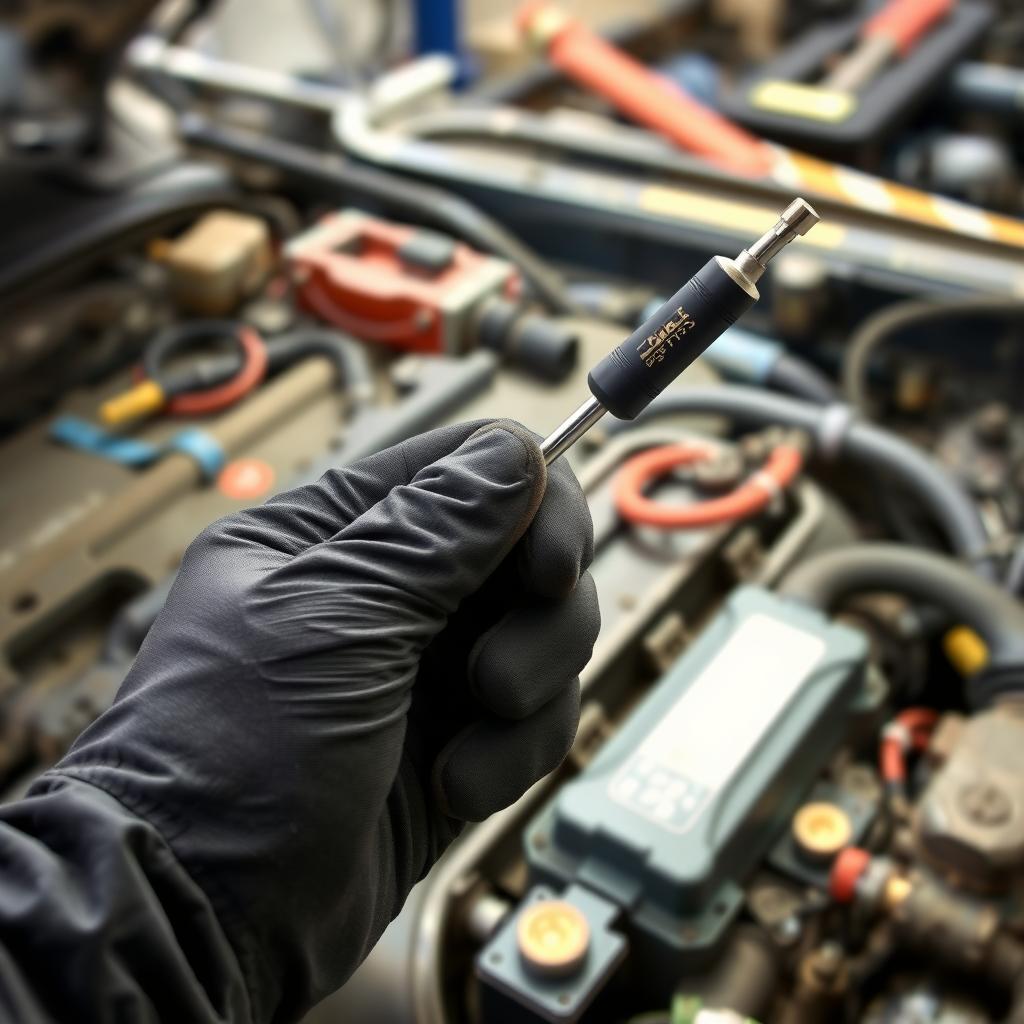
Insulated screwdrivers are a must for electrical work. They protect against accidental shocks when working with live circuits. A set with both flathead and Phillips heads covers most needs. Look for screwdrivers with ergonomic grips for comfort during long projects.
Pliers
Needle-nose pliers are perfect for precision tasks like bending wires or holding small components. Lineman’s pliers, with their sturdy build, are great for cutting and twisting wires. Always choose pliers with insulated handles for safety.
Wire Strippers
Wire strippers remove insulation without damaging the conductor. Models with adjustable gauges handle various wire sizes, making them indispensable for any wiring job.
Utility Knife
A sharp utility knife cuts through insulation, tape, and cables cleanly. Retractable blades add safety and convenience.
Power Tools for Electrical Projects
While hand tools handle detailed work, power tools speed up larger tasks. Here are the essentials:
Electric Drill
Drills make quick work of installing electrical boxes or running cables through studs. Choose a cordless model with variable speeds for versatility. A ½-inch chuck size handles most bits you’ll need.
Reciprocating Saw
For cutting through drywall or conduit, a reciprocating saw is a game-changer. It’s especially useful during renovations when you need to access existing wiring.
Cable Ripper
This specialized tool splits the outer sheath of non-metallic cables without damaging the inner wires, saving time on larger wiring jobs.
When I helped rewire a friend’s old house, a cordless drill and cable ripper made the process much smoother. We finished the job in half the time it would’ve taken with manual tools.
Testing and Measuring Tools
Electrical work requires precision, and testing tools ensure safety and accuracy.
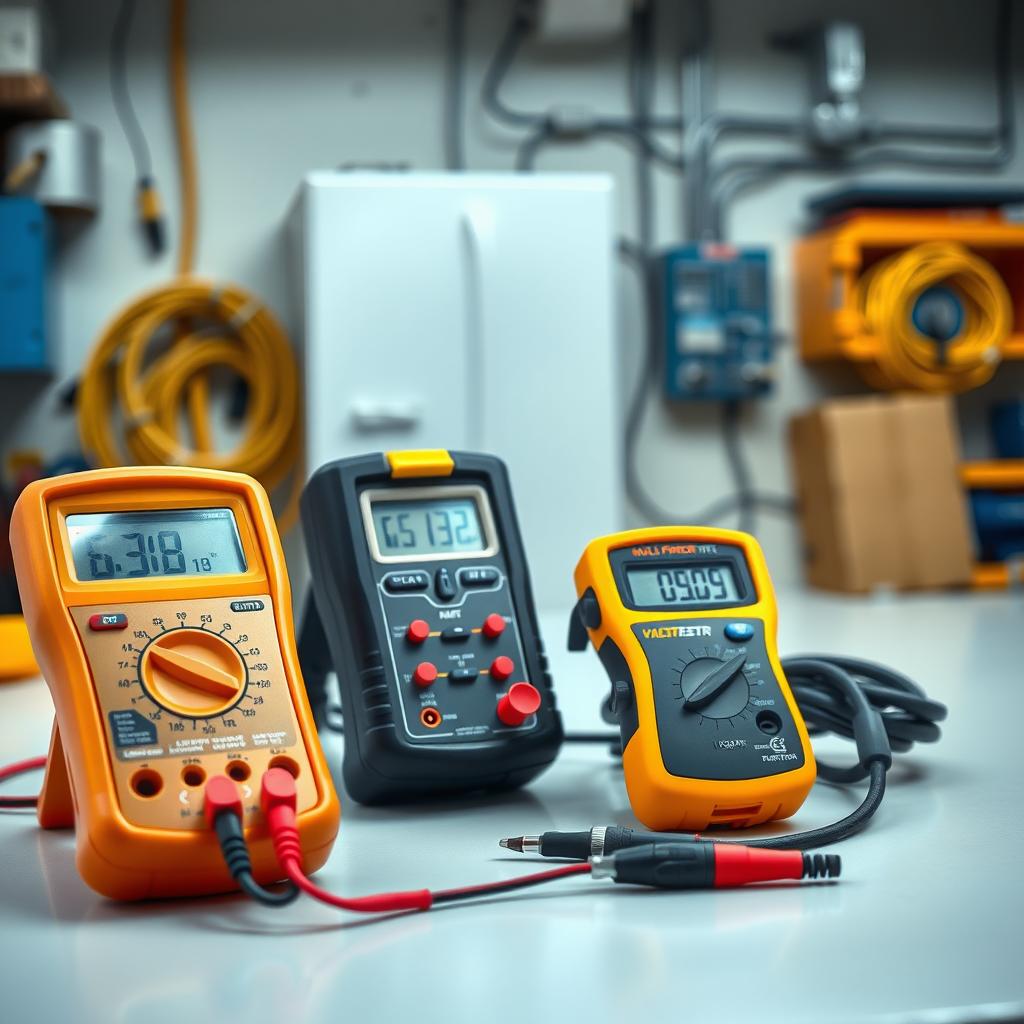
Multimeter
A multimeter measures voltage, current, and resistance, making it critical for diagnosing issues. Digital models are user-friendly and provide clear readings. According to OSHA’s electrical safety guidelines, testing equipment like multimeters can prevent accidents by confirming circuits are de-energized.
Non-Contact Voltage Tester
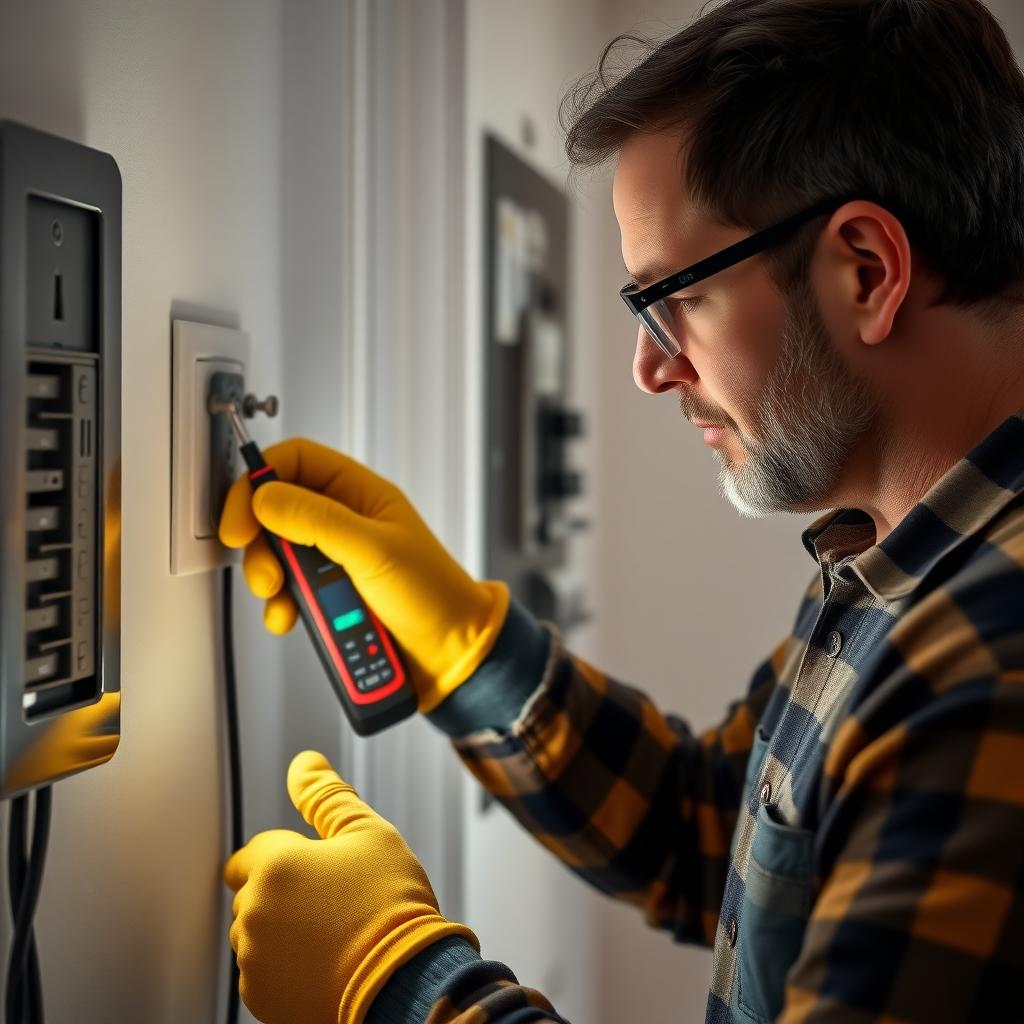
This tool detects live wires without direct contact, offering a quick way to check for power before starting work. It’s a lifesaver for avoiding shocks.
Circuit Finder
Circuit finders identify which breaker controls a specific outlet or fixture, streamlining troubleshooting. I once spent hours tracing a circuit manually before investing in a circuit finder—it’s now a staple in my kit.
Safety Gear: Non-Negotiable Tools
Safety is paramount in electrical work. The right gear protects you from shocks, burns, and other hazards.
Insulated Gloves
Rated for electrical work, insulated gloves are essential when working near live circuits. Check for certifications like those from the National Fire Protection Association (NFPA) to ensure quality.
Safety Glasses
Sparks or debris can fly during cutting or drilling. Safety glasses with side shields offer full protection.
Flame-Resistant Clothing
For high-voltage jobs, flame-resistant shirts or jackets reduce burn risks. They’re a worthwhile investment for professionals.
I learned the importance of safety gear the hard way when a small spark caught me off guard during a wiring job. Since then, I never skip gloves or glasses.
Specialty Tools for Advanced Tasks
For complex projects, specialty electrical tools make a big difference.
Fish Tape
Fish tape pulls wires through walls or conduits. It’s a must for installing new circuits in finished spaces.
Conduit Bender
For metal conduit installations, a conduit bender creates precise angles, ensuring clean and professional results.
Crimping Tool
Crimping tools secure connectors to wires, creating reliable connections for grounding or low-voltage systems.
These tools shine in larger projects. For example, when running new wiring through a basement, fish tape saved me hours of frustration navigating tight spaces.
Choosing the Right Tools: Tips for Workmen
Building a toolkit can feel overwhelming, but these tips help:
- Prioritize Quality: Cheap tools wear out quickly and can be unsafe. Brands like Klein Tools or Fluke are trusted for durability.
- Match Tools to Tasks: Don’t buy advanced tools like conduit benders for simple home repairs. Start with versatile basics.
- Maintain Your Tools: Clean and store tools properly to extend their life. A rusty wire stripper is no one’s friend.
- Invest in Training: Tools are only as good as the person using them. Resources like Purdue University’s electrical safety training can teach proper techniques.
When I started, I wasted money on low-quality tools that broke mid-project. Investing in reputable brands saved me time and frustration in the long run.
Common Mistakes to Avoid
Even with the best workman tools, mistakes happen. Here’s how to avoid them:
| Mistake | Solution |
|---|---|
| Working on live circuits | Always use a non-contact voltage tester to confirm power is off. |
| Using damaged tools | Inspect tools before use and replace any with cracked insulation. |
| Ignoring safety gear | Wear insulated gloves and safety glasses every time. |
| Overloading circuits | Use a multimeter to check loads before connecting devices. |
These lessons came from trial and error. Once, I skipped testing a circuit and got a mild shock—never again.
Summary
This comprehensive guide to electrical tools highlights the essentials for safe and efficient electrical work. From screwdrivers to multimeters, each tool plays a critical role. Invest in quality, prioritize safety, and match tools to your projects. With the right electrical tools, any workman can tackle jobs with confidence.
Related comprehensive guide to electrical tools:
- Essential Safety Tips for Electrical Work: A Comprehensive Guide
- Advanced Electrical Testing Techniques: A Comprehensive Guide
- Essential Workman Tools for Home Renovations: Your Ultimate Guide
- Ergonomics Beyond Tools: A Workshop Guide for Comfort and Efficiency
- The Ultimate Guide to Workman Tools for Automotive Repair
- Revolutionizing Home Painting: How AI-Powered Tools Boost Efficiency
- Decluttering Your Life: Tips for a More Organized Home and Mind
- How to Organize Your Toolbox Like a Pro
- Essential Workman Tools for Every DIY Enthusiast
- Essential Screwdrivers for Mechanics: Your Guide to the Best Workman Tools
- Troubleshooting Electrical Problems Made Easy: A Comprehensive Guide
- How to Choose the Best Toolbox for Your Needs