Overview: Why Screwdrivers Matter for Mechanics
Screwdrivers are the unsung heroes of a mechanic’s toolbox. Whether you’re tightening a bolt on a car engine or assembling intricate parts, these workman tools are indispensable. This guide dives into the essential screwdrivers for mechanics, offering insights from years of hands-on experience to help you choose tools that last and perform.
The Role of Screwdrivers in Automotive Work
Mechanics rely on screwdrivers daily. From removing dashboard panels to securing battery terminals, these tools handle tasks that require precision and strength. A good screwdriver can make the difference between a quick fix and a stripped screw that halts your progress. Over the years, I’ve learned that investing in quality screwdrivers saves time and frustration. Cheap tools often bend or slip, costing more in the long run.
The best screwdrivers for mechanics are durable, ergonomic, and versatile. They need to withstand high torque, resist wear, and fit comfortably in your hand. With the rapid evolution of automotive technology, mechanics also need tools that adapt to various screw types and tight spaces. Let’s explore the must-have screwdrivers every mechanic should own.
Types of Essential Screwdrivers for Mechanics
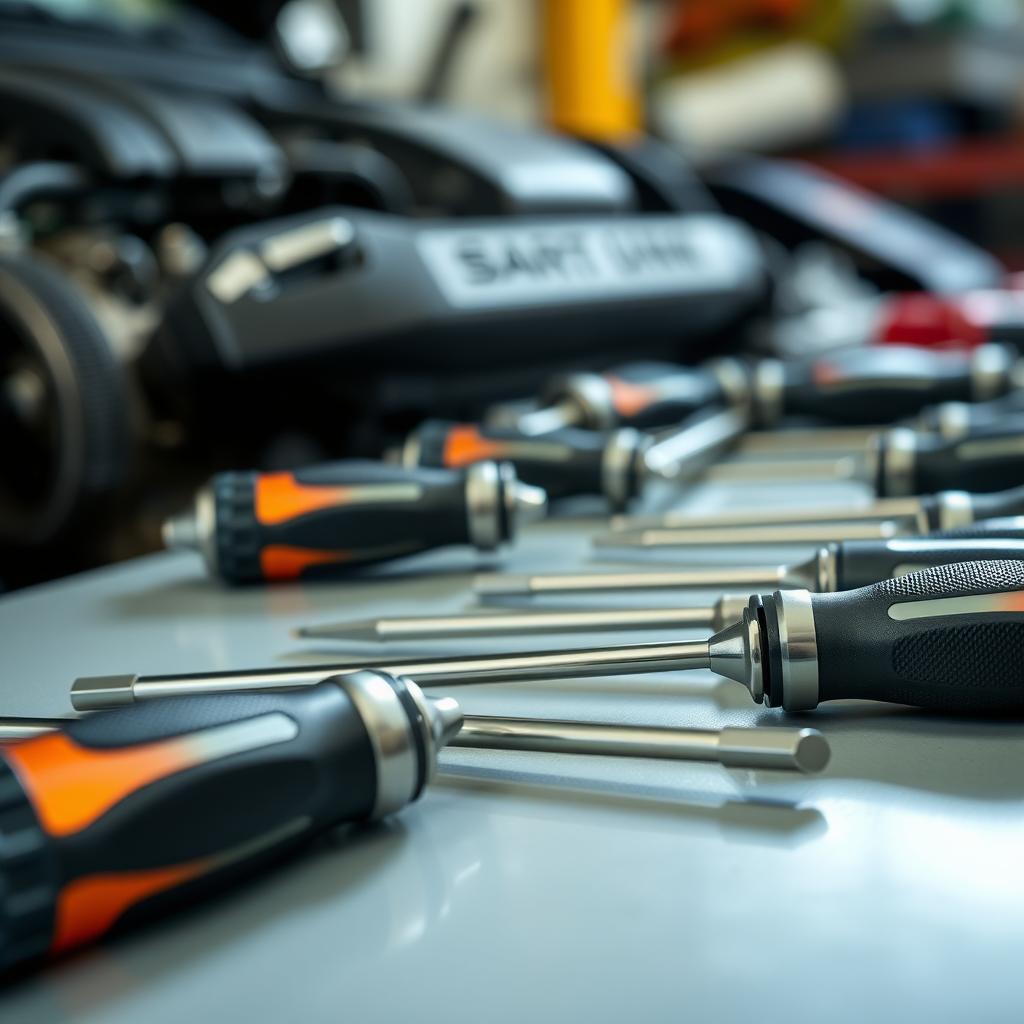
Not all screwdrivers are created equal. Here’s a breakdown of the key types mechanics need, based on their common applications in automotive work:
- Flathead Screwdrivers: These have a single, wedge-shaped tip for slotted screws. They’re ideal for older vehicles or basic tasks like removing hose clamps. However, they can slip if not sized correctly, so I always keep multiple sizes handy.
- Phillips Screwdrivers: With a cross-shaped tip, these are perfect for modern vehicles with Phillips screws. They provide better grip than flatheads, reducing the risk of cam-out (slipping out of the screw). I’ve found #2 and #3 sizes to be the most versatile.
- Torx Screwdrivers: Featuring a star-shaped tip, Torx drivers are increasingly common in automotive electronics and engine components. Sizes like T20 and T30 are staples in my kit for working on sensors or modules.
- JIS Screwdrivers: Japanese Industrial Standard screwdrivers are a must for Japanese vehicles like Toyota or Honda. They look similar to Phillips but have a tighter fit to prevent stripping. I learned this the hard way after ruining a JIS screw with a Phillips driver.
- Hex (Allen) Screwdrivers: These are used for hexagonal screws, common in bike repairs and some automotive assemblies. A set with sizes from 0.03 to ⅜ inches covers most needs.
Key Features to Look for in Mechanic’s Screwdrivers
Choosing the right screwdrivers goes beyond picking the right tip. Here are the features I prioritize based on years of wrenching:
| Feature | Why It Matters |
|---|---|
| Ergonomic Handle | Reduces hand fatigue during long repair sessions. Look for rubber or thermoplastic grips. |
| High-Quality Shaft | Chrome vanadium or alloy steel ensures durability and prevents bending. |
| Insulated Handle | Essential for working near electrical components to avoid shocks. |
| Magnetic Tip | Holds screws in place, making one-handed work easier in tight spaces. |
| Ratcheting Mechanism | Speeds up repetitive tasks by allowing continuous turning without repositioning. |
I once used a cheap screwdriver with a slick plastic handle, and it slipped out of my greasy hand, damaging a client’s engine cover. Since then, I only trust tools with non-slip grips and sturdy shafts.
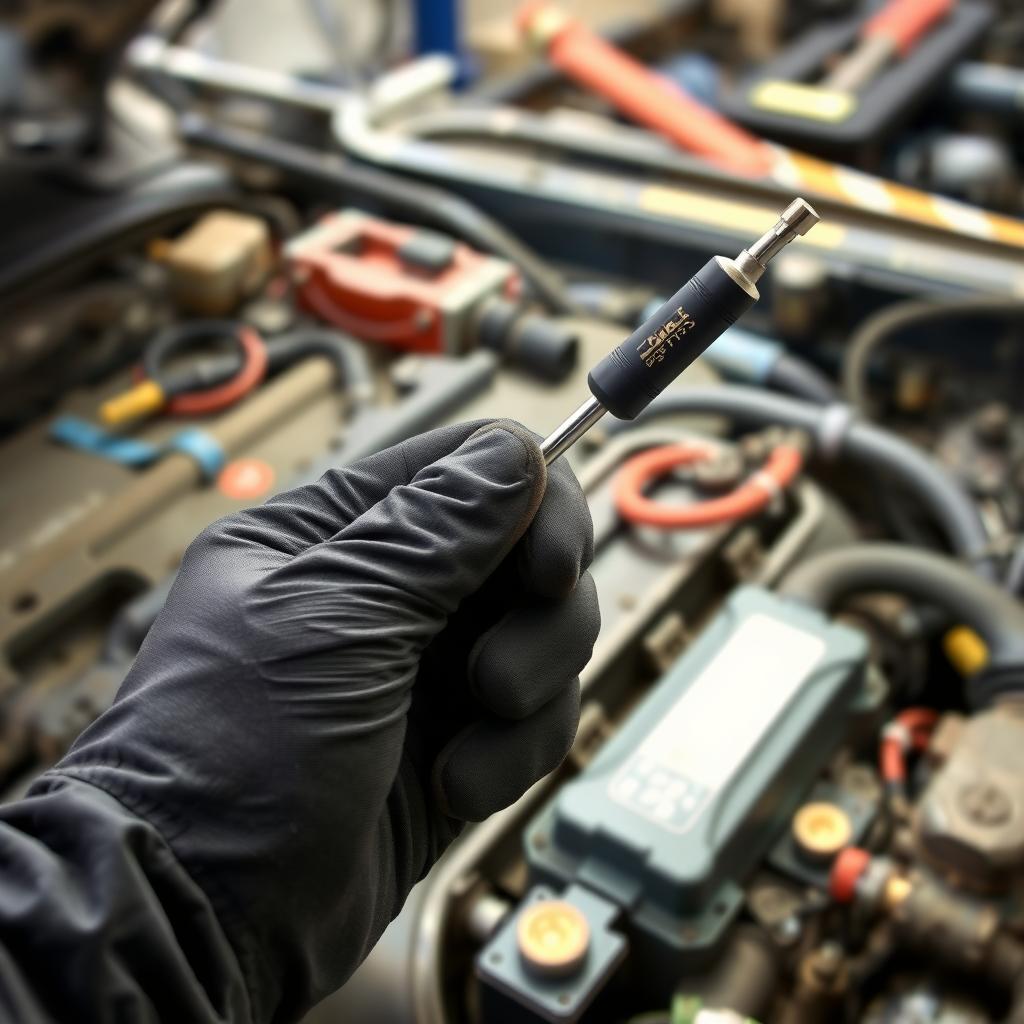
Specialized Screwdrivers for Tough Jobs
Mechanics often face stubborn or hard-to-reach screws. Here are specialized tools that have saved me countless times:
- Stubby Screwdrivers: These short drivers (about 7 cm long) are perfect for tight spaces, like under dashboards. Wiha’s Stubby models are my go-to for their balance of power and compactness.
- Impact Screwdrivers: Designed for stuck or rusted screws, these can take hammer blows to break screws free. I’ve used them to loosen corroded bolts on older cars without stripping the head.
- Ratcheting Screwdrivers: These allow continuous turning without lifting the tool, saving time on repetitive tasks. Wera’s Kraftform Kompakt is a favorite for its smooth ratcheting action.
- Interchangeable Bit Screwdrivers: These let you swap tips (flathead, Phillips, Torx) on a single handle, saving space in your toolbox. I carry a Wiha 26-in-1 Ultra Driver for versatility.
Choosing the Right Screwdriver Set
Instead of buying individual screwdrivers, I recommend investing in a comprehensive set. A good set ensures you’re prepared for any job, from minor tune-ups to major overhauls. Based on my experience, here are top brands mechanics trust:
- Snap-on: Known for durability and lifetime warranties, but pricey. Their 6-piece sets are a solid starting point.
- Wiha: Offers ergonomic designs and precision tips, ideal for professional use. Their Mechanic’s Screwdriver sets are excellent for automotive tasks.
- Craftsman: Budget-friendly with reliable quality. Their 12-piece set includes a magnetizer/demagnetizer tool, which I find incredibly useful.
- Vessel: Perfect for JIS screws in Japanese vehicles. Their 10-piece set with wooden handles grips well even with oily hands.
A 2023 study from the North Carolina State University’s Department of Industrial and Systems Engineering emphasized the importance of ergonomic tools in reducing workplace injuries, making brands like Wiha and Wera smart choices for long-term use. Learn more about screwdriver safety.
Maintenance Tips for Long-Lasting Screwdrivers
To keep your screwdrivers in top shape, follow these tips:
- Clean Regularly: Wipe down handles and shafts to remove grease and dirt. A clean tool grips better and lasts longer.
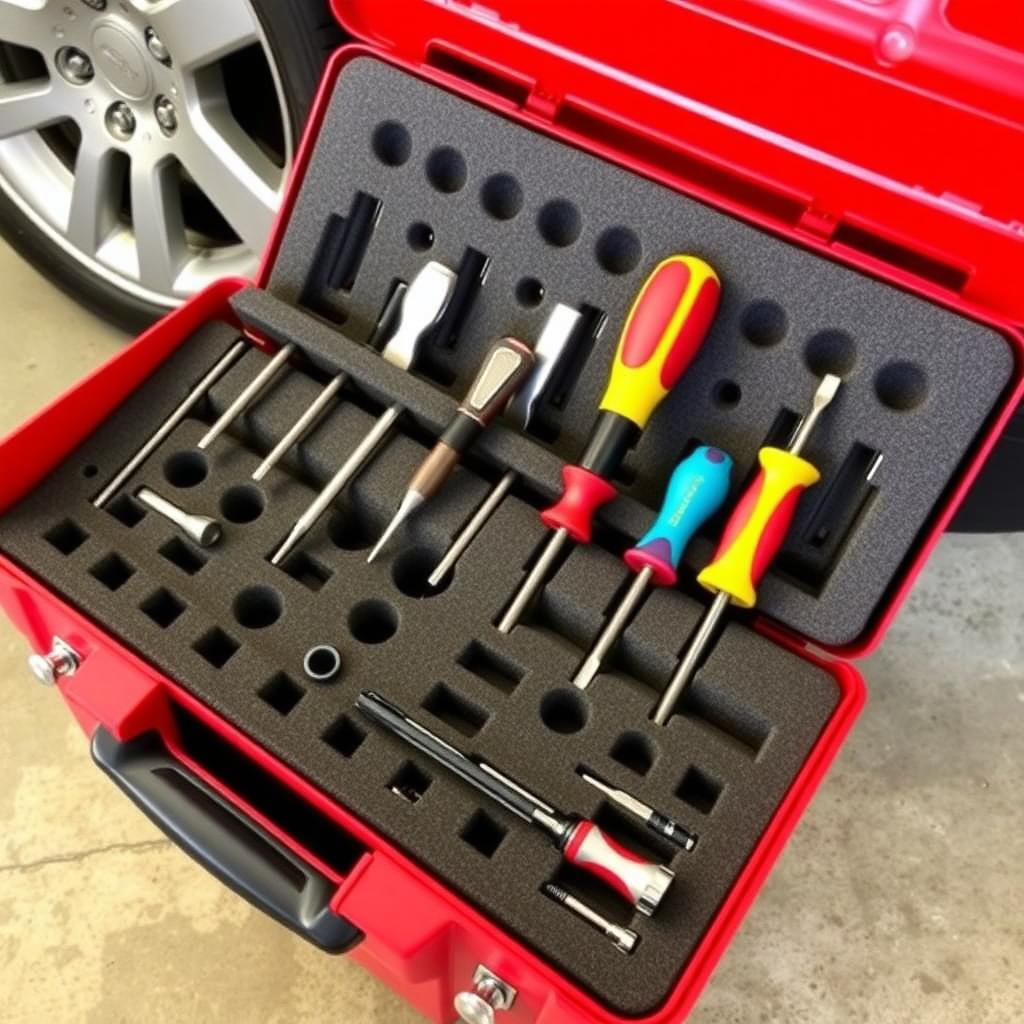
- Store Properly: Use a rack or pouch to prevent tip damage. I lost a good screwdriver to rust after leaving it in a damp toolbox.
- Sharpen When Needed: For flathead screwdrivers, file dull tips square to maintain grip. Avoid overheating during sharpening, as it can weaken the metal.
- Avoid Misuse: Don’t use screwdrivers as pry bars or chisels. I’ve bent shafts this way, and it’s a costly mistake.
The Canadian Centre for Occupational Health and Safety recommends proper tool maintenance to prevent accidents, a tip I’ve followed since a near-miss with a damaged screwdriver. Explore more safety tips.
Common Mistakes to Avoid
Even experienced mechanics make mistakes with screwdrivers. Here are pitfalls to watch out for:
- Using the Wrong Tip: A Phillips driver on a JIS screw can strip the head. Always double-check the screw type.
- Over-Torquing: Applying too much force can damage screws or tools. I’ve learned to use a torque screwdriver for sensitive components.
- Ignoring Insulation: Working near live wires without an insulated screwdriver is risky. Always use VDE-certified tools for electrical tasks.
A 2003 study published in ScienceDirect found that improper screwdriver use, like over-torquing, increases muscle strain and injury risk. Read about ergonomic screwdriver use.
Final Thoughts
Essential screwdrivers for mechanics are more than just workman tools—they’re investments in efficiency and safety. By choosing the right types, prioritizing quality features, and maintaining them well, you’ll tackle any automotive job with confidence. Whether you’re a seasoned pro or a hobbyist, a solid screwdriver set is your foundation for success.
Related essential screwdrivers for mechanics:
- How to Choose the Right Tools for Automotive Repairs: Expert Guide
- Troubleshooting Electrical Problems Made Easy: A Comprehensive Guide
- How to Choose the Best Toolbox for Your Needs
- The Evolution of Woodworking Tools: A Historical Overview
- The Ultimate Guide to Choosing Tool Sets for Automotive Repairs
- Tool Maintenance 101: Keep Your Gear in Top Shape
- Mastering the Art of Hammering: Techniques for Precision and Power
- Choosing the Right Workman Tools: A Comprehensive Guide
- Advanced Workman Tools for Professionals: Elevate Your Craft
- Organizing Your Workshop for Maximum Efficiency: A Practical Guide
- Hammer Basics: Types and Uses Explained
- How to Choose the Right Drill for Your Projects: A Comprehensive Guide