Overview
Choosing the right drill can make or break your DIY or professional project. Whether you're hanging shelves, building furniture, or tackling masonry, the right drill saves time and effort. This guide breaks down everything you need to know about selecting a drill, from types to features, ensuring you pick the perfect tool for your needs.
Why Choosing the Right Drill Matters
A drill is one of the essential tools for every handyman, but not all drills are created equal. I remember my first attempt at assembling a bookshelf with a cheap, underpowered drill—it took hours, and the screws barely held. The wrong drill can lead to frustration, damaged materials, or even injury. Picking the right one ensures efficiency, precision, and safety, whether you’re a beginner or a seasoned pro.
Drills come in various types, each suited for specific tasks. Understanding their differences is key to matching the tool to your project. Let’s dive into the main types of drills and their uses to help you make an informed choice.
Types of Drills and Their Uses
Here’s a breakdown of the most common drill types to help you decide which one fits your project:
| Drill Type | Best For | Pros | Cons |
|---|---|---|---|
| Cordless Drill | General DIY, woodworking, light masonry | Portable, versatile, battery-powered | Limited battery life, less power for heavy tasks |
| Corded Drill | Heavy-duty tasks, prolonged use | Consistent power, no battery issues | Less mobile, requires outlet |
| Hammer Drill | Masonry, concrete, brick | Powerful for tough materials | Heavier, less versatile for light tasks |
| Impact Driver | Driving screws, bolts | High torque, fast | Not ideal for drilling holes |
| Drill Press | Precision woodworking, metalwork | Extremely accurate | Stationary, expensive |
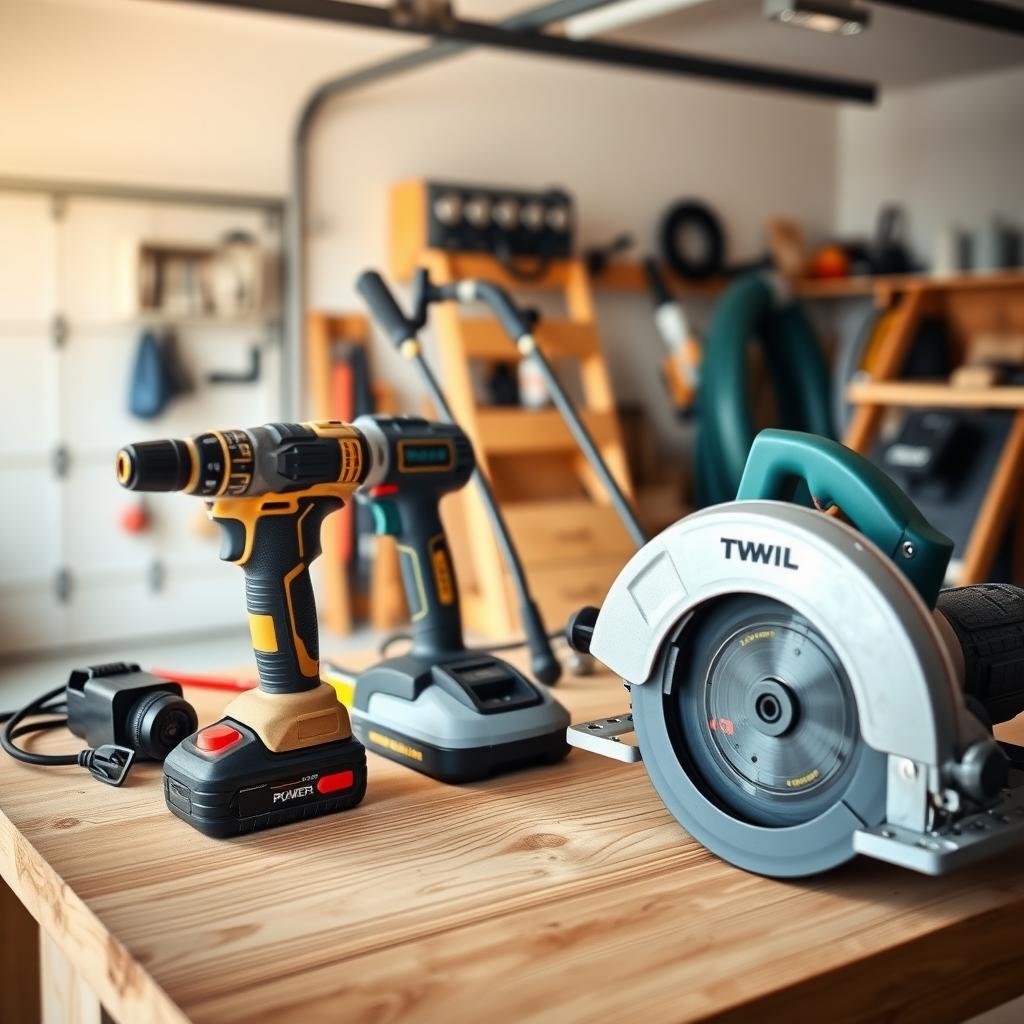
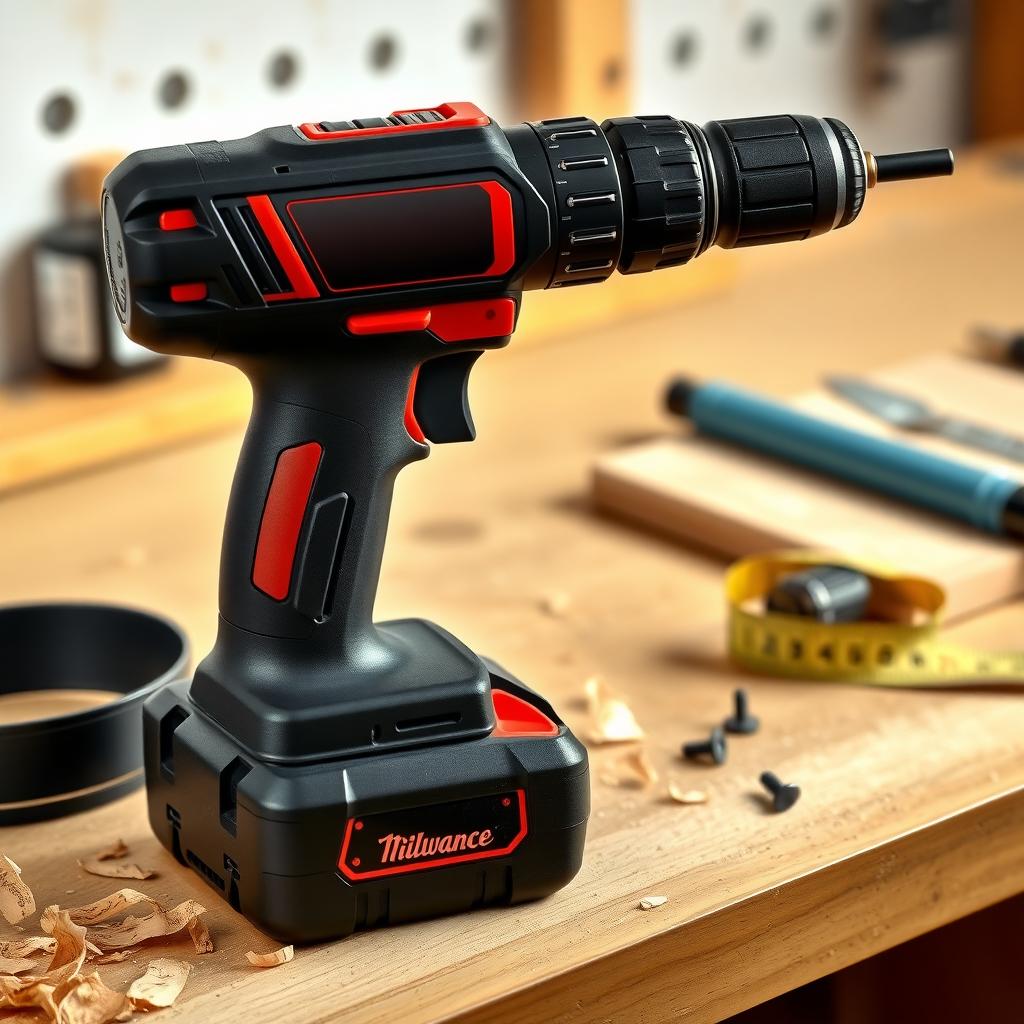
- Cordless Drills: These are my go-to for most home projects. They’re lightweight and perfect for tasks like assembling furniture or drilling into drywall. Look for models with lithium-ion batteries for longer life.
- Corded Drills: If you’re working on a big project, like framing a house, a corded drill’s constant power is a lifesaver.
- Hammer Drills: These are essential for drilling into concrete or brick. I used one to install anchors for a heavy mirror—nothing else would’ve worked.
- Impact Drivers: Great for driving long screws into dense wood, but they’re not true drills.
- Drill Presses: Ideal for precision, like when I built a custom jewelry box with perfectly aligned holes.
Key Features to Consider
When choosing a drill, focus on these features to ensure it meets your needs:
- Power (Voltage/Amps): For cordless drills, voltage (12V–20V) determines power. Higher voltage means more strength but heavier weight. Corded drills use amps—look for at least 7 amps for general use.
- Chuck Size: The chuck holds the drill bit. A 3/8-inch chuck is standard for most DIY tasks, while 1/2-inch chucks handle larger bits for heavy-duty work.
- Speed Settings: Variable speed settings let you adjust for different materials. For example, slow speeds work best for masonry, while high speeds suit wood.
- Battery Life (Cordless): Check the amp-hour (Ah) rating. A 2.0Ah battery lasts longer than a 1.5Ah one. I always keep a spare battery charged for uninterrupted work.
- Ergonomics: A comfortable grip and balanced weight reduce fatigue. I learned this the hard way after a long day of drilling left my hand cramped.
- Additional Features: Look for LED lights, belt clips, or magnetic bit holders for convenience.
Matching the Drill to Your Project
To choose the right drill, think about your project’s demands:
- Woodworking: A cordless drill with a 3/8-inch chuck and variable speed is ideal. I’ve used a 12V cordless drill for building cabinets, and it’s perfect for drilling pilot holes and driving screws.
- Masonry: A hammer drill is non-negotiable. When I helped a friend install outdoor lighting, a hammer drill made quick work of concrete walls.
- Metalwork: A drill press or a high-torque corded drill ensures precision and power.
- General DIY: A versatile 18V cordless drill handles most tasks, from hanging curtains to assembling furniture.
Consider the frequency of use too. For occasional DIY, a mid-range cordless drill is enough. For frequent or heavy-duty work, invest in a corded or high-voltage model.
Beginner’s Guide to Power Tools: Drills, Saws, and More
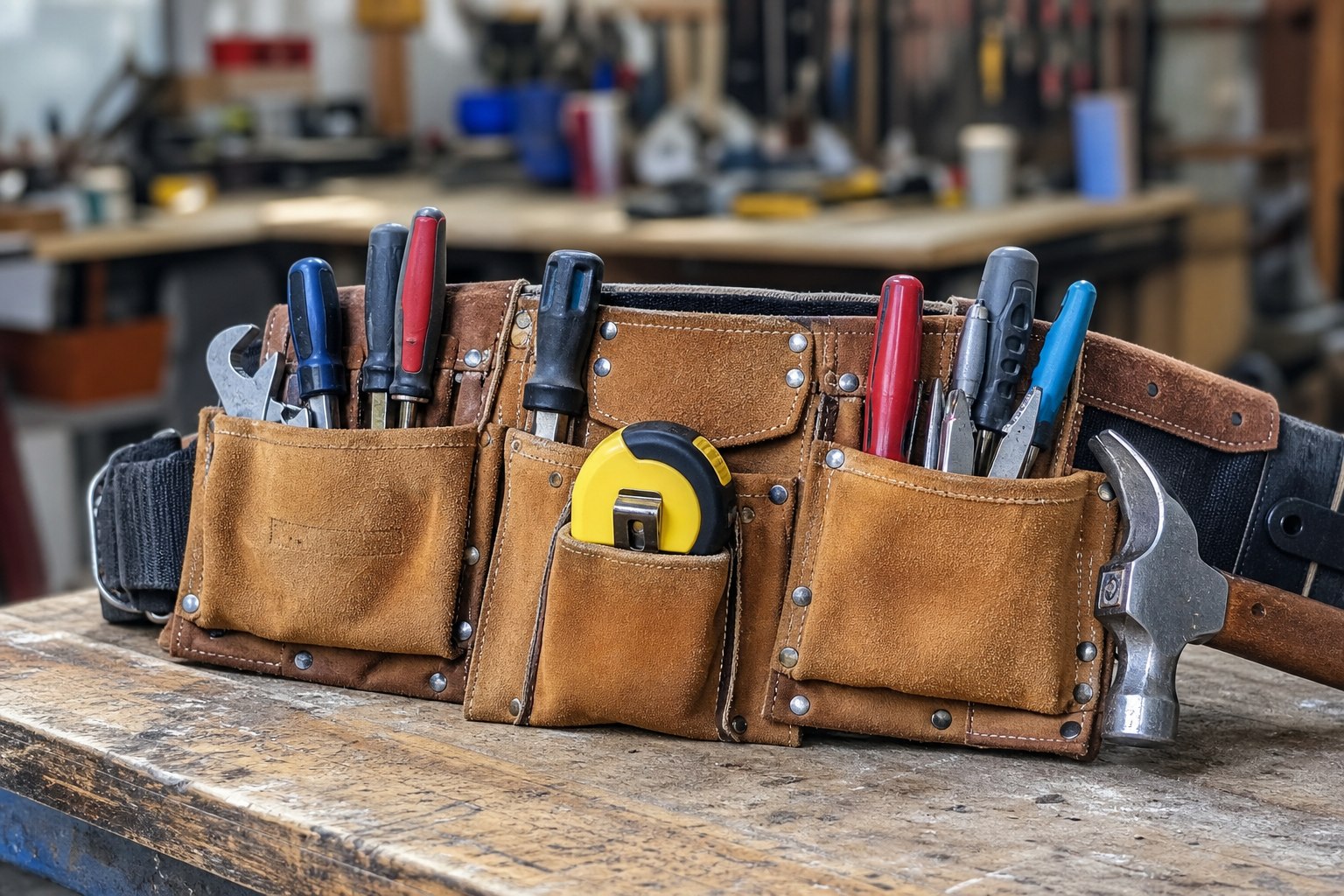
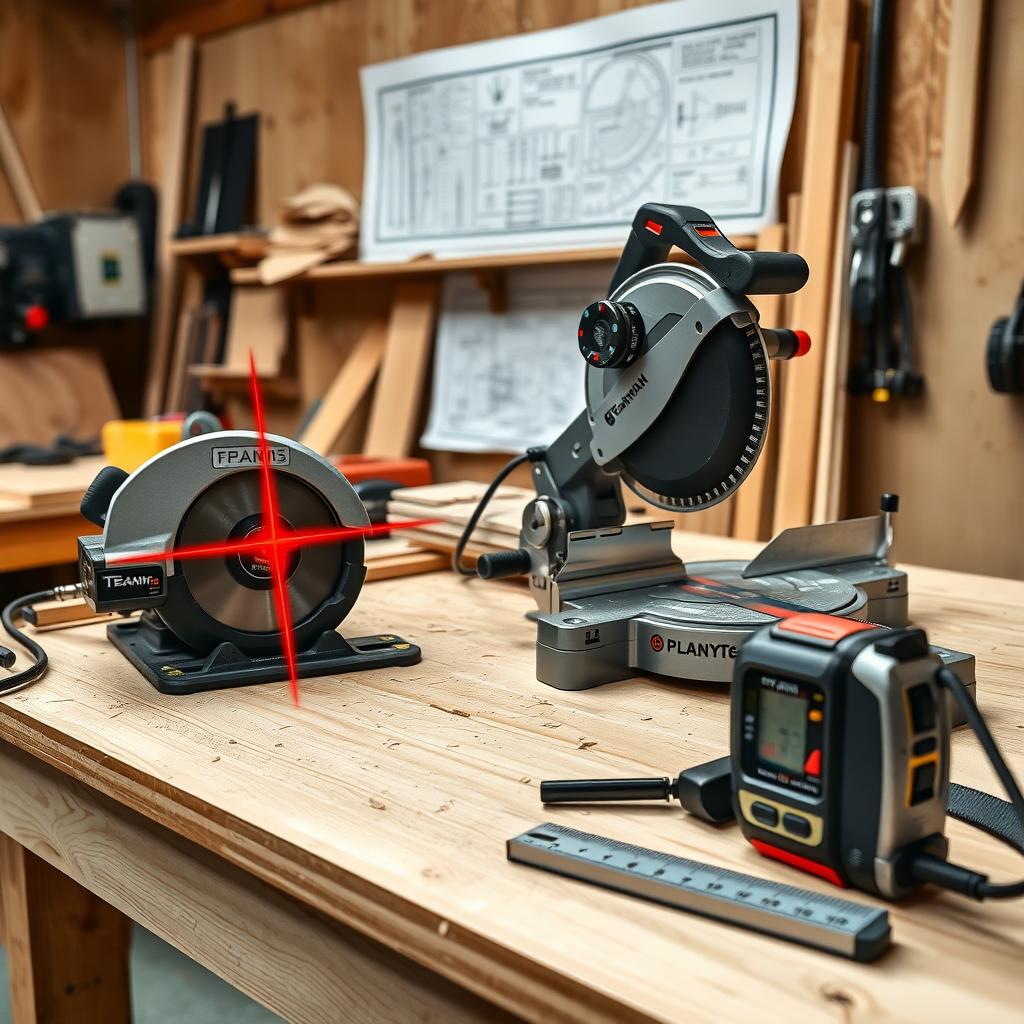
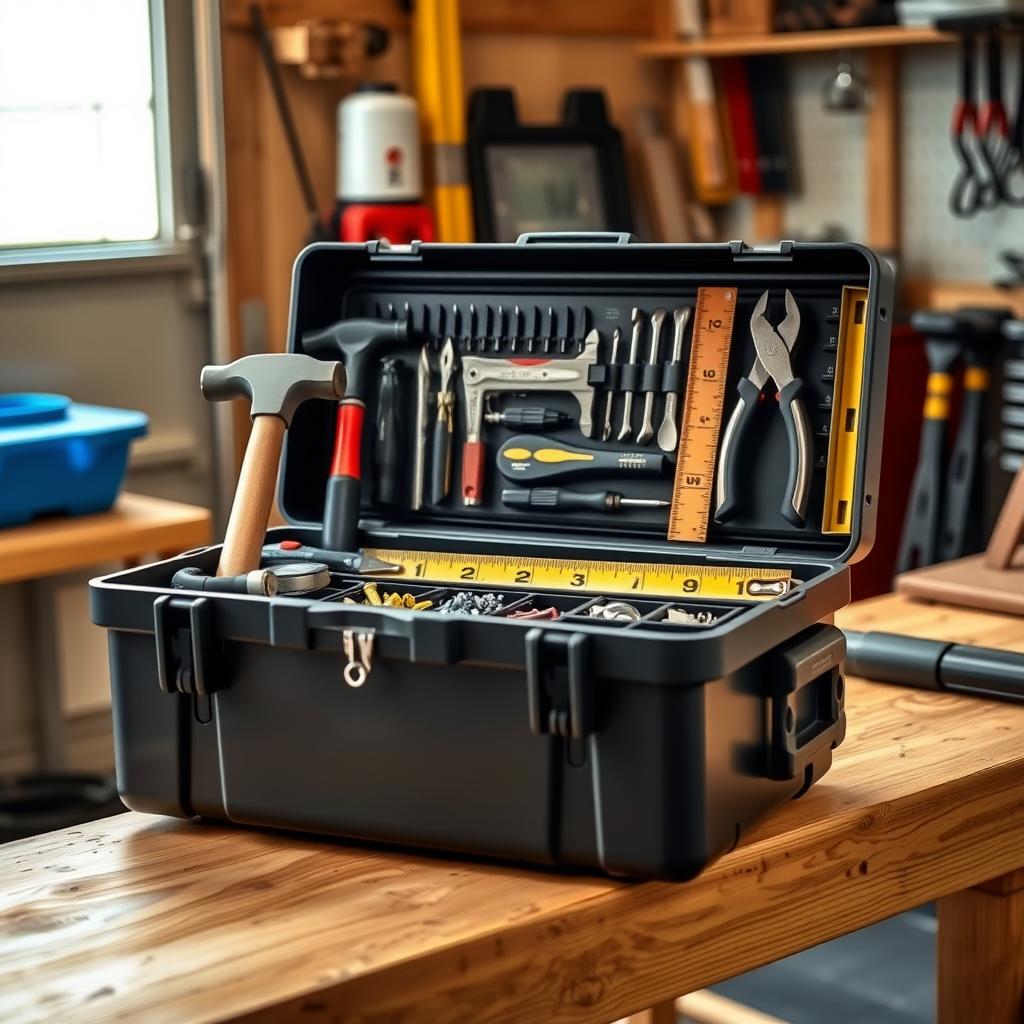
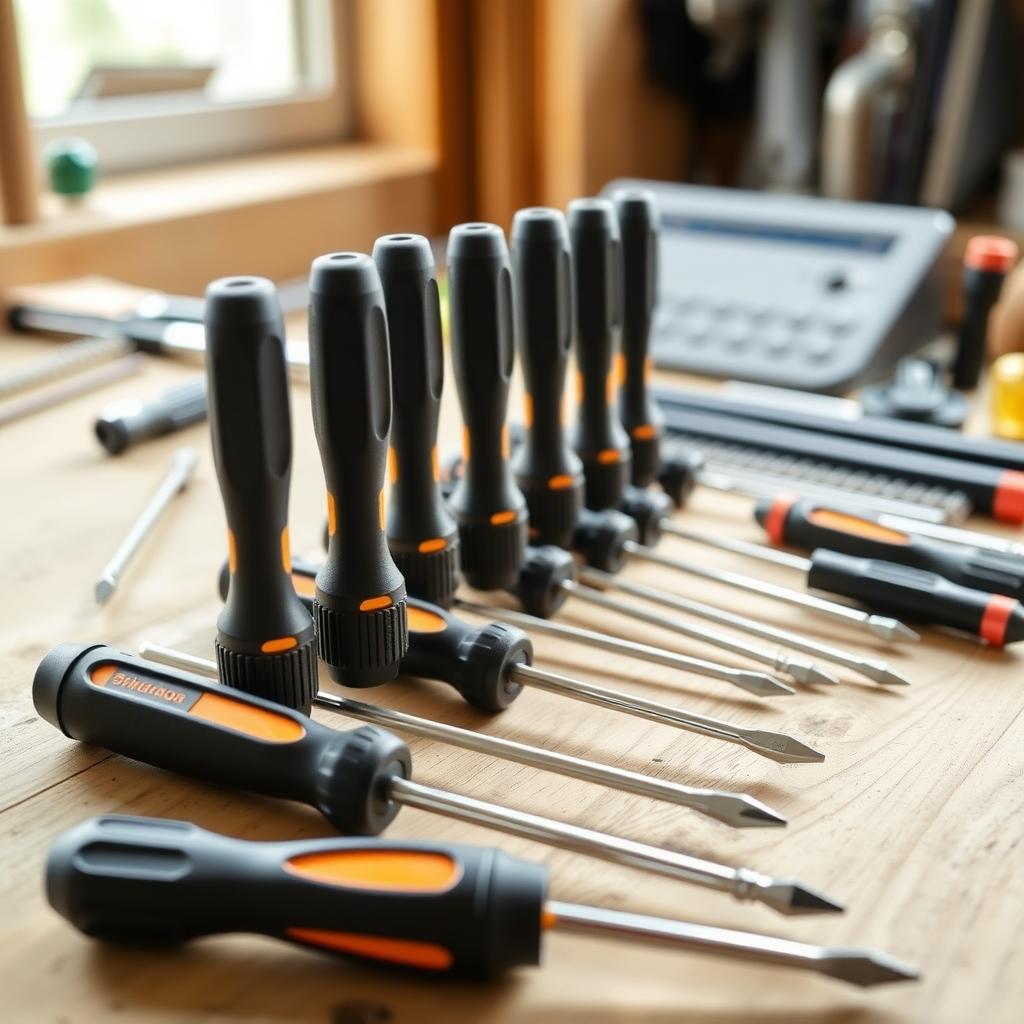
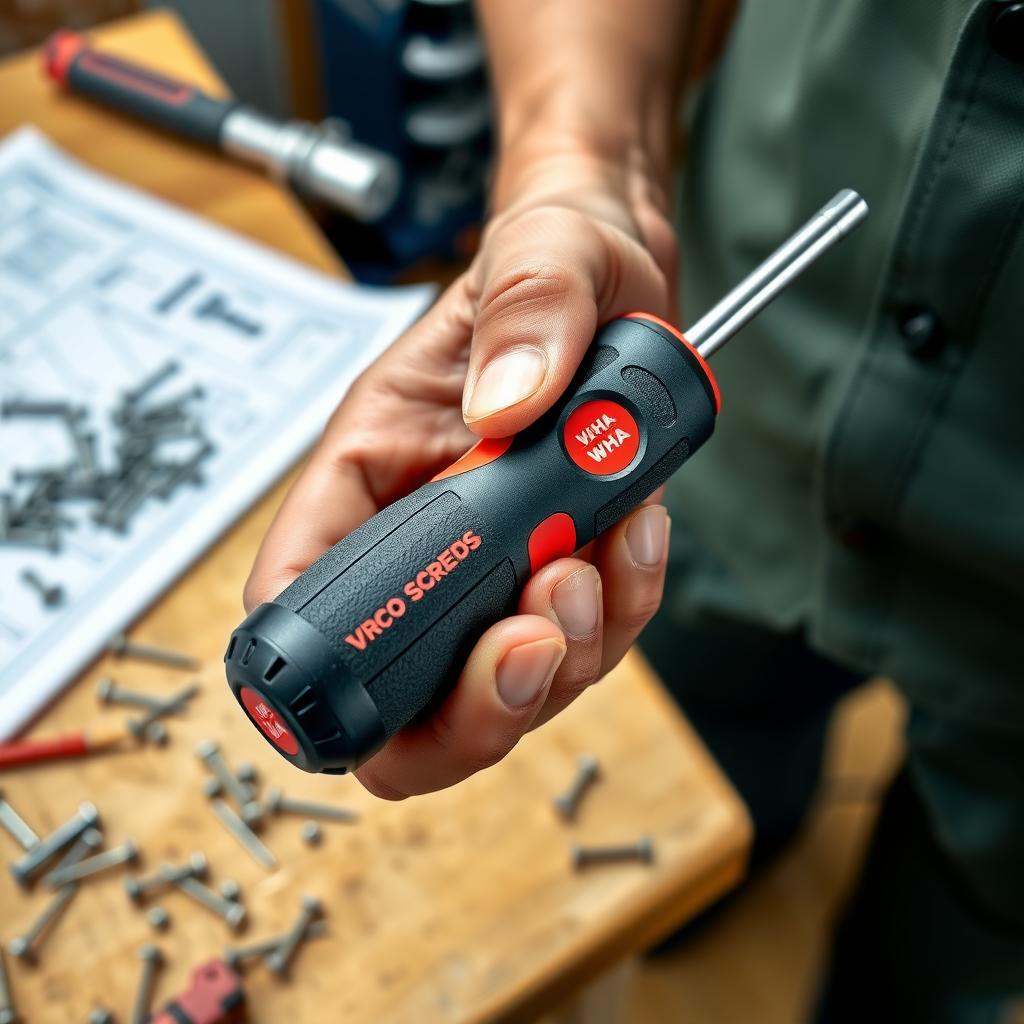
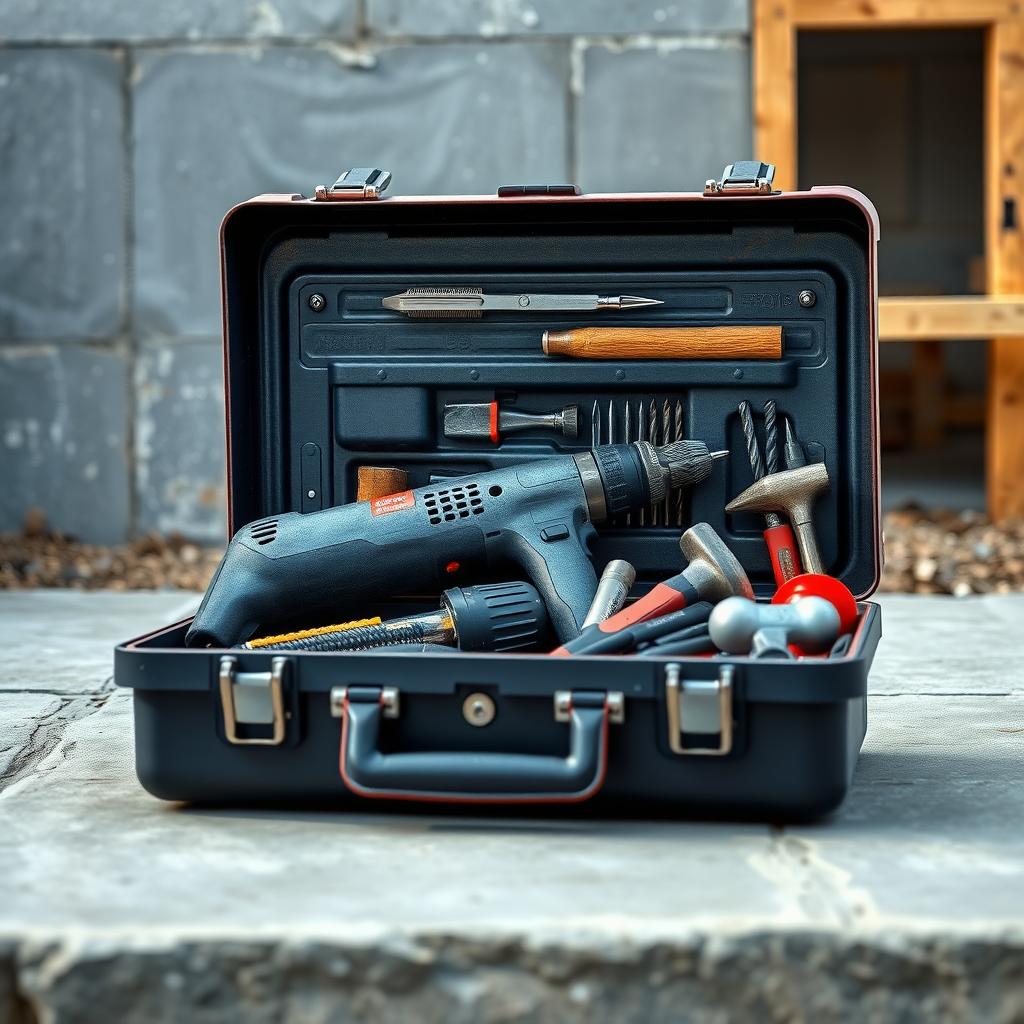
If you’re new to power tools, start with a reliable drill—it’s the cornerstone of any toolkit. Pair it with other essential tools for every handyman, like hammers, screwdrivers, and a circular saw. My first toolkit was basic: a cordless drill, a claw hammer, and a tape measure. That trio tackled 90% of my early projects. As you grow, add specialized tools like jigsaws or sanders, but a good drill is your starting point.
Budget vs. Premium Drills
You don’t need to break the bank, but cheap drills often disappoint. A $50 drill might seem like a deal, but it could burn out on tough jobs. Mid-range drills ($100–$200) from brands like DeWalt, Makita, or Bosch offer durability and versatility. Premium models ($200+) are worth it for professionals but overkill for casual DIYers. I bought a mid-range 18V cordless drill five years ago, and it’s still going strong.
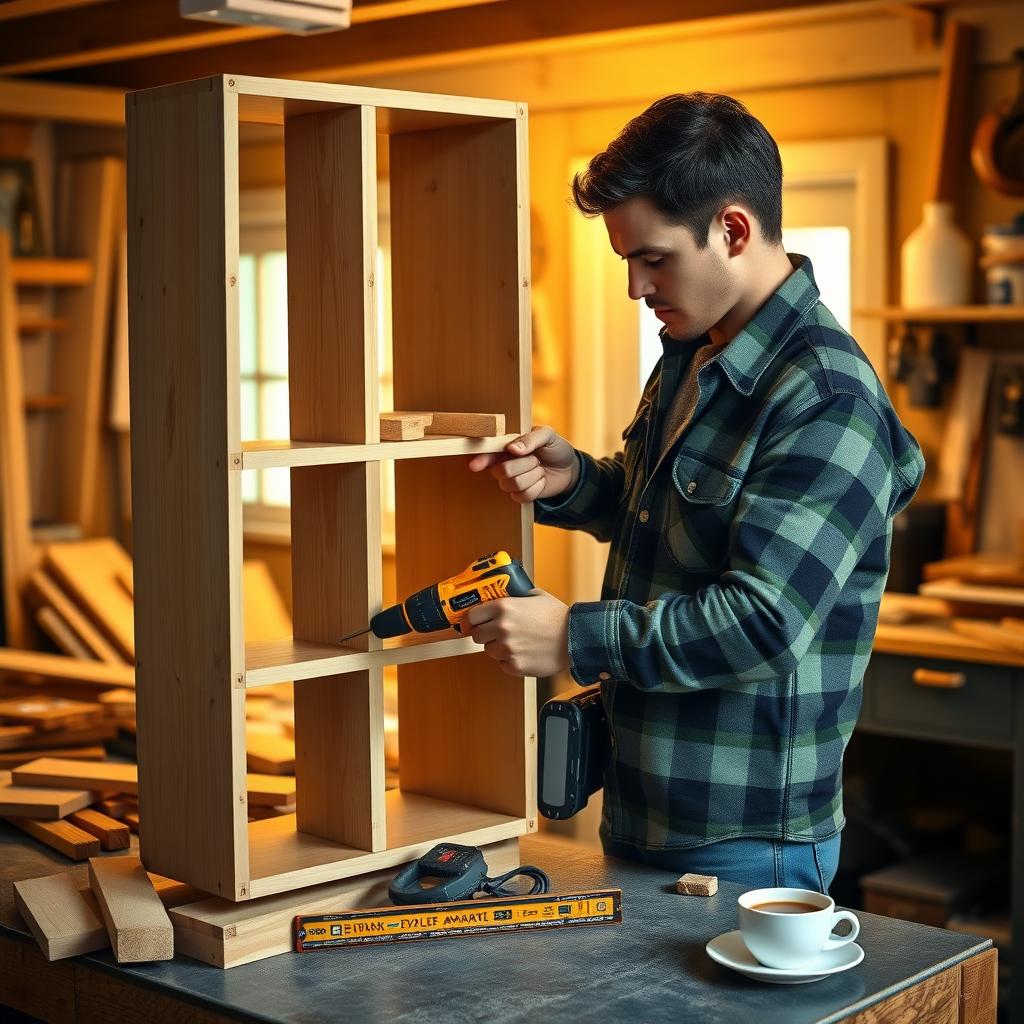
Safety Tips for Using Drills
Safety is critical. I once saw a friend skip safety glasses and end up with wood shavings in his eye—not fun. Follow these tips:
- Wear safety glasses and gloves.
- Secure your workpiece with clamps.
- Use the right drill bit for the material (wood, metal, or masonry).
- Keep cords away from the drill bit on corded models.
- Let the drill cool down during extended use to avoid overheating.
Where to Buy and What to Avoid
Buy from reputable retailers like Home Depot, Lowe’s, or online at Amazon for reliable options and warranties. Avoid no-name brands with poor reviews—they often lack power or break quickly. Check for deals during holiday sales, but always read user reviews for real-world insights.
Final Thoughts
Choosing the right drill boils down to understanding your project’s needs, balancing budget and quality, and prioritizing safety. Whether you’re a beginner or a pro, a well-chosen drill becomes an extension of your skills. Start with a versatile cordless model, and you’ll be ready for most tasks. Happy drilling!
Related How to Choose the Right Drill for Your Projects:
- Essential Tools for Every Handyman: Building Your Toolkit
- Understanding Hammer Dynamics and Ergonomics: A Comprehensive Guide
- How to Check Your Car’s Oil Like a Pro
- Advanced Workman Skills: Tools for the Next Level
- Maintaining Your Wrench Set for Longevity: A Comprehensive Guide
- Power Tools for Beginners: Your Ultimate Guide to Getting Started
- DIY Home Repair Projects for Beginners: Your Ultimate Guide
- Essential Tools Every DIYer Should Own for a Well-Equipped Workshop
- Top 10 Ergonomic Tools Every Tradesperson Should Have
- How to Use a Hammer Safely: A Comprehensive Guide for Beginners and Pros
- 10 Tips for Choosing the Right Paint for Your Next Art Project
- Top 10 Must-Have Construction Tools for Every Workman