Overview
As a tradesperson, your tools are an extension of your body. Long hours wielding hammers, wrenches, or drills can take a toll, leading to fatigue or even injury. Ergonomic tools are designed to fit your body’s natural movements, reducing strain and boosting efficiency. This article explores the Top 10 Ergonomic Tools Every Tradesperson Should Have, highlighting how they enhance comfort and productivity while preventing musculoskeletal disorders (MSDs).
Why Ergonomic Tools Matter for Tradespeople
¬ The construction site, workshop, or assembly line demands physical endurance. Repetitive motions, awkward postures, and heavy tools can lead to injuries like carpal tunnel syndrome or tendonitis. According to the Occupational Safety and Health Administration (OSHA), ergonomic interventions can significantly reduce MSDs, which account for a third of workplace injuries. Choosing the Right Tools for Your Trade isn’t just about getting the job done—it’s about protecting your health and staying productive over a long career.
Ergonomic tools are built with the user in mind. They reduce strain by aligning with your body’s natural movements, balancing weight, and minimizing vibration. For example, ergonomic wrenches for reducing hand strain feature padded grips and angled designs to prevent wrist twisting. These innovations make tasks feel less taxing, letting you work longer with less discomfort.
Top 10 Ergonomic Tools Every Tradesperson Should Have
Below is a curated list of tools designed to enhance comfort and efficiency. Each one addresses specific challenges tradespeople face, from repetitive motions to heavy lifting.
1. Ergonomic Screwdrivers
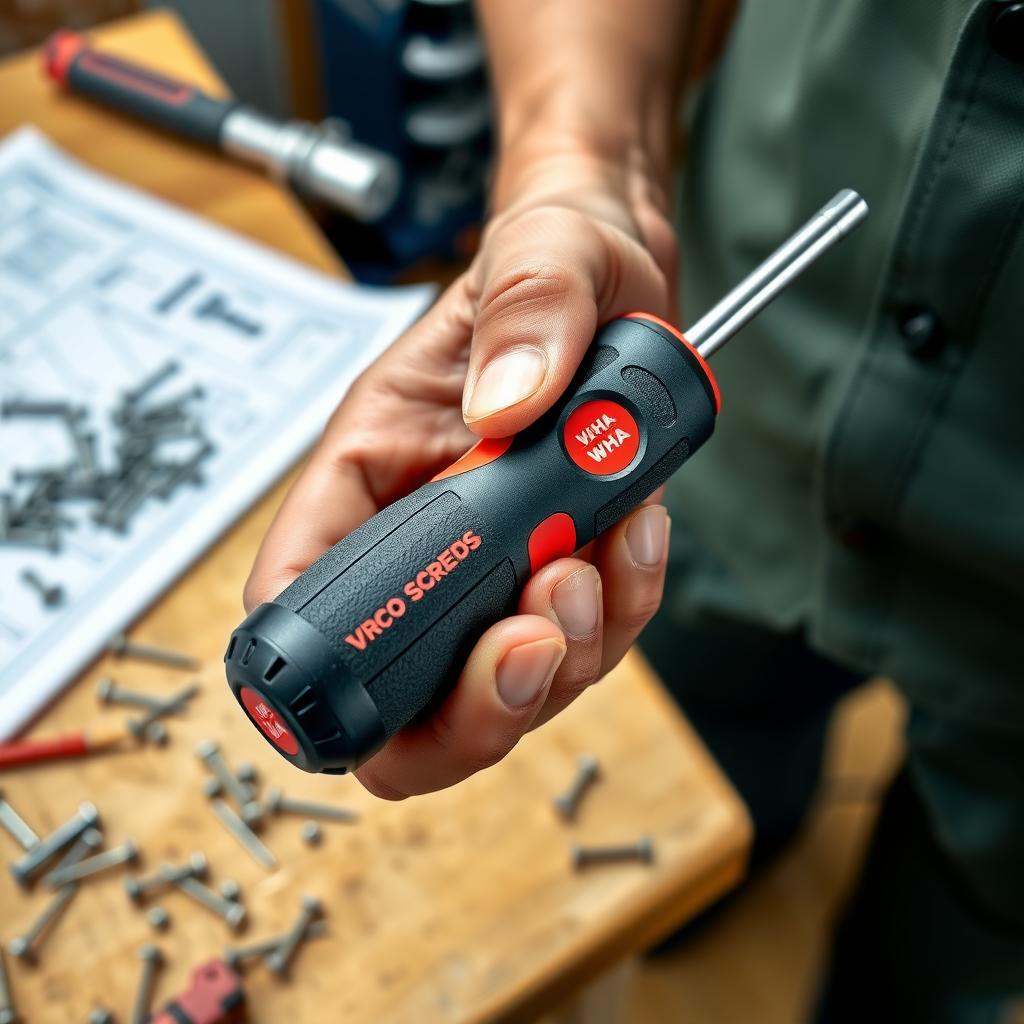
Screwdrivers are a staple, but traditional designs can strain your wrist during repetitive tasks. Modern ergonomic screwdrivers, like those from Wiha, feature padded, contoured grips that fit the natural curve of your hand. Their larger handles allow for better torque with less effort, reducing fatigue. Look for models with soft and hard zones for precision and power.
2. Ergonomic Wrenches
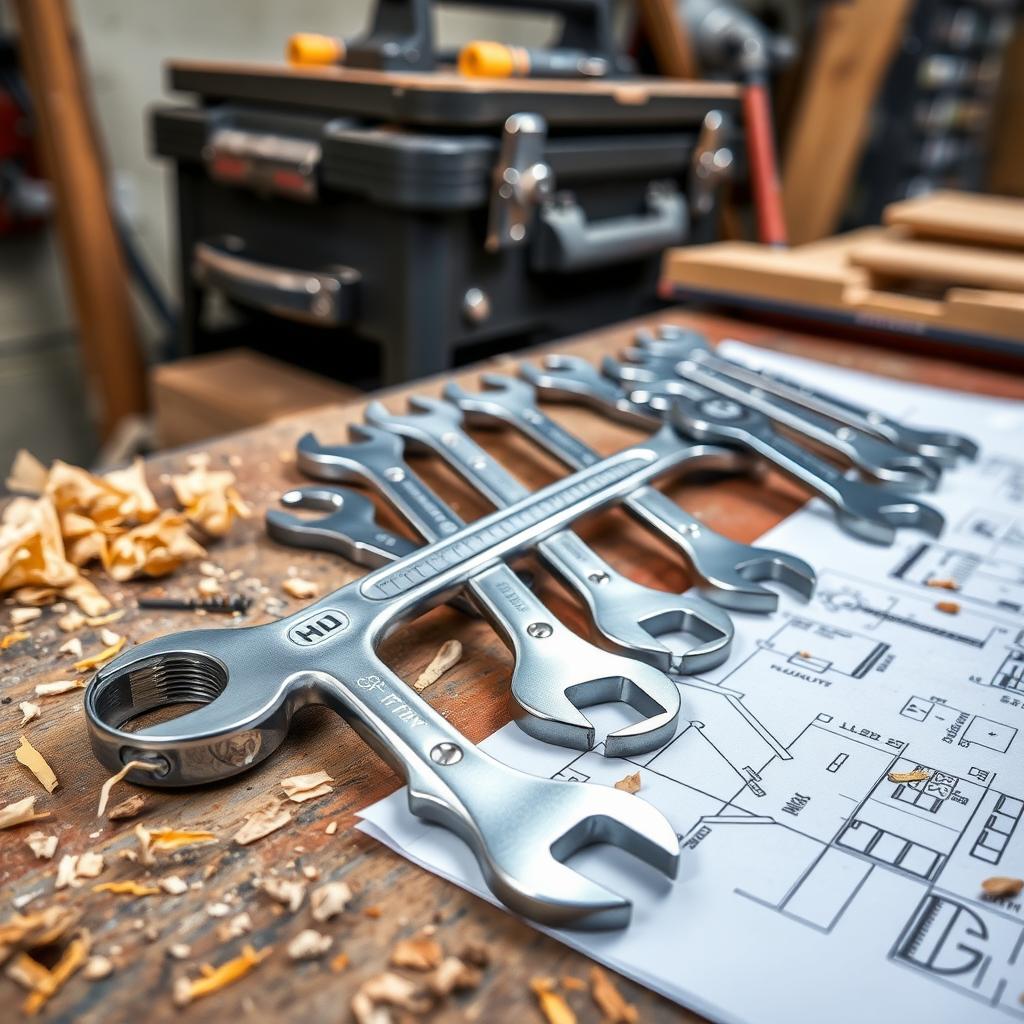
Wrenches often require significant force, which can strain your hand and wrist. Ergonomic wrenches for reducing hand strain, such as Milwaukee’s redesigned pipe wrench with a 17-inch PowerLength handle, offer extra leverage without awkward postures. The longer handle and cushioned grip reduce the force needed, making tasks like plumbing or automotive work easier.
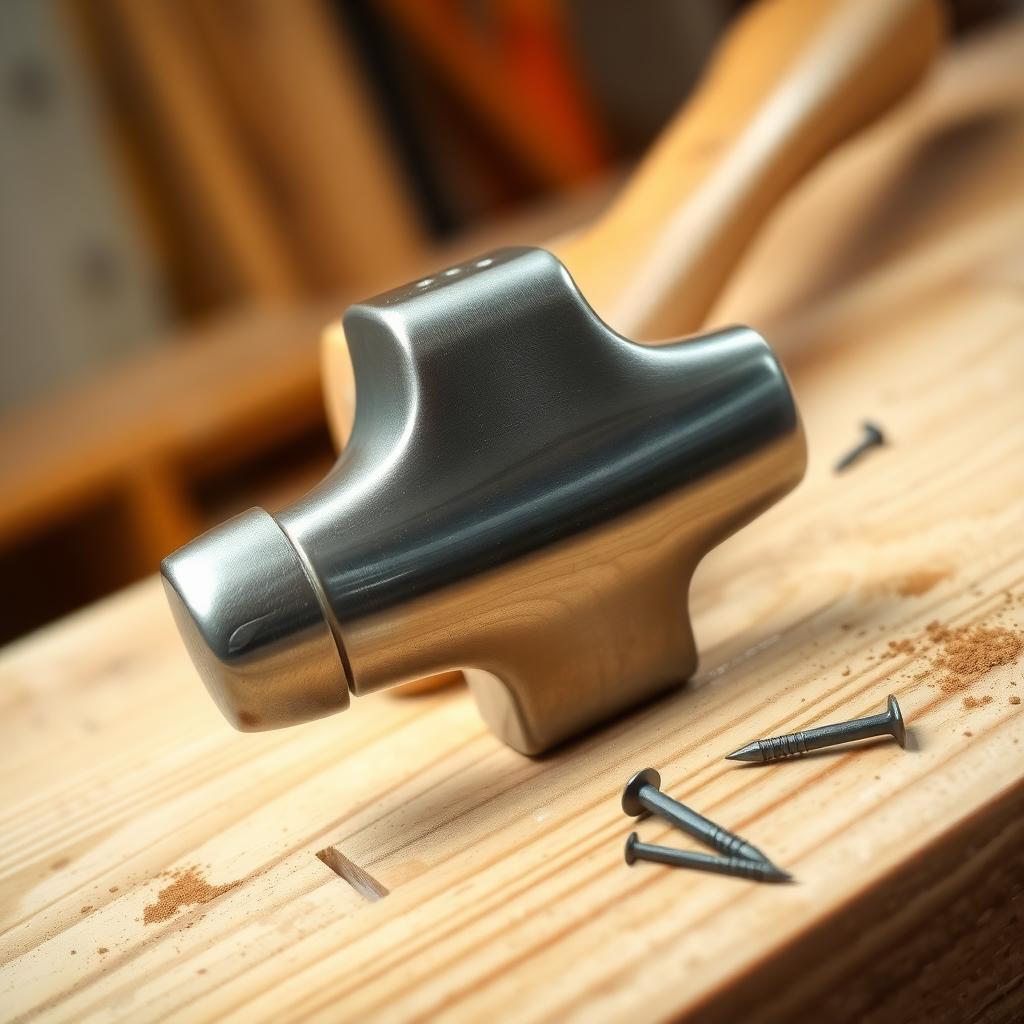
3. Ergonomic Hammers
A poorly balanced hammer can make every swing jarring. Ergonomic hammers, like Stanley’s XP Extended Performance line, use vibration-dampening technology to reduce shock by 35%. Their balanced weight and cushioned grips make swinging feel natural, protecting your arm and shoulder from repetitive stress.
4. Ergonomic Pliers
Pliers require a strong grip, which can tire your hand muscles. Ergonomic pliers, such as Wiha’s Inomic series, have angled heads and contoured handles to keep your wrist in a neutral position. This design minimizes strain during tasks like wire cutting or gripping small components.
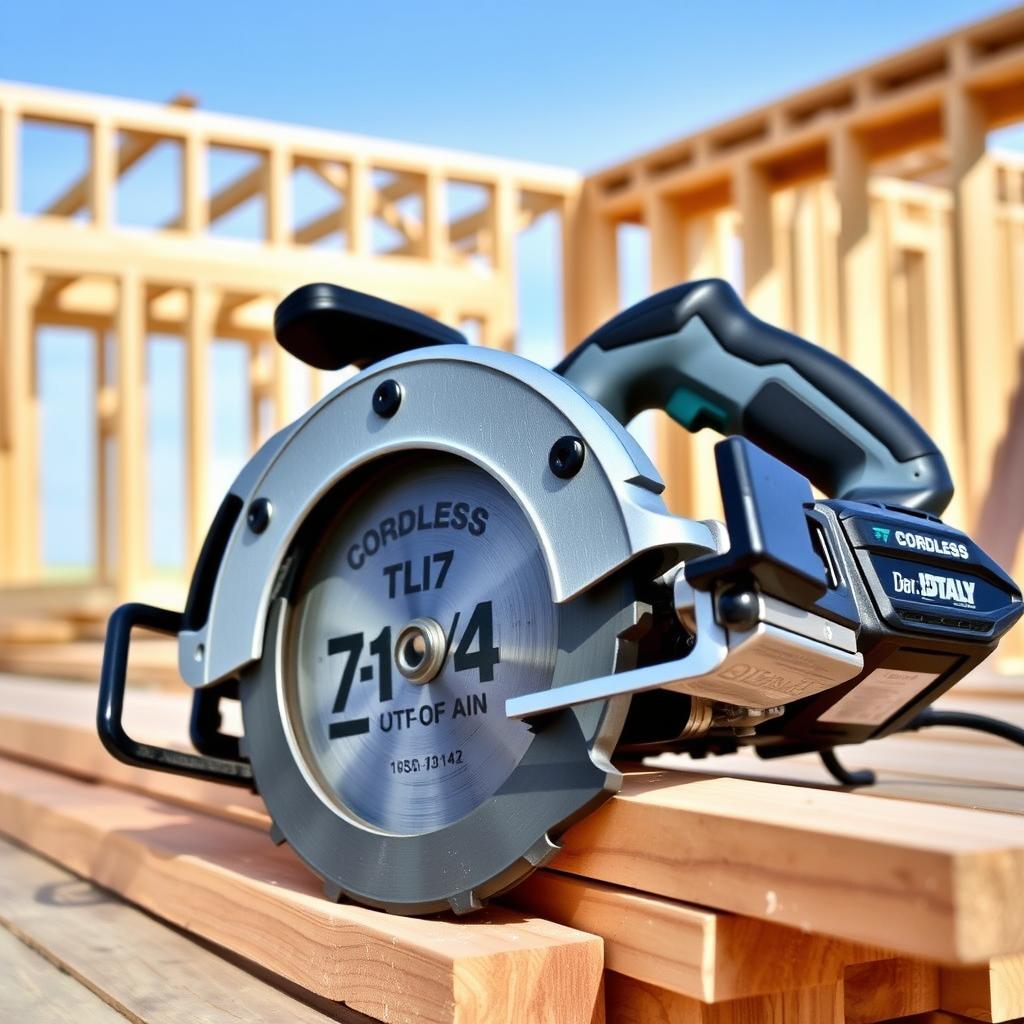
5. Cordless Impact Wrenches
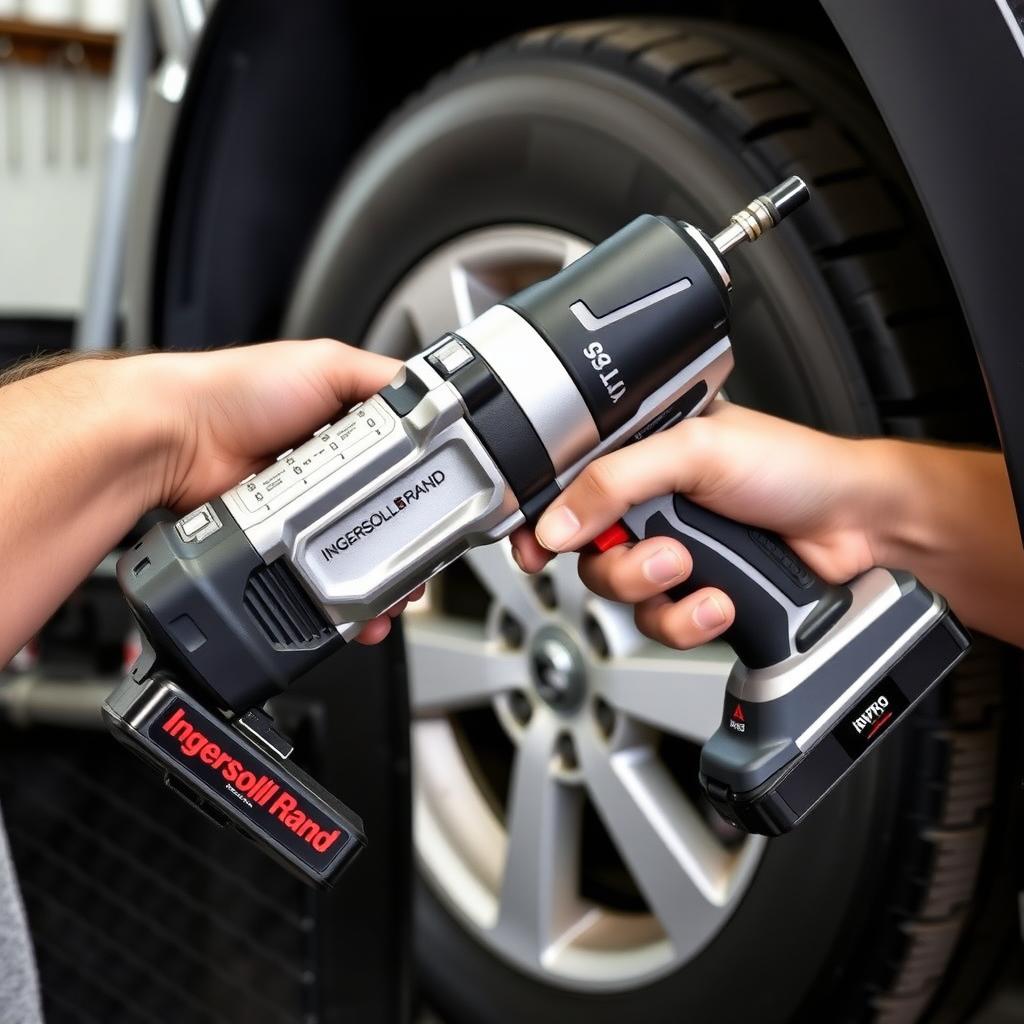
Innovations in Workman Tools Enhancing Comfort shine through in cordless impact wrenches like Ingersoll Rand’s W7153 IQV20. These tools feature low-torque reaction and soft-grip textures, reducing vibration and hand fatigue. Their lightweight design makes them ideal for automotive or construction tasks.
6. Ergonomic Saws
Cutting through materials can strain your wrist, especially with repetitive motions. Ergonomic saws, like Stanley’s Folding Jab Saw, have cushioned handles and triple-ground teeth for smoother cutting. The foldable design allows safe storage, reducing the risk of accidental injury.
7. Anti-Fatigue Mats
Standing for long hours on hard floors can lead to leg and back pain. Anti-fatigue mats, like those from Mount-It!, encourage subtle muscle movement to improve circulation. Place one near your workbench to reduce strain during tasks like welding or assembly.
8. Tool Balancers
Heavy tools can strain your arms over time. Tool balancers, as recommended by the Canadian Centre for Occupational Health and Safety (CCOHS), suspend tools to reduce their effective weight. They’re perfect for high-repetition tasks like drilling or fastening, letting you focus on precision without fatigue.
9. Ergonomic Tape Measures
Tape measures may seem simple, but ergonomic designs make a difference. Stanley’s Fatmax tape measure, with its baseball-style grip, reduces hand strain during frequent measurements. Its durable, impact-resistant case ensures it lasts through tough jobsite conditions.
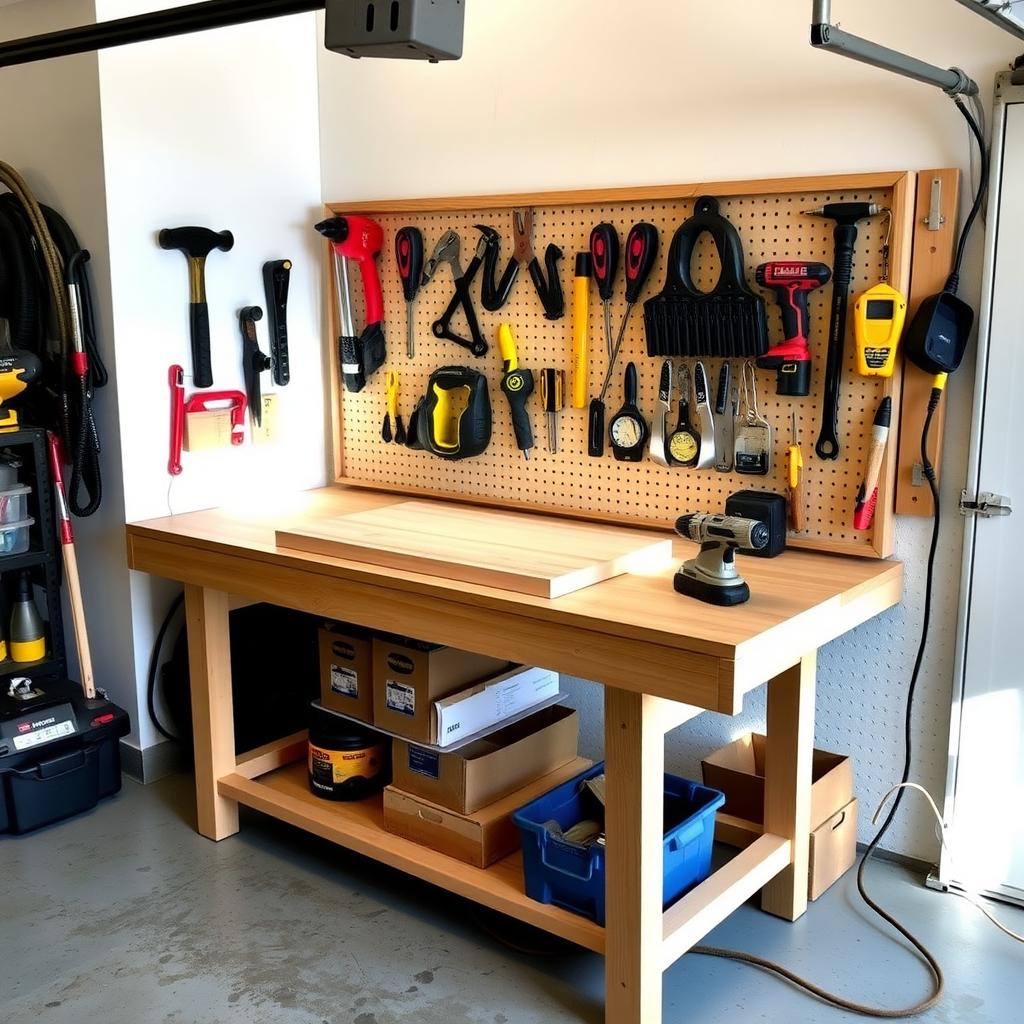
10. Adjustable Workstations
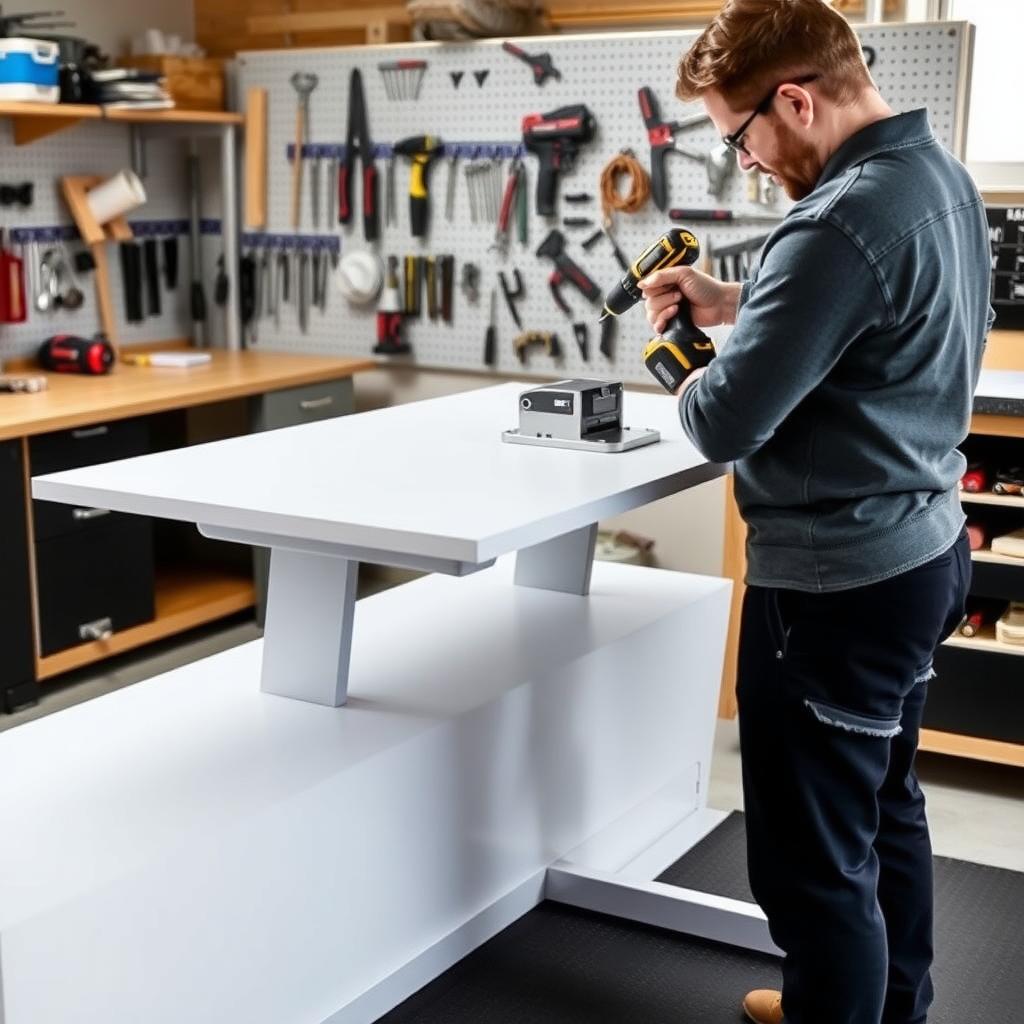
Height-adjustable workstations, like those used in automotive assembly lines, allow you to switch between sitting and standing. This flexibility reduces strain on your back and legs, making tasks like machining or welding more comfortable. Look for models with easy height adjustments for seamless transitions.
How Ergonomic Tools Boost Productivity
How Ergonomic Tools Boost Productivity is more than just a catchphrase—it’s a reality backed by research. A 2016 Harvard Medical School study found that ergonomic interventions, like curved monitors or adjustable tools, reduced strain and improved focus. When your tools fit your body, you work faster and with fewer breaks. For instance, using an ergonomic screwdriver with a contoured grip lets you apply torque more efficiently, speeding up tasks like installing drywall.
Ergonomic tools also reduce downtime. The Bureau of Labor Statistics reports that MSDs account for 33% of workplace injuries, often leading to missed workdays. By minimizing strain, tools like anti-fatigue mats or balanced hammers keep you on the job longer, saving time and money.
Choosing the Right Tools for Your Trade
When selecting ergonomic tools, consider your specific tasks. Are you performing high-repetition tasks like screwing or cutting? Opt for lightweight tools with padded grips. For heavy-duty tasks, choose tools with vibration dampening or torque limiters. The CCOHS emphasizes that tool weight should not exceed 1.4 kg (3 lb) for one-handed use to ensure comfort.
Test tools before buying. A tool might look ergonomic, but it needs to fit your hand and work style. For example, a plumber might prefer a longer-handled wrench for leverage, while an electrician might need precision pliers for delicate wiring. Always prioritize quality—cheap tools often lack proper balance or durability.
Innovations in Workman Tools Enhancing Comfort
Innovations in Workman Tools Enhancing Comfort are transforming trades. Tools like Slice’s Smart-Retracting Utility Knife with Ergo-Pull technology eliminate awkward thumb positioning, reducing wrist strain. Similarly, Ingersoll Rand’s Q2 Series screwdrivers use egg-shaped handles to fit naturally in your palm, meeting OSHA vibration guidelines.
Technology is also advancing ergonomics. TuMeke’s AI-powered ergonomic assessments use computer vision to analyze postures and recommend tool adjustments, ensuring you’re using the safest equipment for your body. These advancements make tools not just functional but protective.
Practical Tips for Using Ergonomic Tools
To maximize benefits, use tools correctly. Don’t grip too tightly—let the tool do the work. For power tools, adjust torque settings to the lowest effective level to reduce kickback. Rotate tasks to avoid repetitive strain, and take short breaks to stretch. Regular maintenance, like sharpening blades or checking tool balance, also prevents extra effort.
Summary
Investing in the Top 10 Ergonomic Tools Every Tradesperson Should Have is a game-changer. From screwdrivers to adjustable workstations, these tools reduce strain, prevent injuries, and boost efficiency. By Choosing the Right Tools for Your Trade, you protect your health and enhance your work quality. Embrace Innovations in Workman Tools Enhancing Comfort to stay productive and pain-free.
Related Top 10 Ergonomic Tools Every Tradesperson Should Have:
- How to Use a Hammer Safely: A Comprehensive Guide for Beginners and Pros
- 10 Tips for Choosing the Right Paint for Your Next Art Project
- Top 10 Must-Have Construction Tools for Every Workman
- Essential Electrical Tools Every Beginner Needs: A Comprehensive Guide
- The Ultimate Guide to Workman Tools for Everyday Use
- Tips for Organizing Small Workshops Efficiently
- Keeping Your Power Tools in Top Shape: A Comprehensive Guide
- Advanced Tool Maintenance Techniques for Longevity and Performance
- The Best Workman Tools for Professional Builders: A Comprehensive Guide
- Small Space Organization Hacks for Home Workshops
- Setting Up Your Home Office for Productivity: A Complete Guide
- 10 Essential Painting Tools Every Painter Should Have