Overview
Transforming a cramped corner into a functional home workshop is easier than you think. With Small Space Organization Hacks for Home Workshops - https://www.thisoldhouse.com/storage-organization/21097186/small-workshop-storage-solutions, you can create a tidy, efficient space for DIY projects. This guide shares practical tips to organize tools, optimize space, and maintain equipment, perfect for beginners and seasoned craftsmen alike.
Why Small Space Organization Matters
A cluttered workshop kills productivity. Tools buried under junk or scattered across a tiny bench make every project a hassle. I’ve been there—digging through piles for a screwdriver while inspiration fades. A well-organized workshop, even in a small space, saves time and reduces stress. According to a study by the University of Minnesota, organized spaces improve focus and efficiency by up to 20%. For home workshops, where space is tight, smart storage is a game-changer.
The key is maximizing every inch. Whether you’re working in a garage corner, a basement nook, or a shed, these Small Space Organization Hacks for Home Workshops - https://www.thisoldhouse.com/storage-organization/21097186/small-workshop-storage-solutions will help you build a space that works as hard as you do.
DIY Tool Storage Solutions for Small Spaces
When space is limited, creativity is your best tool. Here are some DIY tool storage solutions for small spaces that I’ve used to keep my workshop functional:
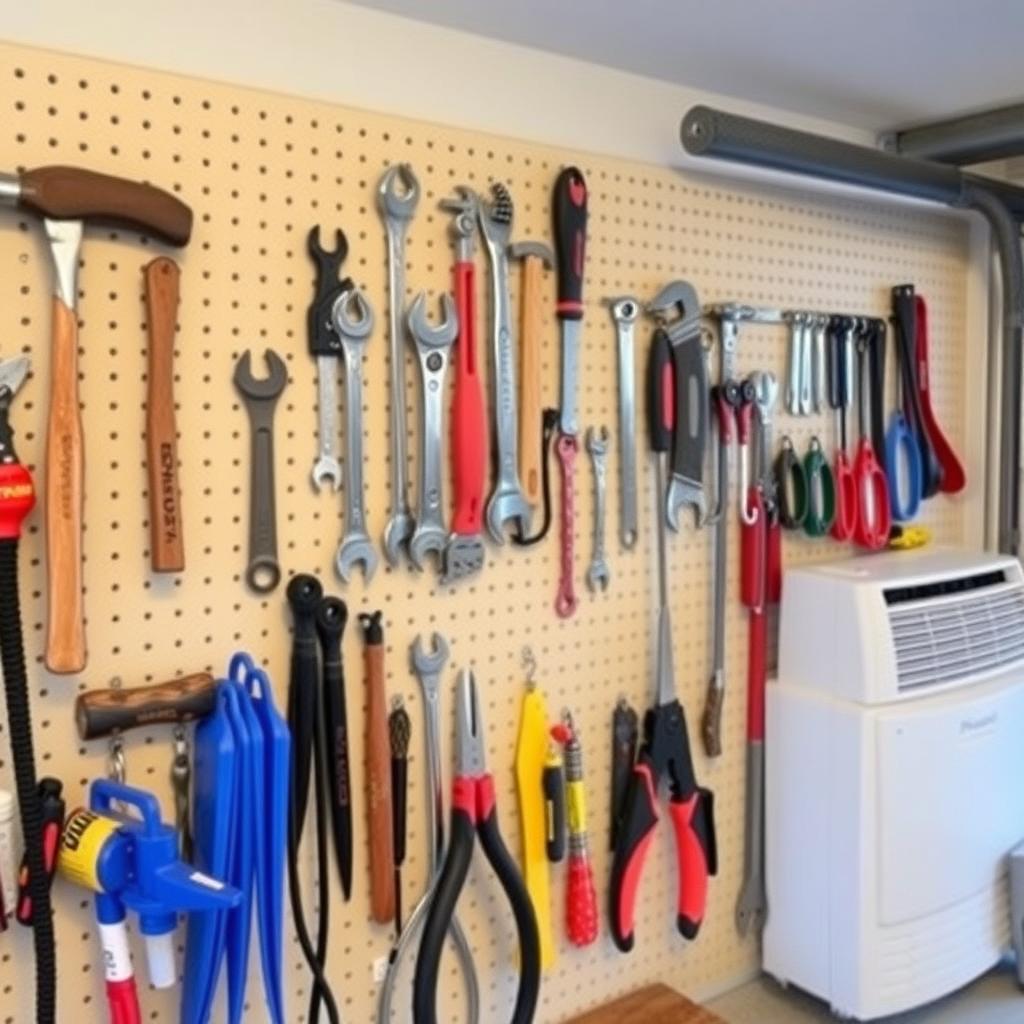
- Pegboards for Versatility: Mount a pegboard on a wall to hang tools like hammers, pliers, and screwdrivers. Customize it with hooks and baskets for smaller items. I painted mine to match the workshop vibe—it’s both practical and sharp.
- Magnetic Strips for Metal Tools: Install a magnetic strip for quick access to metal tools like chisels or wrenches. They’re cheap, easy to install, and save drawer space.
- Under-Shelf Jars: Screw jar lids to the underside of shelves to store screws, nails, or bits. I use clear plastic jars so I can see what’s inside without opening them.
- Rolling Carts: A rolling cart with drawers can slide under a workbench when not in use. I built one from scrap wood and added casters for mobility.
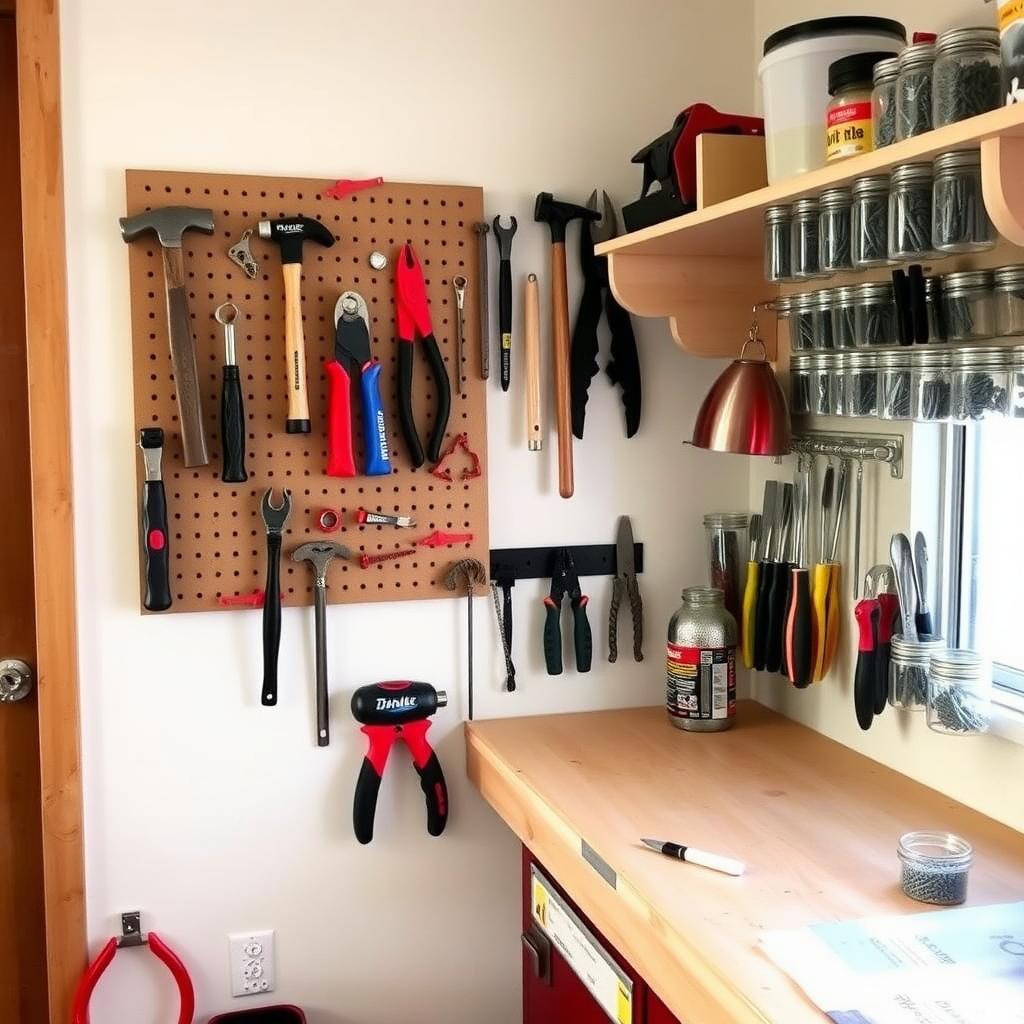
These solutions don’t require a big budget. For example, a pegboard setup costs under $30, and you can find tutorials on sites like Popular Mechanics for step-by-step guidance. The goal is accessibility—your tools should be easy to grab and put away.
Tool Maintenance Tips for Longevity
Keeping tools in top shape extends their life and saves money. Here are some tool maintenance tips for longevity I swear by:
- Clean After Use: Wipe down tools to remove dust or grease. I keep a rag handy for quick cleanups after every project.
- Prevent Rust: Store tools in a dry area and use silica gel packets in drawers. A study from MIT’s Materials Science Department shows moisture control can double the lifespan of metal tools.
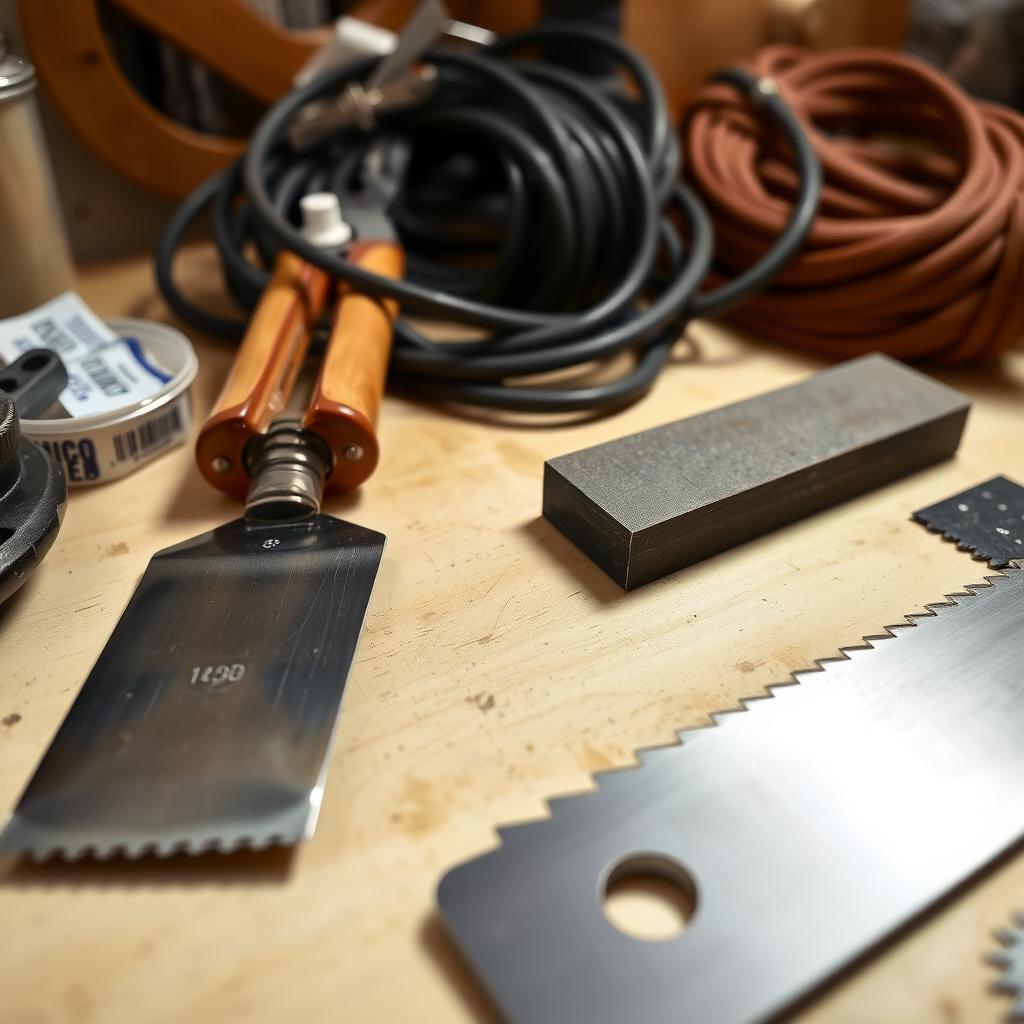
- Sharpen Regularly: Dull blades are dangerous and inefficient. I sharpen my chisels and saws every few months using a simple whetstone.
- Oil Moving Parts: Lubricate pliers, scissors, and other tools with moving parts to prevent stiffness. A drop of machine oil works wonders.
I learned the hard way that neglecting tools leads to costly replacements. Once, I left a drill bit in a damp basement—within weeks, it was rusted beyond use. Now, I store everything in a climate-controlled box, especially in humid climates.
Essential Workman Tools for Beginners
If you’re new to DIY, you don’t need a massive tool collection. Focus on essential workman tools for beginners that cover most projects:
| Tool | Purpose | Why It’s Essential |
|---|---|---|
| Hammer | Driving nails, light demolition | Versatile for basic tasks |
| Screwdriver Set | Fastening screws | Get a set with multiple heads |
| Tape Measure | Measuring lengths | Precision is key for any project |
| Utility Knife | Cutting materials | Compact and multi-purpose |
| Cordless Drill | Drilling and fastening | Speeds up most tasks |
I started with just these and built a bookshelf that’s still standing five years later. Buy quality over quantity—cheap tools break fast. Check Consumer Reports for reliable tool reviews.
Ergonomic Hand Tools for Reduced Strain
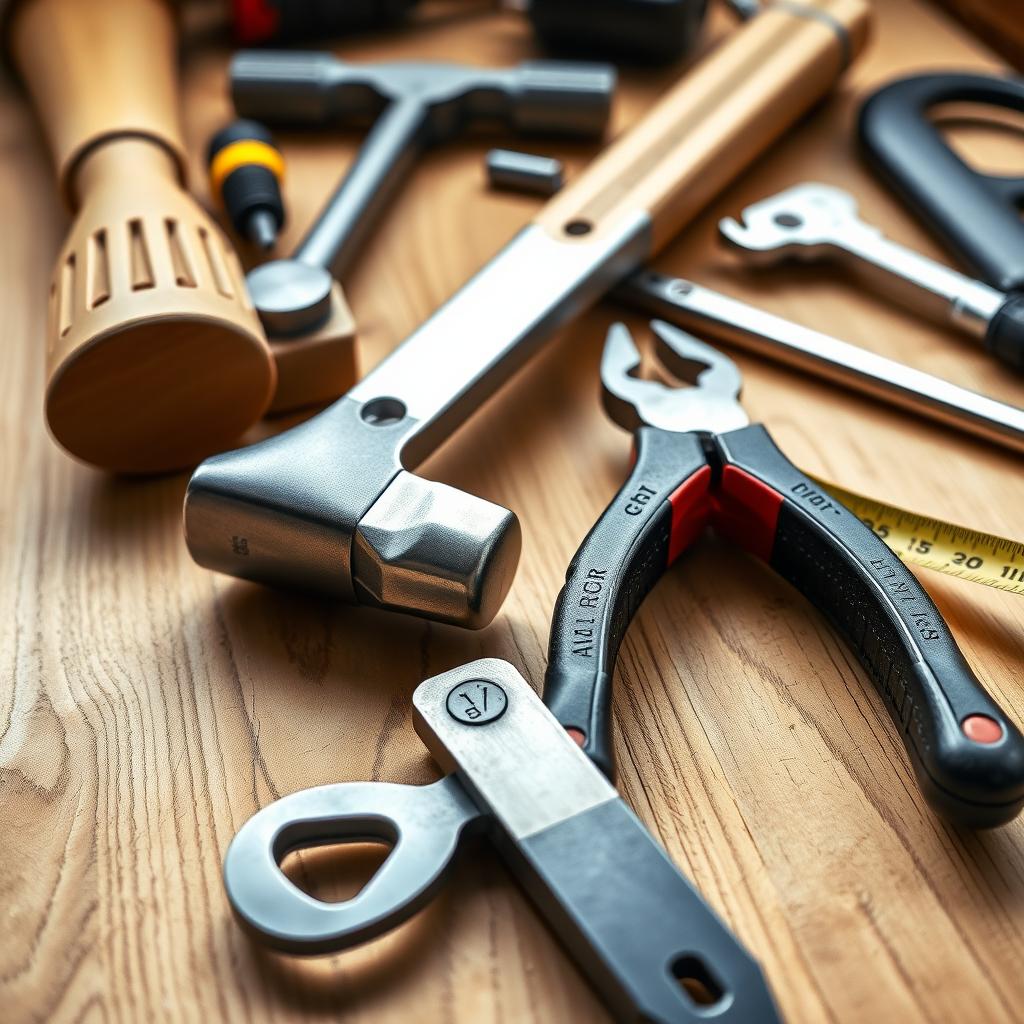
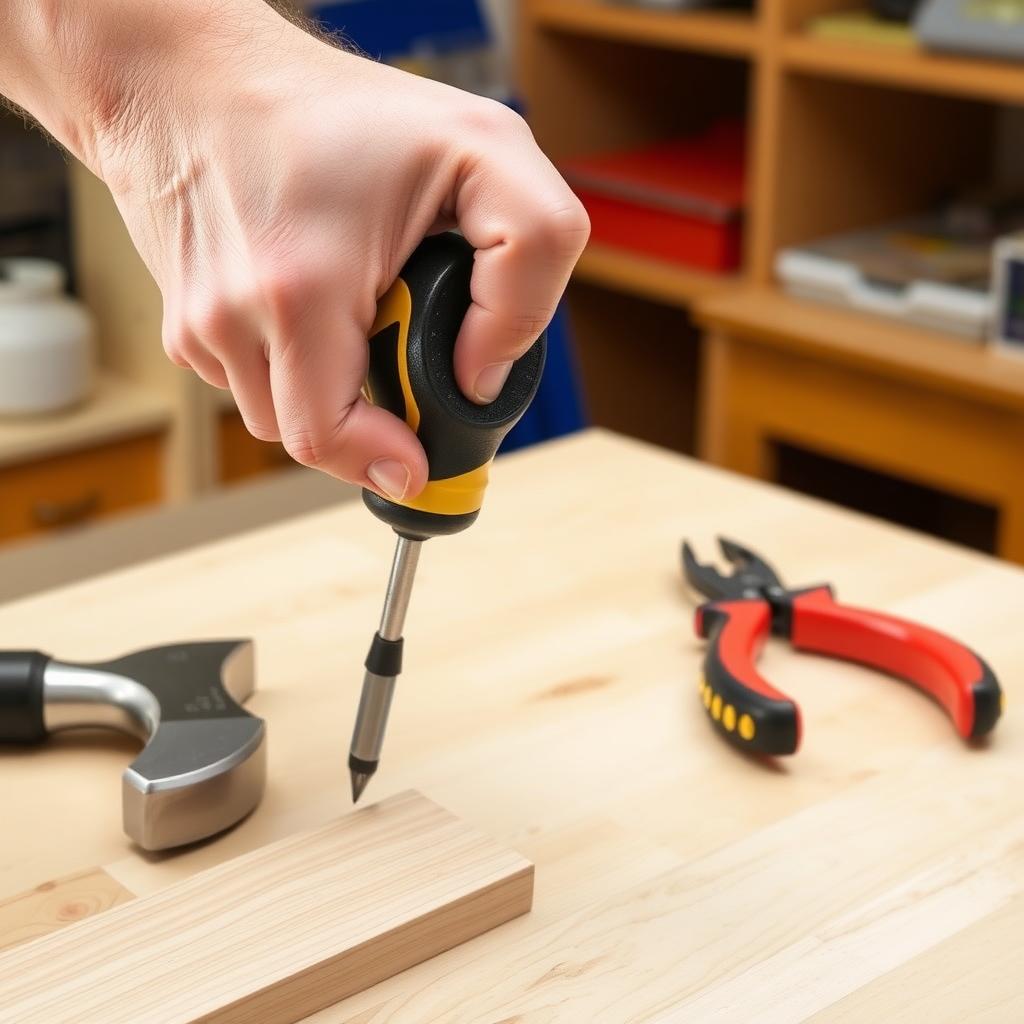
Long hours in the workshop can strain your hands and wrists. Using ergonomic hand tools for reduced strain makes a big difference. Look for tools with padded grips or curved handles to ease pressure. For example, I switched to an ergonomic hammer with a cushioned grip, and my wrist pain dropped noticeably after long sessions.
Some favorites include:
- Ergonomic Screwdrivers: Brands like Stanley offer sets with soft-grip handles.
- Pliers with Cushioned Grips: These reduce hand fatigue during repetitive tasks.
- Anti-Vibration Hammers: They absorb shock, protecting your joints.
A report from the National Institute for Occupational Safety and Health highlights that ergonomic tools can reduce repetitive strain injuries by up to 30%. Investing in these tools isn’t just about comfort—it’s about long-term health.
Space-Saving Tips for Tiny Workshops
In a small workshop, every square foot counts. Here are more hacks to maximize space:
- Vertical Storage: Use wall-mounted racks for ladders or large tools. I hung my sawhorses on a wall, freeing up floor space.
- Foldable Workbench: A foldable workbench can be tucked away when not in use. I built one from plywood that collapses in seconds.
- Stackable Bins: Clear, stackable bins keep small parts organized and visible. Label them for quick access.
- Multi-Use Furniture: A workbench with built-in shelves doubles as storage. Mine holds both tools and project materials.
I once turned a 6x8-foot shed into a fully functional workshop using these tricks. The key is to think vertically and prioritize multi-use items. Websites like This Old House offer detailed plans for foldable workbenches and other space-saving builds.
Maintaining an Organized Workshop
Organization isn’t a one-time fix—it’s a habit. Set aside 10 minutes after each project to put tools back in their place. I use a checklist to ensure everything’s stored properly. Also, reassess your setup every few months. As your tool collection grows, you’ll need to tweak your storage solutions.
Summary
A small home workshop can be a powerhouse with the right organization. By using DIY tool storage solutions for small spaces, following tool maintenance tips for longevity, investing in essential workman tools for beginners, and choosing ergonomic hand tools for reduced strain, you’ll create a space that’s efficient and enjoyable. Start small, stay consistent, and your workshop will become a haven for creativity.
Related Small Space Organization Hacks for Home Workshops - https://www.thisoldhouse.com/storage-organization/21097186/small-workshop-storage-solutions:
- Setting Up Your Home Office for Productivity: A Complete Guide
- 10 Essential Painting Tools Every Painter Should Have
- The Best Power Tools for Automotive Repair: A Comprehensive Guide
- Top Power Tools for Your Workshop: Must-Haves for Woodworking Enthusiasts
- Hand Tools Maintenance Tips: Keep Your DIY Arsenal in Top Shape
- Comprehensive Guide to Choosing Workman Tools
- The Best Wrenches for Mechanics: Top Picks for Durability and Performance
- The Future of Automation Tech: Revolutionizing Industries with Smart Tools
- Painting Techniques for Beginners: A Step-by-Step Guide
- The Evolution of Workman Tools: From Stone Age to Modern Day
- Best Ratcheting Wrenches for Fast Repairs: Your Ultimate Guide
- A Guide to Choosing the Right Wrenches for Any Job