Overview
Building a woodworking workshop is exciting, but choosing the right tools can feel overwhelming. The top power tools for your workshop are those that blend versatility, precision, and durability to bring your projects to life. Whether you're a beginner or a seasoned woodworker, this guide highlights essential tools, shares advanced woodworking techniques for enthusiasts, and offers practical advice on care and maintenance of your power tools.
Why Power Tools Matter for Woodworking
Power tools transform woodworking from a laborious task into a streamlined, creative process. They save time, boost precision, and open doors to advanced techniques that hand tools alone can't achieve. For woodworking enthusiasts, having the right tools means tackling projects from simple shelves to intricate furniture with confidence. But with so many options, how do you choose? Below, I’ll share my top picks based on years of hands-on experience in my own workshop, focusing on tools that deliver for both beginners and pros.
1. Table Saw: The Heart of Your Workshop
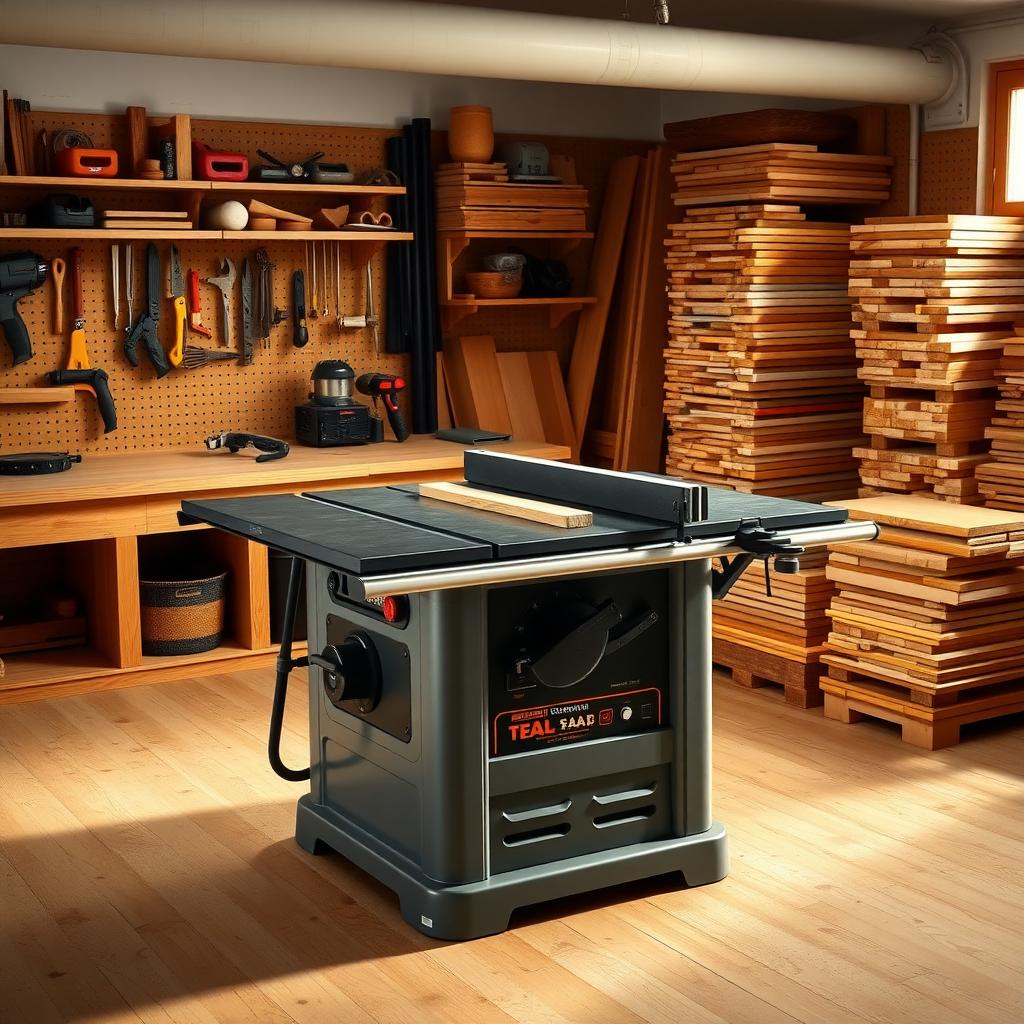
If I could only pick one tool, it’d be a table saw. It’s the backbone of any woodworking shop, perfect for ripping long boards, crosscutting, and even cutting angles with the right jigs. A good table saw offers precision and power, making it ideal for everything from plywood sheets to hardwood planks. Look for a model with a sturdy cast-iron table and a reliable fence system for accurate cuts every time.
For beginners, a hybrid table saw like the Ridgid 10-inch Table Saw balances affordability and performance, plugging into a standard 15-amp outlet. More advanced woodworkers might opt for a cabinet saw with a 220-volt motor for heavier tasks. Whatever your level, invest in a quality blade—carbide-tipped ones last longer and cut cleaner.
2. Power Drills: Versatility in Your Hands
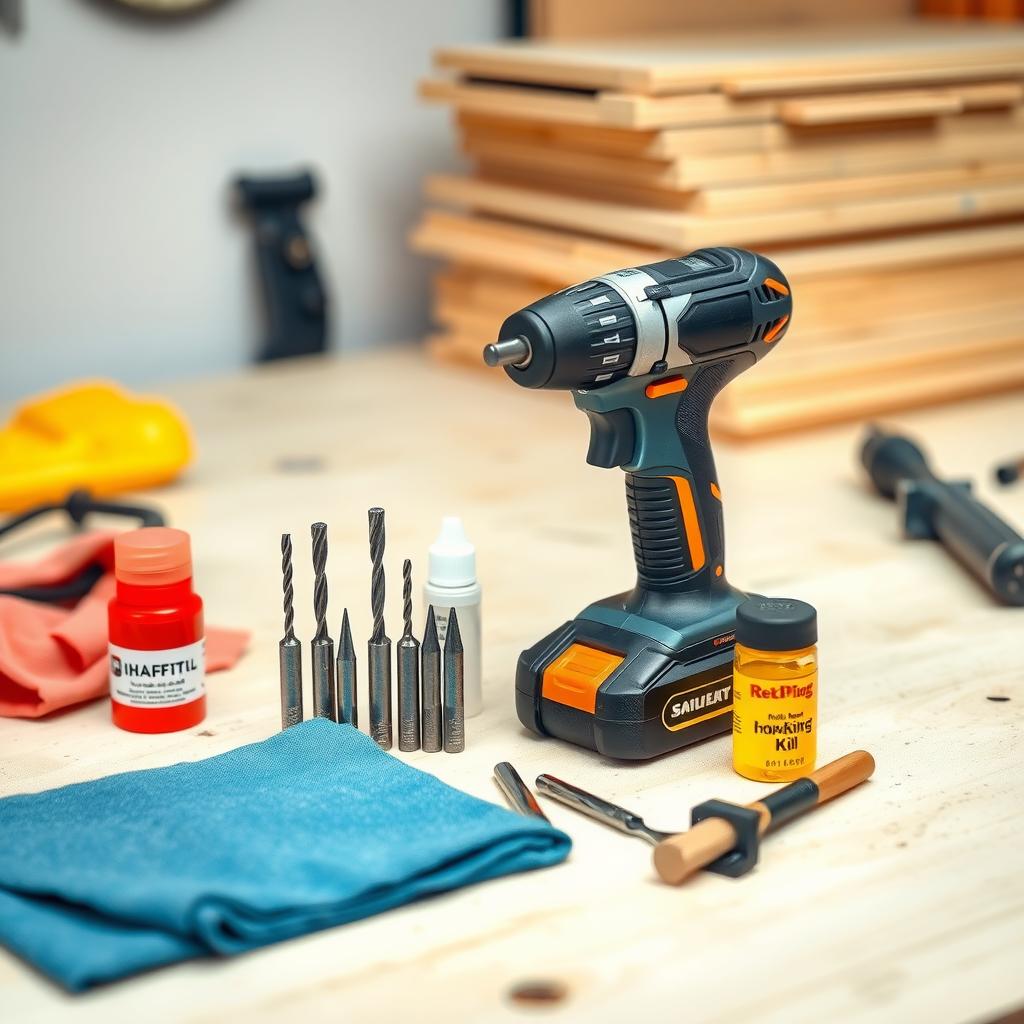
No workshop is complete without a reliable power drill. Power drills are the Swiss Army knives of woodworking, used for drilling holes, driving screws, and even sanding with the right attachments. Cordless drill/drivers, like the DeWalt 20V MAX Drill, are my go-to for their portability and power. Their 18-20 volt batteries handle most tasks, and features like variable speed and a keyless chuck make them user-friendly.
When choosing a drill, consider your project needs. A 3/8-inch chuck is fine for light tasks, but a 1/2-inch chuck handles larger bits for heavy-duty work. Pair your drill with an impact driver for faster screw-driving—trust me, it’s a game-changer for assembling furniture or cabinetry. Always keep a variety of bits and a spare battery on hand to avoid interruptions.
3. Miter Saw: Precision for Angles
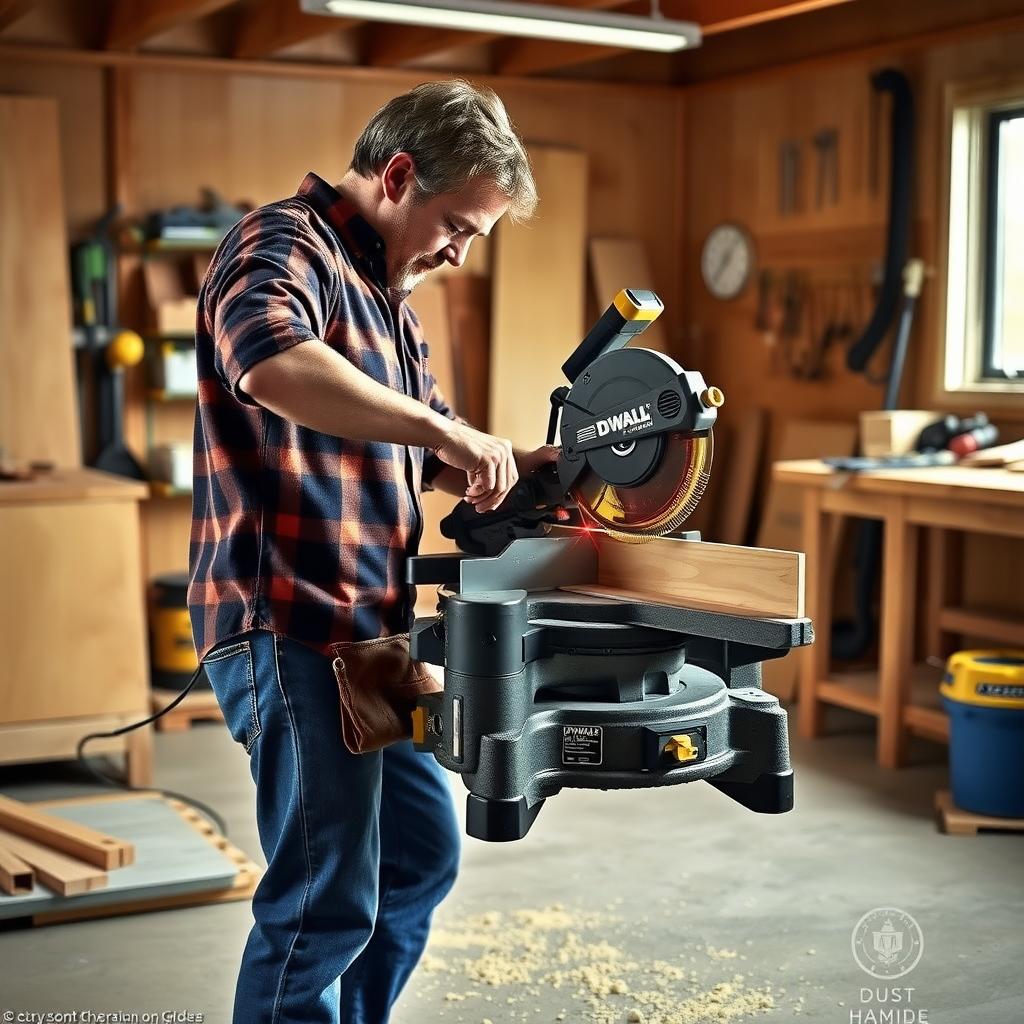
A miter saw, or chop saw, is a must for precise crosscuts and angled cuts, especially for trim work or furniture frames. I’ve used my 10-inch sliding compound miter saw for years to cut everything from 2x4s to delicate molding. Its ability to tilt and slide makes complex cuts simple, which is why it’s a favorite for advanced woodworking techniques for enthusiasts like crafting picture frames or crown molding.
Look for a model with a laser guide for accuracy and a dust collection system to keep your shop clean. Brands like Bosch and Makita offer durable options that last. If you’re tight on space, a 10-inch saw is versatile enough for most projects and shares blades with a 10-inch table saw, saving you money.
4. Router: Shaping and Joinery
A router is a powerhouse for shaping edges, cutting grooves, and creating joints like dados or dovetails. Its versatility makes it essential for power tools for woodworking enthusiasts aiming for professional results. A 2-horsepower router with variable speed is ideal for most tasks—slow speeds for large bits, faster for smaller ones. I recommend a model with both 1/4-inch and 1/2-inch collets for flexibility.
Routers shine in advanced techniques, like creating decorative edges or inlays. For example, using a router with a dovetail jig can produce tight, professional joints for drawers. Always use sharp bits and practice on scrap wood to master control. The Woodworkers Institute highlights routers as key for precision tasks, and I agree—they’ve elevated my projects significantly.
5. Planer and Jointer: Perfecting Your Lumber
A planer and jointer are a dynamic duo for preparing rough lumber. A jointer flattens and squares one edge, while a planer ensures consistent thickness. Together, they’re critical for advanced woodworking techniques for enthusiasts who want flawless boards for furniture or cabinetry. A 6-inch jointer and a 13-inch portable planer, like the Delta 22-590, are great for small shops.
If your budget is tight, start with a planer and build a jointing jig for your table saw. Be warned: planers can snipe (overcut) board ends, so feed boards carefully or use scrap wood to minimize waste. These tools transform rough lumber into polished stock, saving you time and money.
Care and Maintenance of Your Power Tools
Owning the top power tools for your workshop is only half the battle—keeping them in top shape is crucial. Here’s how I maintain mine to ensure they last decades:
- Clean Regularly: Wipe off sawdust and debris after every use. Sawdust can clog motors or rust metal parts.
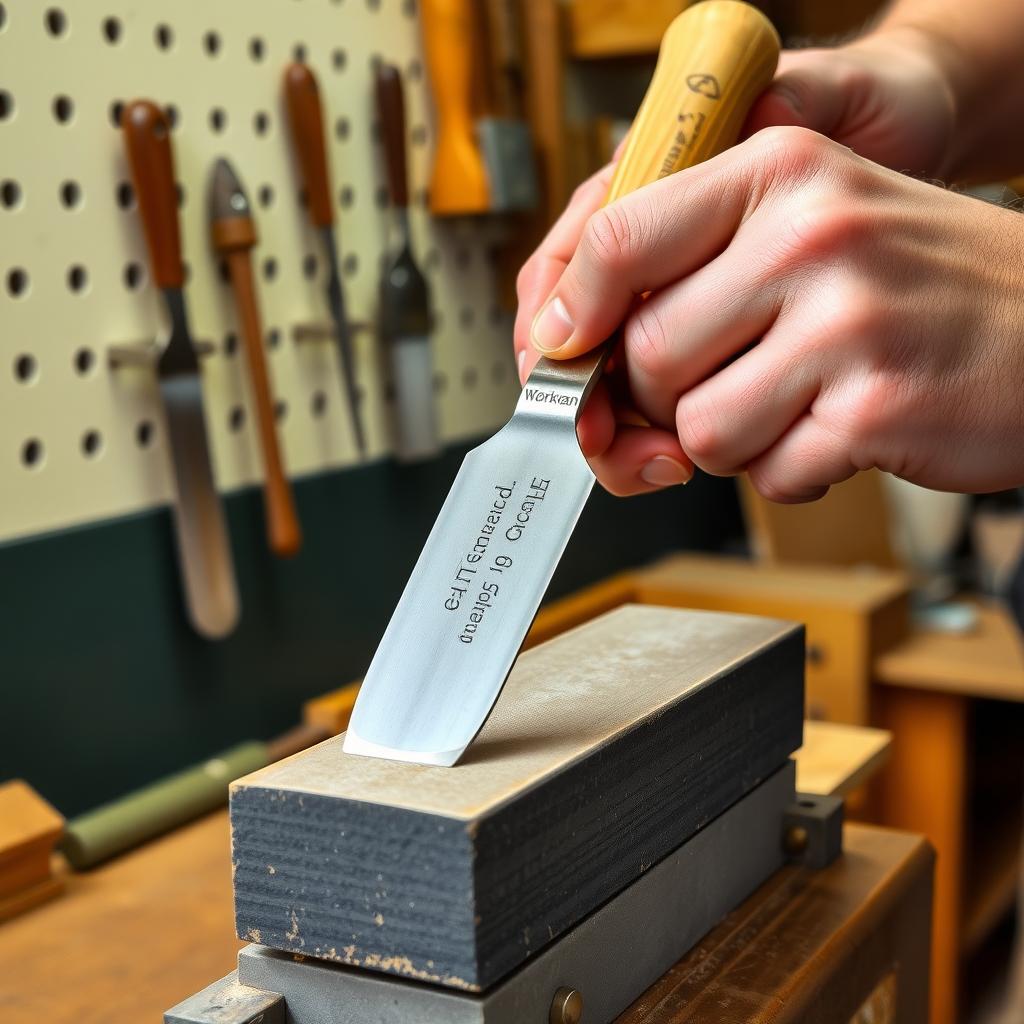
- Sharpen Blades and Bits: Dull blades are dangerous and produce rough cuts. Use a sharpening service or invest in a bench grinder for DIY sharpening.
- Check Alignment: Ensure table saw fences and miter saw angles are true. Misalignment leads to inaccurate cuts.
- Lubricate Moving Parts: Apply machine oil to pivot points and slides to prevent wear.
- Store Properly: Keep tools in a dry, dust-free environment. Use cases for cordless tools to protect batteries.
Regular maintenance not only extends tool life but also improves safety and performance. The Woodcraft team emphasizes that proper care can make even budget tools perform like high-end models.
Choosing the Right Tools for Your Skill Level
Not every woodworker needs every tool right away. Beginners should start with a table saw, power drill, and miter saw—versatile enough for most projects. As you grow, add a router and planer to tackle advanced woodworking techniques for enthusiasts. Always buy the best you can afford, but don’t overspend on features you won’t use yet. For example, a cordless drill with a basic clutch is fine for starters, while pros might need a brushless motor for heavy-duty tasks.
Researching brands is key. DeWalt, Bosch, and Makita consistently deliver durability and performance, as noted by Good Housekeeping’s tool reviews. Read user reviews online to avoid models with common issues, and consider used tools from reputable brands for budget savings.
Safety First
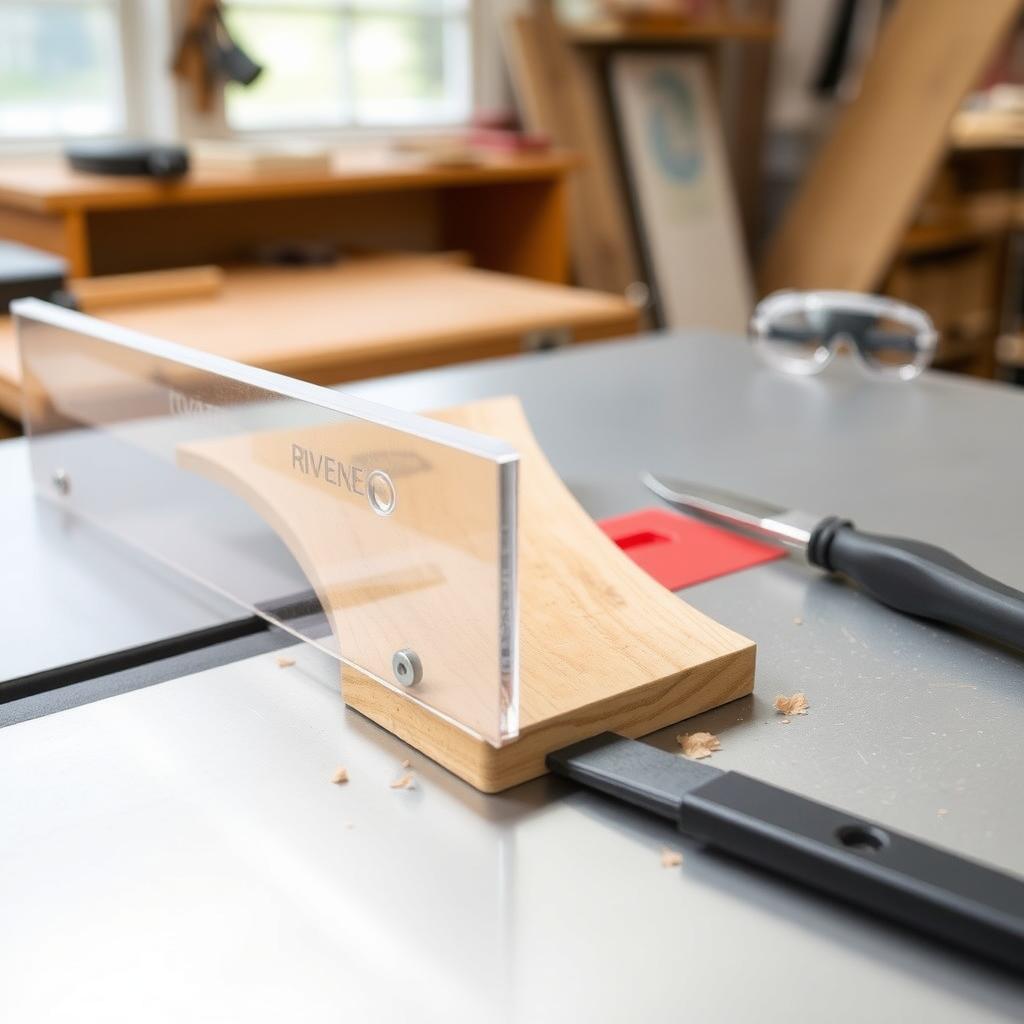
Power tools are powerful, but they can be dangerous. Always wear safety glasses, cut-resistant gloves, and a dust mask. Ensure your workshop has good ventilation to handle sawdust, and keep a fire extinguisher nearby for emergencies. Learn each tool’s safety features—like blade guards on table saws—and never bypass them. A moment of carelessness can lead to serious injury, so stay focused.
Final Thoughts
Equipping your workshop with the top power tools for your workshop sets you up for success, whether you’re building a birdhouse or a dining table. A table saw, power drill, miter saw, router, and planer cover most woodworking needs, letting you explore power tools for woodworking enthusiasts with confidence. Pair these with proper care and maintenance of your power tools to keep them running smoothly for years. Start small, master each tool, and watch your skills—and projects—grow.
Related Top Power Tools for Your Workshop:
- Hand Tools Maintenance Tips: Keep Your DIY Arsenal in Top Shape
- Comprehensive Guide to Choosing Workman Tools
- The Best Wrenches for Mechanics: Top Picks for Durability and Performance
- The Future of Automation Tech: Revolutionizing Industries with Smart Tools
- Painting Techniques for Beginners: A Step-by-Step Guide
- The Evolution of Workman Tools: From Stone Age to Modern Day
- Best Ratcheting Wrenches for Fast Repairs: Your Ultimate Guide
- A Guide to Choosing the Right Wrenches for Any Job
- Top 10 Essential Tools for Every Workman’s Toolbox
- How to Care for Your Workman Tools: A Comprehensive Guide
- Table Saws with Advanced Safety Mechanisms: Your Guide to Safer Woodworking
- How to Prep Your Walls for a Perfect Paint Job