Overview: Finding the Best Wrenches for Mechanics
Mechanics need tools they can trust, and wrenches are the backbone of any toolkit. The best wrenches for mechanics combine durability, precision, and comfort to tackle tough jobs. This guide dives into top picks, personal insights, and tips to choose workman tools that last.
Why Wrenches Matter for Mechanics
Wrenches are more than just tools; they’re an extension of a mechanic’s skill. Whether you’re tightening a bolt on a car engine or loosening a stubborn nut on heavy machinery, the right wrench makes the difference between a job done well and a stripped fastener. I’ve spent years in garages, and I’ve learned that a good wrench saves time, reduces frustration, and prevents costly mistakes.
The best wrenches for mechanics offer a balance of strength, grip, and versatility. They need to withstand high torque without rounding edges and fit comfortably in your hand during long shifts. With so many options—combination, ratcheting, adjustable, and more—choosing the right one can feel overwhelming. Let’s break it down.
Types of Wrenches Every Mechanic Should Know
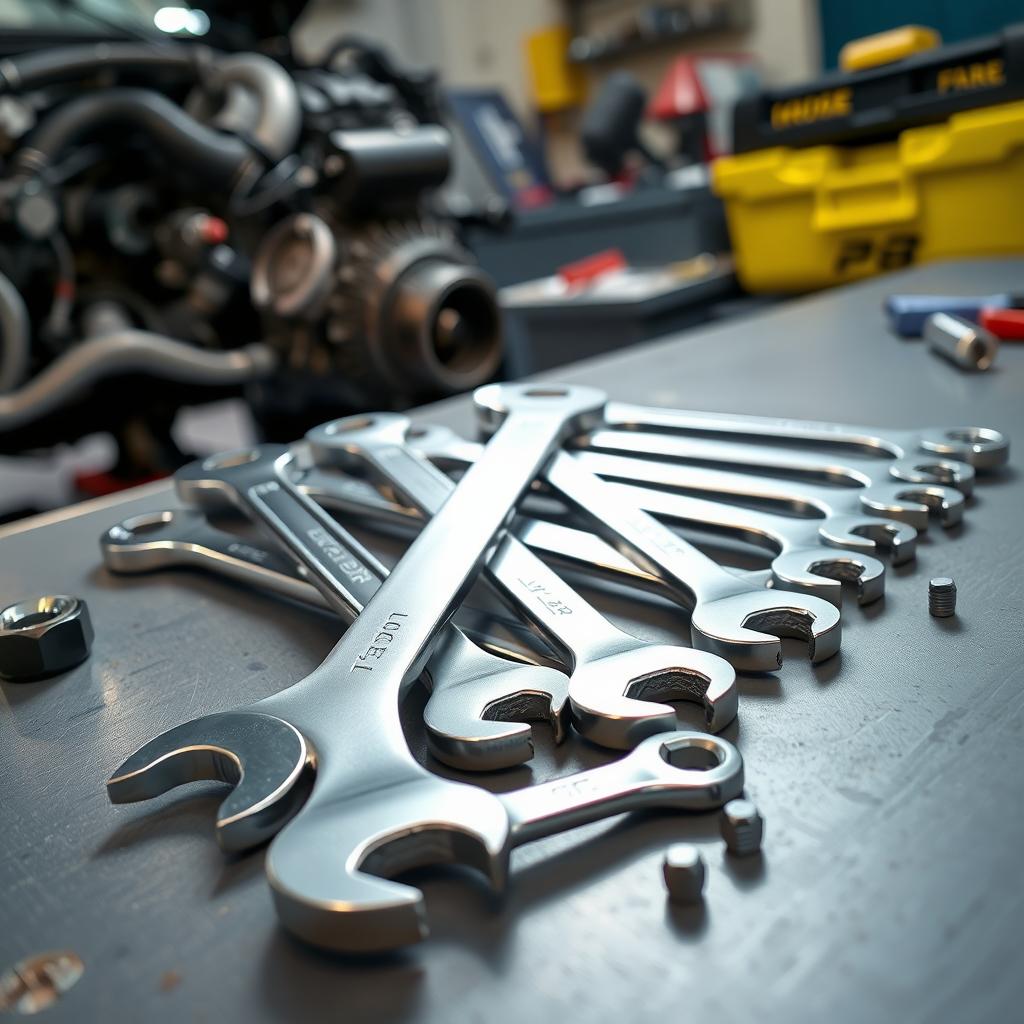
Not all wrenches are created equal. Here’s a rundown of the main types mechanics rely on, along with their strengths:
- Combination Wrenches: These have an open end for quick access and a box end for extra torque. They’re a staple for most mechanics due to their versatility.
- Ratcheting Wrenches: These allow continuous turning without repositioning, speeding up repetitive tasks. They’re a game-changer for tight spaces.
- Adjustable Wrenches: With adjustable jaws, these handle various sizes but can slip if not used carefully. They’re great for occasional use but not for heavy-duty tasks.
- Torque Wrenches: Essential for precision, these ensure bolts are tightened to exact specifications, preventing damage. They’re critical for engine work.
Each type has its place, but combination and ratcheting wrenches are the most used in my experience. They cover 90% of tasks in a typical garage.
Top Picks for the Best Wrenches for Mechanics
After testing countless workman tools, here are my top recommendations for mechanics, based on durability, performance, and value. These picks are informed by hands-on use and feedback from fellow mechanics.
1. GearWrench 9416 Ratcheting Combination Wrench Set
This 16-piece metric set is a favorite for its smooth ratcheting action and compact design. The 72-tooth ratchet needs just a 5-degree swing, perfect for cramped engine bays. Made from alloy steel, these wrenches resist wear even after years of use. I’ve dropped mine countless times, and they still look and work like new.
Why It’s Great: - Smooth ratcheting for fast work - Durable chrome finish - Includes common metric sizes (8mm to 24mm)
Downside: Lacks SAE sizes, so you may need a separate set for American vehicles.
2. Craftsman 20-Piece Combination Wrench Set
Craftsman has been a trusted name for decades, and this set delivers both metric and SAE sizes. The full-polish chrome finish prevents rust, and the 12-point box end grips fasteners securely. I’ve used these for everything from brake jobs to suspension repairs, and they’ve never let me down.
Why It’s Great: - Covers both metric and SAE - Comfortable grip for long sessions - Lifetime warranty
Downside: Slightly heavier than premium brands, which can tire your hand.
3. Tekton 18792 Adjustable Wrench Set
For mechanics who need flexibility, this three-piece set (6, 8, and 10 inches) handles a wide range of fastener sizes. The jaws are precise, reducing slippage, and the cushioned grip feels good during extended use. I keep one in my toolbox for odd-sized bolts that standard wrenches can’t handle.
Why It’s Great: - Versatile for non-standard sizes - Smooth jaw adjustment - Affordable price
Downside: Not ideal for high-torque applications.
4. Snap-on 10-19mm Ratcheting Wrench Set
If budget isn’t a concern, Snap-on’s ratcheting set is top-tier. The Flank Drive system grips fasteners better than standard wrenches, reducing the chance of rounding. These are pricy, but their durability justifies the cost for pros. I’ve seen these last decades in busy shops.
Why It’s Great: - Superior grip with Flank Drive - Ultra-durable construction - Lifetime warranty
Downside: High cost may not suit hobbyists.
What to Look for When Choosing Wrenches
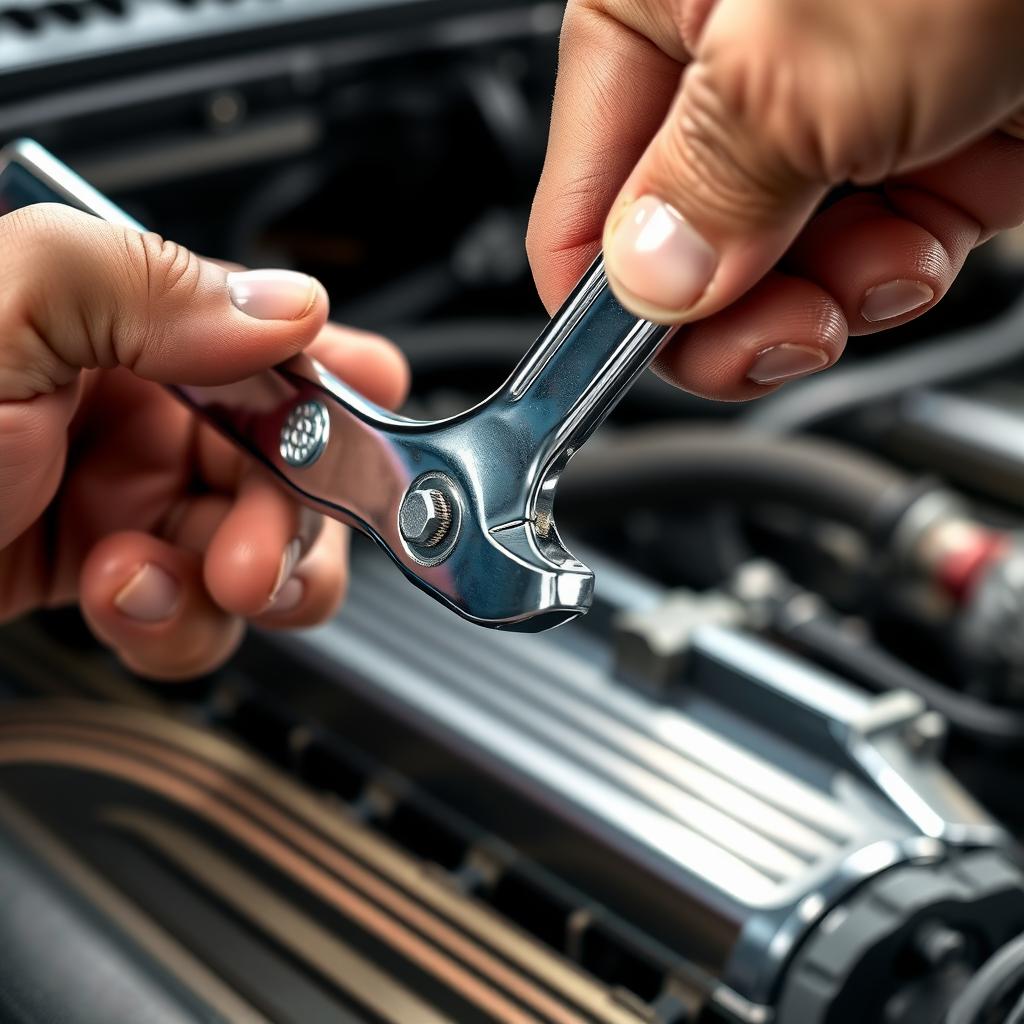
Picking the best wrenches for mechanics isn’t just about brand names. Here are key factors to consider, based on my experience:
| Feature | Why It Matters |
|---|---|
| Material | Chrome-vanadium or alloy steel ensures durability and resistance to wear. Avoid cheap steel that bends or cracks. |
| Finish | Full-polish chrome prevents rust and is easy to clean. Matte finishes can trap grime. |
| Size Range | Sets with both metric and SAE sizes cover most vehicles. Check your typical jobs to prioritize sizes. |
| Grip | Comfortable handles reduce hand fatigue. Textured or cushioned grips are a bonus for long sessions. |
| Warranty | Lifetime warranties, like those from Craftsman or Snap-on, protect your investment. |
I always check the feel of a wrench in my hand before buying. A good fit prevents blisters and makes work enjoyable. Also, consider storage—sets with organizers save time and keep your toolbox tidy.
Tips for Using Wrenches Effectively
Even the best wrenches for mechanics won’t perform if used poorly. Here are practical tips to get the most out of your workman tools:
- Use the Right Size: Always match the wrench to the fastener size to avoid stripping. A loose fit is a recipe for disaster.
- Apply Steady Pressure: For high-torque jobs, pull smoothly rather than jerking. This protects both the wrench and the fastener.
- Clean Regularly: Wipe down wrenches after use to prevent rust, especially if you work in humid shops.
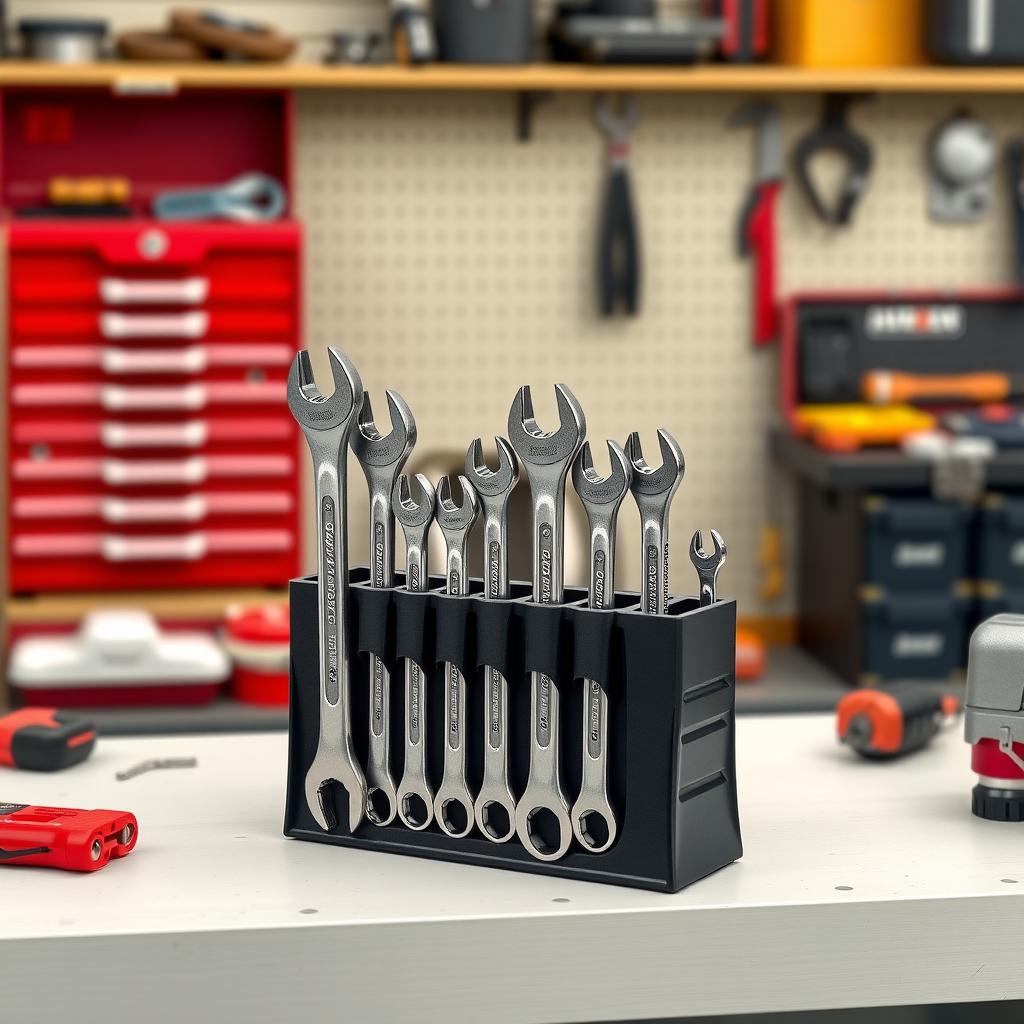
- Store Properly: Use a wrench organizer or foam insert to keep sizes accessible and prevent loss.
- Check Torque Specs: For critical components like engine bolts, use a torque wrench to meet manufacturer specs. The University of Wisconsin’s engineering department emphasizes precise torque for safety in mechanical assemblies.
I learned the hard way that rushing with the wrong wrench can ruin a bolt—and your day. Taking a moment to choose the right tool pays off.
Common Mistakes to Avoid
Mechanics, especially new ones, make avoidable errors with wrenches. Here’s what to watch out for:
- Over-Torquing: Applying too much force can strip bolts or break wrenches. A study by the National Institute of Standards and Technology shows over-torquing is a leading cause of fastener failure.
- Using Adjustable Wrenches for Everything: They’re versatile but lack the grip of fixed wrenches for heavy jobs.
- Ignoring Maintenance: Dirty or rusty wrenches lose precision. A quick wipe-down after use keeps them in top shape.
I once stripped a bolt on a customer’s car because I grabbed an adjustable wrench instead of a combination one. The repair cost me hours. Learn from my mistake—use the right tool for the job.
Where to Buy Quality Wrenches
You can find great wrenches at various retailers, but quality varies. I recommend checking:
- Home Depot or Lowe’s: Great for Craftsman and Tekton sets, often with in-store pickup.
- Snap-on Dealers: Ideal for premium tools, though expect a higher price.
- Amazon: Offers GearWrench and other brands with fast shipping. Check reviews for authenticity.
For budget-conscious mechanics, Harbor Freight’s Pittsburgh line is decent for occasional use, but they don’t match the durability of top brands. Always read reviews and check warranties before buying.
Summary: Choosing Your Perfect Wrench
The best wrenches for mechanics depend on your needs, budget, and the jobs you tackle. GearWrench and Craftsman offer reliable, versatile sets for most tasks, while Snap-on delivers premium performance for pros. Focus on durability, comfort, and the right size range to build a toolkit that lasts. With proper care and technique, these workman tools will make your work easier and more efficient.
Related best wrenches for mechanics:
- The Future of Automation Tech: Revolutionizing Industries with Smart Tools
- Painting Techniques for Beginners: A Step-by-Step Guide
- The Evolution of Workman Tools: From Stone Age to Modern Day
- Best Ratcheting Wrenches for Fast Repairs: Your Ultimate Guide
- A Guide to Choosing the Right Wrenches for Any Job
- Top 10 Essential Tools for Every Workman’s Toolbox
- How to Care for Your Workman Tools: A Comprehensive Guide
- Table Saws with Advanced Safety Mechanisms: Your Guide to Safer Woodworking
- How to Prep Your Walls for a Perfect Paint Job
- How to Choose the Right Hammer for Any Job
- 10 Essential Power Tools for Every Workshop
- Tool Organization Tips for Painters: Keep Your Workspace Efficient