Overview
Choosing the right hammer can make or break your project. Whether you're a DIY enthusiast or a seasoned handyman, understanding hammer types and their uses is key. This guide dives into how to choose the right hammer, with tips on features, practical applications, and toolbox organization to streamline your work.
Why the Right Hammer Matters
A hammer is one of the essential tools for every handyman. It’s not just about driving nails; the right hammer ensures precision, reduces strain, and boosts efficiency. Picking the wrong one can lead to bent nails, damaged surfaces, or even injury. I’ve learned this the hard way—early in my DIY days, I grabbed a heavy framing hammer for a delicate picture-hanging job. The result? A dented wall and a bruised ego. Let’s explore how to avoid those mistakes.
Types of Hammers and Their Uses
Hammers come in various shapes and sizes, each designed for specific tasks. Here’s a breakdown of the most common types:
- Claw Hammer: The classic choice for general tasks. Its curved, forked end is perfect for removing nails, while the flat head drives them in. Ideal for woodworking or household repairs.
- Sledgehammer: Heavy and powerful, great for demolition or driving stakes. Not for precision work—trust me, it’s overkill for small jobs.
- Ball Peen Hammer: Used in metalworking, with a rounded end for shaping metal or setting rivets.
- Tack Hammer: Lightweight, with a small head for upholstery or delicate tasks like installing tacks.
- Framing Hammer: Built for heavy-duty carpentry, like framing houses. Its longer handle and heavier head pack a punch.
Each hammer has a purpose, so match it to your project. For example, a claw hammer is my go-to for most home repairs, but I switch to a tack hammer for furniture projects.
Key Features to Consider
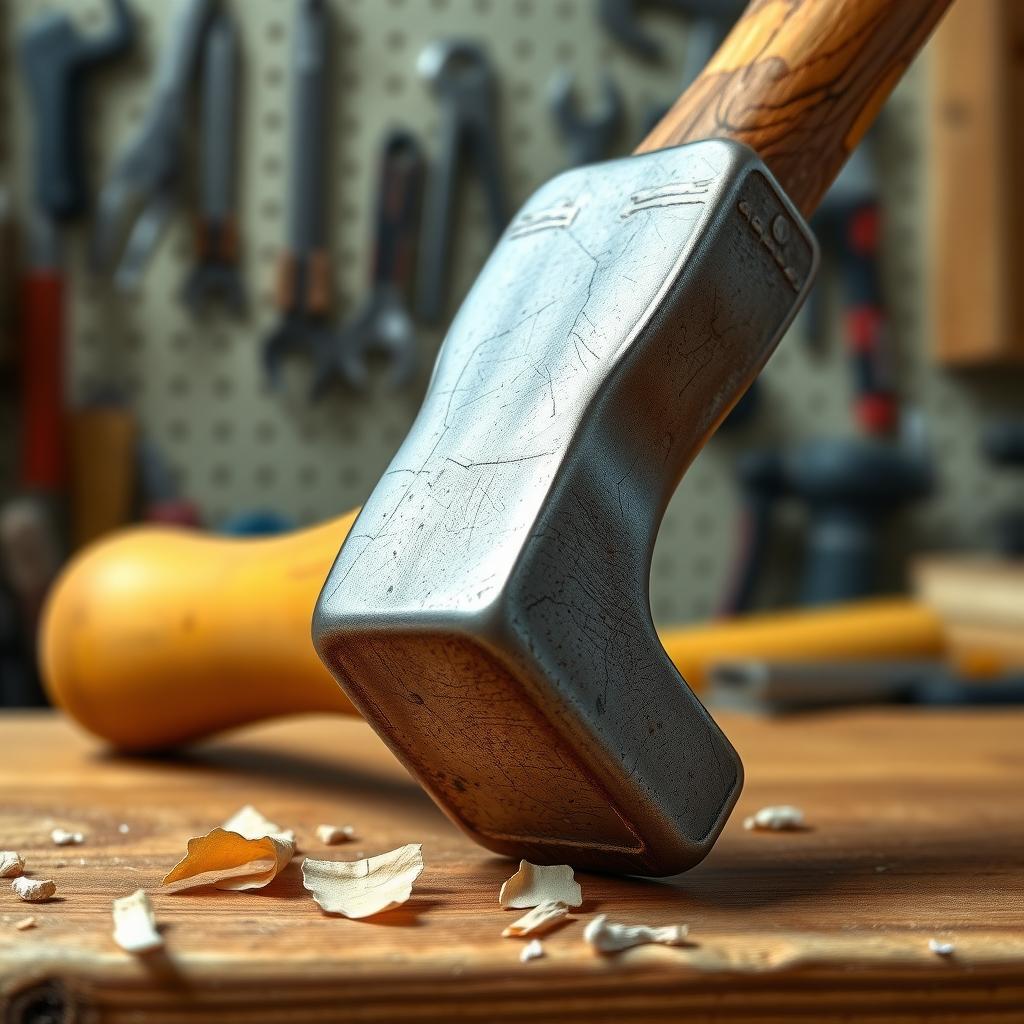
When learning how to choose the right hammer, focus on these features:
| Feature | Why It Matters |
|---|---|
| Weight | Lighter hammers (8-16 oz) are easier to control for small tasks. Heavier ones (20-32 oz) are better for heavy-duty work but can tire you out. |
| Handle Material | Wood absorbs shock but can break. Fiberglass is durable and reduces vibration. Steel is strong but heavy. I prefer fiberglass for its balance. |
| Grip | Rubber or textured grips prevent slipping, especially during sweaty jobs. Test the grip in-store if possible. |
| Head Design | Smooth heads prevent surface damage; checkered ones grip nails better but may mark wood. Choose based on your project’s needs. |
Think about your physical strength and the job at hand. A lightweight claw hammer with a rubber grip saved my hands during a long deck-building session.
Matching the Hammer to the Job
Consider your project’s demands. For small repairs, like hanging shelves, a 16-ounce claw hammer works well. For demolition, a sledgehammer is your friend. If you’re upholstering furniture, a tack hammer’s precision is unmatched. I once used a framing hammer for a fencing project—it drove posts effortlessly, but I wouldn’t use it for delicate trim work. Always ask: What’s the material? How much force is needed? This ensures you pick the right tool.
Advanced Toolbox Organization Ideas
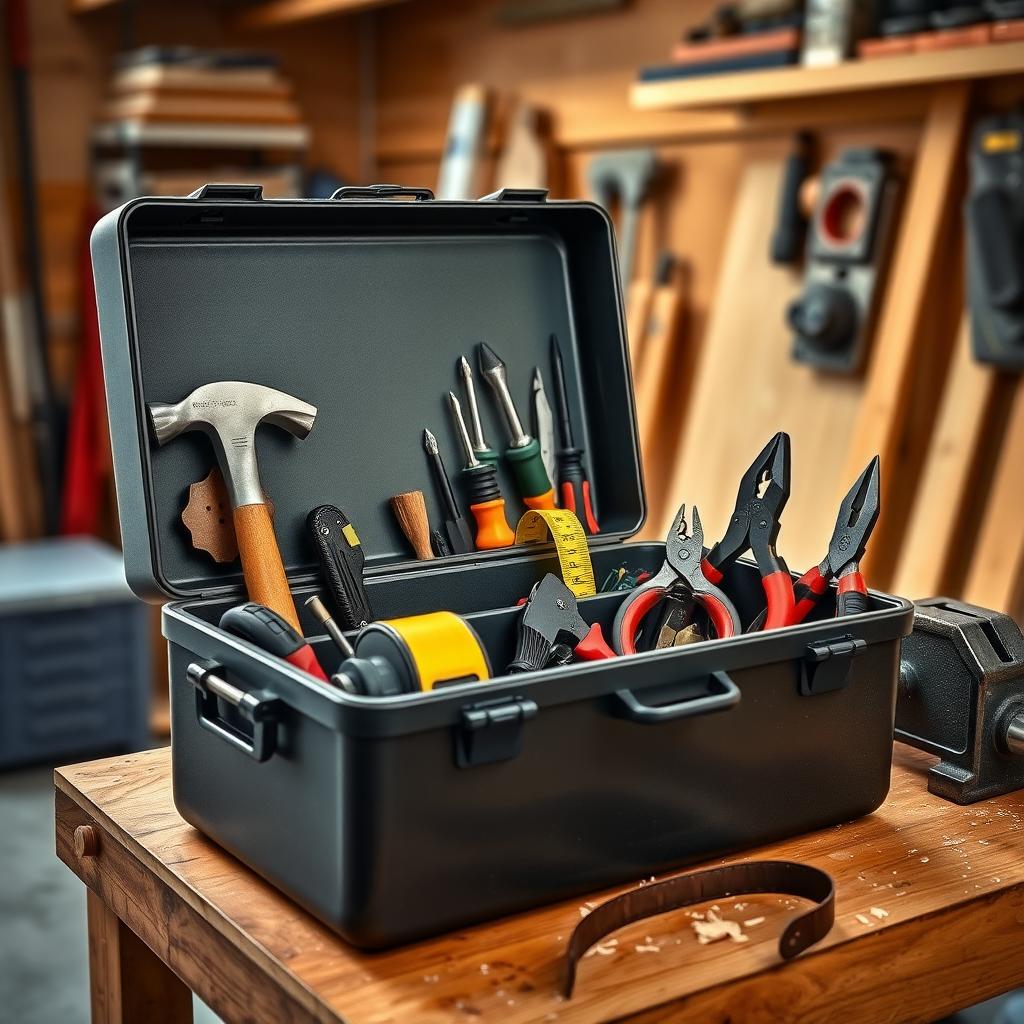
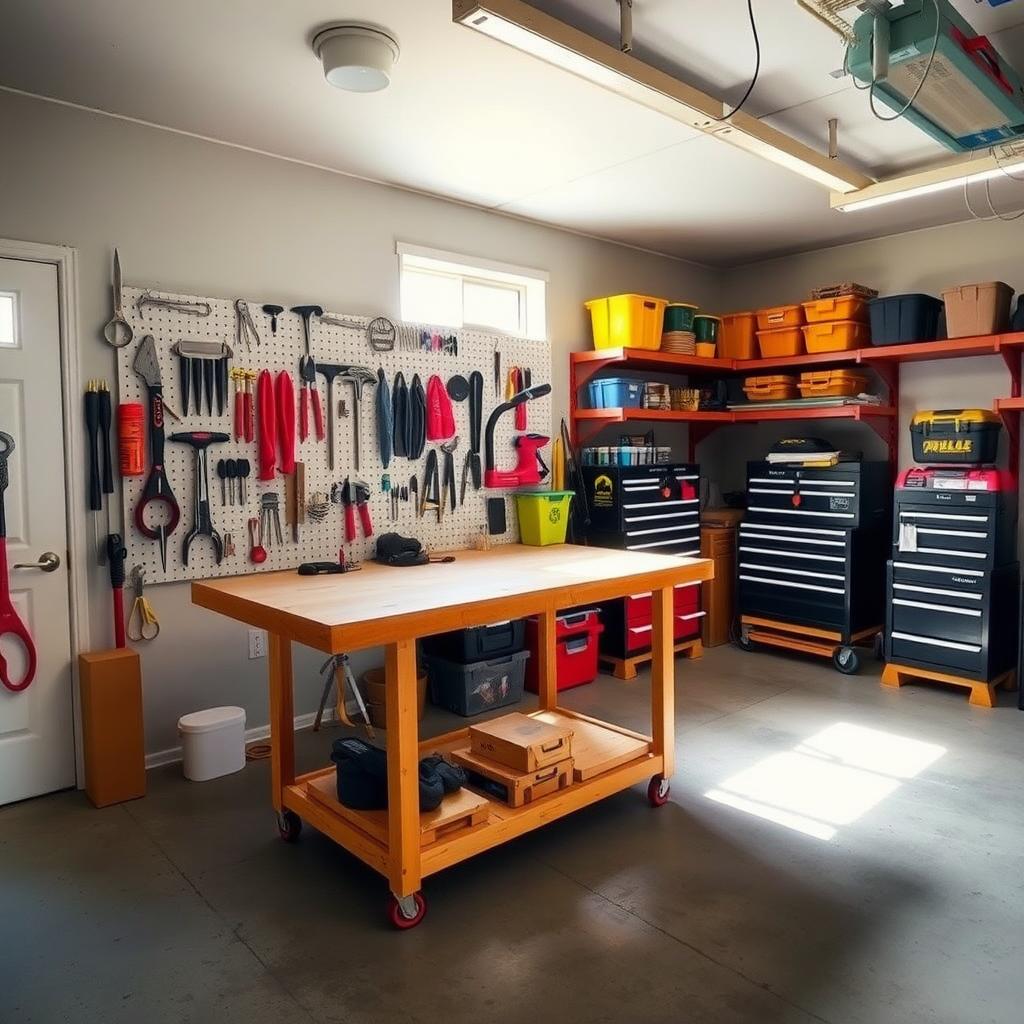
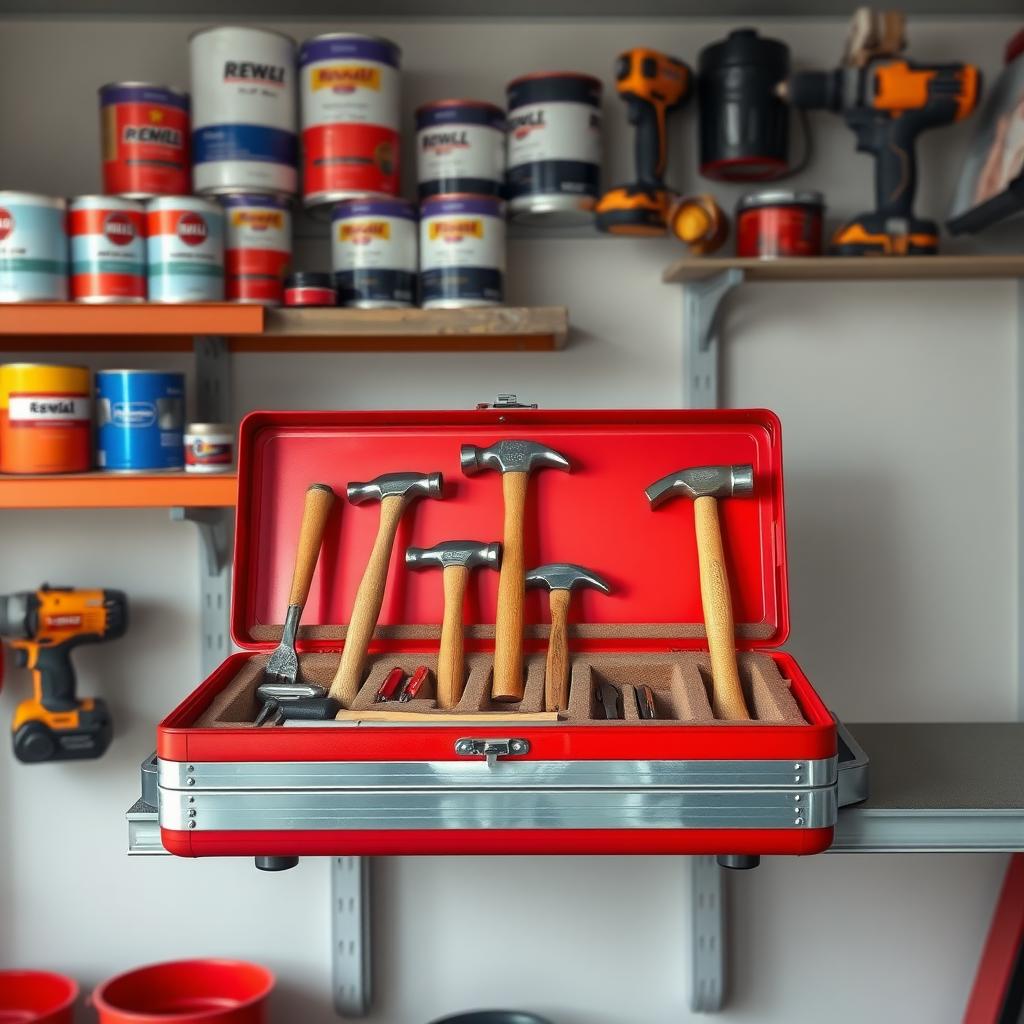
A hammer is only as good as your ability to find it. Organizing your toolbox: tips and tricks can make your projects smoother. Here’s how I keep my tools in check:
- Foam Inserts: Cut foam to fit your toolbox, creating slots for each hammer. It prevents clutter and protects tools.
- Labeling: Label compartments for quick access. I use a label maker for clarity.
- Vertical Storage: Hang hammers on a pegboard for easy reach. Group by type to save time.
- Portable Kits: Keep a small toolbox with essentials like a claw hammer for quick jobs.
These advanced toolbox organization ideas have saved me hours. Once, I spent 20 minutes searching for a tack hammer before I adopted foam inserts. Now, everything has a place.
Common Mistakes to Avoid
It’s easy to make mistakes when choosing a hammer. Here are pitfalls to watch for:
- Buying One Hammer for All Jobs: No hammer is universal. A sledgehammer won’t work for upholstery, and a tack hammer can’t frame a house.
- Ignoring Ergonomics: A poorly designed handle can cause blisters or strain. Test the hammer’s feel before buying.
- Overlooking Quality: Cheap hammers break or bend. Invest in reputable brands like Estwing or Stanley, which I’ve used for years without issues.
Check reviews or ask pros for recommendations. Sites like Popular Mechanics often test tools and share reliable insights.
Practical Tips for Beginners
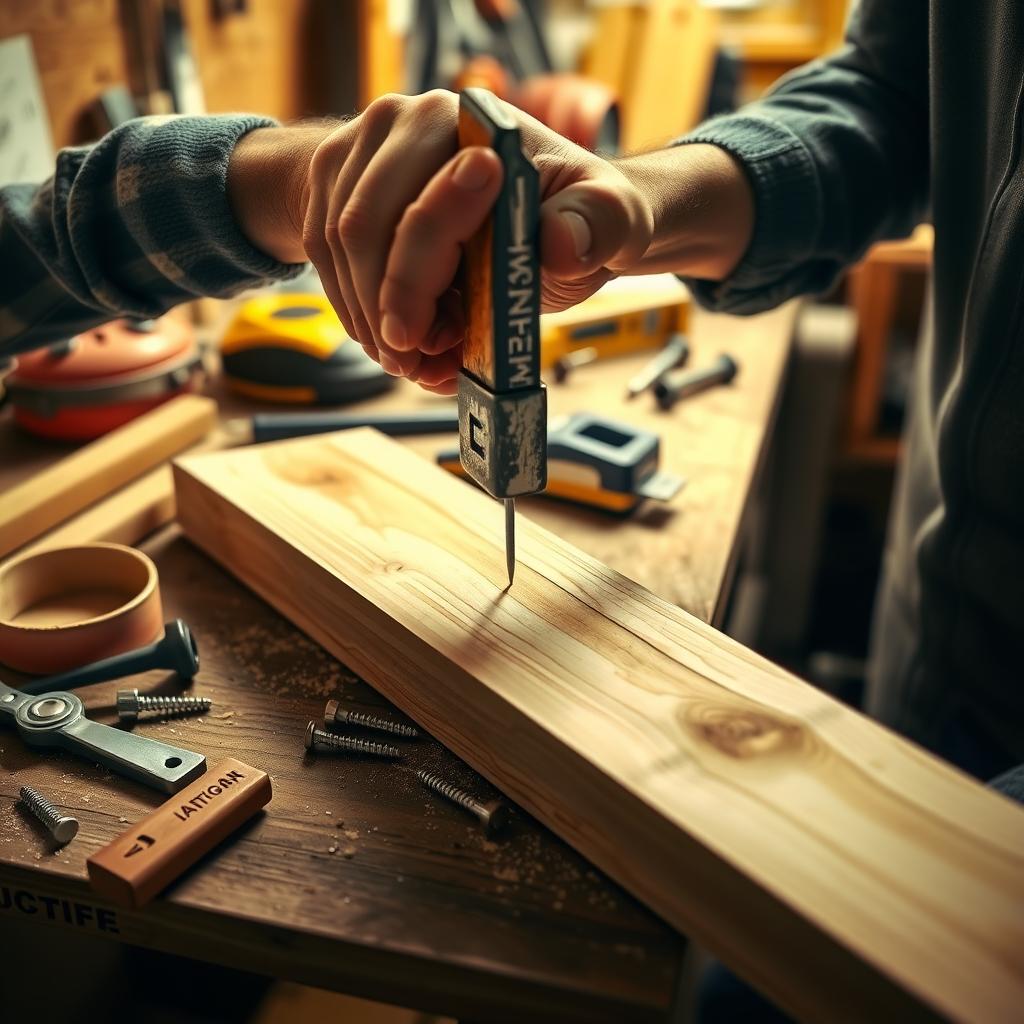
If you’re new to DIY, start with a 16-ounce claw hammer—it’s versatile and forgiving. Practice driving nails on scrap wood to build confidence. Keep your hammers clean and dry to prevent rust. And don’t skip safety: wear gloves and safety glasses, especially with heavy hammers. I learned this after a nail ricocheted during a rushed job—luckily, no harm done, but it was a wake-up call.
Maintaining Your Hammers
A good hammer lasts years with proper care. Wipe the head after use to remove debris. Store in a dry place to avoid rust—my garage toolbox has a silica gel packet for moisture control. Check handles for cracks, especially wooden ones. A loose head can be dangerous, so tighten or replace it as needed. Regular maintenance keeps your essential tools for every handyman in top shape.
Final Thoughts
Choosing the right hammer is about understanding your project, prioritizing comfort, and investing in quality. Pair that with smart toolbox organization, and you’ll work faster and safer. Whether you’re building furniture or tearing down walls, the right hammer makes all the difference. Take time to assess your needs, and your projects will thank you.
Related How to Choose the Right Hammer:
- 10 Essential Power Tools for Every Workshop
- Tool Organization Tips for Painters: Keep Your Workspace Efficient
- Essential Safety Gear for DIY Projects: Protecting Yourself and Your Tools
- The Role of Technology in Improving Construction Safety
- DIY Woodworking Projects for Beginners: A Comprehensive Guide
- Essential Tools for Every Workman's Toolbox: Must-Haves for Any Project
- How to Organize Your Workshop Like a Pro
- Mastering Advanced Hand Tool Techniques for Precision Craftsmanship
- How to Choose the Right Vice for Your Workbench: A Comprehensive Guide
- Power Tools Safety Guidelines: Stay Safe While Using Power Drills and More
- Top Tool Brands Trusted by Professionals: Your Guide to Quality Tools
- Combining Woodworking and Electrical Work: The Ultimate Guide