Overview
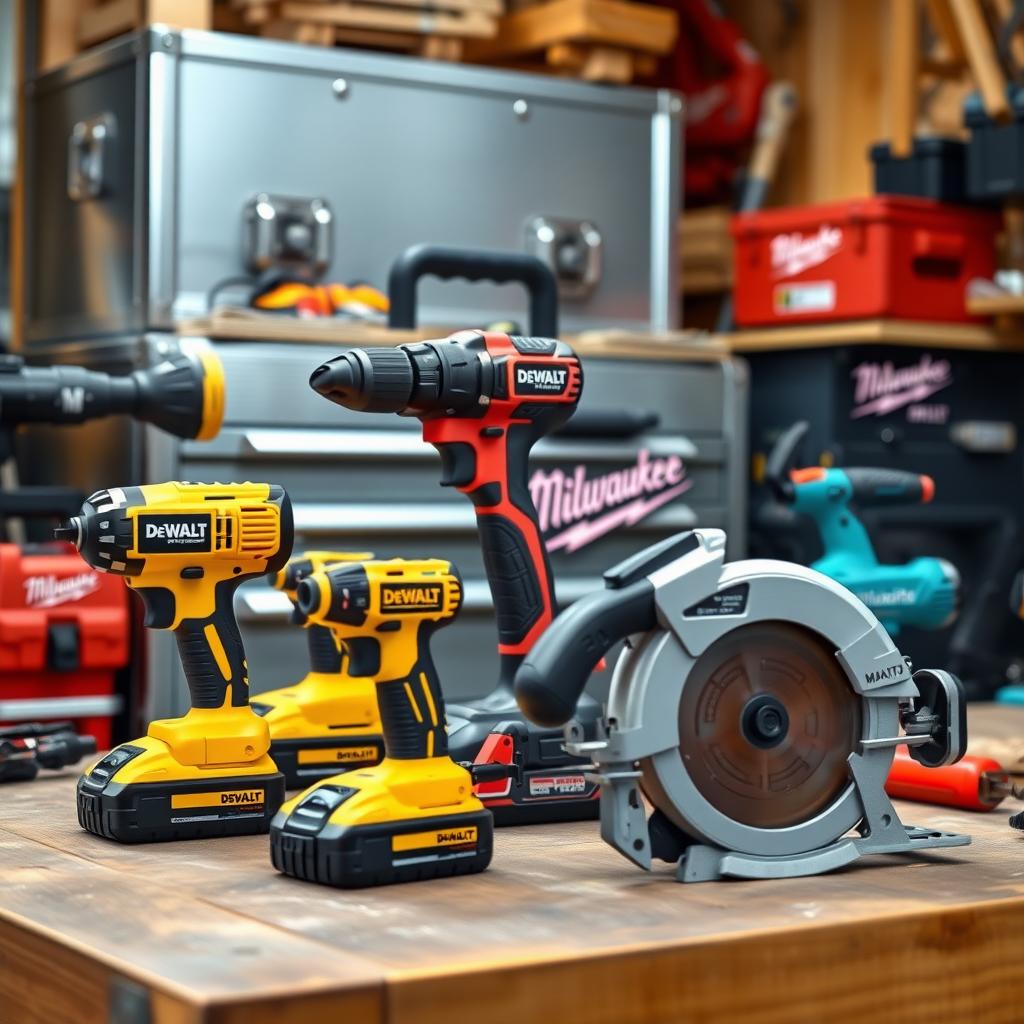
A well-equipped workshop is the backbone of any DIY project or professional job. Whether you're a weekend warrior or a seasoned craftsman, having the right tools makes all the difference. This guide explores the 10 essential power tools for every workshop, blending personal insights with practical advice to help you choose tools that last. From cutting wood to fastening screws, these tools will elevate your work and save time.
Why Power Tools Matter
Power tools bring speed, precision, and efficiency to your projects. Unlike must-have hand tools for mechanics or basic hand tools, power tools amplify your capabilities. They handle repetitive tasks, cut through tough materials, and ensure consistent results. I’ve spent years tinkering in my garage, and the right power tool has often turned a frustrating job into a satisfying one. Let’s dive into the 10 tools every workshop needs.
1. Cordless Drill
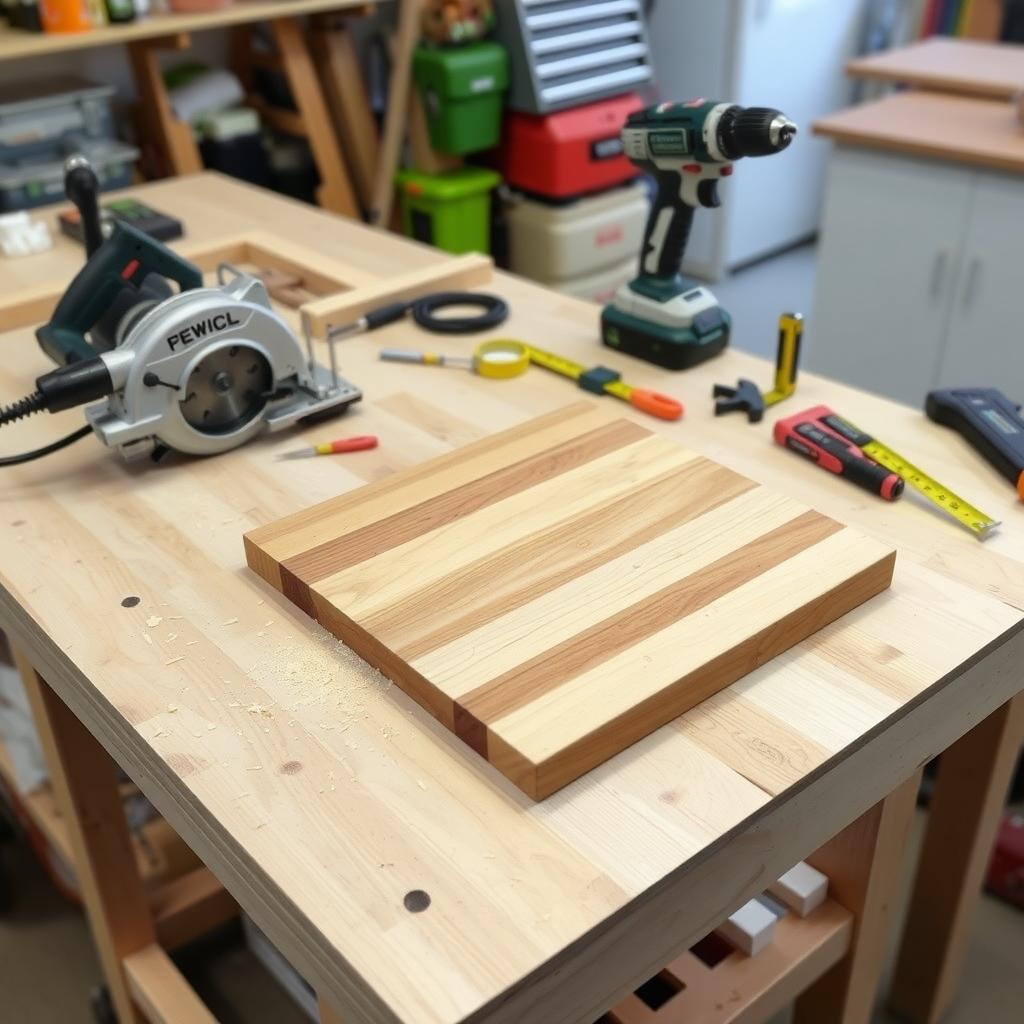
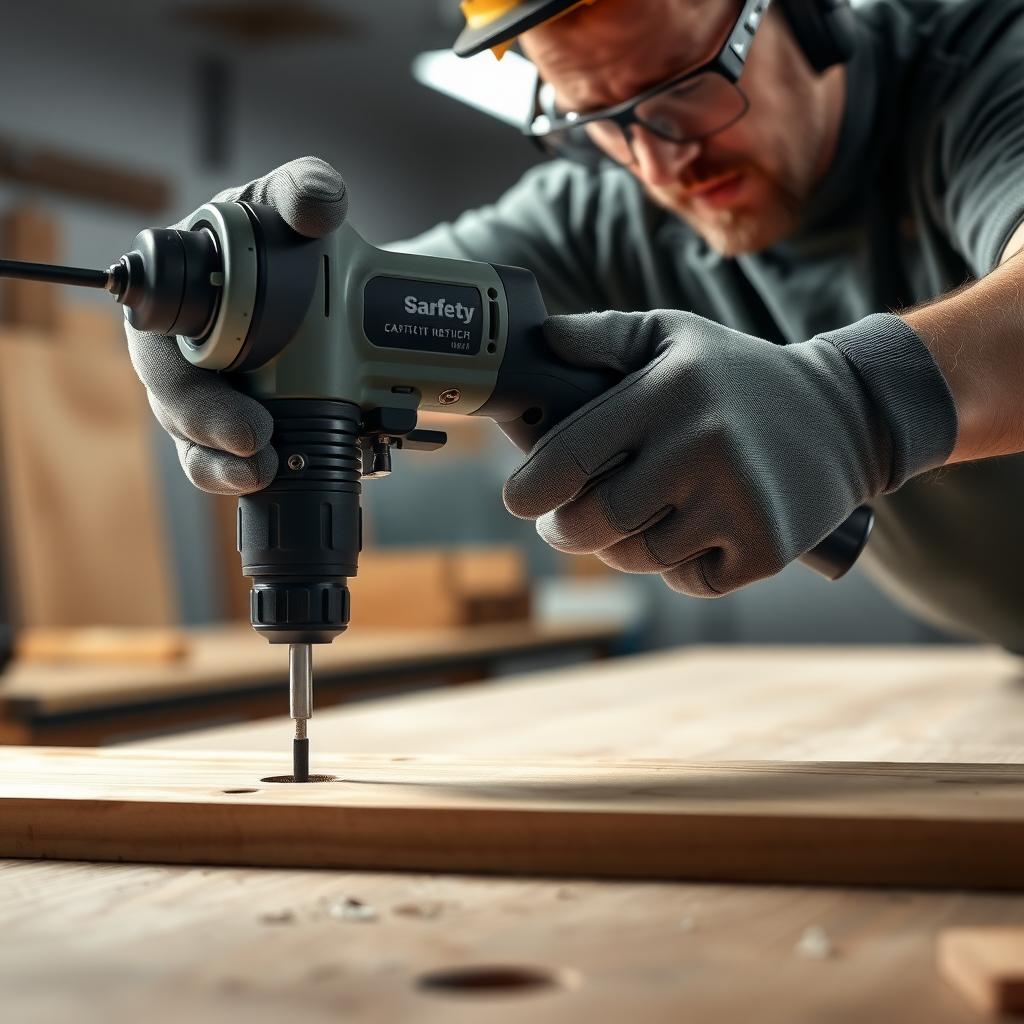
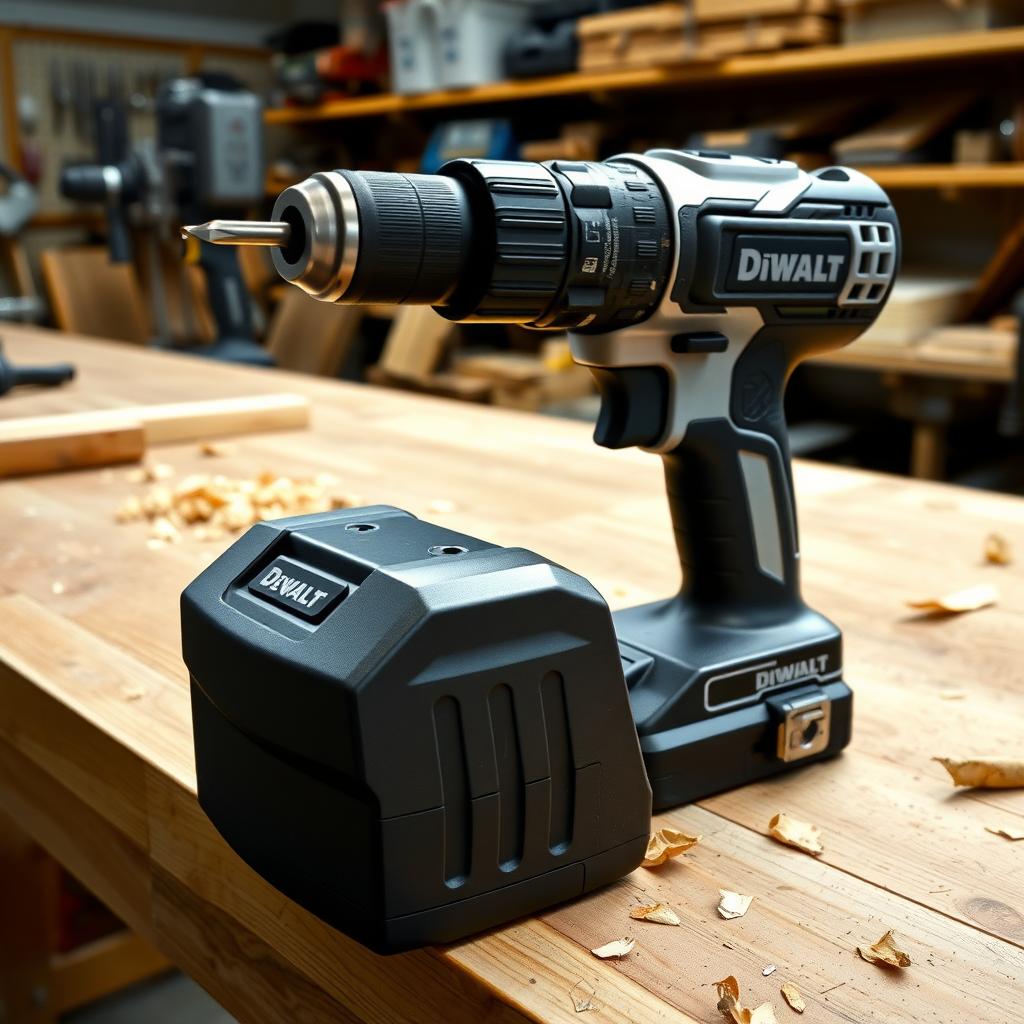
A cordless drill is the heart of any workshop. It’s versatile, portable, and perfect for drilling holes or driving screws. I remember struggling with a manual screwdriver on a furniture project—switching to a cordless drill cut my work time in half. Look for a model with adjustable torque settings and at least an 18V battery for power and longevity.
Tip: Invest in a drill with a brushless motor for better efficiency and durability.
2. Circular Saw
For cutting wood, plywood, or even metal, a circular saw is a must. Its portability makes it ideal for large projects where a table saw is impractical. I once built a deck using a circular saw, and its ability to make quick, straight cuts was a game-changer. Choose a saw with a 7-1/4-inch blade for versatility.
Tip: Always use a guide or straightedge for cleaner cuts.
3. Jigsaw
A jigsaw excels at curved or intricate cuts. It’s perfect for crafting custom shapes in wood or cutting patterns in thin metal. I’ve used mine for everything from Halloween decorations to custom shelving. Look for a jigsaw with variable speed settings and orbital action for smoother cuts.
Tip: Use fine-tooth blades for metal and coarse blades for wood.
4. Random Orbital Sander
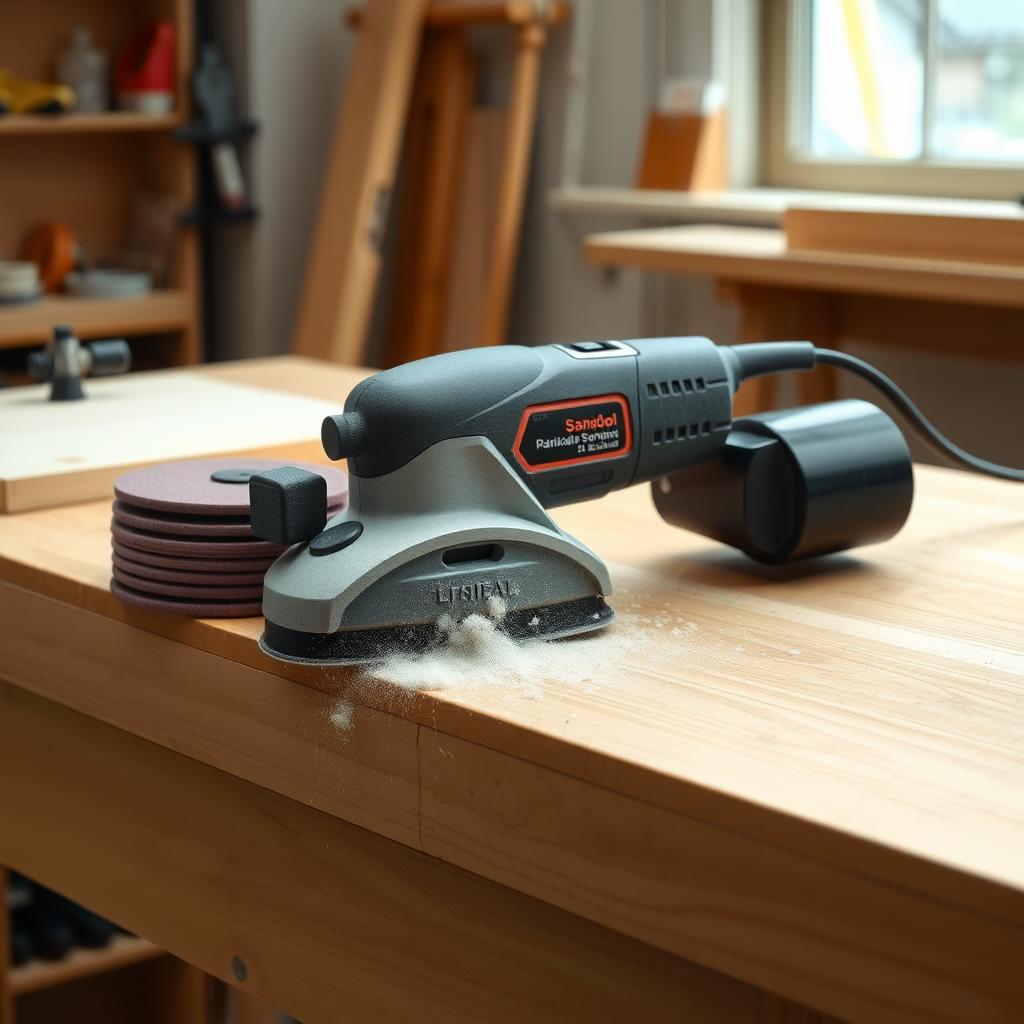
Sanding by hand is tedious. A random orbital sander smooths surfaces quickly and leaves no swirl marks. I refinished an old oak table with one, and the finish was flawless. Opt for a model with dust collection to keep your workspace clean.
Tip: Start with coarse sandpaper (80-grit) and progress to finer grits (220) for a polished result.
5. Angle Grinder
An angle grinder is a powerhouse for cutting, grinding, and polishing metal or stone. I’ve used mine to sharpen lawnmower blades and cut tiles for a bathroom project. It’s loud and aggressive, so always wear safety gear. Choose a 4-1/2-inch model with a paddle switch for safety.
Tip: Keep extra discs on hand for different tasks like cutting or grinding.
6. Table Saw
A table saw is the cornerstone of woodworking. It’s ideal for ripping boards or making precise crosscuts. My first table saw transformed how I approached cabinetry projects—suddenly, everything was square and accurate. Look for a saw with a sturdy fence and a reliable miter gauge.
Tip: Invest in a good push stick to keep your hands safe.
7. Miter Saw
For angled cuts, a miter saw is unbeatable. It’s perfect for trim work, framing, or building furniture. I built a picture frame with a miter saw, and the clean 45-degree cuts made assembly a breeze. A compound miter saw with a 10- or 12-inch blade is ideal for most workshops.
Tip: Check the alignment of the blade before every project.
8. Impact Driver
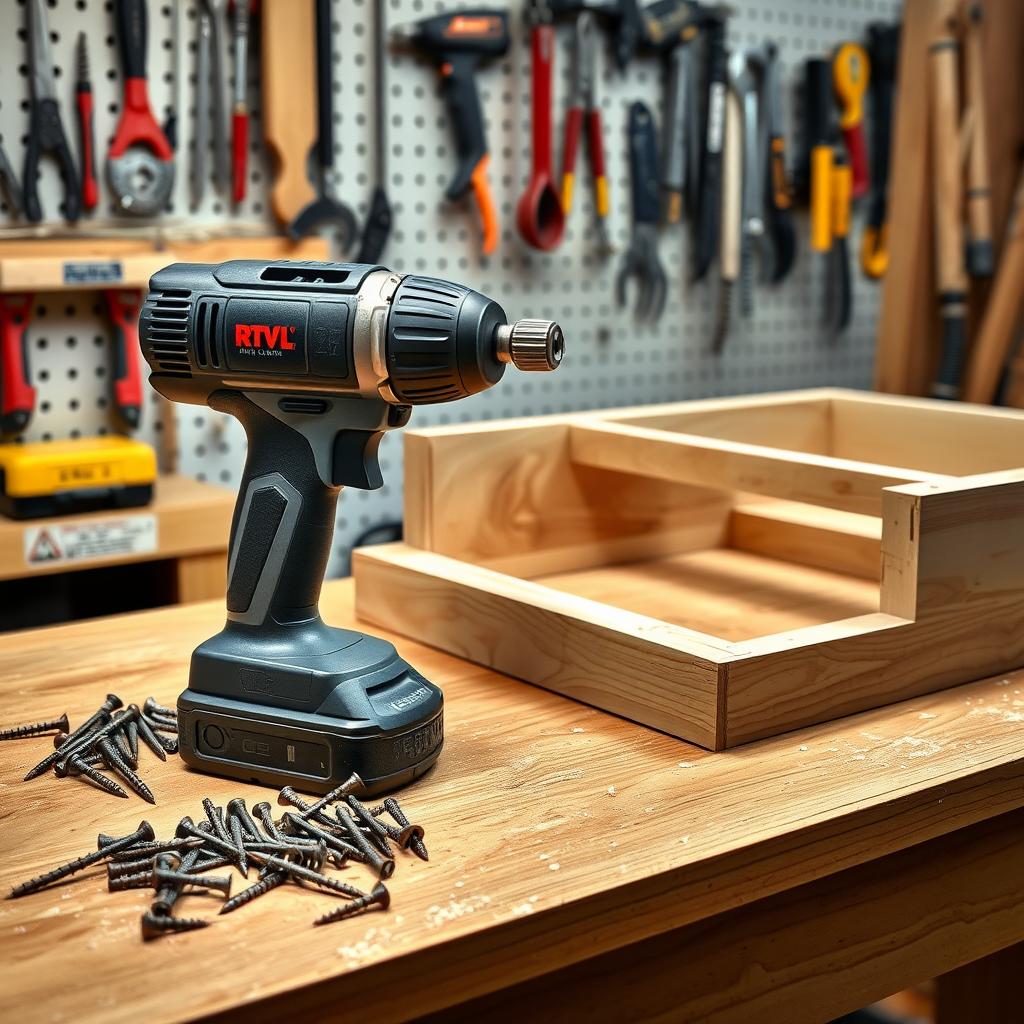
An impact driver complements a cordless drill by delivering more torque for heavy-duty fastening. I used one to assemble a pergola, and it drove long screws effortlessly. It’s louder than a drill, but the power is worth it. Look for a model with multiple speed settings.
Tip: Pair it with impact-rated bits to avoid stripping.
9. Reciprocating Saw
A reciprocating saw is your go-to for demolition or rough cuts. It’s great for cutting through wood, metal, or even drywall. I’ve used mine to prune thick tree branches and dismantle old furniture. Choose a model with a variable speed trigger for better control.
Tip: Use bi-metal blades for versatility across materials.
10. Router
A router adds finesse to woodworking, letting you create decorative edges or joinery. I used a router to shape edges on a custom bookshelf, and it added a professional touch. A compact router with variable speed is perfect for beginners.
Tip: Practice on scrap wood to master control before tackling your project.
Complementing Power Tools with Hand Tools
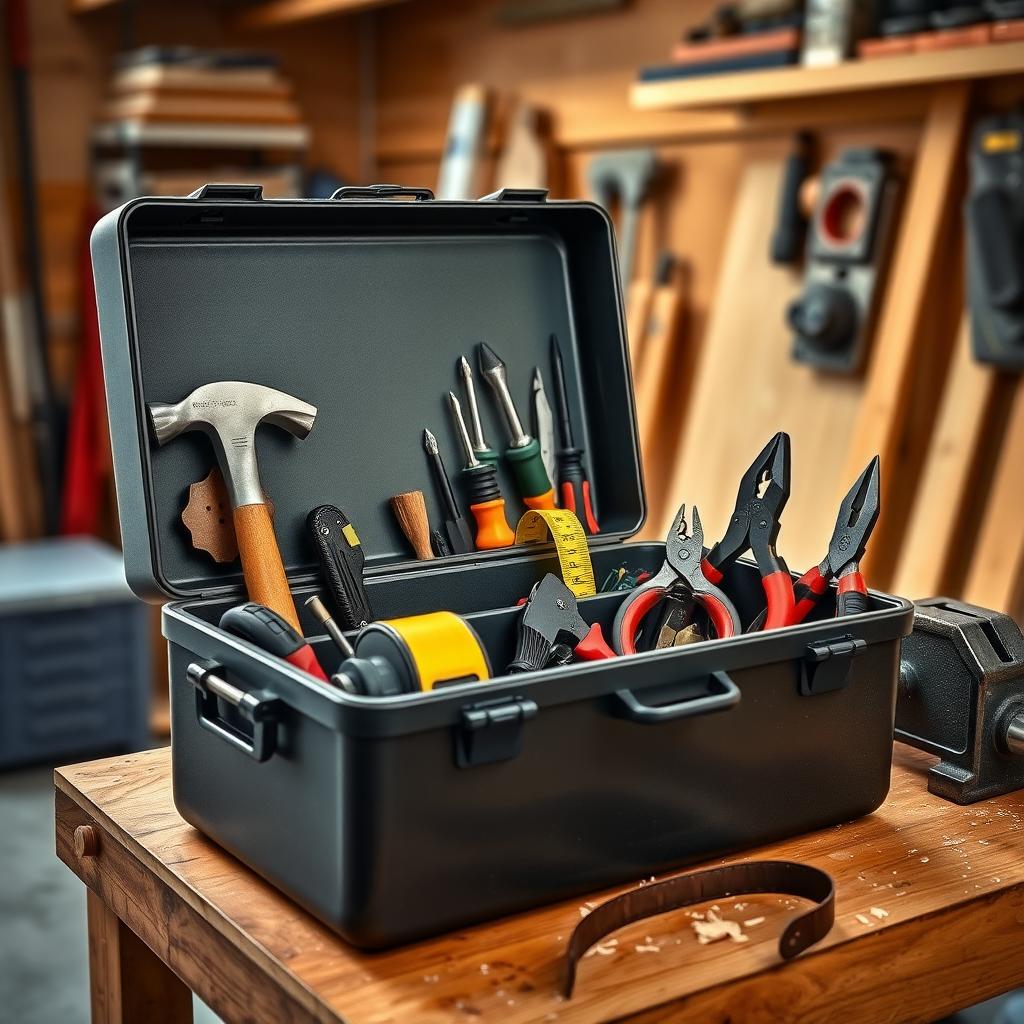
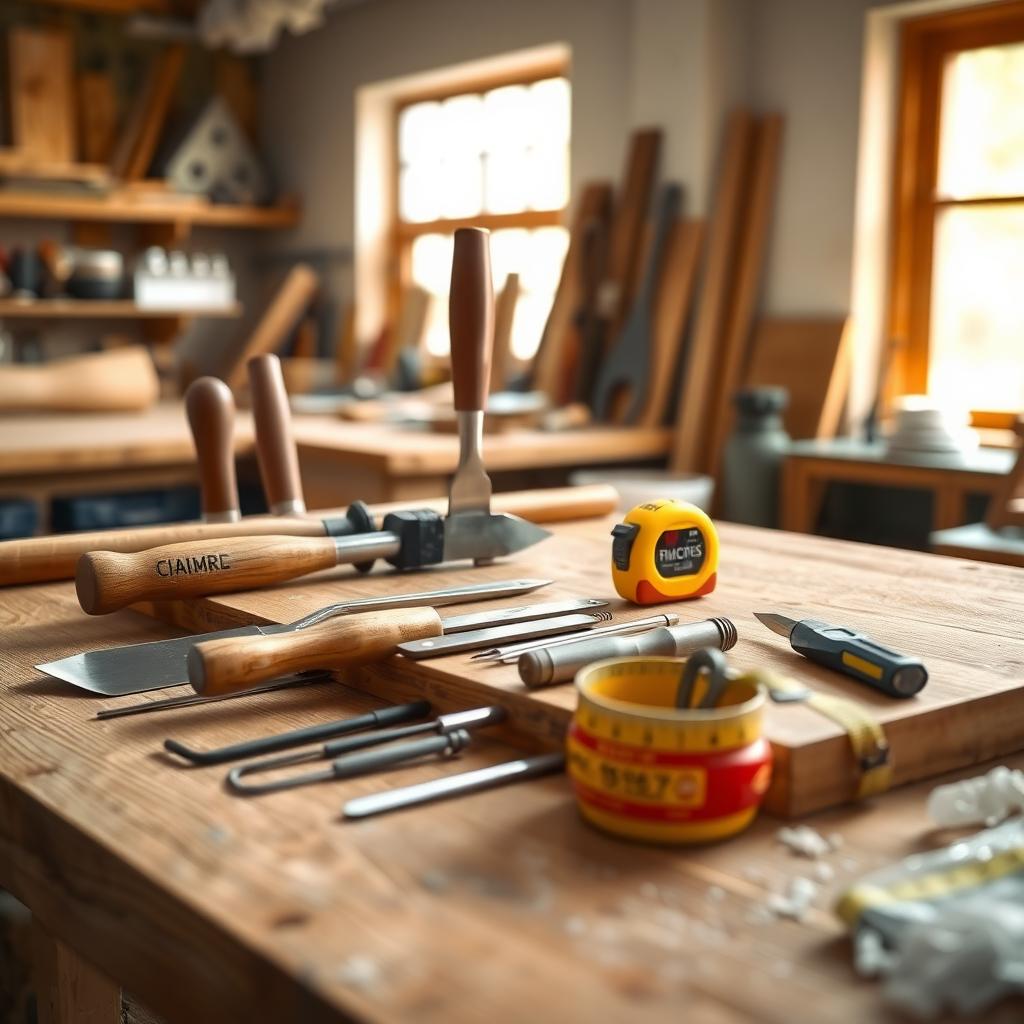
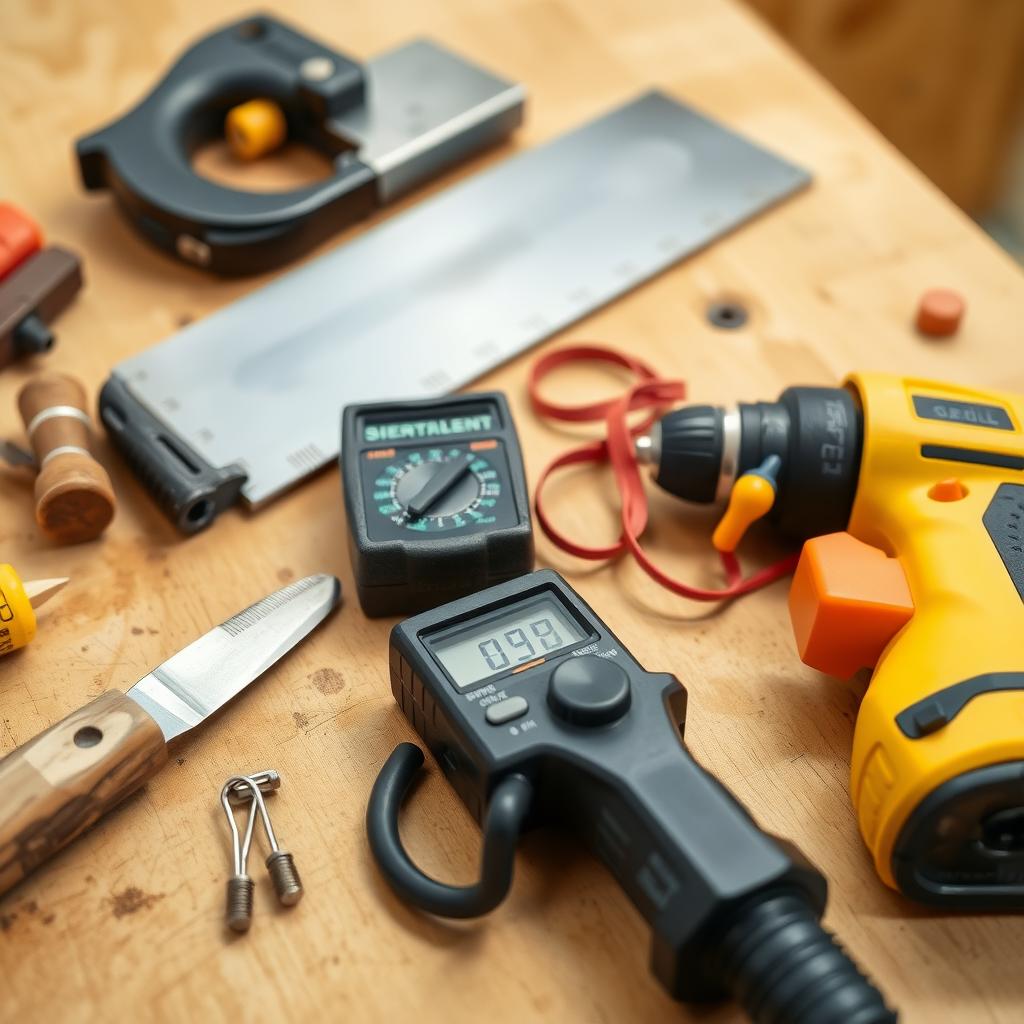
While power tools dominate modern workshops, must-have hand tools for mechanics and general hand tools are still essential. A good hammer, screwdrivers, and wrenches handle tasks where power tools are overkill. For example, I always keep a set of workman tools like pliers and a tape measure nearby for quick adjustments. Combining power and hand tools creates a balanced workshop.
Choosing the Right Tools
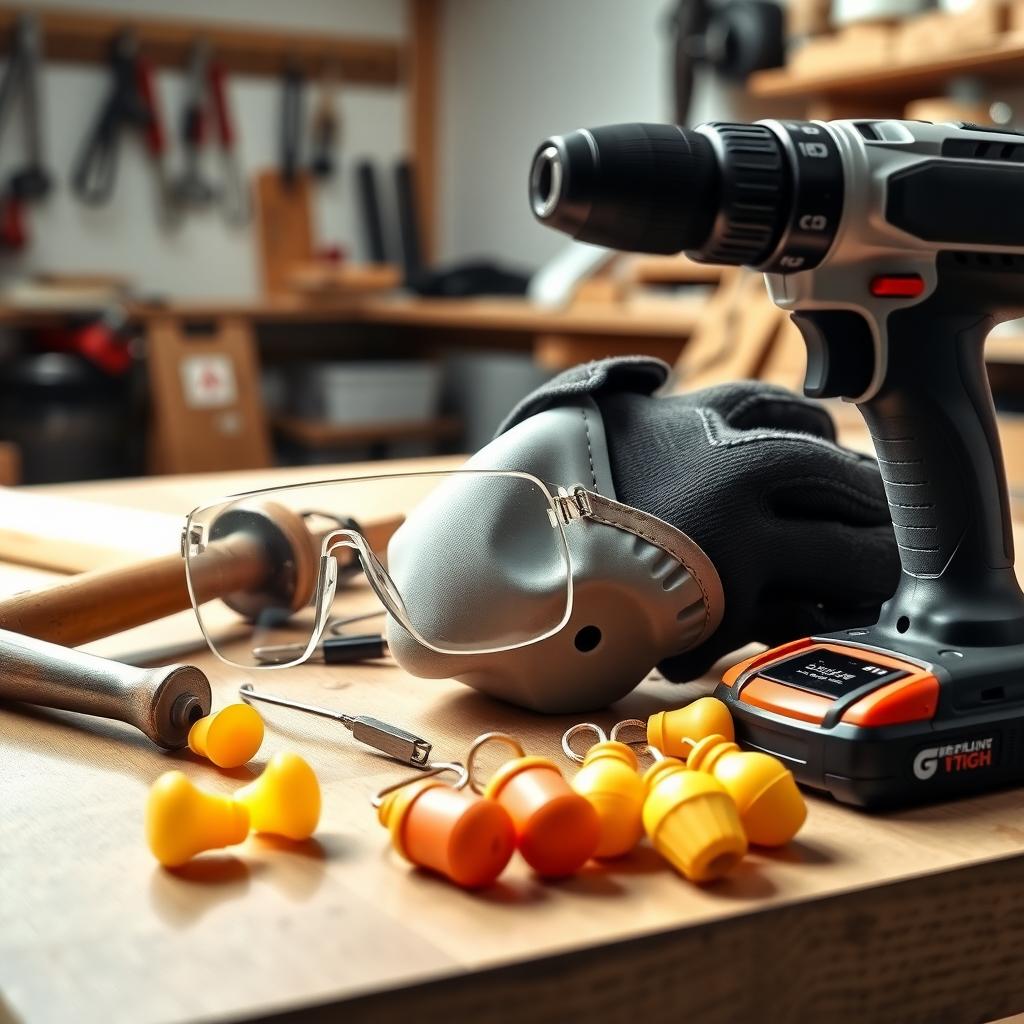
When selecting power tools, prioritize quality over quantity. Brands like DeWalt, Makita, and Bosch are reliable, but read reviews and test tools when possible. Consider cordless options for flexibility, but ensure you have enough batteries. Safety is critical—always wear goggles, gloves, and ear protection. My first project taught me the hard way: a flying wood chip is no joke.
Maintaining Your Tools
Proper maintenance extends tool life. Clean blades and bits after use, store tools in a dry place, and check cords or batteries for wear. I once neglected my circular saw, and a dull blade ruined a project. Regular maintenance saves money and frustration.
Quick Maintenance Checklist: - Clean tools after each use - Sharpen blades regularly - Check for loose parts - Store in a dry, organized space
Summary
The 10 essential power tools for every workshop—cordless drill, circular saw, jigsaw, random orbital sander, angle grinder, table saw, miter saw, impact driver, reciprocating saw, and router—form the foundation of a versatile toolkit. Paired with must-have hand tools for mechanics and workman tools, they empower you to tackle any project. Invest wisely, maintain your tools, and always prioritize safety to make your workshop a hub of creativity and productivity.
Related 10 Essential Power Tools for Every Workshop:
- Tool Organization Tips for Painters: Keep Your Workspace Efficient
- Essential Safety Gear for DIY Projects: Protecting Yourself and Your Tools
- The Role of Technology in Improving Construction Safety
- DIY Woodworking Projects for Beginners: A Comprehensive Guide
- Essential Tools for Every Workman's Toolbox: Must-Haves for Any Project
- How to Organize Your Workshop Like a Pro
- Mastering Advanced Hand Tool Techniques for Precision Craftsmanship
- How to Choose the Right Vice for Your Workbench: A Comprehensive Guide
- Power Tools Safety Guidelines: Stay Safe While Using Power Drills and More
- Top Tool Brands Trusted by Professionals: Your Guide to Quality Tools
- Combining Woodworking and Electrical Work: The Ultimate Guide
- Common Power Washer Problems and Solutions: Keep Your Machine Running Smoothly