Overview
Construction sites are busy, complex, and sometimes dangerous places. Workers face risks like falls, equipment accidents, and hazardous materials daily. However, technology is stepping in to make these environments safer. From wearable devices to drones, new tools are helping workers stay protected while meeting OSHA’s Guide to Construction Safety Standards (https://www.osha.gov/construction). This article explores how these advancements are reshaping safety practices and offers practical tips for staying safe on construction sites.
Why Construction Safety Matters
Construction is one of the most hazardous industries. According to the U.S. Bureau of Labor Statistics, over 1,000 construction workers lose their lives each year, and thousands more are injured. Falls alone account for nearly 40% of fatalities. These numbers show why Understanding OSHA Safety Regulations for Construction Sites is critical. OSHA sets rules to protect workers, but technology takes these efforts further by providing real-time solutions to prevent accidents before they happen.
I’ve visited construction sites where the difference between a close call and a tragedy was a split-second decision. Technology can make those seconds count. For example, a worker I met in Texas shared how a wearable sensor alerted him to a nearby crane moving too close. That small device saved him from a serious injury. Stories like these show how technology is becoming a game-changer.
Wearable Technology for Worker Safety
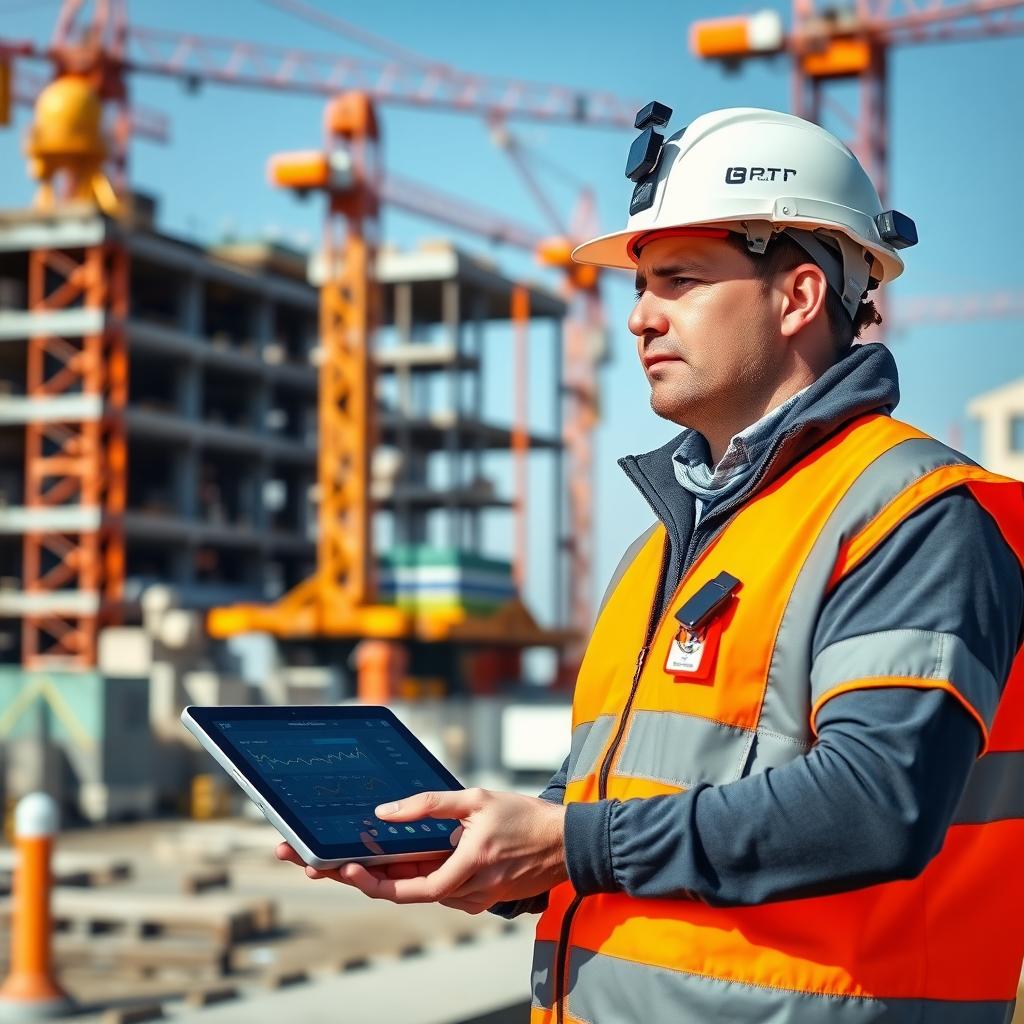
Wearable devices are revolutionizing how workers stay safe. These gadgets, often integrated into tool belts for construction workers or helmets, monitor vital signs, detect fatigue, or warn about nearby hazards. For instance, smart vests can vibrate to alert workers of approaching machinery, while smartwatches track heart rates to spot exhaustion.
A study by the National Institute for Occupational Safety and Health (NIOSH) found that wearables reduced incident rates by 20% on sites where they were used. Workers can focus on their tasks, knowing their gear is watching out for them.
One worker I spoke with said his smart helmet’s proximity sensor stopped him from stepping into a restricted zone. These devices don’t just protect individuals—they improve teamwork. Managers can monitor data from wearables to ensure everyone follows safety protocols, aligning with OSHA’s Guide to Construction Safety Standards.
Drones and Robotics: Eyes in the Sky
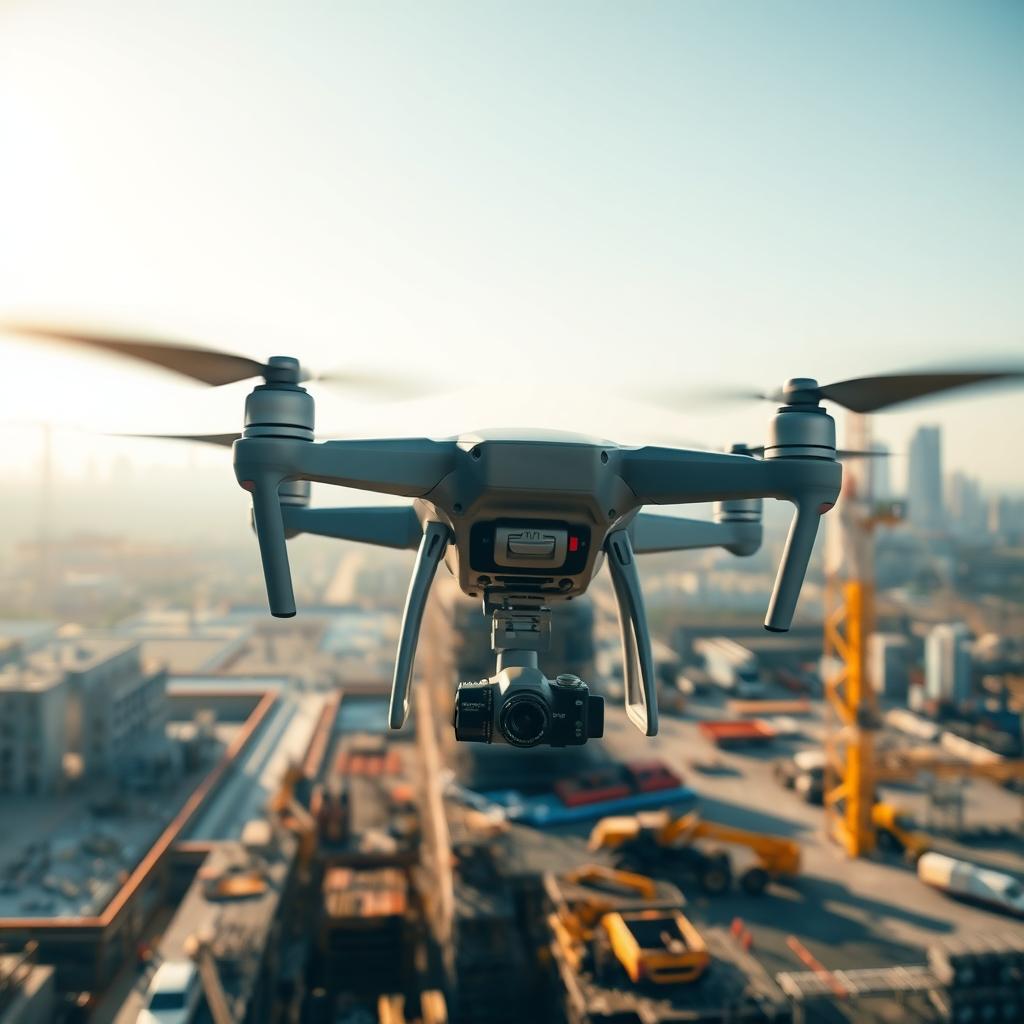
Drones are another powerful tool. They survey sites from above, spotting hazards like unstable structures or cluttered walkways. Instead of sending workers into risky areas, drones can inspect high-rise scaffolding or confined spaces. This reduces the need for dangerous manual checks.
Robotics also play a role. Automated machines can handle heavy lifting or repetitive tasks, lowering the risk of strain injuries. On a site I visited, a robotic arm was stacking materials, freeing workers from back-breaking labor.
AI and Data Analytics for Proactive Safety
Artificial intelligence (AI) is taking safety to the next level. AI systems analyze data from cameras, sensors, and wearables to predict risks. For example, AI can detect patterns like frequent near-misses in certain areas and suggest changes, like rerouting foot traffic.
On one project, an AI system flagged a scaffolding section that showed signs of wear. The crew fixed it before it collapsed, saving lives. These systems work best when paired with Understanding OSHA Safety Regulations for Construction Sites, ensuring compliance while preventing accidents.
Virtual Reality for Training
Training is a big part of How to Stay Safe on Construction Sites: Essential Tips. Virtual reality (VR) makes training more effective. Workers can practice handling equipment or navigating hazards in a virtual environment. This hands-on approach builds confidence without real-world risks.
I saw a VR training session where new workers practiced operating a forklift. They made mistakes, crashed, and learned—all without touching actual equipment. Companies using VR report fewer on-site errors, as workers are better prepared.
Smart Tools and Equipment
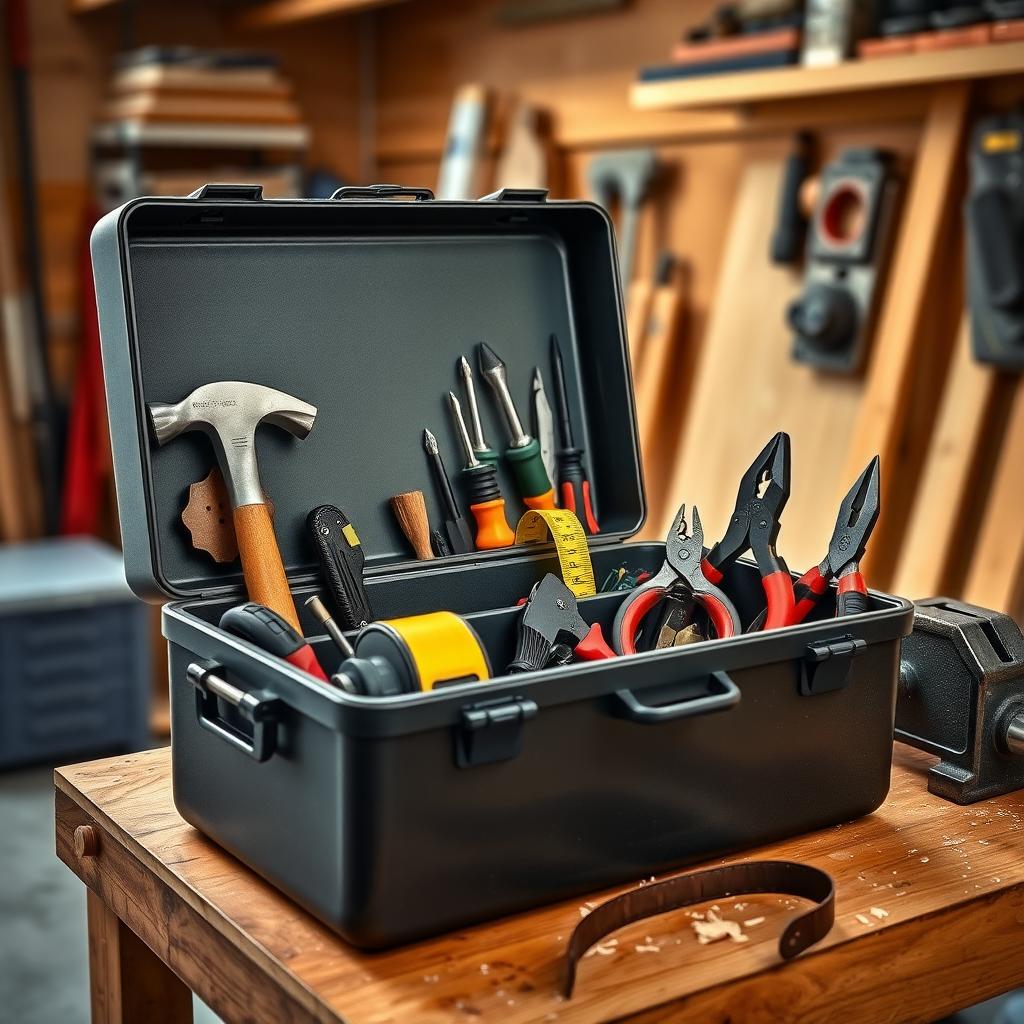
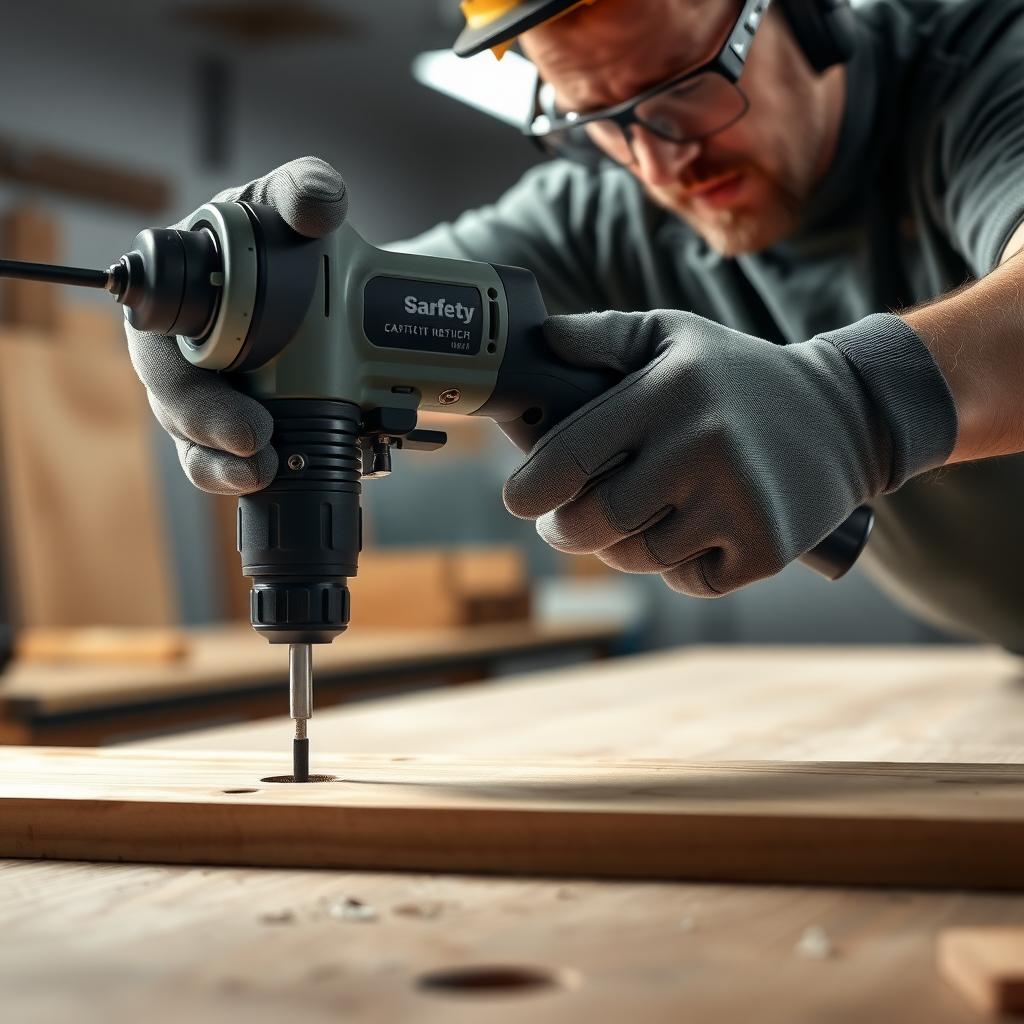
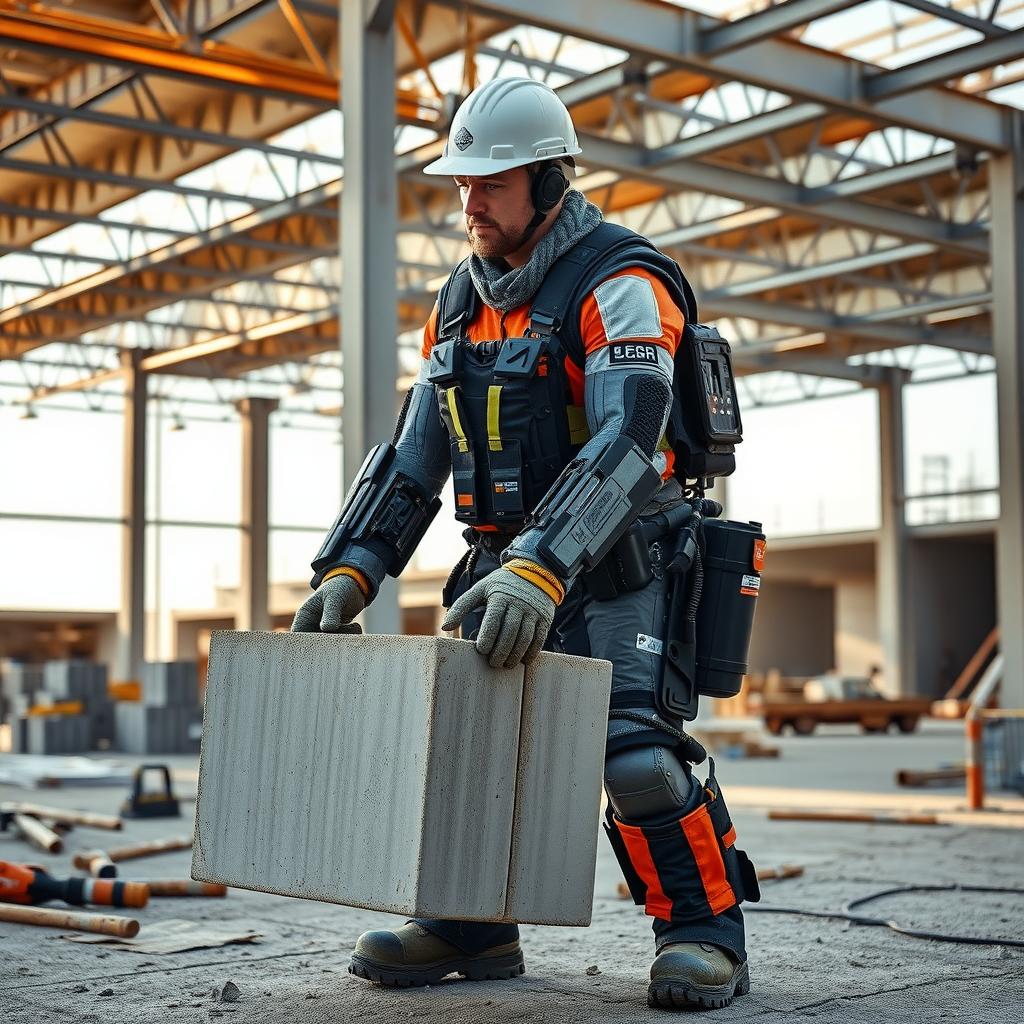
Modern tool belts for construction workers now hold more than hammers and nails. Smart tools, like drills with torque sensors, stop automatically if they detect a jam, preventing hand injuries. Similarly, exoskeletons—wearable robotic suits—support workers lifting heavy loads, reducing strain.
A contractor I met swore by his exoskeleton, saying it let him work longer without back pain. These tools don’t just improve safety; they help workers stay productive and comfortable.
Challenges of Adopting Technology
Technology isn’t a magic fix. Cost is a big hurdle—wearables and drones can be expensive, especially for smaller companies. Training workers to use new tools also takes time. Plus, some workers resist change, preferring old-school methods.
Still, the benefits outweigh the challenges. Companies that invest in safety tech often see lower insurance costs and fewer delays from accidents. OSHA’s regulations encourage adopting proven safety measures, and technology fits right in.
Practical Tips for Using Technology Safely
Here are some actionable ways to integrate technology into construction safety:
- Invest in Wearables: Equip workers with smart vests or helmets to monitor hazards in real time.
- Use Drones for Inspections: Regularly survey sites to catch risks early.
- Train with VR: Simulate dangerous scenarios to prepare workers without exposing them to harm.
- Leverage AI Insights: Use data analytics to identify and fix potential issues before they escalate.
- Update Tool Belts: Include smart tools in tool belts for construction workers to reduce manual risks.
These steps align with How to Stay Safe on Construction Sites: Essential Tips and help meet OSHA standards.
The Future of Construction Safety
The future looks bright. Innovations like autonomous vehicles for material transport and augmented reality for real-time hazard alerts are on the horizon. As technology gets cheaper and easier to use, more companies will adopt it. Workers will benefit from safer sites, and managers will enjoy fewer headaches from compliance issues.
I believe the key is balance—using technology to enhance, not replace, human judgment. By combining smart tools with solid training and OSHA compliance, the industry can keep pushing toward zero accidents.
Summary
Technology is transforming construction safety by catching risks early, improving training, and protecting workers in real time. From wearables to AI, these tools make sites safer while aligning with OSHA’s Guide to Construction Safety Standards. By adopting these innovations and following practical tips, companies can save lives and boost efficiency. For more insights, check out the recommended readings below.
Related The Role of Technology in Improving Construction Safety:
- DIY Woodworking Projects for Beginners: A Comprehensive Guide
- Essential Tools for Every Workman's Toolbox: Must-Haves for Any Project
- How to Organize Your Workshop Like a Pro
- Mastering Advanced Hand Tool Techniques for Precision Craftsmanship
- How to Choose the Right Vice for Your Workbench: A Comprehensive Guide
- Power Tools Safety Guidelines: Stay Safe While Using Power Drills and More
- Top Tool Brands Trusted by Professionals: Your Guide to Quality Tools
- Combining Woodworking and Electrical Work: The Ultimate Guide
- Common Power Washer Problems and Solutions: Keep Your Machine Running Smoothly
- Essential Power Tools Maintenance Tips for Long-Lasting Performance
- DIY Tool Storage Solutions for Small Spaces: Maximize Your Workshop
- Choosing the Right Paintbrush for Your Project: A Comprehensive Guide